Think about your follower count on Instagram. Now ask a harder version of the same question: if Instagram shut down tomorrow, how many of those people would find you again?
Not how many would want to. How many actually would, given the friction of searching for someone across platforms they may not use, re-following an account they have to locate first, and repeating that process for every creator they followed in a single tap. The realistic number is much lower than the number on your profile, and the gap between those two figures is a precise measurement of how much of your audience you actually own.
A Follower Is Not a Subscriber
A follower on Instagram is a record in a database indicating that one account expressed interest in another within a specific platform's environment. The platform controls whether that interest translates into your content appearing in their feed, how prominently, and under what conditions. The follower made a choice once. The platform mediates every subsequent interaction between you.
An email subscriber is different in a way that has real consequences. They handed you their contact information directly, and the relationship exists independently of any platform. If the newsletter tool shuts down, you export the list and move it. The subscriber comes with you because the connection is direct.
Your Instagram followers' contact information belongs to Instagram, not to you. The platform's Terms of Service prohibit exporting it. If Instagram disappears, so does the mechanism through which those people were reachable, and what you are left with is a follower count that was always more accurately described as a lease on someone else's audience.
This Has Already Happened
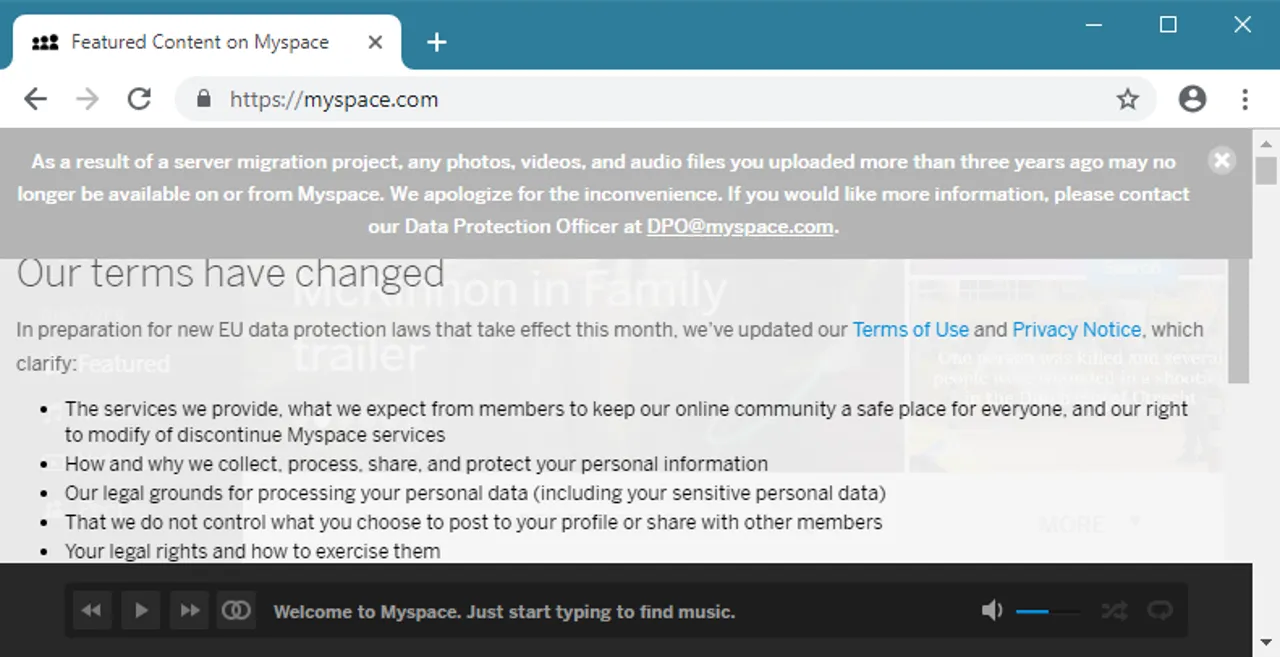
MySpace had 100 million users at its peak. Vine had a genuinely creative community before Twitter shut it down in 2016. Google+ had 500 million registered accounts before Google discontinued it in 2019. Tumblr's communities scattered after its 2018 content policy changes. In each case, creators discovered that their follower counts were records of past engagement on a specific platform rather than relationships they could transfer.
The creators who came through those transitions with audiences intact had built parallel channels before the collapse. Vine creators who moved successfully to YouTube had been building there already. Bloggers who survived MySpace had email lists. The audience that stays with you is the audience you have a direct relationship with, and that relationship almost always exists off-platform.
Instagram is not MySpace in scale or profitability, but the structural vulnerability is identical. The consequence of platform collapse is total for anyone who built exclusively on it.
The Numbers Behind the Question
An account with 200,000 Instagram followers and a 2 percent engagement rate has roughly 4,000 people interacting with content regularly. Research on creator migration following platform disruptions finds that the retained audience is typically between 5 and 15 percent of the original follower count, with the higher end applying to creators whose off-platform presence was already established.
That math puts the durable audience of a 200,000-follower account somewhere between 200 and 600 people who would follow the creator to a new platform without significant friction. The rest clicked follow once and depend entirely on Instagram's algorithm to keep seeing the work.
The conversion rate from Instagram follower to email subscriber sits between 0.5 and 2 percent for most accounts, which means that same 200,000-follower account might have a genuine email list of 1,000 to 4,000 people. That number is the closer approximation of the real audience.
Where the Durable Relationship Lives
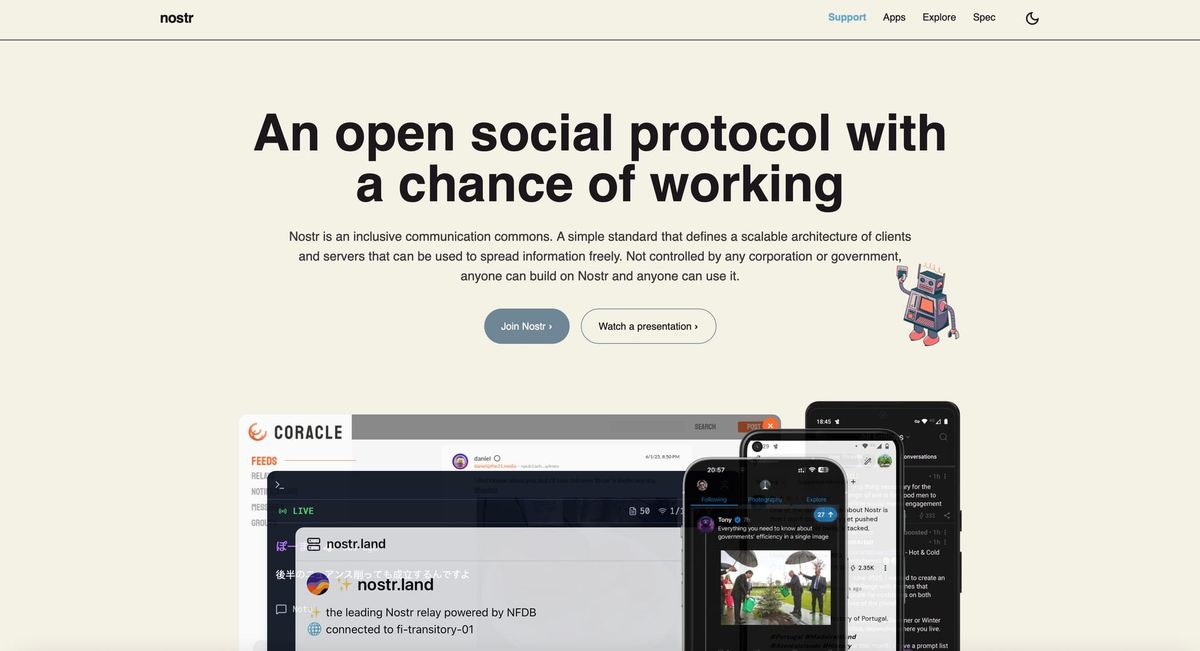
Email is the most established answer. Beyond it, the protocol-level alternative worth understanding is Nostr, where the ownership logic is different at the foundation rather than just at the product layer. Your identity on Nostr is a cryptographic key pair you hold. Your followers are following your key, not a platform account. If a relay shuts down, you connect to another and the connection persists, because it was never stored in any company's database that can be deleted.
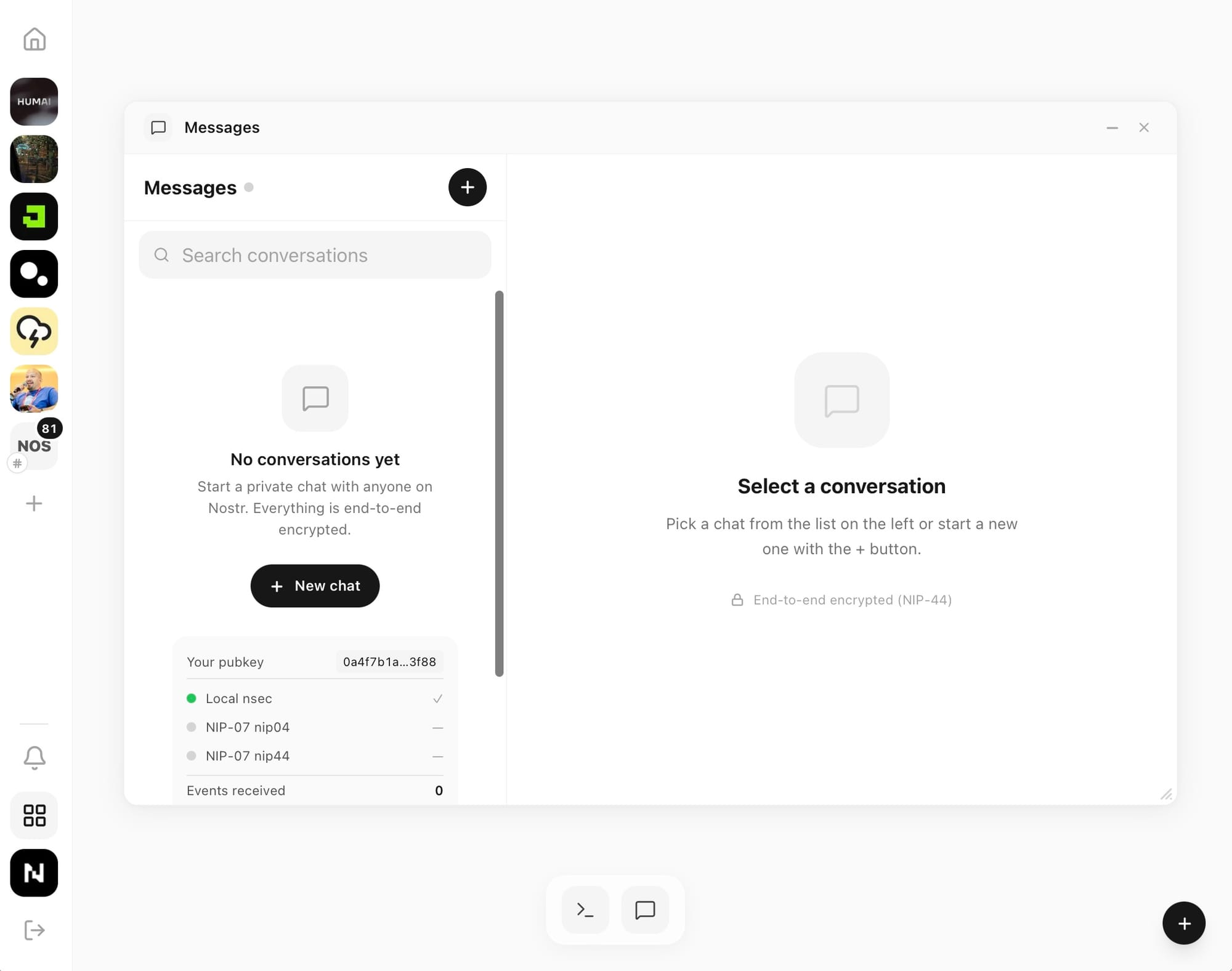
Nostr.blog builds on this for writers specifically. Content published there is signed with your key and distributed across relays, so the reader relationship does not depend on any single company's continued operation. Readers can support individual pieces through Lightning payments directly, without a platform taking a cut. The audience is smaller than Instagram's by an enormous margin, and that is a genuine cost worth naming honestly. The question is whether a smaller audience you own is more valuable over ten years than a larger audience you are renting from a platform with its own interests in how that relationship works.
The Honest Answer
Most of your Instagram followers would not find you again if the platform shut down tomorrow, not because they do not value your work but because the friction of rebuilding a feed across unfamiliar platforms is enough to interrupt the habit. The creators least exposed to this are the ones who treat Instagram as a distribution channel for work that lives somewhere more durable, who have email lists, who have built direct relationships with their most engaged readers.
The actual asset is the person who would search for you if you disappeared. The follower count cannot measure that person, and the platform cannot take them when it goes.
FAQ
Is there a way to export my Instagram followers? No. Instagram's Terms of Service prohibit scraping follower data and the platform provides no export tool for follower contact information. The follower relationship exists only within Instagram's infrastructure.
What percentage of followers realistically migrate when a platform shuts down? Between 5 and 15 percent, with the higher end applying to creators who had already established a presence on the destination platform before the migration became necessary.
What is the most durable form of audience to build alongside social media? An email subscriber list you hold directly. Beyond that, a presence on a protocol like Nostr, where your identity is cryptographic and follower relationships are tied to your key rather than a platform account. Nostr.blog is one of the more developed publishing tools built on this protocol.
How did creators survive past platform collapses like Vine or MySpace? By having built parallel channels before the collapse. The durable audience in every documented case was the one the creator had a direct relationship with off-platform.
If my whole business depends on Instagram, what should I do first? Start converting your most engaged followers to an email list. A link in your bio and a clear reason to subscribe will move a small but meaningful percentage of your audience into a relationship you control. That list is the thing that survives a platform change.
Related Articles
 Mark
Mark Mark
Mark