Every few years, Microsoft attempts to redefine what Windows is. Most of those attempts have been incremental, cosmetic, or cautionary tales. Windows 12 — if the picture emerging from leaks, internal codenames, and hardware partner signals is accurate — appears to be something genuinely different: a foundational restructuring of the operating system around artificial intelligence, executed with the kind of architectural ambition the platform has not seen since the transition from DOS-based Windows to Windows NT in the early 1990s.
According to reporting by PCWorld, Microsoft is preparing a next-generation Windows release, internally codenamed Hudson Valley Next, for a potential launch later in 2026. The timing is unlikely to be accidental. Windows 10's extended support period ends in October 2026, and the combination of that lifecycle pressure with an aggressive AI hardware market creates conditions for what analysts are already describing as a potential PC upgrade supercycle. Microsoft has not officially announced a product called Windows 12, and every specific detail of the release remains subject to change. What has emerged from consistent reporting across multiple outlets, combined with Microsoft's own public Copilot+ messaging and OEM partner materials, sketches a coherent and consequential picture of where the company intends to take the world's most widely used operating system.
The Architecture Underneath: What CorePC Actually Changes
The most technically significant dimension of what is being reported is not the AI features visible to users but the architectural foundation that would make them possible. According to multiple sources, Windows 12 is being built on a framework called CorePC, which represents a departure from the monolithic architecture that has defined Windows since the NT era.
From Monolith to Modular
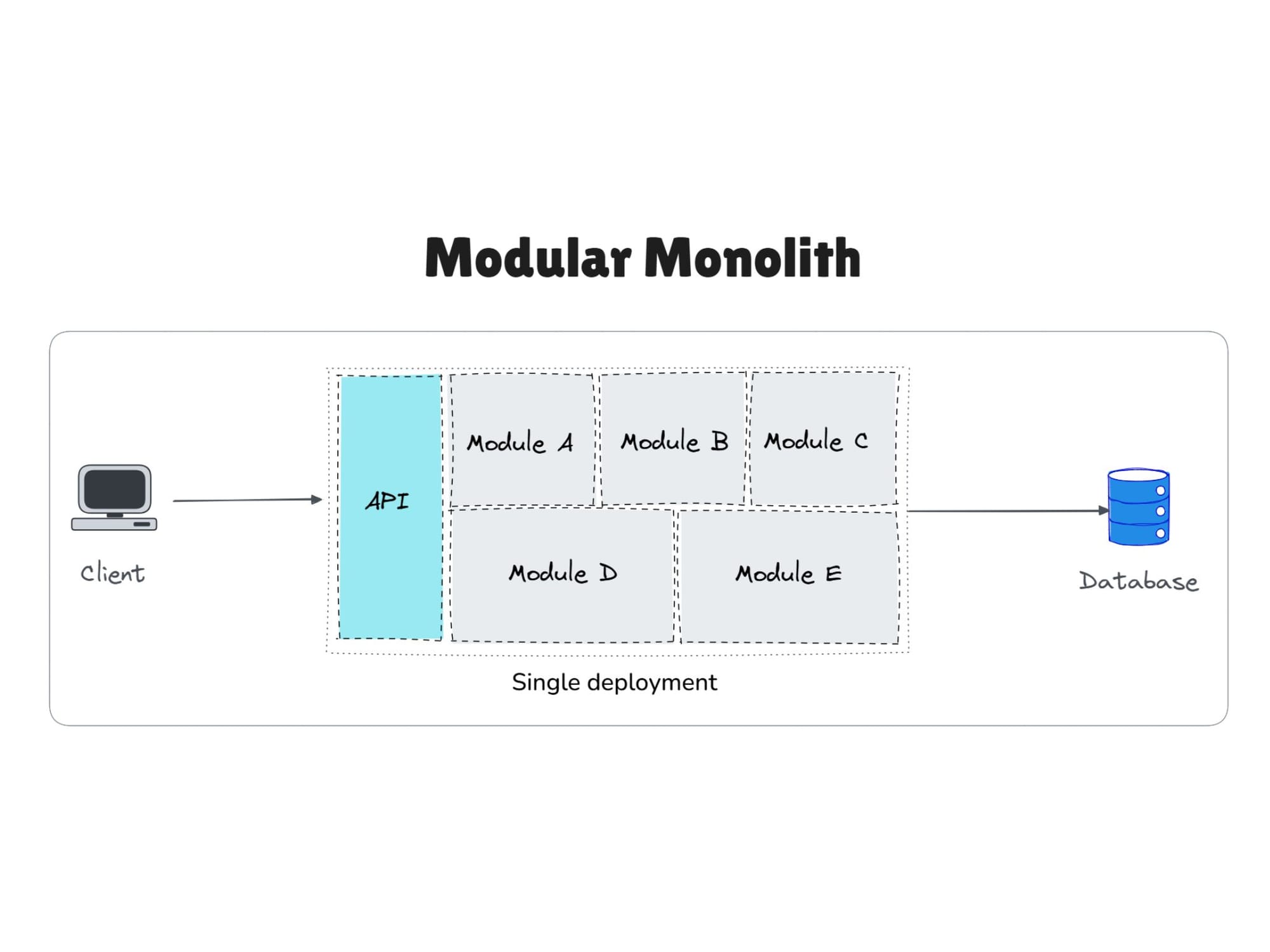
Windows, in its current form, is a system in which components are deeply interdependent. Updates to one part of the OS can and regularly do affect the stability of others. Features cannot be cleanly removed or replaced without risk of cascading effects. The system accretes complexity over successive versions because the architecture has no clean mechanism for isolating components.
CorePC addresses this through state separation, a design in which different parts of the operating system are isolated into independent partitions. System components can be updated, replaced, or removed without affecting adjacent layers. Editions of the OS optimized for radically different device categories, ranging from thin tablets to high-performance workstations, can be derived from the same core codebase rather than maintained as separate products.
The practical implications of this shift are significant across several dimensions:
- Update reliability improves because updates to isolated components cannot propagate failures through the broader system
- Security posture strengthens because the attack surface between OS components is formally bounded rather than implicitly managed
- Device optimization becomes more precise because editions can be stripped to exactly the capabilities required for a given form factor without carrying the overhead of the full platform
- Feature deployment becomes more granular, allowing Microsoft to introduce and roll back capabilities at the component level rather than at the OS release level
This architectural approach draws on a lineage of Microsoft experiments, including Windows Core OS and Windows 10X, neither of which reached commercial deployment at scale. What appears to differentiate the CorePC implementation being described for Windows 12 is that it is being designed as the foundation for the flagship consumer and enterprise OS rather than as a specialized variant for a niche device category.
What This Means for the Enterprise and Developer Ecosystem
For IT administrators and enterprise architects, the shift to a modular architecture introduces both opportunities and challenges. The potential for more predictable, scoped updates is genuinely valuable for organizations that currently dedicate significant resources to testing Windows updates before broad deployment. The ability to deploy OS configurations tailored precisely to specific device categories could meaningfully reduce management overhead at scale.
At the same time, a new architectural foundation will require updated tooling, revised deployment practices, and potentially new hardware procurement strategies. The migration complexity from the current Windows environment to a CorePC-based system will depend heavily on how Microsoft manages the transition, and on whether it maintains the extended parallel support periods that enterprise customers have come to depend upon.
Copilot as Operating System: The Shift from Assistant to Platform
In the versions of Windows that have been shipping since 2023, Copilot has existed as a visible but architecturally peripheral feature, a panel that opens, generates responses, and closes. What is being described for Windows 12 represents a fundamentally different design philosophy: Copilot as the central organizing principle of the user experience rather than an adjunct to it.
How AI Integration Changes at the OS Level
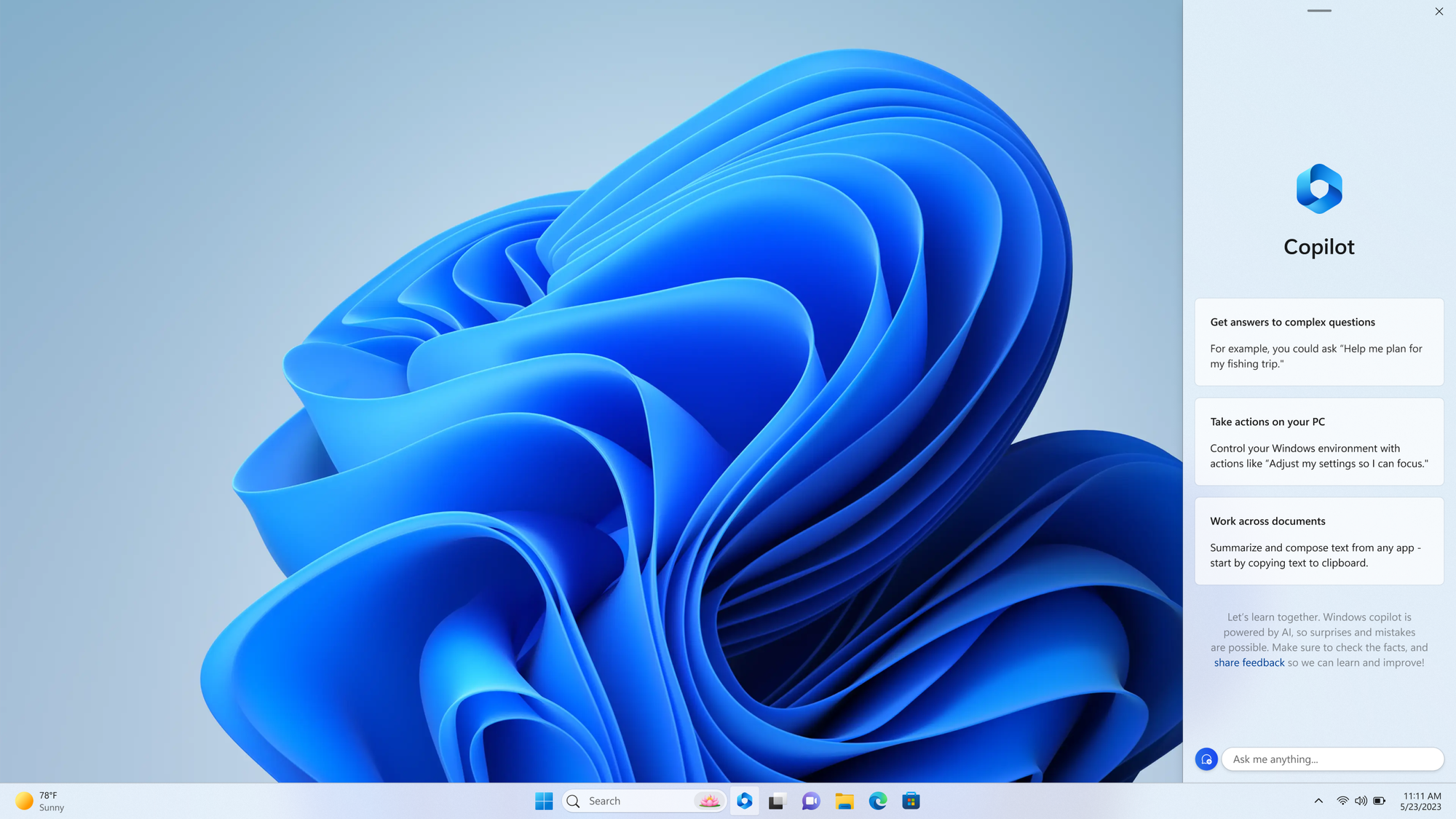
The distinction between an AI feature added to an OS and an OS built around AI is not merely semantic. It reflects different design decisions at every layer of the system, from how the kernel allocates resources to how applications surface context, how search operates, and how the interface routes user intent to system capabilities.
In the configuration being described for Windows 12, AI integration operates at several levels simultaneously:
| Level | Current Windows 11 | Windows 12 (Reported) |
|---|---|---|
| Copilot presence | Separate panel, optional engagement | Central system element, persistent context awareness |
| Search | File and index-based retrieval | Semantic search across all user activity and content |
| Task management | Manual application and window management | Context-aware recommendations and automated workflow assistance |
| Document handling | File-system organization | Intelligent categorization, summarization, and retrieval without exact filename knowledge |
| Power and memory | Static management profiles | AI-driven dynamic allocation based on real-time usage patterns |
| Security | Rule-based threat detection | Behavioral AI-driven anomaly detection at system level |
| Interface interaction | Menu and icon-based navigation | Intent-driven interaction via natural language and AI search |
The Recall feature, which Microsoft introduced as a Copilot+ capability and subsequently modified following significant privacy criticism, represents an early implementation of what the Windows 12 vision describes at a systemic level: an OS that maintains contextual awareness of user activity in order to make information retrieval and task resumption dramatically faster. The reported Windows 12 implementation would extend this kind of intelligence across the full scope of OS functions rather than limiting it to a single feature.
The Interface Redesign
Visual leaks reported by PCWorld and corroborated by multiple secondary outlets describe an interface that reflects the shift in interaction paradigm at the visual level. The reported changes include a floating taskbar with rounded corners that detaches from the screen edge, system indicators and the clock repositioned to the upper right, and a prominent search bar with direct Copilot integration centered at the top of the display. The design language described emphasizes glassy, translucent surfaces and softer geometry, drawing on the visual vocabulary of the Copilot+ experience while extending it across the full OS shell.
The deeper implication of these design choices is that Microsoft is repositioning the primary interaction model from desktop-centric menus and application launchers to query and intent-driven workflows. The search bar at the top of the screen is not simply an aesthetic preference; it encodes a design assumption that users will increasingly initiate OS interaction through natural language rather than through navigating a hierarchy of windows and icons.
The Hardware Gate: NPUs, TOPS, and the Upgrade Calculus
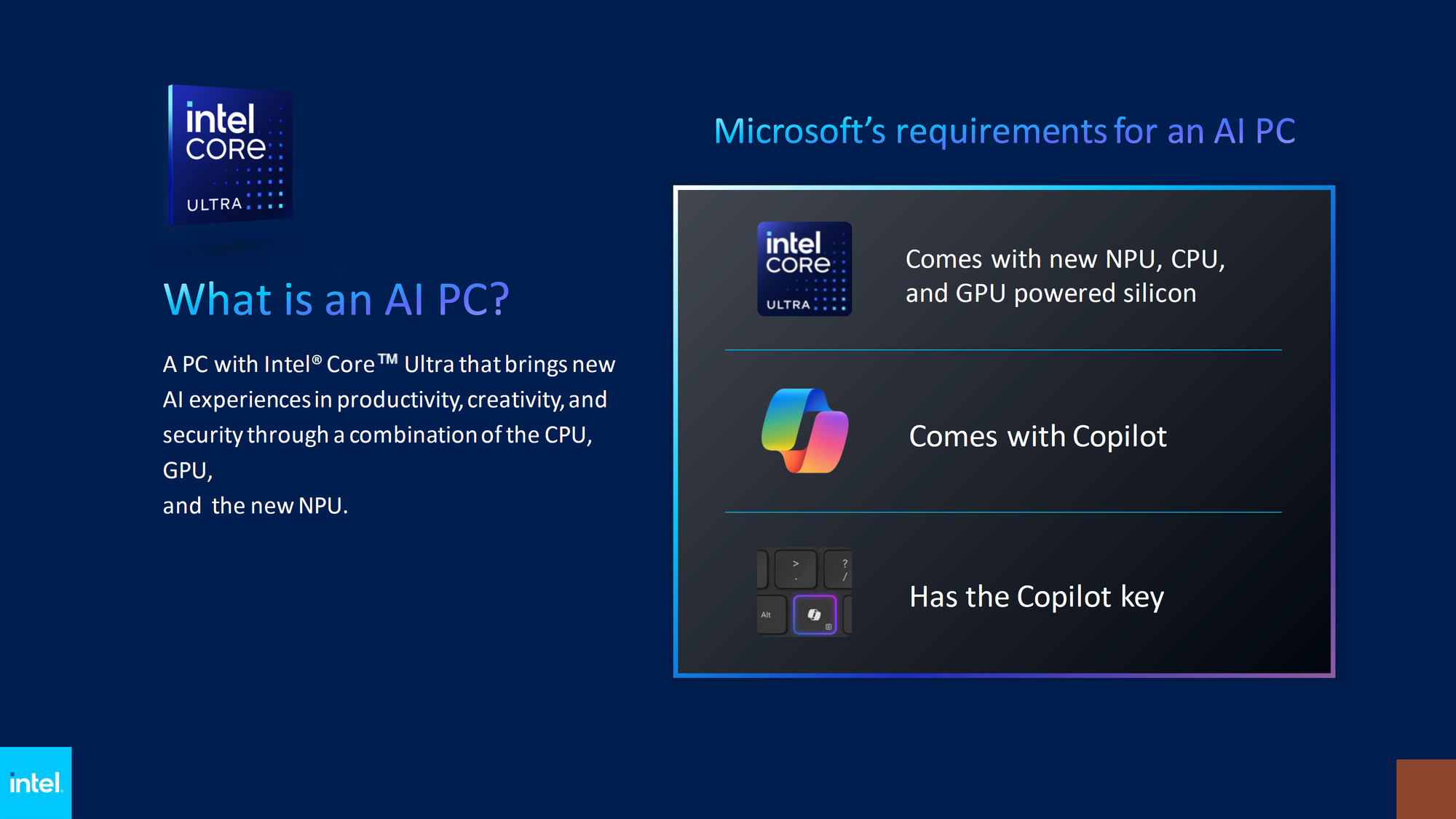
The aspect of Windows 12's reported design that carries the most immediate commercial consequence for consumers, enterprises, and the PC industry is the hardware requirement for its AI capabilities. Based on consistent reporting across PCWorld, NotebookCheck, and multiple OEM partner signals, Microsoft intends to require a dedicated Neural Processing Unit capable of at least 40 TOPS (trillion operations per second) for full access to Windows 12's AI functionality.
Why the NPU Requirement Is Architecturally Justified
The 40 TOPS threshold is not an arbitrary performance benchmark. It reflects the computational requirements of running meaningful AI inference workloads locally rather than routing them to cloud servers. On-device inference at this performance level enables several categories of capability that cloud-dependent implementations cannot match:
- Latency-sensitive tasks such as real-time translation, voice recognition, and context-aware search respond within milliseconds rather than the hundreds of milliseconds characteristic of cloud round-trips
- Privacy-sensitive workloads such as document indexing, activity logging, and personal data analysis can be processed without transmitting user data to external servers
- Offline functionality persists without network connectivity, which is meaningful in enterprise environments with connectivity constraints
- Sustained workloads such as continuous background intelligence and real-time processing can run without the cloud consumption costs that would make permanent cloud-based AI assistance economically impractical
Microsoft's own Copilot+ program has already publicly established the 40 TOPS threshold as the hardware baseline for its most advanced AI features, with Intel Core Ultra and AMD Ryzen AI series processors meeting or exceeding that requirement. OEMs have begun labeling qualifying systems as "Windows 12 Ready," and Intel and AMD have both been positioning their current and upcoming processor lines explicitly around this requirement.
The Installed Base Problem
The challenge this requirement creates is straightforward and significant. The global installed base of Windows PCs is enormous, and the vast majority of those devices were purchased before dedicated NPU hardware became a standard component. The pattern has a recent precedent: Windows 11's TPM 2.0 requirement excluded a substantial portion of the installed base at launch, generating consumer frustration and, ultimately, a degree of non-compliance among users who bypassed the requirement through unofficial means.
The implications for different audience segments vary considerably:
| Audience | Hardware Situation | Likely Outcome |
|---|---|---|
| Recent Copilot+ PC owners | 40+ TOPS NPU present | Full Windows 12 AI functionality available |
| Windows 11 users with modern Intel/AMD chips | Some with integrated NPUs, others without | Partial functionality; AI features gated or cloud-dependent |
| Windows 10 users on older hardware | No NPU, likely ineligible for Windows 11 | May be excluded from AI features entirely; potential upgrade pressure |
| Enterprise fleets with mixed hardware generations | Highly variable | Phased rollout required; some devices unable to access full capabilities |
| Users in price-sensitive markets | NPU hardware commands a premium | Significant access gap between new and existing devices |
The critical unresolved question is whether Microsoft will gate the base OS upgrade behind NPU requirements, as some reports suggest, or whether it will allow the OS to install on non-NPU hardware while restricting specific AI features. The latter approach would be more consistent with Microsoft's historical management of hardware transitions and would significantly reduce the political difficulty of the launch.
The Business Model Question: Subscriptions and the Future of Windows Licensing
Beyond the hardware requirements, reporting from PCWorld and multiple secondary sources has surfaced a potentially significant change to how Windows is monetized. Multiple leaked references and internal signals suggest Microsoft is considering a model in which the base operating system continues to be sold as a one-time purchase while premium AI capabilities are offered through a subscription, analogous to the relationship between Microsoft 365 core functionality and its premium tiers.
The Logic of Subscription AI
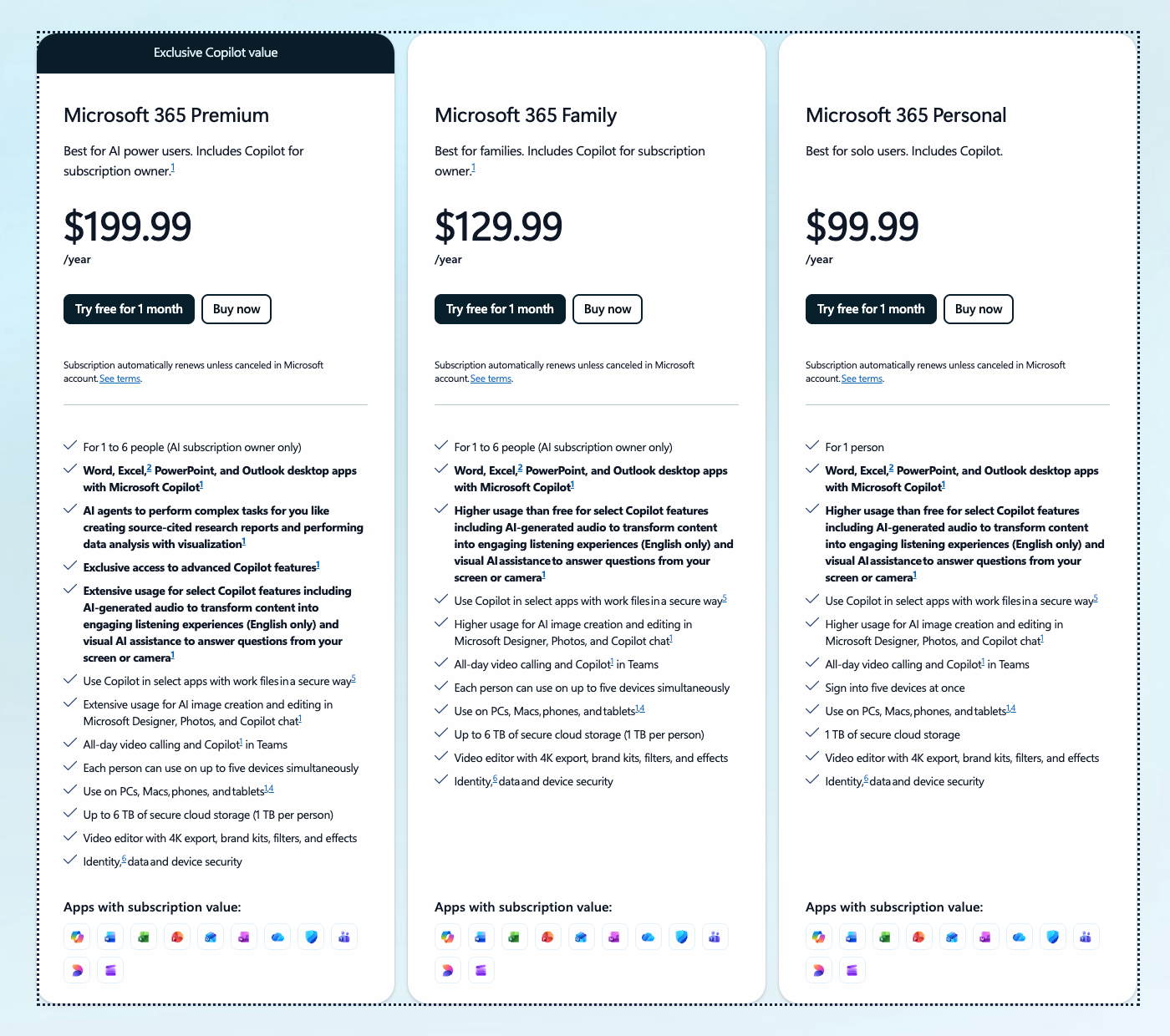
From Microsoft's perspective, the commercial logic of a subscription tier for AI features is compelling. The compute costs of running large-scale AI inference, even in a hybrid model where on-device NPUs handle local workloads, are substantial and ongoing. Cloud-backed features, model updates, and the infrastructure required to keep AI capabilities current are fundamentally different cost structures from those of a traditional software license, which involves a one-time development investment followed by distribution.
The subscription model would allow Microsoft to recover those ongoing costs from customers who use the services most intensively, while preserving a one-time purchase path for users who want the base OS without the advanced AI tier. This is not a novel approach in the Microsoft ecosystem: it mirrors the successful differentiation between Microsoft 365 Free and paid tiers, and between Windows 365 Cloud PC and traditional Windows licensing.
The risks are also real. Consumer resistance to subscriptions for OS functionality that was previously included in the license is predictable and documented. Enterprise procurement teams will require clarity on exactly which features sit behind the subscription gate before making upgrade decisions, and ambiguity in that framing will delay adoption.
The Strategic Context: Windows 12 Within Microsoft's Broader AI Positioning
Windows 12, considered in isolation, is a significant platform update. Considered in the context of Microsoft's broader AI strategy, it is one element of a coordinated repositioning of the company's entire consumer and enterprise technology stack around artificial intelligence.
Microsoft's investment in OpenAI, its development of the Copilot ecosystem across Microsoft 365, Teams, Azure, and Edge, its Copilot+ PC hardware program, and now a potential Windows 12 release built around AI infrastructure form a coherent strategic architecture. Each element is designed to reinforce the others: Copilot+ PCs drive hardware upgrades that support Windows 12, which requires Microsoft 365 subscriptions for full productivity integration, which relies on Azure AI services for cloud-based workloads, which generates data and usage patterns that inform model improvements.
The Competitive Dimension
This strategy positions Microsoft in direct competition with Apple's approach to platform AI integration at the hardware-software interface. Apple Intelligence, introduced with iOS 18 and macOS Sequoia, represents a parallel bet that the future of personal computing is defined by deep, on-device AI integration with strong privacy guarantees, a model that Microsoft's NPU-first, hybrid local-cloud architecture is clearly designed to compete with.
The comparison between the two approaches is instructive:
| Dimension | Microsoft Windows 12 (Reported) | Apple Intelligence |
|---|---|---|
| AI integration depth | System-wide, from OS architecture upward | App-level and Siri-level, with system integration |
| Hardware requirement | 40 TOPS NPU as gate for full functionality | Specific Apple Silicon generations |
| Privacy model | Hybrid local and cloud processing | On-device first, with Private Cloud Compute for overflow |
| Subscription component | Rumored for premium AI features | Included with device/OS |
| Ecosystem lock-in | Microsoft 365 and Azure integration | Apple services and iCloud integration |
| OEM flexibility | Multiple hardware vendors | Vertically integrated hardware only |
The PC Refresh Cycle Implication
Industry analysts are already discussing the potential for Windows 12 to catalyze a PC hardware refresh cycle of a scale not seen since the enterprise migrations driven by Windows 7 end of support in 2020. The combination of Windows 10 end of support pressure, the new NPU hardware requirement, and the genuine functional differentiation that AI-capable hardware provides creates a more compelling upgrade case than anything Microsoft has offered since then.
OEMs have clearly been positioning for this outcome: Intel, AMD, and Qualcomm are all shipping processor lines with dedicated AI acceleration, and manufacturers have begun labeling devices as Copilot+ or Windows 12 Ready in anticipation of a platform shift that aligns their hardware capabilities with OS requirements.
What Microsoft Has and Has Not Confirmed
Maintaining analytical clarity requires a careful distinction between what Microsoft has publicly committed to and what remains in the domain of credible but unverified reporting.
| Element | Status |
|---|---|
| Windows 12 as an official product name | Not announced by Microsoft |
| Hudson Valley Next as internal codename | Consistent across multiple outlets; unverified officially |
| CorePC as architectural direction | Reported extensively; not formally described as Windows 12 foundation |
| 40 TOPS NPU for Copilot+ features | Confirmed in Microsoft's own Copilot+ program documentation |
| 40 TOPS as Windows 12 upgrade requirement | Reported; not confirmed |
| AI system-level integration replacing optional Copilot | Consistent with Microsoft's public roadmap direction |
| Subscription model for premium AI features | Reported; not confirmed |
| 2026 release window | Consistent with multiple sources; not officially announced |
| Windows 11 parallel support continuation | Consistent with Microsoft's historical pattern |
| Floating taskbar and redesigned interface | Reported from visual leaks; not confirmed |
This distinction matters for enterprise planning purposes. Organizations that begin procurement decisions based on unverified details risk misaligned investments. What can be planned against with reasonable confidence is the directional picture: on-device AI acceleration is becoming a differentiating hardware capability for Windows, CorePC-style modularity is a stated engineering aspiration, and the Copilot+ program already defines a hardware baseline that future Windows capabilities will target.
Conclusion
The picture that emerges from the accumulated reporting on Windows 12 is one of the most ambitious platform reinventions in Microsoft's history, matched in scale only by the transition from Windows 9x to Windows NT and the introduction of the Windows XP unified codebase. The combination of a new modular architecture, a fundamental shift in the human-computer interaction model, and hardware requirements that effectively define a new category of personal computing device represents a genuine departure from the incremental update cycles that have characterized Windows releases for the past decade.
Whether the execution matches the ambition is the question that will define the product's reception. Microsoft's track record with large-scale architectural transitions is mixed. Windows Vista remains the cautionary example of an OS that overclaimed its differentiation and underdelivered on reliability. Windows 11's TPM 2.0 requirement controversy demonstrated the consumer and enterprise friction that hardware-gated upgrades generate, even when the security rationale is sound.
The conditions in 2026 are materially different from those that surrounded Windows 11's launch. The AI hardware ecosystem is further developed, the competitive pressure from Apple's on-device intelligence model is tangible, and the installed base of NPU-equipped devices grows with every quarter of Copilot+ PC sales. Microsoft has both a stronger market rationale and a more mature hardware foundation to build on than it did when Windows 11 shipped.
What Windows 12 ultimately represents, assuming it arrives in the form being described, is not merely a new version of a product but a bet on what personal computing looks like when artificial intelligence is ambient, local, and architectural rather than optional, cloud-dependent, and peripheral. That bet may prove well-timed or premature. The answer will be visible in how many of the world's 1.4 billion Windows users find meaningful value in an AI-first operating system, and how many treat it as an unwanted upgrade cycle driven by a hardware requirement they had not planned for.
Frequently Asked Questions
Q: Has Microsoft officially announced Windows 12?
Microsoft has not made an official announcement of a product called Windows 12. What exists is a consistent body of reporting across PCWorld, NotebookCheck, and multiple industry outlets, corroborated by internal codename references to "Hudson Valley Next," OEM partner materials labeling devices as "Windows 12 Ready," and Microsoft's own public Copilot+ program documentation establishing the 40 TOPS NPU threshold. The directional picture is credible; specific details including the release date, product name, hardware requirements, and pricing remain unconfirmed.
Q: What is CorePC and why does it matter?
CorePC is the modular OS architecture reported as the foundation of Windows 12. Unlike the current Windows architecture, in which system components are deeply interdependent, CorePC isolates components into separate partitions that can be updated, replaced, or removed without affecting the rest of the OS. The practical benefits include more reliable updates, a stronger security posture, and the ability to create optimized OS editions for different device categories from a single codebase. It represents the most significant architectural change to Windows since the NT transition in the 1990s.
Q: What does the 40 TOPS NPU requirement mean for existing PCs?
A 40 TOPS NPU is a dedicated neural processing unit delivering at least 40 trillion operations per second of AI inference performance. This threshold is already publicly established by Microsoft's Copilot+ program as the hardware baseline for advanced on-device AI features. Devices without a qualifying NPU, which includes most PCs purchased before 2023 and many older current-generation machines, may be unable to access Windows 12's full AI functionality. Whether they will be blocked from upgrading entirely or will receive a reduced-feature version of the OS is not yet confirmed.
Q: Why is Microsoft considering a subscription model for Windows?
The ongoing compute costs of AI inference, model maintenance, and cloud-backed AI services represent a fundamentally different cost structure from traditional software licensing. A subscription tier for premium AI features would allow Microsoft to recover those costs from the users who generate them, while maintaining a one-time purchase path for users who want the base OS without advanced AI capabilities. This mirrors the existing differentiation in Microsoft 365 and aligns with the company's broader strategy of monetizing AI capabilities as a continuous service rather than a one-time product.
Q: When might Windows 12 actually ship?
The most consistent reporting points to a 2026 release window, with some outlets specifying late 2026. The timing aligns with the end of extended support for Windows 10, which Microsoft has used as an anchor for upgrade cycle planning. Most analysts caution, however, that Microsoft may choose to continue delivering major capabilities through Windows 11 feature updates rather than a formal version release, making a specific date for a branded "Windows 12" inherently uncertain until Microsoft makes an official announcement.
Q: How does Windows 12 compare to Apple Intelligence?
Both represent bets on deep, hardware-accelerated AI integration at the OS level, but they reflect different architectural philosophies. Apple Intelligence prioritizes vertical integration between proprietary hardware and software, with an on-device-first privacy model and cloud overflow through Private Cloud Compute. Microsoft's approach spans a diverse OEM hardware ecosystem with AI acceleration requirements formalized through the Copilot+ program, uses a hybrid local-cloud model, and is being built on an open architectural framework that must accommodate a far wider range of device configurations. Microsoft's approach is more complex to execute but addresses a larger and more heterogeneous installed base.
Q: What should enterprises do to prepare now?
The most practical preparatory steps do not require waiting for a formal Windows 12 announcement. Conducting a hardware inventory to identify which devices meet the 40 TOPS NPU threshold establishes the baseline for any AI PC transition. Reviewing the lifecycle status of Windows 10 devices relative to the October 2026 end of extended support creates urgency for migration planning. Monitoring Microsoft's official Copilot+ program documentation, which already describes the hardware and feature landscape that Windows 12 is expected to formalize, provides the most reliable signal of where platform requirements are headed.
Related Articles
 Dani
Dani