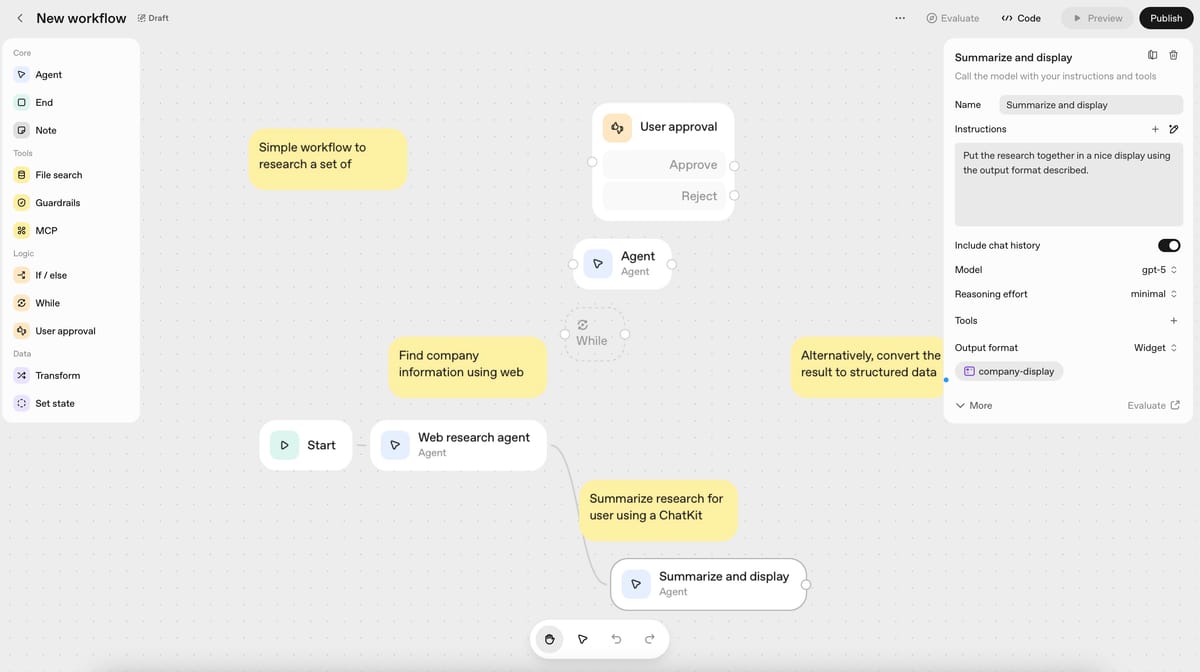
Hey there! If you've been hearing the term "AI agents" thrown around everywhere lately and feeling like you're missing something big, you're definitely not alone. It feels like overnight, everyone from tech CEOs to your cousin who works in marketing started talking about AI agents like they're the next sliced bread.
Here's the thing—I was exactly where you are not too long ago. Overwhelmed by the hype, confused by the jargon, and honestly a bit skeptical about whether this was just another tech buzzword that would fizzle out in six months.
Spoiler alert: it's not fizzling out. AI agents are genuinely changing how we work, and after spending considerable time diving deep into this space, I want to share everything I've learned with you. Think of this as the guide I wish I had when I started—no fluff, no unnecessary technical jargon, just practical information you can actually use.
So grab a coffee (or whatever your beverage of choice is), and let's figure this out together.
The Simple Truth About AI Agents
Let me start with the basics, because honestly, a lot of the explanations out there make this way more complicated than it needs to be.
An AI agent is essentially a software program that can perceive its environment, make decisions, and take actions to achieve specific goals—all without you holding its hand through every step. You give it an objective, and it figures out how to get there.
Here's an analogy that really helped things click for me: think about how you use a regular assistant versus how you might work with a really capable colleague.
With a basic assistant (like older chatbots), you'd say: "Send an email to John." And they'd respond: "Here's a draft email." Then you'd have to review it, tell them to send it, maybe remind them to follow up, and so on. You're directing every single step.
With a capable colleague (that's your AI agent), you'd say: "I need to set up a meeting with John about the Q2 budget sometime next week." And they'd figure out John's availability, check your calendar, draft an appropriate email, send it, wait for a response, handle any scheduling conflicts, add the meeting to both calendars, and maybe even pull together relevant budget documents for the meeting. All you did was state the goal.
That's the fundamental difference. AI agents don't just respond to you—they can plan, execute, and adapt. They can use tools, access different systems, and make decisions along the way to accomplish what you've asked for.
Why 2026 Is the Year AI Agents Went Mainstream
You might be wondering why AI agents are suddenly everywhere when AI itself has been around for years. That's a fair question, and the answer comes down to a few converging factors.
The first major shift happened with large language models (LLMs) like GPT-4 and its successors becoming genuinely capable of understanding context and reasoning through problems. Before these models, you could build AI that was really good at one specific thing—playing chess, recognizing faces, whatever – but creating AI that could handle the messy, unpredictable nature of real-world tasks? That was incredibly difficult.
Modern LLMs changed the game because they can interpret natural language, understand intent, and reason through multi-step problems in ways that previous AI simply couldn't. They became the "brain" that makes AI agents possible.
The second factor is that the infrastructure caught up. We now have frameworks, tools, and platforms that make it relatively straightforward to connect an AI's reasoning capabilities to real-world actions—sending emails, updating databases, browsing the web, you name it. A few years ago, building something like this required a team of specialized engineers. Now, someone with basic technical skills can prototype an AI agent in a weekend.
The numbers back this up. Research shows that 62% of organizations are at least experimenting with AI agents now. The market has essentially doubled in the last two years, and projections suggest it could grow to over $100 billion by 2032. These aren't vanity metrics—they reflect real companies investing real money into this technology because they're seeing real results.
Breaking Down How AI Agents Actually Work
Alright, let's get into the mechanics a bit. I promise to keep this accessible, but understanding the basic components will help you evaluate AI agents more intelligently and figure out where they might fit into your own work.
Every AI agent has a few core components working together:
The Brain (Large Language Model)
This is where the reasoning happens. The LLM processes information, understands what you're asking for, and figures out what steps need to be taken. When you tell an agent to "analyze last month's sales data and create a report highlighting any concerning trends," the LLM is what understands that request and breaks it down into actionable steps.
Different LLMs have different strengths. Some are better at creative tasks, others excel at analytical reasoning, and some are optimized for speed over depth. The choice of underlying model affects what your agent can do and how well it does it.
Perception and Input
Agents need to gather information from somewhere. This might be as simple as reading a document you've provided, or as complex as pulling data from multiple databases, browsing websites, or even interpreting images and videos.
Think of this as the agent's senses. Without good perception capabilities, an agent is basically flying blind—it can reason all day, but if it doesn't have access to the right information, its conclusions won't be very useful.
Tools and Actions
This is where things get interesting. An agent's tools are its ability to actually do things in the world. Common tools include sending emails, making API calls to other software, writing and executing code, searching the web, creating documents, updating databases, and interacting with other applications.
The range of available tools largely determines what an agent can accomplish. An agent with access to your CRM, email, and calendar can handle complex scheduling and client communication tasks. An agent with only web search capability is more limited but still useful for research tasks.
Memory
Agents can have both short-term memory (remembering context within a conversation) and long-term memory (retaining information across sessions). Memory is crucial for agents that need to learn from past interactions, remember user preferences, or maintain context over time.
Imagine asking an agent to help you plan a marketing campaign. Without memory, you'd have to re-explain your brand voice, target audience, and campaign goals every single time. With good memory, the agent already knows these things and can build on previous conversations.
Planning and Reasoning
This is where the magic happens. Good AI agents can take a complex goal, break it down into smaller tasks, determine the best order to tackle them, and adapt when things don't go as expected.
If an agent is trying to book a flight and discovers that the preferred airline doesn't have availability, it needs to reason through alternatives. Should it check other airlines? Adjust the dates? Ask the user for guidance? The planning component handles these decisions.
The Different Flavors of AI Agents
Not all AI agents are created equal, and understanding the different types will help you figure out what kind of solution might work best for your needs.
Simple Reflex Agents
These are the most basic type. They operate on straightforward "if this, then that" rules. If the temperature drops below 68 degrees, turn on the heat. If an email contains the word "urgent," flag it for immediate attention.
Simple reflex agents are great for predictable, well-defined tasks. They're reliable and fast, but they can't handle anything outside their programmed rules. You've probably interacted with these more than you realize—many automated email filters, smart home devices, and basic chatbots fall into this category.
Model-Based Agents
These agents maintain an internal model of their environment. They don't just react to what's happening right now; they keep track of what's happened before and use that information to make better decisions.
A robot vacuum is a decent example. It doesn't just randomly bounce around—it builds a map of your home, remembers where it's already cleaned, and plans efficient routes. It's responding to current sensor data but also using its internal model of the space.
Goal-Based Agents
Now we're getting into territory that feels more like what people imagine when they think about AI agents. Goal-based agents can work toward objectives, evaluating different possible actions and choosing the ones most likely to achieve the goal.
A navigation system is a classic example. You give it a destination (the goal), and it evaluates different routes based on factors like distance, traffic, and road conditions. It doesn't just follow fixed rules—it actively plans to achieve your objective.
Utility-Based Agents
These agents are even more sophisticated. Instead of just trying to reach a goal, they try to maximize overall "utility" or value. They can weigh multiple factors and make trade-offs.
For instance, when planning a trip, a utility-based agent might balance cost, travel time, comfort, and environmental impact—not just finding a route, but finding the best route according to your preferences.
Learning Agents
The most advanced type. These agents improve over time through experience. They can recognize patterns, learn from mistakes, and adapt their behavior based on feedback.
Modern AI agents built on large language models often have learning capabilities, allowing them to refine their responses and actions based on user feedback and accumulated experience.
AI Agents vs. Chatbots: Clearing Up the Confusion
I hear people use "AI agent" and "chatbot" interchangeably all the time, and it drives me a little crazy because they're really quite different. Understanding the distinction matters because it affects what you can expect from each technology.
Traditional chatbots are reactive. They wait for you to say something, process your input according to their programming, and spit out a response. They're designed for conversation, not action. Even modern AI chatbots powered by sophisticated language models are fundamentally conversational tools—they give you information and responses, but they don't go out and do things on your behalf.
AI agents are proactive and action-oriented. Yes, you can have a conversation with an agent, but the conversation is usually a means to an end. The agent's real purpose is to accomplish tasks. It can initiate actions, work autonomously, and execute multi-step workflows.
Here's a practical example. Say you ask a chatbot: "What's the best way to handle a customer who wants a refund?"
The chatbot might give you a helpful explanation of refund best practices, maybe provide some scripts or templates, and suggest some approaches. Useful information, but you still have to actually process the refund yourself.
Ask an AI agent the same question, and it might respond: "I can help with that. Let me check the customer's order history first—what's their email or order number?"
Once you provide that, the agent could look up the order, check your refund policy, verify the customer's eligibility, initiate the refund process, update your CRM, and draft a confirmation email to the customer—all while keeping you informed about what it's doing.
See the difference? The chatbot helps you know what to do. The agent actually does it.
That said, the line is getting blurrier. Modern chatbots are becoming more capable, and some AI agents have strong conversational interfaces. But the core distinction—reactive conversation vs. proactive action—remains important.
Real-World Applications That Actually Make Sense
Let me walk you through some concrete examples of how AI agents are being used right now. These aren't futuristic "someday" scenarios—they're happening today in companies of all sizes.
Customer Service and Support
This is probably the most visible application. AI agents can handle customer inquiries from start to finish: understanding the customer's issue, looking up relevant account information, applying company policies, processing refunds or exchanges, and escalating to human agents when necessary.
The key difference from traditional customer service bots is that these agents can actually resolve issues, not just answer questions. They can access your order management system, initiate returns, apply credits, and update customer records.
One thing I've noticed: the best implementations use AI agents to handle routine, straightforward requests (freeing up human agents for complex cases) rather than trying to replace human judgment entirely. That balance seems to work well.
Sales and Marketing Automation
AI agents can qualify leads, send personalized follow-up communications, schedule meetings, and update CRM records. They can analyze customer data to identify promising prospects and tailor outreach based on individual preferences and behavior.
I've seen agents that monitor social media for mentions of a company, identify potential sales opportunities, gather relevant context, and draft initial outreach messages—all automatically. A human still reviews and sends the messages, but the agent does the heavy lifting of research and preparation.
IT and Technical Support
Internal IT support is a natural fit for AI agents. They can handle password resets, software access requests, basic troubleshooting, and equipment ordering. When issues are too complex, they can gather relevant information and create detailed tickets for human technicians.
This type of agent often pays for itself quickly by reducing the volume of routine requests that require human attention.
Research and Analysis
AI agents can conduct research across multiple sources, synthesize information, and produce comprehensive reports. Whether it's competitive analysis, market research, or academic literature reviews, agents can process far more information than a human researcher could in the same time.
The caveat here is that quality varies significantly. Good agents verify information across sources and cite their work. Less sophisticated ones might confidently present incorrect information. Always verify important findings.
Code Development and Engineering
This is an area that's evolved rapidly. AI agents can write code, debug programs, review pull requests, and even manage aspects of the software development lifecycle. They're not replacing developers, but they're significantly accelerating development speed.
Teams are using coding agents to handle repetitive tasks, generate boilerplate code, write tests, and catch bugs early. The productivity gains are substantial—some teams report completing projects in a fraction of the time they previously required.
Personal Productivity
On a more individual level, AI agents can manage calendars, organize emails, take meeting notes, create summaries, and handle routine correspondence. Think of them as extremely capable personal assistants who can work around the clock.
I use agents for research, first-draft writing, and organizing information. They've genuinely changed how I work, mostly by handling the tasks that used to eat up time without requiring much creativity or judgment from me.
Financial Services and Analysis
Banks and financial institutions are using AI agents for everything from fraud detection to customer onboarding. Agents can analyze transaction patterns in real-time, identify suspicious activity, and take protective action before fraudulent transactions complete.
On the customer service side, financial AI agents can help customers understand their accounts, process routine transactions, and guide them through complex processes like loan applications. They can verify documents, assess creditworthiness, and generate audit-ready reports.
The compliance applications are particularly interesting. Financial regulations are complex and constantly changing. AI agents can monitor regulatory updates, assess how they apply to specific business practices, and help generate the documentation required for compliance.
Healthcare and Medical Applications
Healthcare is adopting AI agents more cautiously—for good reason—but there are meaningful applications emerging. Administrative agents help with scheduling, insurance verification, and medical record organization. They can reduce the paperwork burden that frustrates both patients and healthcare providers.
On the clinical side, AI agents are being used to assist with research, analyze medical images, and provide decision support for diagnoses. These applications always involve physician oversight, but agents can help by surfacing relevant information, identifying patterns, and flagging potential issues for human review.
Mental health support is another growing area. AI agents can provide initial screening, offer coping strategies, and connect people with appropriate resources. They're not replacing therapists, but they can extend access to support and help with the kind of routine guidance that doesn't require a licensed professional.
Human Resources and Recruitment
HR departments are finding numerous applications for AI agents. Recruitment agents can screen resumes, conduct initial candidate assessments, schedule interviews, and handle routine communication with applicants. They can identify promising candidates based on job requirements and help reduce bias in initial screening.
Employee-facing agents handle questions about benefits, policies, vacation time, and other HR matters. Instead of employees searching through policy documents or waiting for HR staff to respond, they can get immediate, accurate answers.
Onboarding is another natural fit. AI agents can guide new employees through required training, paperwork, and setup processes. They can check in periodically to make sure onboarding is progressing smoothly and escalate issues when necessary.
Supply Chain and Operations
Supply chain management involves tracking numerous variables across complex systems—exactly the kind of challenge where AI agents excel. Agents can monitor inventory levels, predict demand, identify potential disruptions, and recommend or execute corrective actions.
For manufacturing operations, AI agents help with quality control, predictive maintenance, and process optimization. They can analyze sensor data from equipment, identify patterns that precede failures, and schedule maintenance before problems occur.
Logistics agents optimize routing, manage warehouse operations, and coordinate deliveries. They can adapt in real-time to changing conditions like traffic, weather, or capacity constraints.
Popular Tools and Platforms Worth Exploring
The landscape of AI agent tools is evolving rapidly, but here are some platforms and frameworks that have gained significant traction and are worth knowing about.
Enterprise Platforms
Microsoft Copilot integrates AI agent capabilities across the Microsoft 365 ecosystem. If your organization already uses Microsoft products, this is often the most natural starting point. You can access AI features within Word, Excel, Outlook, Teams, and other applications you already use.
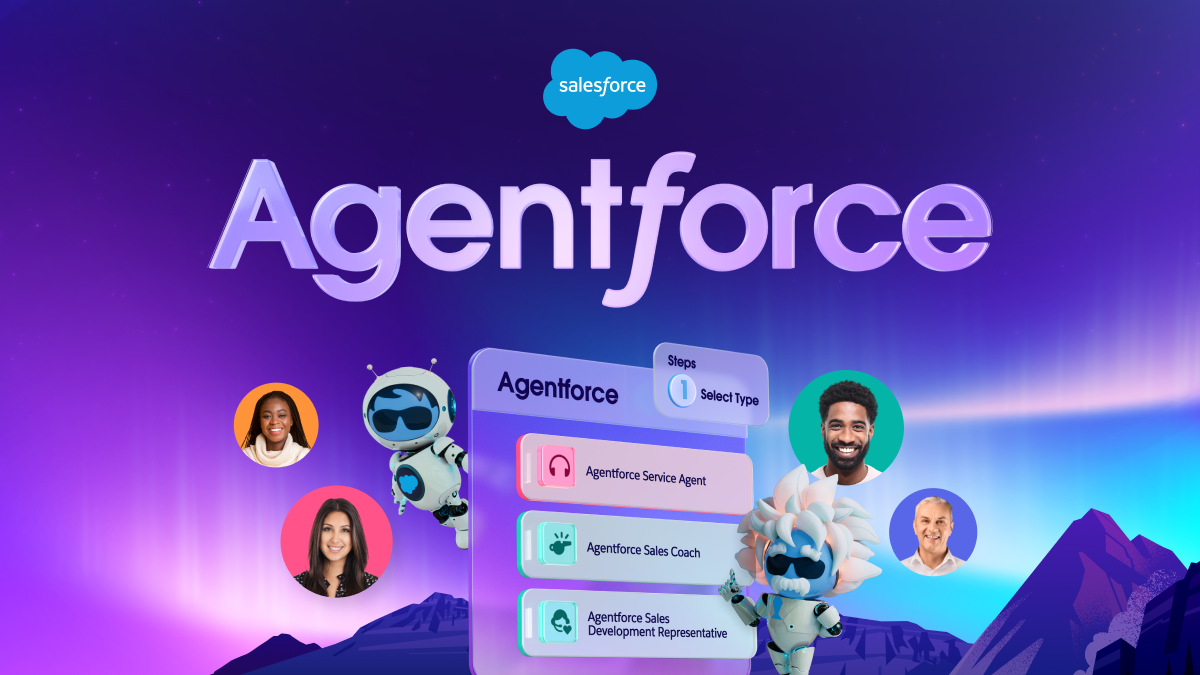
Salesforce Agentforce brings agentic capabilities to CRM and customer service. If you're a Salesforce user, this integrates directly with your existing customer data and workflows.
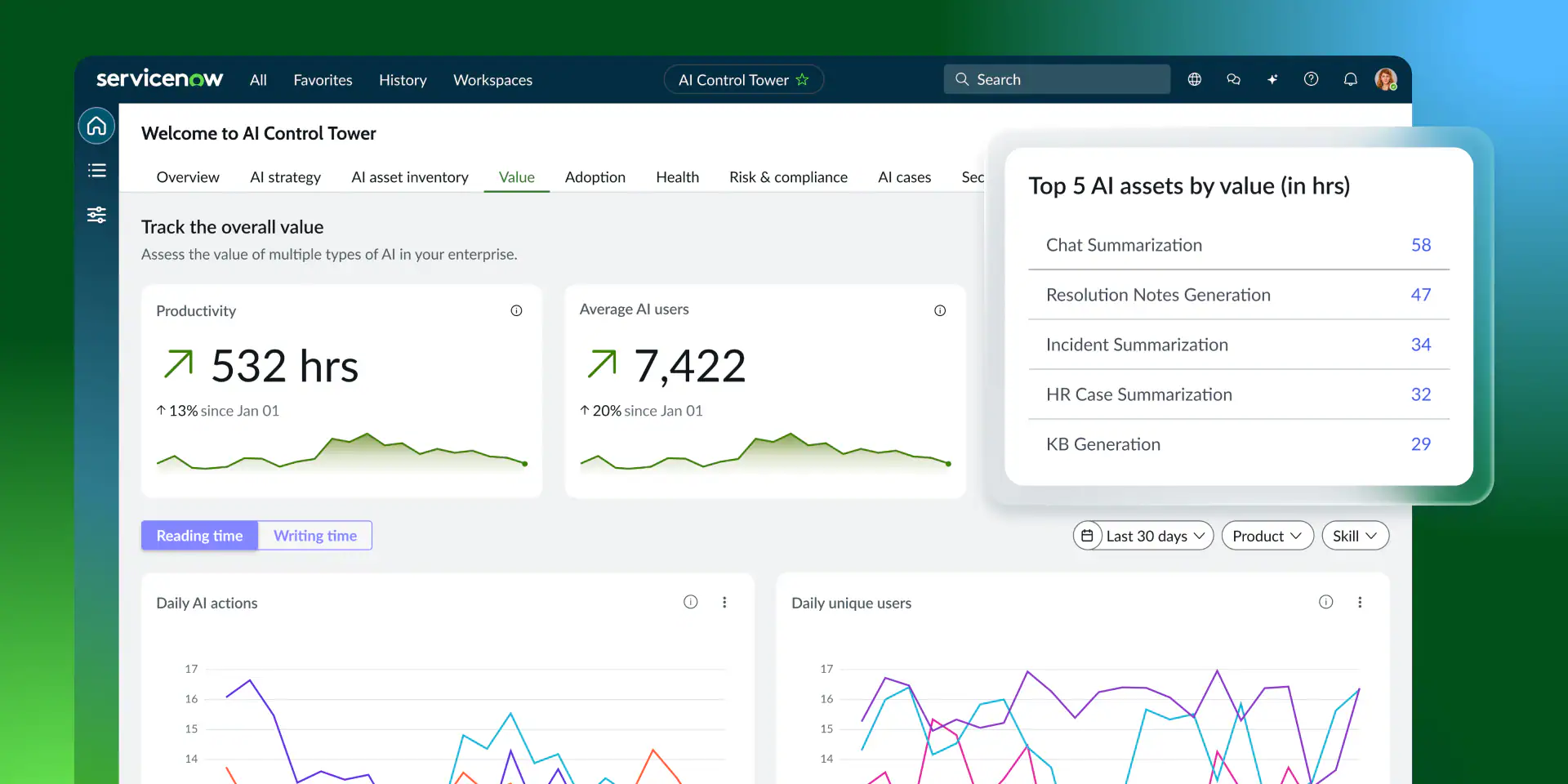
ServiceNow has embedded AI agents for IT service management, HR service delivery, and other enterprise workflows. Their agents can handle routine requests, route complex issues, and integrate with existing ServiceNow processes.
Google offers various AI agent capabilities through Google Workspace and Google Cloud. Their Gemini models power agents across productivity tools and custom enterprise applications.
Automation Platforms
Zapier has evolved from simple automation to include AI-powered capabilities. You can build multi-step workflows that use AI for decision-making, content generation, and data processing—all through a visual interface.
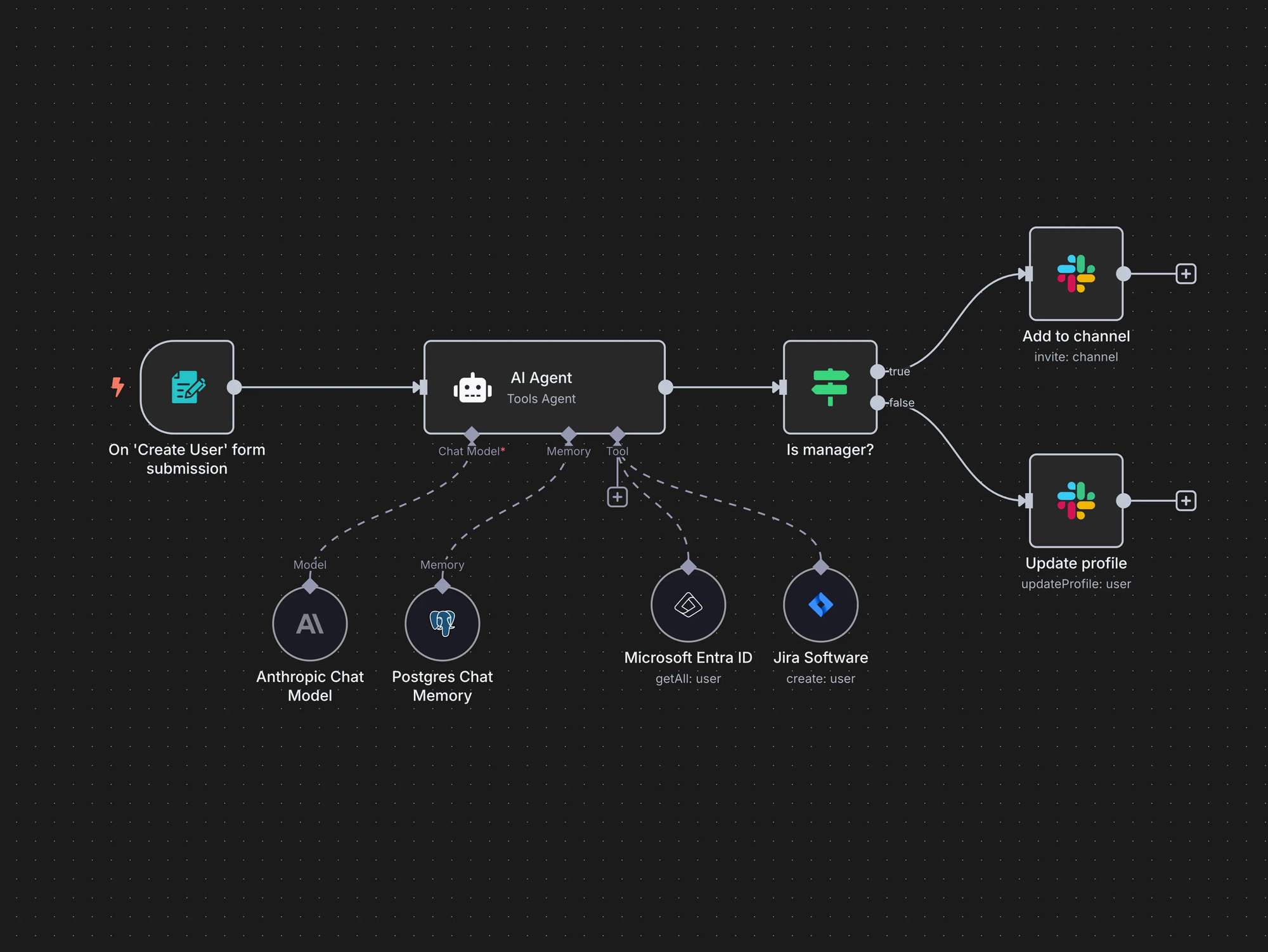
n8n is an open-source alternative that's popular among more technical users. It offers similar capabilities to Zapier but with more flexibility and the option to self-host for data control.
Make (formerly Integromat) is another visual automation platform with growing AI capabilities.
Development Frameworks
LangChain is probably the most popular framework for building custom AI agents. It provides tools for connecting language models to external data sources, tools, and memory systems. It has a steeper learning curve than no-code platforms but offers much more flexibility.
LangGraph extends LangChain with better support for complex, multi-step agent workflows. It's designed for applications where agents need to plan, execute, and adapt over time.
AutoGen from Microsoft Research enables multi-agent conversations where different agents can collaborate on tasks.

CrewAI is designed specifically for building teams of AI agents that work together, each with specialized roles and responsibilities.
Consumer and Personal Productivity
ChatGPT and Claude (the AI you're talking to right now) offer varying degrees of agentic capability through plugins, tool use, and advanced features. They're not full-fledged agents in the enterprise sense, but they can accomplish many tasks autonomously. Various personal assistant applications are emerging that aim to be true AI agents for individual use—managing email, calendars, travel, and daily tasks.
Getting Started: Practical Steps for Beginners
Okay, so you're interested in AI agents and want to start exploring. Where do you actually begin? Let me share the approach that worked for me and that I've seen work for others.
- Start By Identifying Friction Points
Before diving into tools and platforms, think about where you spend time on tasks that feel repetitive, mechanical, or tedious. What processes in your work or life feel like they should be easier? Where do you find yourself doing the same thing over and over?
Write these down. Not every problem is a good fit for AI agents, but having a clear sense of your pain points will help you evaluate solutions more effectively.
- Begin With Built-In AI Features
You probably already have access to AI agents without realizing it. Microsoft Copilot, Google's Gemini, and various features within common business software now include agentic capabilities. Before building custom solutions, see what you can accomplish with tools you already have.
Microsoft 365 Copilot, for instance, can help with document drafting, email management, meeting summaries, and data analysis—all within the Microsoft ecosystem you might already use.
- Explore No-Code and Low-Code Platforms
If the built-in options don't quite meet your needs, platforms like Zapier, n8n, Make, and others now offer AI-powered automation that doesn't require coding. You can create multi-step workflows that use AI for decision-making and processing.
These platforms are excellent for learning because they let you build functional agents quickly and understand how the pieces fit together without getting bogged down in technical implementation details.
- Learn the Fundamentals
If you want to go deeper, invest some time in understanding the basics. Microsoft has a free "AI Agents for Beginners" course that covers fundamental concepts. Hugging Face offers a comprehensive agents course. OpenAI and other providers have excellent documentation and tutorials.
You don't need to become an expert, but understanding concepts like prompt engineering, tool calling, and agent architectures will help you work more effectively with these systems.
- Start Small and Iterate
When you're ready to build your first agent, resist the urge to tackle a huge, complex project. Pick something small and well-defined. Maybe it's an agent that organizes your email inbox, or one that summarizes documents, or one that schedules meetings.
The goal isn't to build something impressive on your first try—it's to learn how these systems work in practice. You'll discover things through building that no amount of reading can teach you.
- Don't Forget About Governance and Safety
As you explore AI agents, keep security and ethics in mind. Agents often need access to sensitive data and systems to do their jobs. Make sure you understand what access you're granting and what guardrails are in place.
Most reputable platforms have built-in safety features, but you should understand them rather than assuming everything is handled automatically.
The Honest Truth About Limitations
I'd be doing you a disservice if I only talked about the benefits. AI agents have real limitations, and understanding them will help you set appropriate expectations and avoid frustration.
- They're Not Magic
AI agents can seem almost magical when they work well, but they're fundamentally statistical pattern-matching systems. They can produce impressive results, but they can also make mistakes, misunderstand context, or confidently do the wrong thing.
Always verify important outputs, especially for high-stakes decisions. Trust but verify is a good mindset.
- Data Quality Matters Enormously
Your agents are only as good as the data they have access to. If your databases are messy, your documents are disorganized, or your processes aren't well-defined, AI agents will struggle. Sometimes the best preparation for AI adoption is getting your existing data and processes in order.
- Integration Can Be Tricky
Connecting an AI agent to your existing systems often requires custom work. APIs need to be configured, permissions need to be set up, and data formats need to be standardized. The vision of an agent seamlessly accessing all your tools is achievable, but it usually requires more effort than vendor demos suggest.
- Costs Can Add Up
AI agent usage typically involves costs for the underlying language models, and these costs can scale quickly depending on volume and complexity. What seems affordable for testing might become expensive at scale. Understand the pricing model before committing to a solution.
- They Work Best With Human Oversight
The most successful AI agent deployments I've seen involve human oversight at key points. Agents handle routine cases autonomously while flagging unusual situations for human review. Trying to achieve full automation for complex processes often leads to problems.
What's Coming Next: Trends to Watch
The AI agent space is evolving rapidly. Here are some developments that seem likely to shape the next year or two:
Multi-Agent Systems
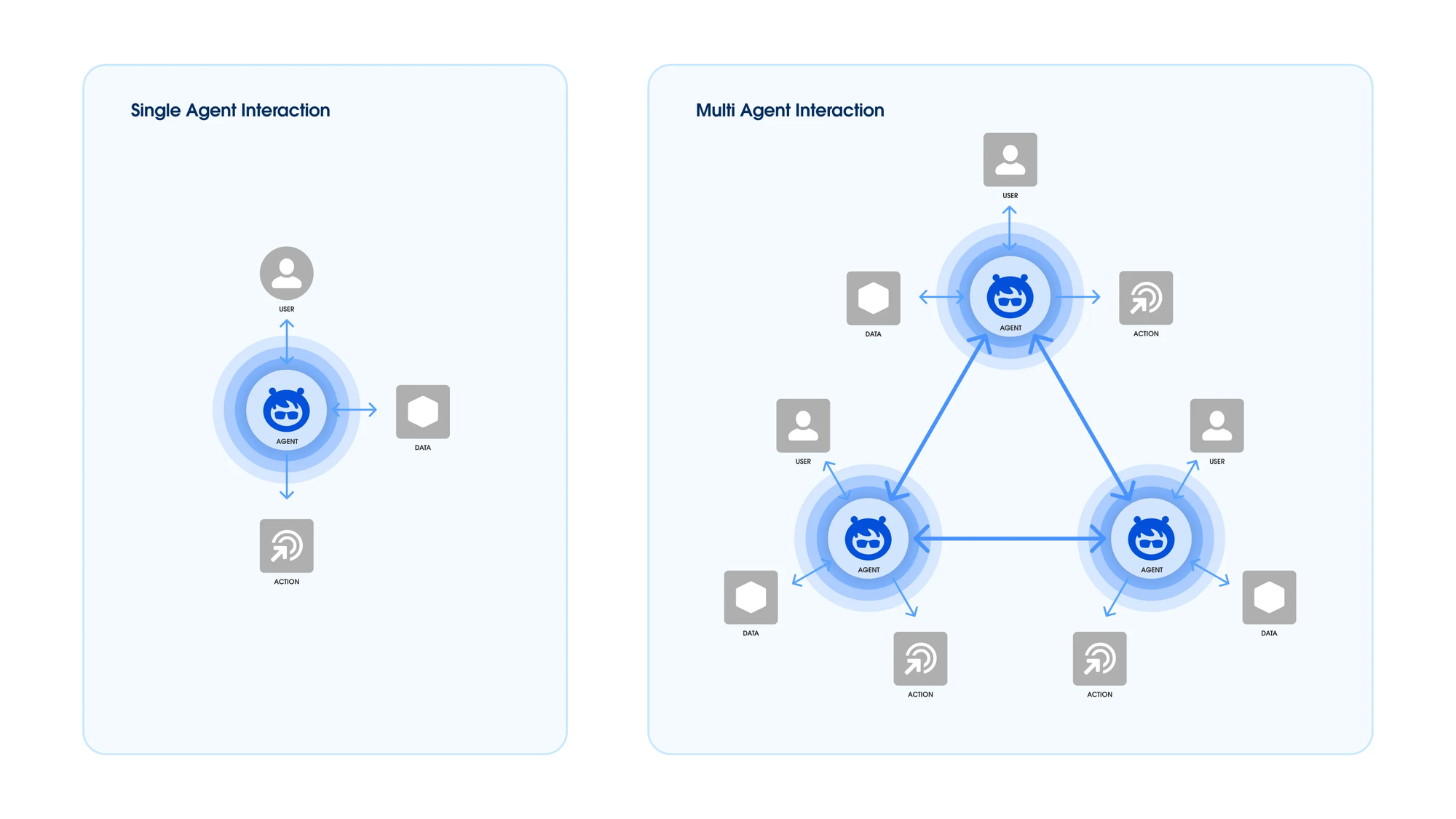
Instead of single agents trying to do everything, we're seeing systems where multiple specialized agents work together. One agent might handle research, another handles writing, a third handles scheduling—and they coordinate their efforts like a team.
This approach can be more robust and capable than a single all-purpose agent, and it mirrors how human organizations work.
Agent-to-Agent Communication
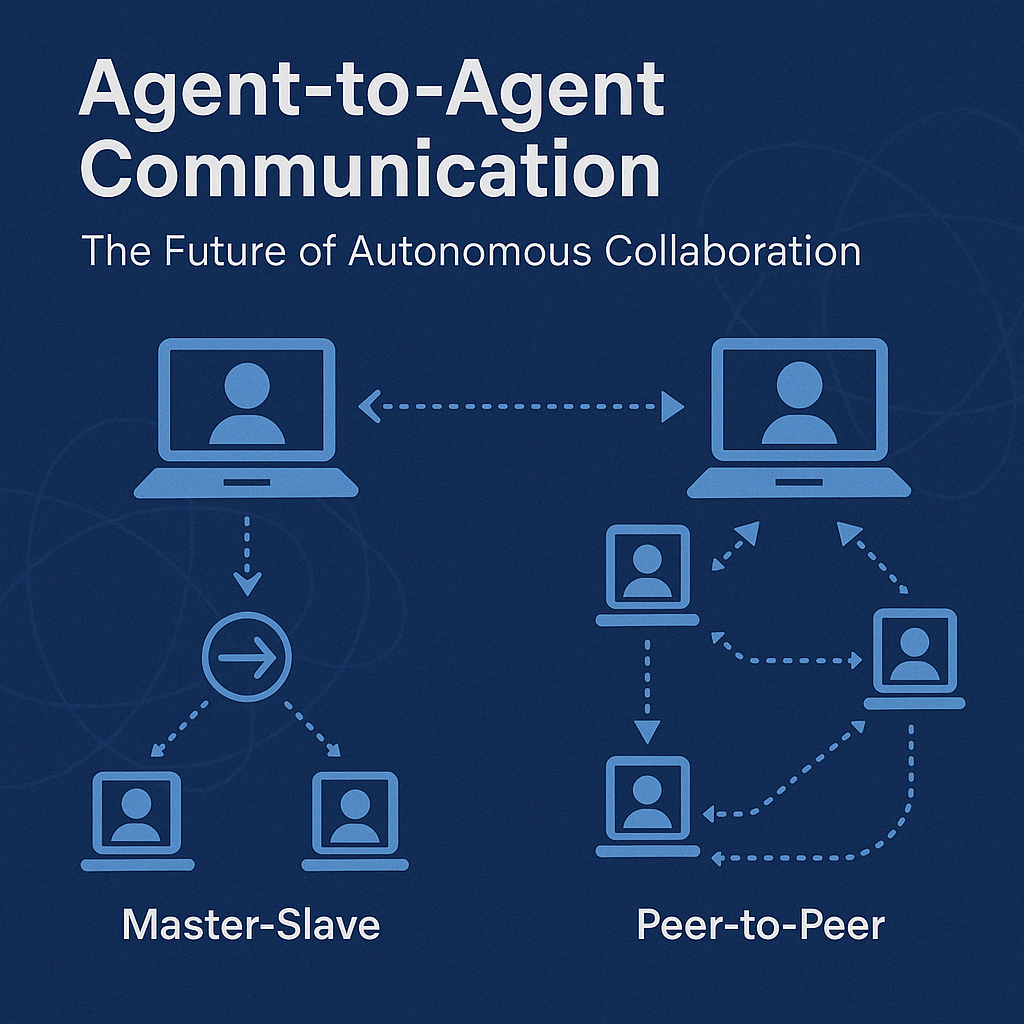
As agents become more common, they'll increasingly need to communicate with each other. Protocols like Google's A2A (Agent-to-Agent) are emerging to standardize how agents from different systems can interact.
Imagine your personal scheduling agent coordinating with your client's scheduling agent to find meeting times—without either human directly involved.
Tighter Enterprise Integration
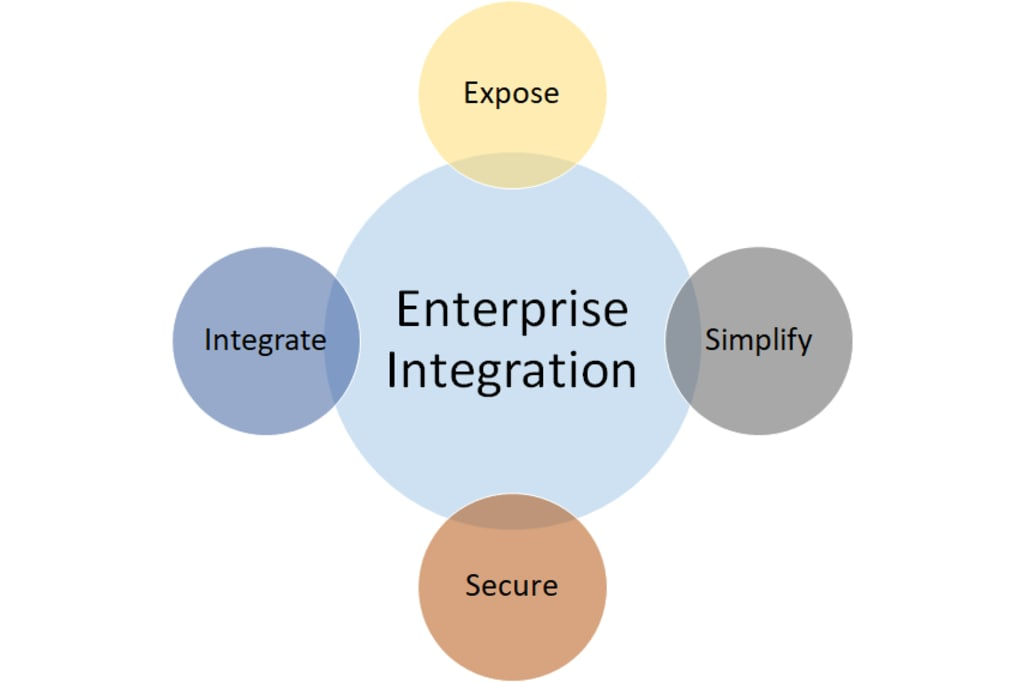
Major enterprise software providers are embedding agentic capabilities directly into their platforms. Salesforce, ServiceNow, Microsoft, and others are all investing heavily in this space. For organizations using these platforms, AI agent capabilities will increasingly be a native feature rather than a bolt-on addition.
Better Governance and Control
As agents take on more responsibility, organizations are developing better frameworks for managing them. Expect to see more sophisticated tools for monitoring agent behavior, setting guardrails, and ensuring compliance.
Research suggests that 60% of Fortune 100 companies will have dedicated AI governance leadership by 2026. This reflects both the growing importance of AI agents and the recognition that they need careful oversight.
Personal AI Agents
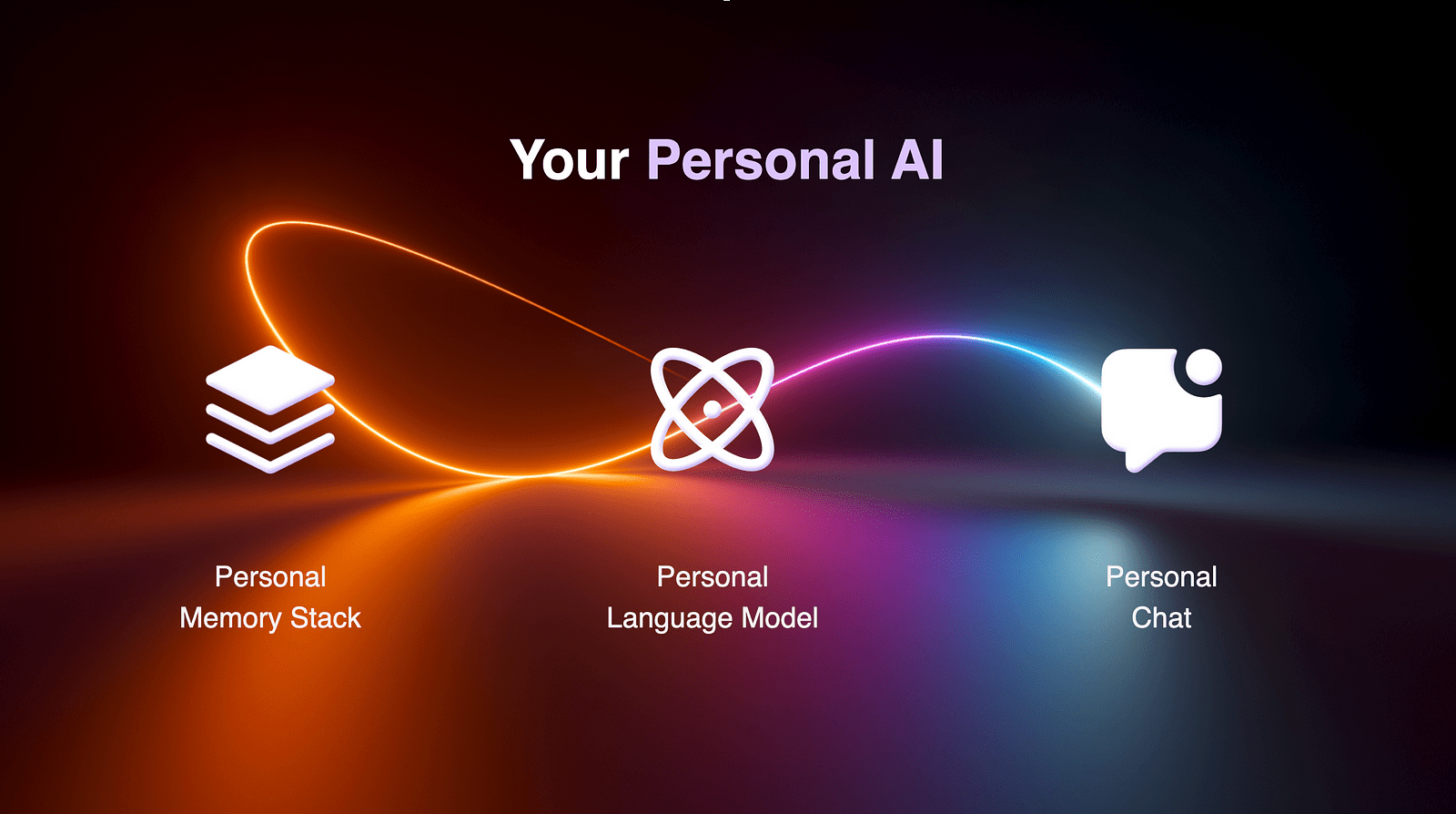
Consumer-facing AI agents are becoming more capable and personalized. The idea of having a personal AI assistant that knows your preferences, handles routine tasks, and learns over time is becoming reality.
Goldman Sachs predicts the growth of "agent as a service" models, where people can essentially rent work performed by specialized AI agents for various tasks.
Final Thoughts: Embracing the Change Without Losing Your Mind
Look, I know this is a lot to take in. The AI agent space is genuinely exciting, but it can also feel overwhelming—like you're watching a train leave the station and you're not sure if you should jump on.
Here's my honest take: AI agents are real, they're useful, and they're here to stay. But they're also tools, not magic wands. The companies and individuals who will get the most value from this technology are those who approach it thoughtfully—identifying genuine problems, starting with manageable projects, and building up capability over time.
You don't need to become an AI expert overnight. You don't need to rebuild your entire workflow around agents. What you do need is curiosity, a willingness to experiment, and the patience to learn from both successes and failures.
Start small. Pick one area where you think an AI agent might help. Try something out. Learn from the experience. Iterate.
The technology will keep getting better, and your understanding will keep deepening. A year from now, you'll look back and be amazed at how far you've come.
And hey, if you found this guide helpful, that makes me genuinely happy. We're all figuring this out together, and sharing what we learn along the way makes the journey easier for everyone.
Frequently Asked Questions (FAQ)
What exactly is an AI agent in simple terms?
An AI agent is software that can autonomously perform tasks on your behalf. Unlike regular software that follows exact instructions, an AI agent understands your goals and figures out the steps needed to achieve them. You tell it what you want to accomplish, and it handles the how—making decisions, using tools, and adapting when things don't go as planned.
Are AI agents and chatbots the same thing?
No, they're different. Chatbots are designed primarily for conversation—they respond to what you say but don't typically take actions beyond providing information. AI agents are designed for action—they can plan, execute tasks, access external tools and systems, and work toward goals with minimal human intervention. Some AI agents have conversational interfaces, which can cause confusion, but the core distinction is that agents do things while chatbots tell you things.
Do I need coding skills to use AI agents?
Not necessarily. Many AI agent platforms now offer no-code or low-code options that let you build useful agents through visual interfaces. Tools like Microsoft Copilot, Zapier, and various business platforms have built-in agent capabilities that require no technical expertise. However, if you want to build custom agents or integrate them deeply with your systems, some technical knowledge becomes helpful.
How much do AI agents cost?
Costs vary widely depending on the platform, usage volume, and complexity. Some basic AI agent features are included in software you might already pay for (like Microsoft 365 or Google Workspace). Standalone AI agent platforms typically have tiered pricing, often starting with free or low-cost tiers for limited usage. For heavy enterprise use, costs can be substantial—the underlying AI models charge per use, and high volumes add up. Always understand the pricing model before committing to a solution.
Are AI agents going to take my job?
The honest answer is: it depends on what you do and how you adapt. AI agents are excellent at handling routine, repetitive, and well-defined tasks. Jobs that consist primarily of such tasks are most vulnerable to automation. However, roles requiring creativity, complex judgment, emotional intelligence, and strategic thinking are augmented by AI agents rather than replaced by them. The most likely outcome for most knowledge workers is that AI agents become tools that make you more productive, not technologies that make you obsolete.
What are the biggest risks of using AI agents?
Key risks include: agents making mistakes or taking unintended actions (especially if not properly monitored), security vulnerabilities from granting agents access to sensitive systems, data privacy concerns when agents process personal or confidential information, and over-reliance on automation without appropriate human oversight. Good governance, careful permission management, and maintaining human review for important decisions help mitigate these risks.
How do I know if my business is ready for AI agents?
Your business might be ready if: you have clear, repetitive processes that consume significant time, your data is reasonably organized and accessible, you have technical capacity to integrate new tools (or budget to hire it), and leadership is supportive of experimentation. Signs you might not be ready include: severely disorganized data, unclear processes, resistance to change throughout the organization, or lack of any technical expertise on staff.
Can AI agents learn and improve over time?
Yes, many modern AI agents incorporate learning capabilities. They can refine their behavior based on feedback, remember user preferences, and improve their performance through experience. However, the extent of learning varies by platform and implementation. Some agents improve continuously, while others require manual updates. When evaluating agents, ask specifically about how they learn and what type of improvement you can expect over time.
What's the difference between AI agents and robotic process automation (RPA)?
Traditional RPA follows rigid, predefined rules—essentially mimicking human clicks and keystrokes to automate repetitive computer tasks. If anything deviates from the expected workflow, RPA typically fails or requires human intervention. AI agents are more flexible. They can interpret context, handle variations, make decisions about how to proceed, and adapt when circumstances change. Think of RPA as automation that does exactly what it's told, while AI agents can figure out what to do based on goals and context.
What should I try first as a complete beginner?
Start with AI features built into tools you already use. If you have Microsoft 365, explore Copilot. If you use Google Workspace, try Gemini. These built-in options let you experience agentic capabilities without committing to new platforms or learning new tools. Once you're comfortable, try a simple automation platform like Zapier or n8n to build a basic workflow that solves a real problem you have. The key is starting with something manageable that provides immediate value, then building from there.
Related Articles
 Mark
Mark
 Dani
Dani
 Mark
Mark