The price tag on the box is rarely the whole story.
A $699 AI wearable looks like a one-time purchase. So does a $349 smart ring, or a $159 AI pendant. But spend five minutes reading the fine print on any of these products and a second number usually appears — a monthly subscription fee ranging from $6 to $30, required not as an optional upgrade, but as the price of admission to the features the device was marketed on.
This is the subscription trap in AI hardware, and it has become one of the defining commercial dynamics of the wearable tech category in 2025 and 2026.
The model works like this: a company sells hardware at a compelling price point, earns a headline, generates reviews and social buzz, and then quietly depends on recurring subscription revenue to make the economics work. Sometimes the subscription unlocks genuinely valuable ongoing cloud services. Often it gates features that should have been included with the hardware purchase. In the worst cases, stopping the subscription turns the device into a paperweight entirely.
Understanding how the trap works — and which products avoid it — is now a basic requirement for buying AI hardware intelligently.
The Case Study That Defined the Problem
The Humane AI Pin: $699 Plus $24 a Month, Into the Void
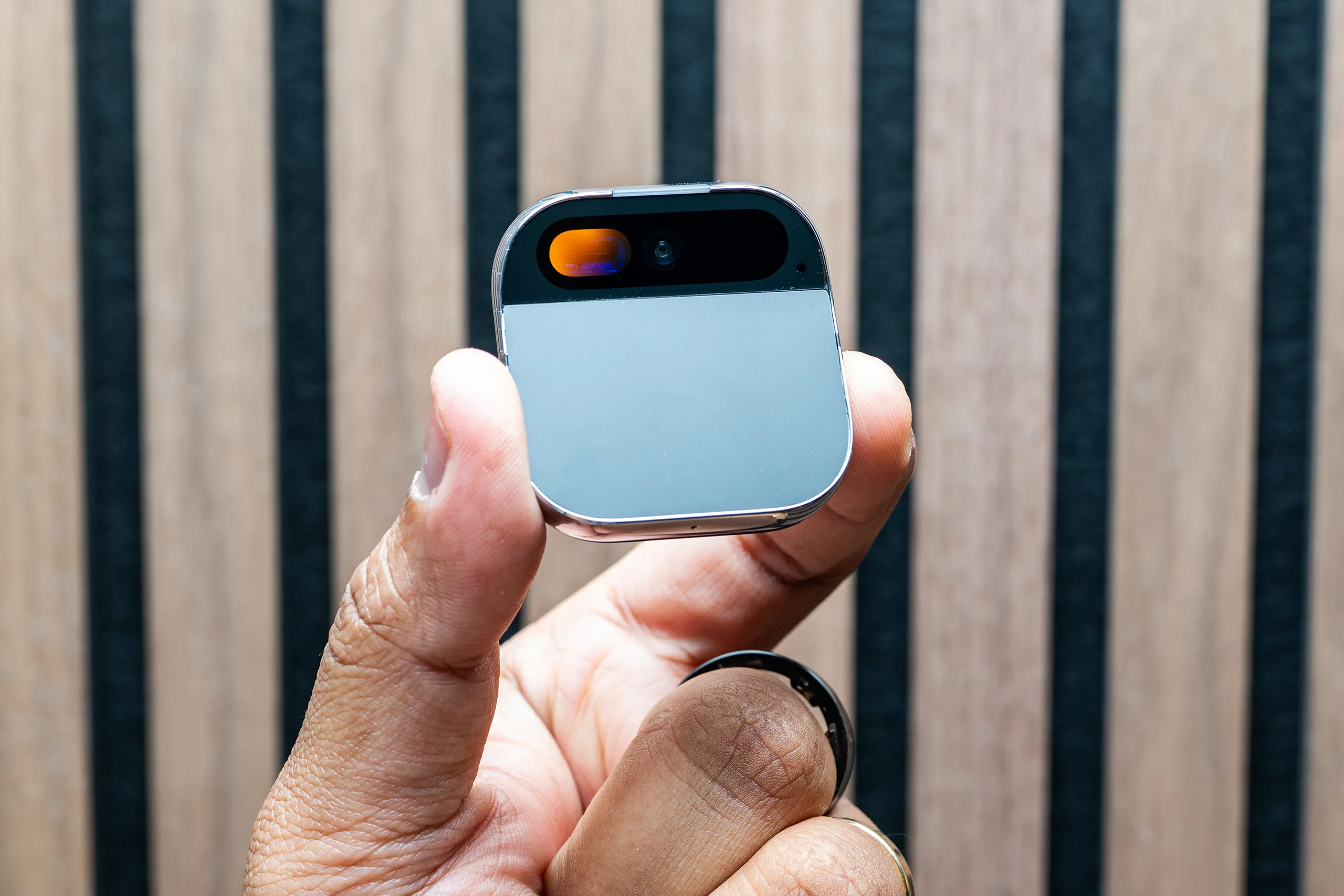
No product in recent memory illustrates the subscription trap more vividly than the Humane AI Pin.
The device launched at $699 with a mandatory subscription of $24 per month — $280 per year — for cellular data, cloud storage, and the ability to make unlimited queries of AI models. You could not use the core AI features of the device without the subscription. It was not optional.
The reviews were devastating. MKBHD titled his video "The worst product I've ever reviewed." Digital Trends called it "a miserable smartphone replacement." The AI assistant frequently answered questions incorrectly and could not complete basic tasks like setting a timer. The device overheated. Battery life was poor.
Less than a year after its release, Humane sold its assets to HP for $116 million — a fraction of its $850 million peak valuation. The servers shut down. Buyers who had paid $699 plus months of subscription fees were told that offline functionality would remain. The actual AI features they had been paying for monthly, gone.
The Humane AI Pin failed for many reasons: overpromising, underdelivering on hardware, poor UX, and a cloud-dependent architecture that created latency in basic interactions. But the pricing model amplified every other failure. The combination of a $699 upfront cost and $24 monthly subscription created a total cost of ownership that exceeded many smartphones while delivering significantly less functionality.
When the company shut down, buyers lost both the hardware investment and all the subscription fees they had paid. There was no refund for months of service.
The lesson: A mandatory subscription does not just change the ongoing cost of a device. It creates a dependency. If the company fails, or raises prices, or degrades the service, your hardware becomes worthless overnight.
How the Subscription Model Got Into AI Hardware
Why Companies Do This
Hardware is hard to monetize. Margins are thin. Manufacturing costs are high. A $349 smart ring that costs $200 to make and $50 to distribute leaves a modest margin that does not fund the ongoing software development, AI model improvements, and cloud infrastructure required to keep a modern wearable competitive.
The subscription model solves that problem — for the company. It creates predictable recurring revenue that funds research and development, improves the AI layer over time, and keeps the product financially viable for years rather than dependent on new hardware sales cycles.
Oura, the company behind the most popular smart ring on the market, has been explicit about this rationale. Oura CEO Tom Hale told Bloomberg that the monthly fee is not going anywhere, arguing that it underwrites accuracy and upgrades, and that recurring revenue lets Oura build a data system that learns from millions of users, improves algorithms, and supports ongoing research.
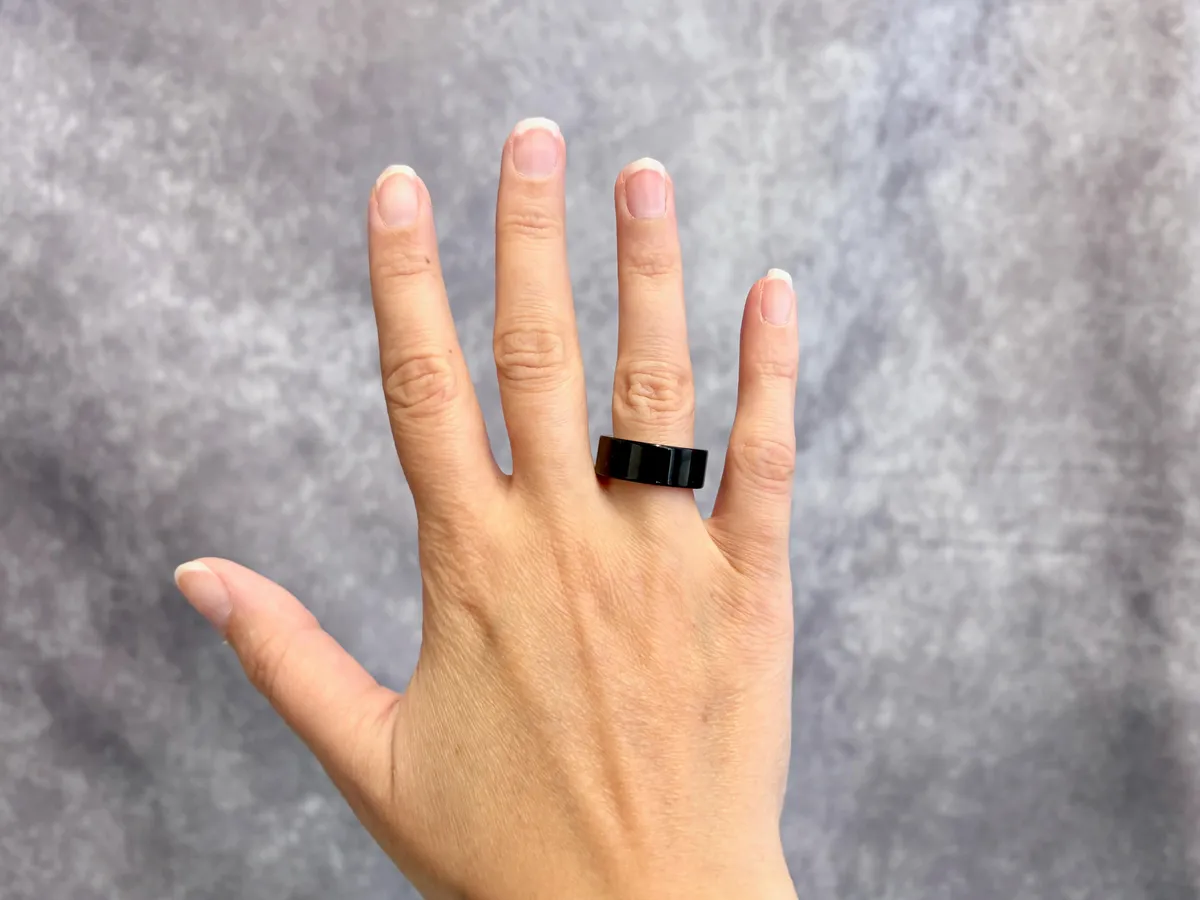
That is a defensible argument for a company that is genuinely improving its health models over time. The Oura Ring 4 subscription costs $5.99 per month or $69.99 per year, and without it, the data and insights users receive become much more limited.
The problem is not subscriptions in principle. It is the pattern of charging both a high upfront price and a recurring fee, then gating essential functionality behind the ongoing payment.
As one industry commentator framed it plainly: "Pick one or the other, but both is not okay."
The Spectrum of Subscription Models
Not all subscription models are equally problematic. There is a meaningful difference between:
- The hardware-only model: You pay once, own everything, get updates. No ongoing cost. Examples: Samsung Galaxy Ring, RingConn Gen 2 Air, Pebble Index 01.
- The optional upgrade model: Core features are included in the hardware purchase. A subscription unlocks deeper analytics, cloud storage, or premium AI features. Examples: Plaud NotePin (basic features free, subscription for additional transcription minutes).
- The subscription-as-the-product model: The hardware is subsidized or free. You are paying for access to the service. Examples: WHOOP — the band ships included with an annual plan, and there is no pretense otherwise.
- The mandatory add-on model: You pay full price for hardware and must also pay a subscription to use the features that made the device worth buying. Examples: Humane AI Pin (shutdown), Oura Ring (ongoing), Limitless Pendant (shutdown).
The mandatory add-on model is the trap. It combines the cost structures of both models without the fairness of either.
A Gadget-by-Gadget Breakdown
What You Are Actually Paying
| Device | Hardware Cost | Subscription | Required? | 2-Year Total Cost |
|---|---|---|---|---|
| Humane AI Pin | $699 | $24/month | Yes (essential features) | ~$1,275+ (now defunct) |
| Oura Ring 4 | $349 | $5.99/month | Effectively yes | ~$493 |
| WHOOP 5.0 | Included | ~$239/year | Yes (it's the model) | ~$478 |
| Limitless Pendant | $99 | $29/month | For full features | ~$795+ (now defunct) |
| Samsung Galaxy Ring | ~$399 | None | N/A | $399 |
| RingConn Gen 2 Air | $279 | None | N/A | $279 |
| Pebble Index 01 | $99 | None | N/A | $99 |
| Plaud NotePin | $159 | Optional ($8.33/month Pro) | No | $159 base |
The two-year total cost column is the number that matters. A product that appears to cost half as much at the shelf can end up costing significantly more over the ownership period a typical buyer will hold the device.
The Devices That Got It Right
No Subscription, No Compromise
Samsung Galaxy Ring
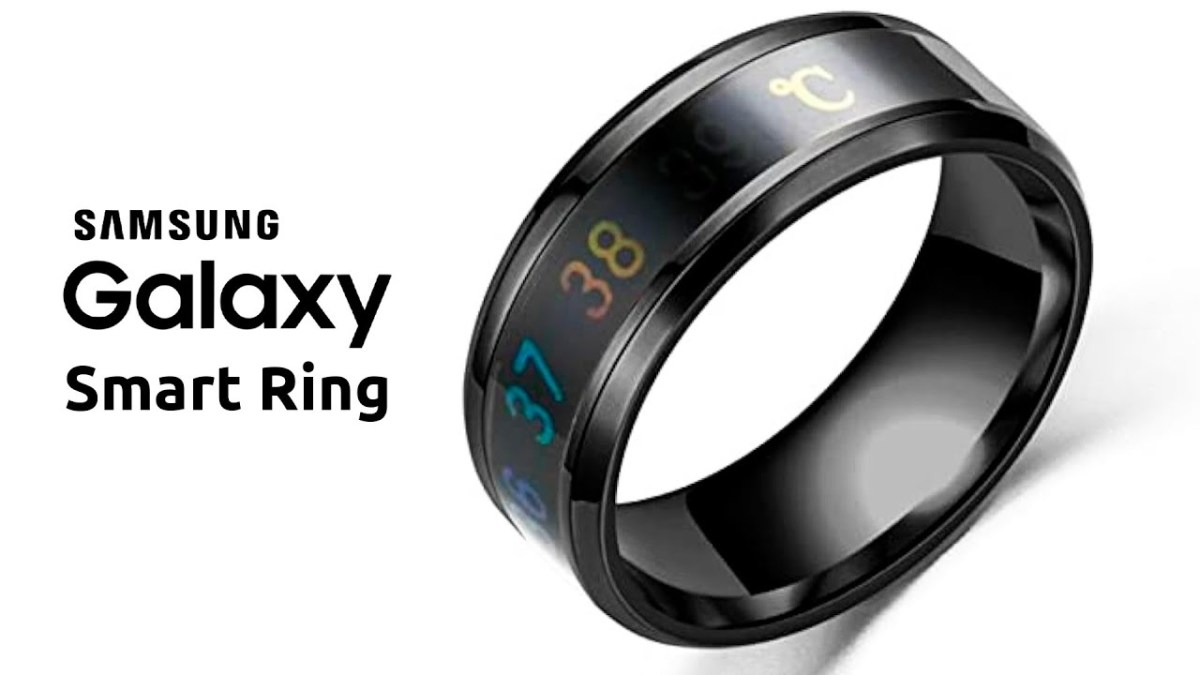
Samsung made a deliberate choice when launching the Galaxy Ring: no subscription required. The company could have charged a monthly fee, but chose instead to include all features in the hardware purchase price. This decision was partially strategic — Samsung uses the Galaxy Ring to deepen users in its Health ecosystem, which is free. But the outcome for buyers is straightforward: everything the ring does, you own outright.
RingConn Gen 2 Air
The RingConn Gen 2 Air offers comprehensive health monitoring with no ongoing costs, tracking sleep, heart rate variability, stress levels, and sleep apnea indicators using medical-grade sensors. At $279 with full features included, the two-year comparison against the Oura Ring 4 works out to $279 versus roughly $493 at the subscription rate — a meaningful difference for equivalent tracking categories.
Pebble Index 01
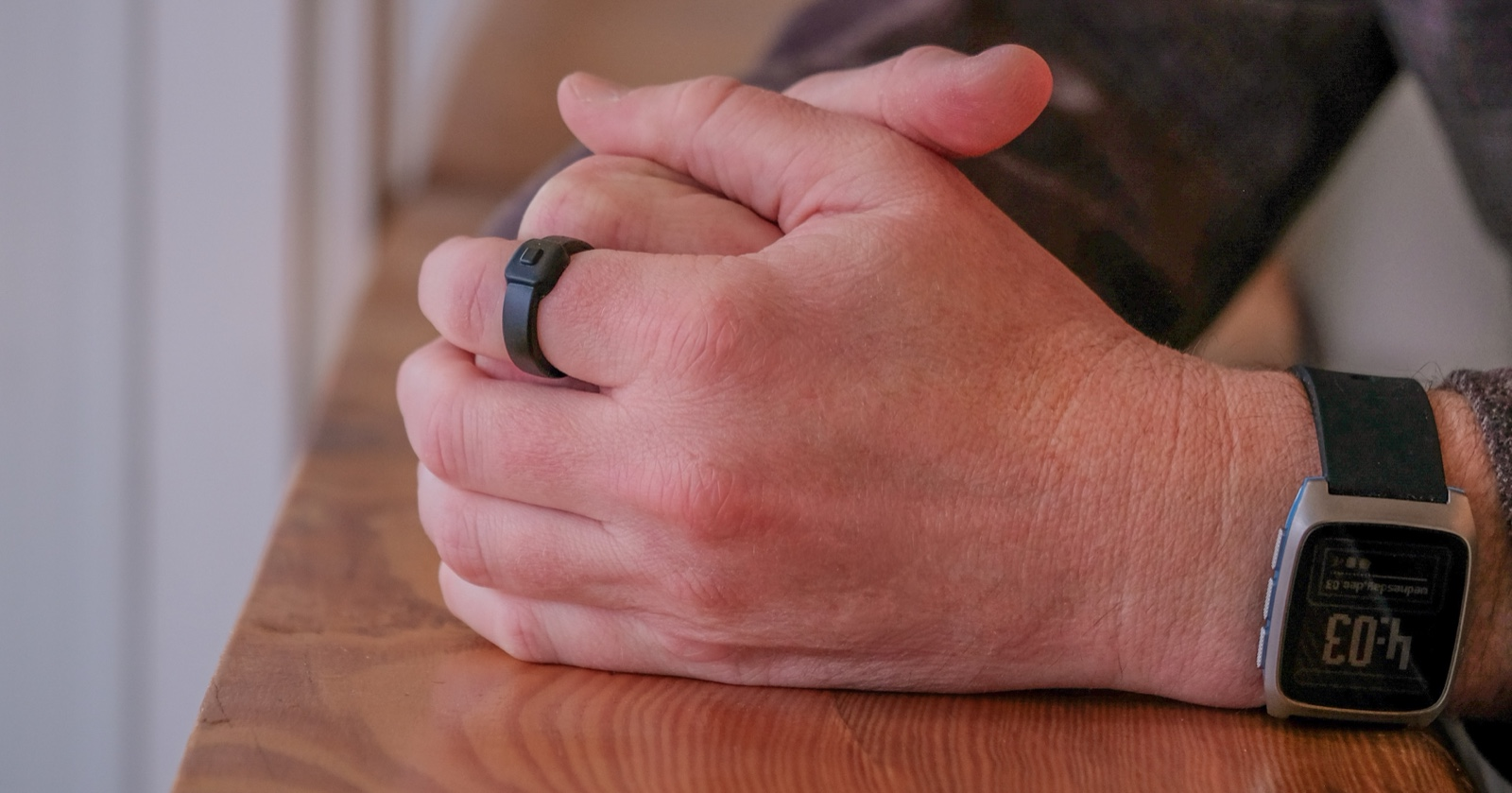
The Index 01 takes the no-subscription philosophy to its logical endpoint. The $99 ring captures voice notes, processes them on-device using open-source AI models, and requires no cloud connectivity, no subscription, and no ongoing cost. The trade-off is a non-rechargeable battery with a two-year lifespan. But the total cost of ownership over two years is $99, full stop.
Plaud NotePin
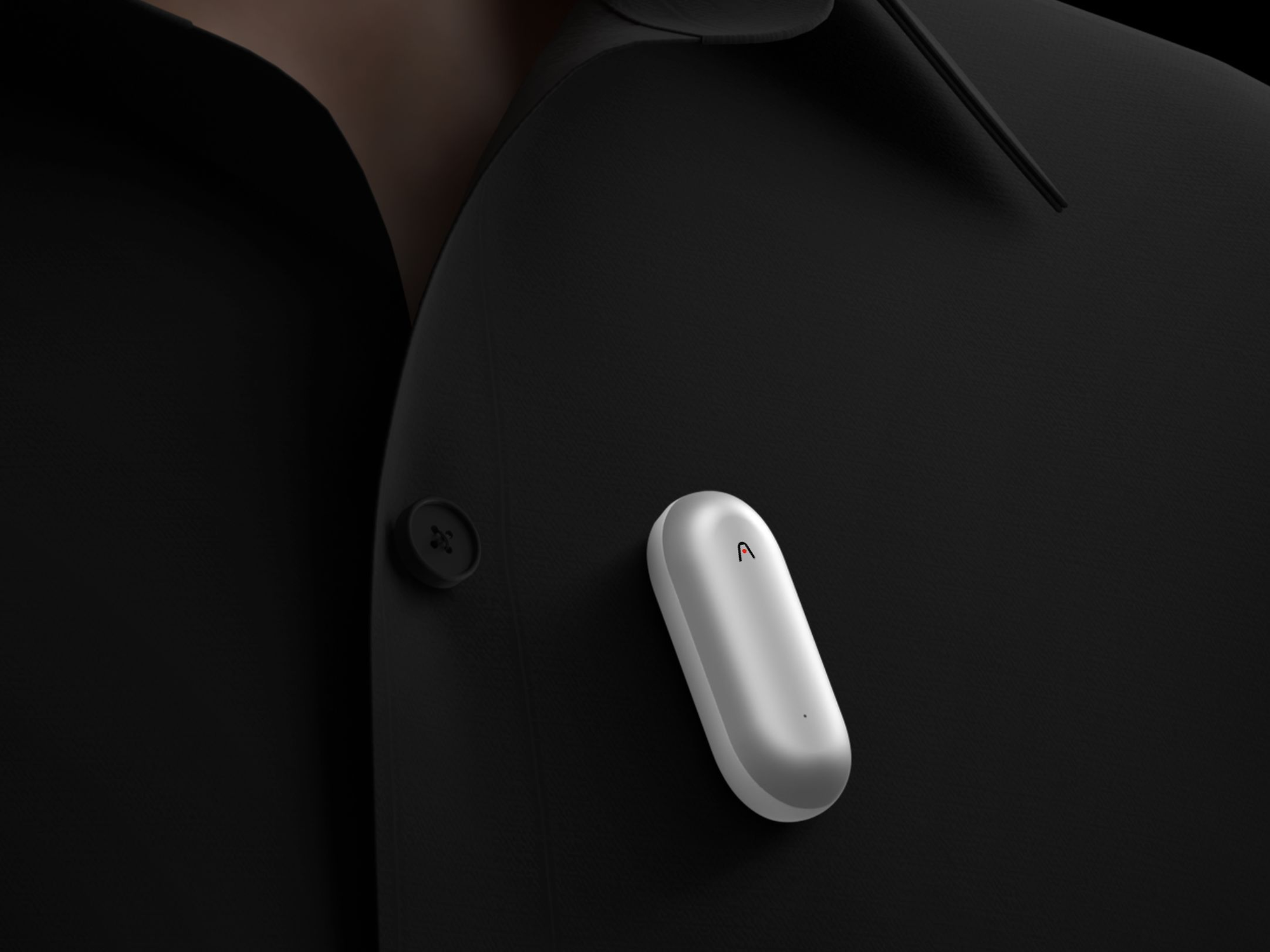
Plaud's approach threads a reasonable middle ground. The NotePin includes 300 free monthly transcription minutes in the base hardware purchase. A Pro subscription at $8.33 per month increases that to 1,200 minutes. The core functionality works without paying more. Buyers who need higher volume can upgrade. Those who do not, do not have to.
The Red Flags to Watch For
How to Spot a Subscription Trap Before You Buy
The AI hardware market is crowded enough that identifying these patterns before purchase is now a practical skill worth developing.
Red flag 1: "Limited features without subscription" language
When a product page describes what the device does, then lists a separate section of features labeled "with membership" or "subscription required," the device's real value is locked behind the paywall. The hardware is essentially the delivery mechanism for a service.
Red flag 2: Cloud-only AI processing
Devices that route all AI processing through company servers are architecturally dependent on maintaining that server infrastructure. If the company struggles financially, the service degrades or disappears — and your hardware with it. On-device processing eliminates this dependency. When a product page does not specify where AI processing happens, assume cloud.
Red flag 3: Startup hardware with high monthly fees
A $20-plus monthly subscription from a startup in a new device category requires honest scrutiny. That fee represents real financial dependence on the company remaining operational and the service remaining as advertised. The Limitless Pendant charged $29 monthly for full AI features on a $99 device — meaning buyers who used it for a year paid $447 total. Meta acquired Limitless in late 2025 and stopped selling new units. Early subscribers lost the service they had been paying for.
Red flag 4: Subscription required for basic functionality
There is a difference between gating advanced analytics behind a subscription and gating the core use case behind one. A smart ring that tracks heart rate without a subscription but requires one for sleep scores is using a reasonable tiered model. A device that cannot perform its primary advertised function without a monthly fee is using the mandatory add-on model.
Red flag 5: No offline mode
If a device cannot function at all without an internet connection, the company's infrastructure is the product, not the hardware you are holding. Any service disruption, outage, or shutdown makes the device inoperable. The Humane AI Pin had no meaningful offline mode. When the servers shut down, the device did too.
When a Subscription Is Actually Worth It
Not All Monthly Fees Are Traps
The blanket case against subscriptions in AI hardware oversimplifies a genuine tension in the category.
WHOOP is the clearest example of a subscription model that works honestly. The band ships included with an annual membership, and the company has never pretended otherwise. Unlike the Humane AI Pin model, WHOOP does not charge a high upfront hardware price and a mandatory subscription — the entire experience is centered around a subscription, and users know that from the start. The transparency is the difference.
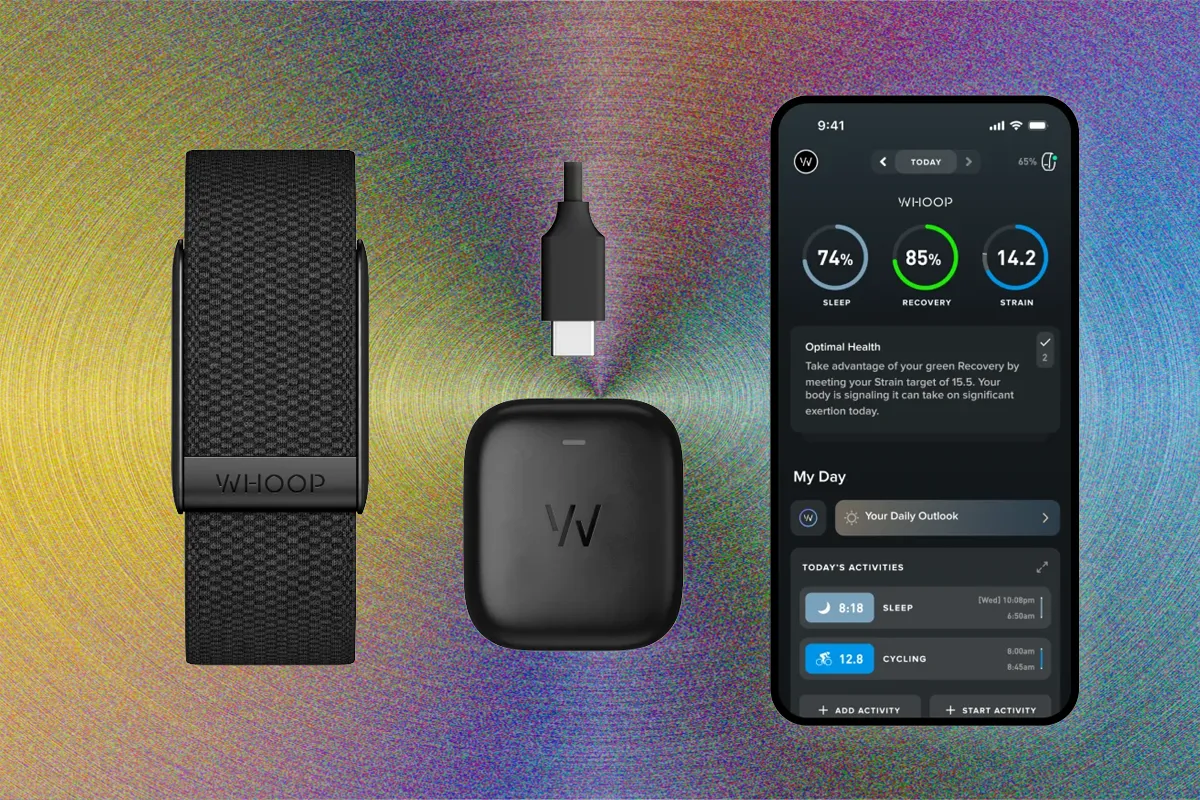
Oura's case is more complicated. The company argues that recurring revenue funds a data system that learns from millions of users, improves algorithms over time, and supports ongoing health research that a one-time hardware sale cannot sustain. For serious health tracking users who check their app multiple times a week and value trend analysis over months, the $6 monthly fee is the "accuracy tax" that keeps the product genuinely useful.
The test is whether the subscription funds ongoing service delivery or simply gates existing features. A subscription that pays for continuous AI model improvements, expanding health research databases, or unlimited cloud storage for growing data has a legitimate value case. A subscription that unlocks features already built into the hardware you purchased does not.
Frequently Asked Questions
Why do AI gadgets require monthly subscriptions?
Most AI hardware companies use subscriptions to fund the ongoing cloud infrastructure, AI model improvements, and server costs that power their devices' intelligence. Hardware sales alone often generate insufficient margin to sustain continuous software and AI development. The challenge for buyers is distinguishing between subscriptions that fund genuine ongoing service delivery and those that simply gate features already built into the hardware.
What AI gadgets have no subscription fees in 2026?
The most notable subscription-free options currently available include the Samsung Galaxy Ring, RingConn Gen 2 Air, and Pebble Index 01. The Samsung Galaxy Ring offers health tracking with all features included in the hardware price. The RingConn Gen 2 Air provides comprehensive health monitoring including sleep apnea detection with no ongoing fees. The Pebble Index 01 captures voice notes with on-device AI processing and no subscription. Plaud NotePin offers basic transcription features free with optional Pro upgrade.
What happened to the Humane AI Pin subscription?
The Humane AI Pin launched at $699 with a mandatory $24 monthly subscription for AI features, cloud storage, and cellular connectivity. The device received devastating reviews for poor performance and high total cost. Humane sold its assets to HP for $116 million in early 2025 and shut down the servers. Buyers who had paid hundreds of dollars in subscription fees lost access to the features they had been paying for, with refunds only available for recent purchases within a 90-day window.
Is the Oura Ring subscription worth paying?
It depends on how you intend to use the device. The Oura Ring 4 subscription costs $5.99 per month and is effectively required to access the health insights that make the ring genuinely useful. For users focused on long-term sleep, recovery, and health trend analysis who check the app frequently, the ongoing fee funds continuous algorithmic improvements and health research. For users who want basic health tracking without ongoing fees, alternatives like the RingConn Gen 2 Air or Samsung Galaxy Ring offer comparable tracking categories at lower two-year total cost.
What is the difference between on-device AI and cloud AI in wearables?
On-device AI processes data locally on the wearable or its connected smartphone using models that run without internet connectivity. This approach is faster for common tasks, private by architecture rather than policy, and fully functional when internet connections are unavailable or when the company's servers are experiencing issues. Cloud AI routes processing to company servers, which can enable more powerful models but creates dependency on internet connectivity, server availability, and the ongoing viability of the company's infrastructure. Devices with cloud-only AI stop working meaningfully if the service shuts down.
How do I calculate the true cost of an AI gadget with a subscription?
Multiply the monthly subscription fee by 24 to get a two-year subscription cost, then add the hardware purchase price. Compare that total against subscription-free alternatives in the same category. A $99 device with a $20 monthly subscription costs $579 over two years — more than a $350 device with no ongoing fees. Always factor in what the device does without an active subscription, since some devices retain basic functionality while others become inoperable the moment the subscription lapses.
Related Articles
 Dani
Dani
 Dani
Dani