We’ve all been there. You type a prompt into ChatGPT or Claude, expecting a masterpiece, and instead, you get a polite, robotic "As an AI language model..." or a generic paragraph that sounds like it was written by a corporate brochure from 2005.
In early 2026, the novelty of AI has worn off. We no longer care that the machine can talk; we care that it can execute. The difference between a hobbyist and a power user isn't the model they use – it’s the way they communicate with it. In a world where everyone has access to the same Large Language Models (LLMs), your ability to structure intent becomes your primary competitive advantage.
Prompt engineering has evolved from "talk to it like a human" to a sophisticated blend of logic, structure, and psychological framing. If you want to move beyond basic summaries and into the realm of complex reasoning, autonomous agents, and high-fidelity content, you need to master these advanced techniques.
1. The "Chain-of-Thought" (CoT) Revolution
The biggest mistake people make is asking the AI for the final answer immediately. Imagine asking a brilliant math student to solve a complex calculus problem in their head without using a scratchpad. They might get it right, but they are much more likely to make a silly error because they are trying to process too many variables simultaneously.
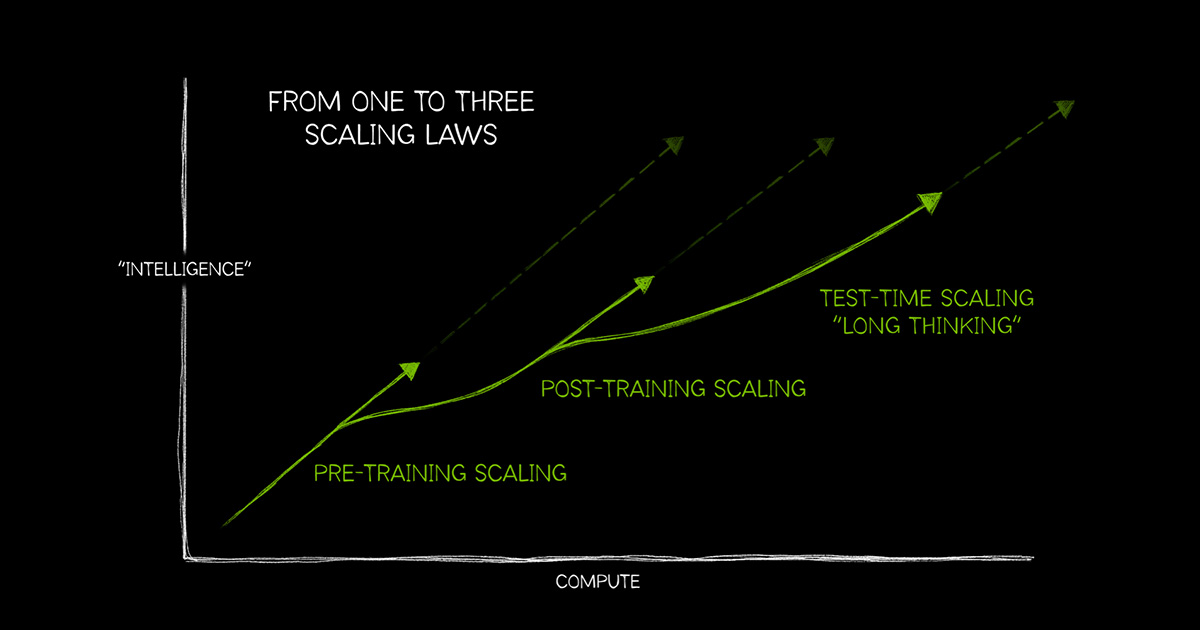
AI models like GPT-5 and Claude 3.5 work on token prediction—they generate the next word based on what has already been written. If you force them to give the answer first, the model is mathematically locked into that answer. Even if the logic it generates afterward clearly contradicts the initial conclusion, the model will often "hallucinate" justifications to maintain consistency with its first mistake.
The Technique: Step-by-Step Reasoning
Instead of asking: "What is the ROI of our new marketing campaign?"
Try this:
By forcing the AI to "think out loud," you trigger its latent reasoning pathways. This technique, known as Chain-of-Thought, has been proven in research papers to reduce hallucinations by up to 40% in complex tasks because it allows the model to use its own intermediate outputs as context for the final result.
2. Dynamic Few-Shot Prompting
Zero-shot prompting (giving no examples) is for simple, objective tasks. However, "good writing" or "clean code" is subjective. If you want the AI to mimic a specific brand voice, a unique coding style, or a complex nested formatting structure, you must use Few-Shot Prompting.
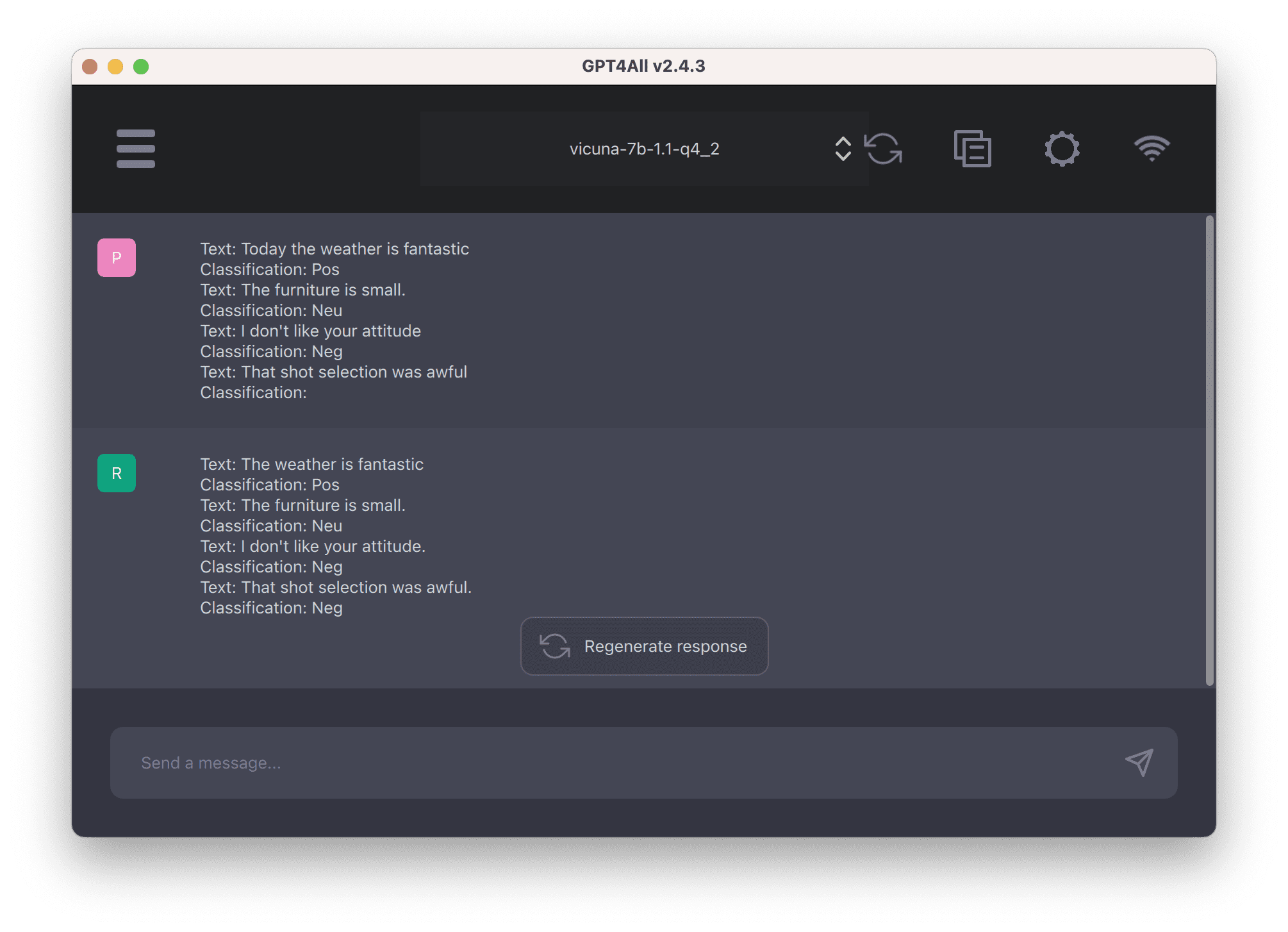
The advanced version of this isn't just giving three random examples. It’s about providing contrasting examples that define the boundaries of what is acceptable and what is not. This reduces the "creative drift" that often happens in long conversations.
The Technique
Provide a clearly labeled block in your prompt that acts as a reference library for the model:
Example 1
Example 2
Example 3
When you provide these guardrails, the AI doesn't just copy the text; it extracts the underlying latent intent and stylistic DNA behind the "Correct" example.
3. Structural Scaffolding: Using Markdown for Clarity
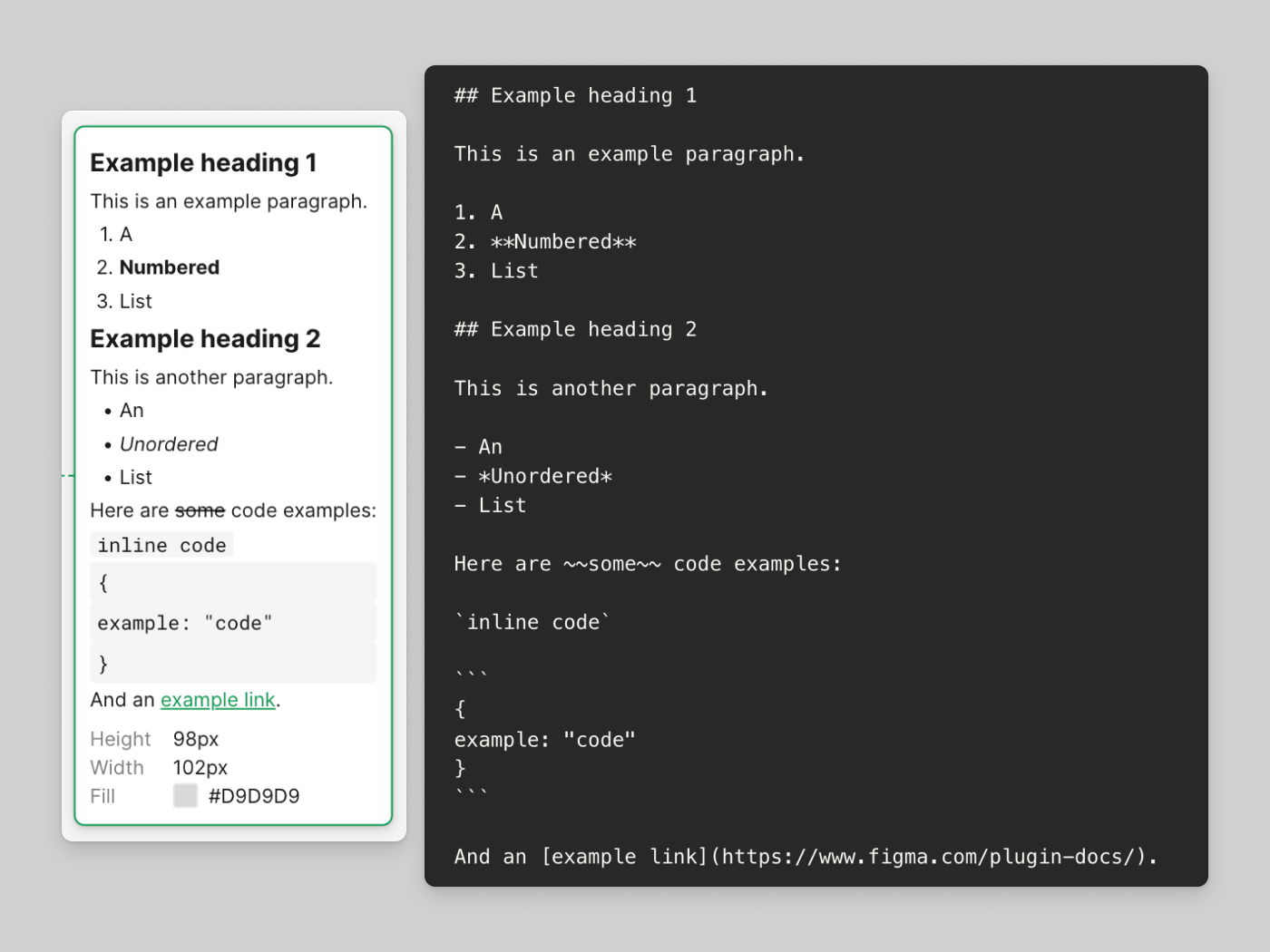
Large Language Models are trained on vast amounts of structured data from the internet, which means they possess an innate understanding of HTML, Markdown, and JSON. If you send a giant, unformatted wall of text, the AI’s "attention mechanism" (the technical process of weighing the importance of different words) gets diluted. Important instructions get buried under the data they are meant to process.
The Technique: Delimiters and Headers
Use clear, standardized separators to tell the AI exactly where the instructions end and the raw data begins. This creates a clear hierarchy of information.
- Use
###for headers to define different sections of the prompt. - Use
---for horizontal section breaks to separate major context shifts. - Use XML-style tags for sensitive data:
<Context>...</Context>or<Instructions>...</Instructions>.
Example:
### Task
Refine the following executive summary for clarity and impact.
### Contextual Data
<Original_Text>
[Your raw text here]
</Original_Text>
### Constraints
* Maximum length: 200 words.
* Maintain an optimistic yet realistic tone.
This prevents the AI from getting "distracted" by the content of your data and accidentally interpreting a sentence within your data as a new instruction.
4. The "System Role" Persona Architecture
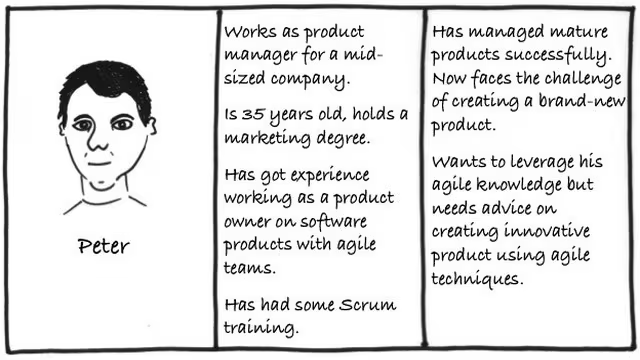
Most people start prompts with a simple role like "You are an expert copywriter." While better than nothing, this is a "flat" persona. An advanced prompt builds a multi-dimensional persona that includes specific constraints, professional biases, and a detailed knowledge base. This effectively "narrows" the model's focus, making it act like a specialist rather than a generalist.
The Technique: The Multi-Dimensional Persona
Instead of just a title, provide a comprehensive "Worldview" that dictates how the model should approach the problem:
- Professional Identity: Senior SaaS Product Manager with 15 years of experience at top Silicon Valley startups.
- Communication Style: Direct, data-driven, and slightly skeptical of marketing hype. You prefer bullet points over long paragraphs.
- Specific Knowledge Base: Deep expertise in PLG (Product-Led Growth), user retention metrics, and behavioral psychology.
- Core Objective: Your goal is to ruthlessly find flaws in the current user onboarding flow and suggest high-impact, low-effort fixes.
By narrowing the "identity" of the AI, you effectively prune the irrelevant parts of its massive training data, resulting in responses that are significantly more focused, nuanced, and professional.
5. Iterative Refinement and "The Critic" Loop
The most effective prompts are often part of a multi-turn conversation. One of the most powerful advanced techniques is the Reflective Loop, where you explicitly ask the AI to play the role of a harsh critic of its own work before it shows you the final result.
The Technique: Self-Correction and Self-Critique
Add a "Review Step" to the end of your prompt to ensure the output meets your quality standards:
By doing this, you leverage the AI’s ability to "act as the editor." Because the model is looking at its own generated text as "external" context in the next step, it is much better at catching mistakes than it is while writing the text for the first time.
6. Prompt Injection Defense and Safety
In a professional or enterprise setting, especially when using AI through an API or in a shared company workspace, you must ensure the prompt remains stable and doesn't get "derailed" by unusual input data.
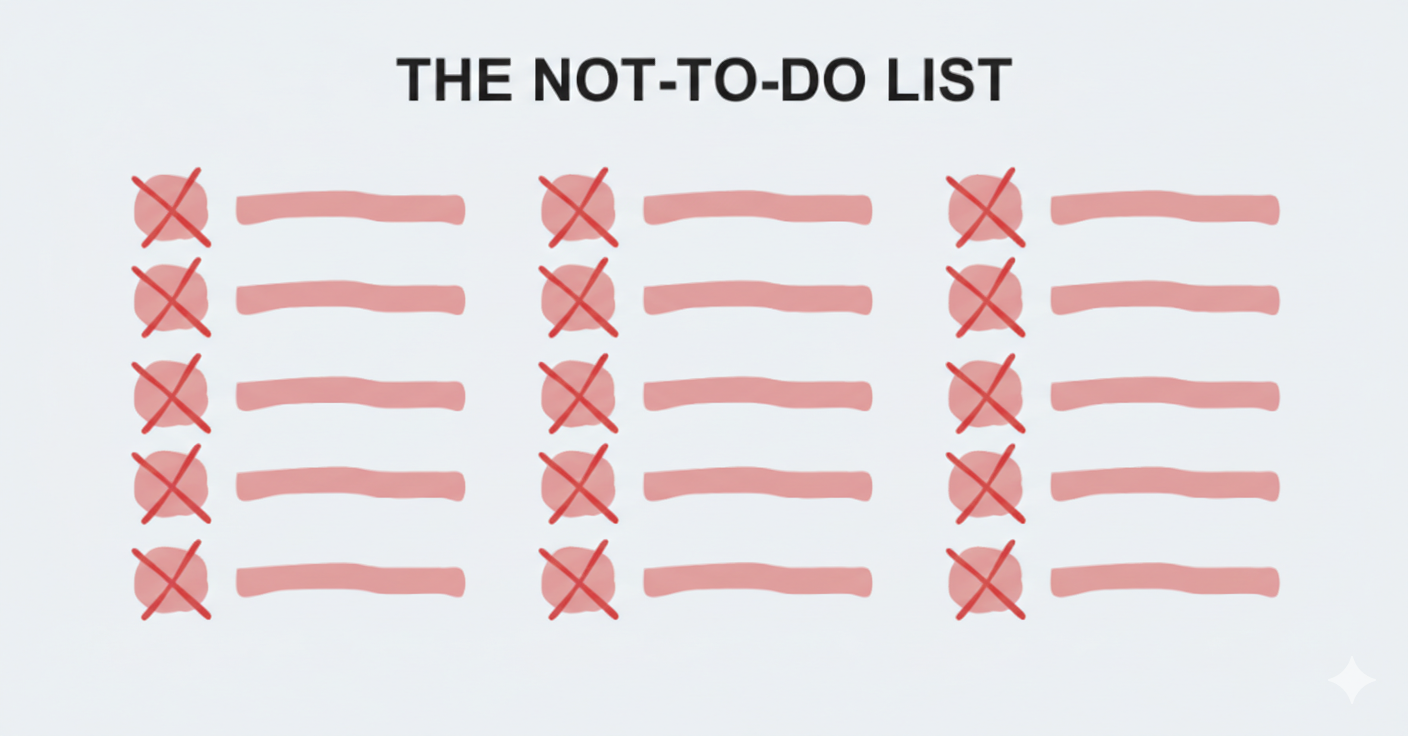
The Technique: Negative Constraints and Edge-Case Handling
Always include a dedicated "What NOT to do" section. For the US professional market, where time is money, conciseness and honesty are highly valued.
- "Do not use flowery, superlative-heavy language like 'extraordinary' or 'game-changing' unless backed by data."
- "Strictly avoid AI-isms such as 'In the ever-evolving landscape of...' or 'It's important to note that...'."
- "If the provided data is insufficient to answer a question, explicitly state: 'I do not have enough data to answer this.' Do not attempt to guess or hallucinate facts to fill the gap."
7. Handling Long Contexts (The 2026 Strategy)
In 2026, with models now supporting 1M+ token windows, it’s tempting to dump entire books or code repositories into the prompt. However, "Lost in the Middle" remains a documented phenomenon – LLMs are much more likely to remember and follow instructions located at the very beginning or the very end of a prompt, while often ignoring the middle.
The Technique: The Anchor Point Strategy
If you are providing a massive amount of reference data (e.g., a 100-page PDF), do not put your instructions only at the top. Use Anchor Points to reinforce your requirements:
- Top Anchor: State the primary goal and persona.
- Middle: Provide the massive data set.
- Bottom Anchor: Reiterate the specific formatting rules and the final output requirement. This utilizes "recency bias" to ensure the model's last "thought" before generation is your most important rule.
FAQ
Q: Does it matter if I say "Please" and "Thank you" to the AI?
A: Technically, the AI doesn't have feelings or a social ego. However, empirical tests suggest that using polite, professional language can subtly improve the output. Why? Because the model was trained on human conversations. Polite, structured requests are often found in high-quality professional documents, whereas rude or clipped language is more common in lower-quality web comments. By being polite, you are "steering" the model toward its most professional training data.
Q: How long should my prompt be?
A: There is a common myth that longer is always better. In reality, you should aim for information density. A 500-word prompt filled with redundant filler will perform worse than a 150-word prompt that is perfectly structured with Markdown and clear constraints. Every word in your prompt should serve a purpose: either providing context, setting a constraint, or defining a format.
Q: What is "Temperature" and should I care?
A: If you are using an API or an advanced developer playground, Temperature is crucial. It controls the randomness of the output. For tasks that require high accuracy (coding, legal analysis, math), set it to 0.1 or 0.2. This makes the model "stable" and predictable. For creative tasks like naming a brand or writing a poem, set it to 0.7 or 0.8 to allow for more "creative" associations.
Q: Can I use AI to write prompts for me?
A: Absolutely, and you should. One of the most effective strategies is the "Meta-Prompt." Ask the AI: "I want you to act as an expert Prompt Engineer. I am trying to achieve [Specific Goal]. Based on your internal architecture, what questions do you need me to answer, or what examples do I need to provide, so that you can generate the best possible result for me?" This allows the AI to help you build its own scaffolding.
Q: Is Prompt Engineering a real job?
A: In 2026, the market has shifted. Prompt engineering is less of a standalone "job title" and more of a core competency, much like "Googling" or "Excel" were in previous decades. It is now a foundational requirement for almost any white-collar role in the US. The ability to effectively "delegate" tasks to an AI is what separates high-output leaders from those who are overwhelmed by the new technology.
The Bottom Line
Writing better prompts isn't about learning a secret magical code or "tricking" the machine; it’s about radical clarity in communication. The more context, structure, and logical constraints you provide, the less the AI has to guess. And in the world of professional AI, guessing is the enemy of quality.
Start treating your prompts like a coding project or a legal brief. Structure them with intention, test them against different inputs, and refine them based on performance. The results will speak for themselves.
Related Articles
 Mark
Mark
 Dani
Dani
 Mark
Mark