The pitch has not changed much in twenty years: build a website in a profitable niche, rank it in Google, collect passive income from affiliate commissions and display advertising. What has changed is the speed at which you can execute it and the bar Google sets for what earns and keeps traffic.
Surfer SEO, combined with AI writing tools, has become the dominant workflow for this model in 2025 and 2026. Used well, the combination lets a solo operator produce content that genuinely competes with well-resourced teams. Used carelessly, it produces the kind of mass-generated output Google has spent its last several algorithm updates specifically trying to demote.
This article covers the actual workflow, the tools involved, the realistic economics, and the places where people consistently go wrong.
What Surfer SEO Does and Why It Matters
Surfer SEO is a content optimization platform that analyzes the top-ranking pages for any keyword and generates specific recommendations for matching or outperforming them. The core insight behind the tool is that Google's results for any given query share measurable patterns: average word count, heading structure, semantic keyword density, internal linking patterns, and more. Surfer quantifies those patterns and tells you how to replicate them.
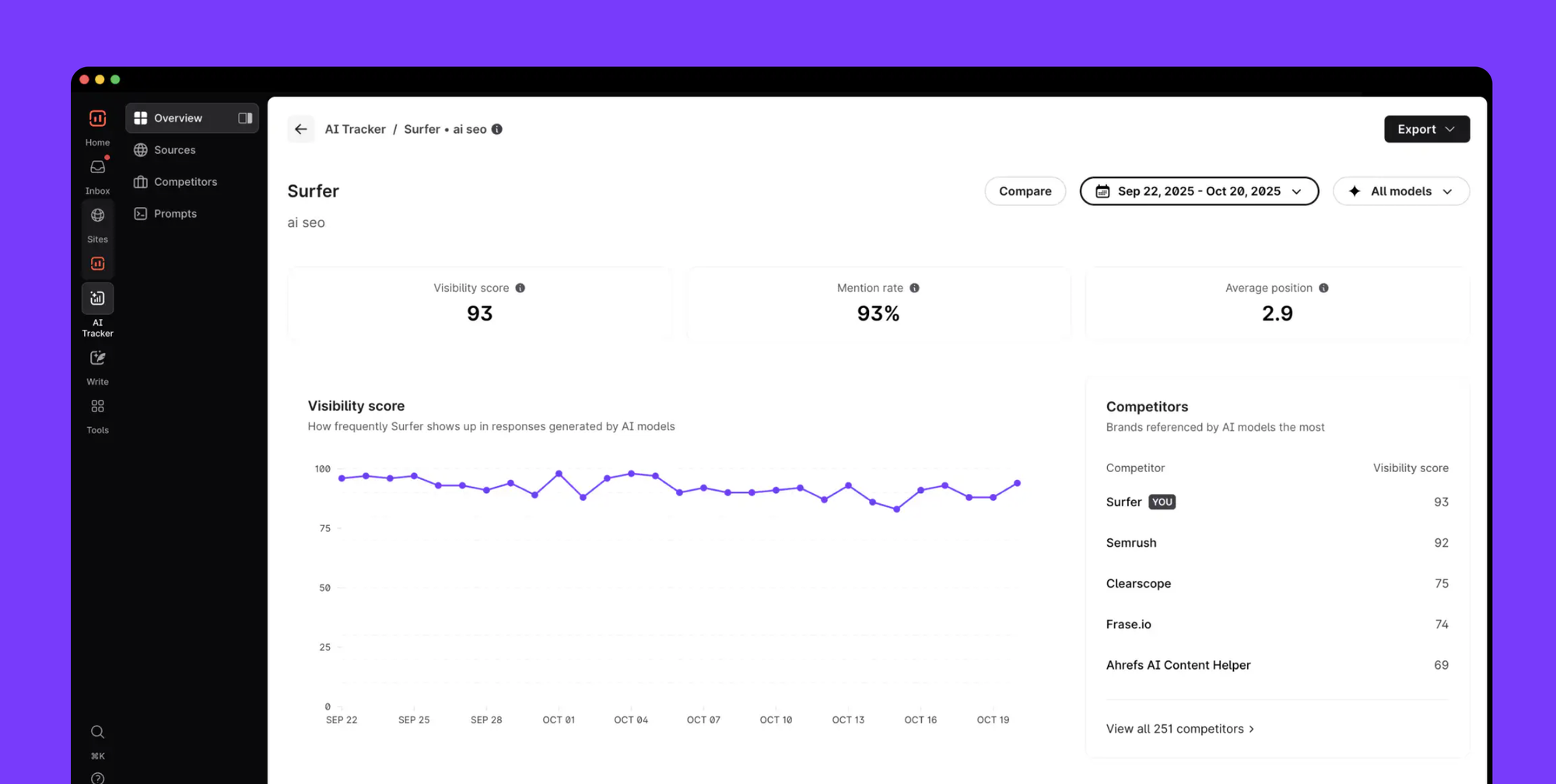
The tool's central metric is the Content Score, a composite measure of how well a piece of content aligns with the signals present in currently ranking pages. A 2025 study analyzing one million SERP entries found that Surfer's Content Score demonstrates a 0.28 Spearman correlation with actual Google rankings. For context, Ahrefs' research found that backlinks, widely considered the most important ranking factor, show only a 0.17 correlation. Surfer's on-page optimization signals, in other words, correlate with ranking success more strongly than the factor most SEOs consider primary.
That correlation does not mean causation. A perfect Content Score does not guarantee rankings, because Google weighs hundreds of factors including domain authority, technical performance, user engagement, and search intent alignment. But it does mean that on-page optimization via Surfer is one of the highest-leverage actions a content publisher can take.
What Surfer includes at a glance:
| Feature | What it does |
|---|---|
| Content Editor | Real-time optimization guidance while writing |
| SERP Analyzer | Competitor breakdown for any target keyword |
| Keyword Research | Topic clusters and related keyword discovery |
| Content Audit | Identifies underperforming existing pages |
| Surfer AI | Generates full articles optimized for a target keyword |
| Grow Flow | Weekly AI-driven site improvement recommendations |
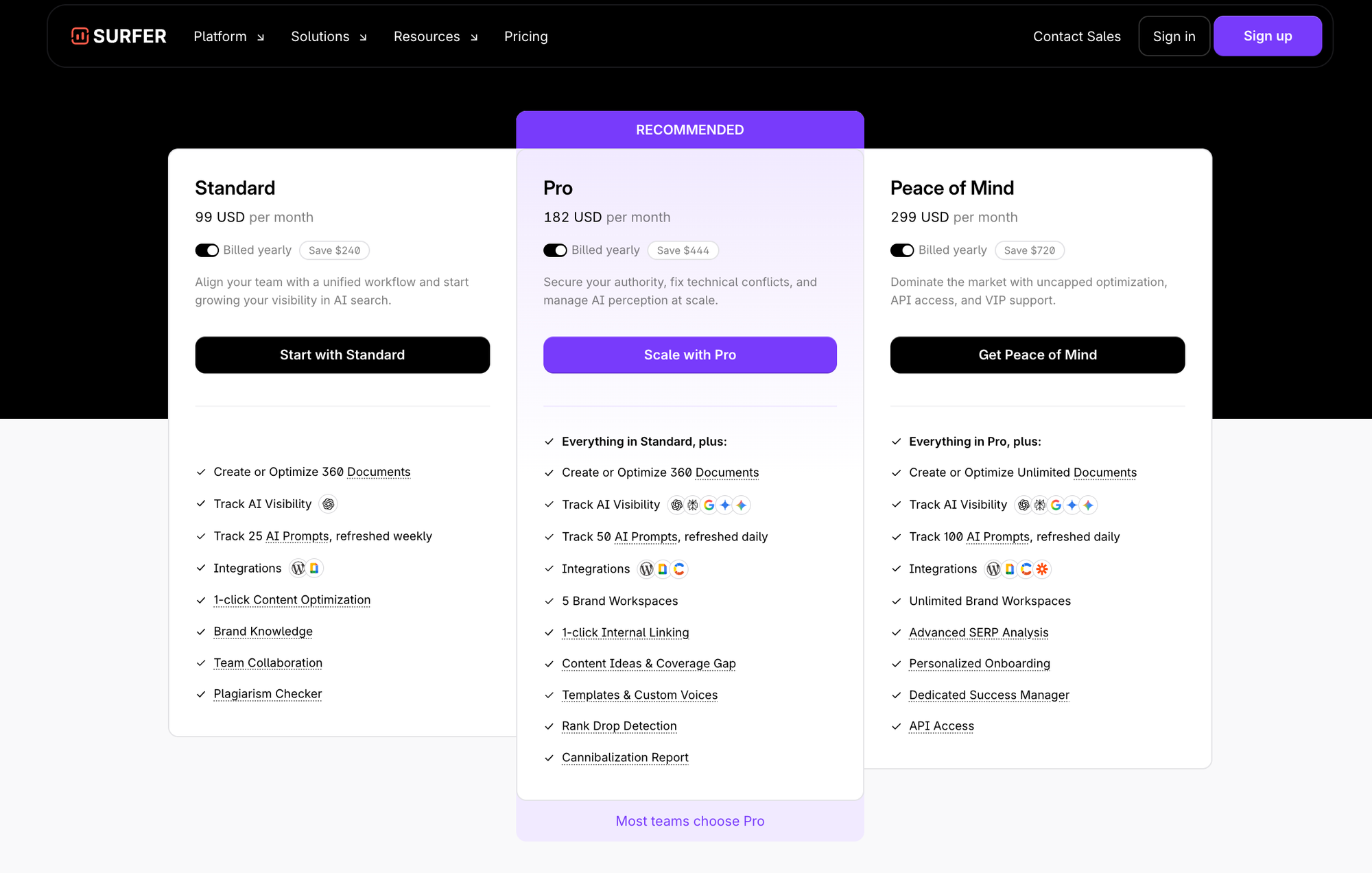
Pricing in 2026: Essential at $79/month billed annually ($99 monthly), Scale at higher tiers, and Enterprise for agencies. The platform offers a 7-day money-back guarantee rather than a traditional free trial.
The AI Content Layer: What It Actually Produces
Surfer AI, powered by GPT-4o, generates complete articles from a single keyword input. You provide the keyword, adjust the tone and outline, and the tool produces a full draft with built-in NLP optimization already applied. The practical appeal is obvious: a first draft that is already structured for ranking takes significantly less time to edit and publish than starting from nothing.
The honest assessment of what this produces is more qualified. Surfer AI generates a competent SEO-structured first draft. It is not a finished article. Content produced by pure AI without meaningful human editing tends to be accurate in a generic sense, well-structured, and easy to read, but also noticeably thin on the kind of first-hand experience, specific product knowledge, and genuine opinion that differentiates content worth reading from content designed purely to rank.
This distinction matters more than it did two years ago. Google's March 2025 helpful content update specifically targets AI-generated content that lacks demonstrable first-hand experience. The update refined Google's ability to distinguish between content produced by someone with genuine expertise in a topic versus content that aggregates existing web information into a well-formatted article.
The practical implication, supported by independent testing, is direct: sites that combine genuine domain expertise with AI-assisted writing tend to rank and hold rankings. Sites that use AI to produce content in niches where the operator has no authentic knowledge tend to rank briefly and then decline as Google's quality signals process the content more thoroughly.
One documented case from six months of real testing across five niche sites illustrates this pattern clearly. The sites operating in areas of genuine operator expertise showed steady ranking growth. The sites using pure AI content with only light editing showed initial indexing followed by gradual traffic decline. The revenue gap by month six was significant: the expertise-backed sites were earning several times more than the pure AI content sites.
Picking a Niche: The Decision That Determines Everything

Niche selection is where most new site builders make their most consequential mistake, and it is the one decision that AI tools cannot meaningfully help with. Choosing a niche that is either too competitive, too low in commercial intent, or disconnected from any genuine knowledge the operator has is a structural problem that no amount of good content optimization resolves.
What makes a niche viable
A viable niche for this model needs three things to be true simultaneously:
Commercial intent. The audience for the topic is actively looking to buy things or make purchasing decisions. Informational niches can generate display ad revenue but produce much lower income per visitor than niches where people are comparing products, looking for recommendations, or researching purchases. Topics like "best [product category]" and "[product] reviews" are commercial intent keywords. Topics like "how does [thing] work" are informational.
Manageable competition. The niche needs search volume and commercial value that has not already been fully claimed by established high-domain-authority sites. This is where keyword research tools like Ahrefs or Semrush (used alongside Surfer) matter. Surfer's built-in keyword research gives directional signals but lacks the granular keyword difficulty data needed to evaluate competition accurately.
Genuine operator knowledge. As noted, this is the factor that differentiates sites that maintain rankings from sites that briefly rank and decline. You do not need to be a professional expert. You do need enough authentic familiarity with the topic to write about it with specific, non-generic insight, to fact-check what AI produces, and to add the kind of first-person perspective Google's helpful content guidelines increasingly reward.
High-performing niches in 2026

Based on affiliate commission structures, advertising RPMs, and search volume data:
- AI and SaaS tools: Highest recurring commission potential. SaaS affiliate programs commonly pay 20-40% monthly recurring commissions. A single active subscriber referred generates income for the duration of their subscription. Sites like FutureTools and There's An AI For That demonstrate this model works at scale.
- Personal finance and fintech: High advertiser CPCs and CPA offers. Trading platforms pay $50 to $200+ per funded account. High compliance requirements make this niche less accessible to new operators.
- Home office and remote work: $15.39 billion market with strong Amazon Associates potential at 9% commission on furniture. High-income audience with genuine purchase intent.
- Health, wellness, and supplements: Evergreen demand, strong affiliate programs. Requires extra attention to YMYL (Your Money or Your Life) content standards and accuracy.
- Cybersecurity and privacy tools: VPN programs (NordVPN, Surfshark) offer 40% first-sale commissions plus 30% on renewals. High retention rates produce durable recurring income.
The Workflow: From Keyword to Published Article
Step 1: Keyword research and topic selection
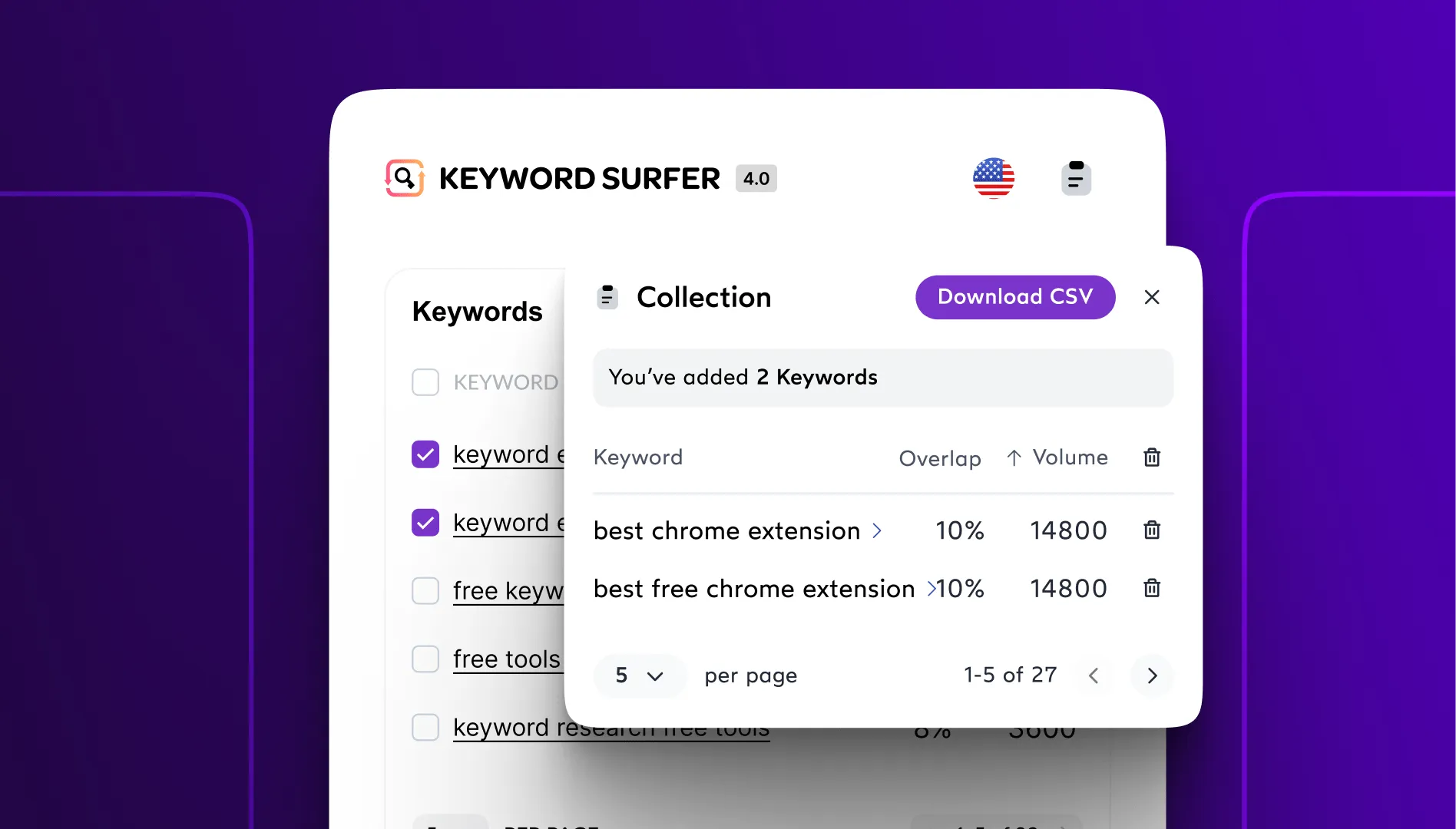
Start with a dedicated keyword research tool (Ahrefs or Semrush) to identify keywords with meaningful search volume and manageable difficulty scores. Look for keyword clusters rather than isolated terms. A niche site earns because it builds topical authority across a cluster of related keywords, not because it ranks for a single term.
Import your target keywords into Surfer's keyword research module to identify content clusters and see which keywords Surfer groups as topically related. This step defines your content roadmap.
Step 2: Brief creation in Surfer

For each article, open Surfer's Content Editor for your target keyword. Before writing or generating anything, review:
- The recommended word count range
- The top keywords to include and their target frequencies
- The structure of competing content (headings, sections, media)
- The Content Score target (aim for 70 to 85, not 90 to 100 — over-optimization produces robotic content)
Use Surfer's Brief feature to generate an article outline. This gives you a structure that mirrors what is currently ranking, which you then adapt rather than follow blindly.
Step 3: AI draft generation and editing

Generate an AI draft using either Surfer AI or an external tool like Claude or ChatGPT with the brief as context. Treat the output as raw material, not a finished article.
The editing pass is where real value gets added:
- Add specific product experience, test results, or first-hand observations
- Replace generic claims with concrete examples and data
- Insert your own genuine opinion or recommendation where relevant
- Fact-check anything the AI states confidently but could have invented
- Adjust tone to sound like a person, not a content machine
This editing pass typically takes 30 to 60 minutes for a 1,500 to 2,500 word article. It is non-negotiable if the goal is sustainable rankings rather than temporary indexing.
Step 4: Optimization in the Content Editor
Paste your edited draft into Surfer's Content Editor and optimize to a score of 70 to 85. Follow the keyword suggestions that genuinely improve the content. Ignore any suggestion that would make the writing feel forced or mechanical.
Surfer's recommendations are directional, not prescriptive. A keyword that is technically recommended but awkward in context is better omitted. The tool's value is in identifying gaps, not in dictating exact word choices.
Step 5: Publishing and internal linking
Publish through WordPress (Surfer integrates directly). Use Surfer's Content Audit and Grow Flow recommendations to identify internal linking opportunities as your site grows. Internal linking is one of the most undervalued on-page optimization levers for new sites because it distributes authority from older established pages to newer ones.
Monetization: How the Money Actually Works
A niche site can generate revenue through multiple channels, and the best-performing sites use several simultaneously.
Affiliate commissions are the highest-margin revenue stream for most niche sites. When a reader clicks your affiliate link and makes a qualifying purchase or action, you earn a commission. For software and SaaS niches, commissions are often recurring: you earn monthly as long as the referred user stays subscribed. Amazon Associates is the default entry point for physical product niches, though commission rates (typically 1 to 10% depending on category) are lower than direct program rates.
Display advertising through Google AdSense, Mediavine, or Ezoic generates revenue from every visitor regardless of whether they click an affiliate link. RPMs (revenue per thousand impressions) vary significantly by niche. Finance and software niches can produce $20 to $40 RPM or higher. General lifestyle niches typically produce $5 to $15 RPM. Mediavine requires a minimum of 50,000 sessions per month. Ezoic works with smaller sites.
Digital products (guides, templates, tools) offer the highest margin of any monetization model and create revenue that does not depend on third-party program terms. They require more upfront production but compound over time.
The realistic early-stage economics are less glamorous than most guides suggest. A site with genuine expertise, consistent publication, and proper optimization can realistically reach $200 to $600 per month in total revenue within six months, given 10 to 20 hours of weekly work during that period. Reaching $1,000 to $3,000 monthly consistently typically requires 12 to 18 months and a site with several dozen well-ranking articles. These figures align with documented case studies rather than aspirational income claims.
What Consistently Goes Wrong
Treating niche selection as secondary. The niche determines the ceiling of what the site can earn, how hard it is to rank, and whether you can produce content that Google actually rewards. Spending a week choosing the right niche is more valuable than spending a month creating content in the wrong one.
Following Surfer's recommendations too literally. Surfer's Content Score is a guide, not a mandate. Content optimized to a 95 score at the expense of readability and authentic voice performs worse in practice than content optimized to a 75 that reads naturally. Over-optimization is a real phenomenon that produces writing no human wants to read.
Using AI to generate content without meaningful editing. Pure AI output, no matter how well-prompted, lacks the signals of genuine expertise that Google increasingly requires. Sites built on unedited AI content may rank briefly but tend to decline as Google's quality assessment processes the pages more thoroughly.
Neglecting technical SEO and backlinks. Surfer optimizes on-page signals but cannot compensate for slow page speed, poor mobile performance, crawl errors, or a complete absence of external links pointing to the site. A new site with excellent content but no backlinks faces a significant initial ranking challenge that content optimization alone does not solve.
Expecting passive income to be immediately passive. The early phase of building a niche site is active work. The passive income phase, where the site generates revenue with only maintenance-level time investment, typically arrives after 12 to 18 months and requires that the earlier active phase was executed well. Treating the early phase as a passive exercise produces sites that never graduate to the second phase.
Frequently Asked Questions
Does Surfer SEO guarantee rankings?
No. Surfer's Content Score correlates with ranking success but does not guarantee it. Google considers hundreds of factors including domain authority, backlinks, technical performance, user engagement, and search intent alignment. Surfer optimizes on-page signals, which is one input into a multifactor ranking system.
Can you build a profitable niche site entirely with AI-generated content?
The current evidence suggests no, at least not sustainably. Google's 2025 helpful content updates have improved the platform's ability to detect and demote content that lacks genuine expertise and first-hand experience. Sites combining authentic knowledge with AI assistance tend to rank and hold rankings. Sites using unedited AI output in niches where the operator has no genuine knowledge tend to decline after initial indexing.
How long does it take to start earning money from a niche site?
Realistic timelines depend on niche competition, publishing frequency, and content quality. Most new sites begin earning meaningful revenue between months four and eight. Reaching $500 to $1,000 monthly consistently typically requires 10 to 18 months. Income accelerates as topical authority builds across a cluster of related keywords.
What is the best niche for a new site in 2026?
The best niche is one at the intersection of genuine operator knowledge and commercial intent. For pure income potential, AI and SaaS tools, cybersecurity and privacy software, and personal finance products offer the highest recurring affiliate commissions. For accessibility and lower competition, home office equipment, pet health, and remote work tools are strong options with multiple affiliate program choices.
What is Surfer SEO's Content Score and how should you use it?
Content Score is a composite metric measuring how well your content aligns with the on-page signals present in currently ranking pages for your target keyword. Research suggests targeting a range of 70 to 85 rather than 90 to 100. Scores above 85 often require keyword insertions that make writing feel mechanical. The score is useful for identifying gaps and ensuring topic coverage, not as a target to maximize regardless of content quality.
Is Surfer SEO worth the cost for a new site builder?
At $79/month on the annual Essential plan, Surfer represents a meaningful monthly commitment for a new site operator whose site is not yet earning. The tool is most valuable once you have a defined niche, a content strategy, and are publishing regularly. For someone still in the niche research phase, a keyword research tool like Ahrefs or Semrush may be a higher-priority investment. Many experienced operators use both in combination.
Related Articles
 Dani
Dani
 Dani
Dani
 Dani
Dani