Every major computing platform shift announced itself not with dramatic hardware reinvention, but with a subtle change in where intelligence lived in relation to the human body.
The mainframe sat in a room. The personal computer sat on a desk. The laptop sat on a lap. The smartphone disappeared into a pocket and never came back out. Each transition reduced the distance between computation and daily life — until, somewhere around 2012, the screen became the dominant lens through which modern experience was mediated.
The next shift follows the same logic, taken one step further. The screen disappears.
The evidence for this is no longer speculative:
- Meta and EssilorLuxottica sold over 7 million smart glasses in 2025, tripling from the two million sold in the combined two prior years
- The global smart glasses market grew more than 110 percent year-over-year in the first half of 2025
- OpenAI spent $6.5 billion acquiring Jony Ive's hardware startup to build a screenless, ambient AI device targeting initial production of 40 to 50 million units
- Apple is accelerating development across three separate AI wearable product lines simultaneously
- Google returned to eyewear with Gemini-powered glasses in partnership with Warby Parker and Gentle Monster
- At CES 2026, screenless and ambient wearable AI dominated the floor in a way that had not been true in any prior year
None of this guarantees the smartphone era is over. It does suggest that the terminal phase of screen-centric computing has begun, and that the competition to define what replaces it is already underway at enormous scale.
Why Screens Are the Constraint, Not the Feature
The Attention Economy's Structural Flaw
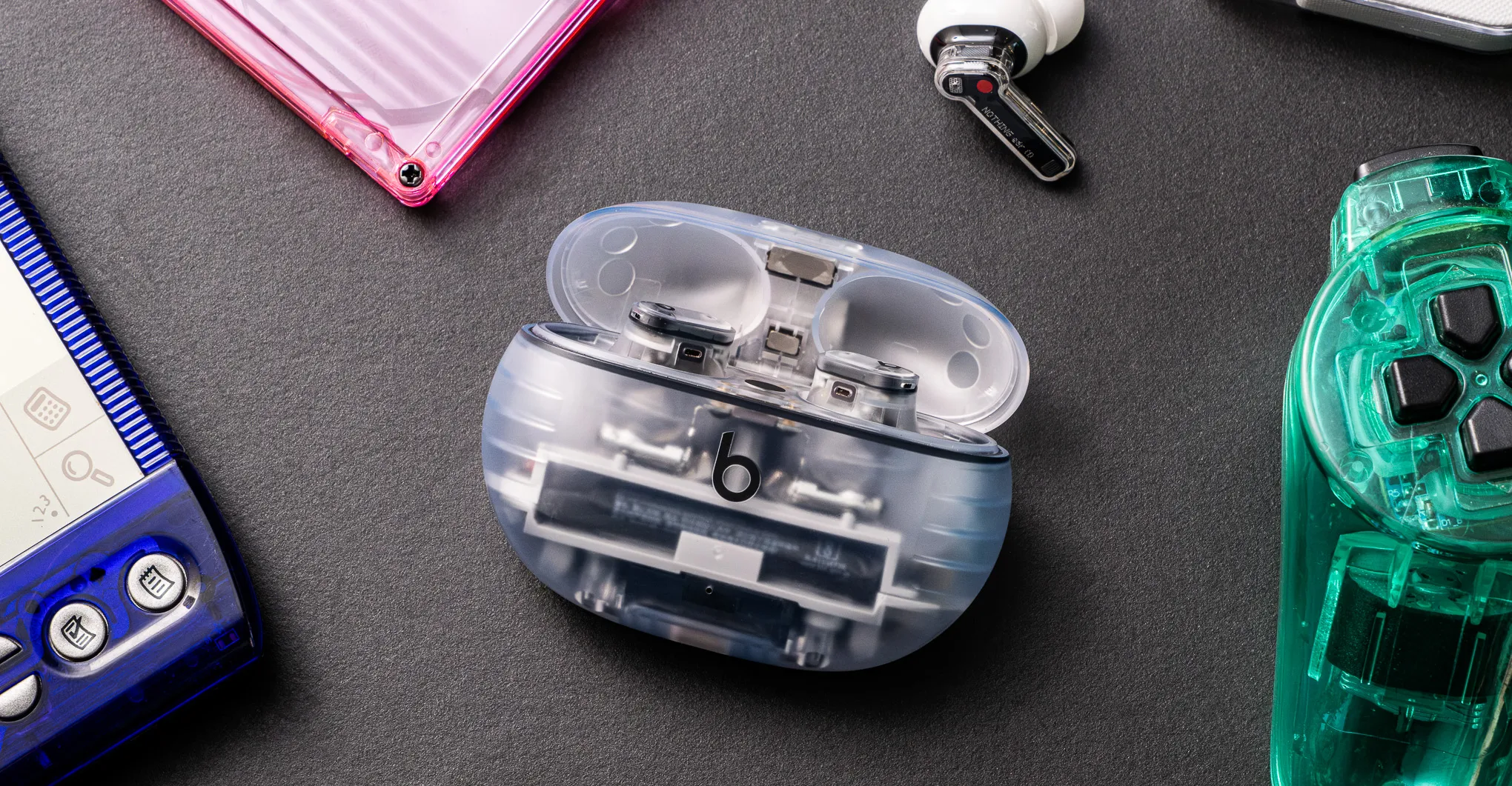
The smartphone's dominance has produced a paradox: the device designed to make information more accessible has made human attention less available.
- The average American picks up a smartphone more than 200 times each day
- Teenagers receive approximately 250 notifications daily
- Research consistently identifies this notification density as a measurable cognitive tax, fragmenting attention and elevating baseline stress levels
The screen is the mechanism of that tax. Every message, every alert, every moment of information retrieval requires the user to exit the present moment and enter the device's interface.
What screenless computing proposes is not the elimination of AI assistance, but the reintegration of those capabilities into the ambient background of daily life — accessible through voice, gesture, and context, without demanding full visual attention.
Sam Altman described the target experience as the difference between "walking through Times Square" and sitting in "a cabin by a lake." The product goal is not intelligence at your fingertips. It is intelligence in the air around you.
This is a legitimate design objective with a difficult engineering problem attached to it. Both dimensions matter equally.
The Current Landscape: What Is Working and What Has Failed
Smart Glasses: The First Proof of Concept
The most concrete evidence that screenless computing has crossed from concept into product is the Ray-Ban Meta trajectory.
Seven million units in a single year — at price points between $299 and $799 — represents a category that has crossed from early adopter novelty into something approaching early mainstream adoption. For context, the first-generation iPhone sold approximately six million units in its debut year. Smart glasses are not at iPhone scale, but the order of magnitude is instructive.
What made the Ray-Ban Meta glasses work where earlier efforts failed comes down to a set of design decisions that read, in retrospect, as obvious:
- The device looks like regular glasses, removing the stigma of wearing visible technology
- It carries genuine fashion credibility through the Ray-Ban brand partnership
- Core AI capabilities remain invisible to people nearby
- Functionality arrived incrementally rather than all at once
Users can ask Meta AI questions through the glasses, receive answers through integrated speakers, capture photos and short videos, listen to music and podcasts, and make phone calls — all without touching a screen.
Market position: Meta held over 73 percent market share in AI smart glasses in the first half of 2025, with Chinese manufacturers Huawei, Xiaomi, and RayNeo representing the primary competitive pressure. The company extended its EssilorLuxottica manufacturing partnership "into the next decade" and took a €3 billion equity stake in the eyewear group. Bloomberg reported early 2026 discussions about doubling production to at least 20 million units annually.
The privacy complication: A class-action lawsuit filed in San Francisco alleged that subcontracted annotators working with Meta's AI training pipeline accessed sensitive user footage, including footage captured in bathrooms and intimate settings. This is not a Meta-specific problem. It is a category-level problem that every screenless AI device will face, and it has not been solved.
The Cautionary Cases: Humane and Rabbit
Before the market's current enthusiasm makes this trajectory look inevitable, the recent failure history deserves honest engagement.
Humane AI Pin (2024)
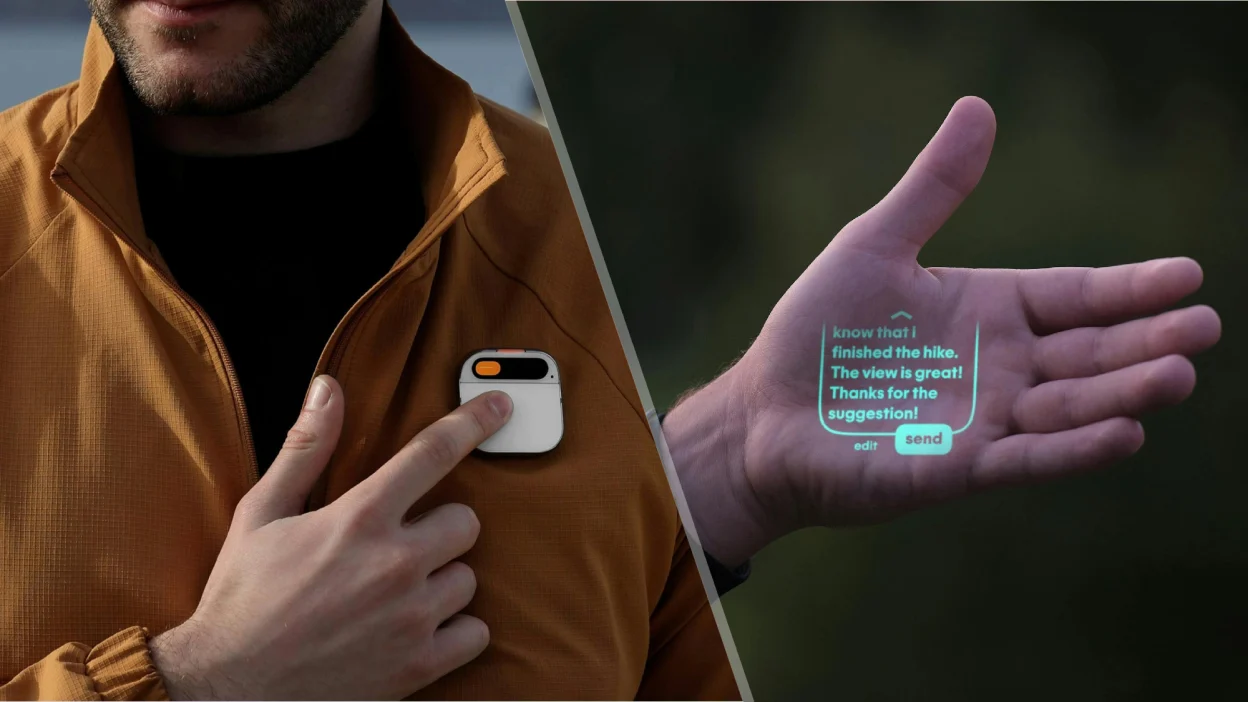
The Humane AI Pin launched as a chest-worn AI companion with a palm projector, significant press attention, and genuine technical ambition. It also:
- Ran hot enough to be uncomfortable during regular use
- Delivered AI responses with frustrating latency
- Required a monthly cloud subscription
- Offered a user experience that reviewers found neither useful enough nor seamless enough
When Humane discontinued cloud services, the device's AI features became largely inoperative — turning a product marketed as the future of computing into expensive, stranded hardware. Meta subsequently acquired Limitless, a pendant-style always-on AI assistant that had also failed commercially.
Rabbit R1
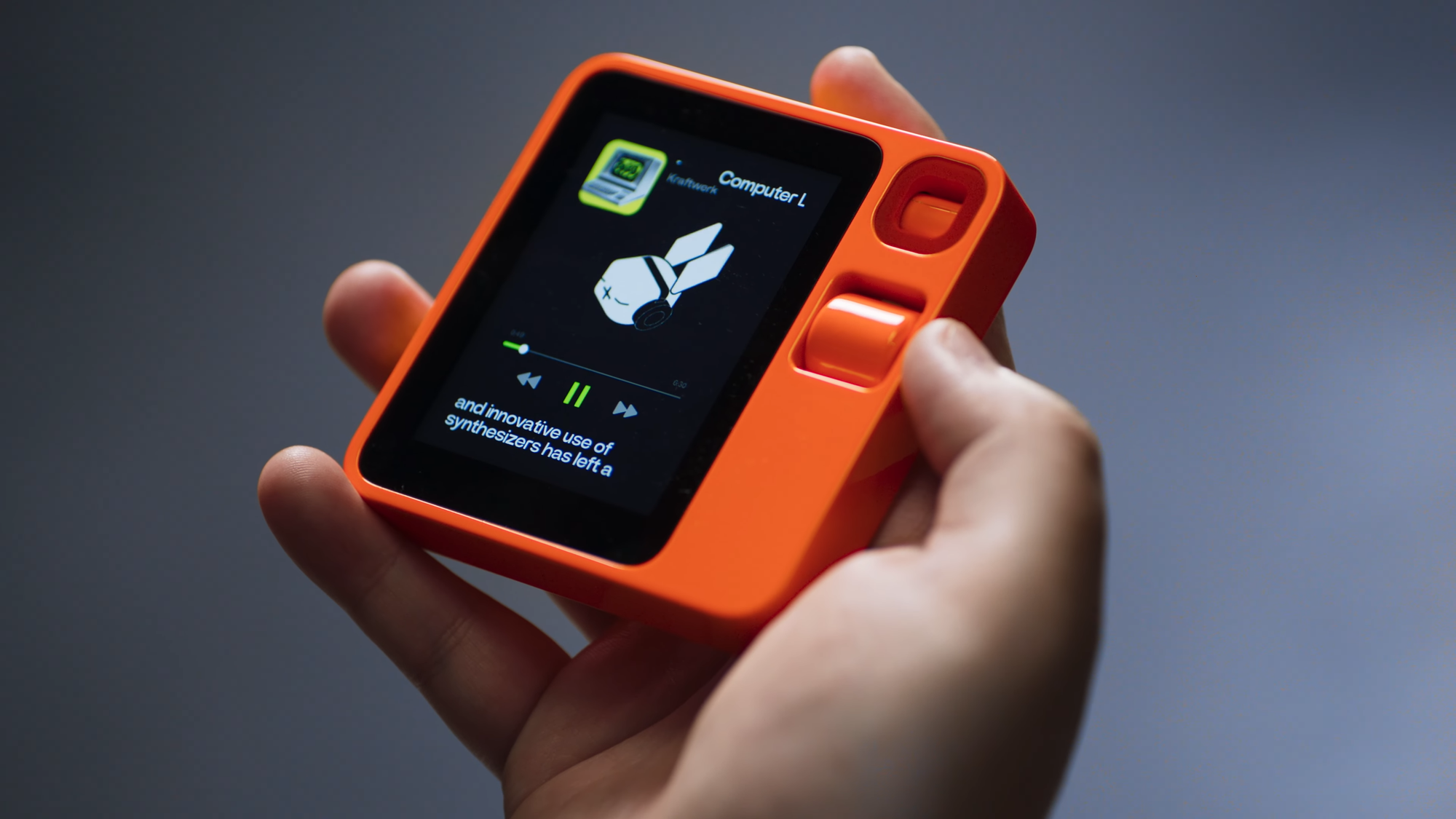
The Rabbit R1 followed a similar arc: strong initial sell-through driven by novelty, followed by rapid erosion of enthusiasm as users encountered the gap between marketing claims and actual capability.
These failures established that screenless AI devices cannot succeed by simply removing the screen from a conventional AI assistant architecture. A screenless device that fails to perform its core functions reliably does not offer a calmer alternative to the smartphone. It offers a frustrating one. The form factor only works if the underlying capability is sufficient and continuous enough to justify the behavioral change it asks of users.
The Players Building the Next Generation
OpenAI and Jony Ive: The Most Consequential Bet in the Category
OpenAI's $6.5 billion acquisition of io Products — Jony Ive's hardware startup — in May 2025 is the most strategically significant development in screenless computing to date.
Ive is the designer behind the iPhone, iMac, iPod, and iPad. His involvement signals that OpenAI views hardware not as a peripheral business but as the primary interface through which AI will eventually reach most people.
What they're building:
- A palm-sized, screenless, voice-first AI companion that perceives its environment through audio and visual inputs
- Codenamed "Sweetpea," it reportedly matches the iPod Shuffle in form factor
- A secondary device, codenamed "Gumdrop," takes a pen form
- Manufacturing partner: Foxconn, with production expected in the United States or Vietnam
OpenAI's Chris Lehane confirmed at Davos a launch target of the second half of 2026. In a since-leaked internal conversation, Altman described producing 100 million units "faster than any company has ever shipped 100 million of something new before."

The unresolved questions: The Financial Times reported that the team remains unresolved on fundamental design decisions — the device's personality, its privacy architecture, and its computing infrastructure. The core behavioral challenge is genuinely difficult: how should an ambient AI device decide when to speak and when to stay silent?
Too frequent, and it recreates the notification overload it is designed to escape. Too restrained, and it becomes a device no one uses. This is not an engineering problem. It is a product philosophy problem — precisely the domain in which Ive has historically excelled and in which most tech companies have historically failed.
Meta: Already in the Market, Expanding Aggressively
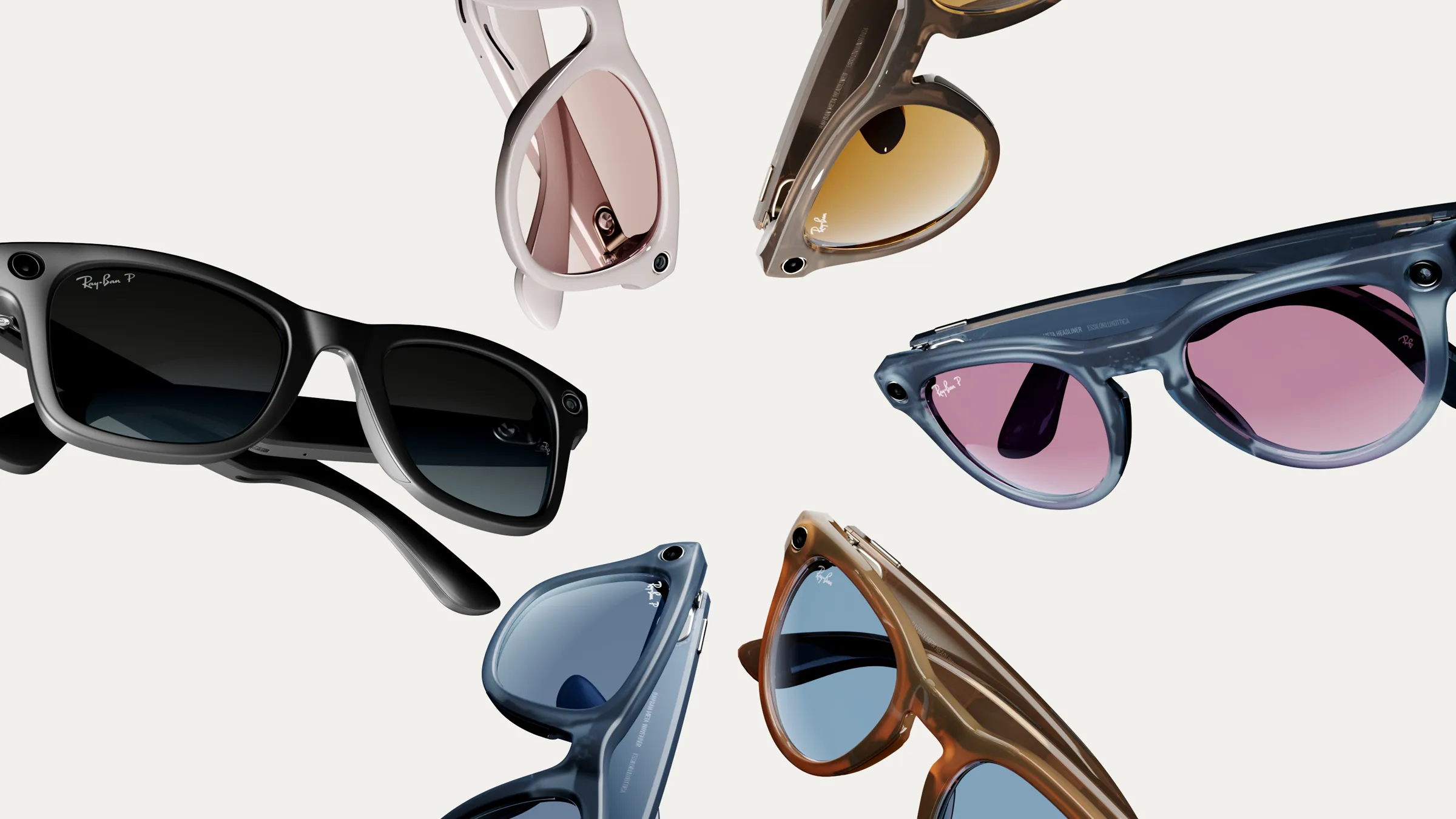
While OpenAI prepares its debut, Meta has established the category's commercial reference point through a tiered hardware strategy:
| Product | Price | Key Feature |
|---|---|---|
| Ray-Ban Meta Gen 2 | $459 | Audio-first, camera-equipped, no display |
| Meta Ray-Ban Display | $799 | Heads-up display, Neural Band gesture control |
| Orion AR Glasses | TBD | Full AR overlay, long-term flagship target |
Meta's competitive advantage is durable consumer experience at genuine scale. Seven million units is not a pilot program. It represents accumulated learning about how real consumers integrate AI eyewear into daily life — what they use, what they abandon, and where the friction preventing deeper adoption actually lives.
Apple: Three Simultaneous Bets
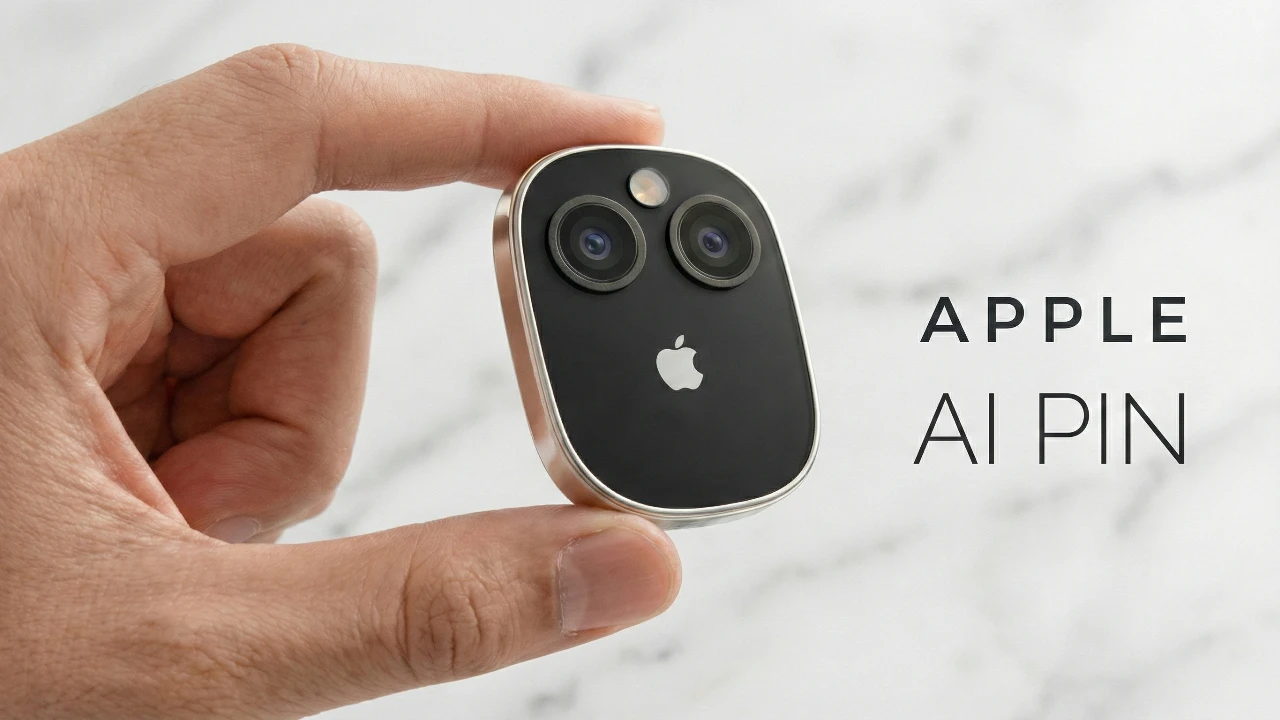
Apple has not yet shipped an AI wearable, which makes its posture in this market the most consequential unknown.
Products reportedly in development:
- AI-capable smart glasses
- A wearable AI pin with camera capability (similar in concept to the Humane device)
- Camera-equipped AirPods designed to serve as ambient environmental sensors
- Silent speech technology (from a 2025-2026 acquisition) allowing subvocalized commands without audible speech
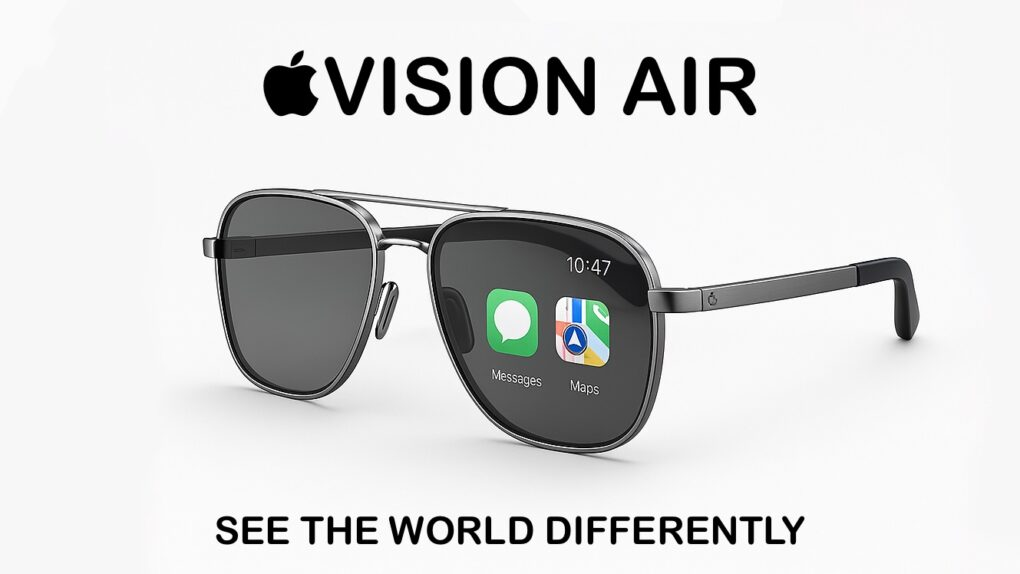
Rumored timeline: 2027 for the most advanced configurations.
What Apple brings that no competitor possesses is a combination that has defined every category it has entered:
- A complete, deeply integrated hardware-software-services ecosystem
- An established base of consumer trust around privacy and on-device processing
- Retail and marketing infrastructure capable of explaining new categories to non-technical buyers
- A track record of entering nascent markets after competitors identify the right direction, then capturing the majority of the market's value
Apple did not invent the smartphone, the tablet, the wireless earbud, or the smartwatch. In each case, it arrived after others had demonstrated demand and proceeded to define the category.
Google and the Android XR Ecosystem
Google's return to eyewear is more architecturally coherent than the original Google Glass, which arrived before AI models were capable enough to deliver the contextual intelligence the product required.
Current approach:
- Gemini-powered smart glasses developed through partnerships with Warby Parker, Gentle Monster, and Kering Eyewear
- Samsung's Android XR platform providing the software foundation for a broader wearable AI ecosystem
Google's strategic foundation is its dominance of Android, which controls approximately 70 percent of the global smartphone market, creating a natural adoption pathway for Android-native AI wearables. Integrating Gemini's multimodal capabilities into fashion-credible frames is a substantially more realistic path to adoption than the original Glass concept provided.
The Design Challenges Every Player Must Solve
Regardless of which company defines the screenless computing paradigm, every device in this category must navigate four structural challenges that the current generation has not consistently resolved.
1. The Capability Threshold Problem
A screenless AI device must reliably perform the tasks it claims to support, with response latency low enough to feel like natural conversation rather than a system lookup. Users will tolerate a great deal from a device that solves a real problem dependably. They will abandon a device that solves problems only sometimes. The Humane AI Pin demonstrated how devastating it is to ship below this threshold.
2. The Behavioral Calibration Problem
An ambient AI companion that speaks without being asked must develop extraordinary judgment about when its presence is welcome and when it is intrusive. The current generation of AI assistants sidesteps this entirely by responding only to explicit queries. A device designed to be contextually proactive must solve it before shipping. OpenAI's team has acknowledged this as one of the unresolved questions in their current development process.
3. The Privacy Architecture Problem
Every device that captures continuous audio and video of the physical world creates a surveillance surface of unprecedented intimacy. The legal, ethical, and commercial dimensions of that surface are inseparable: consumers who feel surveilled will not continue using a device, regulators who identify violations will intervene at the category level, and a single high-profile incident can collapse years of trust-building. The Ray-Ban Meta lawsuit is the first significant test of how this plays out at scale.
4. The Social Contract Problem
A device that records its wearer's environment captures data from every person who enters the recording radius, without their consent. The smartphone resolved this with display visibility: when someone holds up a phone to take a picture, the social signal is legible. A pair of glasses that appears to be regular eyewear provides no equivalent signal.
Resolving this requires a combination of:
- Technology: visible indicators, hardware privacy modes, status LEDs
- Policy: regulatory frameworks for ambient capture in public and private spaces
- Cultural negotiation: new social expectations around recording that do not yet exist
What the Platform Transition Actually Looks Like
Not Replacement, But Layering
The dominant framing in coverage of screenless computing is replacement: AI glasses will replace smartphones, the era of the glass rectangle is ending. This is analytically imprecise.
Previous platform transitions did not eliminate what came before — they added a layer:
- Smartphones did not replace laptops; they absorbed portable tasks while leaving others on the desktop
- Tablets did not replace smartphones; they filled a complementary space for media and casual productivity
- Smartwatches did not replace smartphones; they extended certain capabilities into a glanceable form factor
Screenless computing will follow the same pattern. Ambient AI devices will absorb the smartphone tasks least well-served by a screen — voice queries, contextual reminders, navigation, real-time translation, audio communication, environmental awareness. The smartphone will retain the tasks for which a screen is genuinely essential: high-resolution visual content, complex text input, visual creative work.
The question is not whether this layering occurs, but how quickly the ambient layer grows relative to the screen layer, and what that growth rate implies for companies whose revenue is tied to screen-centric interaction.
The Platform Economics That Actually Matter
The smartphone era was not defined by the phones. It was defined by the platforms that ran on them.
The iOS and Android app stores became the primary distribution channels for software, the primary surfaces for advertising, and the primary mechanisms through which companies maintained direct relationships with consumers at scale. The companies that controlled the platforms captured disproportionate value relative to the companies that built for them.
The same dynamic will govern screenless computing. The question of who builds the platform on which ambient AI applications run is more consequential than who ships the first compelling device.
| Company | Strategic Position | Core Advantage |
|---|---|---|
| OpenAI | 40 to 50M unit launch target; platform-as-strategy | ChatGPT as the default AI layer in a new paradigm |
| Meta | 7M+ units shipped; manufacturing scale | Accumulated real-world consumer usage data |
| Apple | Strongest potential; not yet shipped | Ecosystem integration, on-device privacy trust |
| Android XR platform foundation | 70% global smartphone market creates adoption pathway |
The screenless computing platform will be enormously valuable. The race to define it is not a gadget war. It is the opening move in a competition for the primary interface layer of the next decade of human-computer interaction.
Frequently Asked Questions
What are screenless gadgets, and why are they described as a post-smartphone platform?
Screenless gadgets — including AI glasses, wearable pins, smart rings, ambient earbuds, and pocket-sized AI companions — deliver intelligence through voice, audio, and contextual awareness rather than visual displays. They represent a potential post-smartphone platform because they aim to move AI assistance from screen-requiring interaction toward an ambient model where computing fades into daily life. The smartphone made information accessible everywhere; screenless devices aim to make AI assistance available without the attention cost that screen engagement requires.
What is the current market evidence that screenless computing is gaining traction?
Meta and EssilorLuxottica sold over seven million AI smart glasses in 2025, tripling from prior years, with Bloomberg reporting discussions about doubling annual production to 20 million units. The global smart glasses market grew more than 110 percent year-over-year in the first half of 2025. The Oura Ring sold 2.5 million units between June 2024 and September 2025 alone. IDC projects smart glasses reaching 43.1 million annual units by 2029 at a 31.8 percent CAGR.
What is OpenAI building with Jony Ive, and how significant is it?
OpenAI acquired Jony Ive's hardware startup io Products in May 2025 for $6.5 billion. The primary device is a palm-sized, screenless, voice-first AI companion targeting 40 to 50 million initial units through Foxconn, with a planned launch in the second half of 2026 or early 2027. The project's significance is that OpenAI — the company that defined the current AI software era through ChatGPT — has staked $6.5 billion on the thesis that the next primary interface for AI will be screenless ambient hardware.
Why did the Humane AI Pin and Rabbit R1 fail, and does that discredit the category?
The Humane AI Pin failed due to thermal overheating, high response latency, cloud subscription dependence that rendered the device inoperable after service discontinuation, and a value proposition insufficient to justify adoption friction. The Rabbit R1 followed a similar pattern. These failures established that screenless devices cannot succeed by simply removing the screen from a conventional AI assistant architecture. They do not discredit the category — they define the capability threshold that future products must exceed.
What are the central privacy concerns with ambient AI devices?
Ambient AI devices capture data from every person within recording range without their consent. AI training pipelines often require human review of captured footage, creating risk that sensitive material is accessed by contractors — as alleged in the Ray-Ban Meta class-action lawsuit in San Francisco. Always-on devices create a substantially larger data collection surface than smartphones, with fewer natural off-ramps. Resolving this requires on-device processing, hardware privacy indicators, and regulatory frameworks that do not yet fully exist.
How does this transition differ from the desktop-to-smartphone shift?
The desktop-to-smartphone transition changed form factor and connectivity while preserving the screen-tap-type interaction model. The screenless transition changes the interaction model itself, replacing screen-mediated visual engagement with voice, audio, and contextual awareness. This makes the transition slower and more difficult — requiring new software paradigms, new user behaviors, and new social norms around ambient data capture. It also makes the eventual outcome more significant, because genuinely continuous AI assistance would represent a fundamentally different relationship between humans and computing.
Who is most likely to define the screenless computing platform?
The outcome will depend on which company most credibly solves behavioral calibration and privacy architecture — not which ships first. Meta has the strongest current position through proven consumer traction and manufacturing scale. Apple has the strongest potential through ecosystem integration and its historical pattern of defining categories after others establish demand. OpenAI has the most ambitious production targets and strongest AI capability but must prove hardware execution. Google has the most natural Android ecosystem alignment but must overcome the trust deficit left by the original Google Glass experience.
Related Articles
 Dani
Dani
 Dani
Dani
 Dani
Dani