When Samsung co-CEO TM Roh sat down for his first media interview after taking the role in November 2025, he did not spend much time on hardware specs or market share projections. He went straight to the strategy.
"We will apply AI to all products, all functions, and all services as quickly as possible."
— TM Roh, Samsung co-CEO, Reuters interview at CES 2026
Then came the number: 800 million.
Samsung, which had rolled out Gemini-backed AI features to about 400 million mobile products — smartphones and tablets — by the end of 2025, plans to boost that figure to 800 million by year-end 2026. That is not a modest upgrade cycle target. It is a doubling of the world's largest Android device fleet running Google's AI within a single calendar year.
The announcement landed with relatively little fanfare compared to the device launches happening around it at CES. That is a mistake.
The 800 million figure is not primarily a product story. It is a distribution story — and distribution is how AI wars actually get won at the consumer level.
What Samsung Is Actually Announcing
It is worth unpacking what "800 million devices with Gemini AI" means in practice, because the phrase obscures more than it reveals.
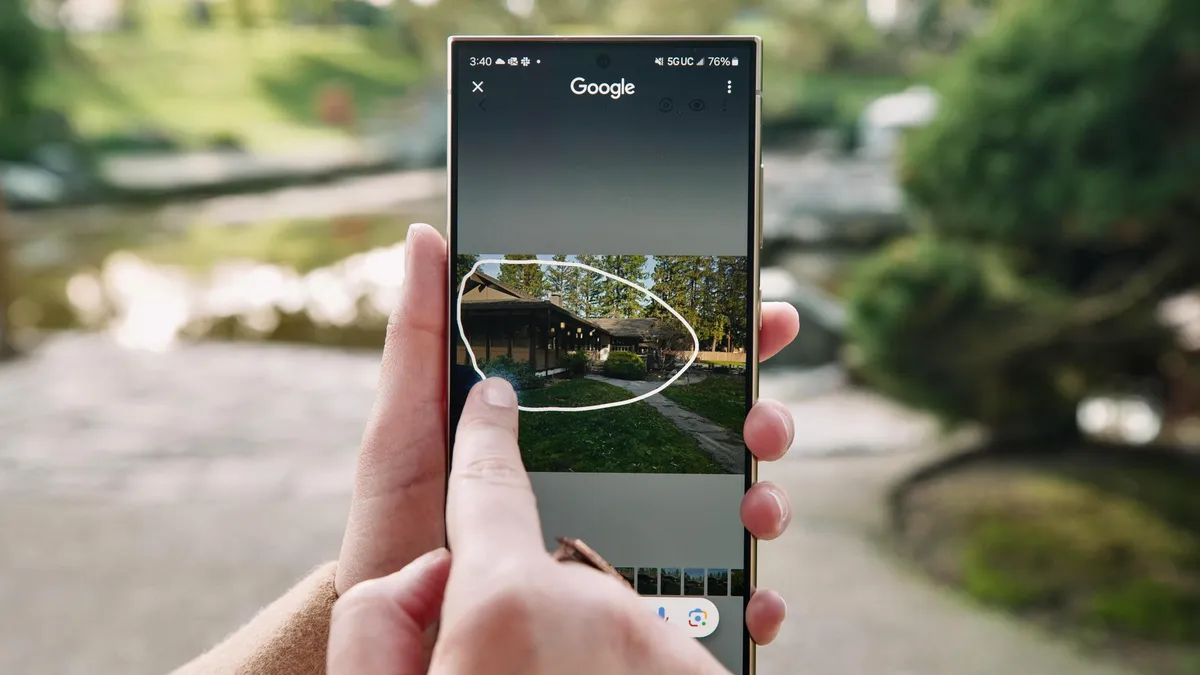
Galaxy AI is Samsung's umbrella brand for its suite of AI features. Those features are largely powered by Google's Gemini model. Samsung's own Bixby assistant handles select device-management tasks — settings, routines, hardware control — while Gemini handles the generative and reasoning-heavy work:
- Answering questions and summarization
- Image editing and generation
- Real-time translation
- Circle to Search
- Writing assistance
This massive expansion is also not just about smartphones. TM Roh's vision, dubbed "Connect Future," involves embedding AI into virtually everything Samsung makes — the tablet in your bag, the TV on the wall, the fridge in your kitchen.
Consumer awareness of Samsung's Galaxy AI brand skyrocketed from 30% to 80% in just one year, according to the company's own data. That is a remarkable brand-building result for a feature set that barely existed two years ago.
The Google Angle: Why This Matters Beyond Samsung
To understand why the 800 million number carries strategic weight, you have to understand what Google gets out of this arrangement — and how much the competitive landscape has shifted in its favor.
As the world's largest supporter of Google's Android ecosystem, Samsung's expansion gives Google a powerful distribution channel for Gemini that bypasses the need for users to download a standalone app.
Pre-installed default status is, and has always been, the most valuable position in consumer software. Embedded AI that activates when a user opens the camera, writes a message, or asks a question is fundamentally different from an AI app a user has to discover, download, and choose to open.
Google Is Now Winning Both Sides of the Mobile Market
The Samsung deal's strategic significance amplified dramatically in January 2026 when Apple announced it was partnering with Google to power a revamped Siri with Gemini models under a multi-year commitment.
Google now effectively powers AI features across both major mobile operating systems — directly on Android, and through this partnership on iOS.
The scale of Gemini's distribution position:
| Platform | AI Default | Estimated Reach |
|---|---|---|
| Samsung Galaxy (Android) | Gemini / Galaxy AI | 800M targeted by end of 2026 |
| Apple iPhone (iOS) | Gemini (via revamped Siri) | ~1.5B active globally |
| Google Pixel | Gemini (native) | ~20M+ |
The combined footprint gives Google's Gemini default or near-default AI status on the majority of active smartphones globally. That is a moat that will take years to dislodge.
What This Means for OpenAI
For OpenAI, the consequences are significant.
Reports suggest CEO Sam Altman issued an internal "code red" to accelerate development after Google released Gemini 3 in late 2025. Losing default integration on iOS while watching Android deepen its Gemini partnership is a structural shift in where AI models reach everyday users — the people who are not going to seek out a standalone ChatGPT app but will absolutely use AI if it is the default behavior of the camera app they open fifty times a day.
Google's Gemini already proving itself at scale across Samsung's hundreds of millions of devices appears to have been part of what convinced Apple to switch from OpenAI to Google for Siri's intelligence layer.
The Hardware Story: Galaxy S26 and the On-Device Shift
Samsung's 800 million device target is not just about software and partnerships. The hardware story matters too — and it centers on a chip Samsung has spent years trying, and largely failing, to make competitive.
The Exynos 2600 Comeback
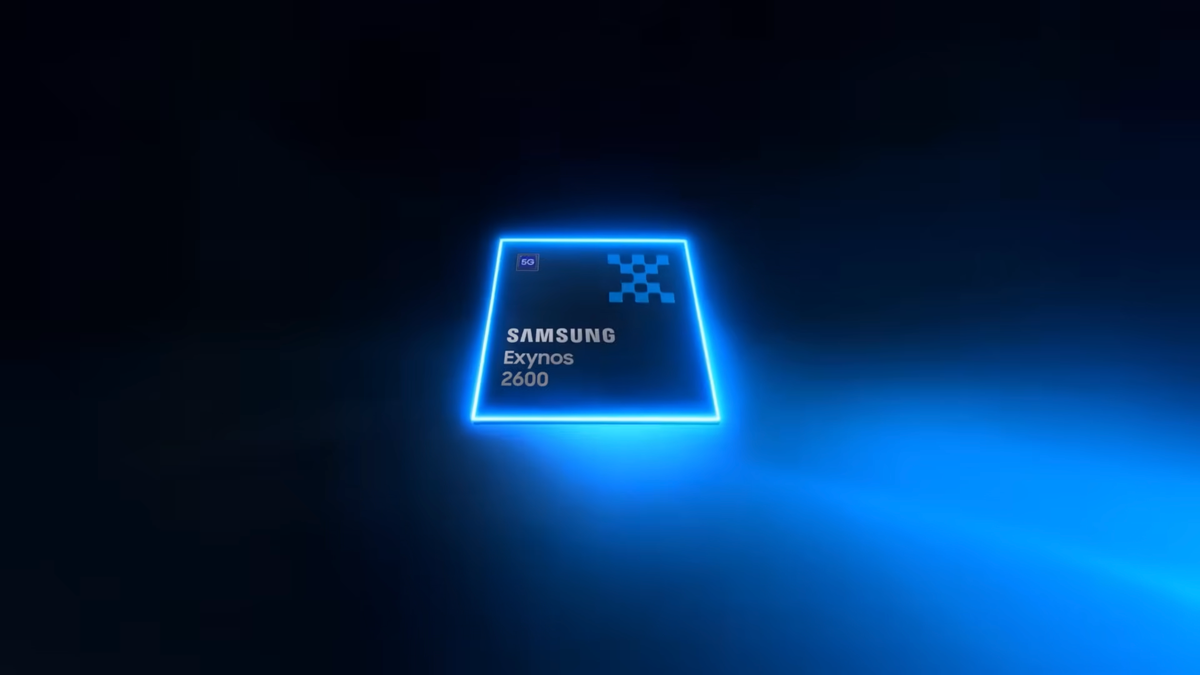
The Galaxy S26 and S26 Plus (in Korea and select markets) are powered by Samsung's Exynos 2600, built on a 2-nanometer process. Performance gains over the previous generation:
- 113% greater AI processing performance
- 39% higher CPU performance
- AI tasks like object detection run 70% faster on CPU via Arm SME2
Samsung had persistent problems with its 4nm and 3nm nodes — thermal issues and performance deficits that sent the Exynos brand into a credibility hole. The 2nm process, combined with Arm's latest C1 Ultra cores, represents the most meaningful Exynos upgrade in years.
Samsung partnered with Nota AI, a South Korean firm specializing in model compression, to optimize AI workloads for the Exynos 2600. Nota AI's NetsPresso platform reduces the size of large language models by up to 90% while maintaining accuracy — allowing complex generative AI tasks to run locally, without a constant internet connection.
EdgeFusion: The On-Device Image AI
The headline Galaxy S26 AI feature is EdgeFusion — a local, offline image generation capability built on a lightweight Stable Diffusion implementation optimized specifically for the Exynos 2600's NPU.
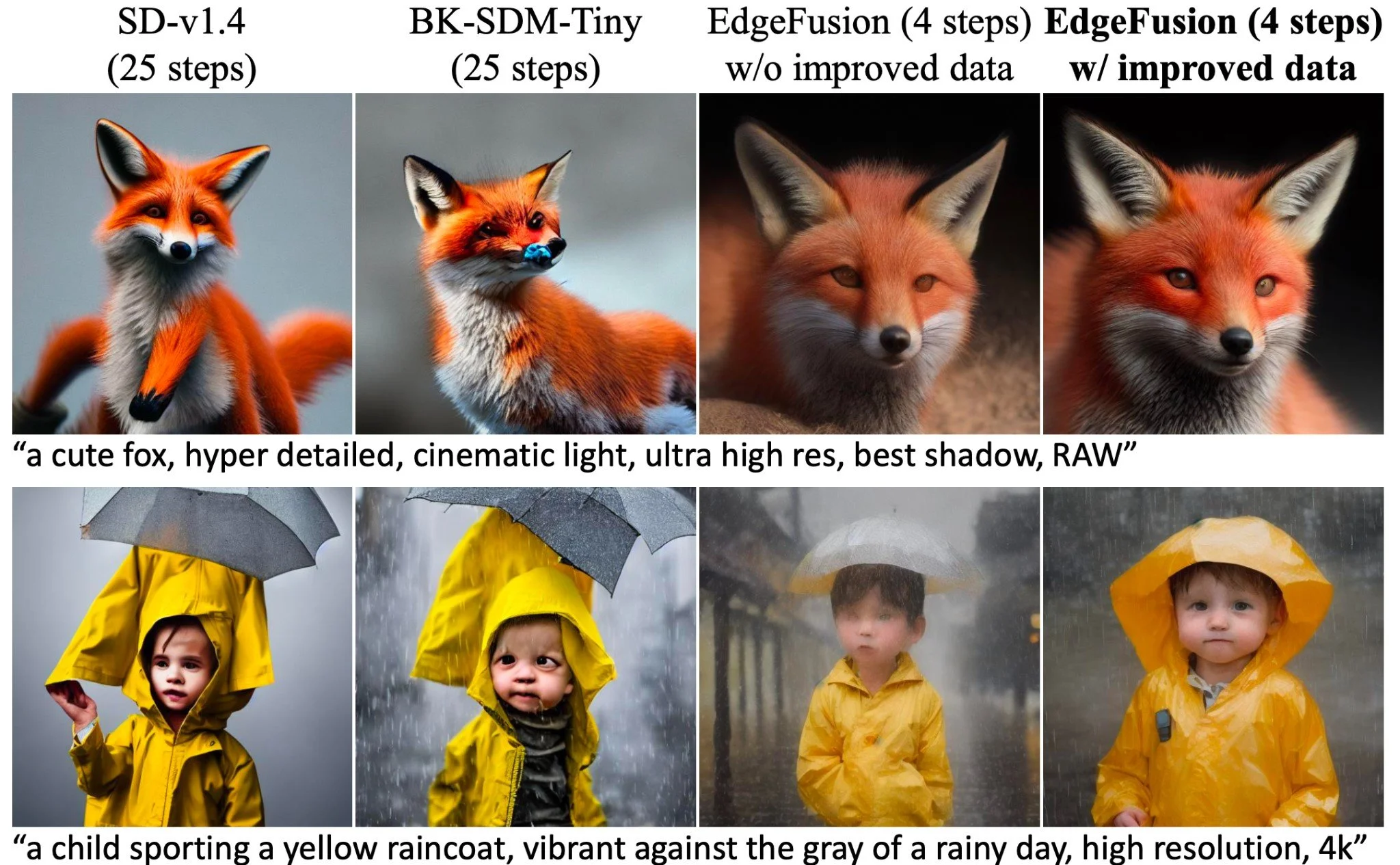
What EdgeFusion does:
- Generates a 512x512 image in roughly one second, fully offline
- Fills in missing parts of a photo
- Blends multiple images into a single cohesive result
- Transforms sketches into stylized backgrounds
- All triggered through simple voice prompts, without sending data to the cloud
This is the most meaningful technical proof point for Samsung's broader "AI everywhere" strategy. If Gemini-powered features require a cloud connection, the 800 million device target is partly a marketing number. EdgeFusion shows Samsung intends to close that gap on its flagship hardware.
Bixby Gets a Brain Transplant
Samsung is pairing the hardware upgrades with a significantly upgraded Bixby voice assistant under One UI 8.5.
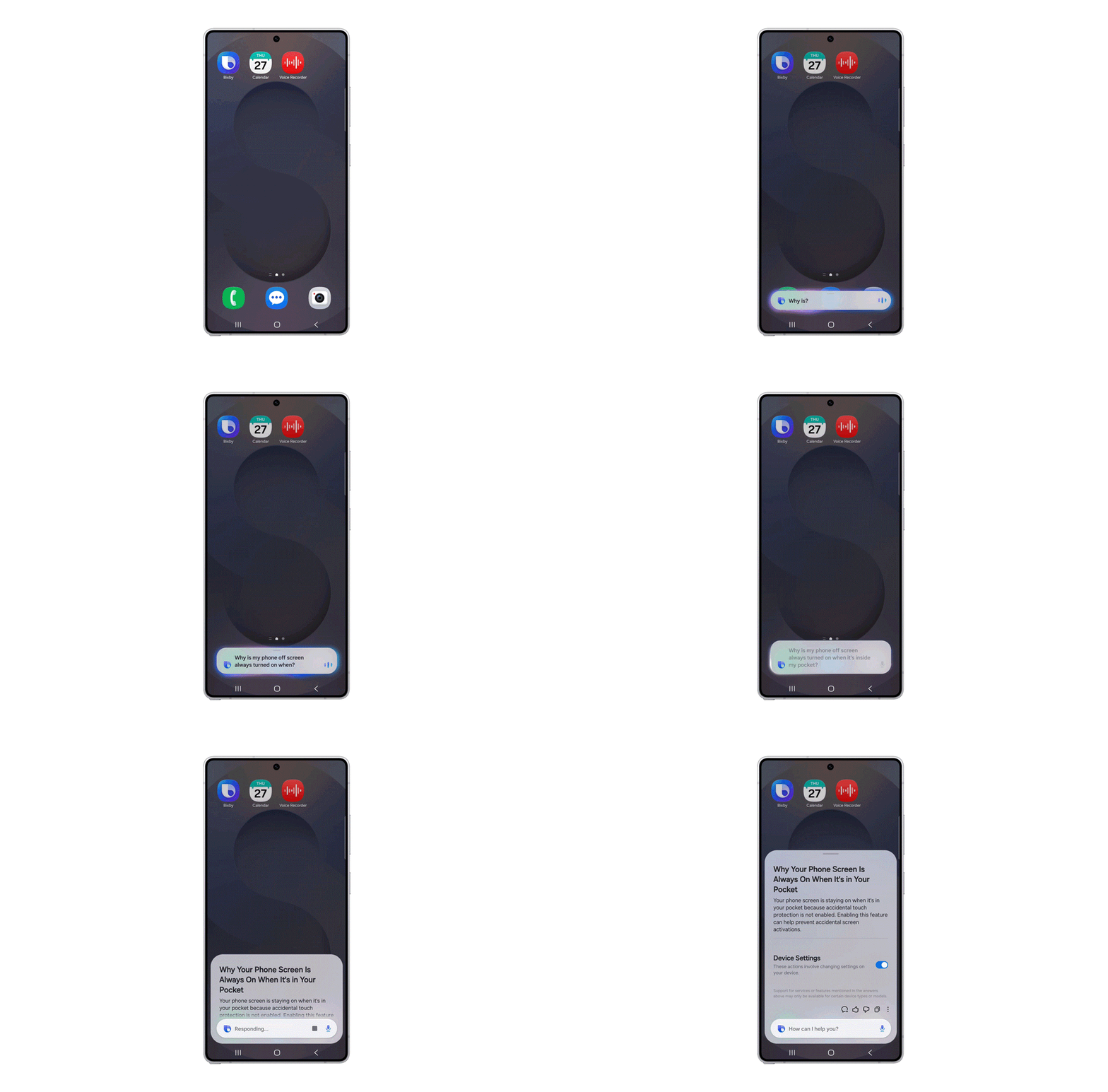
Instead of responding only to fixed commands, Bixby can now check the phone's current settings and suggest contextual fixes. A simple example from Samsung's own documentation: if a user says incoming calls are not ringing, Bixby identifies that "Do Not Disturb" is enabled and offers to turn it off.
This sounds trivial. But it represents a meaningful shift from a command-response model — where the user must know exactly what to ask — to a context-aware model where the assistant understands the actual problem rather than the literal words describing it.
Samsung is also integrating third-party AI agents within Galaxy AI, including Perplexity's offering. This multi-agent architecture signals a pivot toward Galaxy AI as an orchestration layer across multiple AI systems, rather than a closed Samsung-only product.
What This Means for Apple
Samsung's push comes at an awkward moment for Apple, whose AI story in 2025 was characterized more by delays and missing features than competitive strength.
Apple's AI missteps prompted the company to acknowledge that its Siri upgrade — a promised overhaul to transform the often-confused assistant into a more conversational and versatile multitasker — would not arrive until some point in 2026.
Apple's traditional advantage in this space has been privacy and on-device processing. That is now the same position Samsung is claiming:
| Feature | Samsung Galaxy S26 | Apple iPhone |
|---|---|---|
| On-device image generation | Yes (EdgeFusion, offline) | Limited |
| On-device AI processing | Exynos 2600 NPU, 2nm | Apple A18 chip, 3nm |
| Default AI model | Gemini 3 | Gemini (new Siri deal) |
| AI on mid-range devices | Galaxy A-series | iPhone SE |
| AI brand awareness | 80% (Galaxy AI) | Measured but lower |
The ecosystem depth argument still favors Apple — the tight integration between device, services, and identity that Samsung has never quite replicated in the Android world. But ecosystem depth is most valuable when AI capabilities are roughly comparable across platforms. When they are not, hardware switching becomes a more rational choice.
What This Means for the Rest of Android
Samsung's relationship with Google is a double-edged sword for the rest of the Android ecosystem.
Samsung is using AI integration to widen its lead over Chinese Android competitors. In markets where Samsung competes most directly with Xiaomi, OPPO, and Vivo — particularly Southeast Asia and India — the Galaxy AI brand recognition jump from 30% to 80% in a year suggests the strategy is gaining real traction.
Chinese manufacturers have been building AI features with a mix of domestic AI models and limited Google integration. In the AI era, Samsung's partnership with Gemini is its clearest differentiation play in those markets since the foldable category.
The Risks Nobody Is Talking About
Samsung's 800 million device ambition is real. So are its complications.
The Memory Chip Squeeze
A global shortage of memory chips — driven by the massive demand for AI data centers — is putting pressure on the entire consumer electronics industry. TM Roh admitted that no company is "immune" to these costs.
The irony is sharp: the same AI infrastructure buildout driving Samsung's strategic ambition is also driving up the cost of the components Samsung needs to execute it.
The Galaxy S26 is already expected to start around $866 in Korea — roughly $68 higher than its predecessor, with flagships rising for the first time in three years. If rising costs ripple through the mid-range Galaxy A-series, Samsung risks pricing AI out of the markets where it needs volume most.
Privacy and the "Always-On" Question
Running AI continuously in the background — the ambient intelligence model Samsung is moving toward — raises legitimate questions about what data is being captured, processed, and retained.
Samsung has addressed these with Knox Matrix encryption, which processes AI data on-device. But the psychological and regulatory challenges around devices that continuously process audio and visual data from users' environments are not solved by encryption alone. European regulators have shown willingness to scrutinize AI data practices in ways that could complicate the "AI in every appliance" vision.
The Mid-Range Gap
The 800 million number only makes sense if Galaxy AI works meaningfully on budget devices, not just flagships. On-device AI capabilities like EdgeFusion require substantial NPU resources that mid-range chips do not currently provide.
The path to 800 million runs through the Galaxy A-series — devices where Gemini features will remain more limited, more cloud-dependent, and more dependent on a solid data connection.
This creates a two-tier AI experience that may be more honest about the technology's current constraints than Samsung's headline number suggests.
The Bigger Picture: Distribution Is the New AI Battleground
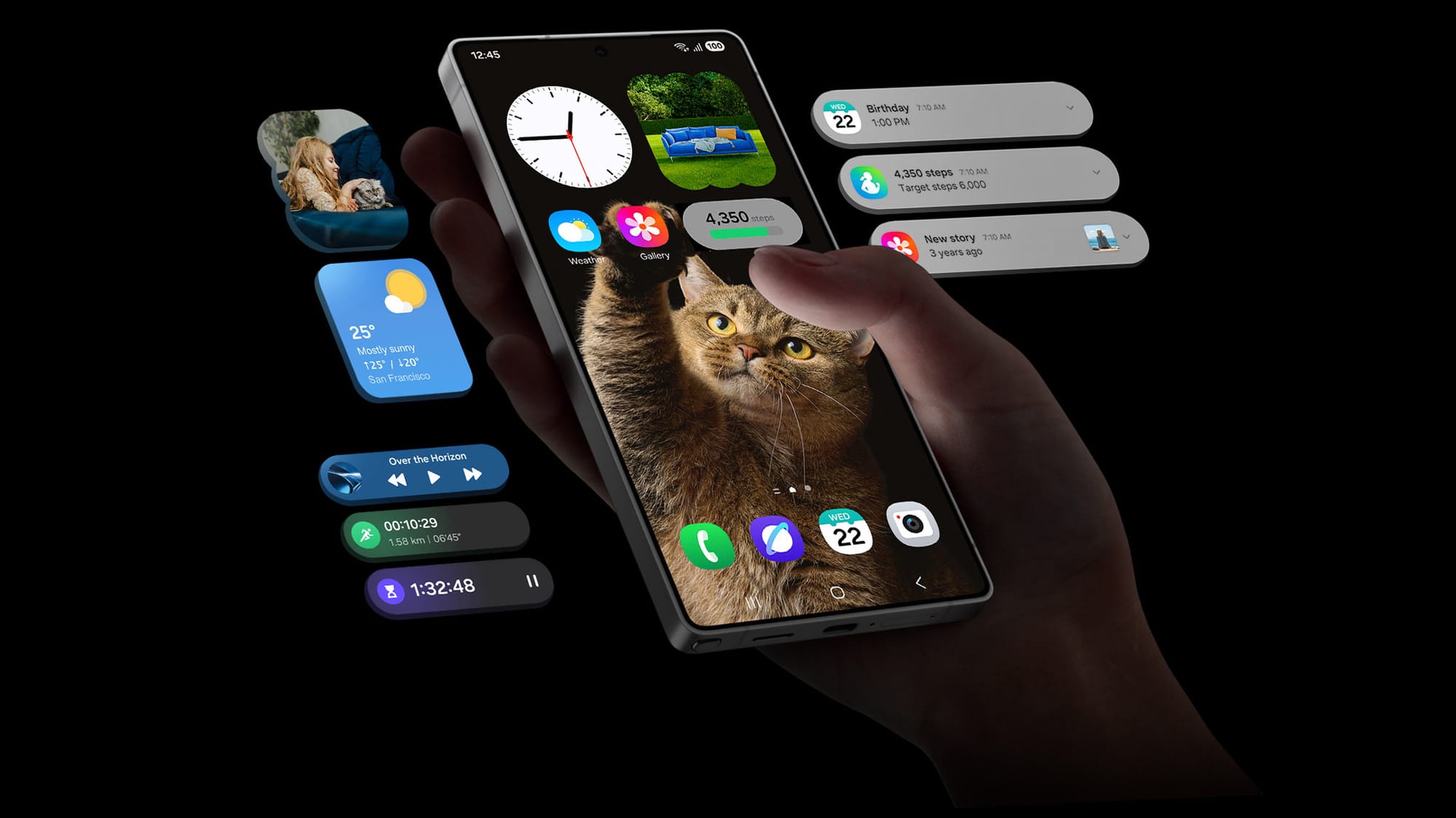
Step back from the Samsung-specific details, and a clearer pattern emerges.
The AI capability race — measured by benchmark performance, model size, and reasoning ability — is still ongoing, and it matters. But the distribution race has emerged as a parallel competition that may ultimately determine which AI systems become default habits for the largest number of people.
Samsung's 800 million device push is the most visible manifestation of this distribution logic at work. It is not primarily a bet that Gemini is the best AI model. It is a bet that the most consequential position in consumer AI is the default layer on the device in a billion people's pockets.
Establishing that position now — before the market consolidates around default preferences — is worth more than any technical advantage measured in benchmark scores.
What Samsung is building toward by 2027-2028:
- A billion AI-powered devices in homes (the "AI Home" project)
- Galaxy phones, fridges, and cars communicating via a shared Gemini-powered context layer
- "Autonomous Device Orchestration" — devices anticipating needs rather than responding to commands
- 125 trillion won invested in technology development and robotics over the next five years
The 800 million number is not an endpoint. It is the foundation for something considerably larger.
Frequently Asked Questions
What is Samsung's plan for 800 million Gemini AI devices in 2026?
Samsung plans to double its Gemini-powered device footprint from 400 million in 2025 to 800 million by end of 2026. This expansion covers smartphones, tablets, wearables, TVs, and home appliances — all part of Samsung's "Connect Future" strategy to embed AI across its entire consumer ecosystem, not just flagships.
What is Galaxy AI and how is it different from Google Gemini?
Galaxy AI is Samsung's brand for its suite of AI features. Google's Gemini model powers the majority of the intelligence behind those features — handling generative tasks like answering questions, image editing, translation, and summarization. Samsung's own Bixby handles device-management tasks like settings control, routines, and hardware adjustments. The two systems divide responsibilities rather than compete.
What AI features does the Samsung Galaxy S26 offer?
The Galaxy S26 introduces EdgeFusion, an on-device image generation and editing feature that runs fully offline using the Exynos 2600's NPU. It also features an upgraded Bixby assistant under One UI 8.5 with context-aware natural language processing, Gemini 3 integration for cloud-based tasks, and third-party AI agent support including Perplexity. On-device AI tasks run 113% faster than on the previous-generation chip.
Why does Samsung's Gemini deal matter for Google?
It gives Google default AI distribution at massive scale without requiring users to download a standalone app. Combined with the Apple Siri partnership announced in January 2026, Google now powers AI features across both major mobile platforms — a structural distribution advantage over rivals like OpenAI.
How does Samsung's AI strategy compare to Apple Intelligence?
Samsung has been faster to ship AI features broadly across its lineup, while Apple restricted Apple Intelligence largely to Pro models and faced delays on Siri upgrades. Samsung is now claiming Apple's traditional advantage — on-device AI without cloud dependency — through EdgeFusion and the Exynos 2600's NPU. Apple's counterargument remains ecosystem depth and higher per-device spend.
What are the main risks in Samsung's 800 million AI device target?
Three risks stand out: the global memory chip shortage is raising component costs; mid-range devices cannot deliver the same on-device AI capabilities as flagships, creating a gap between the headline number and actual depth of experience; and European regulators are scrutinizing ambient AI data collection in ways that could complicate the broader "AI in every appliance" vision.
Will Samsung's AI features work without an internet connection?
On flagship devices with the Exynos 2600 chip, EdgeFusion enables on-device image generation fully offline. Bixby's device-management functions also work locally. Cloud-dependent Gemini features require a connection. Mid-range Galaxy A-series devices rely more heavily on cloud processing for advanced AI tasks.
How does the Samsung-Gemini partnership affect competition with Chinese phone makers?
Samsung is using deep Gemini integration as its clearest differentiation from Chinese Android competitors like Xiaomi, OPPO, and Vivo. Galaxy AI brand recognition jumped from 30% to 80% in one year, suggesting the AI differentiation strategy is gaining traction in markets where Samsung and Chinese manufacturers compete most directly.
Related Articles
 Dani
Dani
 Mark
Mark
 Dani
Dani