There is a quiet irony at the center of the AI prompt economy. The product being sold is instructions for a tool that gets better at interpreting instructions with every model update. As AI models improve their ability to infer intent from plain language, the value of meticulously engineered prompts is simultaneously rising in some market segments and collapsing in others.
That tension is where the interesting commercial question lives in 2026. Selling prompt libraries is real, the market is growing, and there are documented creators earning thousands of dollars monthly from it. But the conditions for success are narrowing, the saturation in generic categories is severe, and the buyers who pay for prompts in 2026 have different expectations than the buyers who drove the first wave of demand in 2023.
This article examines the market honestly: what the numbers say, where money is actually being made, where it is not, and what the category looks like as AI models continue to evolve.
The Market Context
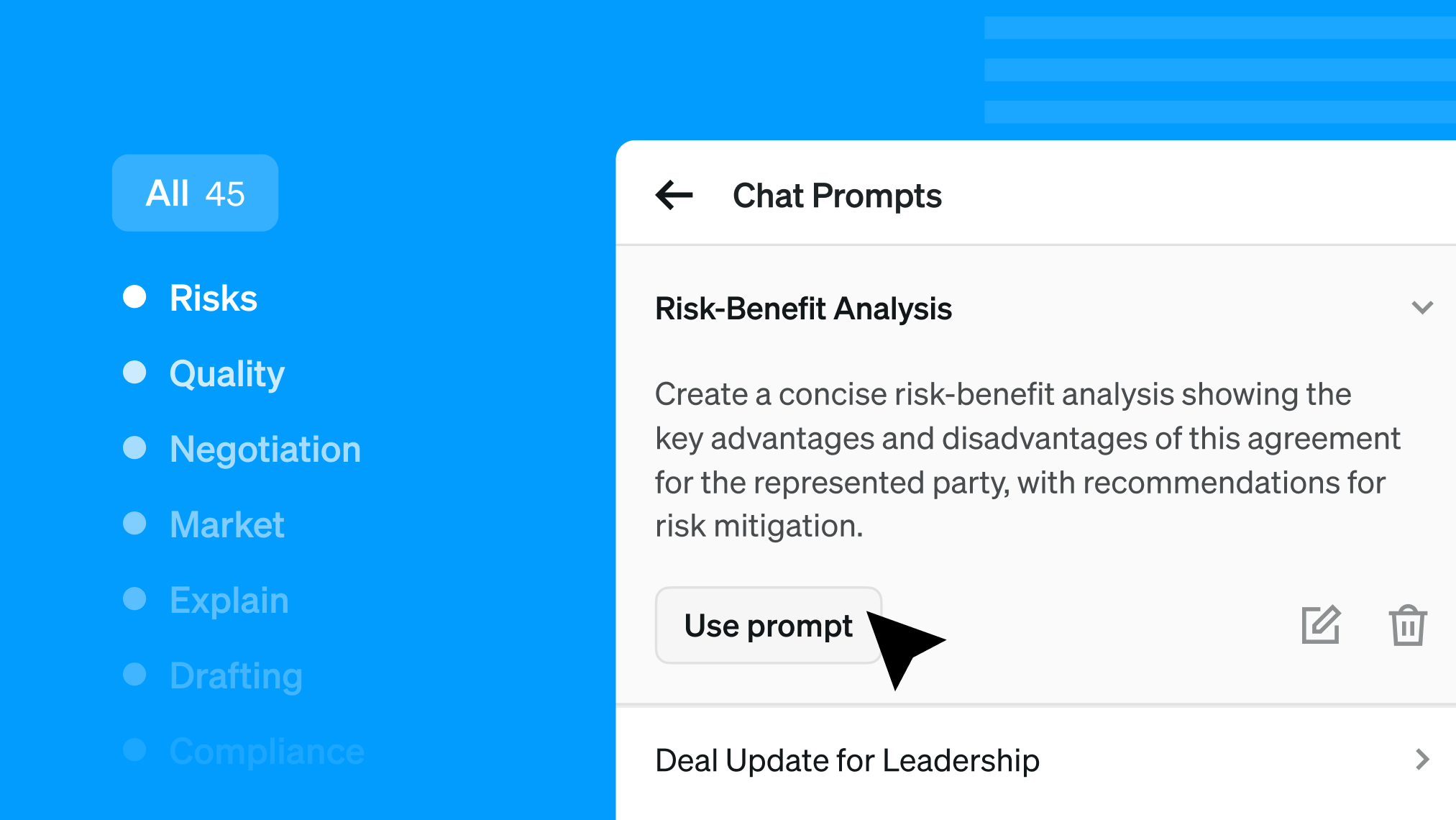
The global AI prompt marketplace was valued at approximately $1.4 billion in 2024 and is projected to grow at a compound annual growth rate of around 26 percent through 2033, according to Grand View Research. ChatGPT processes roughly 2.5 billion user messages per day, which defines the scale of the potential addressable market for anyone helping users get better results from the tools they are already using.
PromptBase, the largest dedicated prompt marketplace, hosts over 260,000 prompts and takes a 20 percent commission on standard sales. Prices on the platform range from $1.99 to $9.99 per prompt. The platform has also introduced an App Builder, allowing creators to package prompts into executable AI tools rather than selling them as static text files.
Etsy, Gumroad, and Ko-fi have become secondary distribution channels for prompt libraries packaged as PDFs or Notion documents, typically priced between $5 and $30 per pack.
Where the revenue is actually coming from
Documented seller cases from PromptBase and other platforms show a meaningful range of outcomes:
- One seller with 700-plus catalog purchases and an average prompt price around $3 generated over $2,000 in marketplace sales, supplemented by custom prompt services at $25 per hour, reaching an estimated $5,800 per month across platforms
- Another seller crossing 1,000 sales at $4 per prompt on PromptBase alone netted over $3,200 in profit from that channel, with additional income from Etsy and Ko-fi bringing estimated monthly revenue to $6,000 to $8,000
- These outcomes are documented but not typical. They represent the upper tier of sellers who have treated prompt creation as a systematic catalog-building exercise rather than a one-off product
The honest framing is that most prompt sellers earn very little. A few hundred dollars per month is a realistic outcome for someone with a small catalog. Reaching the numbers in the examples above requires consistent production across dozens or hundreds of listings, distribution across multiple platforms, and deliberate niche targeting.
What the Category Actually Looks Like in 2026
The generic problem
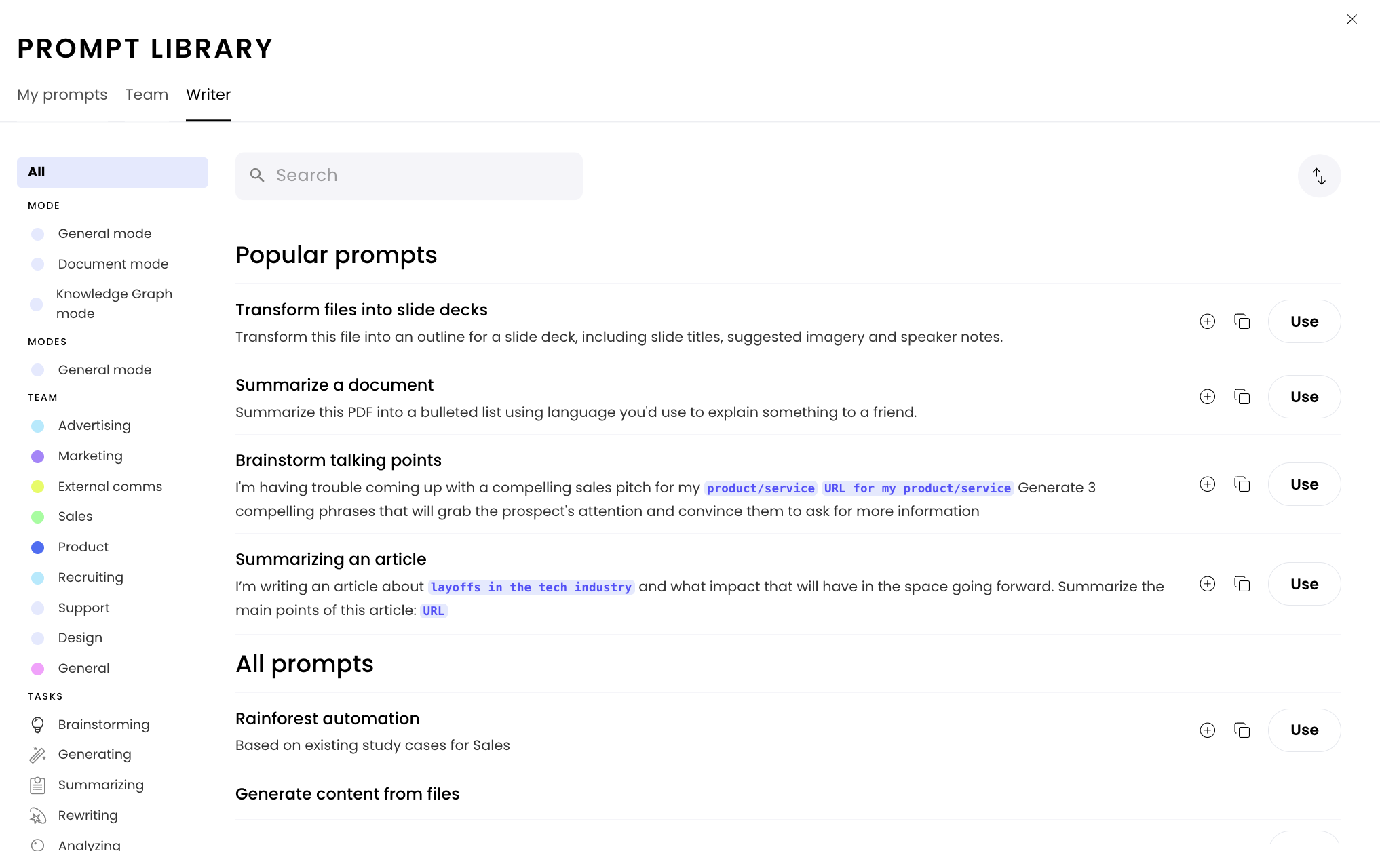
The single largest challenge for anyone entering the prompt library market in 2026 is saturation in broad categories. Prompts for "writing better email," "generating social media captions," "creating blog outlines," and "improving productivity" are available in the thousands on every major marketplace, many of them free.
AI models have also become better at responding usefully to plain conversational instructions. A user who in 2023 needed a carefully engineered prompt to get a useful output from ChatGPT can now simply describe what they need in natural language and get a comparable result. This has eroded the perceived value of generic prompts significantly.
What has not eroded is the value of prompts that encode specialized domain knowledge, produce outputs in specific formats that require expertise to define, or systematize workflows that are genuinely complex to articulate without background in a particular field.
The segments that are still growing
Industry-specific professional prompts
Lawyers who need prompts that produce outputs in specific legal brief formats. Medical writers who need prompts calibrated to clinical documentation standards. Financial analysts who need prompts structured around regulatory reporting frameworks. These buyers have a concrete time savings problem, the context required to specify the prompt correctly is non-trivial, and the output format matters enough that a well-engineered prompt meaningfully outperforms casual prompting.
Image and video generation prompts
The global AI prompt marketplace report identifies image prompts as the fastest-growing segment, projected at a 29.4 percent compound annual growth rate through 2033. Midjourney, DALL-E, Stable Diffusion, and Veo all require significantly different prompt architectures than text models, and the skill gap between expert and novice outputs remains visible. A well-constructed Midjourney prompt for product photography or architectural visualization produces meaningfully better results than what most users write unaided.
Workflow systems and mega-prompts
The market is shifting toward what is being called "mega-prompts": longer, highly contextual instructions that provide AI with detailed background, role definition, output format specifications, and constraint definitions. These are not single-use prompts but complete workflow systems that encode an entire professional process into reusable instructions.
A mega-prompt for investor relations writing, a systematic content repurposing workflow built as a multi-step prompt sequence, or a client intake automation prompt that generates complete briefing documents from minimal inputs are products that require real expertise to build well and cannot easily be replicated by a casual user in a few minutes.
Subscription and library models
The shift from one-time purchases to ongoing subscriptions is visible across the digital product market broadly, and prompt libraries are following the same trajectory. Monthly-access prompt libraries organized by use case and updated as AI models evolve are generating more predictable revenue than individual prompt sales. AIPRM, one of the category leaders, charges $37 for a writing pack and $150 for full library access. The subscription model also solves a specific problem for buyers: prompts written for older model versions sometimes behave differently as models are updated, and a subscription implies maintenance.
The Real Competitive Landscape
| Product Type | Saturation Level | Revenue Potential | Key Differentiator |
|---|---|---|---|
| Generic productivity prompts | Very high | Low | None meaningful |
| ChatGPT writing/email prompts | Very high | Low | None meaningful |
| Industry-specific professional prompts | Low to moderate | Medium to high | Domain expertise |
| Image generation prompts | Moderate | Medium | Visual taste + technical knowledge |
| Mega-prompts and workflow systems | Low | High | Process design expertise |
| Subscription prompt libraries | Low | Medium to high (recurring) | Curation and maintenance |
| Custom prompt development services | Low | High | Direct client relationships |
The Structural Risk: AI Models Get Better
The honest question any creator in this market has to sit with is this: what happens to the value of a carefully engineered prompt when the underlying model improves its ability to infer what users mean from casual instructions?
The answer is not uniform across the category.
For generic prompts that essentially just tell the model to write something well, the risk is high. These prompts are losing value as models improve, and the trend line is clear. A ChatGPT prompt from 2023 that produced noticeably better output than plain instructions often produces no meaningful advantage over plain instructions with GPT-5 generation models.
For prompts that encode specialized domain knowledge, specific output formats, or complex multi-step professional workflows, the risk is lower. The gap between what an expert in a field can specify and what a casual user can articulate is not narrowing at the same rate as general language model capability. A lawyer who understands exactly how a motion for summary judgment should be structured will continue to produce better prompts for that task than a general user asking the AI to "write a legal document," regardless of how much better the model gets at interpreting casual instructions.
PromptBase's evolution toward an App Builder reflects a recognition of this dynamic. The platform is moving creators from selling static text strings toward packaging prompts as functional AI applications, which have more durable value because the application layer adds context, user interface, and structured inputs that do not depend on the buyer knowing how to prompt effectively.
How to Build a Prompt Library That Has a Real Commercial Case
The frameworks that apply to any digital product apply here, with additional considerations specific to the prompt category.
The specificity test
Ask whether your prompt library solves a problem that requires genuine expertise to define. If a user with no background in your domain could write a comparable prompt in five minutes of experimentation, the commercial case is weak. If producing the prompt requires understanding of industry standards, professional format requirements, or multi-step workflow logic that is non-obvious to outsiders, you have a more defensible product.
The format question
Most early prompt libraries were delivered as PDFs or Notion documents. These formats still sell, but the products generating better revenue are increasingly delivered as systems:
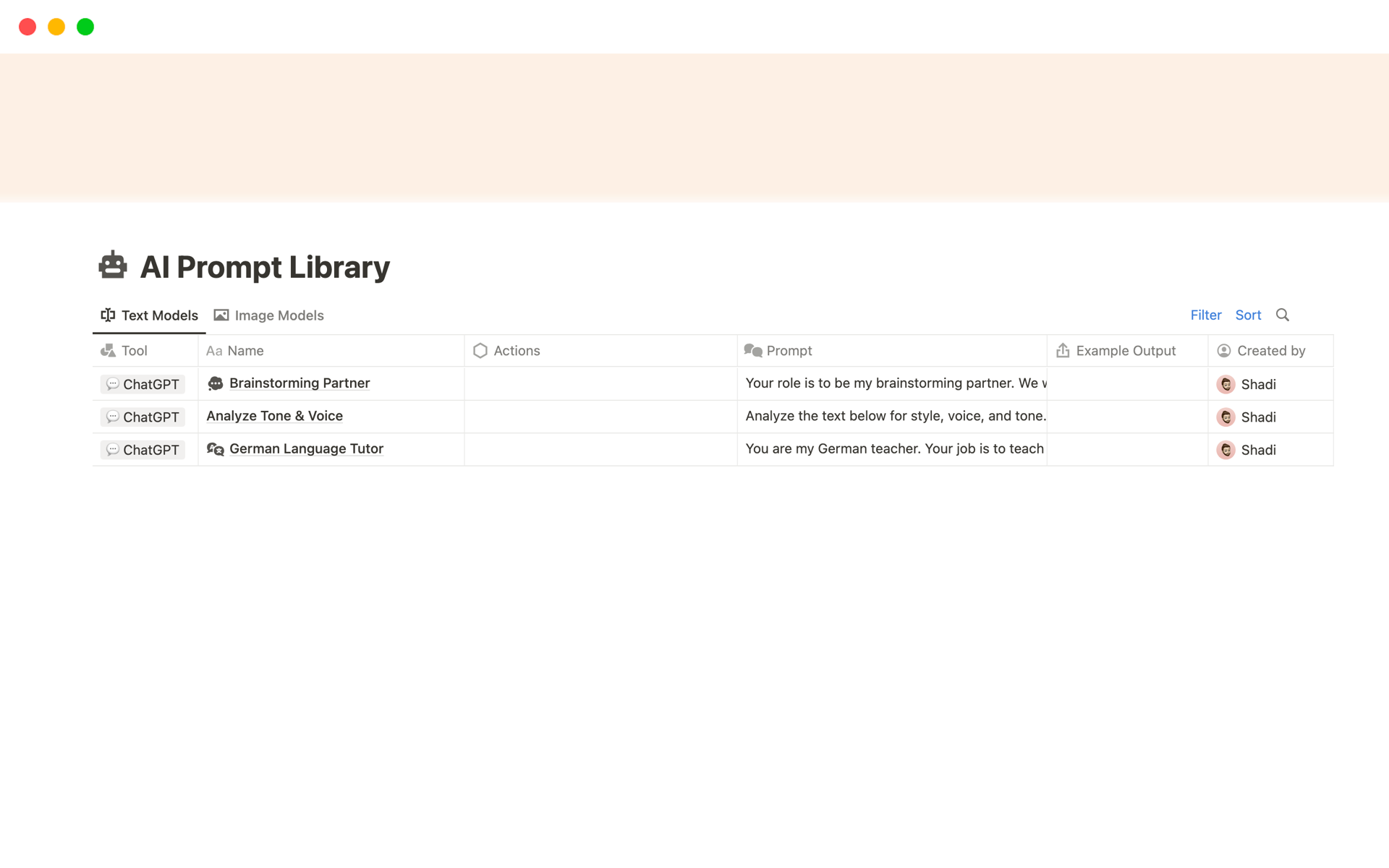
- Notion databases with pre-built templates and tagging for easy navigation of 50-plus prompts
- Gumroad products with instructional guides on how to adapt prompts for different AI models
- PromptBase App Builder applications that wrap the prompt in a functional interface
- Subscription-based libraries that are updated monthly as AI models evolve
The delivery format is part of the product quality. A well-organized, documented, and structured prompt library commands better pricing than a list of text strings in a PDF, even if the underlying prompts are equivalent.
The update model
AI models update frequently, and prompts optimized for one model version sometimes behave differently on updated versions. Buyers who have been burned by this experience are increasingly skeptical of one-time-purchase prompt libraries unless they include a clear update policy. Framing a prompt library as a maintained and updated product, with explicit commitment to version-checking against new model releases, adds real value and justifies subscription pricing.
The platform distribution strategy
Cross-listing across platforms consistently outperforms relying on a single channel:
- PromptBase for buyers specifically searching for prompts and willing to pay marketplace prices
- Gumroad for buyers coming from creator or professional audiences who prefer a direct purchase experience
- Etsy for buyers in visual or creative niches who are comfortable with the platform and browse it regularly
- A creator's own website or newsletter for the highest-margin sales without platform fees
Sellers operating across three or more platforms report meaningfully higher monthly revenue than those concentrating on a single channel, largely because each platform surfaces prompts to a different discovery context.
The Honest Bottom Line
Selling AI prompt libraries in 2026 is viable, but the bar has risen considerably since 2023. The creators earning meaningful recurring income in this category are not selling generic productivity prompts at $5 a pack. They are building specialized, professionally-grounded libraries for defined professional audiences, delivering them in well-documented formats, and maintaining them as AI models evolve.
The category rewards specificity, domain expertise, and product quality in exactly the same way as any other digital product market. The surface-level opportunity, make a quick PDF of ChatGPT prompts and sell it, is fully saturated. The underlying opportunity, package specialized professional knowledge into AI workflow systems that save real time for professional buyers, remains genuine and is growing.
The question to answer before entering this market is not "can I create prompts?" Almost anyone can. It is "do I have domain expertise that produces prompts meaningfully better than what my target buyer could write themselves?" If the answer is yes, and you are willing to build a catalog systematically rather than testing a single product, the commercial case is real.
Frequently Asked Questions
Can you realistically make money selling AI prompt libraries in 2026?
Yes, but with significant caveats. The generic prompt library market is heavily saturated and produces minimal income for most sellers. Creators earning meaningful revenue are building specialized, domain-specific libraries for professional audiences, maintaining them as AI models update, and distributing across multiple platforms simultaneously. Documented cases show monthly earnings of $5,000 to $8,000 for sellers with large catalogs and diversified distribution, but these represent the upper end of outcomes.
What types of AI prompts sell best in 2026?
Industry-specific professional prompts that encode genuine domain expertise, image and video generation prompts for Midjourney, DALL-E, and Stable Diffusion, and complex workflow systems structured as multi-step mega-prompts consistently outperform generic productivity prompts. Image prompt categories are growing fastest, with projected 29.4 percent compound annual growth through 2033.
Where should you sell an AI prompt library?
PromptBase is the largest dedicated prompt marketplace, with over 260,000 listings and 80 percent revenue share for creators. Gumroad and Etsy reach different audiences and serve well as secondary channels. Cross-listing across multiple platforms consistently outperforms relying on one. For the highest margins, selling directly through an owned website eliminates platform fees entirely.
Does the improvement of AI models make prompt libraries less valuable?
For generic prompts, yes. As models better interpret casual plain-language instructions, prompts that simply tell the model to "write well" lose their advantage. For prompts that encode specialized professional knowledge, specific output format requirements, or complex multi-step workflow logic, the value holds. The gap between expert-crafted and casual prompting in domain-specific professional contexts is not narrowing at the same rate as general model capability.
What is the difference between a prompt library and a prompt-based AI application?
A prompt library delivers prompts as text in a PDF, Notion document, or similar file format, leaving the buyer to copy, paste, and use them manually. A prompt-based AI application packages the prompt into a functional tool with structured inputs, a user interface, and automated execution. Platforms like PromptBase's App Builder allow creators to build these without coding. Applications command higher prices, are harder to replicate, and retain value as model capabilities evolve because the application layer itself adds user experience that prompts alone do not provide.
Is the AI prompt market too saturated to enter in 2026?
The generic segment is saturated to the point where new entrants will earn very little without significant differentiation. The specialized professional, image generation, and workflow system segments are not saturated and continue growing. Entering the market in 2026 requires a clear answer to what specific professional audience the library serves and what expertise makes the prompts better than what that audience could write unaided.
Related Articles
 Mark
Mark
 Dani
Dani
 Mark
Mark