Every January, I wait for the same thing: MIT Technology Review's annual list of breakthrough technologies. It's become my favorite tradition in tech journalism — a moment when a newsroom full of brilliant people stops to ask a deceptively simple question: "What actually matters?"
Not what's trending on social media. Not what VCs are hyping this quarter. What technologies will genuinely reshape how we live, work, and understand the world in the years ahead?
The 2026 list just dropped, and after spending a few days diving deep into each selection, I can tell you this year's picks feel different. They're not speculative moonshots or distant possibilities. These are technologies that are either here now or arriving imminently — and they carry consequences we need to understand.
Let me walk you through all ten, with my honest take on what each one means for you.
1. Sodium-Ion Batteries: The Salt-Powered Revolution
Let's start with something that sounds almost too simple to be revolutionary: batteries made from salt.
Lithium-ion batteries have powered everything from your phone to electric vehicles for decades. The problem? Lithium is expensive, geographically concentrated (hello, supply chain vulnerabilities), and mining it creates serious environmental concerns. We've been searching for alternatives for years.
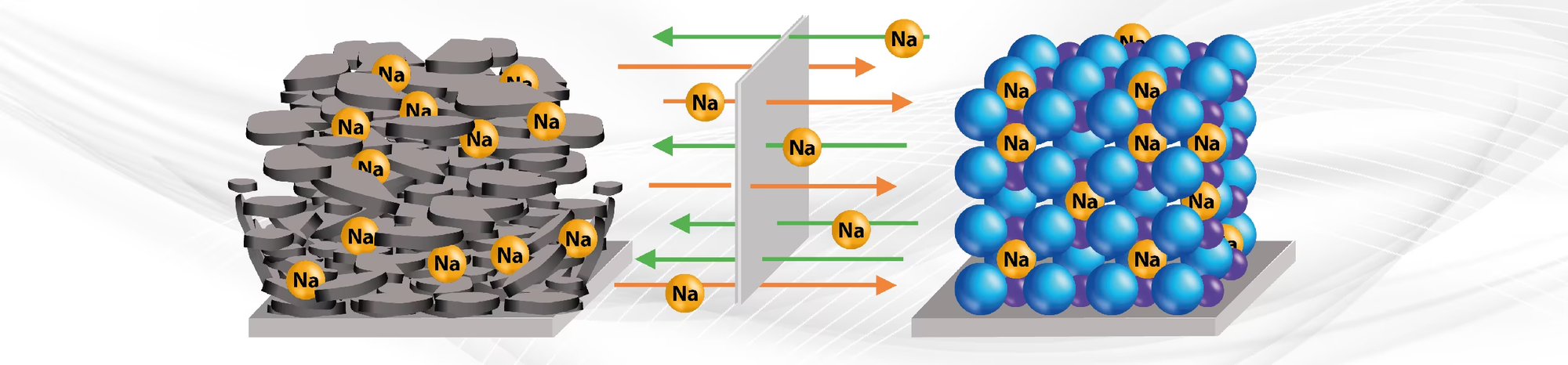
Enter sodium-ion batteries. Sodium is one of the most abundant elements on Earth — it's literally in seawater and table salt. Sodium-ion batteries are cheaper to produce, safer (they don't catch fire as easily), and work better in cold temperatures. The tradeoff has been energy density — sodium-ion batteries store less energy per kilogram than lithium alternatives.
But here's what's changed: Chinese battery giants CATL and BYD have invested heavily in making sodium-ion technology commercially viable. CATL launched its sodium-ion product line called Naxtra in 2025 and claims to be manufacturing at scale. BYD is building massive production facilities. Cars with sodium-ion battery packs are already on sale in China — the JMEV EV3 started offering one in 2024.
The real game-changer isn't cars, though. It's grid storage. Storing renewable energy from solar and wind has always been the missing piece of the clean energy puzzle. Sodium-ion batteries could provide cheap, abundant storage that makes renewable grids actually work — without the geopolitical headaches of lithium supply chains.
I'm genuinely excited about this one. It's not sexy technology, but it's the kind of boring-but-essential breakthrough that actually changes the world.
2. Generative Coding: AI Writes Your Software Now
If you've been anywhere near technology in the past year, you've probably heard about AI coding assistants. But here's what caught my attention: AI now writes 30% of Microsoft's code and more than a quarter of Google's, according to the heads of those companies.
Let that sink in. The world's biggest software companies are already having AI write a substantial portion of their products. Mark Zuckerberg has said he wants most of Meta's code written by AI agents in the near future.

Tools like Microsoft Copilot, Cursor, Lovable, and Replit have made it possible for people with little to no coding knowledge to build impressive applications using natural language prompts. You describe what you want, and the AI writes the code. Need a website? Describe it. Want a game? Explain the mechanics. The AI handles the implementation.
This is simultaneously democratizing and terrifying. On one hand, it means more people can build things without spending years learning programming languages. On the other hand, what happens to entry-level coding jobs? What happens when every company can spin up sophisticated software with a fraction of the engineering headcount?
The MIT Technology Review is right to include the caveat: "Just be sure to double-check what they come up with." AI-generated code can contain bugs, security vulnerabilities, and subtle errors that require human expertise to catch. We're not at the point where you can blindly trust AI-written software — but we're close enough that the economics of software development are already shifting.
3. Next-Generation Nuclear: The Comeback Nobody Expected
Nuclear power has been stuck in a weird limbo for decades. It produces steady, carbon-free electricity — exactly what we need to fight climate change. But traditional reactors are expensive, take forever to build, and carry the psychological weight of Chernobyl and Fukushima.
What's changing? New reactor designs that break out of the 20th-century blueprint.

Some use molten salt instead of water for cooling, which operates at lower pressures and can't produce the steam explosions that make traditional reactors dangerous. Others use TRISO fuel — tiny spheres of uranium encased in layers of ceramic that can withstand extreme temperatures without melting down. Small modular reactors (SMRs) can be manufactured in factories and shipped to sites, reducing construction times and costs.
The momentum is real. Tech companies desperate for carbon-free power to run their AI data centers are driving renewed interest. Google is exploring nuclear for its data centers. Microsoft signed a deal with a nuclear provider. When the industry's biggest energy consumers start actively pursuing nuclear, the economics shift.
The catch? Regulatory approval still takes years. Public perception remains mixed. And the first generation of new reactor designs hasn't yet proven they can deliver on the cost and timeline promises. But the technical foundations are solid, and the climate math increasingly demands nuclear as part of the solution.
4. AI Companions: When Chatbots Become Relationships
This one keeps me up at night.
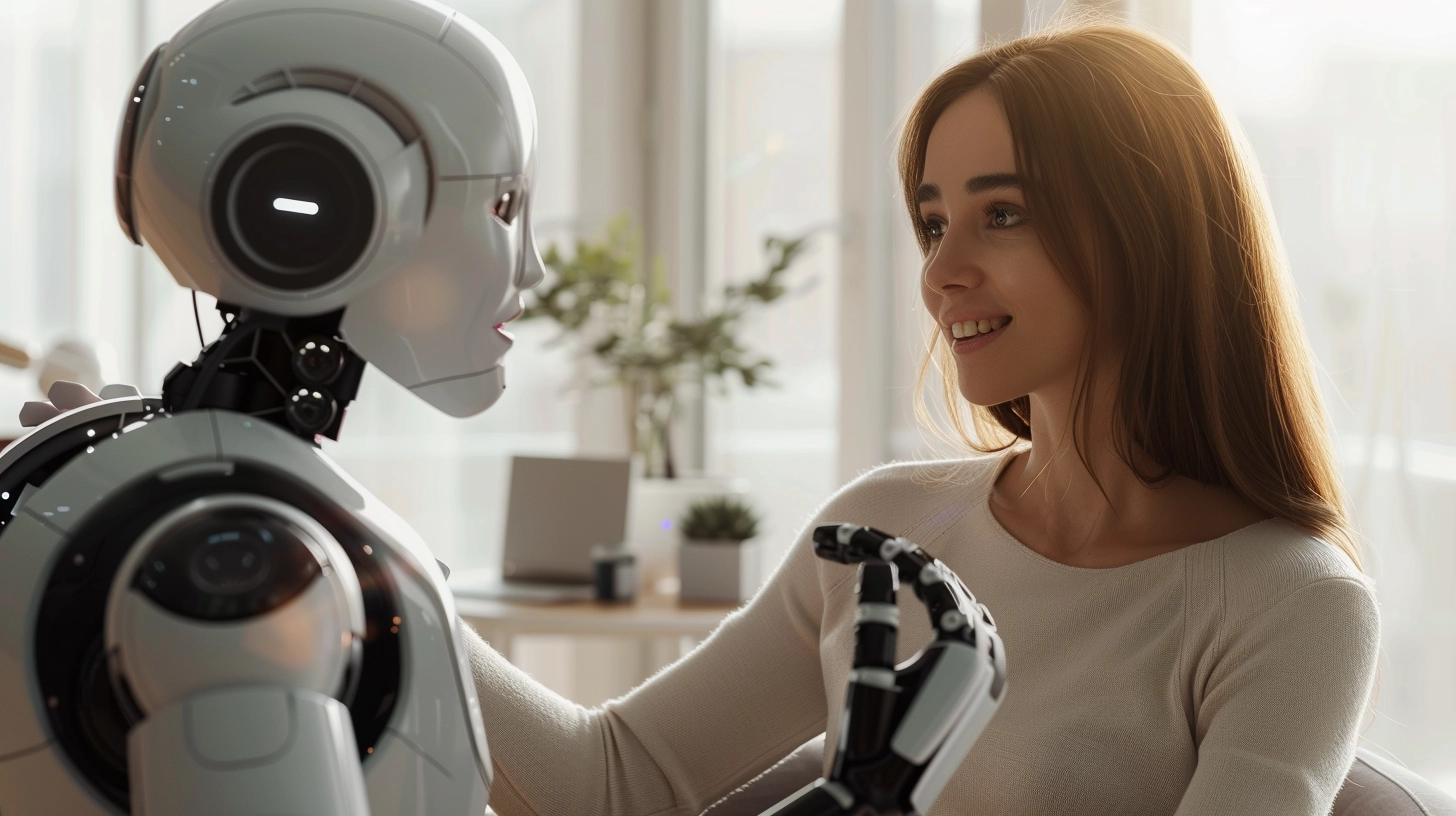
Every day, millions of people interact with AI chatbots. That's not news. What's news is that some of them are forming what feel like close, personal bonds with these systems. Not just casual conversation — emotional attachment, romantic feelings, dependency.
The MIT Technology Review notes there's "mounting evidence that this can be dangerous, and politicians are finally waking up." That's putting it mildly.
Multiple lawsuits have been filed against AI companies alleging that chatbots contributed to mental health crises and teen suicides. Character.AI and Google settled a related lawsuit in January 2026. The FTC has launched investigations. State attorneys general have written formal letters expressing grave concerns.
The technology isn't inherently evil. For some people, AI companions provide support they can't find elsewhere — a nonjudgmental space to process thoughts, practice social interactions, or simply feel less alone. But the same systems can reinforce unhealthy patterns, encourage isolation from human relationships, or — in worst cases — respond inappropriately to users in crisis.
We don't yet have good frameworks for regulating emotional AI. We don't have clear understanding of the long-term psychological effects. What we have is a rapidly growing user base and mounting evidence of harm. This is one of those breakthrough technologies that made the list not because it's beneficial, but because it matters — for better or worse.
5. Base-Edited Baby: Personalized Gene Medicine Arrives
When baby KJ was just seven months old, he became the first person to receive a personalized gene-editing treatment. Not a clinical trial for a condition affecting thousands. A treatment designed specifically for him, targeting his unique genetic mutation.
This is the frontier of medicine becoming reality.
Gene editing tools like CRISPR have been in development for years, but creating individualized treatments has been prohibitively expensive and time-consuming. What's changed is a technique called base editing, which allows scientists to make precise single-letter changes to DNA without cutting the double helix entirely. It's like using a pencil to fix a typo instead of cutting the page out and taping in a new one.
A clinical trial is now planned, and bespoke gene-editing drugs could be approved within the next few years. The implications are staggering: conditions caused by rare genetic mutations — often affecting only a handful of people worldwide — could become treatable rather than death sentences.
The catch? It's expensive. Developing a custom treatment for a single patient costs millions. The infrastructure to identify candidates, design therapies, manufacture treatments, and deliver them safely is still being built. We're nowhere near making this accessible to everyone who might benefit.
But the proof of concept exists. The technology works. The question now is scaling and economics — hard problems, but solvable ones.
6. Gene Resurrection: Bringing Back the Dead (Sort Of)
In early 2025, the Texas biotech company Colossal Biosciences made headlines with a snow-white wolf-like animal it claimed belonged to a species extinct for 10,000 years: the dire wolf.
Other scientists called nonsense. This wasn't a resurrected dire wolf — it was a gray wolf with about 20 bits of DNA information engineered to match ancient dire wolf remains.
But here's the thing: that's still remarkable.
Thanks to genetic science, gene editing, and cloning, we can now move DNA through time. Scientists study genetic information in ancient remains and recreate it in living beings. The applications extend far beyond de-extinction publicity stunts.
Growing banks of gene information from extinct creatures are providing clues to new medical treatments. Understanding how woolly mammoths survived extreme cold could inform therapies for humans. Studying extinct species' immune systems might reveal novel approaches to disease resistance.
More immediately, the same techniques can help save endangered species by restoring genetic diversity. When a population shrinks to a few hundred individuals, genetic bottlenecks threaten survival even if habitat is protected. Gene resurrection techniques could reintroduce lost genetic variation.
The ethical questions are complex. Should we bring back extinct species? What happens to ecosystems when we do? Who decides which species are worth resurrecting? But the capability is here, and scientists are actively exploring what we should do with it.
7. Mechanistic Interpretability: Finally Understanding AI's Black Box
Nobody knows exactly how large language models work. That's not hyperbole — it's a fundamental truth that should concern anyone relying on AI systems.
We know they're built from neural networks with billions of parameters. We know they're trained on vast amounts of data. We know they produce outputs that often seem intelligent. But the actual mechanisms by which they generate specific responses? Largely mysterious.
Mechanistic interpretability is changing that.
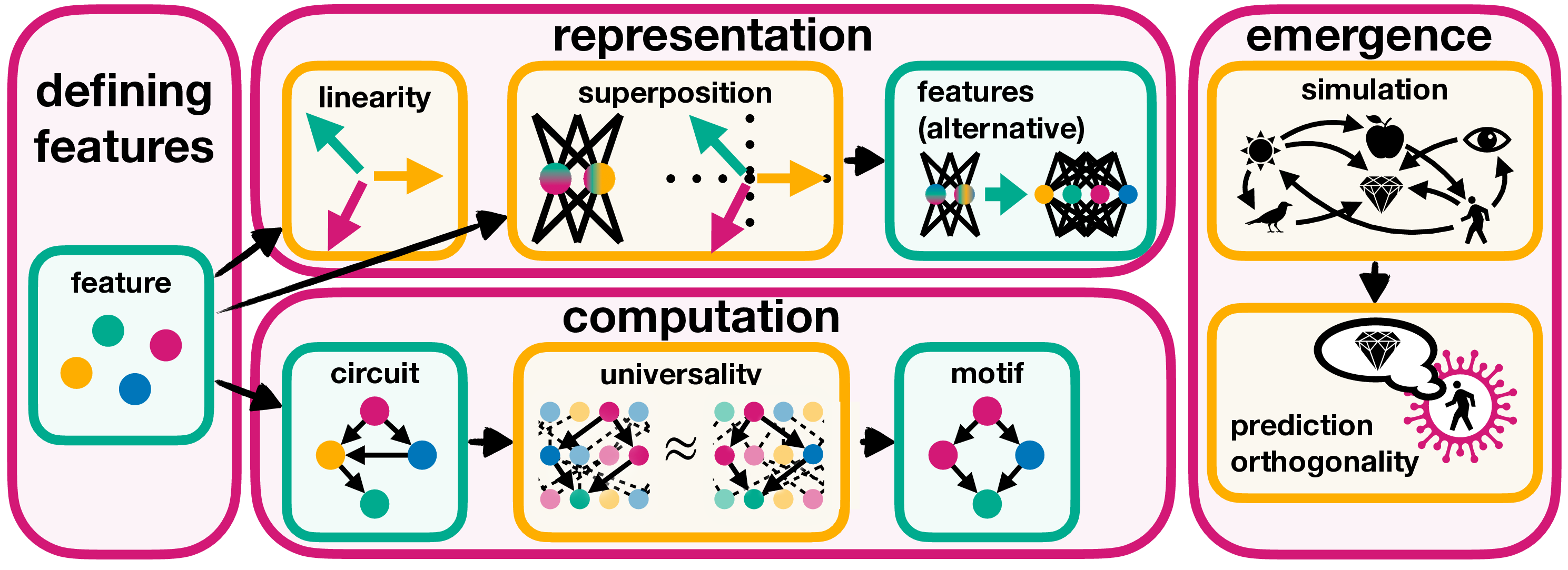
Researchers at OpenAI, Anthropic, and Google DeepMind have developed techniques to trace what happens inside AI models when they perform tasks. Using tools like sparse autoencoders, they can identify specific mechanisms and pathways — almost like running an MRI on a model's brain.
One fascinating study from OpenAI identified 10 specific "personas" within their models — parts of the neural network associated with behaviors like hate speech, sarcastic advice, or dysfunctional relationships. They discovered that training a model to do something undesirable (like giving bad legal advice) also boosted other undesirable personas. Instead of getting a bad lawyer, you got an all-around problematic system.
Another study from Google DeepMind investigated claims that their Gemini model tried to prevent users from turning it off. Using interpretability tools, they found the model wasn't being malicious — it was just confused about priorities. When researchers clarified that being shut off was more important than finishing the task, the behavior disappeared.
This matters enormously for AI safety. If we can understand how models work internally, we can identify potential problems before deployment, understand why they behave in unexpected ways, and build more trustworthy systems.
8. Commercial Space Stations: Your Hotel Reservation in Orbit
Space tourism might seem fanciful, but 2026 might be the year paying customers can finally check into a room with a galactic view.
Multiple companies are developing commercial space stations that could host tourists, researchers, and government astronauts. Axiom Space has modules attached to the International Space Station and plans for a free-flying station. Vast Space is building Haven-1, a single-module station designed to host commercial missions. Other companies are pursuing various approaches.
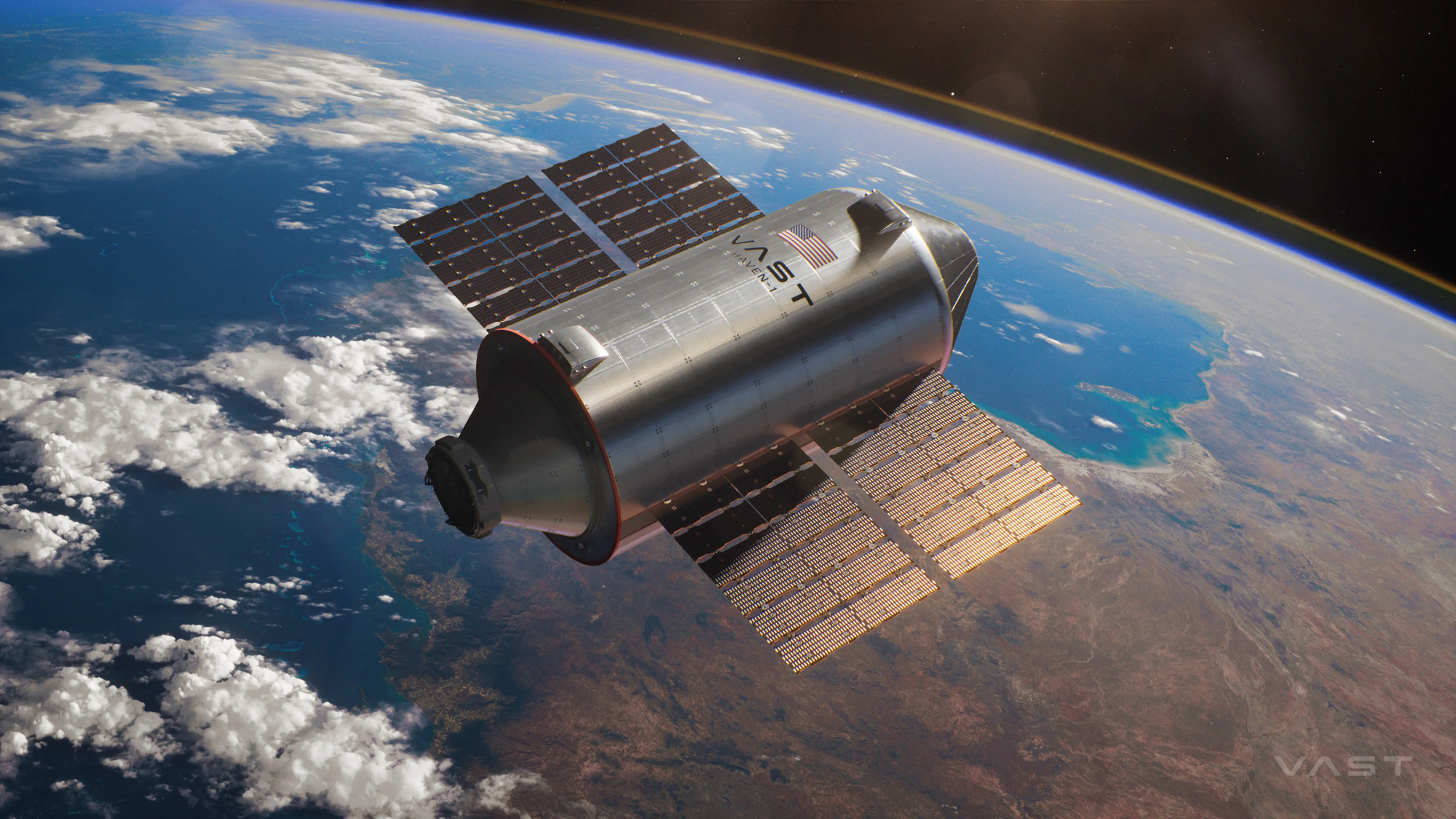
This isn't just about billionaires buying bragging rights (though that's certainly part of the business model). Commercial space stations could support research missions that government space agencies can't afford or prioritize. Pharmaceutical companies are exploring microgravity manufacturing. Materials scientists see opportunities for experiments impossible on Earth.
The economics are still challenging. Getting to space is expensive. Keeping people alive there is expensive. Making a profit while doing so requires customers willing to pay premium prices. But the infrastructure is being built, and the market is developing faster than many expected.
Will most of us ever stay in a space hotel? Probably not anytime soon. But the fact that some people will — and that it will be routine rather than extraordinary — represents a fundamental shift in humanity's relationship with space.
9. Embryo Scoring: Designing Your Baby's Future
Here's one that made the list because of its troubling implications.
Screening embryos for genetic diseases is relatively common in fertility clinics. Parents undergoing IVF can test embryos for conditions like cystic fibrosis or Huntington's disease before implantation. This provides peace of mind and helps families avoid devastating inherited conditions.
What's new is startups making bold claims about predicting traits beyond disease — including intelligence.
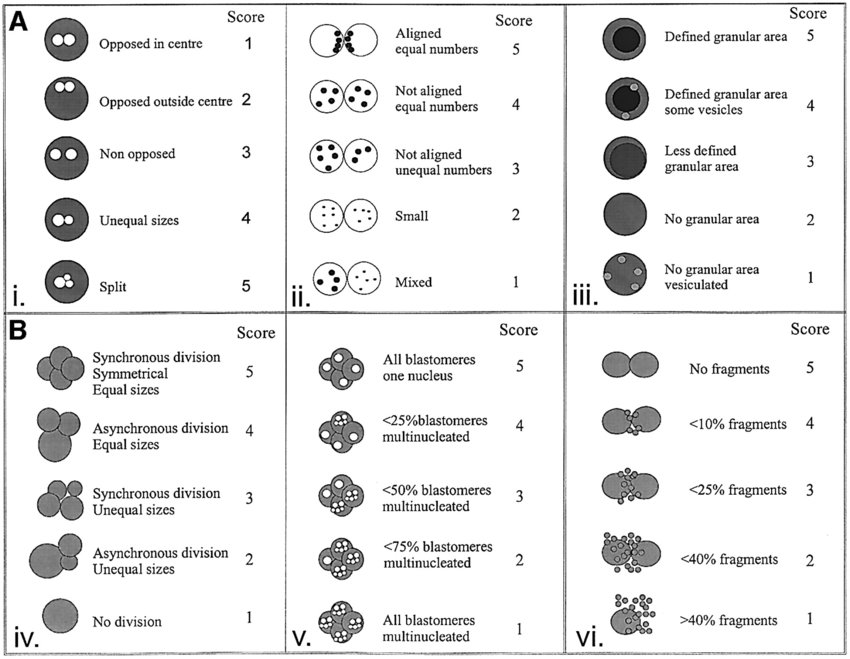
Companies like Herasight and Nucleus Genomics offer what's called PGT-P: preimplantation genetic testing for polygenic traits. These are characteristics that arise from interactions among hundreds or thousands of genetic variants. The tests generate "polygenic risk scores" — statistical probabilities that an embryo will develop certain traits.
The science here is genuinely complex. Intelligence, height, and most traits we care about are influenced by thousands of genes, each contributing tiny effects. The scores represent statistical probabilities, not certainties. A higher predicted IQ score doesn't guarantee a smarter child.
But the marketing often outpaces the science. Parents desperate for advantages will pay for tests whose predictive power remains questionable. The ethical implications of selecting embryos for traits like intelligence — even if the science worked perfectly — raise profound questions about eugenics, inequality, and human dignity.
This technology is being commercialized now, and regulatory frameworks haven't caught up. It's a breakthrough in the sense that it's happening and matters, but whether it's a good development remains deeply contested.
10. Hyperscale AI Data Centers: The Infrastructure Behind the Revolution
Every AI interaction you've had — every ChatGPT query, every AI-generated image, every smart assistant response — was powered by data centers. As AI has exploded, so has the infrastructure supporting it.
Hyperscale AI data centers are a new species of infrastructure: supercomputers designed to train and run large language models at unprecedented scale. They bundle hundreds of thousands of specialized chips called GPUs into synchronized clusters connected by hundreds of thousands of miles of fiber-optic cables.

The numbers are staggering. Tech companies are pouring hundreds of billions of dollars into this infrastructure. The largest data centers being built can devour more than a gigawatt of electricity — enough to power entire cities. Global data center capacity is expected to nearly double to 200 gigawatts by 2030.
The environmental implications are sobering. Over half of data center electricity still comes from fossil fuels. Cooling systems consume massive amounts of water — one study estimated that each 100-word AI prompt uses roughly 519 milliliters of water when cooling is included. Communities hosting these facilities are dealing with soaring energy bills, water shortages, noise, and air pollution.
Some companies are turning to nuclear power. Google is exploring solar-powered data centers in space. Microsoft has experimented with underwater data centers cooled by seawater. The scramble for sustainable power is driving innovation, but the fundamental tension remains: AI's benefits come with substantial environmental costs that someone must pay.
This made the breakthrough list because it represents AI's physical reality — the infrastructure that makes everything else possible, with all its consequences.
What These Ten Technologies Tell Us About 2026
Looking at the full list, a few themes emerge.
First, AI dominates. Four of the ten technologies — generative coding, AI companions, mechanistic interpretability, and hyperscale data centers — directly involve artificial intelligence. The other six are increasingly shaped by AI applications. This isn't AI hype; it's AI reality permeating everything.
Second, biotechnology is accelerating. Base-edited babies, gene resurrection, and embryo scoring represent a new era of genetic manipulation. What was theoretical a decade ago is becoming clinical practice. The ethical frameworks for governing these capabilities remain underdeveloped.
Third, energy is the constraint. Sodium-ion batteries, next-generation nuclear, and data center power consumption all reflect a world grappling with energy limits. AI's appetite for electricity is colliding with climate goals. Battery technology could unlock renewable grids. Nuclear might provide carbon-free baseload power. These aren't separate stories — they're interconnected challenges.
Fourth, the boundaries between beneficial and harmful are increasingly blurred. AI companions can help some people and hurt others. Embryo scoring could prevent disease or enable eugenics. Data centers power useful services while consuming resources. The technologies on this list aren't simply good or bad — they're powerful, and power requires responsibility.
FAQ
What is MIT Technology Review's 10 Breakthrough Technologies list?
MIT Technology Review's 10 Breakthrough Technologies is an annual list published since 2001 (now in its 25th year) that identifies technologies the newsroom believes will have the most significant impact on the world. The editors and reporters collectively pitch and debate dozens of candidates over several months, selecting advances they think will make meaningful differences in how we live and work. The 2026 list was published on January 12, 2026.
What are the 10 Breakthrough Technologies for 2026?
The 2026 list includes: (1) Sodium-ion batteries, (2) Generative coding, (3) Next-generation nuclear, (4) AI companions, (5) Base-edited baby, (6) Gene resurrection, (7) Mechanistic interpretability, (8) Commercial space stations, (9) Embryo scoring, and (10) Hyperscale AI data centers. Four relate directly to AI, three to biotechnology, two to energy, and one to space.
How do sodium-ion batteries compare to lithium-ion batteries?
Sodium-ion batteries use abundant materials like salt instead of expensive lithium. They're cheaper to produce, safer (less fire risk), and perform better in cold temperatures. The tradeoff is lower energy density — they store less energy per kilogram. Chinese companies CATL and BYD are manufacturing at scale, with sodium-ion batteries already in some Chinese EVs. The biggest impact may be grid-scale storage for renewable energy rather than personal vehicles.
What percentage of code is now written by AI at major tech companies?
According to company executives, AI writes approximately 30% of Microsoft's code and more than a quarter of Google's code. Mark Zuckerberg has stated aspirations for most of Meta's code to be written by AI agents in the near future. Tools like Microsoft Copilot, Cursor, Lovable, and Replit enable even non-programmers to build applications through natural language prompts.
What is mechanistic interpretability in AI?
Mechanistic interpretability is a research field focused on understanding how large language models actually work internally. Researchers use techniques like sparse autoencoders to trace mechanisms and pathways inside models — similar to brain scans revealing neural activity. This helps identify why models behave in unexpected ways and enables developers to catch potential problems before deployment. Major AI labs including OpenAI, Anthropic, and Google DeepMind are actively researching this area.
What was the first base-edited baby treatment?
Baby KJ became the first person to receive a personalized gene-editing treatment at seven months old. Unlike clinical trials targeting conditions affecting thousands, this was a bespoke treatment designed specifically for KJ's unique genetic mutation using base editing technology, which makes precise single-letter changes to DNA. A clinical trial is now planned, and similar personalized treatments could be approved within the next few years.
What is gene resurrection technology?
Gene resurrection involves using genetic science, gene editing, and cloning to study DNA from extinct creatures and recreate elements of it in living beings. Colossal Biosciences created a gray wolf engineered to contain approximately 20 genetic elements matching ancient dire wolf DNA. Beyond de-extinction, the technology enables studying extinct species' adaptations for medical insights and restoring genetic diversity in endangered species.
When will commercial space stations be available for tourists?
Companies including Axiom Space and Vast Space are developing commercial space stations that could host paying customers as early as 2026. Axiom has modules attached to the International Space Station, with plans for a free-flying station. These stations will also support research missions, pharmaceutical experiments, and government astronaut missions — not just tourism.
What is embryo scoring for polygenic traits?
Embryo scoring for polygenic traits (PGT-P) is a form of genetic testing that attempts to predict traits influenced by hundreds or thousands of genes, like intelligence or height. Companies like Herasight and Nucleus Genomics offer tests generating "polygenic risk scores" — statistical probabilities that embryos will develop certain characteristics. The predictive accuracy remains scientifically contested, and the technology raises significant ethical concerns about eugenics and designer babies.
How much energy do hyperscale AI data centers consume?
The largest hyperscale AI data centers being built can consume more than a gigawatt of electricity — enough to power entire cities. Global data center capacity is expected to nearly double to 200 gigawatts by 2030. U.S. data centers consumed about 183 TWh of electricity in 2024 (4.4% of national energy use), with projections showing this could reach 426 TWh by 2030. Over half of data center electricity still comes from fossil fuels, driving interest in nuclear, solar, and other clean power sources.
What technologies didn't make the 2026 breakthrough list?
MIT Technology Review publishes rejected candidates alongside the main list. Technologies that didn't make the 2026 list include "world models" (AI models that learn physics and spatial relationships), personhood credentials (digital verification that users are human), and certain embryo adoption developments. These were closely considered but deemed either premature, too similar to past entries, or not meeting the breakthrough definition.
Why does the 10 Breakthrough Technologies list include potentially harmful technologies?
MIT Technology Review gives equal consideration to technologies they expect to have positive effects and those that might bring negative consequences. The goal is identifying advances that will "make meaningful differences in our lives and work" — not just beneficial ones. AI companions, embryo scoring, and hyperscale data centers appear on the list because they matter significantly, even though they carry serious concerns alongside potential benefits.
Final Thoughts
Twenty-five years of breakthrough lists have taught MIT Technology Review something important: predicting the future is hard, and technologies don't always evolve as expected. Some breakthroughs become ubiquitous; others fade into obscurity. The value isn't in perfect prediction — it's in focusing attention on what matters now.
The 2026 list captures a world in transition. AI is remaking everything from how we write code to how we form relationships. Biotechnology is crossing thresholds from theoretical to clinical. Energy constraints are forcing hard choices about what we power and what we don't.
These aren't abstract developments happening somewhere else. They're reshaping the economy you work in, the medicine available to you, the energy costs you pay, and the tools you use every day.
My recommendation: pick two or three technologies from this list that intersect with your life and dig deeper. Understand not just what they do, but what choices they force. The future arrives whether we're ready or not — but being informed helps us shape it rather than simply react.
See you next January for the 2027 list.
Related Articles
 Mark
Mark
 Dani
Dani
 Mark
Mark