There is a quiet rebellion happening in consumer technology, and it looks nothing like a rebellion is supposed to look. It does not involve a dramatic product launch or a viral keynote moment. It involves people buying phones that do not have social media apps, tablets that cannot run Instagram, and alarm clocks designed to be nothing more than alarm clocks. It involves paying a premium for less.
The maximalist era of consumer tech is showing its age. For two decades, the dominant logic was additive: more cameras, more features, more integrations, more reasons to stay on the device longer. That logic built some of the most commercially successful products in history. It also produced a generation of users who check their phones an average of 205 times per day, spend more than four and a half hours daily on their smartphone screens, and report anxiety, disrupted sleep, and shortened attention spans as direct consequences of how these devices are designed to behave.
In 2026, a meaningful segment of buyers has started voting with their wallets. Not loudly, and not at a scale that threatens Apple or Samsung's quarterly earnings. But with enough conviction, and enough premium spending, to make the design philosophy behind their choices worth examining carefully.
The best gadgets of 2026 are often the ones that decided what not to include. Understanding why that decision is hard, and why it matters when companies get it right, is the most interesting design story in tech right now.
The Feature Bloat Problem Has a Name
How Smartphones Became Attention Traps
The smartphone did not become a distraction machine by accident. It became one through deliberate, incentive-driven design choices made by platforms whose revenue depends on time spent. Every notification, every autoplay, every algorithmically surfaced recommendation is the output of an optimization process running in the opposite direction of the user's stated preferences about their own time.
The result is a device that most people carry with them constantly, access reflexively rather than intentionally, and describe with a mixture of dependency and resentment that has few equivalents in the history of consumer products. Americans check their phones an average of 205 times per day, a figure that implies checking roughly every five waking minutes. Gen Z spends an average of 6 to 7 hours per day on their smartphones. In the UK, 35% of adults are actively reducing screen time, and 71% of those who did saw improvements in sleep, calmness, and overall mental health.
These are not the usage patterns of a tool people feel in control of. They are the usage patterns of a product that has been engineered to capture attention more effectively than the user can resist. The distinction matters, because it explains why minimalism in consumer technology is not merely an aesthetic trend. It is a response to a specific, well-documented failure mode of maximalist design.
The maximalist approach to product development has its own cultural shorthand. For years, Silicon Valley equated ambition with visible abundance: more features, more integrations, more notifications, more "platform." The new status symbol, as one product strategist put it, is no longer "we shipped 40 features" but rather "we removed 20 things and adoption went up." That change in what gets celebrated inside product teams is a leading indicator. It usually precedes a change in what gets celebrated by the market.
The Products Making the Argument
Dumb Phones and the Premium of Simplicity
The Light Phone is not a cheap product for people who cannot afford a smartphone. It is a premium product for people who can afford both and have decided they prefer something that does less. That reframing is central to understanding the current minimalist tech market.
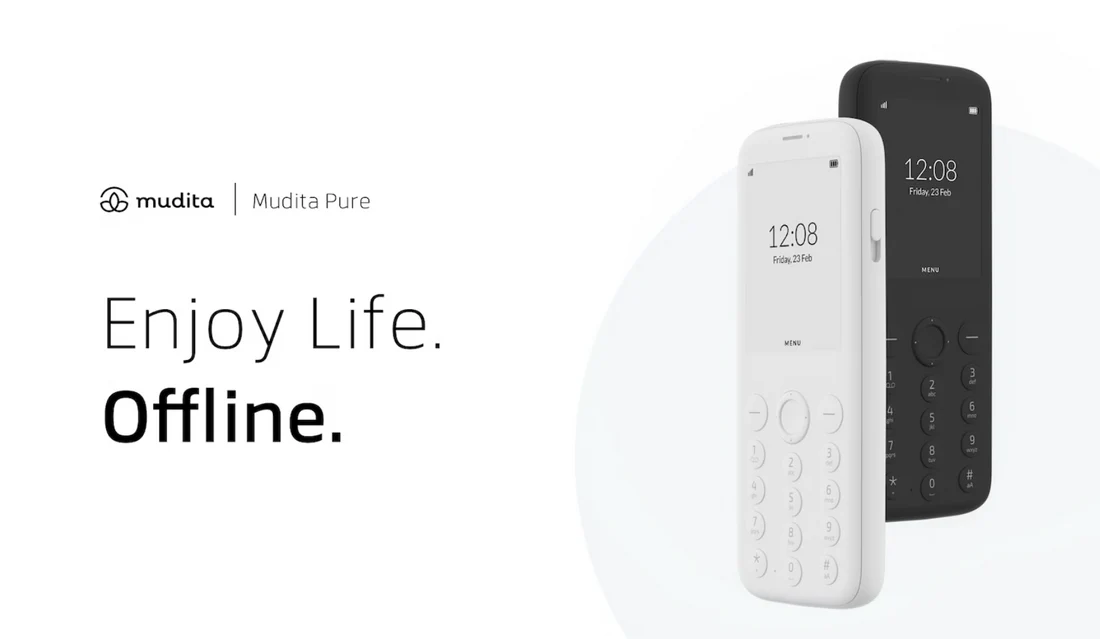
The market for intentionally limited technology is not a fringe curiosity anymore. It is a product category with its own premium pricing, its own brand loyalty, and a customer base that skews younger than most industry analysts expected. Companies like Light, Punkt, and Mudita are building phones that offer calling, texting, and navigation without the app stores, social platforms, and notification systems that define the conventional smartphone experience. The Punkt MP02 adds encrypted calls via the Signal protocol. The Mudita Pure uses an e-ink display that is physically incapable of rendering the visual stimulation that makes conventional phones addictive by design.
None of these devices are for everyone. Each requires accepting genuine practical friction: two-factor authentication becomes complicated, ride-sharing apps disappear, and group chats run on platforms that do not exist in minimalist ecosystems. Users who make the switch often describe an adjustment period before the benefits become apparent. The product literature from every minimalist phone brand acknowledges this honestly, which is itself a notable departure from the usual consumer technology marketing playbook.
What makes these products significant is not their market share, which remains small. It is what they demonstrate about buyer willingness to accept a meaningful trade-off in capability for a meaningful gain in attention and mental clarity. Users no longer reward theatrics, sprawling feature lists, or hype-first roadmaps. They reward tools that work, respect attention, and deliver measurable outcomes. The dumb phone market is the most literal version of that principle in hardware.
The E-Ink Tablet and the Case for Single-Purpose Devices
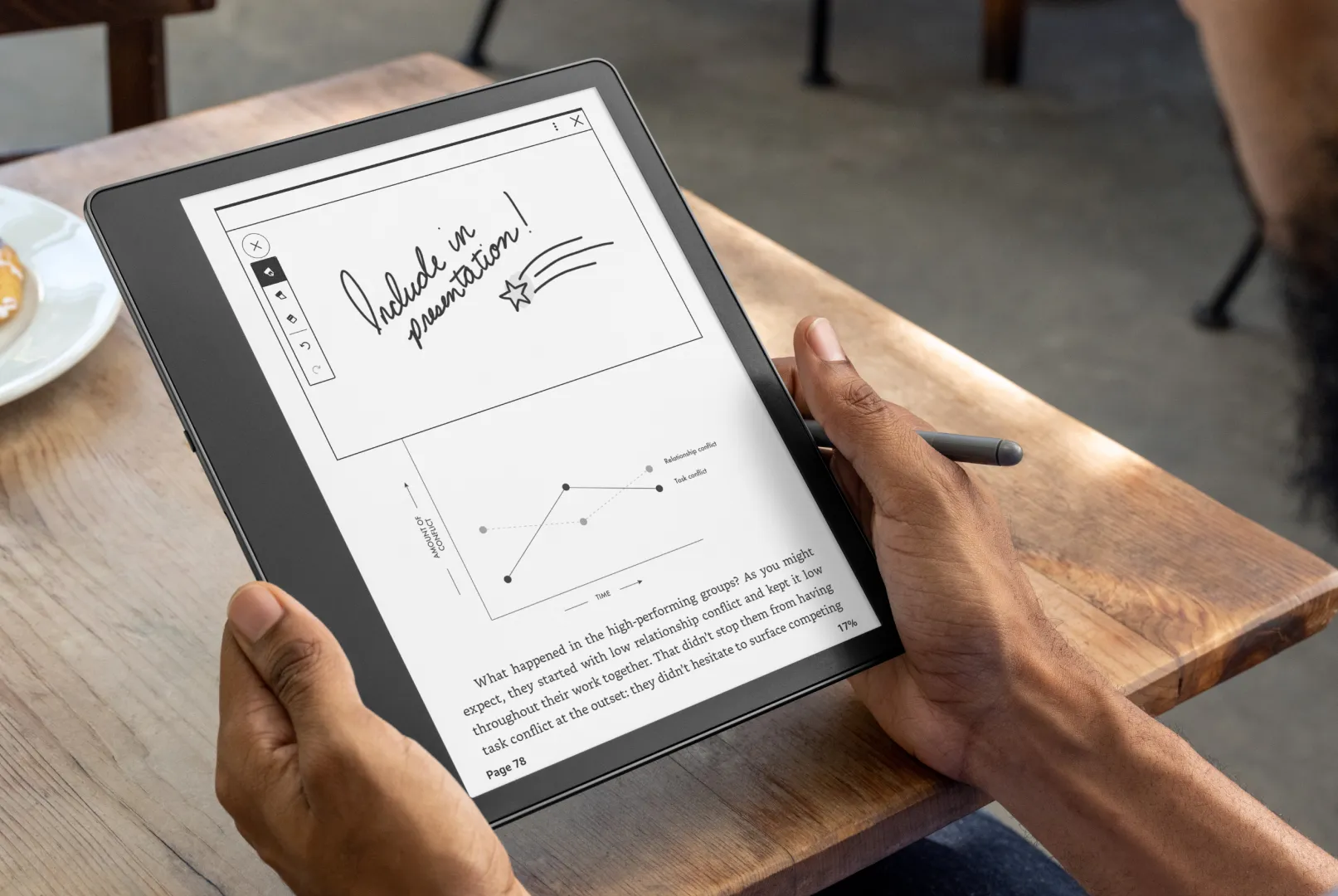
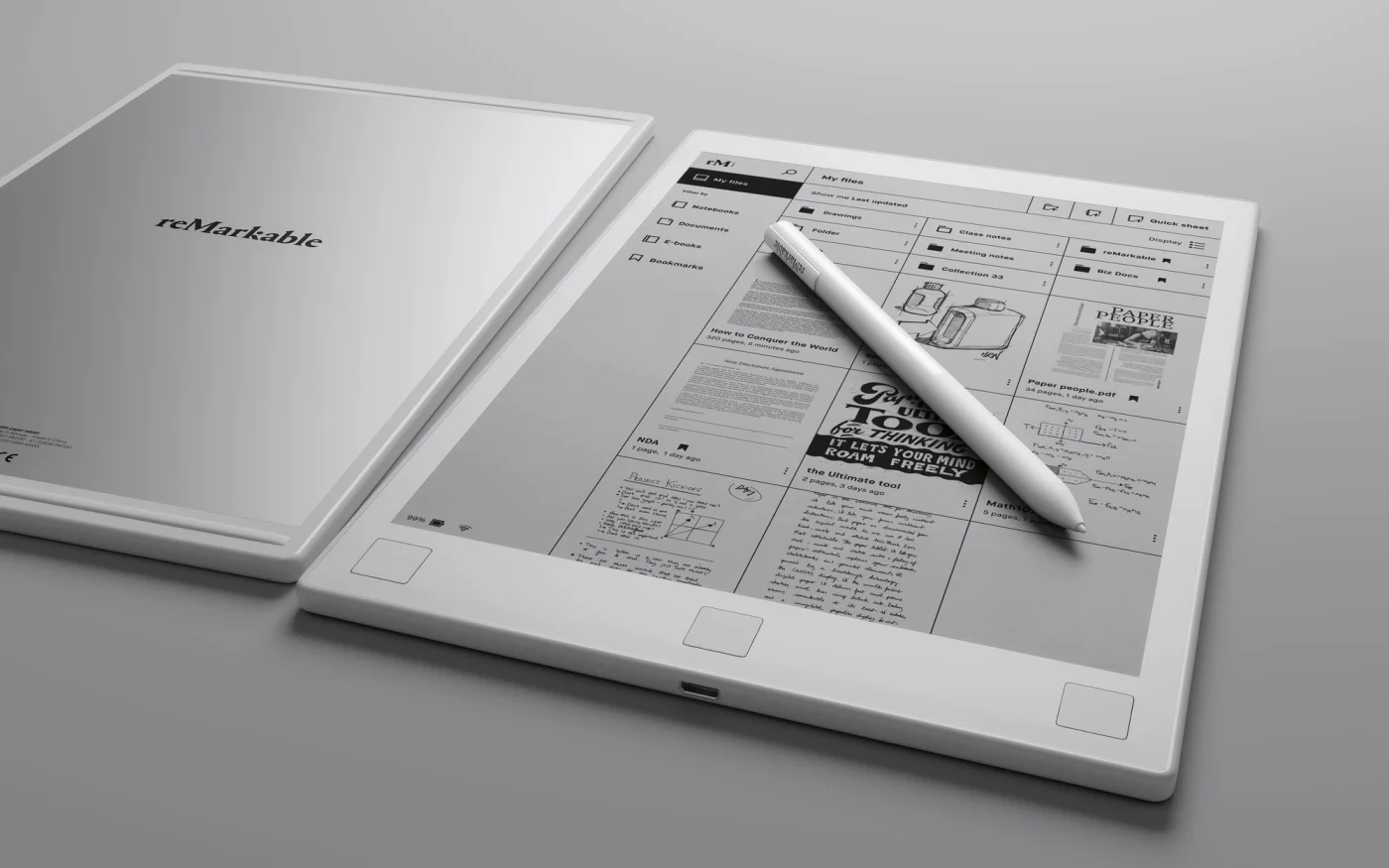
The reMarkable tablet makes a similar argument from a different direction. It is a writing and note-taking device with a paper-like e-ink display, no app store, no social media access, and no notification system. It does not run games or stream video. The device exists entirely to give people a better space to think on paper, digitally, without the competing demands that a conventional tablet would impose.
The reMarkable has developed a dedicated following among writers, researchers, lawyers, students, and knowledge workers who have concluded that the cognitive cost of having their writing tool also be an entertainment and communication device is higher than they want to pay. The minimalistic software experience comes with trade-offs: no built-in store for reading apps, limited PDF tools compared with competitors, and a design philosophy that prioritizes simplicity over broader functionality. The company treats those trade-offs as features, and a substantial number of buyers agree with that framing.
What the reMarkable and its e-ink competitors illustrate is that single-purpose devices can command premium prices precisely because the limitation is the value proposition. A conventional iPad can do everything a reMarkable can do, and several hundred more things besides. The reMarkable costs more and does far less, and it sells at that price because the buyer is not acquiring capability. They are acquiring focus, and focus turns out to be something people will pay for when they have decided they cannot manufacture it within a general-purpose device.
The broader e-ink tablet market follows the same logic at different points on the feature spectrum. Devices like the Boox Note Air series run Android and support third-party apps, placing them at the more capable end of the category, while the reMarkable and Supernote devices sit at the more deliberately constrained end. What unites the category is a fundamental commitment to a display technology that cannot do what an LCD or OLED screen can do, and that physical limitation produces a different and, for many users, a better relationship with the device.
The Apple iPhone Air and the Mainstream Expression of Restraint
Minimalism in tech is not confined to niche products from small companies. The mainstream device market is absorbing the same philosophy, expressed differently.
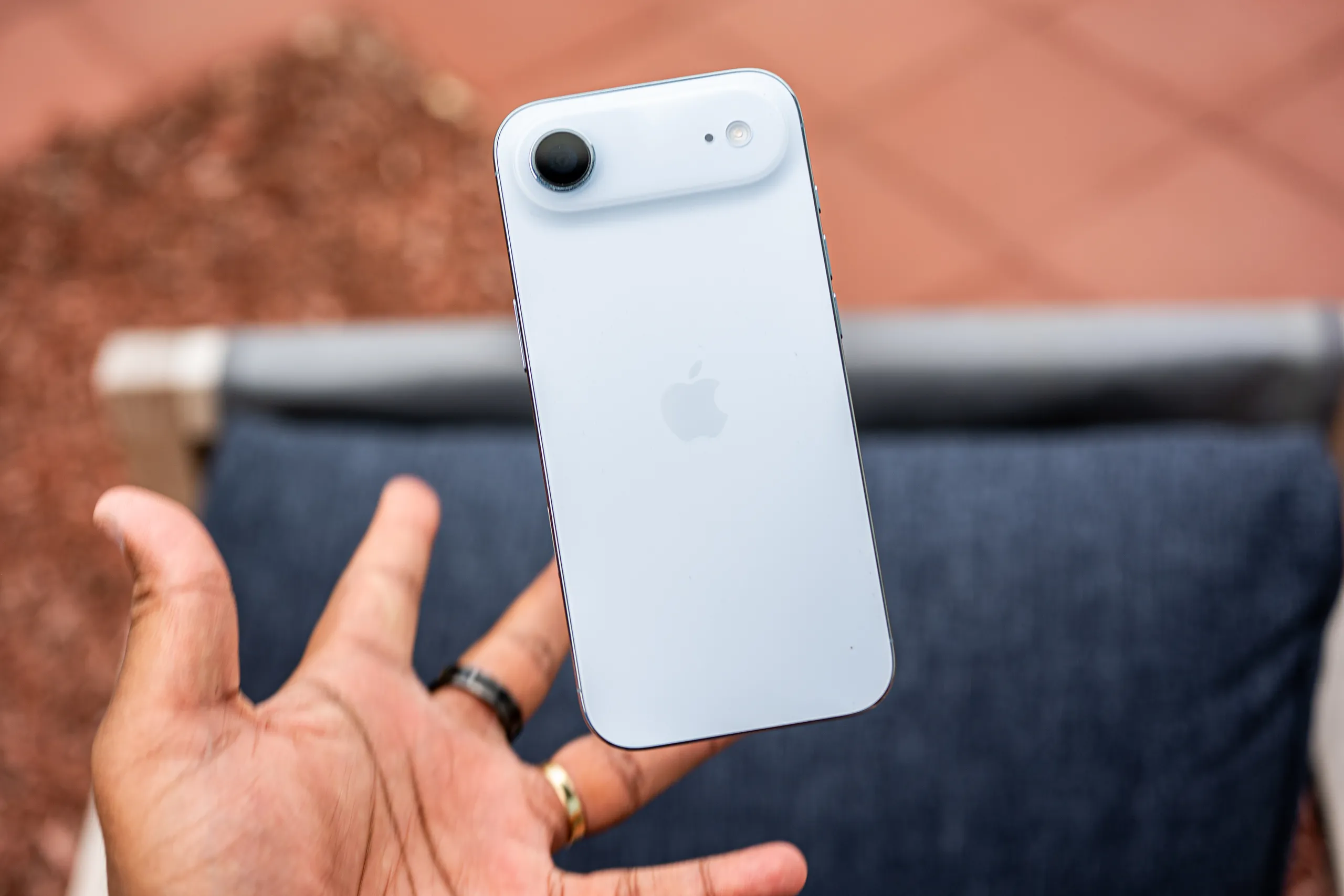
The iPhone Air, Apple's new ultra-thin flagship, makes thinness itself the primary value proposition. It is the thinnest iPhone ever made at 5.5mm, and it achieved that measurement by removing hardware that every other iPhone model includes. There is one rear camera instead of a camera system. Battery capacity is smaller than the Pro models. The device makes explicit trade-offs in pursuit of a single physical characteristic, and Apple is betting that a meaningful segment of buyers values that characteristic enough to accept the trade-offs.
That bet reflects an insight about what minimalism signals in a premium market. Restraint communicates confidence. A product that strips down to its essentials and asks the buyer to trust that those essentials are enough is making a different kind of promise than a product that lists every feature it contains. Apple has built its most iconic products on exactly that kind of promise, and the iPhone Air is a direct expression of it.
The MacBook Neo, released at $599, makes a comparable argument in the laptop category. By pricing aggressively and accepting trade-offs such as no keyboard backlight and a reduced GPU, Apple brought a genuinely capable machine to buyers who had been priced out of its laptop lineup entirely. Simplifying the decision and stripping unnecessary premium markers turned out to be a stronger commercial move than adding more features to a device already considered good enough.
What Restraint Actually Costs
The Engineering Challenge of Doing Less
The instinct, when confronted with the argument for minimalism, is to assume that making simpler products is easier than making complex ones. That assumption is almost always wrong.
Making something genuinely simple requires resolving complexity upstream, in the design and engineering process, rather than passing it downstream to the user in the form of features, settings, and configuration options. The reMarkable's paper-like writing latency is not a simple technical achievement. It required years of display engineering and firmware refinement to reduce the gap between pen movement and ink appearance to the point where the experience stops feeling digital. The simplicity the user experiences is the output of considerable technical investment. It just does not look that way because the work is invisible.
The Light Phone's design philosophy involves the same principle. Every feature that was considered and rejected is a decision that required understanding the user's life in enough detail to know that the feature would create more cost than benefit. That kind of restraint requires more product judgment than adding the feature would have. Adding features is the default. Withholding them deliberately, and being right about the withholding, is the harder skill.
Minimalist utility does not mean "barebones." It means intentional scope. The line between a product that is admirably restrained and one that is frustratingly incomplete is not defined by the number of features. It is defined by whether the features that remain are the right ones, executed with enough quality that the absence of everything else feels like a choice rather than a failure.
Where the Argument Breaks Down
Minimalism in consumer technology is not universally applicable, and it is worth being honest about where the argument has limits.
The practical friction costs of minimalist devices are real and unequally distributed. A professional who can afford a separate dedicated laptop, a tablet, a phone, and an e-ink writing device can optimize each device for a single purpose without significant life disruption. A user who needs one device to do everything cannot make that trade. Single-purpose devices are, in this sense, a luxury that requires either significant discretionary income or a life structured in ways that allow task separation.
The Humane AI Pin demonstrated what happens when the argument for minimalism overreaches. The device removed the screen from a wearable assistant and asked users to interact entirely through voice and a projected display. The concept was coherent, the industrial design was considered, and the actual user experience was frustrating enough that the company effectively failed within months of launch. Removing a screen from a device that fundamentally needs one is not minimalism. It is subtraction for its own sake, which is the failure mode that defines bad minimalist design.
The distinction between intentional restraint and arbitrary limitation is the central design judgment call in this category, and not every company making products in the "less is more" space is making that call correctly. The market is discerning enough, at this point, to tell the difference.
The Cultural Shift Underneath the Products
Why This Is Happening Now
The minimalist tech trend is not emerging in a vacuum. It is emerging at a specific moment in the relationship between consumers and technology companies, defined by a decade of evidence about what always-on connectivity does to attention, productivity, and mental health.
The children who grew up as smartphone users are adults now, and many of them have lived the research findings personally before encountering them academically. Generation Z is often defined as the first generation of "digital natives." However, in 2026, a significant portion of this demographic is pushing back against the very technology that defined their upbringing. That pushback is not nostalgic. It is a pragmatic response to a lived experience of what maximalist, attention-optimized technology actually produces in daily life.
The regulatory environment is shifting in the same direction. Screen time disclosure requirements, app store accountability measures, and age-appropriate design codes are making the design practices of attention-maximizing platforms more visible and more contested. Products that are built from the ground up to respect attention rather than capture it are increasingly positioned as the ethical choice, not just the aesthetic one.
The corporate narrative around AI is also creating a counterreaction. As every device, every service, and every interface rushes to add AI features regardless of whether the user asked for them or benefits from them, the value of a product that has explicitly decided not to follows directly from the excess it contrasts with. Restraint is most legible when maximalism surrounds it.
What the Market Is Actually Rewarding
The commercial evidence for the minimalist trend is real but requires careful interpretation. Minimalist devices remain a small fraction of total consumer electronics sales. The global smartphone market is not threatened by the Light Phone. The iPad's dominance in the tablet category is not challenged by the reMarkable.
What the market is rewarding is not minimalism at scale. It is minimalism at a premium, in specific use cases, for buyers who have concluded that the conventional product in their category has developed a specific failure mode they are unwilling to accept any longer.
That is a different and more durable commercial foundation than a trend. Trends reverse when conditions change. This is structural: it reflects a permanent shift in buyer awareness about what always-connected, feature-dense devices do to attention and behavior. That awareness is not going away, and it creates a permanent addressable market for products built around the opposite design philosophy.
The emerging design philosophy seems to be intentional friction: make the things that encourage distraction harder, while making the things that enable essential function easier. That is a harder product problem than it sounds. Companies that solve it well will have customers who are genuinely loyal, because the product is doing something no generic smartphone or tablet can do regardless of how many features it adds.
The Verdict
The best gadgets of 2026 are not always the ones with the longest specification sheets. Some of the most compelling hardware released this year involves companies that looked at what they could include and decided, deliberately and at some cost, not to include it.
That decision is harder to make than it sounds, harder to market than conventional feature announcements, and harder to execute than adding one more setting to an already complex interface. When it is done well, it produces a different and more satisfying relationship between user and device than the maximalist alternative.
The minimalist trend in consumer technology will not replace the mainstream market. It will persist alongside it, serving buyers who have decided that the most important feature a device can have, in 2026, is knowing when to stop.
Frequently Asked Questions
What is minimalist tech, and why is it growing in 2026?
Minimalist tech refers to consumer devices deliberately designed to do fewer things, with the limitation treated as a feature rather than a compromise. The trend is growing because a significant number of buyers, particularly younger adults, have become aware of the attention and mental health costs of maximalist, notification-heavy devices and are willing to pay a premium for products that respect their focus. Key drivers include documented increases in screen time, growing awareness of addictive platform design, and cultural fatigue with feature bloat.
What are the best examples of minimalist tech products available in 2026?
The most widely cited examples include the Light Phone and Punkt MP02 for minimalist mobile communication, the reMarkable Paper Pro and reMarkable 2 for distraction-free writing and note-taking, and the iPhone Air for mainstream hardware minimalism. The Mudita Pure represents the most extreme end of the intentional limitation spectrum, using an e-ink display as an active deterrent to habitual checking behavior.
Do minimalist gadgets really improve productivity and mental health?
The available evidence is encouraging. Studies have found that adults who reduced screen time reported improvements in sleep quality, calmness, and general mental well-being. Productivity research consistently shows that distraction-free work environments improve both output quality and sustained concentration. The challenge is that minimalist devices often introduce practical friction in areas like two-factor authentication, navigation apps, and contactless payments that users need to plan around. The productivity benefit is genuine but not without transition cost.
Is the minimalist tech trend just for a niche audience?
Currently, yes, but the niche is larger and younger than most analysts expected. The market skews toward knowledge workers, students, writers, and tech-aware professionals who have the income for dedicated single-purpose devices and the structured schedules to manage practical trade-offs. Mainstream expressions of the trend, including Apple's iPhone Air and the $599 MacBook Neo, suggest the philosophy is reaching broader consumer markets in diluted but recognizable form.
What is the difference between minimalist design and just removing features?
Intentional minimalism involves removing features that create more cost to the user than benefit, while retaining the features that deliver the product's core value at the highest possible quality. Arbitrary feature removal produces a frustrating incomplete product. The reMarkable's paper-like writing experience is a useful benchmark: the device removed everything except writing and reading, but the writing experience it delivers is better than any full-featured tablet in its category. The Humane AI Pin removed the screen but delivered a worse experience for the tasks it was designed to handle, which is the opposite of intentional minimalism.
Will minimalist tech ever go mainstream?
The mainstream market will not fully adopt minimalist devices because the economic incentives of platform companies run directly against it. What is happening instead is a permanent bifurcation: a large mainstream market of feature-rich, attention-optimized devices alongside a growing premium niche of intentionally limited products for buyers who want something different. Both markets will coexist because they serve genuinely different buyer relationships with technology.
Related Articles
 Dani
Dani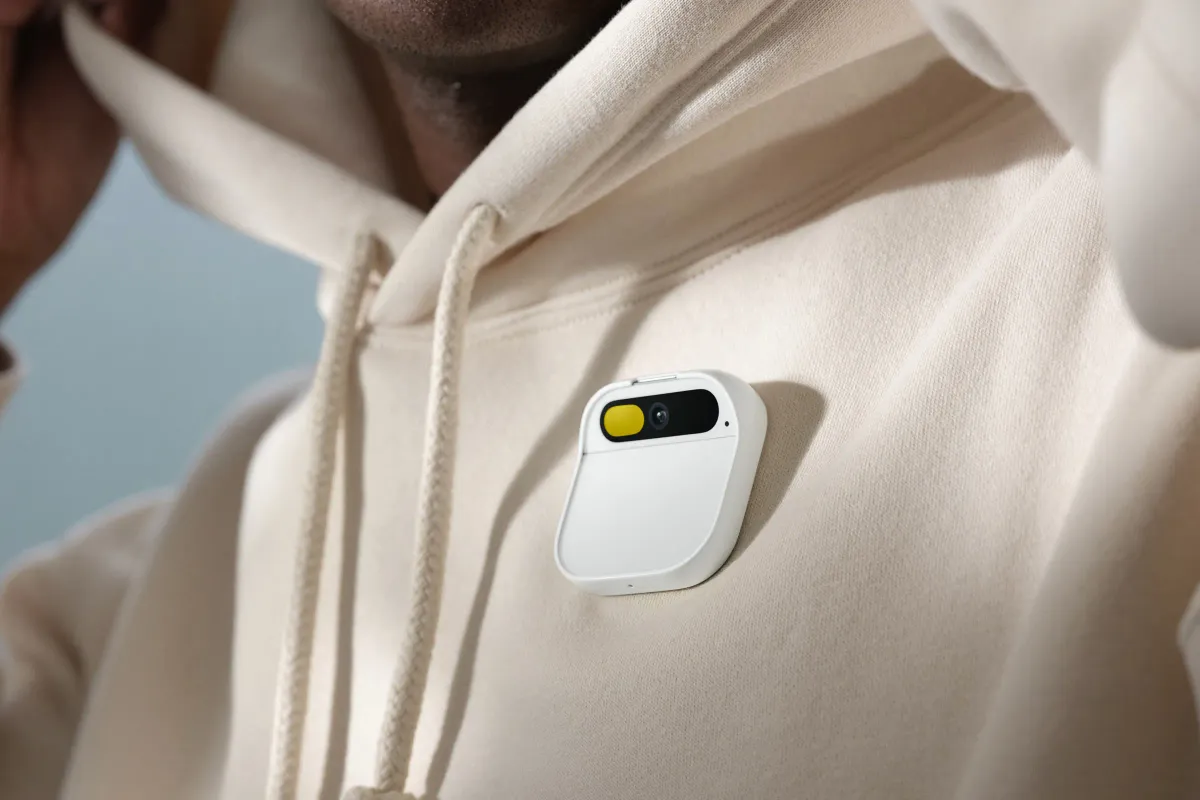
 Dani
Dani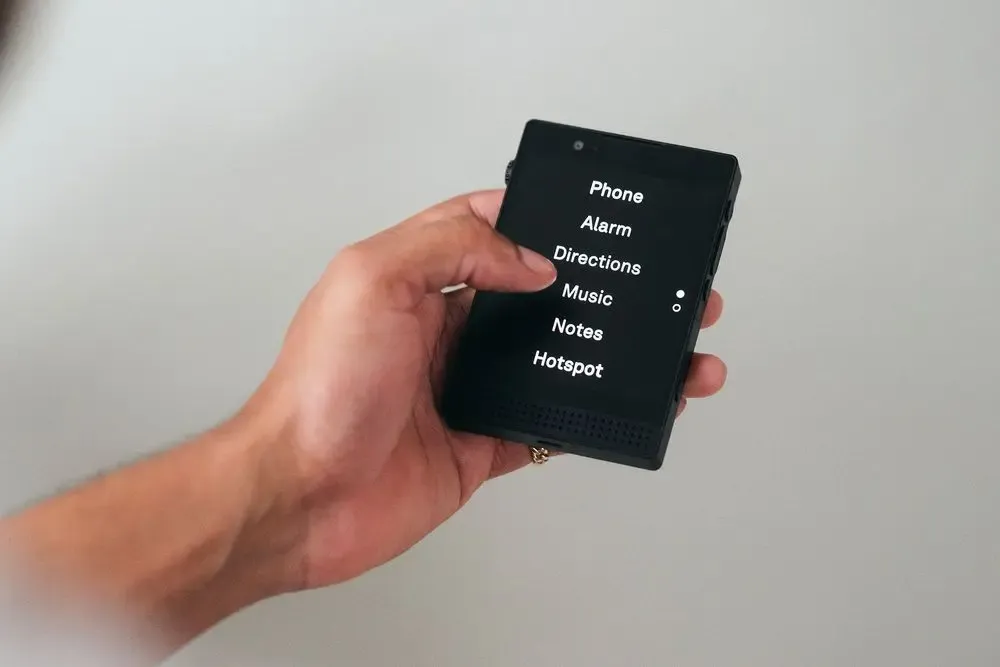
 Dani
Dani