I remember sitting in my living room last year, watching yet another demonstration video of a humanoid robot folding laundry, and thinking: "When can I actually buy one of these?" Like millions of Americans, I've been fascinated by the promise of robotic helpers since childhood. Growing up in the 1980s and 1990s, I absorbed every piece of science fiction that promised us robotic servants — from the Jetsons' Rosie to Star Wars' C-3PO to countless other fictional automatons that seemed destined to enter our daily lives. The dream was always just around the corner, perpetually five to ten years away, a horizon that never seemed to arrive no matter how fast technology advanced.
For decades, that's exactly where it stayed. The Roomba vacuum cleaner, introduced in 2002, felt revolutionary at the time — a robot in our homes! But let's be honest: a disc that bumps around your floor vacuuming carpets, occasionally getting stuck under furniture and making plaintive beeping noises, isn't quite the robotic companion we were promised. Each year brought new demonstrations from Boston Dynamics, Honda, and other robotics leaders — robots doing backflips, walking upstairs, performing parkour moves that would challenge human athletes. Yet none of these marvels ever showed up at Best Buy. They remained firmly in the realm of research laboratories, corporate demonstrations, and viral YouTube videos that accumulated millions of views while remaining stubbornly unavailable for actual purchase.
I distinctly remember the moment when I realized something had fundamentally shifted. It was October 2025, and a company called 1X Technologies announced that their humanoid robot NEO was available for pre-order. Not "in development." Not "coming someday." Available for pre-order, with a price tag, a delivery date, and a website where you could actually enter your credit card information. You can go online right now and purchase a walking, talking humanoid robot that will arrive at your home. The technology has genuinely crossed a threshold from perpetual research curiosity to commercial product that ordinary consumers can own.
Of course, there's a massive catch. Actually, there are several catches, and being honest about them is the primary reason I'm writing this article. The robots available today aren't going to cook your dinner, walk your dog, do your taxes, or perform everything Rosie did on that classic cartoon. Not even close. The gap between what's technically possible in carefully controlled laboratory conditions — with ideal lighting, simple objects, multiple takes, and extensive preparation — and what's reliable enough for everyday consumer use in messy, unpredictable homes remains substantial. Anyone who tells you otherwise is either misinformed or trying to sell you something.
But the technology has genuinely reached an inflection point — one that I believe marks the true beginning of the home robotics era that science fiction promised us decades ago. The pieces are finally coming together: manufacturing costs are plummeting, AI capabilities are expanding rapidly, major companies are committing billions of dollars, and actual products are reaching market. Whether the current generation is worth buying depends entirely on your expectations, budget, and willingness to be an early adopter of technology that will certainly improve dramatically over the coming years.
I've spent the past several months researching this space intensively. I've spoken with early adopters who have actually purchased these machines and gotten their unfiltered opinions. I've tracked every announcement from major players including 1X, Unitree, Figure, Tesla, and a dozen others. I've visited robotics demonstrations, attended trade shows, and spent countless hours reading academic papers, industry reports, and Reddit threads from people who've put their own money down. What I've found is both more exciting and more sobering than the marketing hype would suggest. The truth, as usual, lies somewhere between "revolutionary product that will transform your life" and "expensive tech toy with limited practical value."
This article is my attempt to give you a realistic, no-nonsense breakdown of what humanoid robots you can actually purchase for your home in 2025, what they can and can't do, how much they really cost (including hidden expenses nobody mentions), and whether any of them are worth your hard-earned money. I'm writing this specifically for fellow Americans trying to make sense of this emerging market — because the options, prices, and availability differ significantly depending on where you live, and many of the most aggressive developments are happening in China with limited or delayed U.S. availability. If you've been wondering whether it's time to bring a robot home, this guide will help you make an informed decision rather than an impulsive one driven by impressive demo videos.
The State of Home Humanoid Robots in 2025: Understanding the Market
Let me be upfront about something that might surprise you: the humanoid robot market is simultaneously more advanced and more primitive than you'd expect from watching demonstration videos. On one hand, we've seen incredible feats — robots doing backflips, folding clothes with apparent ease, pouring tea without spilling, playing chess against humans, and navigating complex environments with remarkable agility. These demonstrations are genuinely impressive and represent real technological achievements. On the other hand, almost all of these remain laboratory demonstrations or carefully controlled showcases with extensive preparation, favorable conditions, and often multiple takes to achieve the polished final video you see shared across social media.
The numbers tell an interesting story about where this market is heading and why smart money is pouring into the space. According to research from Morgan Stanley published in April 2025, the humanoid robot market could reach $5 trillion by 2050 — yes, trillion with a T. To put that in perspective, that would make the humanoid robot market twice the size of today's global automobile industry. The same analysis projects nearly 1 billion humanoid robots deployed globally by mid-century, with approximately 90% used for industrial and commercial purposes (factories, warehouses, logistics) and only about 80 million in homes. China is projected to lead adoption at around 300 million units by 2050, with the United States following at approximately 78 million units — up from earlier projections of 63 million, suggesting analysts keep revising estimates upward as progress accelerates.
Goldman Sachs has been even more aggressive in their projections for near-term market impact. The firm estimates that humanoid robots could fill 4% of U.S. manufacturing labor gaps by 2030 and 10% by 2035. Perhaps more importantly for our purposes, Goldman Sachs reported that manufacturing costs for humanoid robots declined 40% year-over-year in 2025 — significantly faster than the 15-20% annual decline their analysts originally projected. This accelerating cost reduction is absolutely crucial for consumer adoption. If costs continue falling at current rates, robots that cost $90,000 today could cost under $20,000 within just a few years.
Market size projections vary depending on the research firm, but the direction is consistently upward:
- BCC Research: $1.9 billion (2025) → $11 billion (2030), 42%+ CAGR
- Markets and Markets: $2.92 billion (2025) → $15.26 billion (2030), 39.2% CAGR
- IDTechEx: ~$30 billion by 2035
- ABI Research: $6.5 billion by 2030, 138% CAGR
Even the most conservative estimates show double-digit annual growth rates extending through the end of the decade.
But here's the statistic that matters most for anyone reading this article hoping to buy a robot for their home: the overwhelming majority of today's humanoid robot market consists of industrial and commercial applications, not residential use. When Figure AI deploys robots at BMW factories, when Agility Robotics puts Digit units in Amazon warehouses, when Unitree tests H1 robots at Nio automotive plants — that's where the current revenue is actually coming from. The products available for individual consumers today represent a tiny sliver of overall production, perhaps tens of thousands of units globally compared to millions of industrial robots already deployed in professional settings.
What does this mean for consumers like you and me? We're at the very beginning of a massive market transformation, watching the earliest commercial products of what will eventually become a trillion-dollar industry. The products available today are roughly equivalent to those early mobile phones from the 1980s — the ones that cost thousands of dollars, weighed several pounds, and could barely maintain a call for an hour. They were expensive, limited in capability, required significant technical knowledge to operate effectively, and most people looked at early adopters as slightly crazy. Yet those primitive devices marked the start of something that would eventually become ubiquitous, transform society, and put computing power in billions of pockets worldwide.
If you're hoping to buy a robot today that will autonomously handle all your household chores while you relax on the couch watching Netflix, you're going to be disappointed by what's currently available. That robot doesn't exist yet, despite what some marketing materials might imply. If you're an early adopter willing to be part of the experimental phase of a potentially transformative technology — someone who enjoys being on the cutting edge and doesn't mind helping companies work out the bugs — there are real options worth considering. Some of them are genuinely compelling despite their limitations, and the learning experience of living with early humanoid technology has its own value for curious technologists.
What You Can Actually Buy Right Now: Detailed Product Analysis
1X NEO — The First True Consumer Humanoid Robot
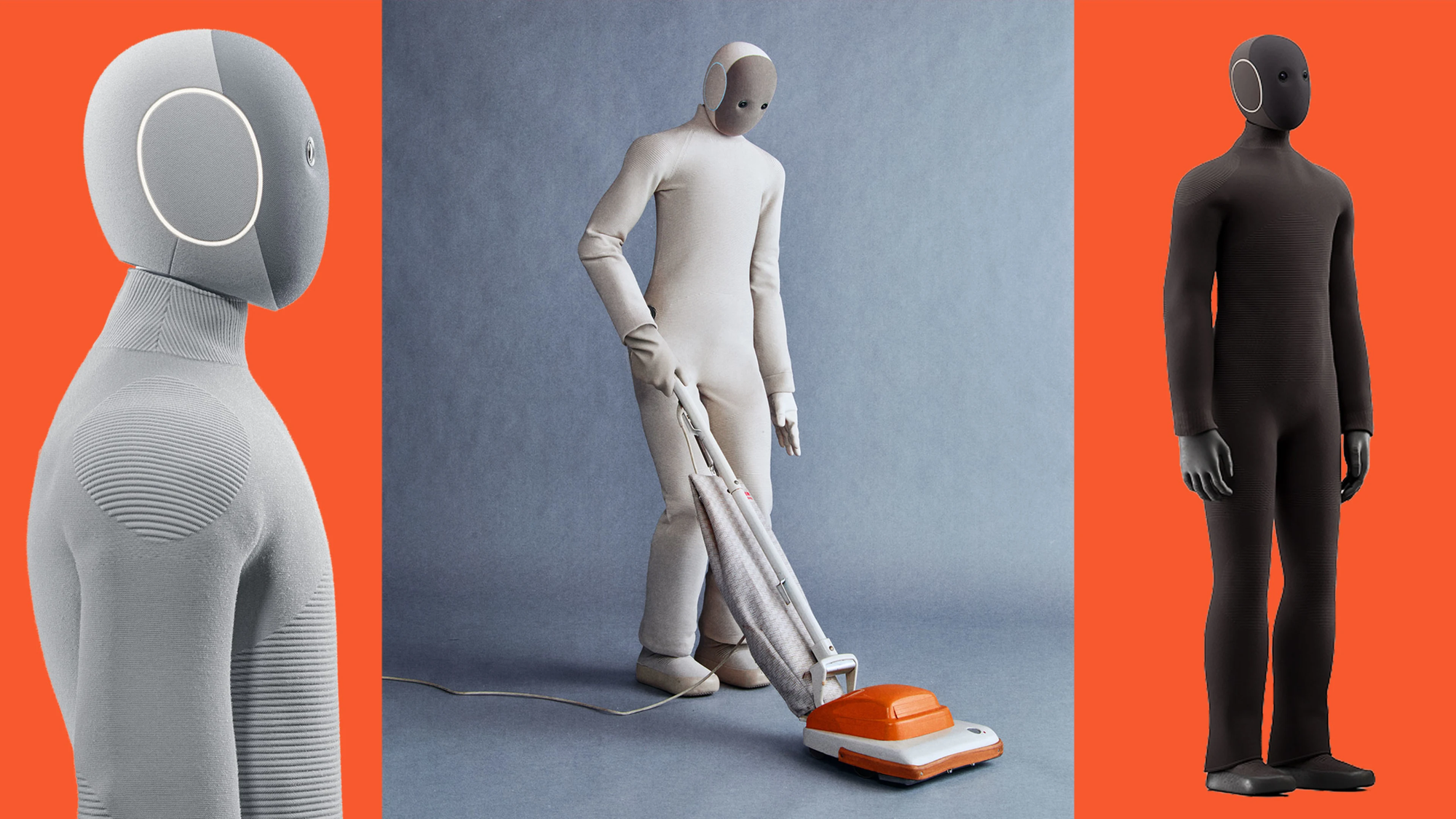
Price: $20,000 purchase or $499/month subscription
Availability: Pre-order now with $200 refundable deposit, U.S. delivery beginning 2026
The 1X NEO is, in my assessment after months of research, the most significant development in consumer humanoid robotics to date. It's not necessarily the most technically impressive robot available — there are research platforms with more degrees of freedom, faster movement, or more sophisticated manipulation capabilities. But NEO is the first humanoid robot specifically designed from the ground up for home use, with an actual purchase mechanism, a clear price, a delivery timeline, and a company genuinely committed to the consumer market rather than treating home users as an afterthought to industrial applications.
Norwegian-American company 1X Technologies (formerly Halodi Robotics before rebranding) announced pre-orders in October 2025, positioning NEO as "the world's first consumer-ready humanoid robot designed to transform life at home." That's a bold marketing claim, and I've been following their progress closely since the company first unveiled the NEO Beta prototype back in August 2024. The evolution from Beta through Gamma to the final production NEO shows genuine iteration and improvement, not just incremental updates for marketing purposes.
The company's backstory provides important context for understanding their approach. Founded in 2014 by Norwegian roboticist Bernt Børnich, 1X spent years developing industrial robots before pivoting to consumer applications. Their wheeled humanoid EVE found deployment in security and logistics applications, generating real revenue and operational learning. The company has raised over $125 million from an impressive roster of investors including OpenAI's startup fund, Tiger Global Management, and Samsung NEXT. That backing provides both financial runway and validation from some of the smartest investors in AI and robotics.
Børnich's reasoning for the consumer pivot is fascinating and speaks to a sophisticated understanding of AI development. He argues that homes represent "the market with the biggest gap in training data." Industrial environments are relatively predictable — the same objects, the same layouts, the same tasks repeated thousands of times. But homes are infinitely variable: different furniture arrangements, unpredictable humans with varying preferences, pets that move unexpectedly, children who scatter toys randomly, and countless objects that robots have never encountered before. By deploying robots in homes and collecting data from those chaotic, unpredictable interactions, 1X can train AI systems that will eventually make robots capable in any environment. The consumer product, in this framing, isn't just a revenue source — it's a data collection platform that will make future robots dramatically more capable.
Technical Specifications
| Specification | Value |
|---|---|
| Height | 5'6" (168 cm) |
| Weight | 66 lbs (29.94 kg) |
| Lifting capacity | 150+ lbs (68 kg) |
| Carrying capacity | 55 lbs (24.95 kg) |
| Degrees of freedom | 75 body, 22 per hand |
| Noise level | 22 dB (quieter than a refrigerator) |
| Battery life | 2-4 hours |
| Connectivity | WiFi, Bluetooth, 5G |
The robot features proprietary "Tendon Drive" actuators — tendon-driven transmissions powered by what the company describes as the highest-torque-density motors on Earth, mimicking human musculoskeletal movement patterns. This biomimetic approach creates smoother, more natural movements than traditional gear-driven industrial robots and provides an inherent safety advantage: the joints can yield under unexpected pressure rather than exerting full mechanical force. If NEO bumps into you accidentally, it gives rather than pushing through.
Safety is clearly a design priority throughout NEO's construction. The robot is wrapped head-to-toe in soft materials — custom 3D lattice polymer structures covered by a washable nylon "suit" and shoes. This isn't just aesthetic or marketing; it's a fundamental engineering choice that makes the robot safer to live with. Hard metal and plastic surfaces create injury risks in collisions; soft, yielding materials reduce those risks substantially. The robot's head features "Emotive Ear Rings" — LED indicators that communicate state and status including battery level, attention focus, and processing state — so you always know what NEO is doing without having to ask.
What NEO Can Actually Do at Launch
According to 1X's official documentation and demonstrations, NEO arrives with "basic autonomy" that expands over time through software updates. The company has been relatively transparent that initial capabilities will be limited compared to the ultimate vision. Day-one functions include:
- Opening doors for guests and letting them in
- Fetching items around the house when you ask for them
- Turning lights on and off throughout your home
- Following voice commands through a conversational AI interface powered by a built-in large language model
- Recognizing family members and personalizing interactions based on learned preferences
- Answering questions, looking up information, setting reminders, and providing conversational companionship
- Visual recognition of objects such as identifying ingredients on your counter to suggest recipes
- Memory retention across conversations so it remembers what you've discussed previously
- Remote piloting through a mobile app or VR headset for when you want direct control
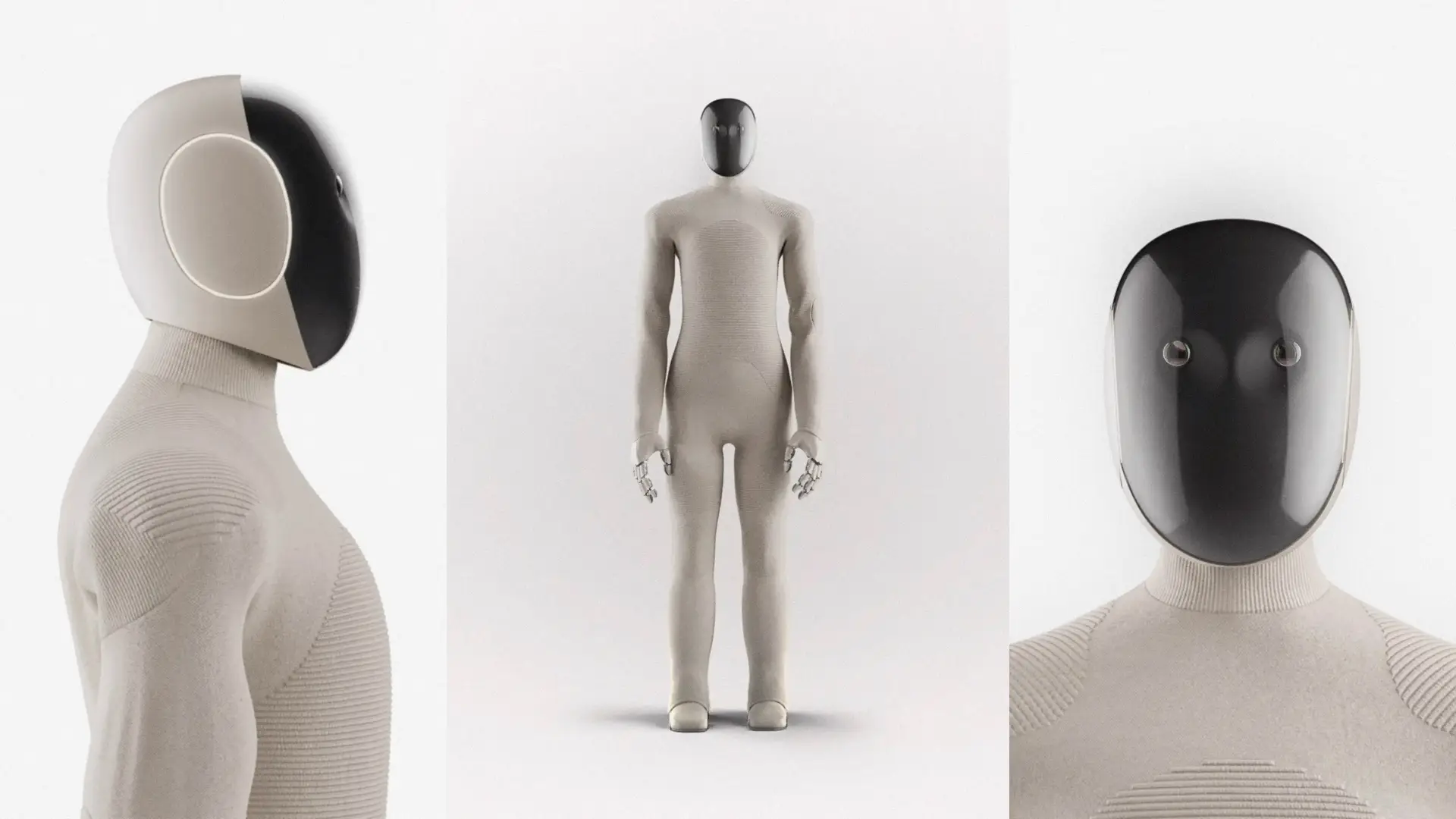
The company describes a "Chores" feature that lets owners create task lists and schedule completion times. Promised early capabilities include folding laundry, organizing shelves, and tidying spaces — though I want to emphasize that these depend significantly on the teleoperation model and ongoing training.
The Catch — And It's Significant
Here's what the marketing materials don't emphasize, and what I consider the most important information for any potential buyer to understand clearly: NEO still needs substantial human assistance for many tasks, and some of that assistance comes from 1X employees rather than you personally.
The Wall Street Journal's Joanna Stern tested NEO extensively and reported that none of the tasks the robot performed during her testing were fully autonomous. The robot sometimes falls over unexpectedly. It needs explicit training for tasks it hasn't encountered before. And for complex chores like cleaning bathrooms, vacuuming, or handling novel situations, you need to schedule sessions where a 1X employee wearing a VR headset remotely accesses the robot's cameras and controls to guide it through the task.
This "1X Expert" or teleoperation model deserves careful consideration before you buy. Here's how it works in practice: When you want NEO to perform a task it doesn't yet know how to do autonomously, you open the app and schedule a session. A 1X employee, working from a remote location with a VR headset, connects to your robot and takes control while you watch. They perform the task while NEO "observes" and learns from the demonstration. This generates training data that helps NEO, and importantly all other NEOs in the fleet, learn to perform that task more autonomously in the future.
On one hand, this is an ingenious solution to a genuine technical problem. Current AI simply isn't capable of handling the infinite variety of situations a home robot encounters. Humans can bridge that capability gap while simultaneously generating the training data needed for future autonomy.
On the other hand, this model has significant privacy implications. A company employee is literally seeing inside your home through the robot's cameras. They're observing your furniture, your possessions, your family members, and your living patterns. 1X says they implement several privacy protections: teleoperators can't access the robot without explicit owner approval for each session; people in the camera feed can be automatically blurred; owners can designate "no-go zones" that the robot and teleoperator cannot enter. But whether these protections are adequate depends entirely on your personal comfort level.
My Assessment
NEO represents a genuine milestone — the first mass-market humanoid designed specifically for home use with clear purchasing mechanisms, realistic (if expensive) pricing, and a company committed to the consumer market.
I would recommend NEO for:
- Tech enthusiasts who want to be part of robotics history and help shape the technology's development
- Households with specific accessibility needs that could genuinely benefit from a physical helper even with current limitations
- People who understand and accept the teleoperator model with its privacy trade-offs
- Those buying with eyes open about first-generation product limitations
I would NOT recommend NEO for:
- Anyone expecting fully autonomous household help right away
- Privacy-focused individuals uncomfortable with any remote observation of their home
- Households with young children or unpredictable pets during the initial deployment phase
- People seeking clear return on investment from household labor savings
Unitree Robotics — The Budget-Friendly Disruptors from China
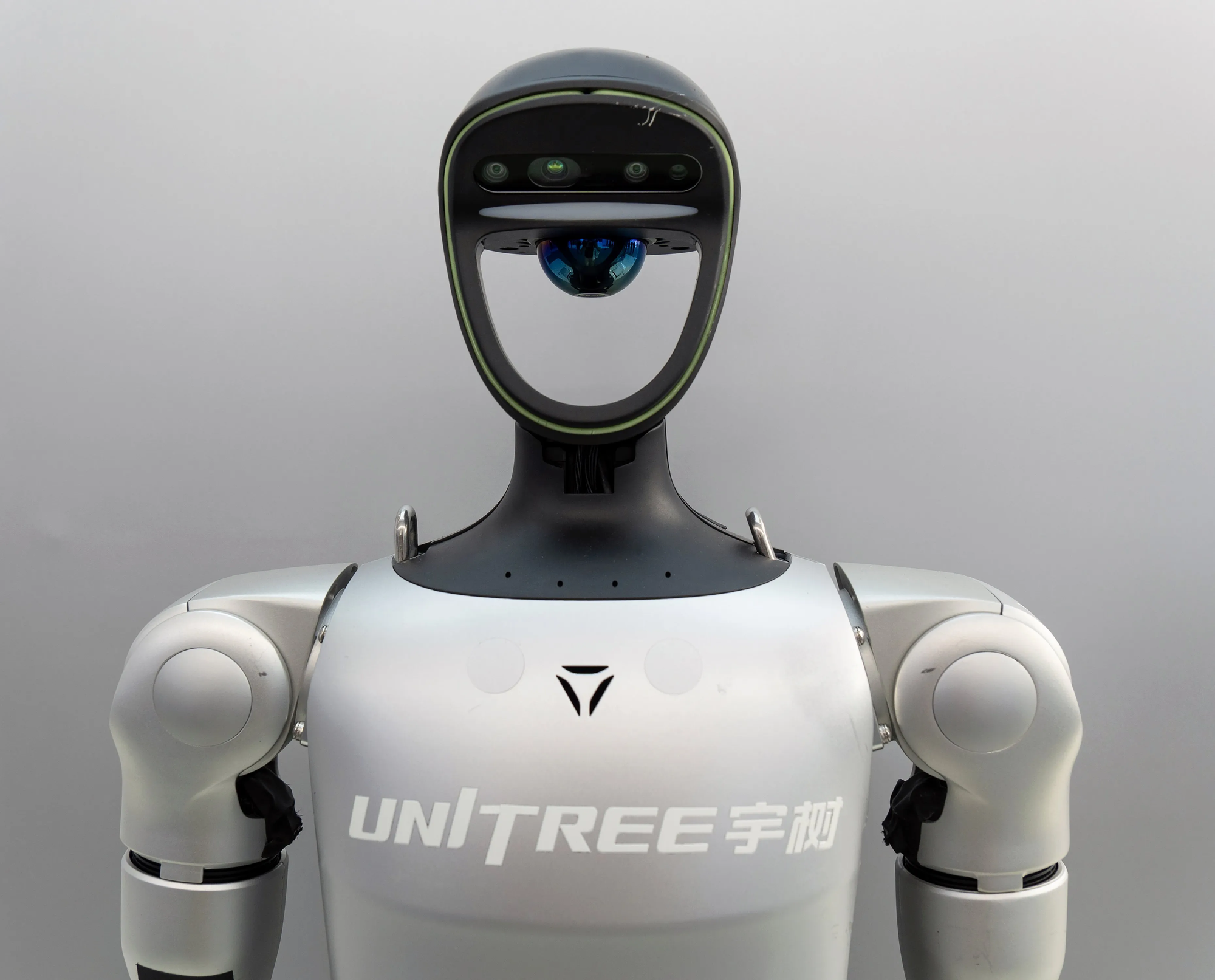
If 1X NEO represents the premium end of the consumer humanoid market with its $20,000 price tag and focus on home integration, Chinese company Unitree Robotics has taken the opposite approach: make humanoid robots cheap enough that individual developers, researchers, university students, and curious enthusiasts can actually afford to own one. Based in Hangzhou, Unitree has done something remarkable that seemed impossible just a few years ago — they've driven humanoid robot prices below $5,000.
Unitree first gained widespread attention through their quadruped (four-legged) robots like the Go1 and B2 series. These dog-like robots are often compared to Boston Dynamics' famous Spot robot but cost a fraction of the price — around $2,700 for a basic Go2 versus upwards of $75,000 for Spot. The company demonstrated that advanced robotics didn't have to be prohibitively expensive, and they've applied the same aggressive cost-reduction philosophy to humanoid robots.
Unitree R1 — The $4,900 Game-Changer
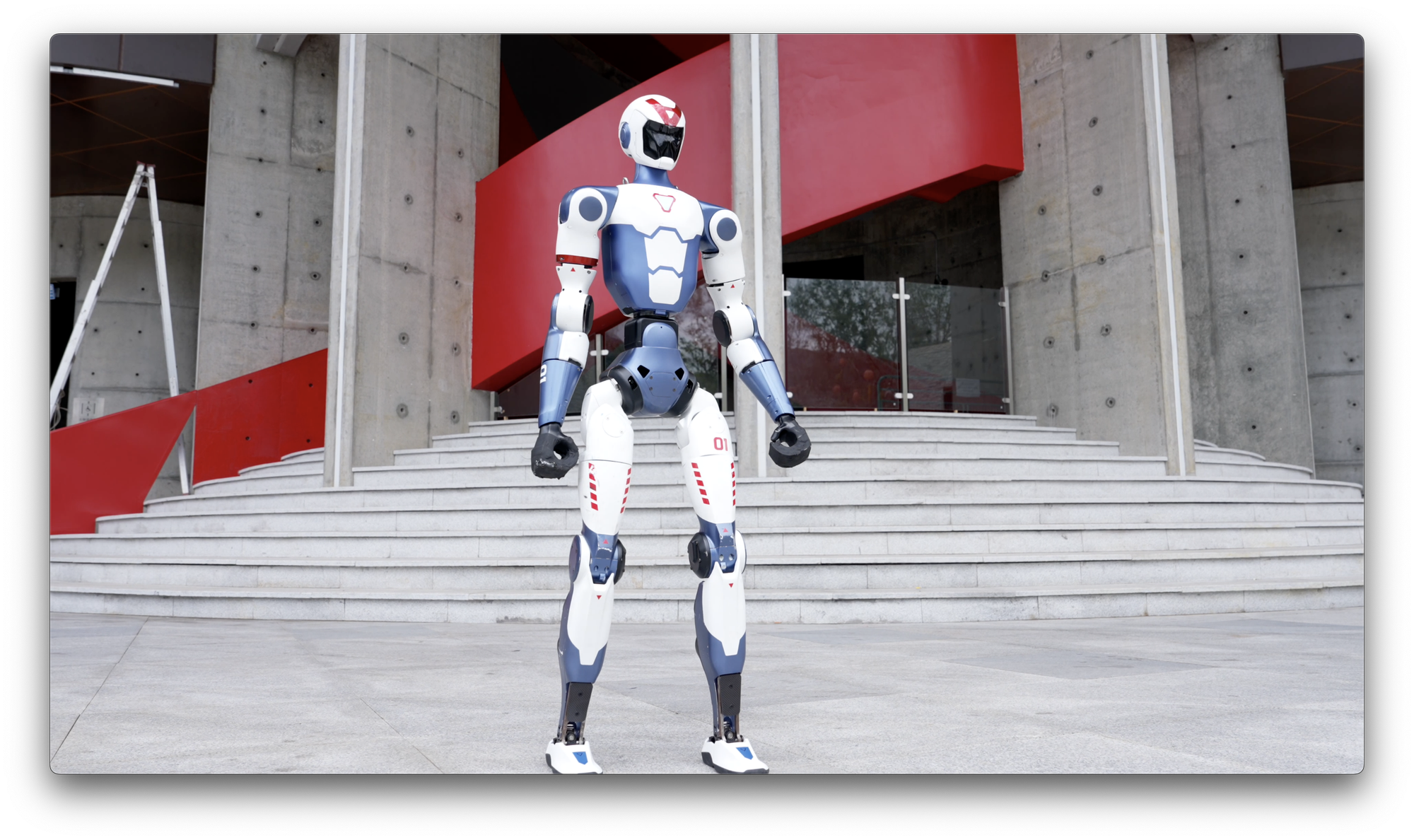
In July 2025, Unitree shocked the robotics industry by announcing the R1 humanoid robot at just $5,900 — a price point since reduced to $4,900 on their official website. To put this in perspective: you can now own a walking, balancing humanoid robot with voice recognition for less than many professional cameras, high-end laptops, or even some robot vacuum systems with all the accessories.
| Specification | Value |
|---|---|
| Height | 4' (122 cm) |
| Weight | 55 lbs (25 kg) |
| Degrees of freedom | 26 |
| Processor | 8-core CPU with GPU |
| Cameras | Binocular system |
| Audio | 4-microphone array |
| Battery life | ~1 hour |
| Connectivity | WiFi 6, Bluetooth 5.2 |
Unitree's promotional videos show the R1 performing genuinely impressive athletic feats: cartwheels, handstands, running downhill on uneven terrain, shadowboxing movements, and kickboxing-style strikes. These demonstrations showcase advanced proprioception (knowing where its body parts are in space) and dynamic balance that represent genuine technical achievements.
The Critical Limitation for Home Use: The R1 doesn't have functional hands in its base configuration. Without dexterous manipulators capable of grasping and manipulating objects, the R1 can't perform the household tasks that would make a home robot useful. You can't ask it to fold laundry, load the dishwasher, pick up your kids' scattered toys, or pour you a drink. It can walk around your house impressively, follow voice commands, and perform acrobatic demonstrations, but it can't actually help with chores.
Who Should Consider the R1: The R1 is ideal for robotics researchers and university labs wanting an affordable humanoid platform for algorithm development; students and educators exploring robotics concepts with real hardware; AI developers testing embodied intelligence approaches; and tech enthusiasts who want firsthand experience with humanoid technology. If you're a developer interested in robotics or AI and want to work with real humanoid hardware, the R1 offers extraordinary value. If you want a robot to help around the house, the R1 isn't what you need.
Unitree G1 — The Capable Research Platform ($13,500-$16,000)
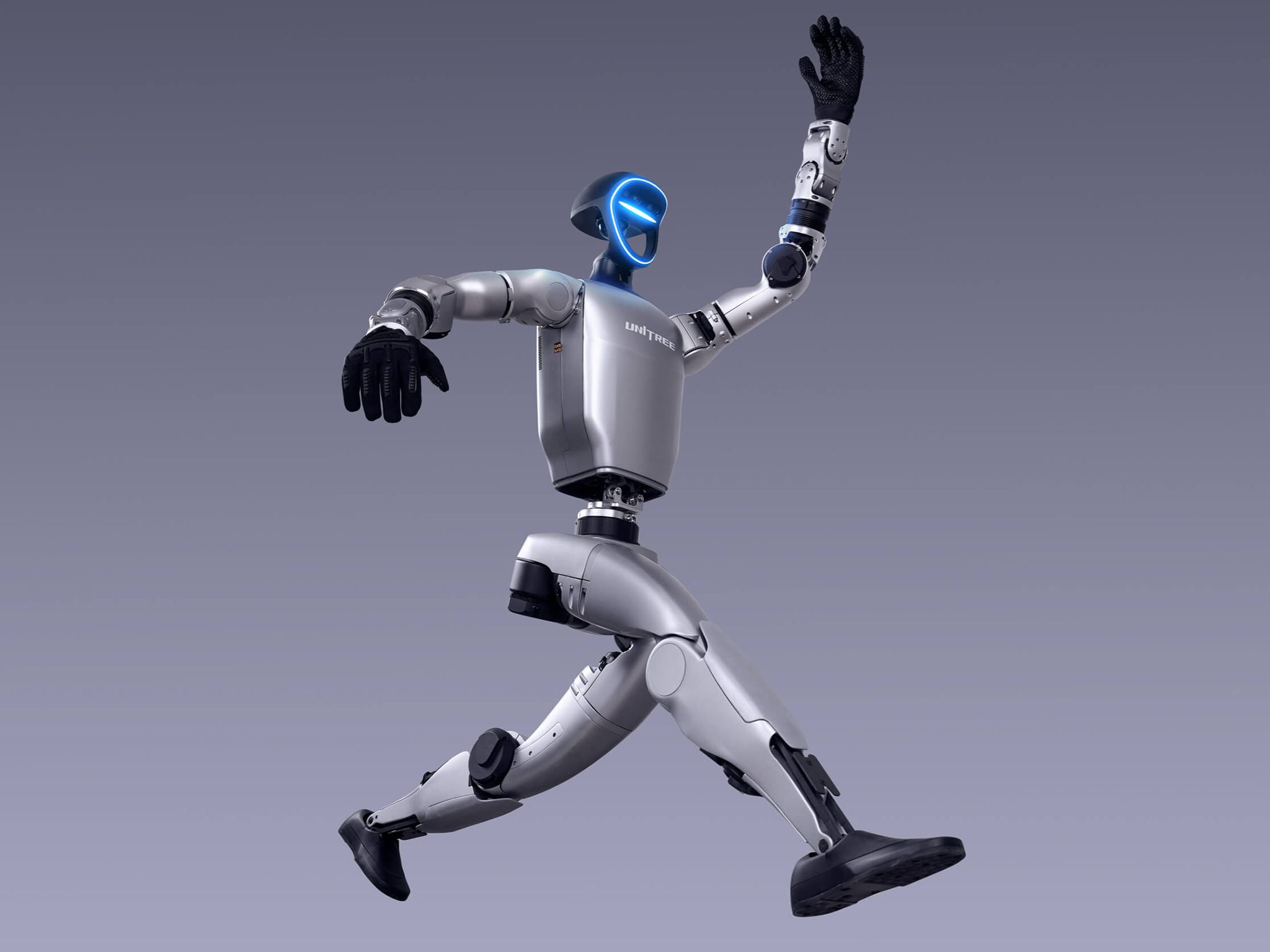
Moving up Unitree's lineup, the G1 represents a more capable humanoid platform. Standing 4'3" (127 cm) tall and weighing about 77 lbs (35 kg), the G1 features 23-43 degrees of freedom depending on configuration and can be equipped with three-fingered dexterous hands capable of force-controlled manipulation.
The G1 has demonstrated abilities to open soda bottles, perform basic welding tasks, handle delicate objects without crushing them, and execute manipulation sequences that require coordination and precision. It walks at about 4.5 mph (faster than most people's walking pace), runs for approximately 2 hours on hot-swappable batteries, and includes Intel RealSense D435 depth sensing plus LIVOX-MID360 LIDAR for environmental perception.
Version differences matter significantly:
- Base G1 (~$13,500): Demonstrations and basic operation, no custom programming
- G1 EDU (~$16,000+): NVIDIA Jetson Orin module, secondary development capabilities
- G1 EDU Plus: Force-controlled dexterous hands
- G1 Ultimate: Hands with integrated multi-touch tactile sensors
Unitree's website includes a remarkably honest warning: "Currently, the global humanoid robot industry is in the early stages of exploration. Individual users are strongly advised to thoroughly understand the limitations of humanoid robots before making a purchase."
For home applications specifically, the G1's child-sized stature creates practical limitations. At 4'3" tall, it can't reach standard kitchen counters, shelves designed for adult humans, or work effectively in environments optimized for adult human bodies.
Unitree H1 — The Full-Size Industrial Flagship ($90,000)
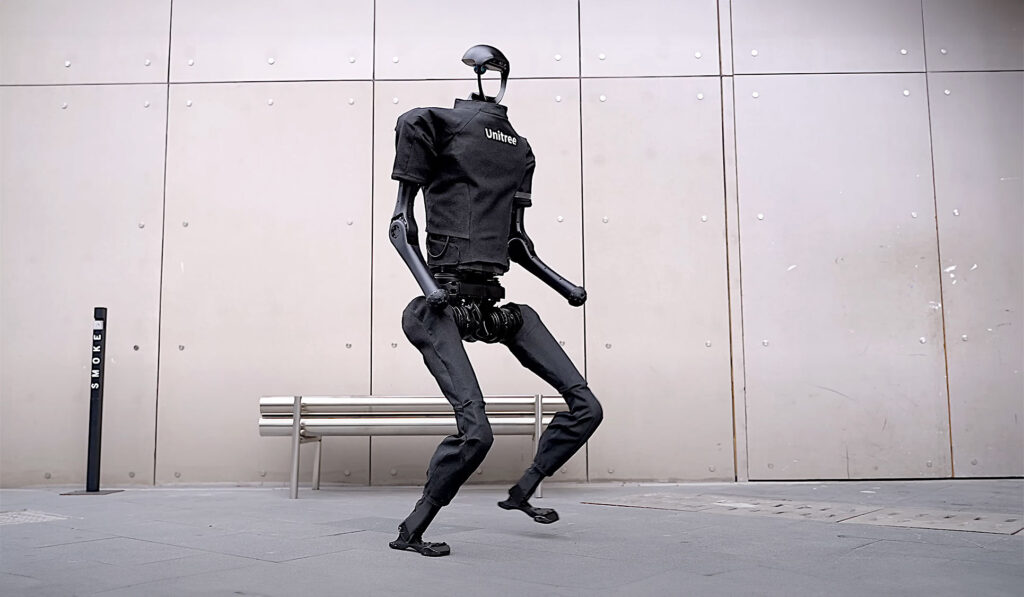
Unitree's flagship H1 represents the company's full technical capabilities. Standing 5'9" (180 cm) tall — roughly average adult human height — the H1 is designed primarily for industrial and research applications. At $90,000, it's priced well beyond consumer territory.
The H1 has demonstrated advanced capabilities including running at speeds that would challenge human joggers, performing backflips, recovering from significant disturbances, and handling manufacturing tasks in pilot deployments at Chinese automotive plants including Nio and Geely.
Figure 03 — The Home-Focused Premium Option (Expected 2026)

Figure AI has emerged as one of the most well-funded and technically impressive humanoid robot companies, raising over $1 billion from an unprecedented coalition of technology giants including Microsoft, OpenAI, Amazon, NVIDIA, Intel Capital, and Jeff Bezos personally.
Founded in 2022 by serial entrepreneur Brett Adcock (who previously founded aviation company Archer), Figure took a notable strategic shift with their third-generation robot. While earlier Figure models focused on industrial applications — Figure 02 is currently testing at BMW's Spartanburg, South Carolina factory — Figure 03 is explicitly designed for home environments.
| Specification | Value |
|---|---|
| Height | 5'6" (168 cm) |
| Weight | 132 lbs (60 kg) |
| Battery | 2.3 kWh |
| Runtime | ~5 hours |
| Charging | Wireless (foot coils) |
| Tactile sensitivity | 3 grams |
| AI System | Helix (with OpenAI partnership) |
Technical specifications emphasize precision manipulation. Tactile fingertip sensors can detect forces as small as 3 grams — roughly the weight of a few grains of rice — enabling extremely delicate object handling. The vision system delivers twice the frame rate of previous models with 60% wider field of view per camera.
TIME Magazine named Figure 03 among 2025's Best Inventions after demonstrations showed it folding clothes, loading a dishwasher, operating a washing machine, clearing dishes, carrying boxes, and even tossing a ball for a dog to chase. One particularly impressive demonstration showed memory and object permanence — the robot watched as keys were placed under a cup, successfully identified the correct cup after shuffling.
Manufacturing plans reveal serious intent to scale. Figure has built a dedicated facility called BotQ capable of producing 12,000 humanoid robots annually, with stated plans to reach 100,000 units over four years. The company claims a remarkable 90% reduction in component costs compared to Figure 02.
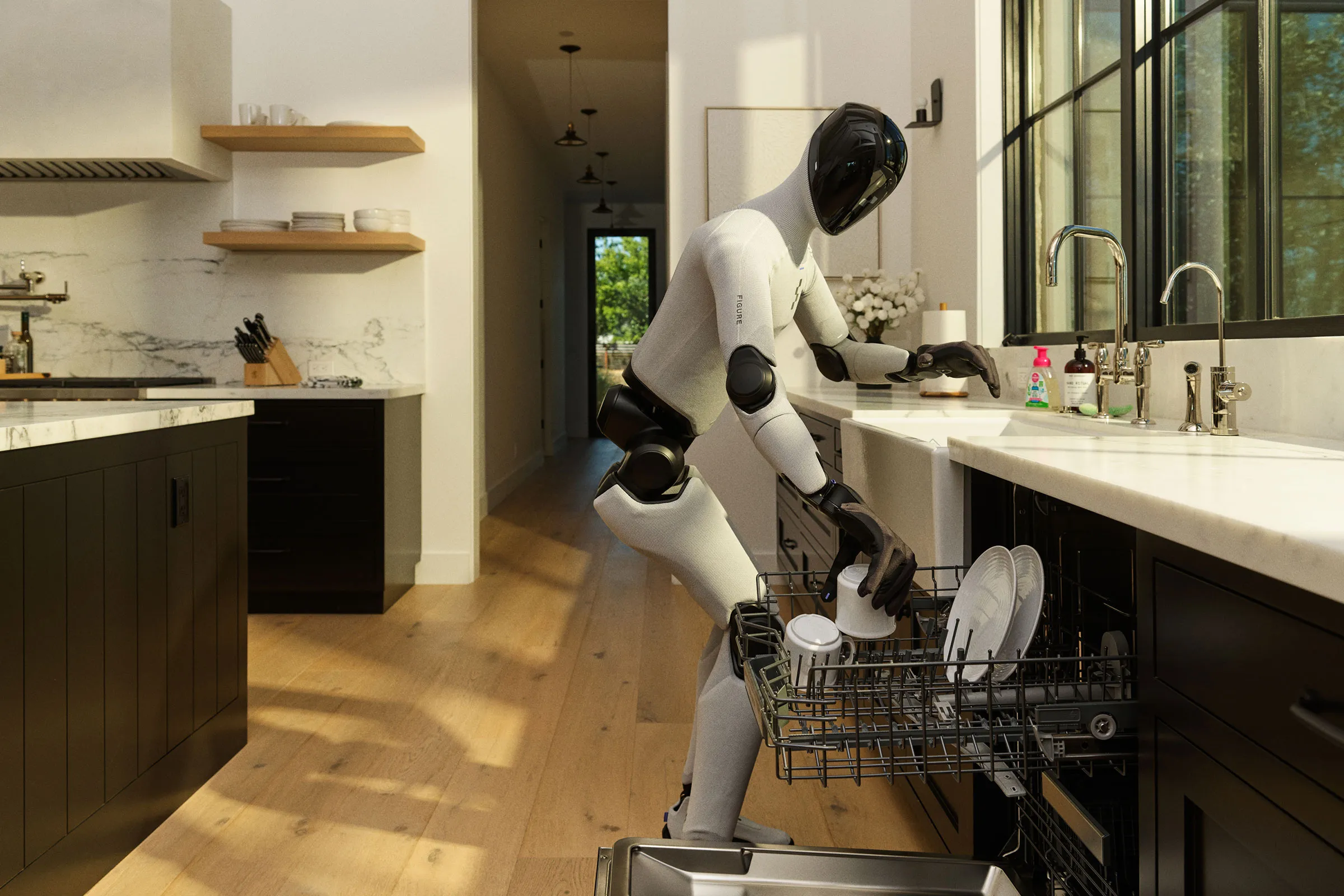
Current Status: Figure has not announced consumer pre-orders or final pricing for Figure 03. CEO Brett Adcock has stated publicly that Figure aims to have robots in select homes by 2026, with a target consumer price below $20,000. However, Adcock has been clear about his criteria: the robot needs to be able to "do most things in your home, autonomously, all day" before Figure will release it broadly to consumers.
Reality Check: Despite genuinely impressive demonstrations, TIME's coverage noted an important caveat: the robot "can load the machine, but a human needs to start the wash and help if it drops something." Full autonomy for household tasks remains elusive.
Tesla Optimus — The Wild Card That Could Change Everything
Expected Price: $20,000-$30,000
Expected Availability: Consumer availability uncertain, likely 2027 or later
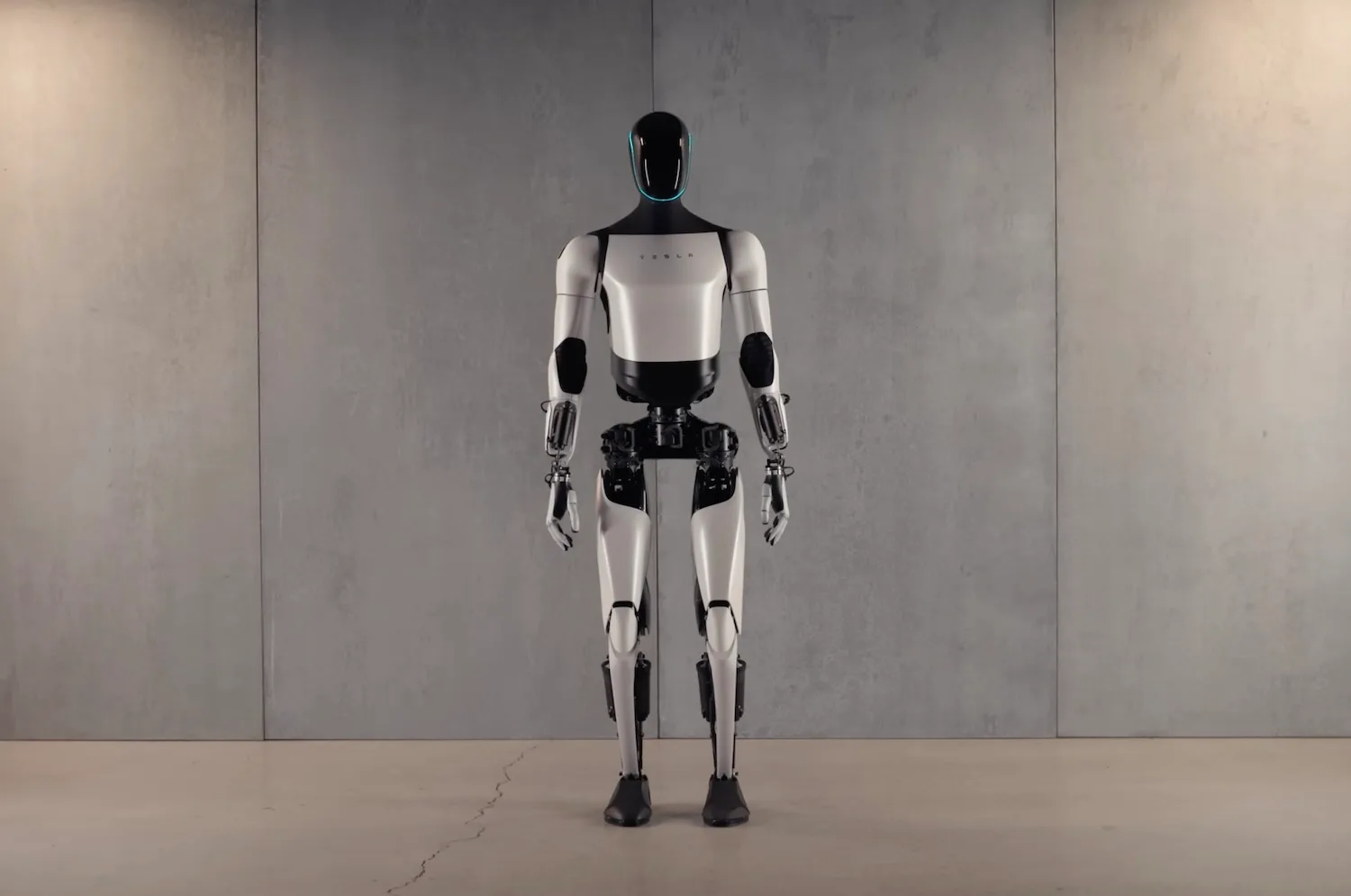
No comprehensive discussion of consumer humanoid robots would be complete without Tesla's Optimus, though I want to be careful about the weight I give to Elon Musk's claims given Tesla's historical relationship with ambitious timelines. The company has repeatedly delayed and modified its robotics timeline since first announcing Optimus at AI Day 2021, where the initial "reveal" infamously featured a dancer in a spandex bodysuit rather than an actual robot.
That acknowledged, Tesla's entry into humanoid robotics represents a potentially transformative force for reasons that go beyond Musk's specific predictions. The company has manufacturing expertise from building millions of vehicles, vertical integration capabilities, existing supply chains for motors, batteries, and electronics, and sophisticated AI systems developed for its Full Self-Driving autonomous driving program.
During Tesla's Q3 2025 earnings call, Musk announced that Optimus V3 would be unveiled in Q1 2026, describing it as "sublime" and claiming "it won't even seem like a robot" but rather "like a person in a robot suit."
| Specification (Gen 2) | Value |
|---|---|
| Height | 5'8" (173 cm) |
| Weight | 125 lbs (57 kg) |
| Carrying capacity | 20 lbs (9 kg) |
| Deadlift | ~150 lbs (68 kg) |
| Walking speed | ~5 mph |
| Hand DoF | 11 (Gen 2), 22 (Gen 3) |
Tesla has released videos showing Optimus prototypes walking autonomously through company facilities, serving popcorn at the Tesla diner, folding shirts, sorting objects, and performing basic household-type tasks. At the October 2024 "We, Robot" event, Optimus units interacted with crowds — though critics noted that much of the interaction seemed to involve teleoperation rather than autonomous behavior.
Tesla's stated production timeline calls for approximately 5,000 units for internal factory use in 2025, scaling to 50,000-100,000 units in 2026. Most industry analysts believe the consumer timeline is optimistic by several years.
Why Optimus Matters: Even if delayed, Tesla's aggressive entry has already reshaped the market. The company's credible commitment to mass-production at the $20,000-30,000 price point has established pricing expectations the industry must work toward. If Tesla achieves even moderate success, Optimus could become the "iPhone of humanoid robots" — the product that brings the technology mainstream.
My practical advice: Don't plan on having an Optimus in your home anytime soon, and don't make purchase decisions based on Tesla's announced timelines. But do keep it on your 2027-2030 planning radar.
Companion Robots — A More Accessible Entry Point
If full-sized humanoid robots seem too expensive, too limited, or too experimental for your current needs, companion robots offer entertainment, companionship, educational experiences, and smart home assistance at accessible price points.
Loona by KEYi Tech — $400-$500
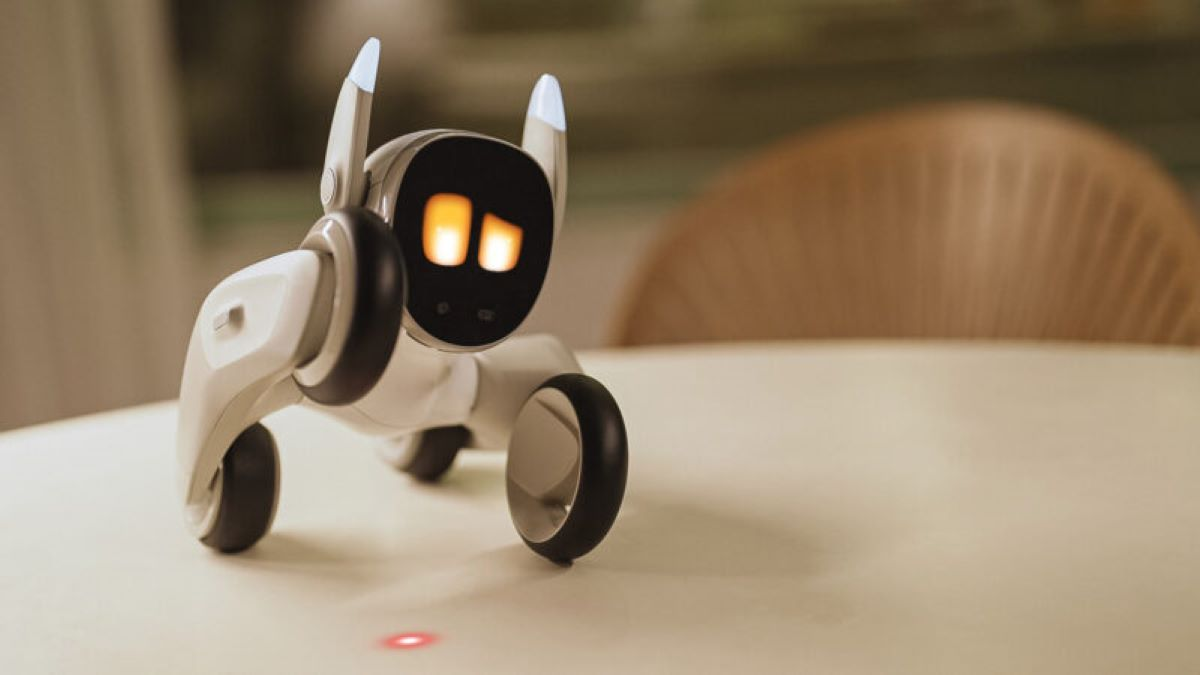
Loona is an AI-powered pet robot that raised over $3 million on Kickstarter. At $400-500 retail (frequently on sale for $399), it offers an accessible entry point into AI robotics.
Features:
- Expressive LCD screen "face" displaying a wide range of emotions
- Recognizes up to 10 family members individually
- Voice commands in multiple languages
- Interactive games including fetch and hide-and-seek
- Home monitoring through built-in camera
- ChatGPT-4o integration for natural conversations
- 3D-ToF sensors, RGB camera, accelerometer, gyroscope
- 2-4 hours battery life with automatic dock return
- 4.8/5 star average rating across major retailers
Who Should Consider Loona: Families with children looking for interactive entertainment; people who can't have traditional pets due to allergies or apartment restrictions; elderly individuals seeking companionship; tech enthusiasts curious about AI robotics without significant financial risk. Loona won't fold your laundry, but it might make your kids smile and keep grandma company. For households where companionship value exceeds chore value, Loona might actually be the better choice compared to today's limited household humanoids.
For perspective, consider SoftBank's Pepper robot. Standing 4' tall with an expressive animated face and chest-mounted tablet, Pepper was designed for social interaction rather than physical tasks. SoftBank stopped manufacturing Pepper in 2021 after deploying over 27,000 units globally. Original pricing totaled over $9,500 for three years of ownership.
Pepper represents an important lesson: having a physical robot presence can provide genuine value for interaction and engagement even without practical physical capabilities.
The Honest Truth About Home Robots in 2025
I've spent months researching this space intensively, and I want to give you the unvarnished reality that marketing materials won't emphasize. Most humanoid robot demonstrations you see online are carefully staged productions.
The viral videos showing robots folding laundry, cooking meals, tidying homes, and performing household tasks with apparent ease typically involve:
- Scripted scenarios with predetermined actions
- Controlled lighting optimized for computer vision
- Simple objects the robot has been specifically trained to handle
- Multiple takes to capture the successful attempt
- Favorable starting conditions with objects placed precisely
- Often some degree of human assistance off-camera or through teleoperation
Ken Goldberg, professor of engineering at UC Berkeley and co-founder of AI robotics company Ambi Robotics, puts it bluntly: "Home chores that are easy for humans are often hard for robots to master."
A detailed analysis published in IEEE Spectrum identified numerous "simple" household tasks that remain 3-10 years away from reliable robot execution:
- Buttoning a shirt
- Spreading peanut butter on bread evenly
- Turning a key in a lock
- Matching socks from a laundry pile
- Opening childproof medicine bottles
- Washing dishes in a sink
- Cleaning up liquid spills
What Today's Best Robots CAN Do Reliably
- Walk, balance, and navigate around furniture in reasonably controlled environments
- Pick up simple objects from flat surfaces when clearly visible
- Follow basic voice commands for pre-programmed actions
- Perform repetitive pre-trained sequences consistently
- Basic manipulation of standardized objects they've been trained on
- Conversation, information retrieval, and entertainment functions
- Autonomous navigation to charging stations when battery is low
What Today's Best Robots CANNOT Do Reliably
- Handle unexpected situations or novel objects they haven't been specifically trained on
- Work safely around pets, young children, or cluttered disorganized environments
- Perform tasks requiring fine dexterity (buttons, zippers, small screws, tight spaces)
- Cook anything requiring judgment, adaptation, or real-time adjustment
- Clean bathrooms, kitchens, or any environment involving water and chemicals
- Operate unsupervised for extended periods without human oversight
- Handle breakable, hot, sharp, or hazardous items safely
- Recover gracefully from errors and unexpected situations without human intervention
The Real Cost of Owning a Humanoid Robot
The purchase or subscription price represents just the beginning of actual ownership costs.
Electricity
Most companies claim operating costs under $1/day for electricity, and this appears realistic. A robot running 4-8 hours daily on 200-500W systems would add roughly $5-15/month to your electric bill. This is essentially negligible compared to other ownership costs.
Maintenance and Repairs
This is the wild card. These are complex machines with numerous motors, sensors, batteries, joints, and software systems requiring ongoing maintenance. 1X NEO's $20,000 purchase price includes a 3-year warranty — but what happens in year 4? Unitree offers only 8 months warranty on the R1. The secondary market for humanoid robot parts barely exists, and repair expertise is scarce outside company service centers. Budget at least $500-1,000 annually for potential maintenance, and recognize that major failures could be significantly more expensive.
Software and Services
Currently most robots include AI capabilities and cloud services without separate subscription fees. However, this could change as companies seek recurring revenue. Tesla has demonstrated willingness to charge monthly subscriptions for vehicle software features. Budget potential for $10-50/month in software subscriptions as the market matures.
Home Modifications and Setup
Depending on your home and chosen robot, you may need:
- Dedicated charging station location with appropriate electrical access
- Pathways kept clear of obstacles (no shag carpet, minimal clutter, smooth flooring)
- WiFi coverage throughout the house including corners and basements
- Possibly doorway modifications if your robot can't fit standard door widths
- Reorganization of storage to heights the robot can reach
Budget $500-1,000 minimum for initial setup, potentially more for older homes.
Total First-Year Cost Estimate (1X NEO)
Purchase option:
- $20,000 purchase + $750 setup + $750 maintenance reserve = ~$21,500 year one
Subscription option:
- ($499 × 12) + $750 setup + $750 maintenance = ~$7,500 year one, then ~$6,750/year ongoing
Over three years, purchase costs ~$23,000 while subscription costs ~$21,000 — making purchase economically preferable if you're confident about keeping the robot long-term.
Should You Buy a Humanoid Robot? A Decision Framework
After months of research, here's the framework I'd use:
Buy Now If Any of These Apply:
- You're a robotics researcher, developer, or educator who needs a humanoid platform for algorithm development, teaching, or experimentation — Unitree's R1 and G1 offer extraordinary value
- You want an AI companion for entertainment, family interaction, or companionship without expectations of physical labor — Loona at $400-500 provides genuine value
- You're a committed early adopter willing to participate in training AI systems through teleoperation in exchange for early access to transformative technology
- You have specific accessibility needs where even limited physical assistance would provide meaningful benefit
- A $20,000+ investment doesn't significantly impact your financial stability or other priorities
- You genuinely understand and accept current limitations rather than expecting capabilities that don't yet exist
Wait 2-3 Years If Any of These Apply:
- You expect the robot to handle household chores autonomously without significant human oversight — that capability doesn't exist yet
- Privacy is a major concern and you're uncomfortable with teleoperation models or camera-equipped robots in your home
- Your household includes young children, unpredictable pets, or members who might interact with the robot in ways it can't safely handle
- You're looking for clear return on investment through labor savings — current robots can't deliver that
- You'd prefer to buy second-generation products with proven track records and established support ecosystems
- Budget constraints make you hope for continued price reductions — which are indeed coming rapidly
What's Coming Next: The 2026-2030 Horizon
The humanoid robot market is evolving faster than almost any technology I've tracked. Key trends to watch:
Accelerating Price Compression
Goldman Sachs reports manufacturing costs declined 40% year-over-year in 2025, significantly exceeding projections. Unitree's $4,900 R1 was considered impossible just two years ago when comparable platforms cost $50,000+. Two consumers actually purchased Unitree humanoids through JD.com in China this year, marking the first documented consumer retail sales. If cost reductions continue at current rates, robots costing $20,000 today could fall to $10,000 by 2028 and potentially under $5,000 by 2030.
Chinese Competition Intensifying
China has made humanoid robotics a national strategic priority with substantial government support. Companies including Unitree, UBTECH, AgiBot, ENGINEAI, and dozens of well-funded startups are producing increasingly capable robots at dramatically lower price points. Chinese robotics firms secured over $7 billion in funding during just the first three quarters of 2025, a 250% increase year-over-year. This will pressure American and European companies to accelerate development and reduce costs.
AI Capability Leaps
The limiting factor for home robots isn't primarily hardware — it's intelligence and adaptability. Advances in large language models, vision-language-action models, and reinforcement learning are rapidly improving robot intelligence. Figure AI's CEO believes "robotics is on a similar curve to digital AI," suggesting capability improvements could be faster than linear projections. If AI continues its current trajectory, robots could become dramatically more capable within years rather than decades.
My Prediction for Consumer Impact
By 2028-2030, I expect to see humanoid robots priced under $10,000 that can reliably handle 20-30% of typical household tasks autonomously — basic tidying, simple fetch-and-carry, routine maintenance tasks, and basic assistance functions. That's not Rosie from the Jetsons handling everything while you relax, but it represents meaningful progress that could provide genuine value for busy households, people with mobility limitations, and anyone willing to pay for convenient help with tedious chores.
Final Thoughts: We're at the Beginning of Something Significant
When I sat down to write this article, I honestly expected to conclude that humanoid robots for the home remain an impractical pipe dream — impressive demonstrations but nothing a typical consumer should actually consider buying. What I found after months of intensive research is more nuanced and more interesting.
The technology has genuinely crossed a threshold. You can actually purchase a humanoid robot today — not in five years, not "coming soon," but actually available for ordering with a credit card and a delivery date. The 1X NEO represents a genuine milestone: the first humanoid specifically designed for home use, with clear purchasing mechanisms, realistic (if expensive) pricing, and a company genuinely committed to the consumer market.
At the same time, current products fall far short of the autonomous household helper that science fiction promised. The robots available today require significant human assistance for many tasks. They can't handle the infinite variety of objects and situations that real homes present. They need ongoing training through teleoperators who see inside your home. They cost as much as a decent used car but can't deliver corresponding value in labor savings. Anyone expecting to buy a $20,000 robot and immediately stop doing household chores will be disappointed.
The honest assessment is that today's home humanoid robots are products for enthusiasts, early adopters, accessibility use cases, and people willing to participate in shaping an emerging technology. They're not yet products for average consumers seeking practical value. That's not a criticism — every transformative technology starts somewhere, and the first mobile phones weren't practical for average consumers either.
What excites me most is that the question has fundamentally changed. We're no longer debating whether humanoid robots will enter our homes — we're debating when, at what price point, and with what capabilities. Based on current technology trajectories, investment levels, and manufacturing cost reductions, I believe the late 2020s will be the moment when home humanoids transition from luxury early-adopter products to genuinely useful household appliances that middle-class families consider as seriously as they now consider robot vacuums.
Until that moment arrives, I'll keep my Roomba running and continue doing my own laundry. But I've put my $200 refundable deposit down for a 1X NEO, scheduled for 2026 delivery. Call it an investment in understanding the future. Call it research for articles like this one. Or call it what it really is: I grew up watching the Jetsons, I've waited decades for the technology to arrive, and I finally have the chance to own a robot. The technology isn't perfect, but after all these years of waiting, I want to be part of making it better.
FAQ
Can you actually buy a humanoid robot for your home in 2025?
Yes, you can purchase humanoid robots for home use in 2025. The 1X NEO is available for pre-order at $20,000 or $499/month subscription with delivery beginning in 2026. Unitree offers the R1 at $4,900 and the G1 at $13,500-$16,000, available for purchase now. However, these robots have significant limitations and cannot autonomously handle most household tasks without human assistance.
How much does a home humanoid robot cost?
Home humanoid robot prices range from $4,900 for the Unitree R1 to $20,000 for the 1X NEO. The Unitree G1 costs $13,500-$16,000, while companion robots like Loona start at $400-500. Tesla's Optimus is expected to cost $20,000-$30,000 when available. Total first-year ownership costs including setup and maintenance can add $1,500-$2,000 to the purchase price.
What can humanoid robots actually do in your home?
Current home humanoid robots can walk and navigate around furniture, pick up simple objects from flat surfaces, follow basic voice commands, perform pre-trained repetitive tasks, and provide conversation and entertainment. However, they cannot reliably handle unexpected situations, work unsupervised for extended periods, perform tasks requiring fine dexterity like buttoning shirts, cook meals requiring judgment, or clean bathrooms and kitchens safely.
Is the 1X NEO robot worth buying?
The 1X NEO is worth buying for tech enthusiasts who want to participate in robotics development, households with specific accessibility needs, and early adopters comfortable with current limitations. It's not recommended for those expecting fully autonomous household help, privacy-focused individuals uncomfortable with teleoperation, or households with young children. The robot requires human assistance and remote guidance from 1X employees for many tasks.
What is teleoperation in home robots?
Teleoperation means a company employee remotely controls your robot using a VR headset to perform tasks it hasn't learned autonomously. For the 1X NEO, you schedule sessions where a 1X employee connects to your robot's cameras and controls to guide it through complex tasks. This generates training data for future autonomy but raises privacy concerns as employees can see inside your home, though owners must approve each session.
Which humanoid robot is best for home use?
The 1X NEO is the best option for actual home use as it's specifically designed for residential environments at $20,000. For developers and researchers, the Unitree G1 ($13,500-$16,000) offers better value with dexterous hands. The Unitree R1 ($4,900) is affordable but lacks functional hands for household tasks. Figure 03 shows promise but isn't yet available for consumer purchase. For companionship without physical tasks, Loona ($400-500) provides excellent value.
When will humanoid robots become practical for average consumers?
Industry experts and analysts predict humanoid robots will become practical for average consumers by 2028-2030. Manufacturing costs declined 40% in 2025, and if this trend continues, robots costing $20,000 today could fall below $10,000 by 2028. By 2030, robots may reliably handle 20-30% of household tasks autonomously at prices under $10,000, making them comparable to other household appliances in value proposition.
What are the hidden costs of owning a humanoid robot?
Beyond the purchase price, expect $1,500-$2,000 in first-year costs including electricity ($5-15/month), maintenance and repairs ($500-$1,000 annually), potential software subscriptions ($10-50/month), and home modifications ($500-$1,000 for charging stations, WiFi upgrades, and clear pathways). Total first-year ownership of a 1X NEO costs approximately $21,500 for purchase or $7,500 for subscription.
Can humanoid robots fold laundry and do household chores?
Current humanoid robots can perform basic laundry folding and simple chores, but not autonomously or reliably. The 1X NEO requires teleoperation assistance for many tasks. Most demonstration videos showing robots folding laundry involve scripted scenarios, controlled conditions, and often multiple takes. Tasks like buttoning shirts, spreading peanut butter, matching socks, and cleaning up spills remain 3-10 years away from reliable robot execution.
Is Tesla Optimus available to buy?
Tesla Optimus is not currently available for consumer purchase. Tesla plans to produce 5,000 units for internal factory use in 2025 and scale to 50,000-100,000 units in 2026, but consumer availability is uncertain and likely not before 2027. The expected price is $20,000-$30,000. While Tesla's entry has reshaped market pricing expectations, consumers should not plan on having an Optimus in their home in the near term.
Quick Reference: Humanoid Robots Available in 2025
| Robot | Price | Height | Primary Use | Availability |
|---|---|---|---|---|
| 1X NEO | $20,000 or $499/mo | 5'6" | Home chores (with teleoperator) | Pre-order now, U.S. 2026 |
| Unitree R1 | $4,900-$5,900 | 4' | Development platform (no hands) | Available now |
| Unitree G1 | $13,500-$16,000 | 4'3" | Research/development | Available now |
| Unitree H1 | $90,000 | 5'9" | Industrial/research | Available now |
| Figure 03 | ~$20,000 target | 5'6" | Home focus | Select homes 2026 |
| Tesla Optimus | $20,000-$30,000 target | 5'8" | General purpose | Consumer TBD (2027+?) |
| Loona | $400-$500 | Tabletop | AI pet/companion | Available now |
Related Articles
 Mark
Mark
 Dani
Dani
 Dani
Dani