The old creator economy ran on attention. Build an audience, monetize through ads, sell a course, repeat. That model still works, but it has a ceiling, and that ceiling is your time.
The emerging model is different. Instead of selling what you know, you package what you know into something that does work on demand, at scale, without you in the room.
That is what an AI agent is: a system trained on your expertise, your framework, or your data that can deliver value to users continuously, while you sleep, without requiring your active involvement for every output.
The shift sounds like a marketing pitch, but the revenue numbers showing up in creator communities suggest it is real. Creator Tom Kuegler built "The NoteSmith," a bot that gives feedback on Substack Notes in seconds. In his first week, 200 people tried it, multiple users converted to a paid tier, and the product reached $5,000 in annualized revenue. That is not a unicorn outcome. It is an early example of a model that is becoming more reproducible as the tools get easier and the demand for specialized AI grows.
The AI agent market is projected to grow from $7.84 billion in 2025 to $52.62 billion by 2030, at a 46.3% compound annual growth rate. By 2026, no-code platforms allow non-technical creators to build and deploy agents in hours, not months. The bottleneck has moved from technical ability to domain expertise and problem identification, and that is the opening this article explains how to walk through.
The Model in Plain Terms
What Changed, and Why Now
In 2024, creators sold content. In 2025, creators sold access. In 2026, the most forward-positioned ones are selling executions: outputs, not information.
The distinction matters more than it sounds. An ebook gives information. A course gives structure. An AI agent gives a result, on demand, in seconds, without the buyer having to learn anything or do the work themselves.
AI systems like ChatGPT now provide instant answers that previously required purchasing a $47 ebook. US e-book sales saw a slight decline in 2025, and self-paced courses consistently suffer from low completion rates averaging 10 to 15 percent. The market for passive information products is softening because information itself is no longer scarce.
What is scarce is specific, high-quality expertise applied to a specific problem in a format that actually produces a result. A generic AI can tell someone how to improve their LinkedIn profile. An AI agent trained on a specific recruiter's methodology, refined over years of placements, and structured around a particular industry's hiring signals is a different and considerably more valuable tool.
The creator's expertise becomes the foundation. The AI agent becomes the delivery mechanism. The business model becomes recurring subscription revenue that scales without requiring the creator's time for each transaction.
The Four Ways Creators Are Monetizing AI Agents
Model 1: The Expert Bot with a Paywall

The simplest entry point is taking one repeated pain point your audience faces, wrapping it in a specific promise, and charging for access.
Examples of this working in practice:
- A fitness coach builds an AI agent that generates personalized training splits based on user inputs
- A brand strategist builds an agent that writes positioning statements from a company brief
- A financial writer builds an agent that summarizes earnings reports in plain language for retail investors
- A dating coach builds an agent trained on their specific framework for writing opening messages
This model works best when buyers already trust the creator's taste or a specific method. The agent is not just "an AI that does X." It is "the AI version of how [creator] would approach X," and that specificity is the value proposition.
Pricing in this model typically runs between $47 and $297 per month depending on the audience, the output quality, and the credibility of the creator behind it.
Model 2: The Workflow Agent
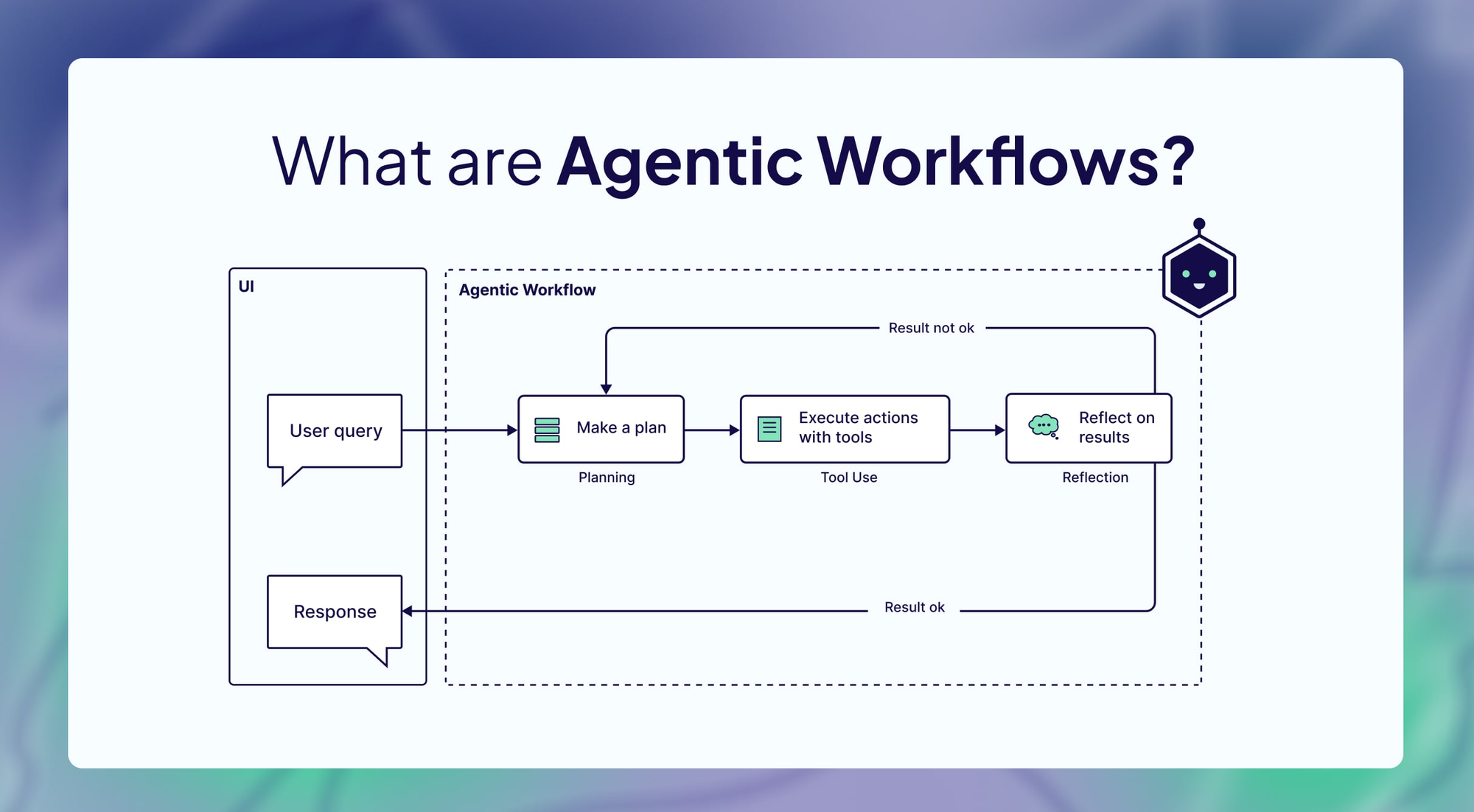
Instead of a conversational bot, a workflow agent automates a repeatable multi-step process. These are often built on platforms like n8n, Make, or Zapier and sold as downloadable templates or deployed SaaS tools.
Examples include an email sequence agent that takes a product description and outputs a five-email nurture sequence personalized by segment, a content repurposing agent that takes a long-form YouTube video and outputs a Twitter thread, LinkedIn post, and newsletter excerpt, or a lead research agent that takes a prospect's name and company and returns a structured brief for a sales call.
If you have invested hours constructing a robust workflow, you can export workflow files and list them on your own website or a digital marketplace. These sell as one-time purchases or as subscriptions when the workflow is hosted and maintained as a service.
The maintenance model is where recurring revenue enters. A creator who hosts the workflow, updates it as underlying AI models improve, and provides ongoing support has a product with legitimate subscription justification rather than a one-time file download.
Model 3: The Consulting-to-Product Bridge
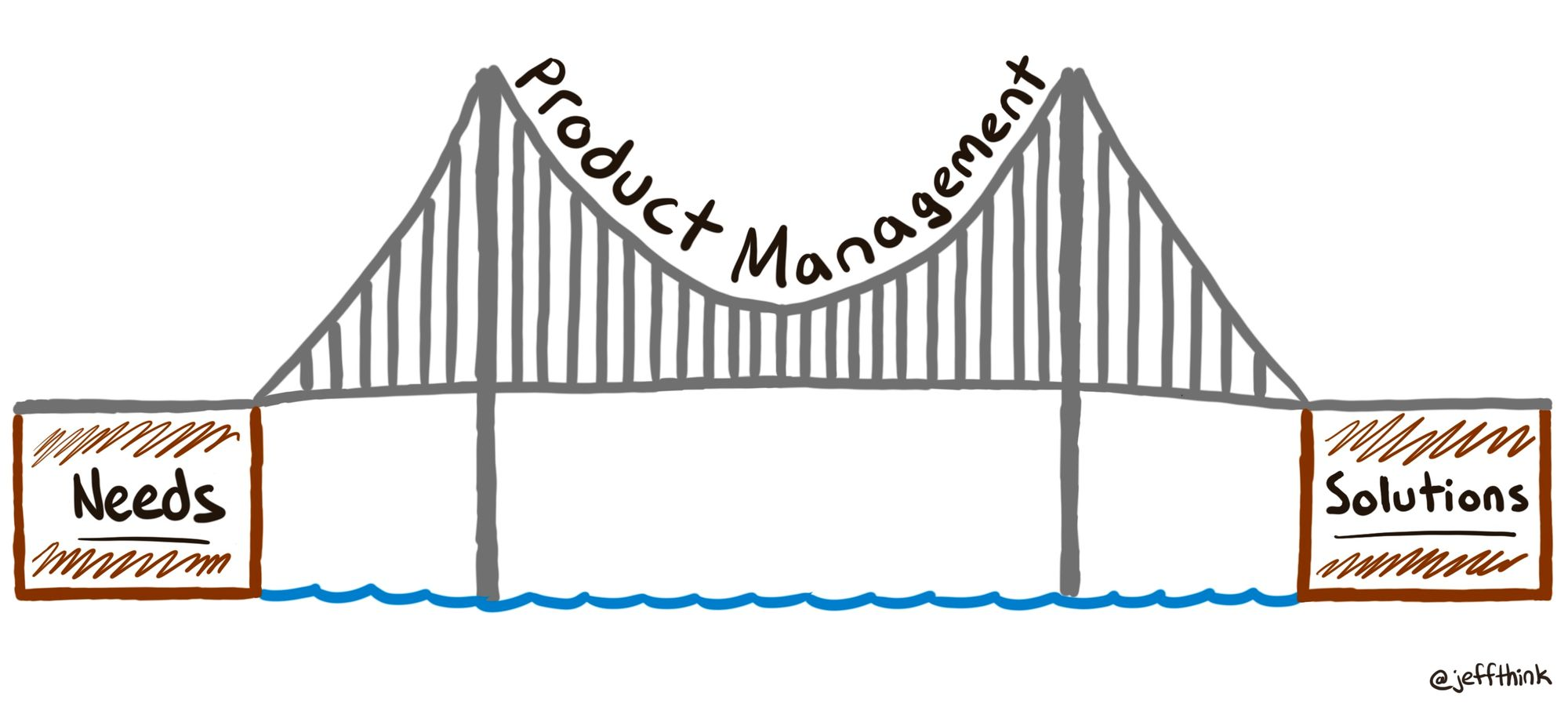
Services are faster to monetize because you can earn money within weeks, while products take longer but scale better. Most successful creators do both: consulting in year one to fund product building, then transitioning to products in year two and beyond for scale.
The consulting-to-product bridge uses the first model to fund the second. A creator who charges $3,000 to build a custom AI agent for a client is doing two things simultaneously: generating immediate revenue and learning which problems are worth building a productized version of.
After building five variations of the same type of agent for different clients, the pattern becomes clear, and the next step is packaging the best version into a product that can be sold to many businesses at a lower price than a custom build, with maintenance and improvement covered by the subscription.
Sales and lead qualification agents that engage prospects, qualify leads, and schedule meetings without human intervention can command $40,000 to $80,000 for development plus $1,500 to $3,000 monthly maintenance from agencies. The solo creator version of this, a templated lead qualification agent sold to 50 small businesses at $99/month, produces the same monthly revenue without the custom build overhead.
Model 4: The Agent as Community Premium
Some creators are integrating AI agents directly into paid communities or newsletter tiers as the exclusive benefit that justifies the subscription. Instead of "pay $20/month for premium issues," the offer becomes "pay $20/month and get access to the AI agent that applies my framework to your specific situation."
This model works particularly well for creators whose audience already pays for access to their thinking. The agent is not a replacement for the creator but a scalable version of the creator's framework, available between the posts and podcasts, for any question a member wants to run through it.
Where to Sell: The Platform Landscape
Not all distribution channels are equal, and the right one depends on whether you want immediacy, audience size, or enterprise pricing.
Poe (Best for Immediate Monetization)
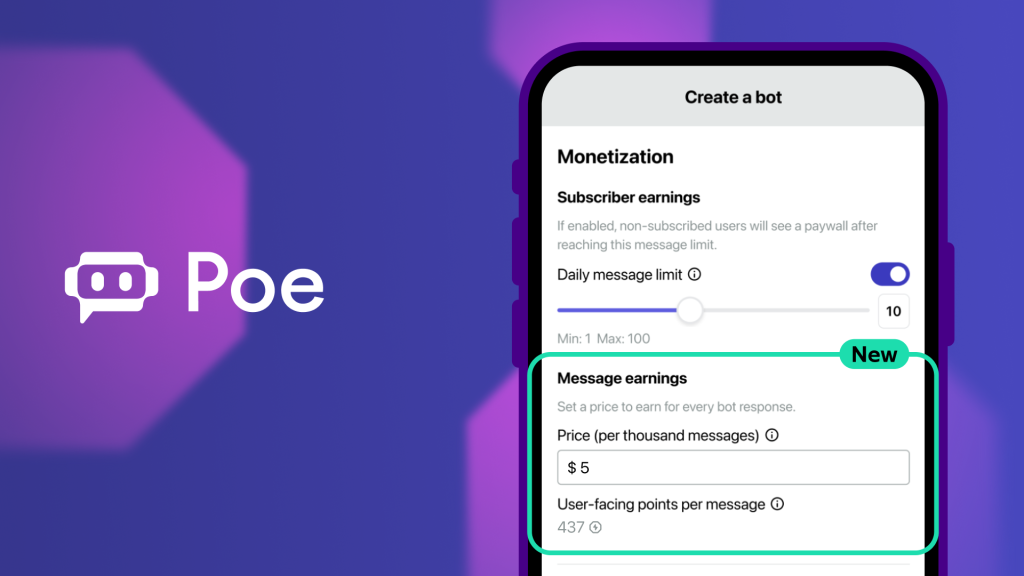
Poe is the only major marketplace with active creator monetization. Developers can set per-message pricing or earn when their bots bring new subscribers, and the creator monetization program pays bot creators through two distinct methods: a price per message sent to their bots, and subscription earnings when bots drive new Poe Premium sign-ups.
In concrete terms: if your bot convinces a user to subscribe to Poe, you earn 100 percent of their first monthly payment or 50 percent of their first annual payment. The program is currently available in 23 countries, with payments processed through Stripe once you reach $10 in earnings.
Poe's user base is smaller than the GPT Store, but it is the most direct path to earning from a bot without building your own checkout system.
OpenAI GPT Store (Best for Reach, Not Yet Revenue)
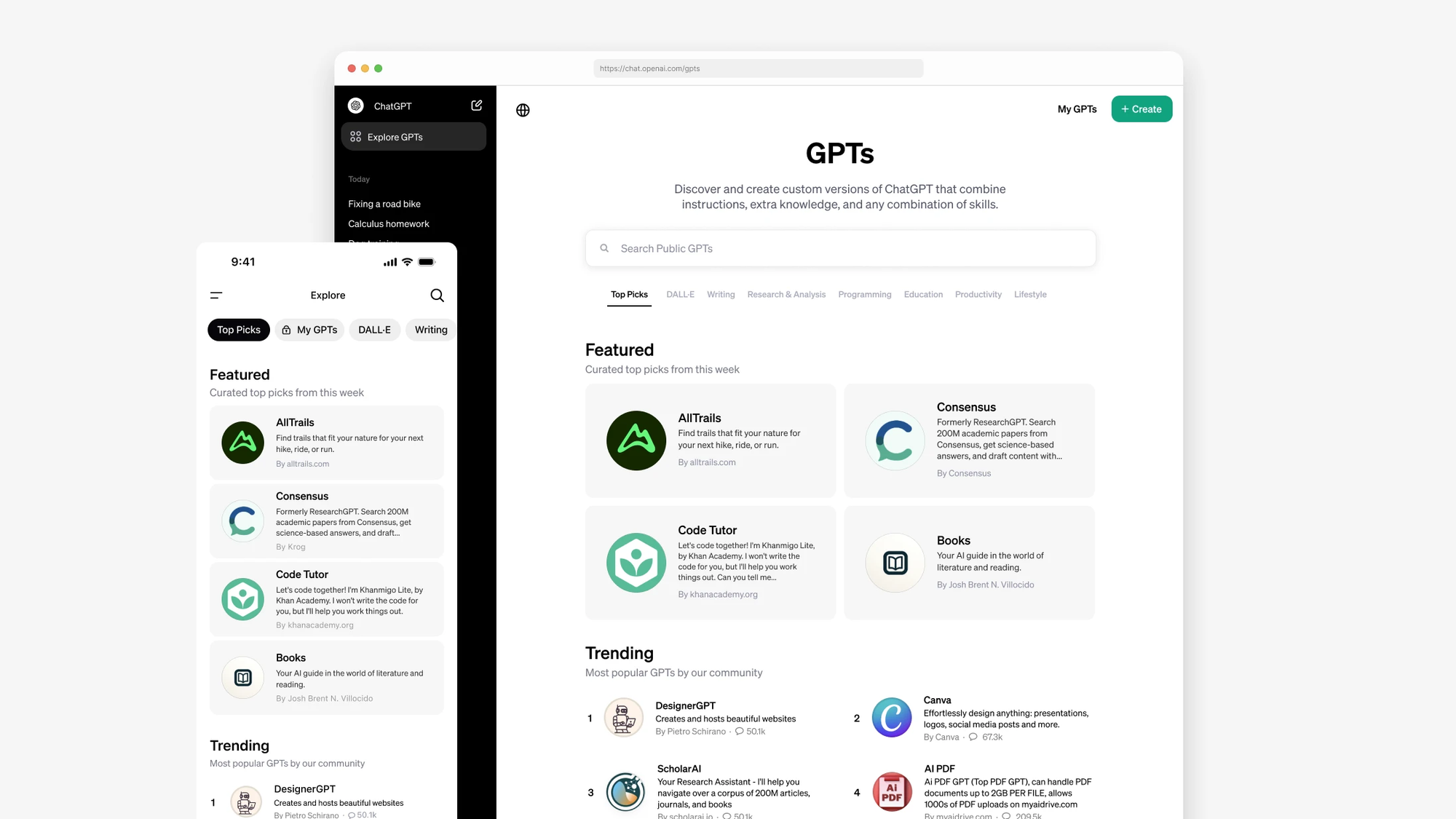
The GPT Store has the largest user base but currently lacks a direct monetization mechanism. OpenAI has announced a revenue-sharing program based on user engagement metrics, though implementation details remain unclear. Creators use external Stripe paywalls or freemium models to capture value in the meantime.
The GPT Store is best used for distribution and discovery. Build a free or freemium GPT that delivers real value, use it to capture leads or drive users to a paid version hosted elsewhere, and treat the platform as a top-of-funnel channel rather than a revenue source.
Your Own SaaS (Best for Control and Margin)

Building directly, using tools like Bubble, Webflow with Memberstack, or purpose-built agent frameworks, gives the creator full control over pricing, user data, and the customer relationship. The trade-off is distribution, since there is no built-in marketplace audience and growth depends on an existing audience, content marketing, or paid acquisition. The revenue structure is entirely yours, though: no platform fees beyond payment processing, no risk of policy changes affecting your product, and full ownership of the subscriber relationship.
For creators with an existing audience of 1,000 or more engaged followers in a specific niche, this is often the highest-margin path.
Enterprise Marketplaces (Best for B2B and High Ticket)
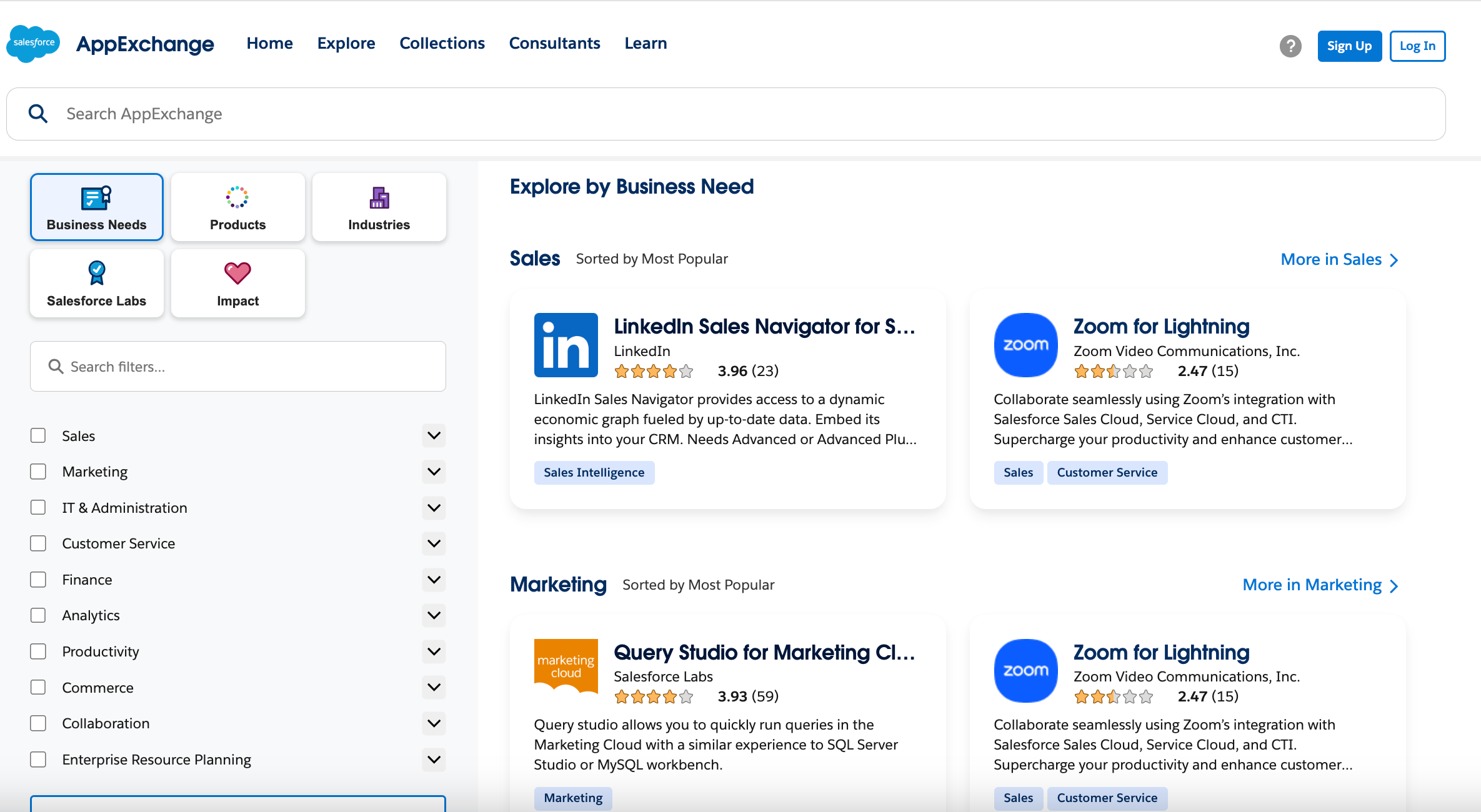
AWS Marketplace, Salesforce AppExchange, and ServiceNow Store target businesses with budgets and compliance needs. Higher revenue potential comes with longer sales cycles and more demanding technical requirements.
This is not a starting point for most individual creators, but it is the logical end-state for a workflow agent that has proven value in a specific business vertical. A creator who has spent two years building and refining a compliance monitoring agent for mid-market SaaS companies has a product that belongs on Salesforce AppExchange rather than on Poe.
What Actually Earns Money: The Honest Assessment
The Agents with Market-Proven Demand
The agents that have demonstrated consistent revenue share several characteristics.
- They solve a specific professional problem, not a general one. "An AI writing assistant" is a commodity. "An AI that writes grant proposals for nonprofits in the education sector using the NEA's preferred framing" is a specialist tool with a defined market and limited competition.
- They save time on tasks that professionals do repeatedly. The strongest use cases are not one-time outputs but recurring workflows such as weekly reporting, client communication, content distribution, and sales prospecting. When the agent saves an hour every week, the subscription justifies itself every month without the creator having to make the sale again.
- They are backed by a creator's credibility in that domain. An AI agent from a recruiter who has placed 500 engineers at startups is a different product than a generic resume reviewer. The creator's track record is the differentiator the agent cannot replicate on its own.
The Agents That Underperform
- Agents built for audiences the creator does not actually have. Identifying a market opportunity and having access to it are different problems. An agent for corporate lawyers requires reaching corporate lawyers, which requires either an existing audience in that community or a distribution strategy the creator may not yet have.
- Agents that do what free tools already do. A summarization bot, a grammar checker, or a basic email rewriter competes with features built into products that users already pay for. The agent needs to do something meaningfully different or better than the free alternative to justify a subscription.
- Agents priced for the wrong segment. A $297/month agent targeting individual content creators is priced like a business tool and sold to a consumer audience. The economics rarely work. Either the price comes down, or the audience shifts to businesses that have budget authority for the problem the agent solves.
The Technical Reality: How Hard Is This to Build?
No Coding Required, But Real Work Is Required
The technical barrier to building a functional AI agent has dropped significantly. Platforms like Poe, MindStudio, and Voiceflow allow non-technical creators to build conversational agents with custom knowledge bases and specific behavioral instructions, while workflow tools like n8n and Make support complex multi-step automations without programming.
MuleRun launched Creator Studio in late 2025 with a workflow that allows creators to turn an AI concept into a monetized agent product in three steps, supporting the full lifecycle from development and deployment to pricing and revenue.
What requires real work, even with no-code tools, is the knowledge architecture: deciding what the agent knows, how it frames responses, what it refuses to do, and how it handles edge cases. A well-designed agent with a clear use case and carefully constructed knowledge base consistently outperforms a technically sophisticated agent built without a clear understanding of the user's actual workflow.
The creators earning meaningful revenue from AI agents are not necessarily the most technically sophisticated. They are the ones who understood their audience's problem deeply enough to design an agent that actually solves it.
A Rough Build-to-Revenue Timeline
| Phase | Time | What Happens |
|---|---|---|
| Define the use case | 1-2 days | Identify the specific problem, target user, and what "good output" looks like |
| Build the knowledge base | 1-2 weeks | Collect, organize, and structure the information the agent needs |
| Prompt engineering | 1-2 weeks | Define the agent's behavior, tone, scope, and failure modes |
| Beta testing | 2-4 weeks | 20-50 users, gather feedback, iterate |
| Launch and pricing | 1 week | Choose a platform, set a price, promote to existing audience |
| First revenue | Week 6-8 | Realistic for a creator with an existing audience of 500+ engaged followers |
Pricing Strategy
What the Market Is Paying
The pricing range for creator-built AI agents in 2026 clusters around a few tiers:
- $9-$29/month: Consumer-grade agents, simple use cases, broad audiences. High volume required for meaningful revenue.
- $47-$97/month: Professional tools with clear time-saving value. The strongest sweet spot for individual creator SaaS.
- $147-$297/month: Specialist agents for specific professional contexts. Requires demonstrated credibility and measurable ROI.
- $500+/month: B2B tools with enterprise features or compliance requirements. Sales-assisted, not self-serve.
The mistake most first-time agent creators make is underpricing. An agent that saves a professional two hours per week at a $100/hour rate is worth $800/month in time savings. Charging $47/month is not aggressive pricing; it is leaving money on the table while delivering more value than the price communicates.
Start at the upper end of what feels defensible given your audience's income level and the time savings the agent delivers, because lowering prices is easy while raising prices on existing subscribers is significantly harder.
The Risks Worth Naming
No framework for earning with AI agents is complete without addressing what can go wrong.
- The platform dependency risk. An agent built entirely on one platform is exposed to that platform's policy changes, pricing decisions, and business continuity. Poe's monetization rules could change, and OpenAI's GPT Store terms are still evolving. The safest architecture routes users from discovery platforms to a relationship, whether an email list or a community, that the creator controls directly.
- The model deprecation risk. The underlying AI model your agent relies on will be updated, deprecated, or repriced. Agents trained around specific model behaviors may need adjustment when those models change, and that maintenance cost needs to be factored into subscription pricing from the start.
- The differentiation erosion risk. A genuinely novel agent in a specific niche will attract imitators within months if it demonstrates revenue. The sustainable answer is the creator's own credibility and community, the things that are hard to replicate even when the technical approach is visible.
- The expectation gap. Users who subscribe expecting human-level expertise on specific edge cases and receive a capable but imperfect AI will churn. The agent's limitations need to be part of the product's positioning, not buried in fine print.
The Bigger Shift
The creator economy's evolution from content to courses to communities has been a story of increasing leverage, finding ways to deliver value to more people without increasing the creator's time investment proportionally.
AI agents are the most significant extension of that logic yet. A creator who has spent five years building expertise in a domain can now package that expertise into a system that operates continuously, improves with feedback, and serves hundreds of users simultaneously without additional time cost per user.
The creator's expertise becomes the foundation. The AI agent becomes the delivery mechanism. The monetization becomes more predictable and scalable than advertising or one-time courses.
The window for first-mover advantage in specific niches is open but not unlimited. The creators who establish durable positions will be those who picked a specific problem, built an agent that genuinely solves it, and did the distribution work to reach the people who have that problem. That has always been the formula for a sustainable creator business, and the technology changing does not alter the formula underneath it.
Frequently Asked Questions
Do I need coding skills to build and sell an AI agent?
No. Platforms like Poe, MindStudio, Voiceflow, and MuleRun allow non-technical creators to build functional agents using natural language instructions and knowledge bases. Workflow automation tools like n8n and Make support complex multi-step processes without programming. Technical sophistication helps with more complex implementations but is not a prerequisite for building an agent that delivers real value.
How much can creators realistically earn from an AI agent?
Early data points range from a few hundred dollars monthly for niche consumer bots to thousands monthly for professional-grade tools with an existing audience. An agent priced at $47/month needs 22 subscribers to reach $1,000 MRR. At $97/month, that threshold drops to 11. The revenue ceiling depends on audience size, pricing, and the specificity and quality of the agent's output. Creators with established audiences of several thousand followers in a defined niche are the most likely to reach meaningful MRR quickly.
Where should I sell my AI agent first?
For most creators, starting on Poe makes sense because it is currently the only major platform with direct creator monetization and no requirement to build a payment infrastructure from scratch. For creators with an existing email list or community, selling direct via a simple SaaS wrapper with Stripe for payments gives better margin and control. The GPT Store offers discovery but no direct monetization yet.
What makes an AI agent worth paying for monthly?
The subscription needs to deliver recurring value that justifies the ongoing cost. The strongest agents save professionals measurable time on tasks they perform repeatedly, deliver outputs tied to a specific creator's expertise that generic AI cannot replicate, and become more integrated into the user's workflow over time. Recurring workflow value is what justifies a monthly fee, while one-time information delivery is better suited to a one-time purchase.
How do I protect my agent from being copied?
Full protection is not possible, since the knowledge architecture and prompting of an agent can be observed and approximated by a determined imitator. The defensible moat is the creator's own credibility, community, and track record, which take years to build and cannot be reverse-engineered from the agent itself. Building the subscriber relationship outside of any single platform through email list ownership also protects against platform-level disruption.
What are the biggest mistakes first-time agent creators make?
The most common are: building for an audience they do not have access to; pricing too low out of fear rather than based on value delivered; building an agent that replicates something a free tool already does; and underestimating the knowledge architecture work required to make the agent genuinely useful rather than just functional.
Related Articles
 Dani
Dani
 Mark
Mark
 Dani
Dani