


Introduction: Why I Wrote This Guide
Let me be honest with you from the start: I was skeptical about AI just two years ago. In late 2023, when ChatGPT had barely scratched the surface of mainstream consciousness, I was working a traditional marketing job in Chicago, earning around $72,000 a year. I remember telling my wife that AI was "just another tech fad" that would blow over like NFTs or the metaverse hype.
I was wrong. Spectacularly wrong.
Fast forward to today, and I've built three different income streams using AI tools, bringing in a combined $187,000 last year alone. My main business—an AI automation consultancy serving small businesses—hit $12,000 in monthly recurring revenue just eleven months after I launched it. I'm not sharing this to brag, but to show you what's genuinely possible when you approach AI strategically rather than dismissively.
The AI market is projected to reach somewhere between $360 billion and $420 billion by 2026, according to industry forecasts. Global AI investments hit $107 billion in 2024, up 28% year-over-year. In the United States alone, private AI investment reached $109.1 billion—nearly 12 times more than China's $9.3 billion. These aren't just numbers on a page; they represent one of the most significant wealth-creation opportunities of our generation.
But here's what most guides won't tell you: the opportunity isn't in AI itself. It's in the gap between what AI can do and what most people and businesses understand about it. That gap is where the money lives, and it's surprisingly wide.
In this guide, I'll share everything I've learned—the strategies that worked, the ones that failed miserably, and the specific steps you can take starting tomorrow. Whether you're looking to add a side hustle that brings in an extra $2,000 a month or you're ready to build a full-scale AI business, this guide will give you the roadmap I wish I'd had when I started.
Part One: Understanding the 2026 AI Opportunity Landscape
The Numbers That Should Get Your Attention
Before I share specific strategies, let me paint a picture of where we are right now. According to McKinsey's State of AI survey from late 2025, around 78% of companies now use AI in at least one business function—a 55% increase from 2023. Yet here's the kicker: only about 39% of these companies report meaningful enterprise-level financial impact from their AI initiatives.
What does that gap tell us? It tells us that most businesses are experimenting with AI but haven't figured out how to make it actually work for them. They need help. They're actively looking for people who understand this technology and can bridge the gap between AI's potential and their reality.
Consider these statistics from recent industry research:
- AI adoption among companies has leapt to 72%, after hovering around 50% from 2020-2023
- 92.1% of businesses using AI have seen measurable results
- For every $1 spent on generative AI, companies report an average return of $3.71
- 77% of small businesses worldwide have adopted AI tools in at least one function
- 69% of retailers using AI report revenue growth, with nearly a third seeing gains between 5% and 15%
The freelance economy has also been transformed. The global freelance economy now exceeds $500 billion in value. AI/ML specialists command some of the highest rates in the industry, with experienced developers in North America charging $150 to $250 per hour. Even beginners with AI skills are seeing significant income potential.
Why 2026 Is Different
I've been tracking AI business opportunities since 2023, and 2026 represents a genuine inflection point. We've moved past the "experimentation phase" into what I call the "operationalization phase." Companies aren't asking "Should we use AI?" anymore. They're asking "How do we make AI actually work for our specific situation?"
This shift creates enormous opportunity for several reasons. First, the tools have matured significantly. When I started in 2024, building AI automations required substantial technical knowledge. Today, platforms like Zapier, Make, and no-code AI builders have lowered the barrier to entry dramatically. Second, businesses have budget allocated specifically for AI initiatives. They're not experimenting on a shoestring anymore; they have real money to spend. Third, and perhaps most importantly, there's still a massive talent shortage. Despite the hype, not enough people have developed practical AI skills.
According to industry analysis, roles like Prompt Engineer grew 135.8% year-over-year, AI Content Creator grew 134.5%, and AI Compliance Officer has become one of the fastest-growing positions in corporate America. Meanwhile, a 2023 McKinsey survey revealed that only 7% of organizations had hired Prompt Engineers, indicating early adoption but leaving massive room for growth.
Part Two: Freelancing and Consulting with AI Skills
My First $5,000 Month: A Case Study
Let me walk you through exactly how I generated my first $5,000 in a single month using AI. It wasn't glamorous, and it wasn't overnight, but it was repeatable.
In March 2024, I started offering "AI content auditing" services on Upwork. My pitch was simple: I would review a company's existing content and show them specifically how AI could improve their production workflow while maintaining brand voice. I charged $150 for an initial audit, which typically took me about two hours to complete using a combination of ChatGPT, Claude, and some custom prompts I'd developed.
Here's what made this work: I wasn't selling "AI writing." I was selling expertise in how AI could serve their specific business needs. The audit deliverable included a detailed analysis of their current content production costs, specific AI tools that could help, estimated time and cost savings, and a three-month implementation roadmap.
From those initial audits, about 40% of clients converted to ongoing retainers averaging $1,200 per month. By month three, I had four retainer clients and was still doing ad-hoc audits. Total monthly revenue: $5,800.
The key insight? I positioned myself as a translator between AI capabilities and business needs, not as someone who just "knew how to use ChatGPT." Anyone can learn to use ChatGPT in an afternoon. What businesses pay for is someone who understands their problems and can apply AI strategically to solve them.
The Highest-Paying AI Freelance Niches
Based on my research and personal experience, here are the freelance niches generating the most income in 2026:
AI Development and Engineering

If you have technical skills, this is the gold mine. AI/ML engineers earn between $150 and $250 per hour in North America, with some specialized roles exceeding $300 per hour. According to ZipRecruiter, freelance AI engineers average around $47.71 per hour, with top earners seeing wages as high as $132 per hour. The demand is staggering—AI/Machine Learning Engineer positions increased by 143.2% year-over-year according to recent job market analysis.
You don't need a PhD to enter this space, but you do need demonstrable skills. I recommend building a portfolio of three to five projects that showcase different AI applications. One successful approach I've seen is contributing to open-source AI projects on GitHub—it builds credibility and skills simultaneously.
AI Content and Marketing Services

This is my primary space, and it's more nuanced than many people realize. The freelance writers who are struggling with AI are the ones who viewed AI as a replacement for their skills. The ones thriving are those who've positioned AI as an amplification of their expertise.
I spoke with a fintech writer who reported a 16% increase in earnings compared to 2023, with average rates of $0.95 per word. Her secret? She specializes in a niche that's "heavily dependent on human-crafted, expert content and hasn't been disrupted much by AI content." The key is niche specialization combined with AI as an enhancement tool.
High-paying writing niches that leverage AI effectively include technology writing, cryptocurrency and blockchain, medical and healthcare content, SEO-focused content, financial services copywriting, and technical documentation. Rates in these niches range from $50 to $150 per hour for experienced professionals who know how to use AI tools effectively.
AI Automation Services

This is the space I've moved into most heavily, and it's where I see the biggest opportunity for people without traditional technical backgrounds. AI automation services involve helping businesses implement AI-powered workflows—think automated customer service responses, lead generation systems, content repurposing workflows, and data analysis automation.
One entrepreneur I interviewed built an AI email responder system for local retail shops, charging a $500 setup fee plus $50 per month for maintenance. He now has 47 clients and generates over $27,000 per year from that single service offering. The technical complexity? Moderate. The business value to his clients? Enormous.
The typical pricing model for AI automation services includes project-based fees ranging from $500 to $5,000 for initial setup, monthly retainers from $200 to $2,000 for ongoing management and optimization, and hourly consulting rates of $75 to $200 for strategy and implementation support.
Prompt Engineering: Opportunity or Overhype?
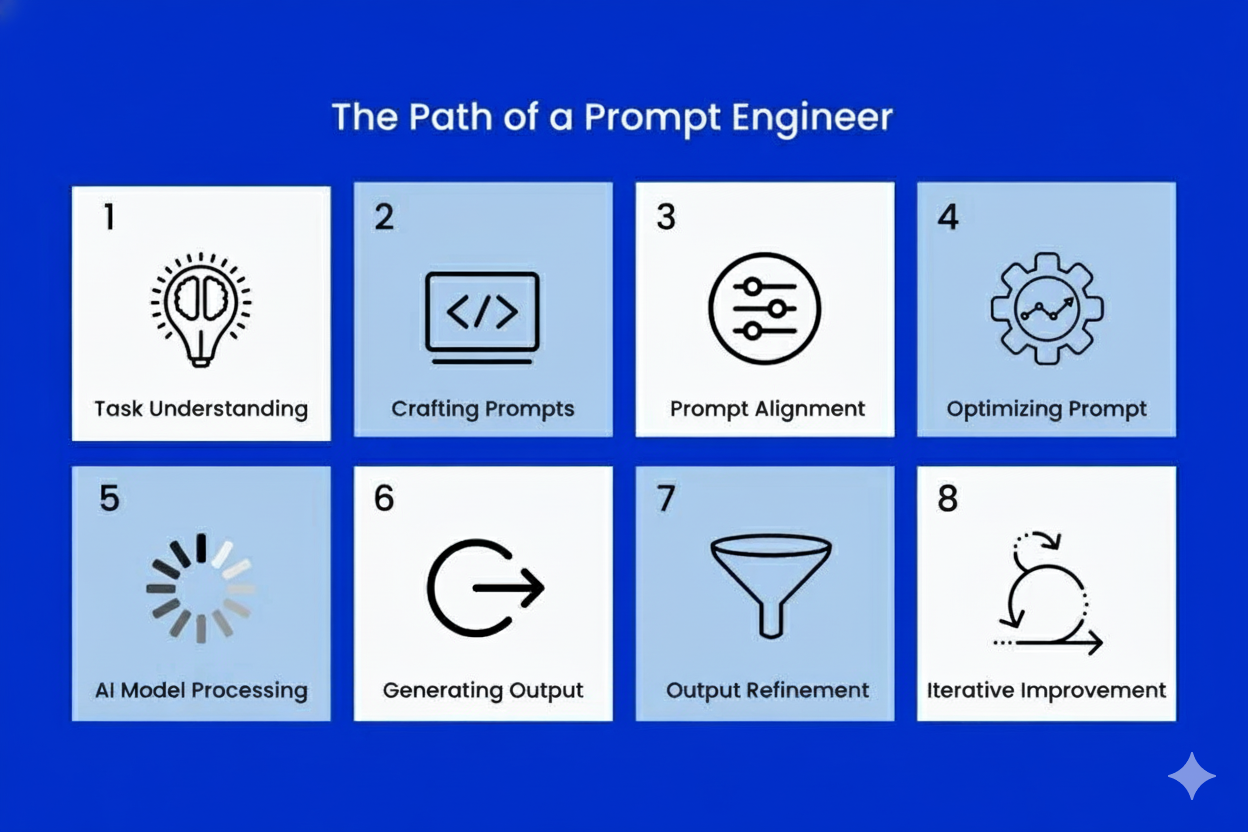
I have to address prompt engineering directly because there's so much confusion about it. When Anthropic posted a "Prompt Engineer and Librarian" position with a salary up to $335,000, the tech world went crazy. Suddenly everyone wanted to be a prompt engineer.
The reality is more nuanced. According to Glassdoor data from 2025, prompt engineers earn an average base salary around $123,274 to $136,141 annually, with the typical range falling between $98,801 and $162,561. That's excellent money, but those six-figure listings at top tech companies are outliers, not the norm.
More importantly, the role of "prompt engineer" as a standalone position is evolving. Jim Fowler, CTO of Nationwide, put it well: "Whether you're in finance, HR or legal, we see this becoming a capability within a job title, not a job title to itself." Microsoft's recent workforce survey found that prompt engineer was ranked second to last among new roles companies are considering adding.
My advice? Don't try to become a "prompt engineer." Instead, become excellent at whatever you do and integrate prompt engineering skills into that expertise. A marketing professional who's great at prompting is more valuable than a "prompt engineer" with no marketing background.
Part Three: Building AI-Powered Businesses
The AI Automation Agency Model
I want to share something important about AI automation agencies because there's a lot of hype and not enough reality in the discourse around them. Yes, they can be incredibly profitable. I know agency owners generating $30,000 to $50,000 per month. But I also need to be honest about the challenges.
I interviewed an entrepreneur who built a traditional tech agency to $2.6 million in annual revenue with 25 employees before selling it. His advice after 12 years? "AI automation agencies are not actually AI businesses. They are traditional service businesses that are just using the AI name." When you run an agency, you're not using AI to make your own life easier—you're selling your time and skills to help other people's businesses while they get the long-term benefits.
That doesn't mean you shouldn't build an agency. It means you should go in with realistic expectations. Here's what I've learned about making it work:
- Start with one specific problem for one specific industry. The agencies struggling are the ones trying to be everything to everyone. The ones thriving have picked a lane—AI for law firms, automation for e-commerce, chatbots for healthcare. Pick something you understand and go deep.
- Build productized services, not custom everything. Custom work doesn't scale. If you're building completely unique solutions for every client, you'll burn out. The successful agency owners I know have three to five core offerings they've refined and can deliver consistently.
- Focus on outcomes, not technology. Clients don't care about the cool AI tools you use. They care about results—more leads, less customer service overhead, faster content production. Frame everything in terms of business outcomes.
- Plan your exit from the beginning. Whether that's selling the agency, transitioning to a productized business, or building systems that don't require your daily involvement, have a plan. Agency life without an exit strategy is a trap.
Micro-SaaS: The Solo Founder's Path
If the agency model sounds exhausting, let me tell you about an alternative that's been gaining massive traction: AI-powered micro-SaaS. These are small, focused software products that solve one specific problem for a niche audience. They're typically built and operated by one to two people and can generate $5,000 to $50,000 in monthly recurring revenue with profit margins of 80% to 95%.
The numbers support this model's viability. According to Stripe's 2024 Indie Founder Report, 44% of profitable SaaS products are now run by a single founder—a figure that's doubled since 2018. The 2025 Indie Hacker Trends Survey found that one in three indie SaaS founders now use AI for more than 70% of their development and marketing workflows.
Let me share some real examples from the indie hacker community:
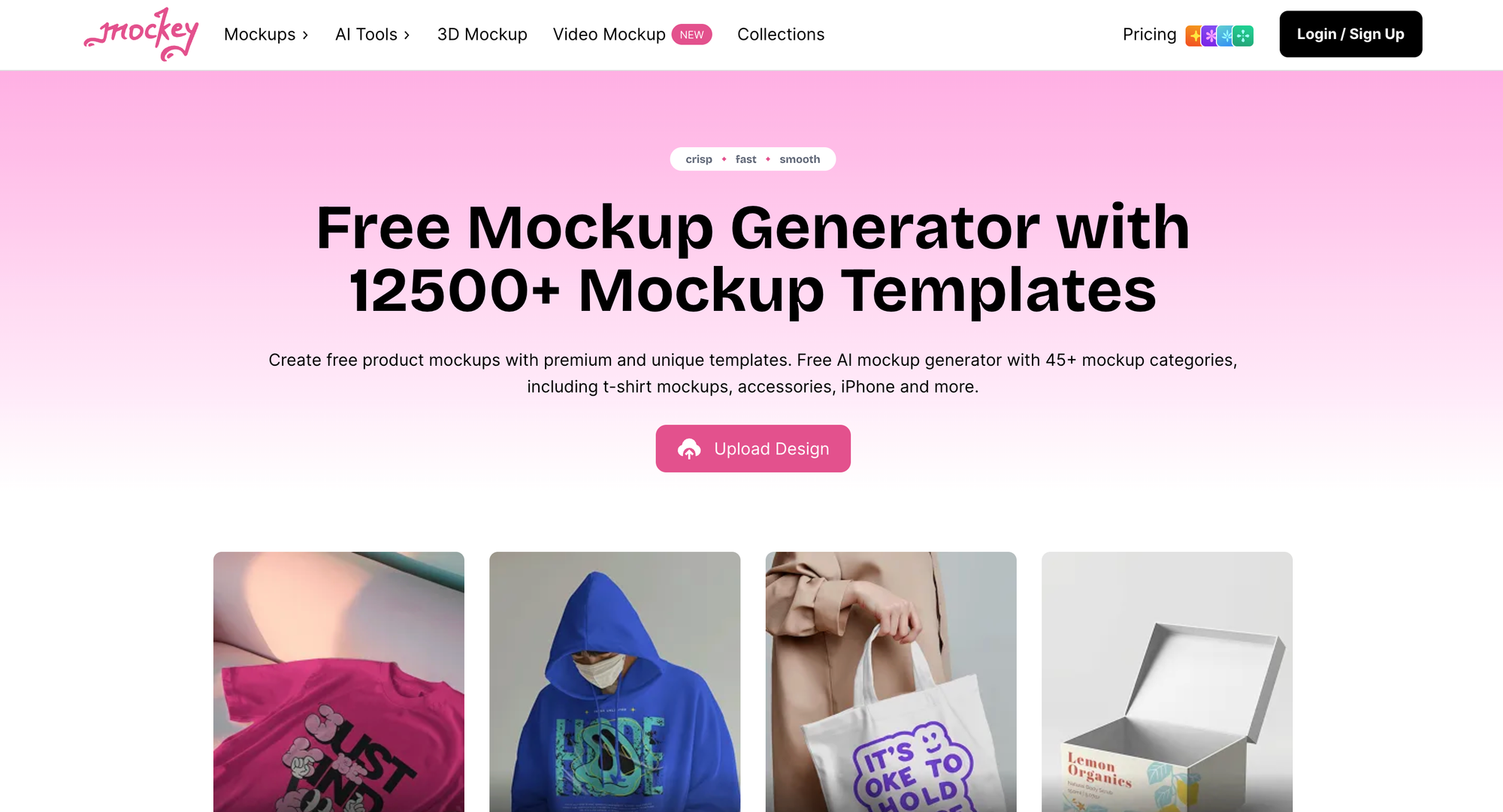
Mockey.ai: An AI-powered mockup generator that hit $12,000 in monthly recurring revenue just eleven months after the founders turned it from a free side project into a paid product. They identified a gap—existing mockup solutions were limited, slow, and required Photoshop knowledge—and built a simple solution that generates mockups directly in the browser.
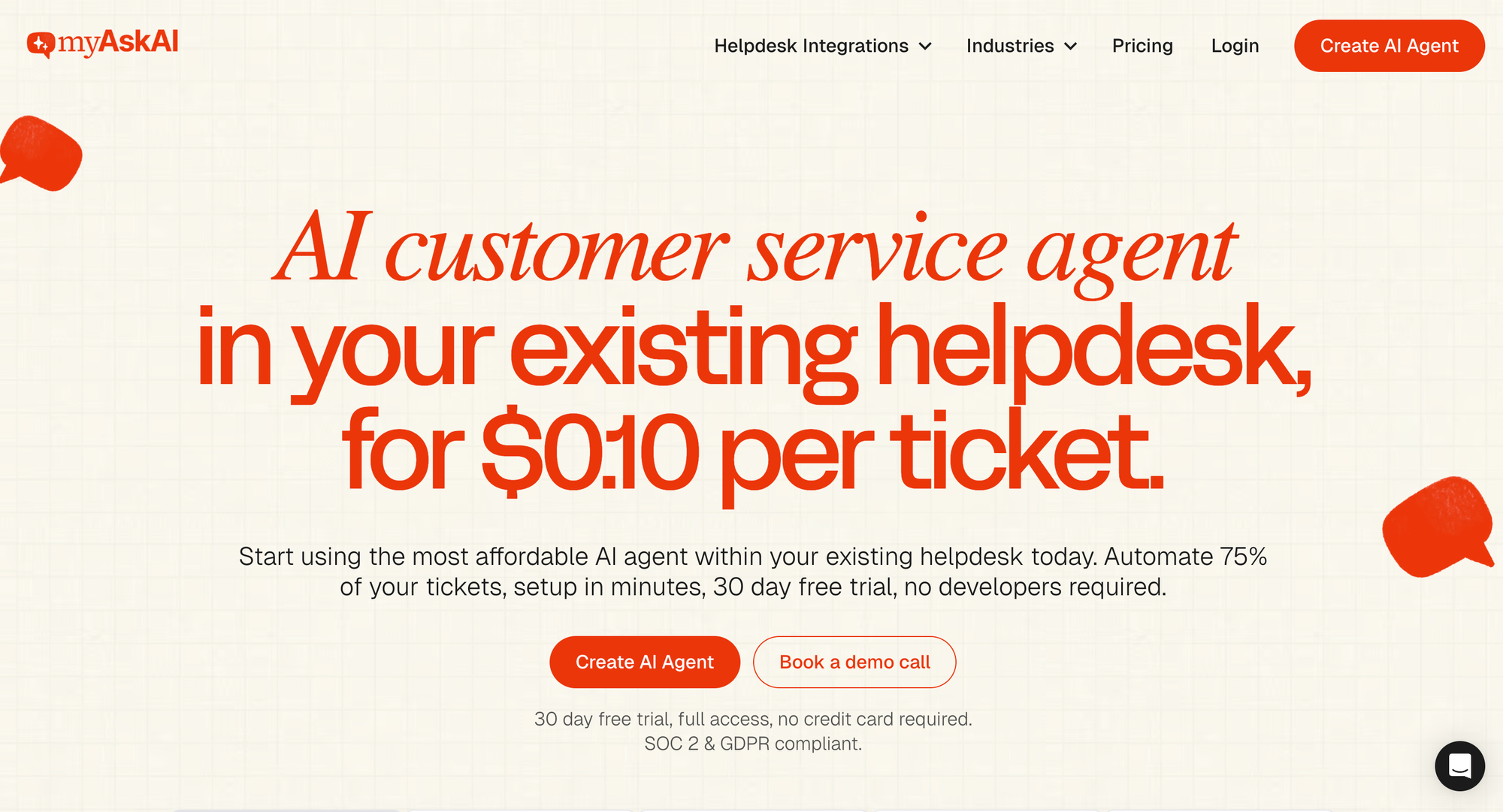
My AskAI: Built by a co-founder team who experimented with GPT-3 before pivoting to AI customer support for SaaS businesses. Now generating $25,000 per month with essentially zero employees beyond the founders. Started with less than $50 in initial investment.
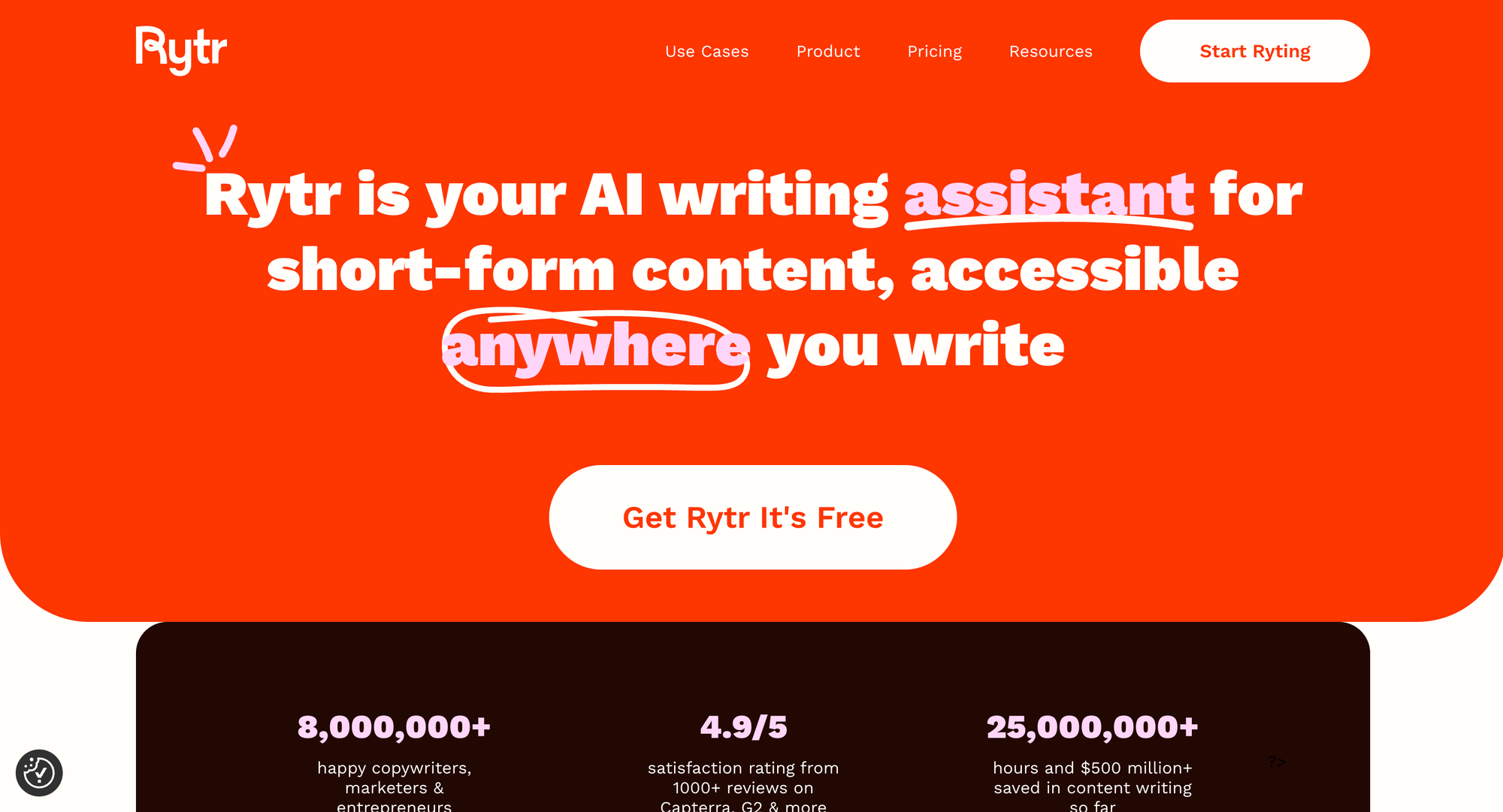
Rytr: An AI writing assistant that grew to 300,000+ customers worldwide and seven figures in annual recurring revenue. Started when the founder saw the potential in GPT-3 and recognized the pain points of content generation for small teams.
The pattern I see in successful micro-SaaS businesses: identify a specific pain point in a niche you understand, build the minimum viable product quickly using AI tools, launch and gather feedback aggressively, iterate based on what real users tell you they need, and scale only after you've proven the model works.
Raising Money for AI Ventures
If you're thinking bigger—venture-scale bigger—the funding landscape for AI startups is unlike anything we've seen before. AI startups captured approximately 33% of all global venture capital funding in 2024, according to both Crunchbase and Statista research.
At the pre-seed stage, AI companies are pulling in $500,000 to $2 million, far above the typical $250,000 to $1 million range for non-AI startups. Nearly half of all AI pre-seed rounds in 2024 fell into this higher range, reflecting investor eagerness to get in early on high-potential AI plays.
The mega-rounds are staggering. In 2025 alone, 49 U.S. AI startups raised funding rounds worth $100 million or more. Companies like Anysphere (maker of the Cursor coding platform) raised $2.3 billion at a $29.3 billion valuation. Anthropic raised a $13 billion Series F at a $183 billion valuation. Sierra, a customer service AI platform, raised $350 million at over $10 billion valuation.
But here's the reality check: those numbers are for the 1% of the 1%. If you're a first-time founder, you're more likely looking at seed rounds in the $1-5 million range, and you'll need to demonstrate clear traction before most VCs will take a meeting.
Alternative funding paths worth considering include government grants (SBIR/STTR programs offer non-dilutive funding up to $2 million), revenue-based financing from companies like Lighter Capital or Arc, and bootstrapping with AI tools to reach profitability faster. One entrepreneur I know tripled his AI company's revenue with $2 million in non-dilutive debt funding from Lighter Capital, retained all his equity, and drove the company valuation up twentyfold.
Part Four: AI-Enhanced Content Creation
The Creator Economy Meets AI
The creator economy has been transformed by AI, and there's real money to be made if you understand how these platforms now work. Let me share what I've learned about each major platform.
YouTube
YouTube distributed over $50 billion to creators in recent years and remains the most lucrative platform for content creators. The addition of Shorts monetization has created new opportunities—more than 750,000 channels earned from Shorts in its first year of monetization.
AI tools are transforming YouTube production. Creators use AI for script generation and research, thumbnail creation and A/B testing, video editing and post-production, SEO optimization and title generation, and audience analysis and content strategy. Fashion creator Justine Leconte reportedly earned $259,304 in ad revenue in 2025 with one million subscribers—that's roughly $979 per video. The key to reaching those numbers? Consistency, quality, and smart use of AI tools to maintain production pace.
TikTok
TikTok's monetization has evolved significantly. The original Creator Fund paid around $0.02 to $0.04 per 1,000 views—essentially nothing. The newer Creator Rewards Program offers 20 times better rates, approximately $0.40 to $0.80 per 1,000 views, but requires videos over one minute and emphasizes originality and watch time.
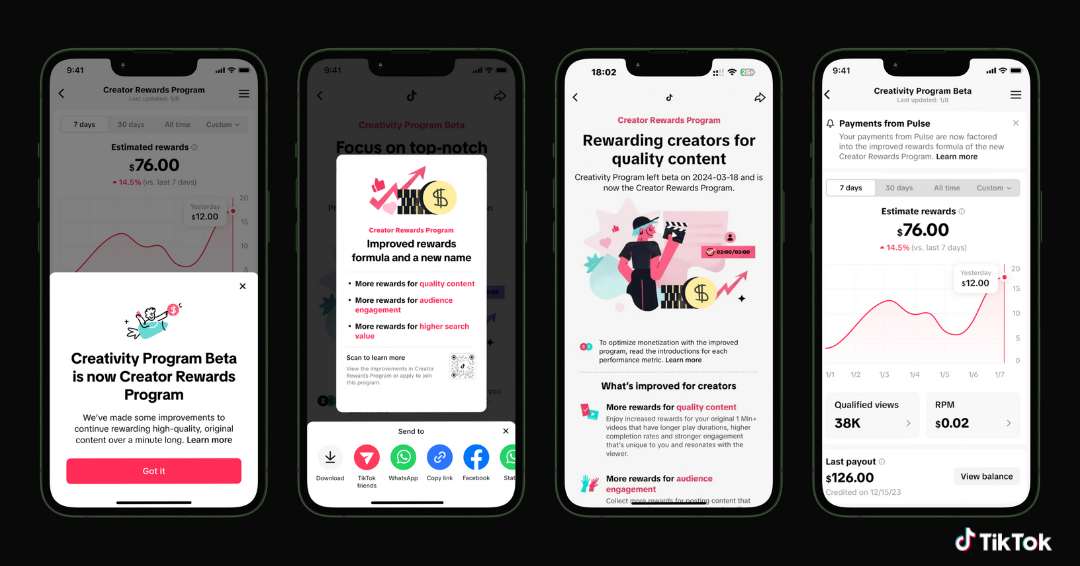
Here's where AI becomes crucial: longer videos with high retention are now where the money is. AI tools help creators develop compelling storylines that keep viewers watching, generate scripts with strong pacing and hooks, create visually engaging content without expensive production, and analyze what's working and optimize accordingly.
The faceless video niche has exploded on TikTok, with some creators earning between $25,000 and $100,000 annually creating ASMR, educational content, or commentary videos without ever showing their faces. AI tools like video generators and text-to-speech have made this more accessible than ever.
AI Video and Spokesperson Content
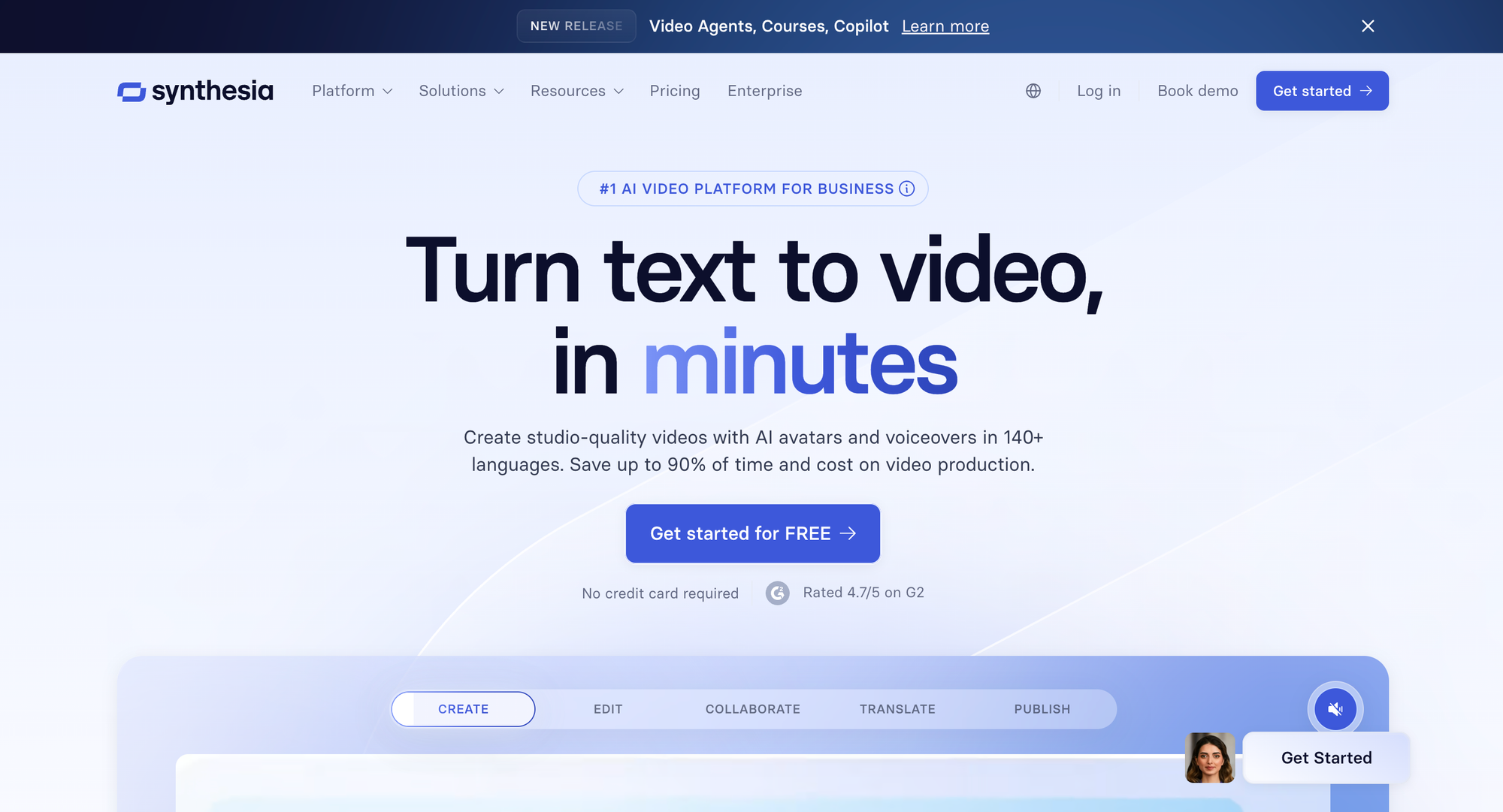
Creating AI spokesperson videos—using digital avatars as virtual hosts—has emerged as the top-paying AI side hustle according to recent analysis, with average daily rates of $110. This isn't about creating deepfakes; it's about producing professional video content for businesses that eliminates the costs of live production.
The business applications are huge: training videos, product explanations, customer onboarding content, and marketing materials. Companies like Synthesia have raised over $156 million specifically to build these capabilities, indicating strong market demand.
The Side Hustle Spectrum
Let me break down AI side hustles by income potential, from entry-level to advanced:
Entry Level ($500-2,000/month): AI-assisted freelance writing, digital product creation using AI design tools, prompt selling on marketplaces, AI-enhanced virtual assistance. These require minimal startup costs and can be started within a week.
Intermediate ($2,000-5,000/month): AI content editing and enhancement, chatbot creation for local businesses, AI-powered social media management, course creation using AI tools. These typically require some learning curve and initial client acquisition effort.
Advanced ($5,000-15,000+/month): AI automation consulting, custom AI solution development, AI training and implementation for businesses, specialized AI content production. These require expertise and typically take 6-12 months to build to full income potential.
According to a Thryv survey, small businesses using AI tools report cost savings of $500 to $2,000 per month and time savings of 20+ hours per month. These savings represent the value you can capture by helping businesses implement AI effectively.
Part Five: Your Practical 90-Day Action Plan
Days 1-30: Foundation Building
The first month is about skill development and market research. Here's exactly what I recommend:
Week 1: Tool Immersion. Spend at least two hours daily with major AI tools. Get a ChatGPT Plus subscription ($20/month) and Claude Pro subscription ($20/month). Use them for everything—your own work, experiments, personal projects. The goal is fluency, not just familiarity.
Week 2: Niche Research. Identify three to five industries or problem areas where you have existing knowledge or interest. Research what AI tools exist for those spaces, what businesses are struggling with, and what competitors are charging. Don't skip this step—the difference between a profitable AI business and a failed one often comes down to niche selection.
Week 3: Skill Stacking. Based on your research, identify the specific skills you need to develop. If you're going into automation, learn Zapier or Make. If you're doing content, master prompting techniques for your specific content type. Take one focused online course or complete one certification.
Week 4: Portfolio Building. Create two to three sample projects that demonstrate your capabilities. If you're doing automation, build a working demo. If you're doing content, create sample pieces. These will be essential for landing your first clients.
Days 31-60: First Revenue
Month two is about getting paid. Not thinking about getting paid—actually getting paid.
Week 5: Platform Setup. Create profiles on relevant platforms—Upwork, Fiverr, LinkedIn, or industry-specific marketplaces. Your profile should clearly communicate the specific problem you solve and for whom. Avoid generic "AI services" positioning.
Week 6: Outreach Campaign. Reach out to your warm network first—friends, former colleagues, LinkedIn connections. Tell them specifically what you're offering and ask for referrals. Then begin cold outreach to potential clients in your target niche. Aim for 20 outreach contacts per day.
Week 7-8: First Clients. Your goal by the end of month two is at least one paying client. If you haven't landed one, reduce your price temporarily, offer a "beta" rate, or do a free project in exchange for a testimonial and case study. The first client is the hardest; it gets easier from there.
Days 61-90: Scaling
Month three is about establishing sustainable income and building toward your target revenue.
Week 9: Systems and Processes. Document everything you did for your first client(s). Create templates, checklists, and workflows that will let you deliver the same quality faster. This is the foundation of a scalable business.
Week 10: Content Marketing. Start sharing your expertise publicly. Write LinkedIn posts about what you've learned, create a simple blog or newsletter, engage in relevant online communities. Content marketing is a slow burn but essential for long-term client acquisition.
Week 11-12: Pricing Optimization. If you've been undercharging, start raising prices for new clients. Based on client feedback, refine your offerings. Begin thinking about productized services or recurring revenue models that can provide more stable income.
Part Six: Common Pitfalls and How to Avoid Them
I've made plenty of mistakes on this journey. Let me save you some pain by sharing the biggest ones:
Pitfall 1: Chasing Every AI Tool and Trend
New AI tools launch literally every day. When I started, I tried to stay on top of everything—every new model, every new platform, every new capability. It was exhausting and counterproductive. Now I follow a simple rule: master two to three core tools deeply before adding anything new. For most people, that means ChatGPT or Claude for text, Midjourney or Nano Banana for images, and one automation platform like Zapier or Make. That's enough to build a substantial business.
Pitfall 2: Undervaluing Your Services
Because AI tools are inexpensive or free, many people assume they should charge low prices for AI-enhanced services. This is backwards thinking. The value isn't in the tool—it's in what you can accomplish with it. A business consultant using AI to analyze market data isn't selling "AI analysis"—they're selling business insights that happen to be generated with AI assistance. Price accordingly.
Pitfall 3: Ignoring the Human Element
The most successful AI businesses I've encountered aren't purely technical—they combine AI capabilities with genuine human expertise and relationship building. Clients choose to work with you because of your judgment, your understanding of their specific situation, and your ability to translate AI outputs into meaningful action. Don't become so focused on the technology that you forget about the human side.
Pitfall 4: Overpromising Results
AI is powerful but not magical. I've seen people promise clients that AI will "10x their productivity" or "automate 90% of their work." These claims might occasionally be true, but they set unrealistic expectations. Be honest about what AI can and can't do. Underpromise and overdeliver—it's better for client relationships and your reputation.
Pitfall 5: Not Disclosing AI Use When Appropriate
This is increasingly important: roughly nine out of ten customers feel they deserve to know when they're communicating with AI or a human. Transparency about AI use isn't just ethical—it's becoming expected. Be upfront with clients about how you use AI tools. Most clients appreciate the efficiency gains and don't mind, as long as you're delivering quality work.
Part Seven: What's Next—Looking Toward 2026 and Beyond
As I write this in late 2025, looking toward 2026 and beyond, several trends are shaping where the AI income opportunity is heading:
Agentic AI: The Next Frontier
According to PwC's 2026 predictions, agentic AI—systems that can plan, act, and adapt autonomously—will play an increasingly important role. These agents can handle roughly half the tasks that people now do in many contexts. The business opportunity here is helping companies implement, manage, and oversee these agent systems. It's not about replacement; it's about augmentation and orchestration.
AI Governance and Compliance
The EU AI Act's obligations began applying in 2025, and regulatory frameworks are expanding globally. Sixty percent of executives say responsible AI boosts ROI and efficiency, according to PwC's 2025 Responsible AI survey. There's growing demand for professionals who understand AI governance, risk management, and compliance. If you have legal, compliance, or risk management background, this could be an excellent specialization.
Vertical AI Applications
Generic AI applications are becoming commoditized. The value is increasingly in vertical-specific solutions—AI tailored for healthcare, legal, real estate, manufacturing, or other specific industries. Companies like Tempus (AI for oncology), EvenUp (AI for personal injury law), and Sierra (AI for customer service) have raised hundreds of millions by focusing on specific industry needs.
The Great Workflow Redesign
McKinsey's research indicates that the companies seeing the most value from AI are redesigning workflows, not just adding AI to existing processes. The consulting opportunity here is enormous: helping businesses fundamentally rethink how work gets done with AI as a core component rather than an add-on.
Part Eight: Essential Tools, Resources, and Platforms
The AI Tool Stack I Use Daily

After testing dozens of AI tools over the past two years, I've settled on a core stack that handles 95% of my needs. Here's exactly what I use and why:
For Text and Analysis: I alternate between ChatGPT Plus ($20/month) and Claude Pro ($20/month). ChatGPT excels at creative tasks and has superior image generation through DALL-E integration. Claude tends to produce more nuanced, longer-form content and handles complex analytical tasks exceptionally well. Having both gives me options depending on the specific task. For most business applications, either will serve you well—you don't need both to start.
For Automation: I use Make (formerly Integromat) for complex workflows and Zapier for simpler integrations. Make has a steeper learning curve but offers more powerful capabilities and better pricing at scale. For clients just starting out, I typically recommend Zapier because it's more intuitive. Both connect to hundreds of applications and can automate virtually any repetitive digital task.
For Image Creation: Nano Banana remains my go-to for high-quality image generation. For business graphics and social media content, Canva's AI features (Magic Design, Magic Write) offer a great balance of capability and ease of use. For clients who need consistent brand imagery, I've found Midjourney's style reference features invaluable.
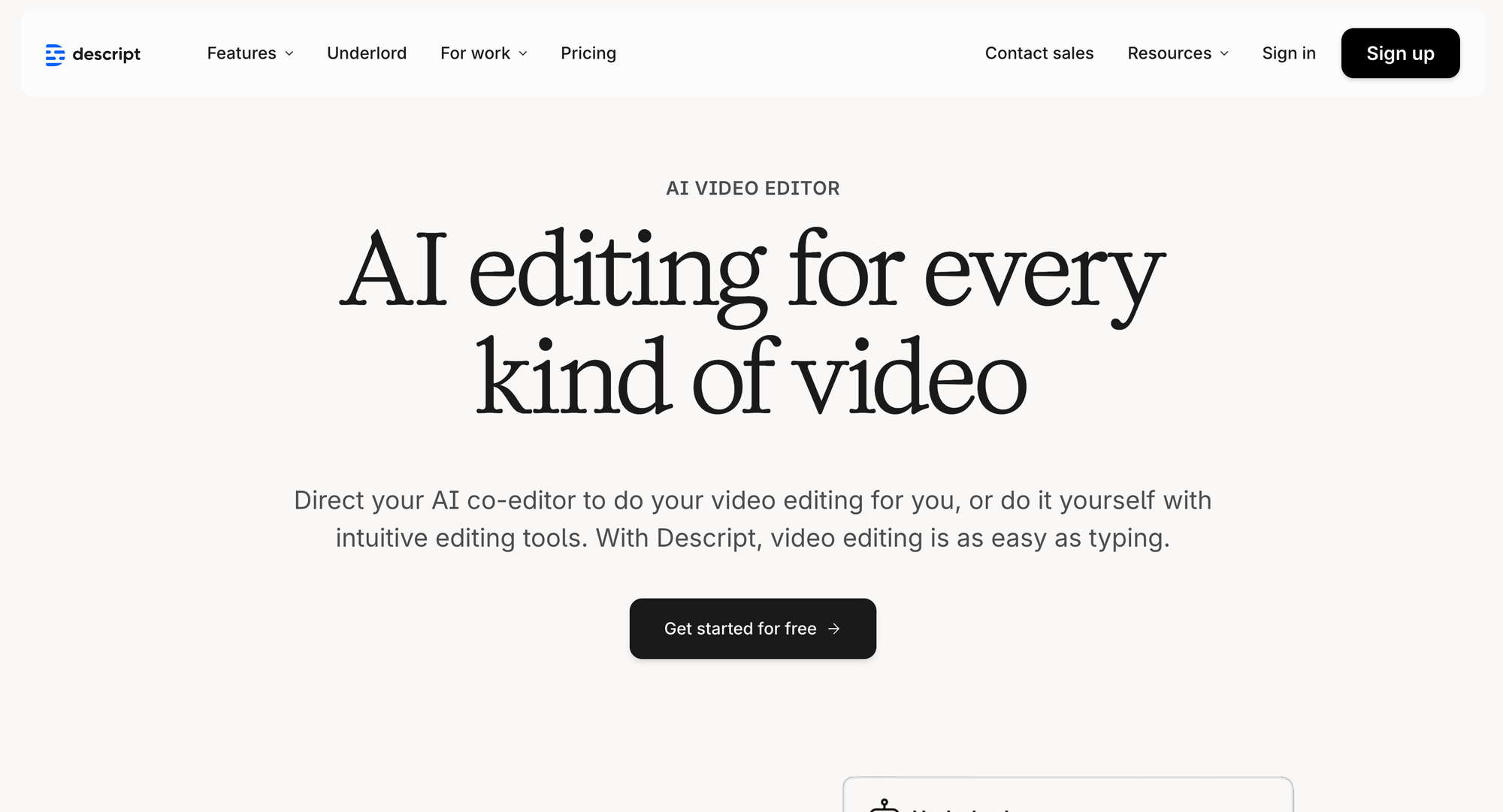
For Video Production: The landscape here is evolving rapidly. I use a combination of Descript for podcast and video editing (its AI transcription and filler word removal save hours), Synthesia for AI avatar videos when appropriate, and CapCut for quick social media edits. For clients doing heavy video production, tools like Runway ML and Pika Labs offer increasingly impressive AI video generation capabilities.
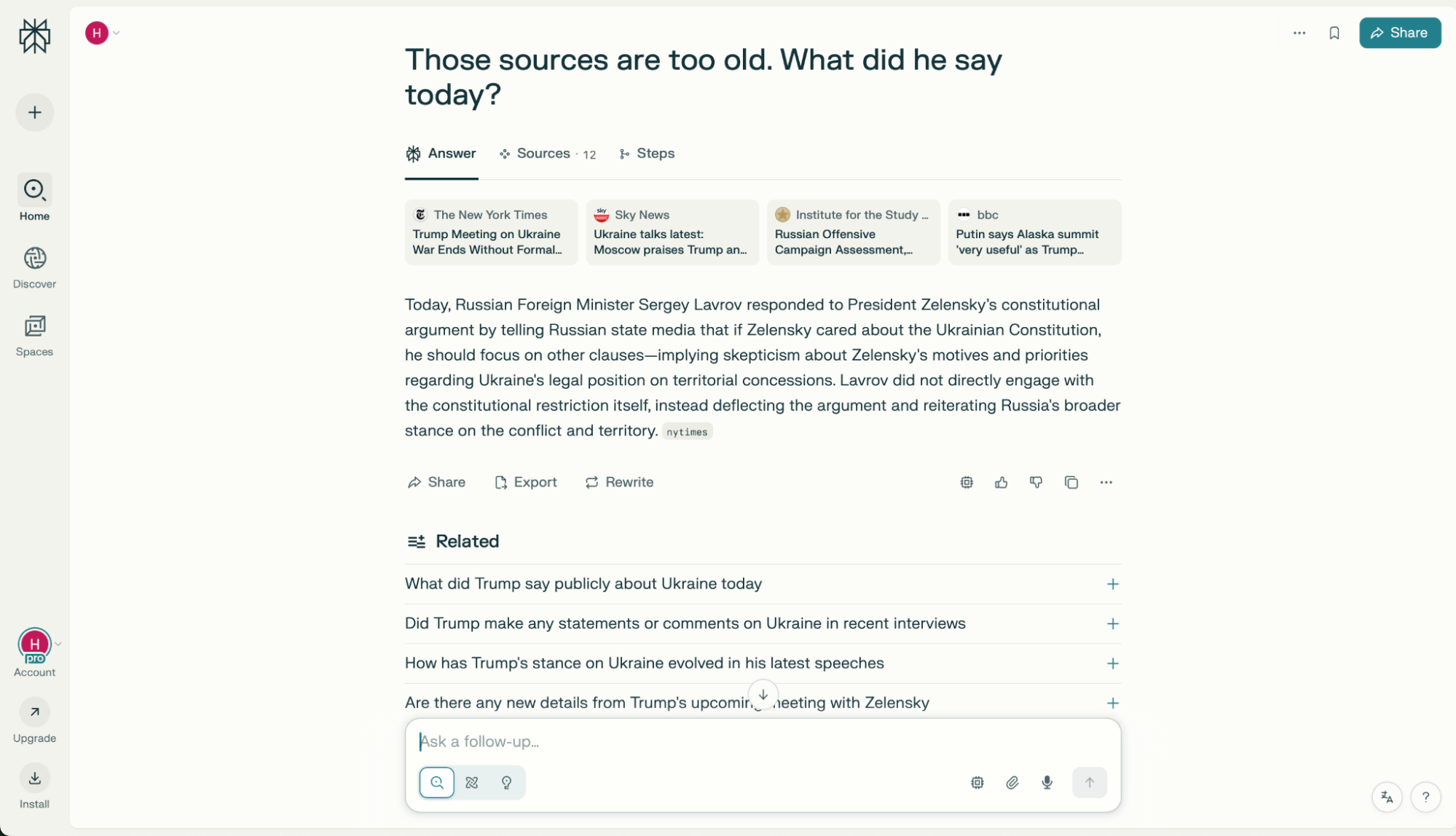
For Research and Organization: Perplexity AI has become indispensable for research tasks—it combines AI with real-time web search and provides citations, which is crucial for business content. For organizing AI outputs and building knowledge bases, I use Notion with its AI features enabled. Some clients prefer Mem.ai or Obsidian depending on their workflow preferences.
Platforms for Finding AI Work
Where you find clients matters as much as what services you offer. Here are the platforms I've had the most success with, along with my honest assessment of each:
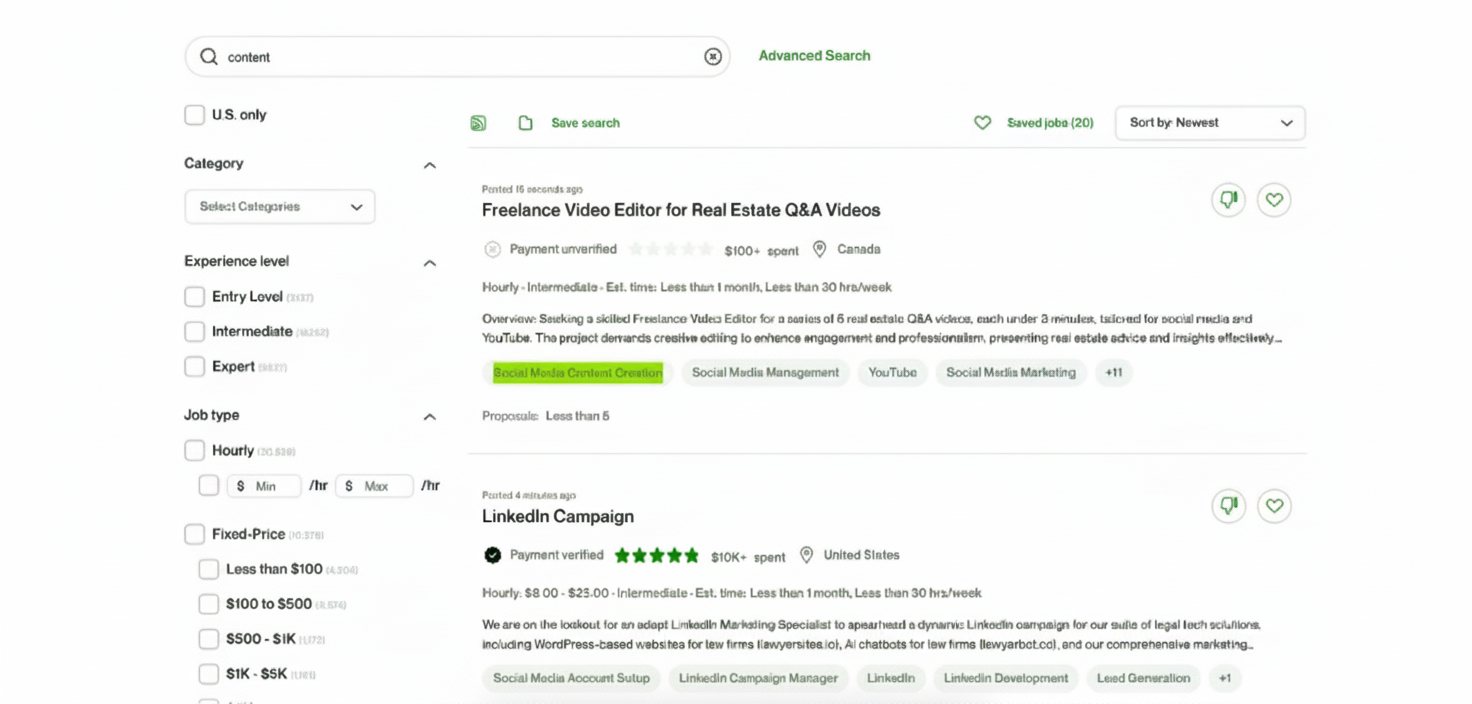
Upwork: Still the largest marketplace for freelance work, and increasingly where serious AI projects are posted. The competition is fierce, but the quality of clients tends to be higher than other platforms. I recommend Upwork for longer-term projects and retainer relationships. Initial rates may be lower while you build your profile, but established freelancers with good reviews can command premium pricing. Pro tip: Apply to jobs within the first hour of posting—response rates drop dramatically after that.
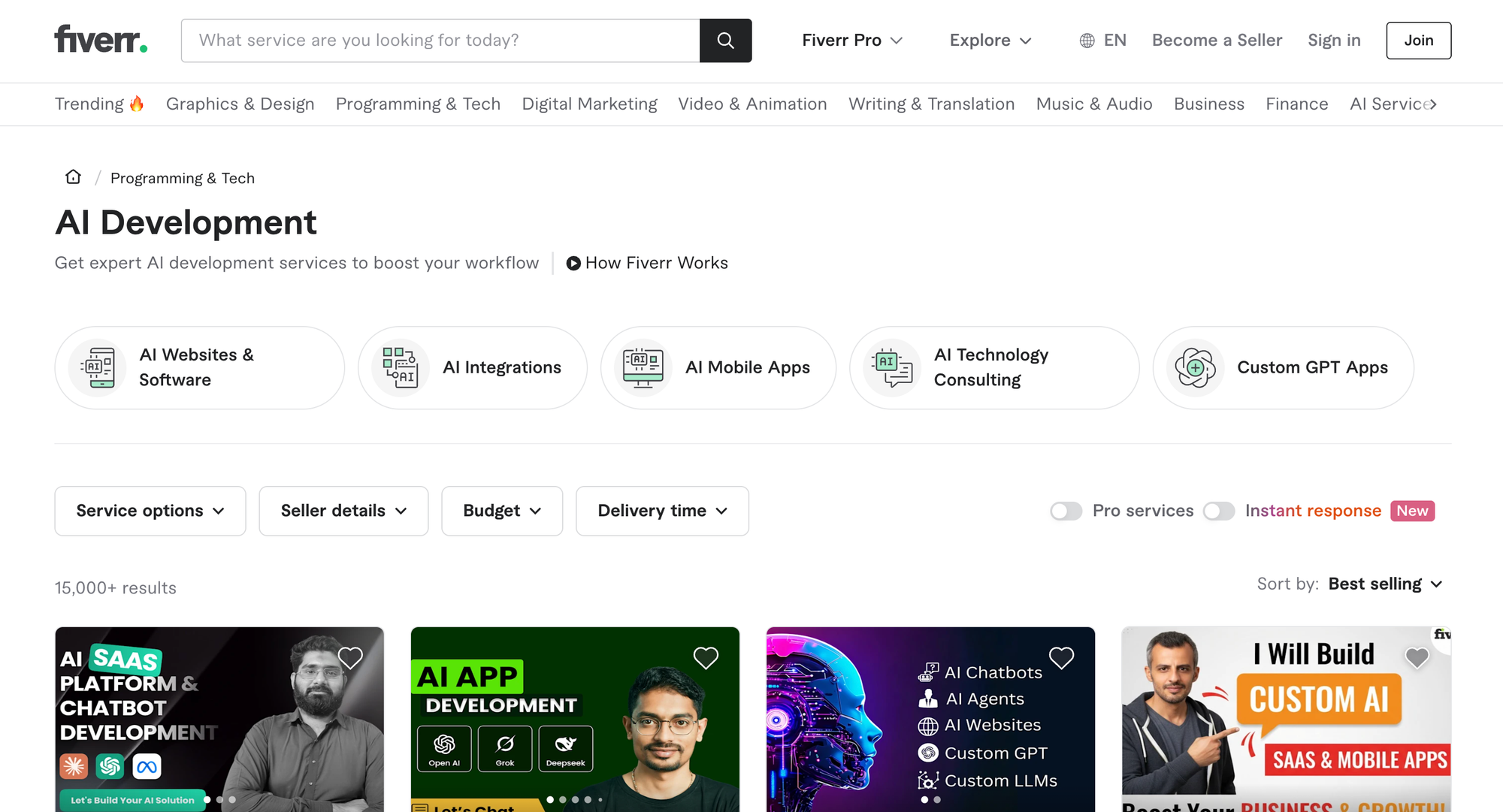
Fiverr: Better for productized services—specific deliverables at set prices. Works well for AI content creation, chatbot setup, and automation implementation. The platform now has dedicated AI services categories including AI fact-checking, content editing, and technical writing. Less suitable for complex consulting work but excellent for building volume and testimonials.
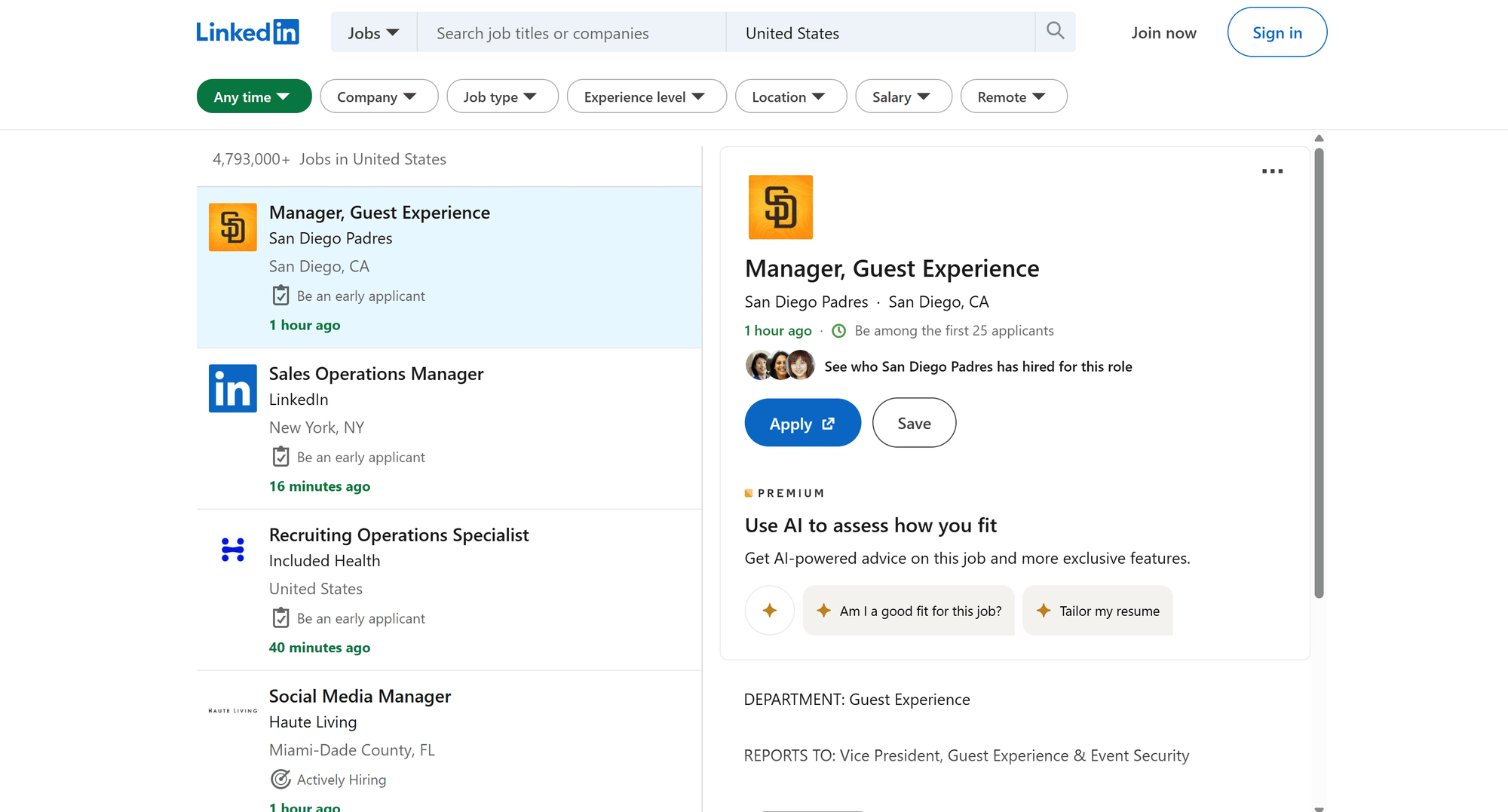
LinkedIn: Underrated as a client acquisition channel. I generate roughly 40% of my consulting leads through LinkedIn content and direct outreach. The key is sharing genuine insights about AI applications in your target industry, not just promoting your services. Build authority first; the inbound inquiries follow.
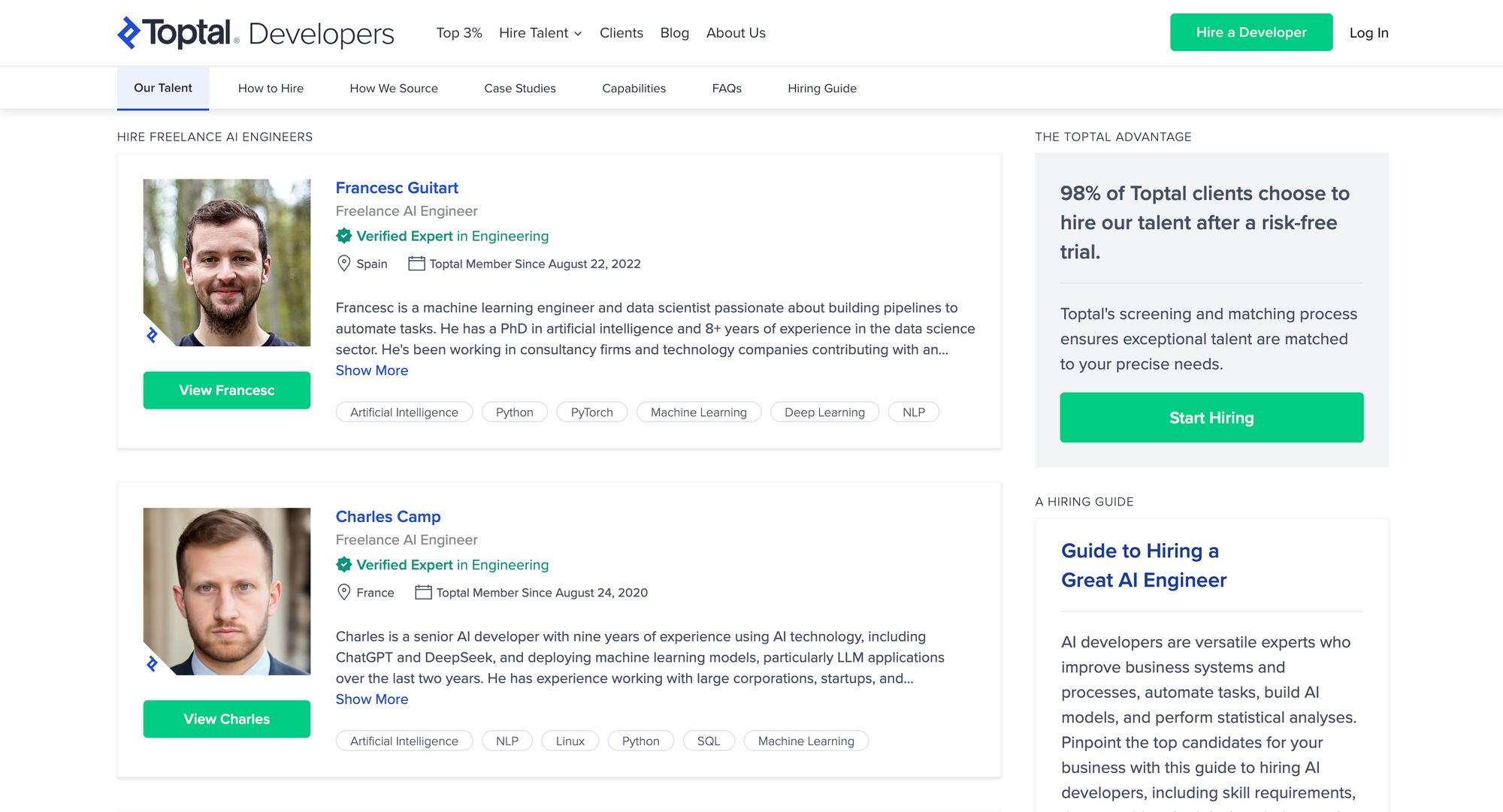
Toptal and Similar Platforms: For premium positioning and higher rates, platforms like Toptal, Arc, and Turing offer access to well-funded companies willing to pay top dollar. The vetting process is rigorous—typically involving technical interviews and skill assessments—but once you're in, you have access to significantly higher-paying projects. These are particularly valuable if you have strong technical AI/ML skills.
Industry-Specific Platforms: Depending on your niche, specialized platforms may offer better opportunities. Contently and Skyword for content, We Work Remotely for tech-focused roles, FlexJobs for vetted opportunities. Don't overlook industry associations and their job boards—they often have less competition and more qualified leads.
Learning Resources Worth Your Time
The AI education space is flooded with courses, many of which promise more than they deliver. Here are the resources I've found genuinely valuable:
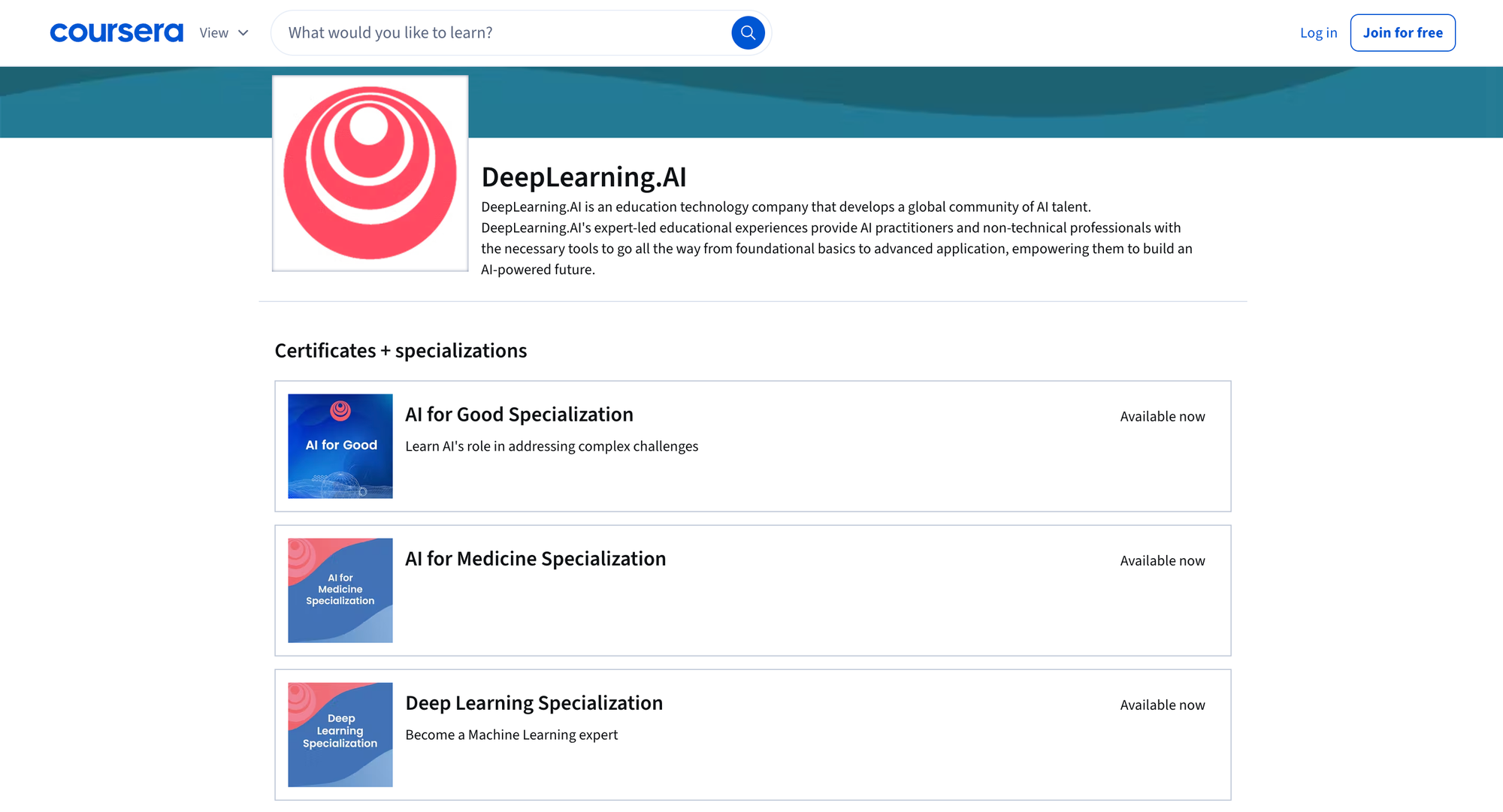
For Foundational Understanding: DeepLearning.AI's courses on Coursera, particularly Andrew Ng's machine learning specialization, remain the gold standard for understanding how AI actually works. You don't need to become a data scientist, but understanding the basics of how these systems function makes you dramatically more effective at using them.
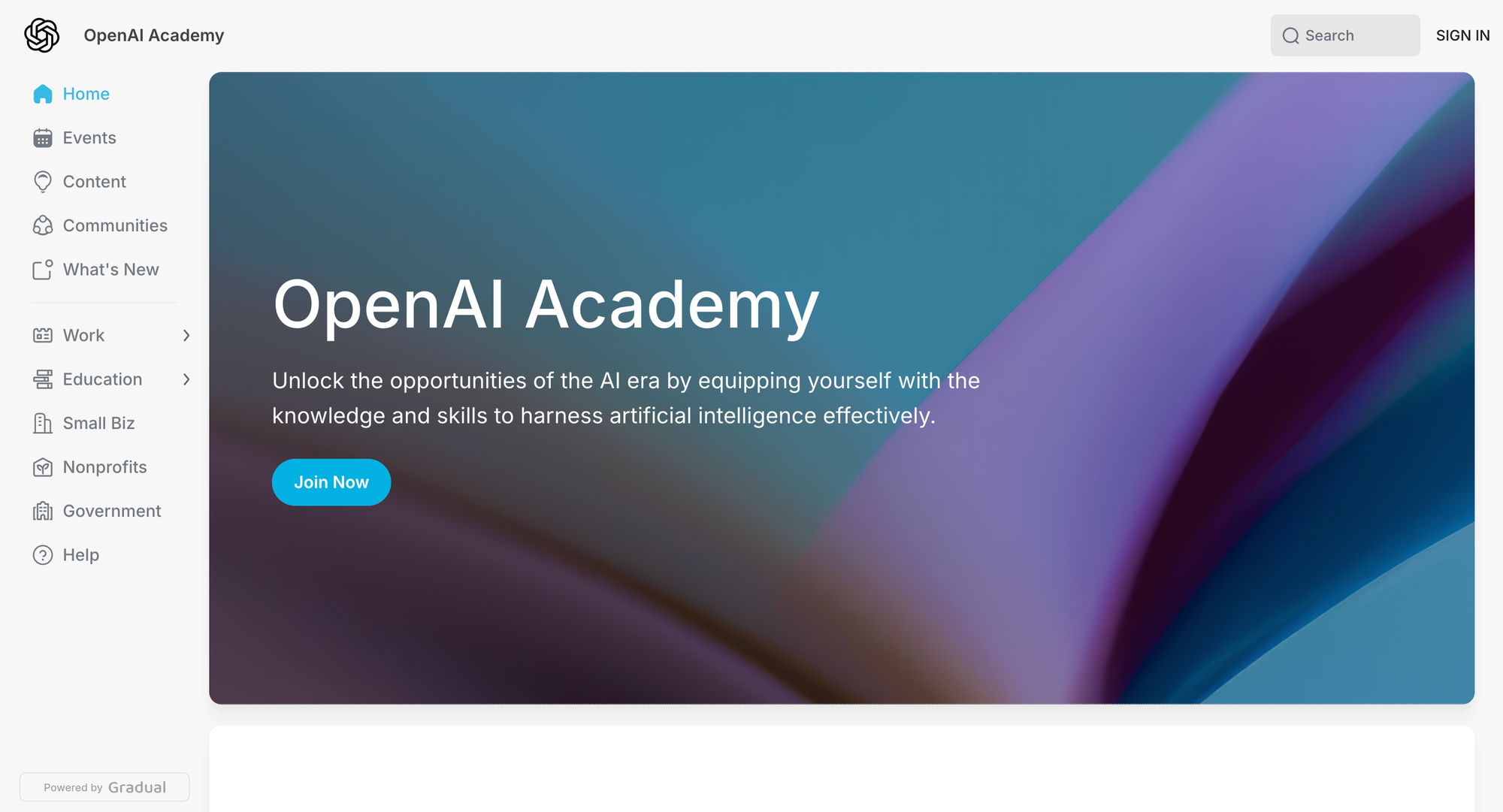
For Prompt Engineering: OpenAI's own documentation and the OpenAI Academy (free) are excellent starting points. Anthropic's prompting guides are also valuable, especially for professional applications. For more advanced techniques, the DAIR.AI prompt engineering guide and LearnPrompting.org offer comprehensive coverage.
For Business Application: The AI business space moves too fast for traditional courses to stay current. I recommend following practitioners on Twitter/X and LinkedIn who are actively building AI businesses and sharing their learnings. Podcasts like "AI Hustle" cover practical monetization strategies. Communities like Indie Hackers feature regular case studies from founders building AI products.
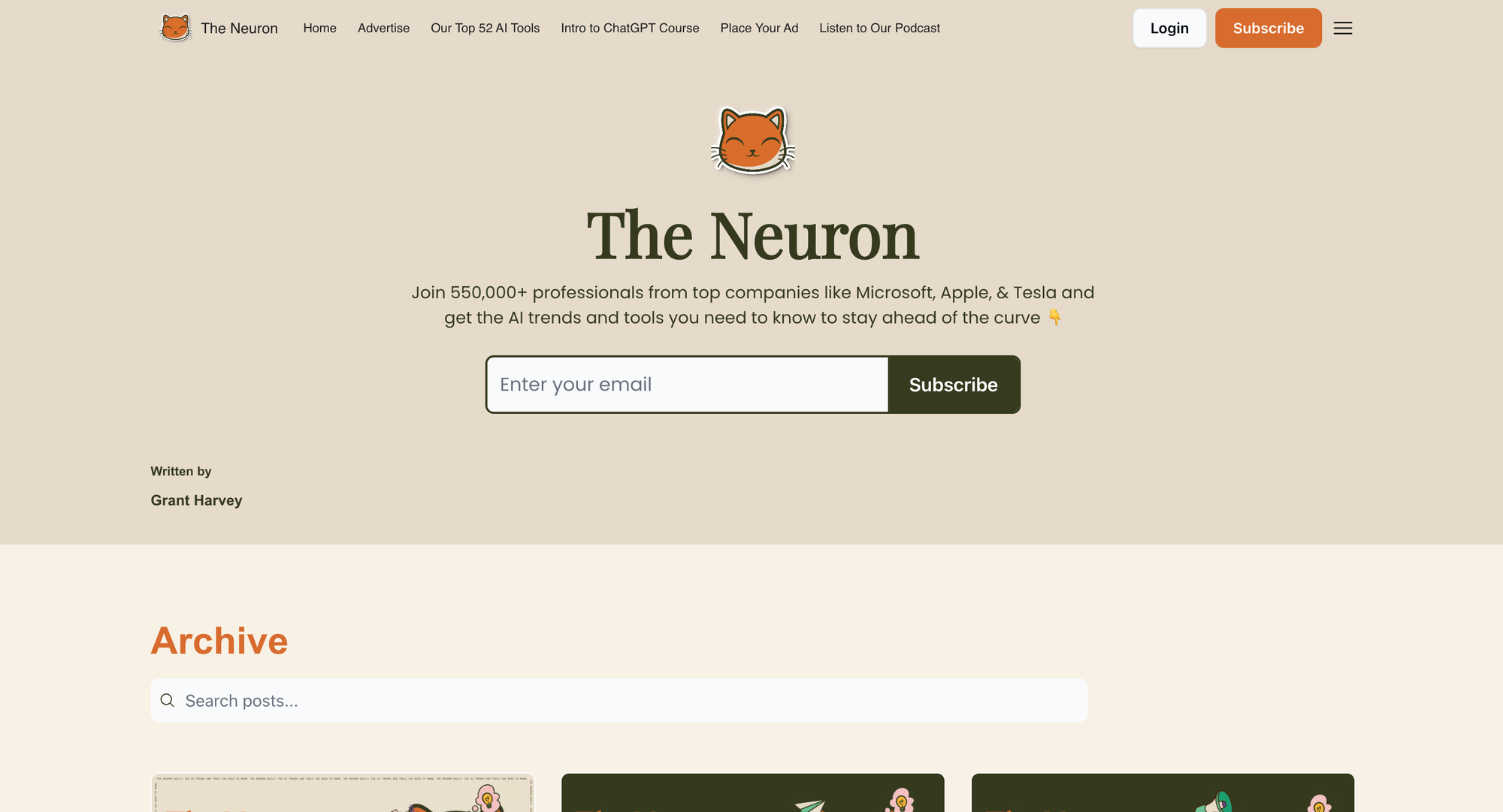
For Staying Current: The AI landscape changes weekly. I allocate 30 minutes daily to reading AI news and analysis. Ben's Bites newsletter, The Neuron, and Import AI provide good curated coverage. For deeper analysis, follow AI researchers on social media and read papers that get significant attention—you don't need to understand every technical detail, but knowing what's coming helps you stay ahead of the curve.
Part Nine: Real Numbers—What People Are Actually Earning
I want to close with some real numbers from people I've connected with in the AI income space. These aren't cherry-picked success stories—they're representative examples across different experience levels and approaches:
Sarah, 34, Former Teacher (Los Angeles)
Started: January 2024. Background: High school English teacher with no technical experience. Current Income: $4,200/month from AI-enhanced tutoring content creation and educational consulting. How she did it: Leveraged her teaching expertise to create AI-assisted curriculum materials and study guides. Sells digital products and consults with educational technology companies. Time investment: 20 hours/week alongside part-time teaching.
Marcus, 28, Software Developer (Austin)
Started: March 2024. Background: Three years as a backend developer. Current Income: $15,000/month from AI automation services. How he did it: Built custom AI integrations for small e-commerce businesses, focusing on inventory management and customer service automation. Now has seven retainer clients. Time investment: 50+ hours/week (left his job after month six).
Jennifer, 45, Marketing Director (Chicago)
Started: September 2024. Background: 15 years in corporate marketing. Current Income: $8,500/month consulting income (in addition to full-time salary). How she did it: Began offering AI marketing strategy consulting to small businesses on evenings and weekends. Word-of-mouth referrals from LinkedIn connections drove growth. Time investment: 15 hours/week as a side business.
David, 23, Recent Graduate (Remote/Miami)
Started: June 2024. Background: Business degree, minimal work experience. Current Income: $2,800/month from AI content creation. How he did it: Started on Fiverr offering AI-assisted social media content packages. Built up reviews and gradually increased prices. Now working directly with three small businesses on monthly retainers. Time investment: 35 hours/week.
Patricia, 52, Small Business Owner (Phoenix)
Started: April 2024. Background: Runs a local accounting firm. Current Income: Added $35,000/year in revenue to existing business. How she did it: Implemented AI tools in her accounting practice to increase efficiency, then began offering AI implementation consulting to other local service businesses. Time investment: Integrated into existing work—no additional hours.
The common threads in these stories: everyone started with skills they already had, everyone focused on solving specific problems for specific audiences, and everyone was willing to start small and build over time. No one found overnight success, but all of them built sustainable income streams within 6-12 months.
FAQ
How much money can you realistically make with AI in 2026?
Realistic AI income varies significantly by approach and experience level:
- Entry-level (AI-assisted writing, virtual assistance): $500-$2,000/month
- Intermediate (chatbot creation, content management): $2,000-$5,000/month
- Advanced (automation consulting, custom AI solutions): $5,000-$15,000+/month
Freelance AI engineers in North America charge $150-$250/hour, while AI content creators and automation specialists typically earn $50-$150/hour. According to industry data, for every $1 spent on generative AI, companies report an average return of $3.71—which represents the value you can capture by helping businesses implement AI effectively.
What are the best ways to make money with AI in 2026?
The most profitable AI income streams include:
- AI automation consulting for small businesses ($500-$5,000 per project plus monthly retainers)
- AI-enhanced freelance writing and content creation ($50-$150/hour in specialized niches)
- Building AI-powered micro-SaaS products ($5,000-$50,000 MRR potential)
- AI video and spokesperson content creation ($110/day average)
- Prompt engineering services integrated with domain expertise ($90,000-$160,000 annually)
- AI implementation consulting for enterprises
The key is matching your existing skills with AI capabilities rather than trying to become purely "an AI person."
Do I need coding skills to make money with AI?
No, coding skills are not required for many AI income opportunities. Non-technical paths include:
- AI content creation and editing
- AI-powered social media management
- Chatbot setup using no-code platforms (Zapier, Make)
- AI consulting and strategy services
- Digital product creation with AI tools
- Prompt engineering and AI training
Platforms like Zapier, Make, and no-code AI builders have significantly lowered technical barriers. However, technical skills do unlock higher-paying opportunities—AI/ML engineers earn $150-$300/hour compared to $50-$150/hour for non-technical AI services.
Is prompt engineering still a viable career in 2026?
Prompt engineering remains valuable but has evolved significantly. According to Glassdoor 2025 data, prompt engineers earn $123,000-$136,000 average base salary, with ranges from $98,000-$162,000.
However, standalone "prompt engineer" roles are declining as the skill becomes integrated into other positions. As Nationwide's CTO noted: "We see this becoming a capability within a job title, not a job title to itself."
The winning strategy: Combine prompt engineering expertise with domain knowledge in marketing, finance, healthcare, legal, or other fields. A marketing professional who's excellent at prompting is more valuable than a "prompt engineer" with no marketing background.
How do I start an AI automation agency?
Follow these steps to launch an AI automation agency:
- Choose one specific industry or problem to focus on initially
- Build 2-3 productized service offerings rather than custom solutions
- Learn automation platforms like Zapier or Make
- Create sample projects demonstrating your capabilities
- Start with your warm network and offer beta pricing
- Focus on business outcomes (leads generated, time saved) rather than technology
Successful agencies typically charge $500-$5,000 for setup plus $200-$2,000 monthly retainers. Important: Plan your exit strategy from day one, as agency work can become a time trap without proper systems.
What AI tools do I need to start making money?
A minimal AI tool stack for making money includes:
Essential (Starting Out):
- ChatGPT Plus or Claude Pro ($20/month) for text generation and analysis
- One automation platform like Zapier or Make (free tiers available)
- Canva with AI features for visual content
As You Scale:
- Midjourney for image generation ($10-30/month)
- Descript for video/audio editing
- Perplexity AI for research
This $20-40/month initial investment covers most use cases. Pro tip: Master 2-3 core tools deeply before adding more—tool overload is a common pitfall that kills productivity.
How long does it take to start earning money with AI?
With focused effort, you can earn your first AI income within 30-60 days. A realistic 90-day timeline:
- Days 1-30: Skill development and niche research
- Days 31-60: Platform setup and landing first clients
- Days 61-90: Scaling and optimizing your offerings
Most successful AI freelancers and consultants report:
- Reaching $2,000-5,000/month within 6 months
- Reaching $5,000-15,000/month within 12 months
The key factor is taking action—starting with one service for one type of client rather than trying to offer everything to everyone.
Can I make money with AI as a side hustle while working full-time?
Absolutely. AI side hustles are well-suited for part-time work. Many successful AI earners started with 10-20 hours per week alongside full-time jobs.
Best part-time AI income options:
- AI-assisted freelance writing (5-15 hours/week, $500-2,000/month)
- AI content auditing and consulting (10-15 hours/week, $2,000-5,000/month)
- Digital product creation with AI (variable hours, passive income potential)
- AI-enhanced virtual assistance (flexible hours)
According to surveys, 82% of small businesses using AI increased their workforce, indicating growing demand for AI-skilled workers even on a part-time basis.
What industries pay the most for AI services?
The highest-paying industries for AI services in 2026:
- Healthcare — 36.8% CAGR in AI adoption, strong demand for implementation
- Financial Services — Spending $20+ billion annually on AI, 4.2x ROI reported
- Legal — AI tools for case preparation, research, and document analysis
- Technology/SaaS — Continuous need for AI integration
- E-commerce — 69% of retailers using AI report revenue growth
- Marketing/Advertising — AI content and campaign optimization
Vertical-specific AI expertise commands premium rates—specialists in healthcare AI or fintech AI earn 40-60% more than generalist AI consultants.
Is the AI money-making opportunity oversaturated in 2026?
No, the AI opportunity is far from saturated. Here's why:
- While 78% of companies use AI, only 39% report meaningful financial impact
- This gap represents massive demand for people who can bridge implementation challenges
- The AI market is projected to reach $360-420 billion by 2026, growing at 36-37% annually
Key statistics showing ongoing opportunity:
- 77% of small businesses have adopted AI but need help optimizing it
- 55-60% of leaders are concerned about filling AI-related roles (talent shortage)
- New applications (agentic AI, vertical solutions) continue creating fresh opportunities
The window remains wide open for those willing to develop genuine expertise rather than surface-level familiarity.
Wrap up
I started this guide by telling you I was skeptical about AI two years ago. Now I'm earning more than double my previous salary, have genuine flexibility in my work, and wake up excited about what I'm building. That's not because I'm special or had special advantages—it's because I stopped dismissing AI and started learning how to use it strategically.
The opportunity in front of you is real. The AI market is growing at 36% to 37% annually. By 2031, it's projected to reach $1.68 trillion. More importantly, there's a massive gap between what AI can do and what most people and businesses understand about it. That gap is where money is made.
But here's what separates people who actually make money with AI from those who just read about it: action. You can read a hundred guides like this one, but nothing changes until you start.
My challenge to you: pick one approach from this guide—just one—and take action on it this week. Sign up for an AI tool and spend an hour learning it. Reach out to one potential client. Create one sample project. The specific action matters less than the fact that you're moving.
Two years from now, you can either look back at 2026 as the year you got started or the year you let another opportunity pass by. The AI wave is here. The question is whether you'll ride it.
Good luck, and feel free to reach out if you have questions. I'm always happy to help people getting started on this journey. After all, someone helped me when I was figuring this out—it's only right to pay it forward.
This guide was written based on real market research, industry data, and synthesized experiences from the AI economy. All statistics cited are from reputable sources including McKinsey, PwC, Glassdoor, Statista, and industry surveys from 2024-2025. Individual results will vary based on effort, skill development, market conditions, and numerous other factors.
Related Articles
 Mark
Mark
 Mark
Mark
 Dani
Dani
 Mark
Mark


