Let me tell you something that still blows my mind: three years ago, I was convinced AI was just another tech bubble waiting to pop. I'd seen the metaverse hype, the NFT mania, and the cryptocurrency chaos. When ChatGPT launched in late 2022, I rolled my eyes and told myself it would be forgotten within six months.
Fast forward to today, and I've built three separate income streams powered by AI tools, completely restructured how I approach client work, and watched my effective hourly rate more than double. The global AI market has exploded from under $200 billion in 2023 to over $390 billion in 2025, with projections pointing toward $3.5 trillion by 2033. This isn't a bubble—it's a fundamental shift in how business works.
But here's what frustrates me about most "make money with AI" content out there: it's either too vague to be useful or filled with get-rich-quick promises that set people up for failure. So let me be straight with you. Making money with AI isn't about finding some magic prompt or secret tool nobody else knows about. It's about understanding where real market demand exists, matching that demand with your existing skills, and executing consistently over time.
In this guide, I'm going to walk you through everything I've learned—the strategies that actually work, the realistic income expectations, the tools that matter, and the mistakes I wish someone had warned me about. Whether you're looking to add a side income of a few thousand dollars monthly or build something much larger, there's a path here for you. Let's dig in.
Why 2026 Is Different (And Why It Matters)
Before we get into specific strategies, I need to explain why this particular moment represents such an unusual opportunity. The AI landscape of 2026 looks nothing like it did even eighteen months ago.
The first major shift is that AI tools have matured past the experimental phase. In 2023 and early 2024, businesses were curious about AI but skeptical about reliability. The tools would hallucinate facts, produce inconsistent quality, and require significant human oversight. Today's tools – Claude, GPT-5, Gemini 3 – deliver production-ready outputs that businesses actually trust and pay for.
According to Google's 2025 AI Business Trends Report, 88% of early AI adopters now report positive ROI, compared to maybe 40% just two years ago.
Companies that haven't implemented AI are actively looking for help, which creates massive demand for people who understand how to bridge the gap.
The third and perhaps most important shift is the emergence of "agentic AI" – systems that don't just respond to prompts but can plan, execute, and adapt autonomously. According to PwC's 2026 predictions, these agents can now handle roughly half the tasks that humans previously did in many contexts. The business opportunity isn't just about using AI yourself; it's about helping companies implement, manage, and oversee these agent systems.
What does this mean for you? It means the window for establishing yourself in this space is wide open, but it won't stay that way forever. The people building AI-related skills and businesses now will have a significant head start over those who wait another year or two. That's not a pressure tactic – it's just the reality of how markets mature.
The Real Economics: What People Actually Earn
Let me give you actual numbers rather than vague promises, because I think you deserve to know what's realistic.
At the entry level, someone just getting started with AI-powered freelance service – content writing, basic automation setup, social media management, can realistically expect $2,000 to $5,000 per month within three to six months of consistent effort. This assumes you're already competent in the underlying skill (writing, marketing, basic tech) and are using AI to amplify your output.
At the intermediate level, someone offering specialized AI services — chatbot development, workflow automation for specific industries, AI-enhanced marketing campaigns typically earns $5,000 to $15,000 monthly. This usually requires six to twelve months of skill development and client acquisition, plus some domain expertise in the industry you're serving.
At the advanced level, consultants and agency owners helping businesses implement comprehensive AI strategies regularly earn $15,000 to $50,000 or more monthly. This level requires significant expertise, a track record of results, and often a team supporting you. It typically takes eighteen months to three years to build to this point.
These ranges come from analyzing freelance platform data, industry surveys, and conversations with people actually doing this work. They're not extraordinary outliers, they're achievable targets for people who take this seriously as a business rather than a get-rich-quick scheme.
One data point that really opened my eyes: according to industry research, for every $1 spent on generative AI, companies report an average return of $3.71. That's the value you can capture by helping businesses implement AI effectively. When a company saves $100,000 annually through automation you helped set up, charging them $20,000 for your services is an easy yes.
Strategy 1: AI-Enhanced Freelance Services
This is where most people should start, and frankly, it's where I started. The concept is simple: take something you already know how to do, use AI tools to do it faster and better, and serve more clients at higher quality levels.
The most accessible entry point is content creation. Businesses need enormous amounts of written content — blog posts, email campaigns, social media, product descriptions, website copy. They've always needed this content, but the demand has exploded as companies recognize that content drives visibility and sales.
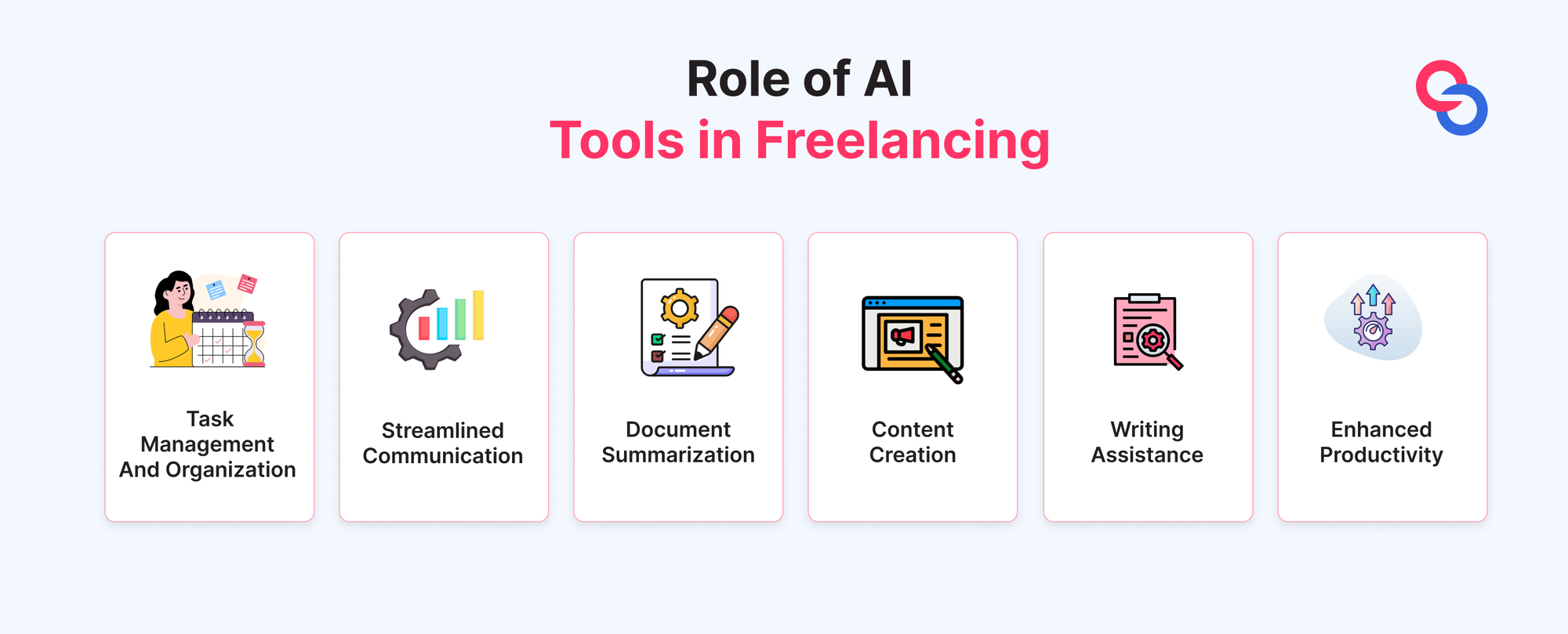
Here's how the economics work in practice. A traditional freelance writer might spend four hours producing a solid 2,000-word blog post and charge $200-$300 for it. An AI-enhanced writer can research, outline, draft, and polish that same post in about ninety minutes while potentially charging $400-$500 because the quality is higher and delivery is faster. You're not replacing your skill—you're multiplying it.
I know writers who've scaled to $10,000-$12,000 monthly using this approach. They don't tell clients they use AI, nor should they. What matters is the final deliverable. When you're using AI as a research assistant, brainstorming partner, and first-draft generator while applying your own expertise for strategy, editing, and client communication, you're delivering a service that's genuinely more valuable than pure AI output or pure human output alone.
The same principle applies across other freelance categories. Graphic designers use tools like Midjourney and DALL-E to generate concepts faster, then refine and customize for clients. Video editors use AI to handle color correction, subtitling, and basic cuts, freeing them to focus on storytelling and creative direction. Marketing consultants use AI for competitive research, data analysis, and campaign optimization, delivering insights that would have taken weeks in just days.
The key insight here is that AI doesn't replace expertise – it amplifies it. Someone who doesn't understand marketing fundamentals won't magically become a marketing expert by using ChatGPT. But someone who does understand marketing can accomplish in a day what previously took a week, and can serve clients they previously couldn't have handled.
Getting started is straightforward. Pick the skill you're most confident in. Spend two weeks deeply learning the AI tools relevant to that skill. Take on a few clients at slightly below-market rates to build your portfolio and testimonials. Then gradually raise your prices as you demonstrate results.
Strategy 2: AI Automation Services for Small Businesses
This is where things get more interesting, and honestly, where I've seen the fastest path to significant income for people with even moderate technical comfort.
Small businesses are drowning in repetitive tasks. They're manually entering data between systems. They're copying and pasting information from emails into spreadsheets. They're chasing leads that go cold because no one followed up in time. They're answering the same customer questions over and over. Every business owner knows these tasks eat up hours that should go toward actually growing the business, but they don't know how to fix it.
That's your opportunity.
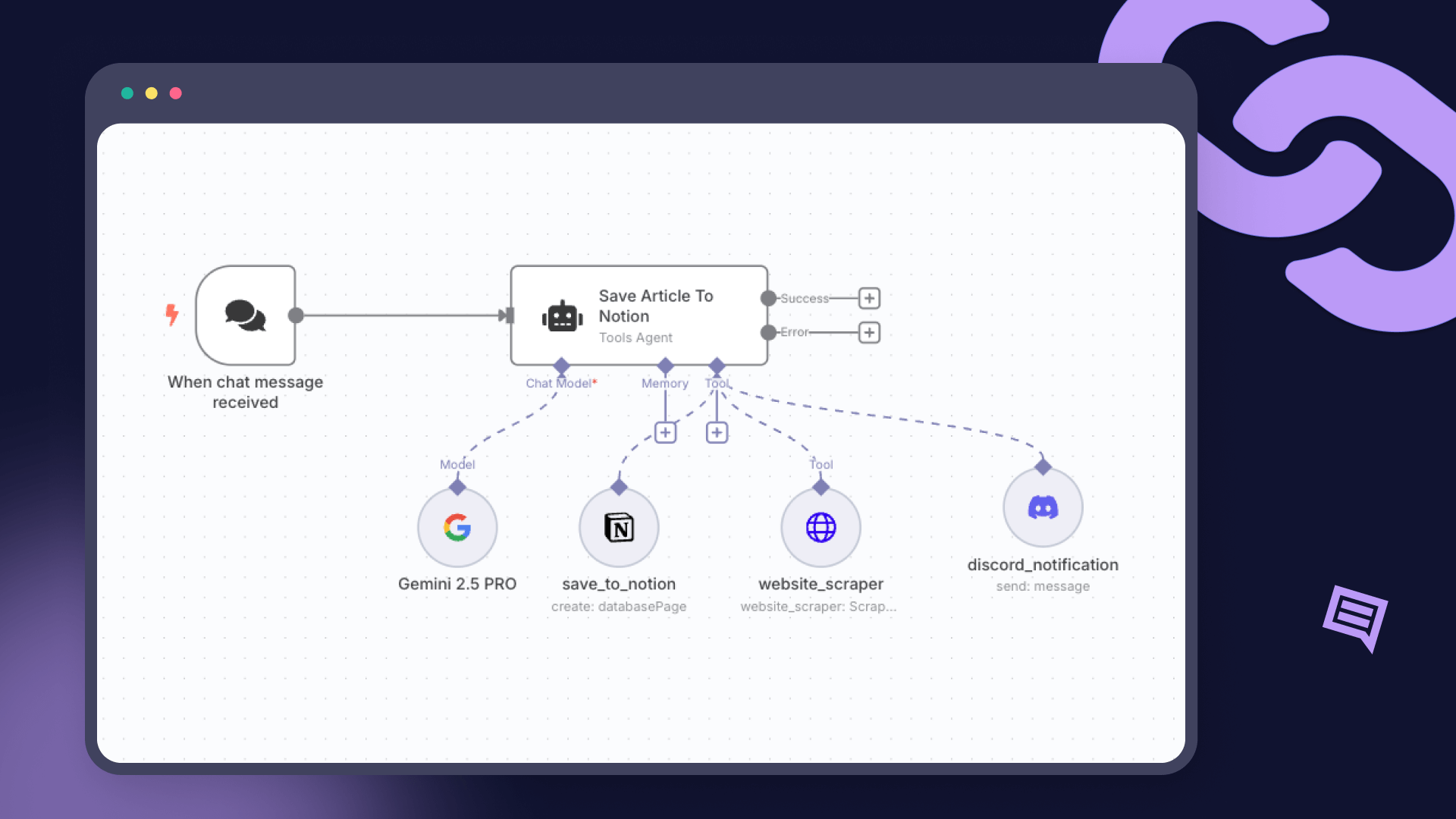
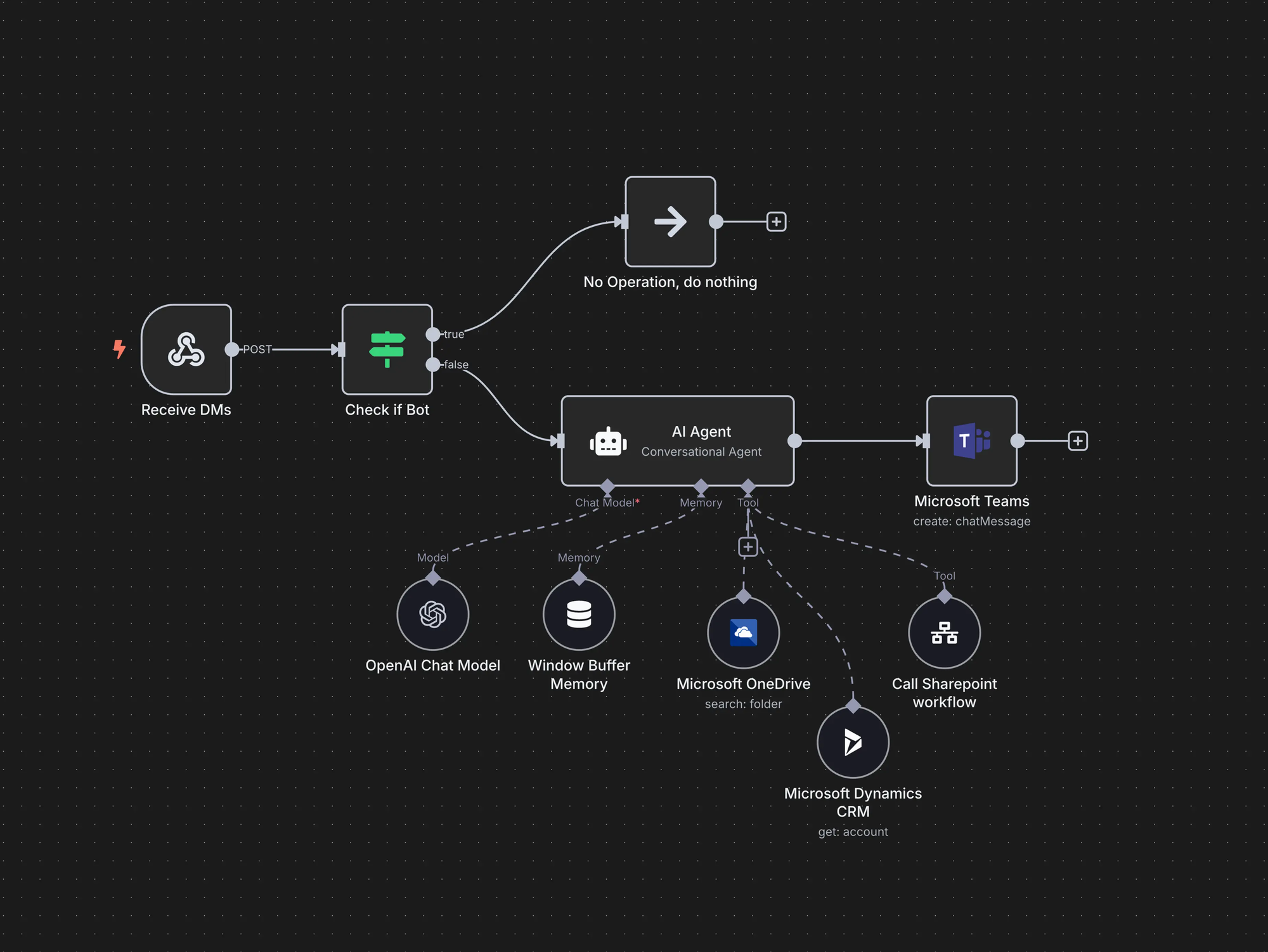
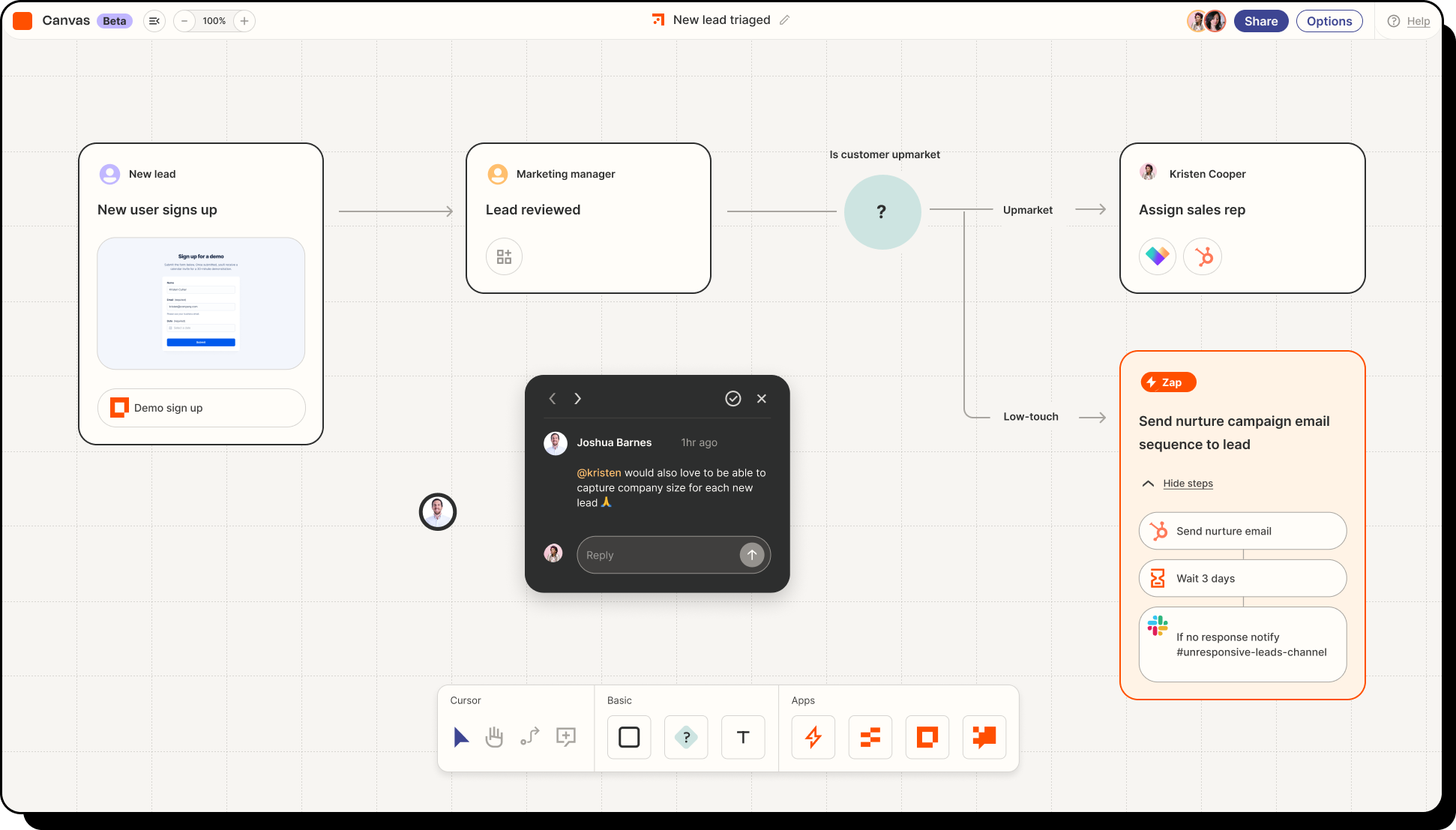
The AI automation service model works like this: you identify specific workflows that businesses handle manually, build automated systems using tools like Zapier, Make, n8n, or dedicated AI agent platforms like Lindy, and then charge for the setup plus ongoing maintenance.
Let me give you a concrete example.
A dental practice spends roughly fifteen hours weekly on administrative tasks: appointment scheduling, insurance verification, patient follow-ups, answering basic questions about procedures. You could build an AI-powered system that handles appointment booking through a chatbot, sends automated reminders and follow-ups, answers common questions 24/7, and routes complex inquiries to the appropriate staff member.
The setup might take you twenty to thirty hours spread across two weeks. You charge $3,000-$5,000 for the implementation plus $300-$500 monthly for maintenance and updates. The practice saves the equivalent of a part-time employee, improves patient satisfaction through faster response times, and captures appointments they were previously losing to competitors who answered the phone faster.
This isn't theoretical, people are doing exactly this. One automation specialist I've connected with focuses exclusively on medical and dental practices. He charges $800 for initial chatbot setup plus $200 monthly maintenance. With fifteen practices as clients generating $3,000 monthly in recurring revenue, plus two to three new setups each month, he's consistently earning $4,500-$5,400 monthly while working about fifteen hours weekly.
The chatbot market alone is projected to reach $10-11 billion in 2026, growing at 23-26% annually. Among small businesses, 64% plan to adopt chatbots by the end of this year. The demand is enormous, and most businesses have no idea how to implement these solutions themselves.
What makes this model particularly attractive is the recurring revenue component. You're not just doing one-off projects and constantly hunting for new clients. You're building a base of ongoing relationships that pay you every month. After twelve to eighteen months, you can potentially step back from active client acquisition because your existing relationships generate enough income.
The technical barrier is lower than you might think. Platforms like Zapier and Make were built specifically for non-developers. You connect apps together visually, set up triggers and actions, and the platform handles the underlying complexity. AI-specific tools like Lindy let you create sophisticated agents without writing code. You'll need to invest some time learning these platforms, but we're talking weeks, not years.
Strategy 3: AI Chatbot Development and Customer Service
This deserves its own section because the opportunity is so significant and the demand so immediate.
Chatbots have transformed from frustrating FAQ machines into genuinely capable customer service agents. Modern AI chatbots understand context, handle nuanced questions, and can take actions like booking appointments, processing returns, or updating account information. The technology has reached a threshold where businesses genuinely save money and improve customer satisfaction by implementing them.
For businesses, the math is straightforward. A company spending $100,000 annually on customer service could potentially save $30,000 or more by implementing AI chatbots for routine inquiries, while also offering 24/7 availability and instant response times. That's a compelling value proposition.
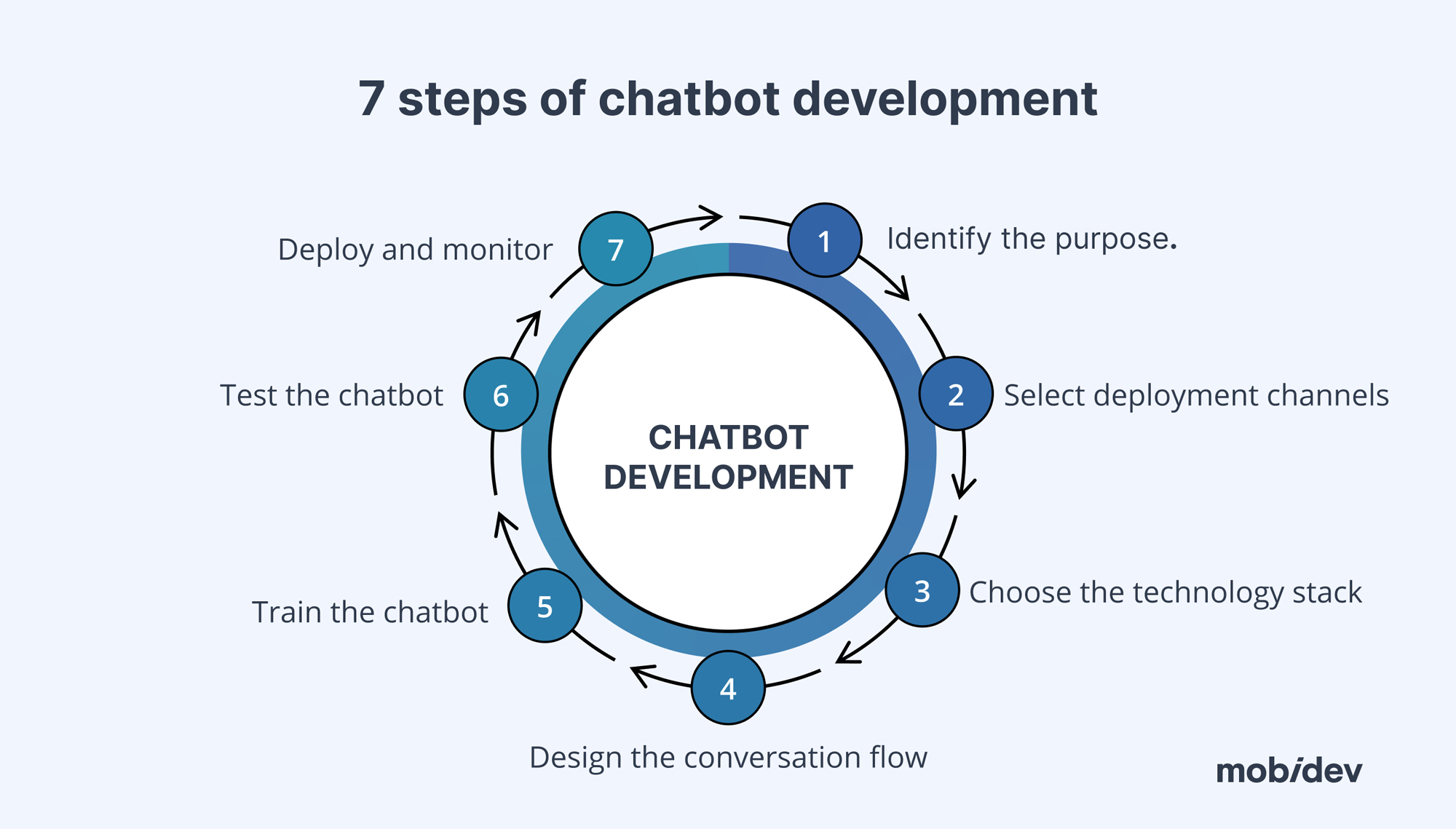
Your role in this ecosystem can take several forms. The most accessible is becoming a chatbot implementation specialist—someone who helps businesses select, configure, train, and deploy chatbot solutions using existing platforms like Intercom, Drift, or specialized tools like Tidio and ManyChat. You don't build the underlying AI; you customize it for specific business needs.
This involves understanding the client's most common customer inquiries, creating response libraries and knowledge bases, integrating the chatbot with existing business systems (CRM, help desk, scheduling software), training the AI on company-specific information, and setting up escalation rules for queries the bot can't handle.
Setup fees typically range from $1,500 to $5,000 depending on complexity, with monthly maintenance fees of $200-$500. A portfolio of twenty clients at $300 monthly represents $6,000 in recurring revenue before any new implementations.
For those with more technical skills, there's an opportunity to build custom chatbot solutions using APIs from Claude, GPT, or open-source models. These can command significantly higher prices – $10,000 to $50,000 for enterprise implementations—but require substantial development expertise.
The key to success in this space is specialization. Rather than positioning yourself as a general chatbot developer, focus on a specific industry: dental practices, e-commerce stores, real estate agencies, or professional services firms. Each industry has specific requirements and compliance considerations. By becoming the go-to expert for chatbots in one vertical, you can command premium prices and build referral networks.
Strategy 4: AI-Powered Content and Marketing Agencies
Scaling beyond individual freelancing means building systems that don't depend entirely on your personal time. An AI-powered marketing agency accomplishes this by combining AI tools with human expertise to deliver results at scale.
The agency model typically works like this: you offer a package of marketing services — content creation, social media management, email marketing, SEO optimization, priced on retainer. AI tools handle the volume work (initial drafts, scheduling, basic analysis), while human team members handle strategy, client communication, and quality control.
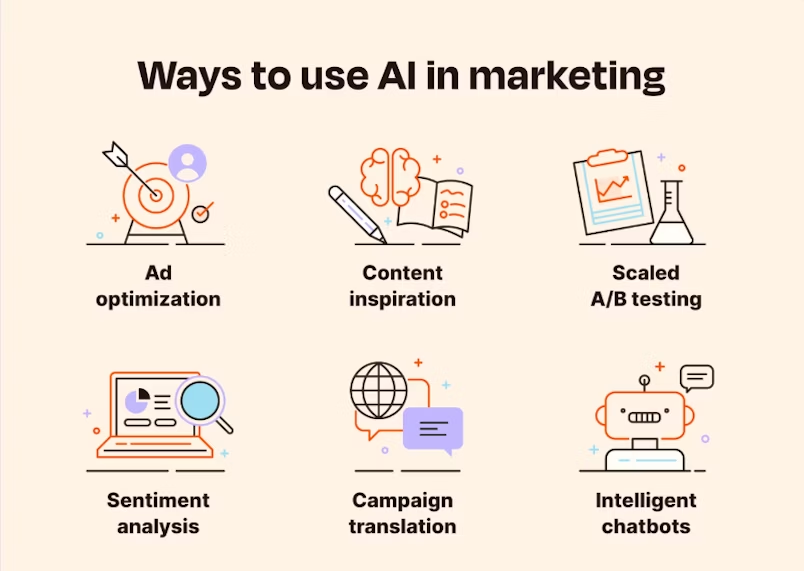
One approach I've seen work well focuses on a specific service package for a specific type of client. For instance, a complete social media management service for dental practices: content calendar planning, graphic creation, caption writing, scheduling, and monthly reporting. The AI handles research, first drafts, and basic graphic generation. A human reviews, refines, and ensures everything is on-brand.
This can be priced at $1,200-$2,000 monthly per client. With seven to ten clients, you're generating $8,400-$20,000 monthly. With AI handling much of the production work, one person can manage this client load in twenty to twenty-five hours weekly. Add a part-time assistant, and you can potentially double the client roster without proportionally increasing your workload.
The key economic advantage is that AI dramatically reduces the cost of content production while maintaining (or improving) quality. Traditional marketing agencies have high labor costs because content creation is time-intensive. When AI can produce first drafts in minutes rather than hours, your margin expands significantly.
Agencies operating at 70%+ gross margins are not unusual in this model, compared to traditional agency margins of 20-40%. That efficiency translates into either higher profitability or the ability to undercut competitors on price while still making strong returns.
What makes the agency model particularly interesting is its scalability. Once you've developed systems and processes that work, you can bring on additional team members (often other freelancers or contractors), add more clients, and grow without linearly increasing your own time investment. It's not passive income – agency work requires active management, but it's leveraged income.
Starting an agency is more demanding than starting as a freelancer. You need to develop standardized processes, manage client expectations across a portfolio, and potentially supervise other people. Most successful agency owners spent time as individual freelancers first, learning client management and refining their service delivery before scaling up.
Strategy 5: Building AI-Powered Digital Products
If the idea of trading time for money at all doesn't appeal to you, digital products offer a different path. You create something once and sell it repeatedly without additional work for each sale.
AI tools have dramatically accelerated the creation of digital products. Online courses that once took months to develop can now be outlined, scripted, and produced in weeks. E-books that required extensive research can be drafted much faster with AI assistance. Templates, tools, and resources that solve specific problems can be created at a fraction of historical effort levels.
The opportunity exists in several forms. Online courses teaching AI skills themselves have obvious demand — everyone wants to learn how to use these tools. But there's also opportunity in creating courses accelerated by AI on any topic where you have expertise. If you understand personal finance, real estate investing, professional development, or any other subject with market demand, AI tools can help you package your knowledge into saleable format much faster than before.
The economics of digital products are appealing because of their leverage. A $97 course sold to 200 people generates $19,400. If that course took you 100 hours to create (a reasonable estimate for quality content), your effective hourly rate is $194. But here's the thing: the 201st sale doesn't require additional work. If you eventually sell 1,000 copies, you've earned $97,000 from 100 hours of work—effectively $970 per hour.
The reality, of course, is that course creation isn't the hard part. Marketing and selling digital products requires sustained effort in building an audience, creating sales funnels, and driving traffic. AI can help with these tasks too, but they're not automatic.
What I've seen work best is combining digital products with service businesses. Your service work builds your expertise and reputation. Your digital products serve people who can't afford your services or who want self-paced learning. The service business generates immediate revenue; the products build long-term passive income. Over time, the balance can shift toward products as your catalog grows and your audience expands.
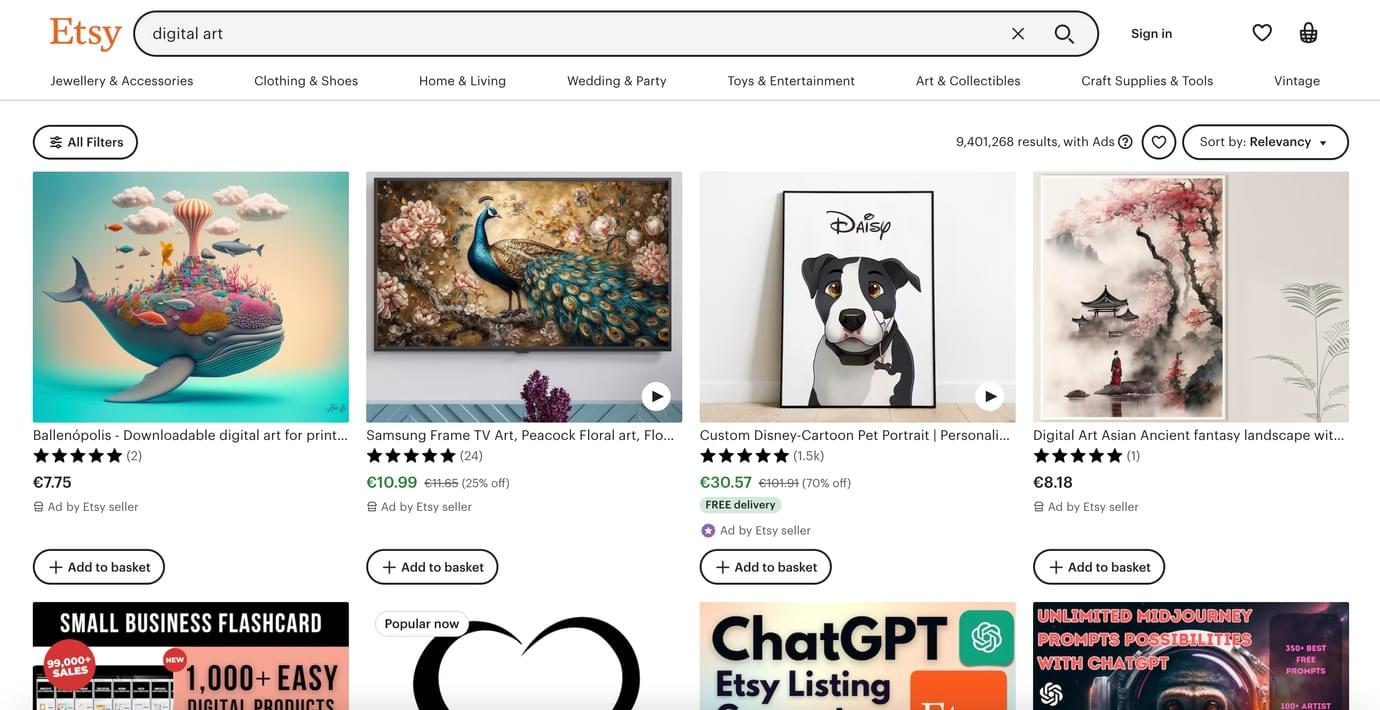
AI-generated art and design products represent another avenue. Print-on-demand stores selling AI-generated artwork, pattern designs, or customized graphics have lower barriers to entry than course creation. The per-unit revenue is smaller, but the time investment per product is minimal once you've developed your process.
Strategy 6: AI Consulting for Enterprise Clients
At the higher end of the income spectrum, enterprise AI consulting offers substantial revenue potential for those with the expertise and positioning to pursue it.
Large companies know they need AI strategies but often lack the internal expertise to develop them. They need help identifying which processes to automate, selecting appropriate tools, managing implementation, and training staff on new systems. External consultants fill this gap.
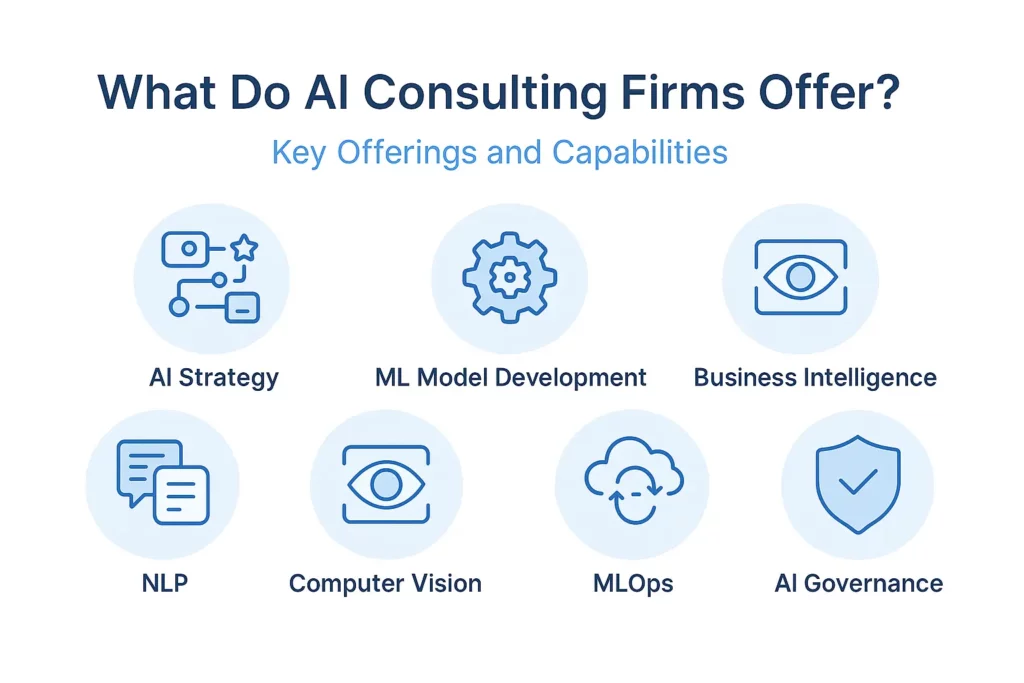
Enterprise consulting typically operates at rates of $200-$500 per hour or project fees of $30,000-$150,000 depending on scope. A consultant working consistently in this space might engage on two to three significant projects quarterly, generating $100,000-$300,000 or more annually from consulting alone.
The barrier to entry is real. Enterprise clients don't hire consultants without substantial credentials. You need demonstrable expertise—either through a track record of successful implementations, recognized thought leadership, or institutional credibility from previous roles at respected companies. Most people who succeed in enterprise consulting spent years building that foundation before earning significant consulting income.
The path to enterprise consulting often starts with smaller businesses. You build your expertise and case studies working with SMBs, gradually take on larger clients, and eventually develop the reputation necessary for enterprise work. It's not a quick path, but it's a reliable one for those willing to invest the time.
One growing specialization within AI consulting is governance and compliance. As regulations like the EU AI Act take effect and companies face increasing scrutiny over AI practices, there's rising demand for consultants who understand responsible AI implementation. If you have a background in compliance, legal, or risk management, this intersection with AI presents an interesting opportunity.
The Tools That Actually Matter
I've tested dozens of AI tools over the past two years. Here's what I actually use regularly and why:
For text generation and writing assistance, Claude and GPT-5 handle most of my needs. Claude excels at nuanced, detailed work and has become my go-to for anything requiring careful reasoning or extended context. GPT-5 remains strong for general-purpose tasks and has the broadest integration ecosystem. I pay for both because different tasks favor different tools.

For automation and workflow building, Make (formerly Integromat) handles my complex automations with multiple steps and conditional logic. Zapier remains useful for simpler automations with more app connections. For AI-specific agents, I've been experimenting with Lindy for client-facing chatbots with good results.
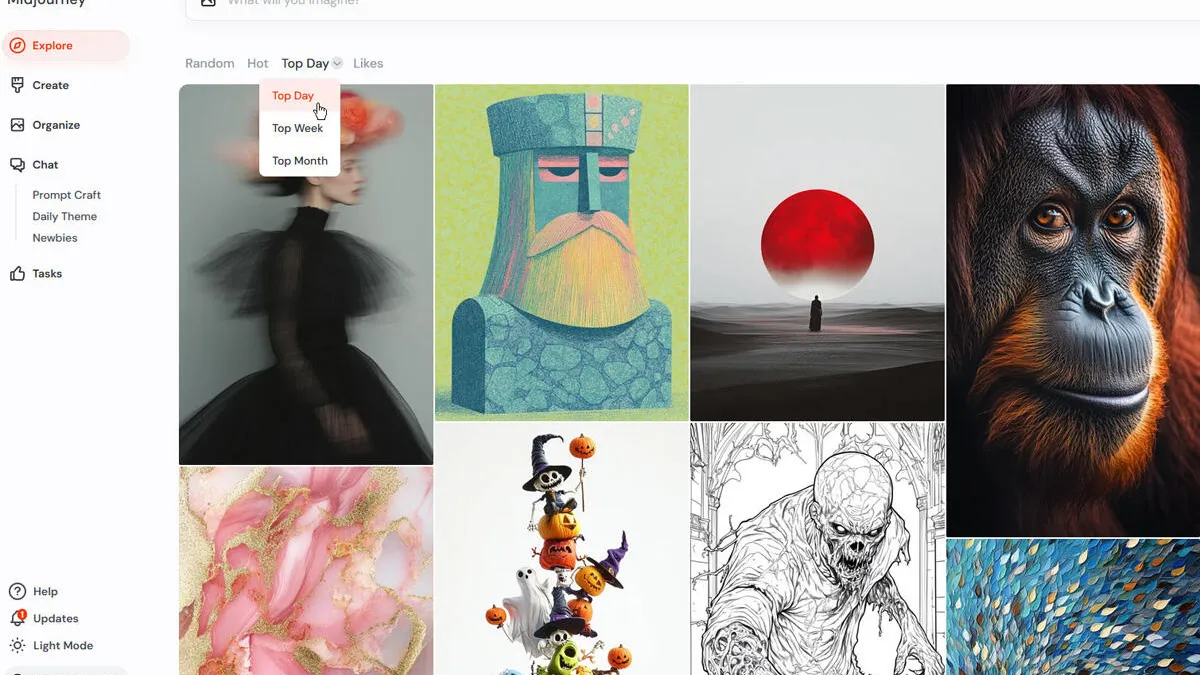
For image generation, Midjourney produces the most aesthetically pleasing results for marketing and creative work. DALL-E integrates more easily into automated workflows. Ideogram handles text-in-image generation better than alternatives, which matters for social media graphics.
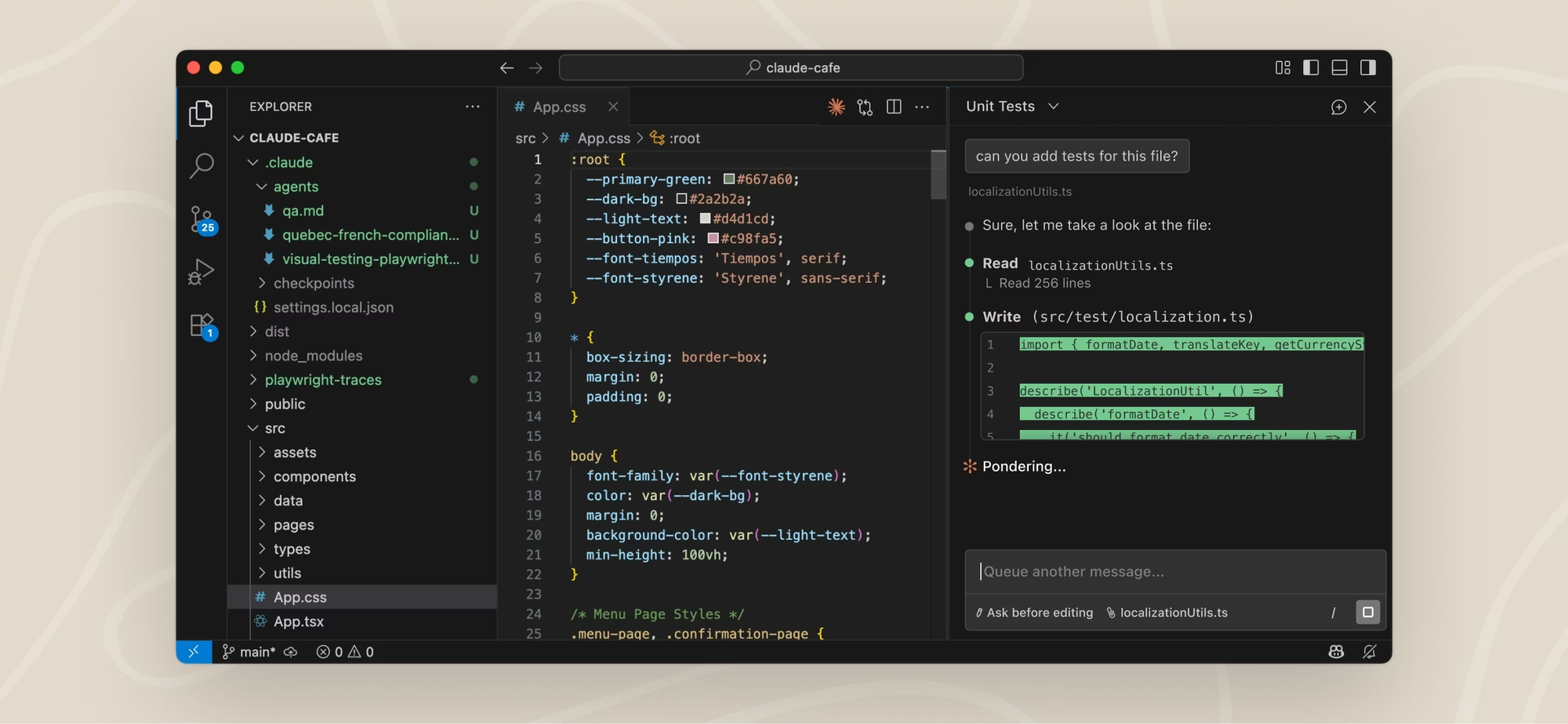
For coding assistance, Claude Code has become essential for development work. Cursor provides an excellent IDE experience with AI deeply integrated into the coding workflow. GitHub Copilot remains useful for autocomplete-style suggestions during regular development.
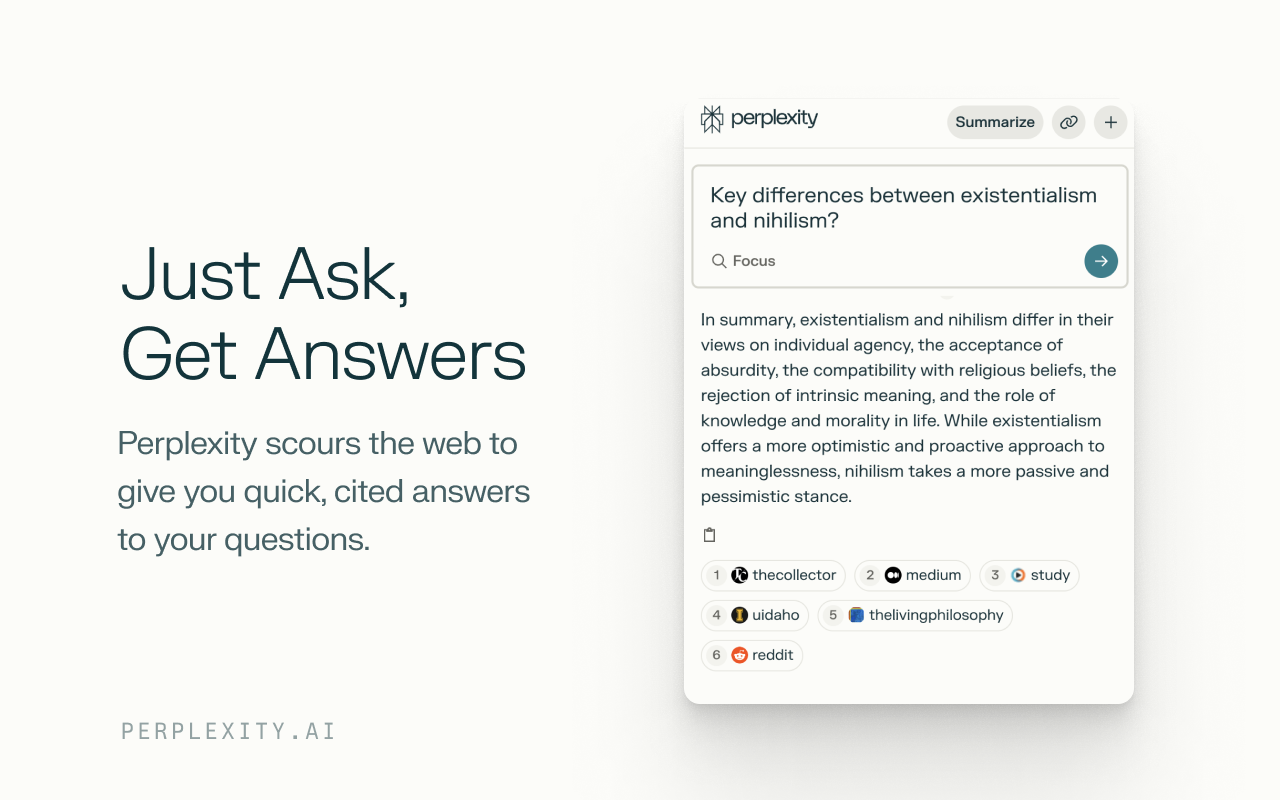
For research and information gathering, Perplexity AI provides sourced, accurate information faster than manual searches. Claude's web search capabilities have also become remarkably capable for research tasks.
The total cost for professional-grade AI tools runs roughly $100-$300 monthly depending on usage patterns. This is a legitimate business expense that pays for itself many times over in productivity gains.
Common Mistakes That Sink People
Having watched many people try and fail to build AI-related income, I've noticed some patterns:
- The first and most common mistake is starting with technology rather than market demand. People get excited about a tool's capabilities and try to figure out what to do with it, rather than identifying what businesses actually need and then applying tools to serve that need. Technology-first thinking produces solutions nobody wants to buy. Customer-first thinking produces valuable services.
- Trying to do everything at once. The person who offers AI writing, AI chatbots, AI marketing, AI automation, and AI consulting has no clear positioning and struggles to attract clients. The person who offers AI chatbots specifically for dental practices has a clear message, can build a reputation in that niche, and attracts clients who are looking for exactly what they provide.
- Underpricing dramatically. There's a tendency, especially early on, to price services cheaply to "get experience" or "build a portfolio." But chronically low prices signal low value, attract difficult clients, and create unsustainable economics. If your AI-powered service genuinely saves a business time and money, price it based on that value, not based on the hours you spent.
- Treating AI output as final without review. Current AI tools produce impressive results but still make mistakes—factual errors, logical inconsistencies, off-brand messaging, or simply mediocre choices. Professionals add value through quality control, strategic direction, and refinement. Those who deliver raw AI output without review quickly develop poor reputations.
- Neglecting the fundamental business skills. No AI tool handles client acquisition, pricing strategy, scope management, or relationship building for you. These skills determine business success as much or more than technical capabilities. Invest in learning them alongside your AI skills.
Getting Started: A 30-Day Action Plan
If you're ready to pursue AI-related income, here's how I'd suggest structuring your first month:
Week 1
During week one, audit your existing skills and identify where AI tools could amplify your capabilities. Spend time using Claude, ChatGPT, and relevant specialized tools to understand their strengths and limitations. Pick one specific service offering that combines your expertise with AI capabilities.
Week 2
During week two, develop your process and create examples. Build a portfolio demonstrating what you can deliver. If you don't have client work yet, create sample projects that showcase your capabilities. Develop pricing for your initial offerings (you can adjust later).
Week 3
During week three, begin outreach. Update your LinkedIn profile to reflect your new services. Reach out to past contacts who might need what you're offering. Join communities where potential clients gather. Consider initial projects at moderate rates to build testimonials.
Week 4
During week four, deliver excellent work for your first clients. Document your process so you can repeat it efficiently. Gather feedback and testimonials. Begin developing systems that will let you scale.
This isn't going to make you rich in thirty days. That's not how sustainable businesses work. But it will get you started with actual clients and actual income, which creates momentum for everything that follows.
Where This Is All Heading
Making predictions about AI is humbling – the field moves faster than anyone expects. But some trends seem clear for the next year or two:
Agentic systems will become more autonomous and capable. The AI tools of today primarily respond to human prompts. The tools emerging now can execute multi-step plans with minimal oversight. Businesses will increasingly want help implementing and managing these agent systems.
Industry specialization will deepen. Horizontal AI tools that serve everyone will face commoditization and price pressure. Vertical solutions tailored to specific industries – healthcare, legal, finance, retail will command premium positioning.
The gap between AI adopters and laggards will widen. Companies effectively using AI will operate with efficiency advantages that compound over time. Those who don't adopt will find competing increasingly difficult. This creates ongoing demand for people who can bridge that gap.
Regulation and governance will increase. The EU AI Act is just the beginning. Companies will need help navigating compliance requirements, ethical considerations, and responsible AI practices. This creates consulting opportunities for those who understand the regulatory landscape.
My honest assessment is that the next two to three years represent an unusual window where AI skills are highly valuable but not yet commoditized. The people building expertise and businesses now will have meaningful advantages over those who wait.
FAQ
Do I need to know how to code to make money with AI?
No, coding is not required for many AI income opportunities. Non-technical paths like content creation, marketing services, and automation using no-code platforms are entirely viable. Platforms like Zapier, Make, and no-code AI builders have removed most technical barriers. That said, technical skills do unlock higher-paying opportunities—AI/ML engineers earn $150-$300 per hour compared to $50-$150 per hour for non-technical AI services. Learn coding if you want to, but don't let lack of programming knowledge stop you from starting.
How much money do I need to get started?
Many AI businesses can launch with minimal upfront investment. Freelance services require only subscriptions to AI tools ($50-$150 monthly) and potentially some marketing expenses. Automation agencies might need $2,000-$5,000 for tool subscriptions, learning resources, and initial marketing. Building AI software products or more complex businesses requires more capital, typically $10,000-$50,000+. Start with service-based models if capital is limited, then scale into products once cash flow supports it.
Is prompt engineering still a valuable skill in 2026?
Yes, but it's evolved significantly. Basic prompt engineering—knowing how to ask questions effectively—has become a baseline expectation rather than a specialty. Advanced prompt engineering for specific applications (legal, medical, technical) still commands premium rates. Glassdoor data shows prompt engineering specialists earning $98,000-$162,000 in salary roles, with averages around $123,000-$136,000. The skill remains valuable when combined with domain expertise.
How long does it realistically take to start earning income?
For freelance services, you can potentially land first clients within two to four weeks if you already have relevant skills and just need to learn the AI tools. Expect three to six months to build consistent income of $2,000-$5,000 monthly. More complex businesses like automation agencies or consulting practices typically take six to twelve months to generate meaningful revenue, with substantial income often taking twelve to eighteen months. Digital products can take three to six months to create and may take another six to twelve months to gain traction.
What if AI gets so good it makes my services unnecessary?
This concern is valid and worth taking seriously. Some services that are valuable today will be commoditized or automated in the future. The best protection is focusing on higher-level skills that AI enhances rather than replaces: strategy, relationship building, complex judgment, and creative direction. Also, maintain adaptability—the people who will thrive long-term are those who continuously evolve their offerings as technology changes. Treat your skills as a portfolio that you're always updating.
What's the difference between an AI chatbot and an AI agent?
Chatbots typically handle conversational interactions—answering questions, providing information, and guiding users through specific processes. AI agents are more autonomous: they can plan multi-step tasks, take actions across different systems, make decisions, and adapt their approach based on results. Chatbots are like having a smart receptionist; agents are more like having a capable assistant who can independently complete tasks. The agent market is growing rapidly, from about $8 billion in 2025 to nearly $12 billion in 2026.
How do I choose between different AI tools (Claude vs GPT vs Gemini)?
For most purposes, the major AI models are good enough that tool selection matters less than how well you use them. That said, my experience suggests Claude excels at nuanced reasoning, longer documents, and careful analysis. GPT-5 has the broadest ecosystem of integrations and plugins. Gemini works best within Google's ecosystem (Workspace, Search). For professional work, having access to at least two major models provides flexibility. Subscription costs ($20-$25 monthly each) are minor compared to the productivity gains.
Is it better to start a service business or build products?
Start with services, then expand to products. Services generate immediate revenue, help you understand customer needs deeply, and build cash flow to fund product development. Products offer better long-term leverage but require more upfront investment and have longer payback periods. The best businesses often combine both: services for immediate income and customer insight, products for scale and passive revenue. Many successful AI entrepreneurs followed this exact progression.
What industries have the highest demand for AI services?
Healthcare, financial services, and professional services (legal, accounting, consulting) consistently show high demand due to their combination of high labor costs and repetitive processes. E-commerce and retail need AI for personalization, customer service, and inventory management. Marketing and advertising has become increasingly AI-driven. Real estate, insurance, and education are emerging opportunity areas. The best choice depends on your existing expertise—entering an industry you already understand shortens your path to credibility and clients.
How do I price AI services when clients don't understand the technology?
Price based on value delivered, not time spent or technology used. If your AI chatbot saves a business $3,000 monthly in support costs, charging $1,000 for setup and $200 monthly is an easy decision for them—you don't need to explain how the technology works. Focus your conversations on business outcomes (time saved, revenue increased, costs reduced) rather than technical capabilities. When clients understand the value they're receiving, price discussions become much easier.
What if I implement AI for a client and it doesn't work as expected?
This is why starting with lower-stakes projects and building gradually matters. Set realistic expectations upfront—no AI system is perfect, and there's always a learning period. Include provisions in your agreements for adjustments and refinements. Most AI implementations require iteration; that's normal. Build maintenance periods into your pricing so you have time to optimize performance. When problems do occur, address them quickly and transparently. Your reputation depends more on how you handle problems than on never having them.
Are there free ways to get started with AI tools before investing money?
Yes. Most major AI platforms offer free tiers: ChatGPT, Claude, Gemini all have free versions with meaningful capabilities. Automation platforms like Make and Zapier have free plans sufficient for learning and small projects. Many AI image generators offer free trials or free credits. You can build initial skills and even take on small projects entirely using free tools. Paid subscriptions become necessary as you scale, but they're not required to get started.
What should I do if my local market seems too small for AI services?
AI services are highly suited to remote delivery. Your potential market is global, not local. Platforms like Upwork, Fiverr, and Toptal connect service providers with clients worldwide. LinkedIn enables direct outreach to decision-makers anywhere. Industry-specific communities online bring together potential clients regardless of geography. Local networking matters for certain industries, but most AI service businesses can (and should) think beyond geographic constraints.
How do I stay current as AI technology changes so quickly?
Follow a manageable number of quality sources rather than trying to track everything. A few AI newsletters, one or two podcasts, and monitoring what major providers announce covers most important developments. Join communities (Discord servers, Slack groups, Reddit communities) where practitioners share experiences. Budget time weekly—perhaps two to three hours—for learning and experimentation. The goal isn't knowing everything; it's maintaining working knowledge of tools and trends relevant to your specific focus.
What's the biggest mistake beginners make when starting AI businesses?
Trying to serve everyone instead of specializing. The person who offers "AI services for anyone who needs them" competes with thousands of others and has no clear differentiation. The person who offers "AI-powered booking systems for independent yoga studios" has minimal competition, can develop deep expertise, and becomes the obvious choice for their target market. Specialization feels limiting but actually accelerates growth. You can always expand later, but start narrow.
The opportunity in front of you is real. The tools are accessible. The market demand is proven. What separates people who build successful AI-related income from those who just read about it isn't luck or genius—it's the decision to start, followed by consistent execution over time.
I'd encourage you to pick one strategy from this guide that matches your current skills and situation. Spend the next week learning the relevant tools. Take on your first client or project by the end of the month. The path from there unfolds through doing, not planning.
The AI economy is being built right now, in real-time. The people participating in that construction are creating advantages that will compound for years. You can be one of them, starting today.
Related Articles
 Mark
Mark
 Dani
Dani
 Mark
Mark