Look, I get it. You've probably seen a hundred articles promising you'll become a millionaire with AI by next Tuesday. They show screenshots of mysterious PayPal balances and tell you to "just use ChatGPT" without explaining anything useful. Then you try it, make nothing, and wonder what you're doing wrong.
I've been there. And honestly? Most of that content is garbage.
But here's the thing: people ARE making real money with AI right now. Not fantasy money, not "potential" earnings, but actual deposits hitting their bank accounts every month. I've spent the last year researching this space, talking to people who've built legitimate income streams, and testing methods myself. What I'm about to share isn't hype. It's what's actually working heading into 2026.
The AI market is projected to reach $826.70 billion by 2030, growing at nearly 28% annually. That's not a prediction from some random blog; that's from serious market research. The opportunity is massive, but the window for early movers is closing fast. Every month you wait, more people figure this out and competition increases.
So let's cut through the noise and talk about what really works.
Why 2026 Is Different (And Why You Should Care)
Before we dive into the methods, let me explain why this moment matters. AI isn't new, but its accessibility is. Think about it: in 2022, using AI for work meant you either needed to be a data scientist or you were playing with a basic chatbot. Fast forward to now, and tools like ChatGPT, Claude, Midjourney, and dozens of others have become genuinely useful for creating real value.
The numbers tell the story. According to Lightcast, roles mentioning AI skills offer roughly 28% higher salaries than similar roles without AI. That's about $18,000 more per year on average. A 2025 PwC report found that wages are rising twice as fast in industries most exposed to AI compared to those least exposed.
Here's what this means for you: companies desperately need people who understand how to use these tools effectively. The demand far exceeds the supply of skilled practitioners. Whether you're a complete beginner or someone looking to upgrade your existing skills, the barrier to entry has never been lower, and the potential returns have never been higher.
The Foundation: Understanding How AI Creates Income
Before jumping into specific methods, you need to understand the fundamental principle behind earning with AI. It's simpler than you might think.
AI doesn't replace value creation; it amplifies it. The people making money aren't just pressing buttons and collecting checks. They're using AI to solve problems faster, deliver results more efficiently, and serve more clients than humanly possible before. The AI is the tool; your knowledge, positioning, and ability to deliver results are what people pay for.
Think of it like this: a calculator doesn't make someone a mathematician. But a mathematician with a calculator can accomplish in minutes what would take hours by hand. AI works the same way. It's a force multiplier for whatever skills and knowledge you bring to the table.
With that foundation, let's explore the most effective ways to turn AI into real income in 2026.
Method 1: AI-Enhanced Freelancing (The Fastest Path to Your First Dollars)

If I had to recommend one starting point for someone who wants to make money with AI quickly, this would be it. AI-enhanced freelancing is essentially taking traditional freelance services and supercharging them with AI tools to deliver faster, cheaper, and often better results.
The math is simple. Let's say you're a freelance writer. Before AI, you might spend four hours on a blog post. With AI assistance, you can produce the same quality content in one to two hours. You haven't cheapened your work; you've increased your capacity. Instead of serving two clients per day, you can serve four or five.
There's a freelancer named Sara whose story perfectly illustrates this. She started offering AI-powered SEO blog posts on Fiverr. Within two weeks, she landed her first $20 order. Six months later, she was earning $600 to $800 monthly by combining AI with her own editing skills. Nothing fancy, no special connections, just a willingness to start.
The services that work best for AI-enhanced freelancing include writing and content creation, graphic design, video editing, social media management, data analysis, customer service, and translation. These all have significant portions of work that AI can accelerate while still requiring human judgment, creativity, and quality control.
To get started, pick one service based on your existing skills or interests. Learn the relevant AI tools (ChatGPT for writing, Midjourney or DALL-E for images, Canva AI for design). Create a portfolio with sample work. Then start offering your services on platforms like Upwork, Fiverr, or LinkedIn.
The key insight here: don't compete on price. Many beginners undercharge because they feel guilty that AI did some of the work. Stop that. If you solve a $10,000 problem in two hours using AI, charge based on the value you delivered, not the time it took. Clients increasingly understand that using AI at a high level is a valuable skill in itself.
Method 2: Building and Selling AI Chatbots
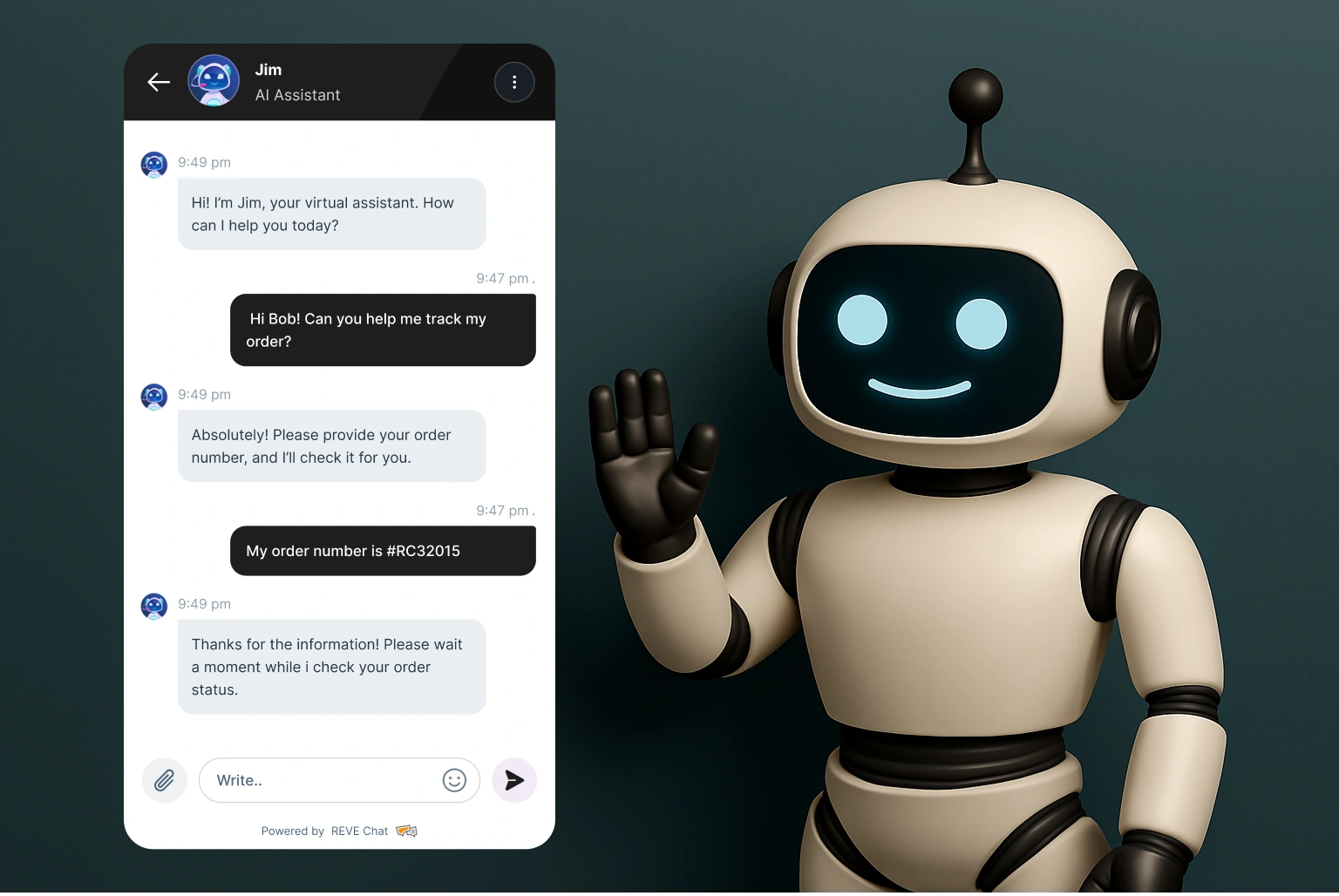
This one surprised me when I first started researching it. The AI chatbot market is projected to reach $27.29 billion by 2030, and small businesses are scrambling to implement this technology. The problem? Most business owners don't have time to figure it out themselves.
That's where you come in. You don't need to be a programmer to build chatbots for clients. Platforms like Botpress, Chatfuel, ManyChat, and ChatBot let you create sophisticated conversational AI without writing code. What clients pay for isn't your coding skills; they pay for your ability to understand their business, identify the right use cases, and implement solutions that actually help their customers.
Here's what makes this opportunity particularly lucrative: businesses see massive ROI from chatbots. The average first-year return on AI chatbot implementation is 340%, with payback periods of three to six months. When you can walk into a meeting and show those numbers, selling your services becomes much easier.
The typical pricing structure works like this. For simple bots that answer FAQs and collect leads, you might charge $1,000 to $3,000 for setup plus $100 to $300 monthly for maintenance. More complex bots with CRM integration, appointment booking, and multi-channel deployment can command $3,000 to $10,000 upfront plus ongoing fees.
To get started, choose one platform and master it thoroughly. Build a demo chatbot for a fictional business in your target industry. Then reach out to local businesses that could benefit, think dental offices, real estate agencies, e-commerce stores, or service providers. Offer a free consultation to demonstrate value, then propose a pilot project.
The best part? Once you've built the systems and processes, you can hire help and scale. This isn't a one-time gig; it's a business you can build.
Method 3: Creating and Selling Digital Products with AI
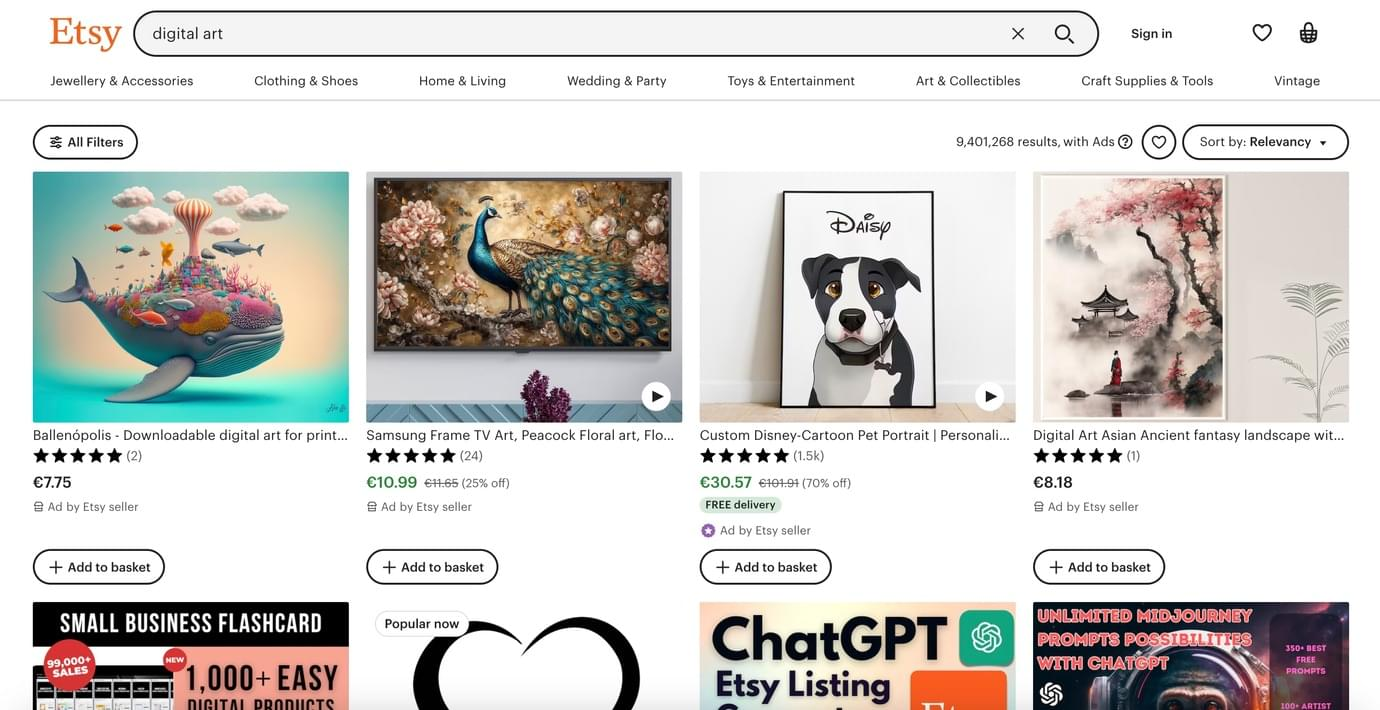
Digital products have always been attractive because of their scalability. Create something once, sell it infinitely with zero marginal cost. AI takes this model and makes it dramatically faster to execute.
The types of digital products that sell well include e-books and guides, online courses, templates for various platforms like Notion, Canva, and Excel, printables such as planners, worksheets, and journals, and stock assets like images, graphics, and icons. What used to take weeks or months to create can now be done in days or even hours.
Take online courses as an example. Traditional course creation involves researching, outlining, scripting, recording, editing, and building supporting materials. Each step takes time. With AI, you can use tools like ChatGPT to research and outline your curriculum, generate quiz questions and worksheets, write module scripts, and create marketing copy. The actual expert knowledge and presentation still come from you, but the production process is compressed dramatically.
A content creator named Justin Welsh used AI tools to help write a LinkedIn course that grossed over $1 million in a year. Another creator runs a blog called "AI Tech Stack" that uses ChatGPT to generate affiliate product reviews and reportedly earns over $10,000 monthly.
The platforms where you can sell these products include Etsy for printables and templates, Amazon KDP for e-books and low-content books, Gumroad for digital downloads and courses, Teachable and Podia for comprehensive courses, and your own website for maximum control and margins.
Here's my advice for this method: start with one product type and one platform. Many beginners spread themselves too thin trying to create everything everywhere. Pick a niche you understand, create one high-quality product, and focus on making it successful before expanding.
Also, quality matters more than ever. The barrier to creating digital products has dropped, which means more competition. The products that win are the ones that solve real problems exceptionally well, not the ones that are simply "made with AI."
Method 4: AI Automation Consulting for Small Businesses

This is one of the highest-earning opportunities on this list, but it requires more business acumen than technical skill. Small businesses are drowning in repetitive tasks. Data entry, scheduling, email management, invoice processing, the list goes on. AI and automation tools can eliminate or dramatically reduce these burdens, but most business owners don't know where to start.
A study found that 88% of small business owners say automation enables them to compete with larger companies. By 2025, nearly half of all businesses integrated AI into their core business strategy. Yet there's a massive gap between wanting automation and actually implementing it.
As an AI automation consultant, your job is to bridge that gap. You analyze a business's operations, identify the repetitive tasks eating up time and money, and implement solutions using tools like Zapier, Make (formerly Integromat), n8n, or more advanced AI platforms.
The consulting fees for this work are substantial. Projects typically start at $5,000 for strategic planning, with implementation costs varying based on complexity. Many small businesses see significant ROI within three to six months, making the investment an easy sell once you can demonstrate the value.
What does this look like in practice? You might help a marketing agency automate their client reporting, saving 15 hours per week of manual data compilation. Or assist a law firm in automating document intake and initial review. Or set up a retail business with automated inventory alerts and reorder systems.
The key to success here is positioning yourself as a strategic partner, not just a tech implementer. Business owners don't care about the tools; they care about outcomes. Lead with the business results you can deliver, then explain the technical approach.
Method 5: Prompt Engineering (The New High-Paying Skill)
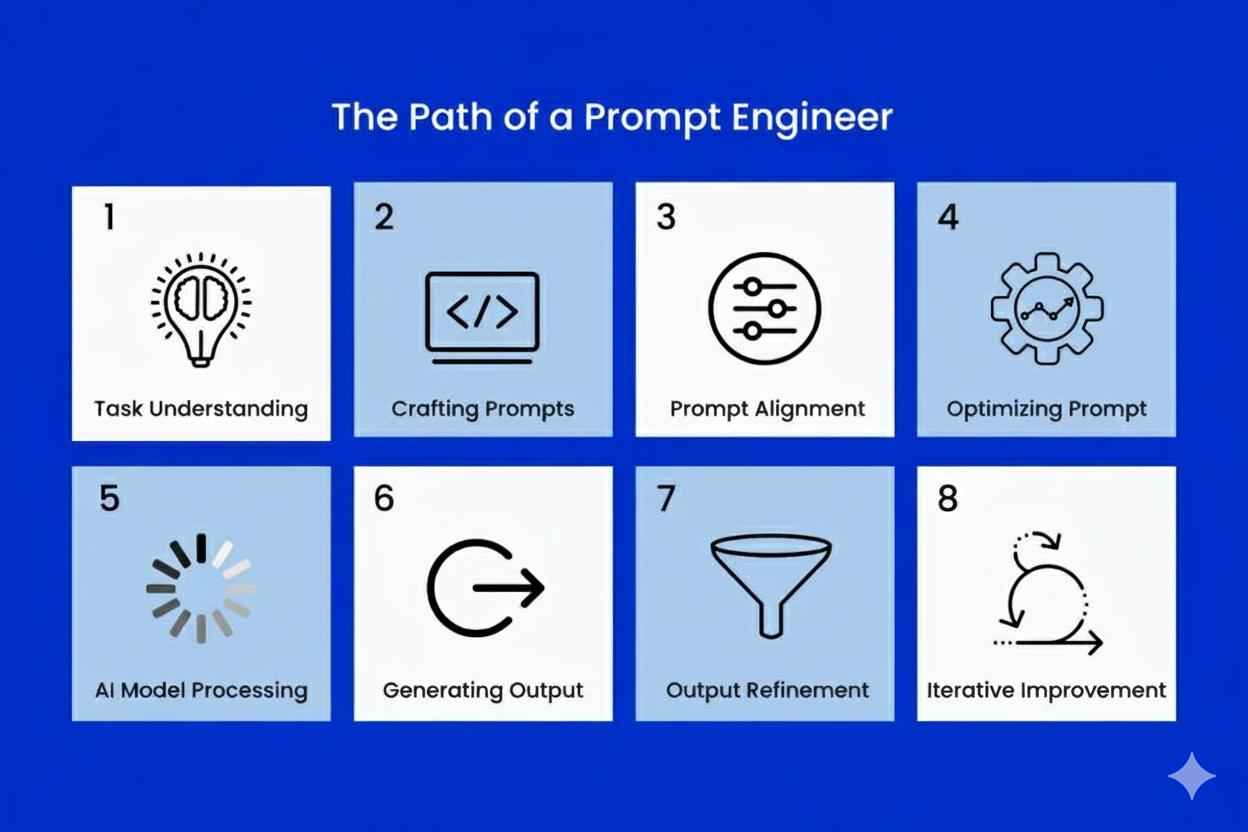
Prompt engineering has emerged as one of the most lucrative AI-related skills, and it's still early enough that demand far exceeds supply. According to Glassdoor, the average annual salary for prompt engineers is around $126,504, with the range extending from about $99,000 at the 25th percentile to $163,000 at the 75th percentile. Senior specialists and those at top companies can earn significantly more.
But here's what most people miss: you don't need a full-time job to profit from prompt engineering skills. You can earn independently through several approaches.
First, you can sell prompt libraries. Platforms like PromptBase allow you to sell pre-made, high-performing prompts to others. If you develop prompts that consistently produce great results for specific use cases, people will pay for them.
Second, you can offer prompt consulting. Many companies are struggling to get consistent, high-quality results from AI tools. As a prompt consultant, you help them develop effective prompts, create internal prompt libraries, and train their teams on best practices.
Third, you can integrate prompt engineering into other services. If you're doing AI-enhanced freelancing or building chatbots, better prompting skills directly improve your output quality and client results.
The skills required are more accessible than you might think. You need strong written communication, analytical thinking to understand what's working and why, domain expertise in specific industries or use cases, and lots of experimentation to learn what produces the best results.
To develop these skills, start by taking courses like the DeepLearning.AI Prompt Engineering course or Vanderbilt University's Prompt Engineering Specialization on Coursera. Then practice extensively with various AI tools. Document what works and build your own prompt library. As you develop expertise, start showcasing your results and offering your services.
Method 6: AI-Powered Content Creation for YouTube and Social Media

Creating content has always been a viable income stream, but AI tools have made it accessible to people who previously thought they didn't have the time or skills. The key insight is that AI handles the time-consuming parts while you focus on strategy, personality, and distribution.
Faceless YouTube channels are a perfect example. These channels use AI to generate scripts, create voiceovers, and even produce visuals, requiring no on-camera presence. Niches like education, finance tips, motivation, and how-to content work particularly well.
The workflow typically looks like this. Use ChatGPT or Claude to research topics and generate script outlines. Refine the script with your own perspective and voice. Use ElevenLabs or similar tools for voiceovers if you don't want to record yourself. Use AI video tools like Pika Labs or Runway for visual content. Edit everything together and publish consistently.
The same principles apply to other platforms. AI tools can help you create social media content at scale, generate ideas, draft posts, create graphics, and optimize posting schedules. For platforms that reward consistency, like Instagram, TikTok, and Twitter/X, this is a game-changer.
A creator known as "Beats by AI" licenses AI-generated music tracks to YouTubers and podcasters, reportedly earning $1,500 or more monthly. That's a completely different approach to the same basic idea: use AI to create content, then monetize it.
The key to success here isn't just volume; it's strategy. Understand what content performs well in your chosen niche. Study successful creators. Add genuine value and perspective, not just AI-generated fluff. The algorithm and audiences can tell the difference.
Method 7: Affiliate Marketing Enhanced by AI

Affiliate marketing has been around forever, but AI makes it dramatically more efficient. The basic model: you recommend products, include affiliate links, and earn commissions when people purchase through your links. AI accelerates every part of this process.
Content research that used to take hours now takes minutes. Writing product reviews and comparisons is faster with AI assistance. SEO optimization is more sophisticated with AI-powered tools. You can create more content, test more approaches, and scale faster than ever before.
The most successful AI-enhanced affiliate marketers focus on specific niches rather than trying to be everything to everyone. They use AI tools to create high-quality, genuinely helpful content rather than thin, keyword-stuffed articles. And they combine AI efficiency with authentic expertise and recommendations.
Here's what a typical workflow looks like. Use AI to research trending products and buyer questions in your niche. Generate content outlines and first drafts with ChatGPT or Claude. Use SEO tools like Surfer or Clearscope to optimize content. Create supporting assets like comparison charts and infographics with AI design tools. Publish consistently and build authority in your chosen space.
The income potential varies widely based on your niche, traffic, and conversion rates. Some affiliate marketers earn a few hundred dollars monthly; others build six-figure businesses. The key variables are the value of the products you promote, the quality of your content, and your ability to drive targeted traffic.
Method 8: AI Art and Design Services

The AI art explosion initially caused panic among artists, but many have found ways to incorporate these tools into profitable services. The key is understanding what AI can and can't do and positioning yourself accordingly.
AI excels at generating concepts quickly, producing variations, and handling certain technical aspects. It struggles with understanding client context, making subjective creative decisions, and producing work that truly reflects a brand's voice. Skilled designers use AI to accelerate their process while adding the human elements that clients actually pay for.
Services that work well include brand identity design using AI for concept generation and mood boards, product mockups and visualizations, social media graphics and templates, illustration assistance and concept art, and logo exploration and variations.
Carlos, a digital artist from Bogotá, struggled to scale his design services because each client project required hours of iteration. He started using MidJourney for concept generation and Canva AI for template delivery. Now he offers "Express Branding Packages" with 72-hour delivery, works with clients globally, and his income has doubled while his working hours dropped by 40%.
The pricing strategy here is crucial. Don't price based on time since AI reduced your time investment. Price based on value delivered. A brand identity package that helps a business look professional and attract customers is worth thousands of dollars regardless of how you created it.
To get started, experiment with tools like MidJourney, DALL-E, and Stable Diffusion. Develop workflows that integrate AI efficiently. Build a portfolio showcasing your best work. Then market your services emphasizing the results you deliver, not the tools you use.
Method 9: Online Course Creation and Educational Products
Teaching what you know has always been one of the best ways to build income, and AI tools have made course creation dramatically more accessible. The educational content market continues to grow, and there's demand across virtually every topic imaginable.
The AI advantage in course creation is substantial. Tools can help you structure your curriculum logically, generate quiz questions and assessments, create transcripts and supporting materials, develop marketing copy and sales pages, and even assist with video editing and production.
But here's the critical insight: AI is your production assistant, not your teaching replacement. The value of educational content lies in your unique perspective, experience, and ability to guide learners. AI helps you package and deliver that knowledge more efficiently.
Platforms for selling courses include Teachable, Podia, and Thinkific for hosted solutions, Udemy and Skillshare for marketplace exposure, YouTube and social media for free content that drives paid offerings, and your own website for maximum control.
A successful approach many creators use is the "free to paid" funnel. Create valuable free content using AI assistance to establish authority. Then offer premium courses for those who want to go deeper. The free content builds trust and demonstrates your expertise; the paid content delivers the comprehensive transformation.
Income from courses ranges from modest supplementary revenue to life-changing amounts. The determining factors are your niche, your ability to attract an audience, and the quality and uniqueness of your content.
Method 10: AI Data Analysis and Business Intelligence Services

This method requires more technical capability than some others, but the earning potential is correspondingly higher. Businesses increasingly rely on data to make decisions, but most lack the expertise to extract meaningful insights from their information.
AI-powered data analysis tools have made sophisticated analytics accessible to more people. You don't need to be a data scientist to provide valuable business intelligence services, though some analytical thinking and tool proficiency are necessary.
The services you can offer include sales and revenue analysis to identify trends and opportunities, customer behavior analysis to improve retention and targeting, marketing performance analysis to optimize ad spend, operational efficiency analysis to reduce costs, and competitive analysis to inform strategy.
Tools like ChatGPT's Advanced Data Analysis can process spreadsheets and produce insights. Specialized tools offer more sophisticated capabilities. The key is combining tool proficiency with business understanding. You need to know not just what the data says, but why it matters and what to do about it.
Pricing for data analysis services varies based on scope and complexity. One-off analyses might range from $500 to $5,000. Ongoing analytics retainers can command $2,000 to $10,000 monthly for comprehensive services.
Method 11: Translation and Localization Services
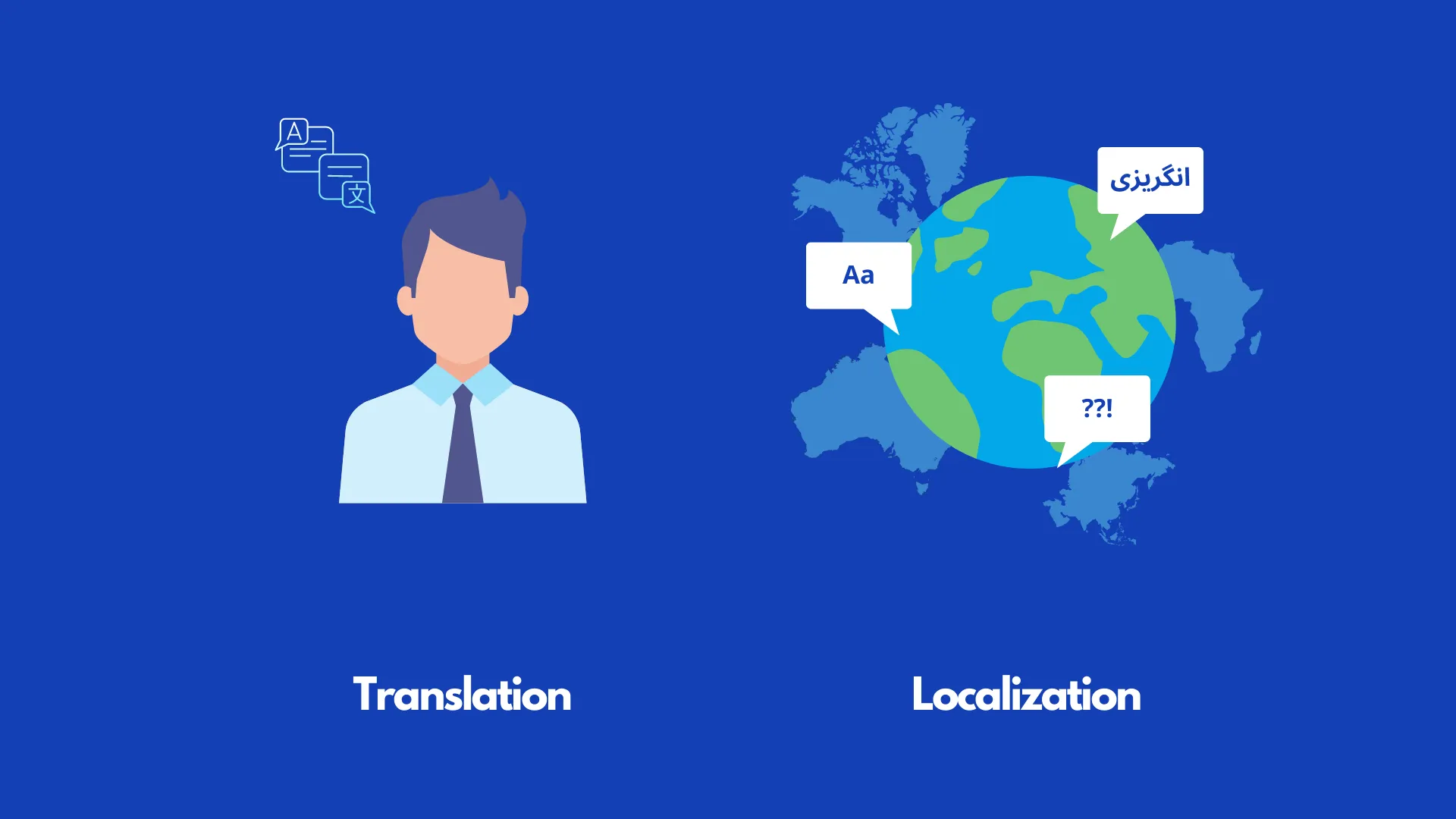
If you're bilingual or multilingual, AI has created an interesting opportunity in translation services. AI translation tools have become remarkably good, but they still struggle with nuance, cultural context, and specialized terminology. This creates a niche for human translators who use AI as a tool rather than a replacement.
The workflow is straightforward. Use AI to generate a first draft quickly, then apply your human expertise to correct errors, improve flow, add cultural nuance, and ensure accuracy. You can handle much higher volumes than traditional translation while maintaining quality.
Specialization adds significant value. Legal documents, medical research, technical manuals, and marketing content all require precision that generic AI can't provide. If you have expertise in a specific domain plus language skills, you can command premium rates.
Markets for translation services include businesses expanding internationally, content creators reaching new audiences, legal and medical document translation, and website and app localization.
Method 12: AI-Powered SEO Services
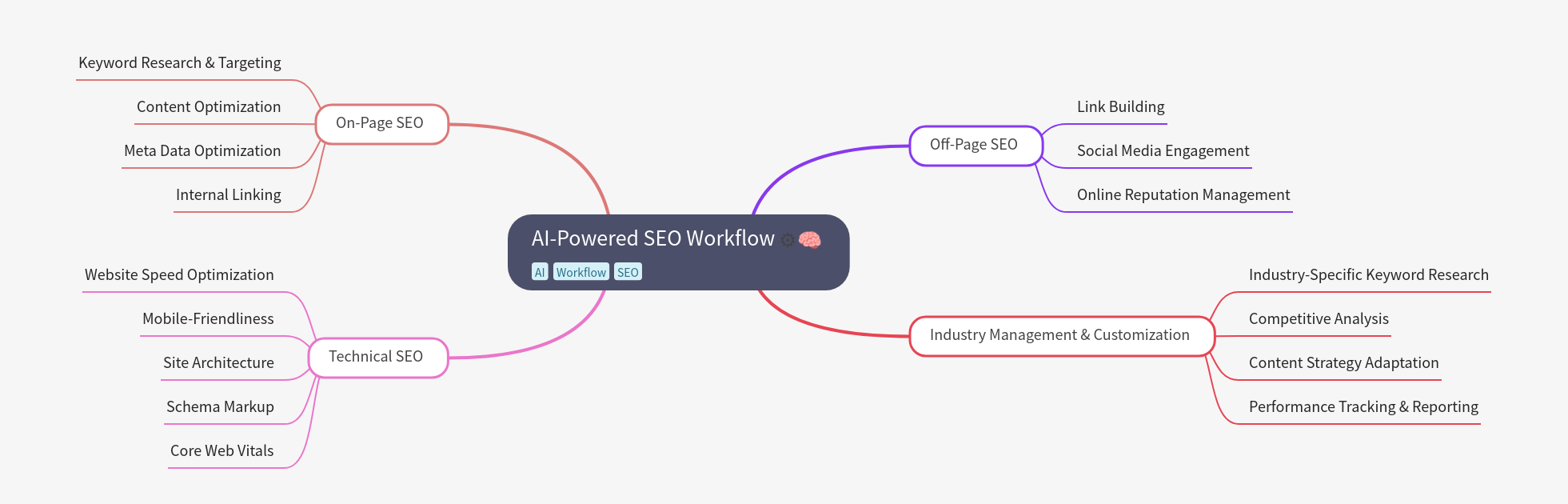
Search engine optimization remains crucial for online businesses, and AI tools have transformed what's possible. From keyword research to content optimization to technical audits, AI accelerates every aspect of SEO work.
The opportunity here is twofold. First, you can offer more comprehensive SEO services because AI handles the tedious parts. Second, you can deliver results faster, which justifies higher pricing and enables you to serve more clients.
AI tools for SEO include Surfer and Clearscope for content optimization, Semrush and Ahrefs for research and tracking, ChatGPT and Claude for content creation and analysis, and various specialized tools for technical SEO audits.
A typical SEO service offering might include initial site audit and strategy development, keyword research and content planning, AI-assisted content creation and optimization, technical SEO improvements, ongoing monitoring and reporting, and strategy adjustments based on results.
Pricing varies by scope, but SEO retainers typically range from $1,000 to $5,000 monthly for small to mid-sized businesses, with larger enterprises paying significantly more for comprehensive programs.
Method 13: AI Career Development (The Long-Term Play)
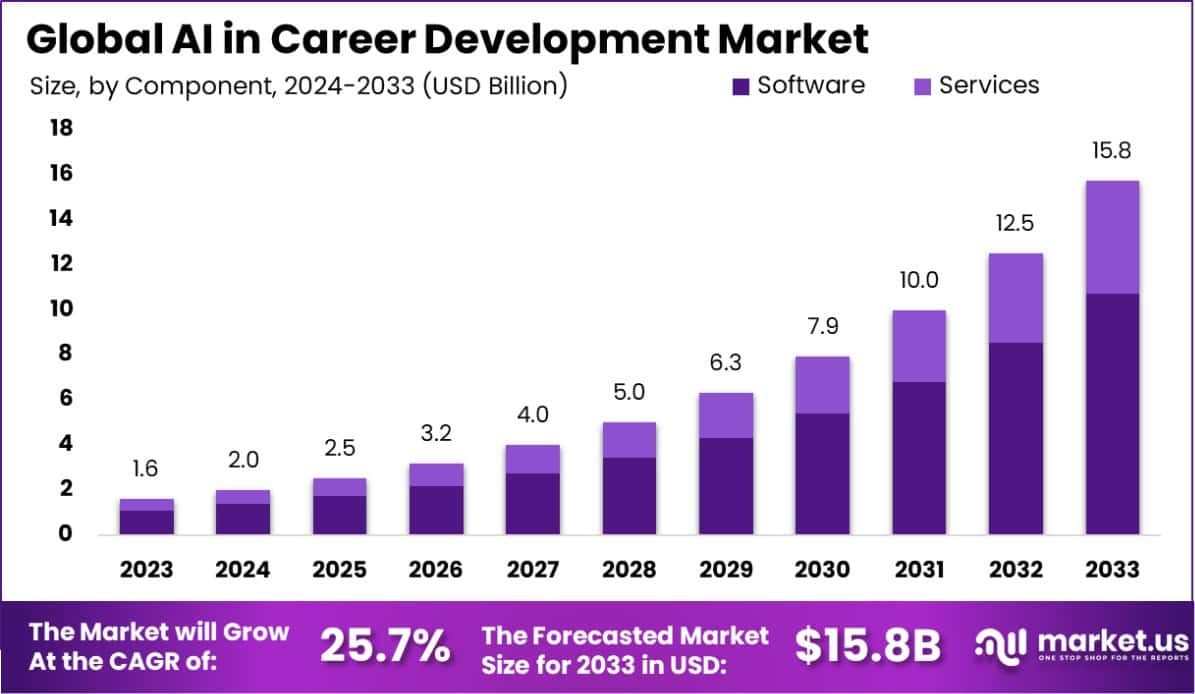
While the other methods focus on making money independently or as a freelancer, there's also tremendous opportunity in AI-focused careers. Companies are desperate for talent that understands how to implement and optimize AI solutions.
AI and machine learning engineers earn an average of $170,768 per year in the United States, according to Glassdoor's salary data. That's a base salary of about $125,436 plus additional compensation. Other roles in the AI space, from prompt engineering to AI product management to AI ethics and governance, also command premium salaries.
The career path typically involves learning foundational concepts through courses and certifications, building practical projects that demonstrate your skills, contributing to open source or publishing your work, networking in AI communities and at events, and applying for roles that match your skill level and interests.
For those who prefer employment to entrepreneurship, this is the most stable and often the most lucrative path. The demand for AI talent shows no signs of slowing, and companies are willing to pay premium compensation to attract skilled professionals.
Method 14: AI Integration Consulting for Existing Businesses
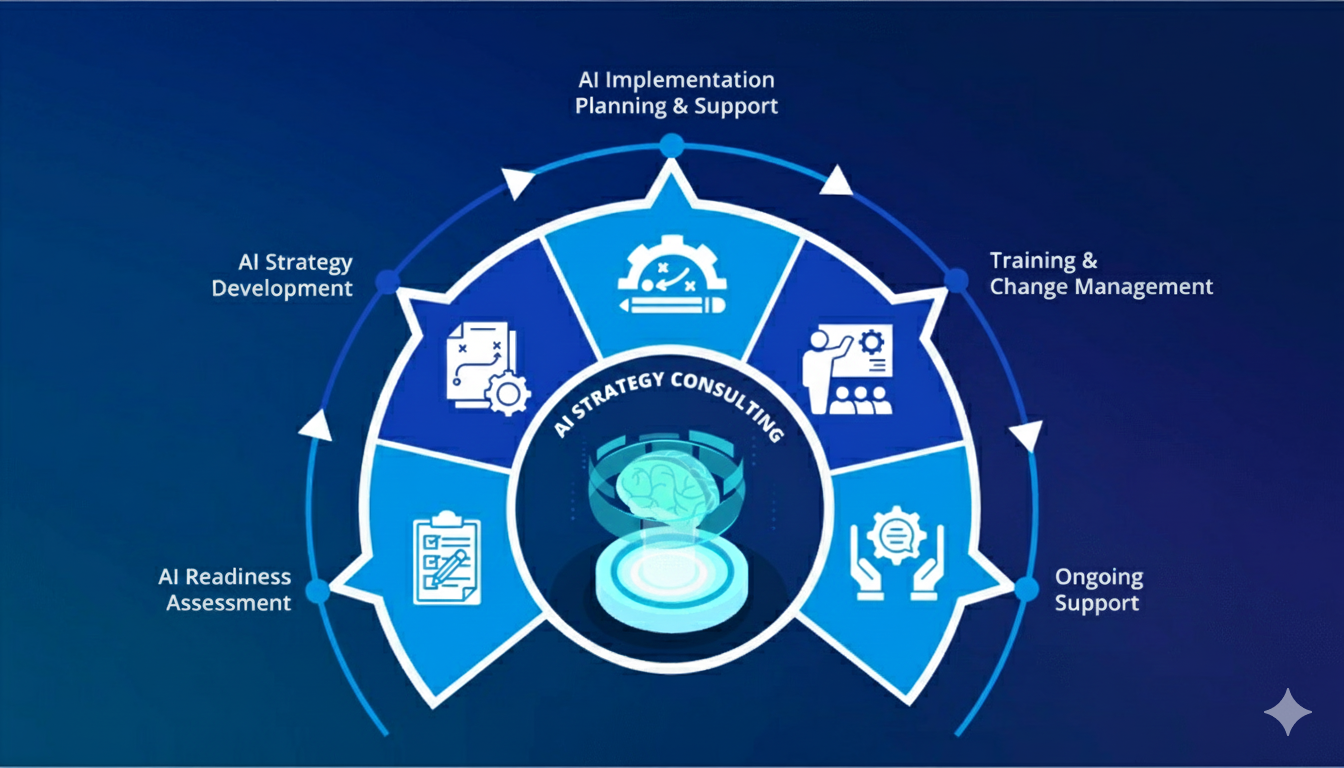
This is similar to automation consulting but focuses specifically on helping established businesses integrate AI into their existing operations. The target market is companies that know they need AI but don't know where to start or how to do it right.
The consulting engagement typically involves assessing current operations and identifying AI opportunities, developing an AI implementation roadmap, recommending tools and solutions, overseeing implementation, and training staff on new systems and processes.
What makes this different from pure automation consulting is the strategic element. You're not just implementing tools; you're helping companies think through how AI changes their business model, competitive position, and operational approach.
Fees for this type of consulting start higher because of the strategic component. Engagements often begin with a paid discovery phase ranging from $2,500 to $10,000, followed by implementation projects that can range from $10,000 to $50,000 or more depending on scope.
Method 15: Building AI-Powered Products and Applications

This is the highest-risk, highest-reward option on the list. If you have technical skills or can partner with someone who does, building AI-powered products offers potentially unlimited upside.
The spectrum of possibilities ranges from simple no-code applications to sophisticated software products. On the simpler end, tools like Bubble, Glide, and Softr let you build functional applications without coding. On the more complex end, you're looking at custom development using AI APIs and potentially training your own models.
Successful AI products solve specific problems for specific audiences. They're not generic "AI tools" but focused solutions that deliver clear value. The best opportunities often exist at the intersection of AI capability and niche expertise, where you understand a specific industry's problems well enough to build something that really helps.
The monetization models vary: subscription SaaS, one-time purchases, usage-based pricing, or even hybrid approaches. The key is finding product-market fit, which means building something people actually want and are willing to pay for.
This path requires more capital, time, and risk tolerance than the others. But for those with the right combination of skills and resources, the potential rewards are substantial.
Common Mistakes to Avoid
After researching this space extensively, I've noticed patterns in what trips people up. Here are the biggest mistakes I see:
- Chasing every new tool. New AI tools launch constantly. Many people jump from tool to tool, never mastering any of them. Focus on becoming excellent with a core set of tools rather than superficially familiar with everything.
- Competing on price. When you use AI to reduce your time investment, the temptation is to lower your prices accordingly. Resist this. Price based on value, not time. If AI helps you deliver better results faster, that's a competitive advantage, not a reason to charge less.
- Over-relying on AI without adding value. Pure AI output is increasingly commoditized. The people making real money combine AI efficiency with human expertise, judgment, and quality control. If your "service" is just copy-pasting AI output, you're not building a sustainable business.
- Starting too big. Many people try to launch comprehensive AI businesses from day one. Instead, start with one service, one product, or one client. Learn what works, refine your approach, then expand.
- Ignoring the business fundamentals. AI is a tool, not a magic wand. You still need to find customers, deliver value, manage finances, and build relationships. Technical AI skills without business acumen won't get you far.
Getting Started: A Practical Roadmap
If you've read this far and you're feeling overwhelmed, here's a simple path forward.
Week one is about choosing your direction. Based on your skills, interests, and available time, pick one method from this guide. Don't overthink it. The best method is the one you'll actually pursue.
Weeks two and three are for skill building. Learn the relevant AI tools for your chosen method. Take a course, watch tutorials, and most importantly, practice extensively. Build samples and experiment.
Week four is when you create your offering. Define exactly what you're selling, who you're selling it to, and how you'll deliver it. Create a simple portfolio or sample work.
Week five is about finding your first client or customer. Reach out to potential clients, list your services on relevant platforms, or launch your first product. The goal is to get real market feedback as quickly as possible.
Week six and beyond is continuous iteration. Learn from your early experiences. Refine your offering based on what you learn. Scale what works and abandon what doesn't.
The most important thing is to start. The AI opportunity won't last forever in its current form. As more people develop these skills, the early-mover advantage diminishes. The best time to begin was yesterday; the second-best time is now.
Frequently Asked Questions
Can I really make money with AI if I have no technical skills?
Absolutely. Many of the methods in this guide require no coding or advanced technical knowledge. AI-enhanced freelancing, digital product creation, content creation, and consulting all rely more on business sense and domain expertise than technical skills. The AI tools themselves are increasingly user-friendly and accessible.
How much money can I realistically expect to make?
This varies enormously based on the method you choose, the time you invest, and how effectively you execute. Many side hustlers report earning $500 to $2,000 monthly with part-time effort. Full-time AI entrepreneurs often generate $5,000 to $10,000 or more monthly. Some specialized consultants and product creators earn significantly higher. The key variable is the value you create and capture.
Do I need to invest money to get started?
Most methods require minimal upfront investment. Many AI tools offer free tiers or low-cost plans, so you can start experimenting for less than $50 a month. Your biggest investment will usually be time spent learning and testing. As you grow, you may choose to invest in better tools, courses, or marketing, but it's not required to start.
How long until I see results?
For service-based methods like freelancing or consulting, you can potentially land your first paying client within a few weeks of focused effort. For product-based methods, the timeline is typically longer since you need to create the product and build distribution. Expect one to three months to see initial traction, with significant income taking six to twelve months of consistent work.
Is this oversaturated? Am I too late?
The AI space is certainly more competitive than it was two years ago, but it's far from oversaturated. The market is growing faster than the competition. More importantly, success depends on execution, not just participation. People who deliver genuine value will continue to earn well regardless of how many others enter the space. The question isn't whether you're too late; it's whether you're willing to do the work to stand out.
What's the best AI tool to start with?
For most purposes, start with ChatGPT or Claude. These large language models are versatile enough for writing, research, analysis, coding assistance, and countless other tasks. As you develop your specific focus, you'll add specialized tools, but a solid foundation with a general-purpose AI assistant will serve you well across virtually any method.
Should I tell clients I use AI?
This depends on your service and industry. In most cases, clients care about results, not your tools. You don't need to advertise your AI use any more than you'd advertise using Google or spell-check. However, if you're in an industry where AI use might raise concerns (like writing or creative work), transparency is generally the safer approach. Frame it honestly: you use AI as a tool to enhance your process, not as a replacement for your expertise.
What if AI tools get even better? Won't they replace what I do?
AI tools will continue to improve, which is actually good news. Better tools mean you can deliver more value more efficiently. The key is positioning yourself at the strategic and creative levels rather than pure execution. As AI handles more routine tasks, the premium for human judgment, creativity, and relationships increases. Stay adaptable, keep learning, and focus on the uniquely human elements of whatever you do.
How do I stay updated on AI developments?
Follow key AI companies and researchers on social media. Subscribe to newsletters like The Rundown AI or Ben's Bites. Join communities on Discord, Reddit, or X where practitioners share insights. Most importantly, allocate time each week for experimentation. The best way to understand AI's evolving capabilities is to use the tools consistently.
Is it ethical to use AI in my work?
Using AI ethically means being honest about your methods when asked, not representing AI-generated content as something it isn't, adding genuine value rather than just passing along AI output, respecting copyright and intellectual property, and being thoughtful about the impact of your work. AI is a tool, and like any tool, it can be used well or poorly. Used thoughtfully, AI helps you serve clients better and create more value. That's not just ethical; it's good business.
Wrap up
The opportunity to earn with AI in 2026 is real, substantial, and available to anyone willing to learn and execute. The methods in this guide aren't get-rich-quick schemes. They require genuine effort, continuous learning, and professional execution. But for those willing to do the work, the potential is significant.
What strikes me most after all this research is how accessible this opportunity really is. You don't need venture capital. You don't need a computer science degree. You don't need to quit your job and bet everything on a risky startup. You can start small, learn as you go, and build momentum over time.
The AI revolution is happening whether you participate or not. The question is simply whether you'll be someone who uses these tools to create value and build income, or someone who watches from the sidelines as others do.
My advice? Pick one thing from this guide that resonates with you. Start learning the relevant tools this week. Take imperfect action rather than waiting for perfect conditions. Iterate based on what you learn.
The landscape will keep evolving. New tools will emerge. Some methods will become more competitive while new opportunities open up. But the underlying principle remains constant: AI is a force multiplier for human capability. If you bring genuine value to the table, AI helps you deliver more of it to more people.
That's not hype. That's the opportunity. What you do with it is up to you.
Related Articles
 Mark
Mark
 Dani
Dani
 Dani
Dani