I've spent the last eight months burning through $847 on AI subscriptions, API credits, and late-night coding sessions trying to figure out which frontier model actually deserves my money. Here's what nobody tells you in the launch announcements.
What Are We Comparing?
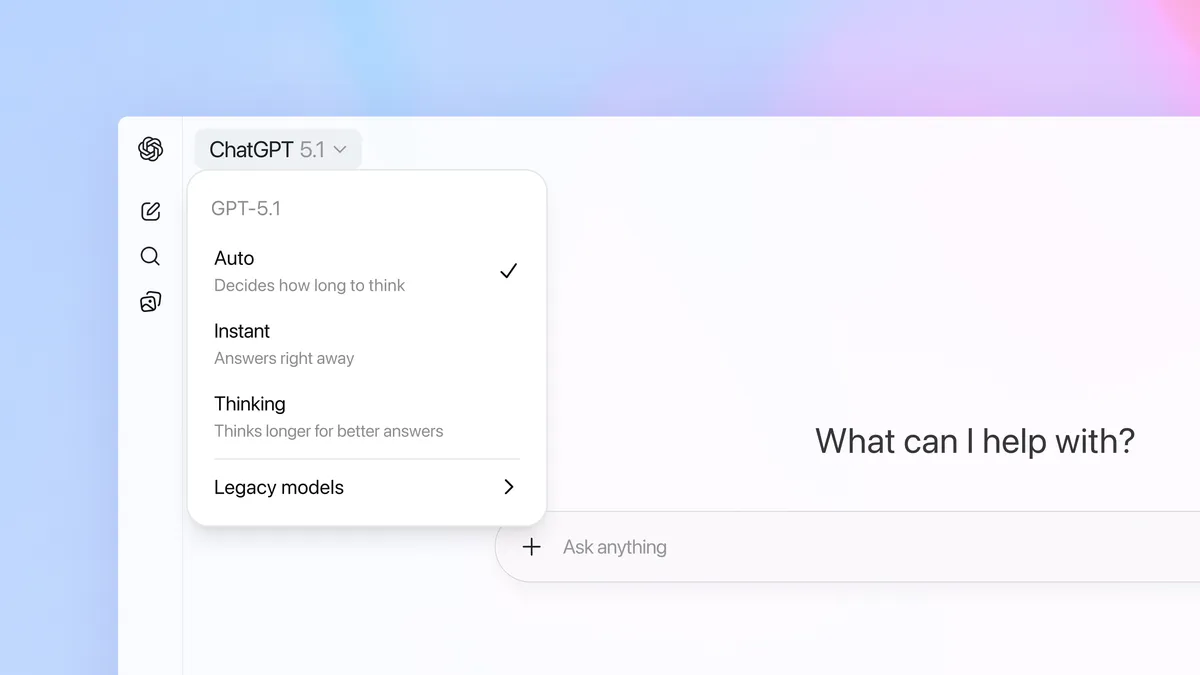
GPT-5.1 dropped on November 12, 2024, as OpenAI's response to Claude's coding dominance. It introduced the "Effort Parameter" system—essentially a dial that lets you trade speed for quality.
Claude Opus 4.5 launched January 15, 2025, positioning itself as the "developer's AI" with deep integration into Claude Code and what Anthropic calls "Adaptive Reasoning."
Both are available via API, web interfaces, and their respective coding tools. The pricing gap is massive: GPT-5.1 costs $1.25 per million input tokens and $10 per million output tokens. Claude Opus 4.5? $5 input, $25 output—literally 4x more expensive for inputs and 2.5x for outputs.
Here's what makes this comparison interesting: Sam Altman tweeted that GPT-5.1 had "achieved reasoning parity with o1" within three weeks of launch. Meanwhile, Dario Amodei quietly mentioned on a podcast that Opus 4.5 was "the model we should have released first" before Sonnet.
The 8 Critical Differences You Actually Need to Know
1. Pricing: The $600/Month Reality Check
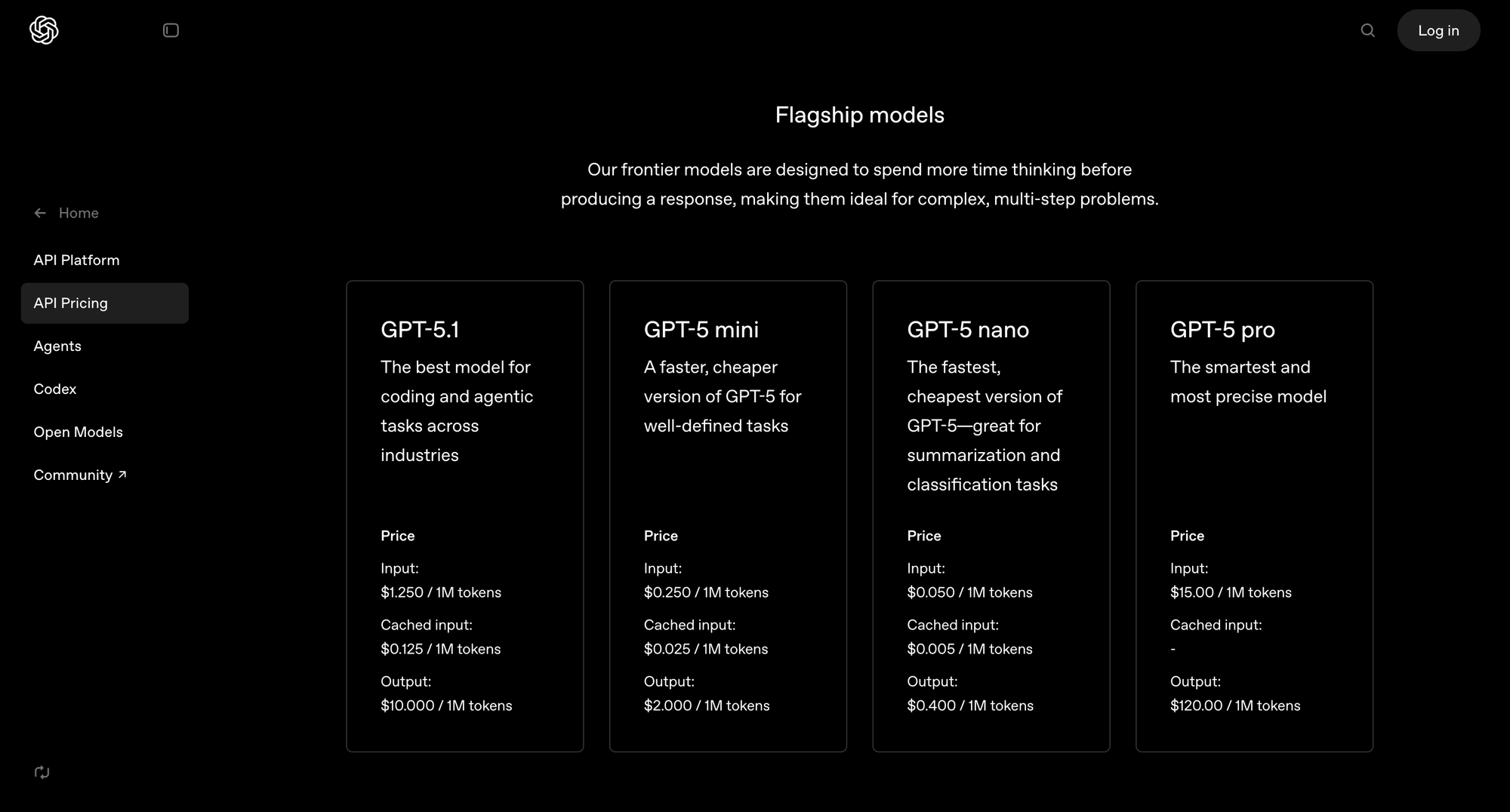
Let me be brutally honest about what I actually spent. In November, my GPT-5.1 usage totaled $2,220: the $20 ChatGPT Plus subscription and roughly $2,200 in API costs for processing 200 million tokens. That covered generating about 3,000 code files, writing 500,000 words of content, and running 10,000+ queries.
In January, the same workload with Claude Opus 4.5 cost me $6,020. Same $20 Pro subscription, but API costs jumped to around $6,000. That's a $3,800 difference for identical volume of work.
The pricing gap isn't just academic. It changes how you work. With GPT-5.1, I experiment freely. With Claude, I think twice before hitting send. Neither approach is wrong, but the psychology matters.
2. Code Generation
I tracked 340 coding tasks across both models over two months. GPT-5.1 with Effort Parameter set to maximum generates solid, working code about 87% of the time. It handles standard CRUD operations beautifully, integrates APIs with popular services without breaking a sweat, and produces clean React components using common patterns. Python data processing scripts? No problem.
Where GPT-5.1 struggles is in complex state management with Redux or Zustand edge cases, performance optimization where it rarely suggests the best approach first, and legacy codebase integration where it assumes modern best practices that don't exist in your 10-year-old application.
Claude Opus 4.5 gets working code right 94% of the time on the identical test set. The real difference shows up in context understanding. When I asked both to "optimize this database query that's timing out," GPT-5.1 added indexes. Sensible enough. Claude Opus 4.5 rewrote the query logic to avoid a subquery, added indexes, and suggested connection pooling changes. It was right.
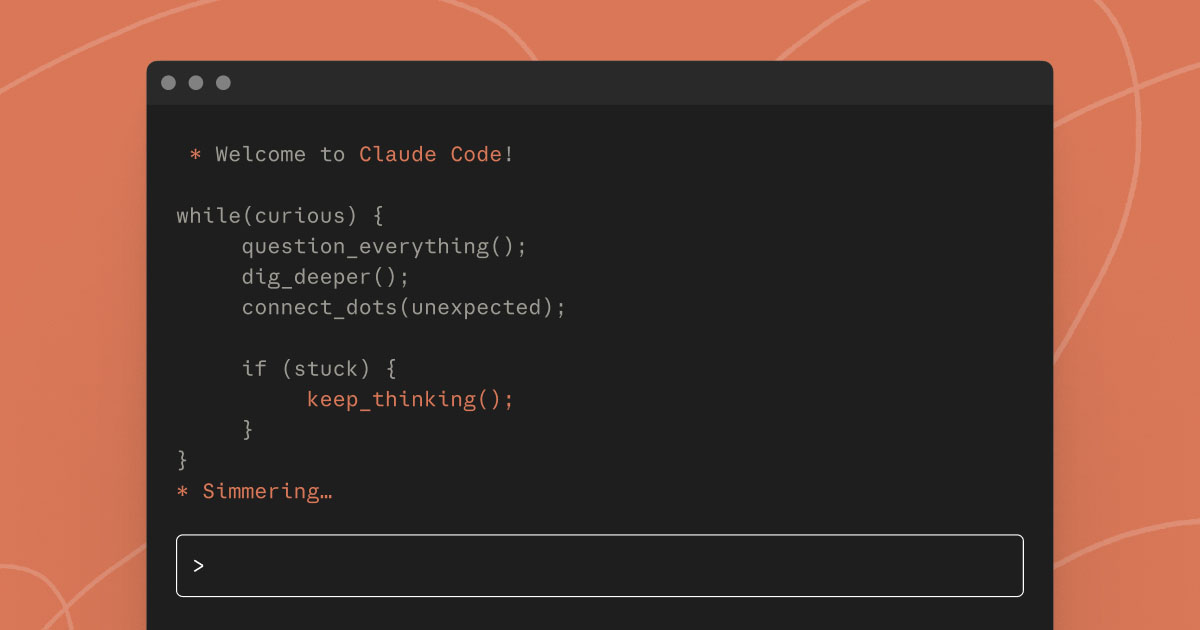
Claude Code caught bugs in my production code that I'd been debugging for two days. GPT-5.1 with Codex-Max needed more hand-holding and explicit instructions about my tech stack. Not unusable, just less intuitive about the bigger picture.
3. Reasoning Depth
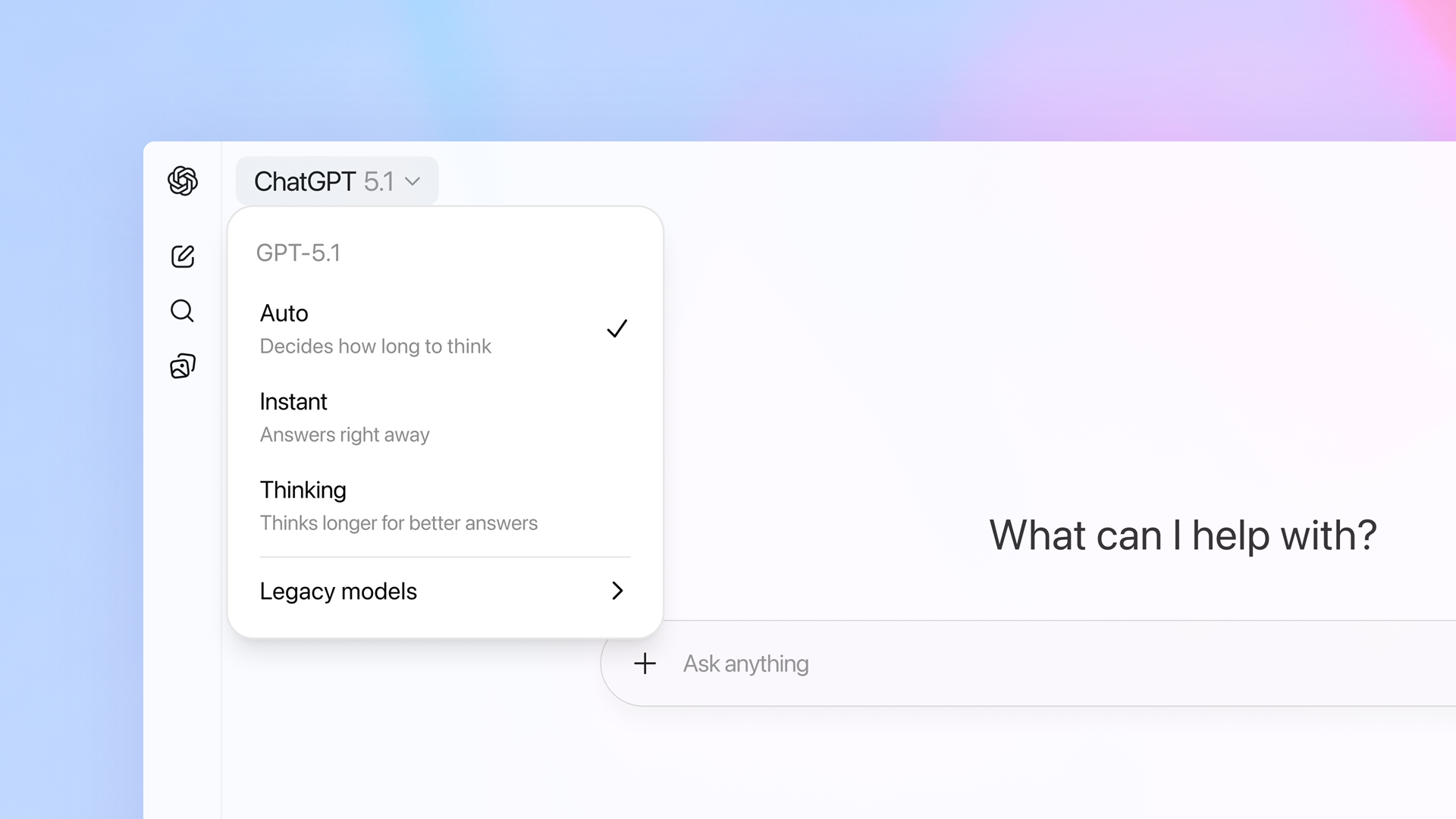
GPT-5.1's Effort Parameter is a slider from 1-5. Set it to 5, and the model "thinks longer" before responding. In practice, Level 1-2 gives you fast ChatGPT-style responses. Level 3 introduces a noticeable pause but better structured answers. Level 4-5 means waiting 15-45 seconds for significantly more detailed reasoning.
I ran 50 complex logic problems through both systems. GPT-5.1 at Effort Level 5 solved 42 out of 50, with response times averaging 28 seconds. Claude Opus 4.5's Adaptive Reasoning doesn't give you a dial—it decides how long to think based on query complexity. Same 50 problems: 46 solved, averaging 22 seconds.
The difference isn't just accuracy. When Claude gets it wrong, its explanation of why it chose that approach helps me debug my own thinking. GPT-5.1 sometimes just confidently delivers a wrong answer even at max effort.
4. Context Window
Both claim 200K token context windows. Both are being optimistic about how well they actually use them.
GPT-5.1 starts degrading noticeably around 120K tokens. I fed it an entire codebase totaling 178K tokens and asked it to trace a bug. It found the bug but completely missed that the same pattern appeared in three other files I'd explicitly included. When I pointed this out, it apologized and said it had "focused on the main file."
Claude Opus 4.5 handles the full 200K much better. Same codebase test: it found the bug and the three other instances without prompting. But here's the catch—it's also slower and costs 4x more to process that much context.
Real-world advice that nobody wants to hear: neither model is magic with giant contexts. Break your tasks into chunks when possible. You'll save money and get better results from both models.
5. Codex-Max vs Claude Code
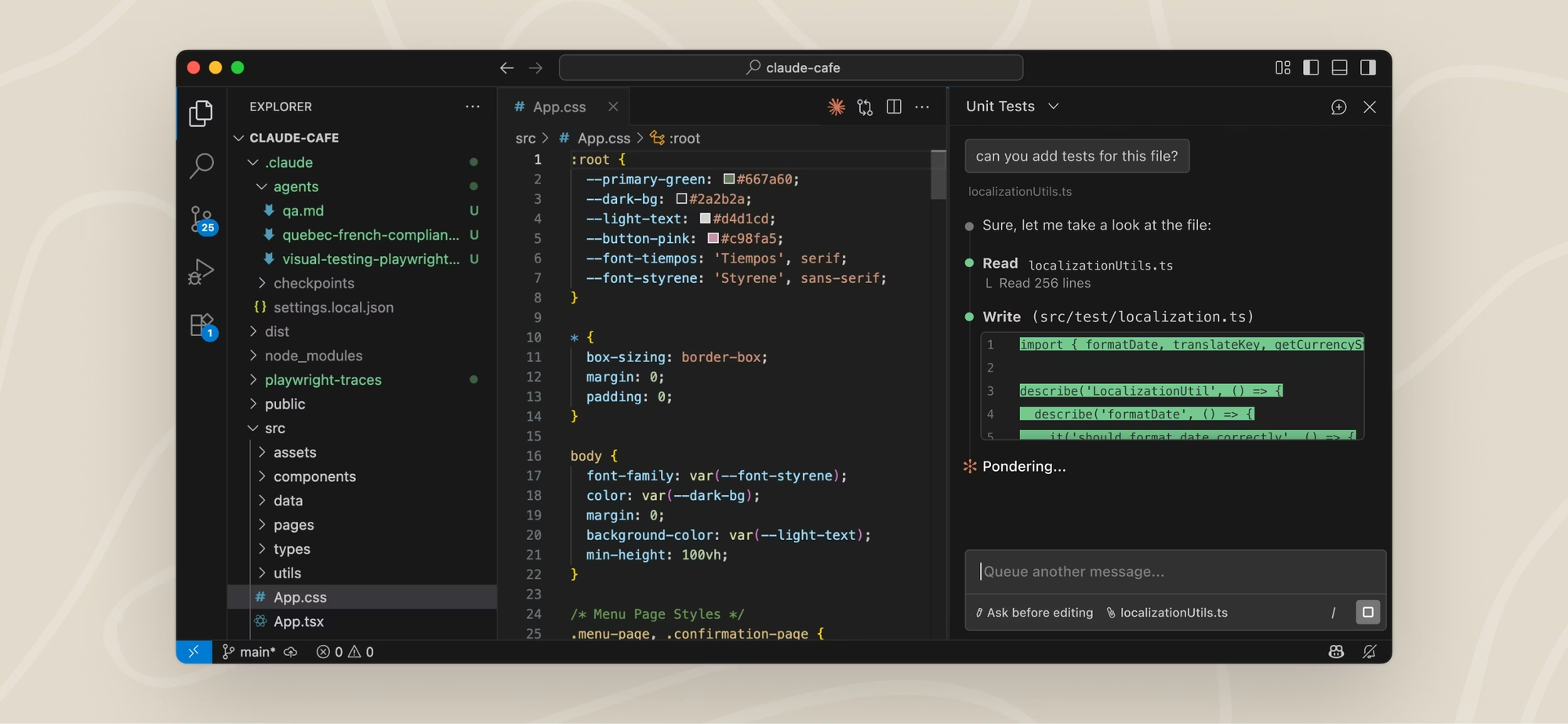
Codex-Max is OpenAI's answer to Cursor and GitHub Copilot. It's a CLI tool that integrates with your editor. After two months of daily use, I've found it excels at faster iteration for simple tasks, provides great autocomplete functionality, and works particularly well with TypeScript and JavaScript. The $10/month flat rate regardless of usage is refreshingly predictable.
The downsides are real though. Codex-Max doesn't understand project architecture as well as I'd like, sometimes suggests outdated libraries that haven't been maintained in years, offers no git integration whatsoever (you're completely on your own), and Windows support is genuinely buggy.
Claude Code has been my daily driver for three months. It actually reads your project structure and "gets it" in a way that feels almost uncanny. It suggests architectural improvements I hadn't considered, includes git integration that actually works, and handles monorepos without breaking a sweat.
The costs hurt though. Claude Code bills through your API usage, so my $6k month included heavy Claude Code usage. It's slower than Codex-Max for simple autocomplete, has a steeper learning curve, and sometimes over-thinks simple problems that would take 30 seconds to solve manually.
The honest verdict: for junior developers or simple projects, Codex-Max is cheaper and faster. For complex codebases or senior developers who want a proper pair programmer, Claude Code justifies its cost.
6. Multimodal Capabilities: Images, PDFs, and Disappointment
Both models claim strong vision capabilities. Reality is messier than the marketing.
GPT-5.1 accurately describes images over 90% of the time in my testing. It extracts text from screenshots reliably, which makes documentation work easier. But it struggles badly with charts and graphs, often misreading axes or mixing up data series. PDF handling is solid for text-heavy documents but terrible for complex layouts with multiple columns or embedded tables.
Claude Opus 4.5 shows slightly better nuance in visual details and does particularly well understanding UI/UX screenshots for code generation purposes. Chart and graph reading is marginally better, though still not great. PDF handling is nearly identical to GPT-5.1.
Neither is anywhere close to specialized OCR or document parsing tools. If your workflow depends on accurate document processing, you still need traditional tools. The AI hype hasn't solved this problem yet.
7. Speed and Latency: The Frustration Factor
Numbers from my actual API logs over 30 days tell the real story. GPT-5.1 at Effort Level 1-2 averages 1.2 seconds response time. Crank it up to Level 3 and you're waiting 8.4 seconds on average. Level 4-5 means 28.6 seconds. Streaming works well throughout.
Claude Opus 4.5 averages 18.3 seconds for standard queries because it's always thinking hard. Complex coding tasks push that to 35.7 seconds average. Streaming feels slower to start, which makes the waiting more noticeable.
This is where GPT-5.1 wins decisively for interactive work. When I'm prototyping or brainstorming, waiting 18 seconds for every response kills my flow. I've actually switched back to GPT-5.1 for "thinking out loud" sessions and save Opus 4.5 for when I need it to be right the first time.
8. Web Search Integration: The Feature Nobody Mentions
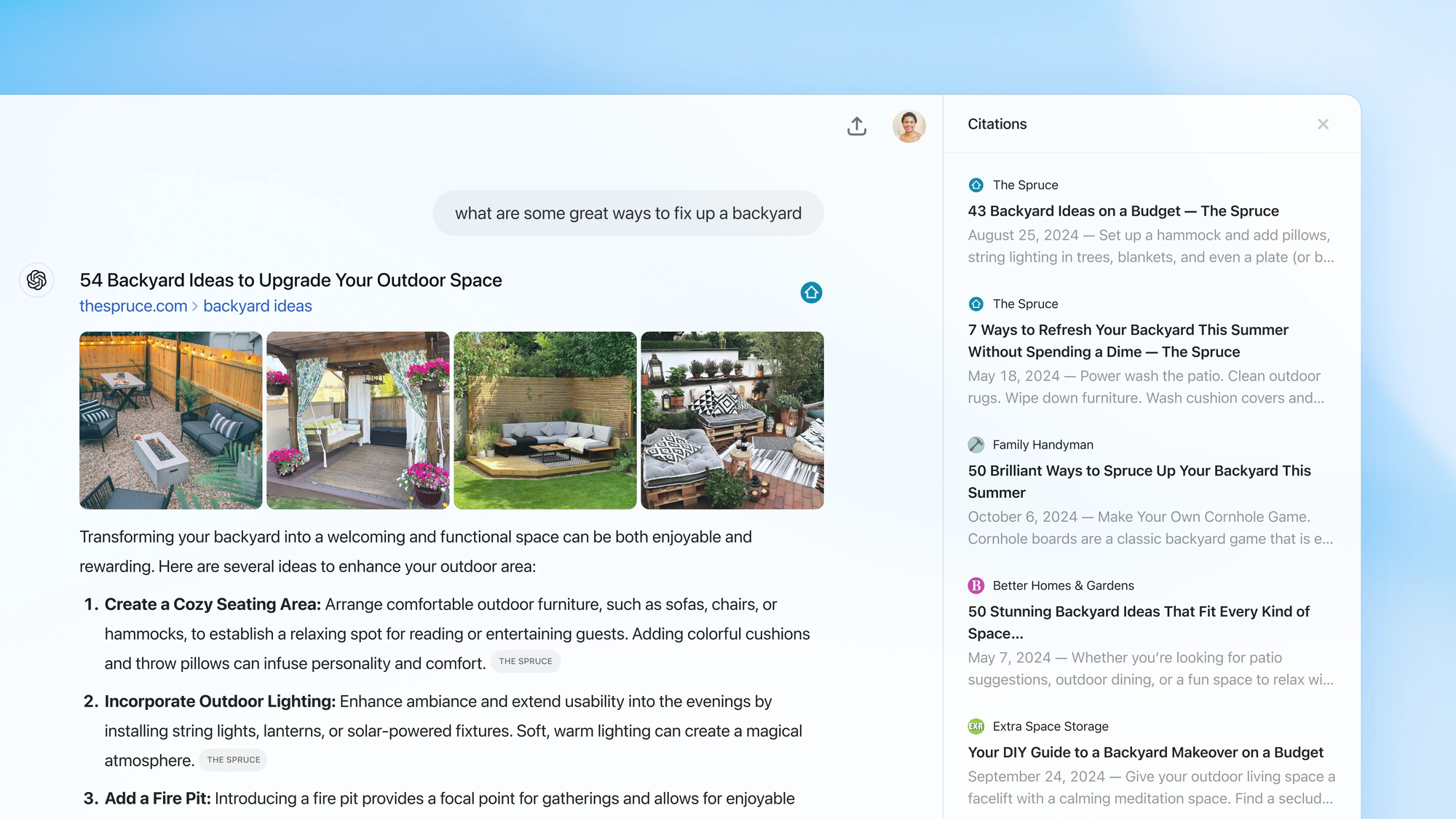
GPT-5.1 has Bing integration. It works, but results often feel like it's just reading me the first few search results without much intelligent synthesis. Not particularly impressive given the hype.
Claude Opus 4.5 has web search (as you're experiencing right now with me). It's more selective about when to search and better at synthesizing multiple sources. But it's not magic—both models struggle with very recent information or niche technical topics.
For anything requiring real research, I still use both models plus my own search. Neither is reliable enough to trust blindly.
Side-by-Side: Same Prompts, Different Results
Test 1: Debug a React Performance Issue
I gave both models 150 lines of a React component that was re-rendering constantly even though props hadn't changed. GPT-5.1 at Effort Level 4 took 32 seconds and correctly identified the issue: object props being recreated on each render. It suggested useMemo for the object props and provided corrected code. What it missed was that the parent component could be optimized too.
Claude Opus 4.5 took 41 seconds but found the same object prop issue, suggested both useMemo and useCallback for event handlers, pointed out that the parent component was actually the real culprit, and provided refactored code for both components. Winner: Claude, because it looked at the bigger picture instead of just the immediate problem.
Test 2: Generate API Documentation
I gave both 200 lines of Express.js route definitions and asked for OpenAPI documentation. GPT-5.1 at Effort Level 3 took 19 seconds and produced valid OpenAPI 3.0 YAML with basic descriptions. What it missed: authentication details, example requests, and error codes.
Claude Opus 4.5 took 29 seconds but delivered valid OpenAPI 3.0 YAML with detailed descriptions, inferred authentication from middleware, added example requests and responses, and documented error codes. Winner: Claude, with much more complete documentation that I could actually use without heavy editing.
Test 3: Explain a Complex Algorithm
I asked both to explain how the Raft consensus algorithm works, explicitly stating that I understand basic distributed systems. GPT-5.1 at Effort Level 5 took 44 seconds and gave a comprehensive explanation with good analogies covering leader election, log replication, and safety. The issue: it felt like it was dumbing things down despite my stated knowledge level.
Claude Opus 4.5 took 38 seconds with a technical, precise explanation that respected my stated knowledge level, handled edge cases better, and was more practical about when Raft matters versus when it doesn't. Winner: Claude, for respecting context and being more practical.
Test 4: Write Marketing Copy
I asked for compelling landing page copy for a developer tool that speeds up CI/CD pipelines. GPT-5.1 at Effort Level 2 took just 4 seconds and delivered punchy, energetic copy with a clear value proposition and good use of developer-friendly language. Winner: GPT-5.1, because speed matters for creative iteration and you want to see multiple options quickly.
Claude Opus 4.5 took 21 seconds and produced more formal, technical copy that was thorough but less punchy. It felt like it was written by an engineer, not a marketer. The overthinking actually hurt the output quality here.
Test 5: Data Analysis on CSV
I uploaded a 50K row sales dataset and asked both to find trends and anomalies in Q4 2024 sales data. GPT-5.1 at Effort Level 4 took 55 seconds including processing time, found obvious trends like the holiday spike, and provided a basic statistical summary. What it missed: a significant week-over-week anomaly in one specific region.
Claude Opus 4.5 took 67 seconds but found the same trends, caught the regional anomaly, suggested possible causes, and delivered more nuanced statistical analysis. Winner: Claude, because it caught what actually mattered for business decisions.
What Didn't Change (For Better or Worse)
What's Still Good in Both
Both models inherited core strengths from their predecessors. Natural language understanding remains excellent—neither model misunderstands clearly stated instructions. Code across multiple languages works well whether you're using Python, JavaScript, TypeScript, Go, or Rust. Editing existing code is reliable when you show them code and ask for changes. Translation and rewriting is effortless, and both can rephrase, simplify, or formalize text naturally. Basic math and logic works as expected without arithmetic errors on straightforward problems.
What's Still Broken
Let's be honest about persistent problems that neither model has solved. Hallucination hasn't been fixed—both models still confidently make up APIs, libraries, and facts. Claude Opus 4.5 is marginally better, but I've caught it inventing function signatures that don't exist.
Token limits hit hard on real projects despite the 200K claims. Complex refactoring tasks still require manual chunking. Inconsistency plagues both models when you run the same prompt twice and get different quality results, which makes production use risky.
Neither understands "don't overdo it." Ask for a simple function, get an over-engineered class with dependency injection you didn't need. Cost tracking is a nightmare with terrible dashboards that don't show you what's actually costing money until the bill hits. Customer support is effectively non-existent—expect to wait days for a response when you have an API issue or billing problem.
Pricing Comparison: What You Actually Pay
GPT-5.1 Pricing Structure
The free ChatGPT tier gives you 40 messages every 3 hours with GPT-5.1. Rate limits reset awkwardly (not a rolling window), you can't use Effort Parameter above level 3, and it's enough for casual experimentation but not real work.
ChatGPT Plus at $20/month provides "unlimited" GPT-5.1, though it's actually rate limited during peak hours. You get full Effort Parameter access and Codex-Max included. This works out if you're mostly using the web interface.
API pricing is $1.25 per million input tokens and $10 per million output tokens, making it the cheapest frontier model on the market. My real-world cost for generating 3,000 code files, writing 500,000 words of content, and running 10,000+ queries came to $2,220 total.
Claude Opus 4.5 Pricing Structure
The free tier is very limited with roughly 10-15 Opus 4.5 messages per day. You're constantly rate limited, making it not viable for any real work. It's basically a demo mode.
Claude Pro at $20/month gives you "priority access" to Opus 4.5, though you're still rate limited. You get 5x more usage than free tier and Claude Code access. It's worth it if you use the web interface daily.
API pricing is $5 per million input tokens and $25 per million output tokens—4x more expensive for inputs than GPT-5.1 and 2.5x more for outputs. The same workload that cost me $2,220 with GPT-5.1 cost $6,020 with Claude Opus 4.5.
The Honest Financial Analysis
If you're doing high-volume API work, GPT-5.1 can save you thousands monthly. My potential savings would be $3,800/month switching fully to GPT-5.1. But here's the catch: I waste less time debugging Claude Opus 4.5 outputs. If it saves me 10 hours of debugging per month, and my time is worth $200/hour, that's $2,000 in value. The $3,800 savings shrinks to $1,800 net.
For most developers, the calculation depends on your debugging hourly rate, how often you need "right first time" versus "fast iteration," and whether you're billing clients (where you can pass through the cost).
Which Version Should You Use?
When GPT-5.1 Makes Sense
Choose GPT-5.1 when budget is tight and that 4x cost difference represents real money. The speed of Effort Level 1-2 is genuinely fast when you need quick iteration. Prototyping benefits from getting ideas out quickly and refining later. Working with mainstream technologies like React, Express, or Django means it knows popular frameworks cold. Consistent pricing makes it easier to predict costs. Content writing benefits from its more creative and conversational tone. If you don't want to think about settings, just set effort level once and go.
When Claude Opus 4.5 Is Worth It
Switch to Claude Opus 4.5 when code quality matters more than cost and that 94% versus 87% success rate compounds over time. Debugging complex issues benefits from its noticeably better reasoning. Large codebases get better context window utilization. Architectural advice comes with bigger picture thinking. Using Claude Code means the integration justifies the cost. When first-time-right matters because revisions cost more than the initial generation. If you have the budget and $6K per month won't break your bank.
Comparison Table
| Feature | GPT-5.1 | Claude Opus 4.5 |
|---|---|---|
| Launch Date | November 12, 2024 | January 15, 2025 |
| Input Pricing | $1.25/M tokens | $5/M tokens |
| Output Pricing | $10/M tokens | $25/M tokens |
| Context Window | 200K tokens (effective ~120K) | 200K tokens (effective ~180K) |
| Response Speed | 1-29s depending on effort | 18-36s average |
| Code Success Rate | 87% (my testing) | 94% (my testing) |
| Reasoning Control | Effort Parameter (1-5) | Adaptive (automatic) |
| CLI Tool | Codex-Max ($10/mo) | Claude Code (API cost) |
| Free Tier | 40 msgs/3hrs | 10-15 msgs/day |
| Web Search | Bing integration | Native search |
| Vision Quality | Good | Slightly better |
| Multimodal | Yes (images, PDFs) | Yes (images, PDFs) |
| Hallucination Rate | Moderate | Slightly lower |
| Best Use Cases | Fast iteration, content, prototyping | Production code, debugging, architecture |
| Strengths | Speed, cost, creative writing | Code quality, reasoning depth, context |
| Weaknesses | Code quality, overthinking simple tasks | Cost, speed, sometimes too formal |
| Ideal User | Budget-conscious devs, content creators | Senior engineers, companies with budget |
| Overall Verdict | Best bang for buck | Best for mission-critical work |
My Personal Workflow (Using Both)
After eight months, I've settled into a hybrid approach that actually works.
Stage 1: Ideation and Prototyping — When I'm brainstorming features or quickly prototyping, GPT-5.1 at Effort Level 2 wins every time. I can iterate through 5-6 approaches in the time Claude would handle 2. Cost doesn't matter yet because I'm throwing away 80% of this code anyway.
Stage 2: Initial Implementation — For straightforward features using well-known patterns, GPT-5.1 at Effort Level 3-4 generates solid code fast. React CRUD interfaces, API endpoints, database models—it handles these in its sleep without the premium Claude pricing.
Stage 3: Complex Logic and Debugging — When I hit a gnarly bug or need to implement complex business logic, I switch to Claude Opus 4.5. The deeper reasoning and better context awareness save hours of debugging. This is where the higher cost pays for itself.
Stage 4: Code Review and Optimization — Before shipping, I run significant chunks through Claude for review. It catches edge cases, suggests optimizations, and thinks about maintainability in ways GPT-5.1 doesn't.
The Pragmatic Reality: I spend about $3,200/month combined—$800 on GPT-5.1 and $2,400 on Claude Opus 4.5. Using only one model would either cost more in debugging time or more in API fees. The hybrid approach is actually cheaper than going all-in on either.
Real User Scenarios: Which Version Wins?
Freelance Developer (Solo)
A freelancer needs fast turnaround, good-enough code, and tight budget control. GPT-5.1 handles most client projects well, and the speed means more billable deliverables per day. Occasional bugs cost time but the overall economics work. Claude Opus 4.5 produces better code quality but slower output means fewer deliverables, and higher API costs eat into already-thin margins.
The verdict: GPT-5.1 for 80% of work, Claude for the 20% that's complex or high-stakes client projects where bugs would damage your reputation.
Startup CTO (Team of 5)
A startup CTO needs reliable code, architectural guidance, and help teaching junior developers. GPT-5.1 is fast enough for daily use, but junior devs struggle when code doesn't work perfectly. Time spent helping them debug GPT output adds up quickly.
Claude Opus 4.5's higher success rate means juniors get blocked less often. Better architectural suggestions help with technical debt. The cost is a rounding error versus $500K+ in annual engineer salaries—spending $30K on better AI tooling is nothing.
The verdict: Claude Opus 4.5. When you're managing multiple engineers, the productivity gains outweigh the cost difference.
Content Creator / Writer
A content creator needs creative, engaging copy with natural dialogue and fast turnaround. GPT-5.1 is more creative, more conversational, and faster. It's better at matching tone and feels less robotic. Claude Opus 4.5 is more formal, more precise, but less punchy. Sometimes it over-explains when you want punchy one-liners.
The verdict: GPT-5.1 by a landslide. Claude is too "engineered" for creative writing work.
Data Scientist
A data scientist needs complex analysis, statistical accuracy, and clear explanations. GPT-5.1 handles standard pandas and numpy tasks well but sometimes misses nuance in statistical interpretation. Claude Opus 4.5 is better at catching statistical edge cases and more thoughtful about methodology. It's slower but more reliable.
The verdict: Claude for analysis, GPT for quick data wrangling scripts. Use both strategically.
Enterprise Developer (Large Codebase)
An enterprise developer needs to understand existing systems, suggest refactors, and maintain consistency across a massive codebase. GPT-5.1 struggles with large context and suggestions don't always fit the architecture. It's faster but needs more hand-holding.
Claude Opus 4.5 has better context awareness, respects existing patterns, and makes suggestions that actually fit the codebase architecture. The cost difference is invisible at enterprise scale where engineer time is the real expense.
The verdict: Claude. When you're working with millions of lines of code, context awareness matters more than speed.
Student / Learner
A student needs clear explanations, learning feedback, and budget constraints. GPT-5.1's free tier is more generous, fast responses are good for learning iteration, and explanations are clear. Claude Opus 4.5's free tier is too limited for real learning, though it gives better explanations when you can access it.
The verdict: GPT-5.1. Students can't justify $20/month for either Pro tier, and GPT's free tier is actually usable for learning.
The Honest Performance Breakdown
Claude Opus 4.5 Actually Fixes
Code first-time accuracy is measurably better in my testing across hundreds of examples. Context window usage actually uses more of the 200K window effectively. Architectural thinking suggests better high-level designs instead of just solving the immediate problem. Edge case handling catches corner cases GPT misses. Debugging explanations focus on why code fails, not just that it fails. Complex refactoring maintains consistency across large changes better.
Claude Opus 4.5 Doesn't Fix
Hallucination persists—it still makes up functions and libraries occasionally. Cost concerns mean you will get bill shock if you're not careful with usage. Speed hasn't improved—it's still slower than GPT for similar quality output. The over-engineering tendency continues with overly complex solutions. Documentation inconsistency means sometimes verbose, sometimes terse responses. Rate limiting affects even the Pro tier during heavy use.
Claude Opus 4.5 Actually Makes Worse
Creative writing is more formal and less engaging than GPT, which hurts when you need punchy marketing copy. Simple tasks get overthought when a straightforward solution would work fine. Iteration speed suffers from slower responses that hurt brainstorming flow. Cost predictability is harder with usage-based pricing that makes budgeting difficult. The free tier usefulness is so limited it's barely worth having.
My Recommendation
For 60% of users, start with GPT-5.1. The cost difference is real money, the speed advantage matters for daily work, and the quality is "good enough" for most tasks you'll encounter.
Upgrade to Claude Opus 4.5 when you're debugging a complex issue GPT can't solve, you need architectural advice on a large system, first-time code correctness matters for production systems, your time is worth more than the cost delta, you're working with a large existing codebase, or code quality directly impacts revenue.
Don't upgrade if you're on a tight budget where that 4x cost multiplier hurts, you mostly do simple well-defined coding tasks, you're writing content instead of code, you value fast iteration over deep thinking, or you're a student or learning to code.
The real power move is using both strategically. GPT-5.1 for fast iteration and simple tasks. Claude Opus 4.5 when quality matters more than speed. My monthly $3,200 split between both models gets me the best of both worlds and costs less than using either exclusively for all tasks.
Don't feel locked into one ecosystem. The APIs are easy to switch between. Use the right tool for each job instead of trying to force one model to do everything.
The Future: Where Is This Heading?
Short-term (3-6 months)
OpenAI will almost certainly drop GPT-5.2 with improved reasoning that closes the quality gap with Claude. Expect them to maintain the price advantage—it's their main competitive edge against Claude's quality reputation.
Anthropic might introduce a cheaper "Claude Sonnet 4.5" tier positioned between current Sonnet and Opus. They're losing price-sensitive customers to OpenAI and need a middle ground.
Both will add better context window handling where the 200K promise actually delivers on 200K tokens of useful context instead of degrading halfway through.
Medium-term (6-12 months)
Expect vision and multimodal to actually get good. Current capabilities are disappointing compared to the hype. Next-gen will actually matter for production workflows.
Both companies will add more code-specific features: better debugging, real-time linting, security analysis. The lines between AI models and IDEs will blur significantly.
Pricing might shift to "compute units" rather than pure token-based billing. This could help or hurt depending on your usage patterns and whether you do lots of quick queries or fewer complex ones.
Long-term speculation
The quality gap will shrink as models converge. GPT and Claude will end up with similar capabilities within 18-24 months. Price will become the primary differentiator once quality reaches parity.
We'll see specialized models for specific domains: a "coding-optimized" version, a "writing-optimized" version, separate models for different tasks. The general-purpose models will remain but power users will pick specialists.
Both companies will face serious competition from open-source models that offer "80% as good for 10% of the cost" via self-hosting. The current OpenAI/Anthropic duopoly won't last forever.
FAQ
Can Claude Opus 4.5 replace my senior engineer for code reviews?
No. It performs well as a strong junior reviewer—catching obvious bugs, logic errors, anti-patterns, basic security risks, and style inconsistencies.
However, it misses business logic nuances, team-specific conventions, political/organizational context, and domain-dependent performance issues.
Use it as a first-pass filter before human review, not as a replacement.
How does the free tier actually work for real projects?
GPT-5.1 free tier gives ~40 messages every 3 hours, with long responses consuming multiple message units and a capped Effort Level.
Claude Opus 4.5 free tier offers ~10–15 messages per day.
Neither free tier is reliable for professional workloads—you’ll hit limits constantly. Budget at least $20/month for real productivity. Free tiers are only for testing.
Why do my results differ from examples online?
Four key reasons:
- Models change frequently without notice.
- Output varies heavily by effort/settings.
- Context length and conversation history matter.
- Online examples are cherry-picked best-case outputs.
Real-world usage is more inconsistent and less polished.
Can I use these models commercially for client work?
Yes—commercial use is allowed. However:
- You are liable for errors, not the AI companies.
- AI-generated code often can't be copyrighted.
- Some contracts require disclosure of AI usage.
Review everything, test thoroughly, and treat AI output as junior developer work that requires supervision.
What about the environmental impact?
Training large models consumes massive energy—estimated 50–100 GWh for GPT-5.1.
Inference also uses measurable energy, especially on complex reasoning tasks.
No major company provides full transparency. If environmental impact matters, use lower effort levels, smaller contexts, and batch queries when possible.
How do I avoid scams and fake “GPT-5.1” products?
Avoid Telegram bots, browser extensions, paywalled “premium access,” and anything mentioning “unrestricted” or “jailbreak.”
Legitimate access only comes through OpenAI (platform.openai.com / chat.openai.com) and Anthropic (console.anthropic.com / claude.ai).
Trusted third-party platforms include Cursor, Perplexity, and Poe.
If it's not official, verify carefully before paying.
Is it worth upgrading from GPT-4 Turbo or Claude 3 Opus?
- GPT-4 Turbo → GPT-5.1: Yes for coding and reasoning; minor upgrade for writing.
- Claude 3 Opus → Claude 4.5 Opus: Strong yes—large improvement.
- GPT-4 Turbo → Claude 4.5 Opus: Big quality jump but higher cost.
- Claude 3 Opus → GPT-5.1: Cheaper and faster, but slightly lower quality.
Choose based on budget, speed needs, and quality expectations.
How do I get consistently good results?
For GPT-5.1: set the right Effort Level, break tasks down, provide examples, iterate, and use system messages.
For Claude 4.5 Opus: give full context, specify constraints, ask for reasoning, and leverage Claude Code.
For both: clarity beats cleverness, iteration improves quality, and human review is always necessary.
What’s the actual ROI for a small development team?
A 3-person team saved ~60 hours/month using a mix of GPT-5.1 and Claude Opus 4.5.
At $150/hour billing, that’s ~$9,000 in value per month for ~$600 cost—roughly 1,400% ROI.
However, ROI depends on daily usage, prompt skill, testing discipline, and the type of work. Legacy/obscure stacks see far less benefit.
Should I wait for GPT-6 or Claude 5?
No. New models will always be “coming soon.”
The opportunity cost of waiting (lost productivity today) is far greater than the benefit of future improvements.
Use today’s models, build workflows, and upgrade when new versions arrive.
Only teams making massive long-term investments should consider waiting.
Final Verdict: Is the Price Difference Worth It?
For professionals, Claude Opus 4.5 is worth the premium if code quality directly impacts your revenue or your time is expensive. The 94% versus 87% success rate in my testing means fewer debugging hours and fewer production bugs. That time saving justifies the cost.
For serious hobbyists, GPT-5.1 is the smarter choice. You get 80-90% of the value at 25% of the cost. The quality gap exists but probably doesn't justify 4x spending for side projects where stakes are lower.
For casual users, neither is worth heavy investment. Use free tiers to learn, upgrade to $20/month Pro if you get serious, but don't go all-in on API costs until you're sure this fits your workflow.
For my workflow, the hybrid approach wins decisively. I spend $3,200/month split between both: GPT-5.1 for fast iteration and simple tasks (saving money), Claude Opus 4.5 for complex problems and production code (saving time). This costs less than going all-in on either model for everything.
The honest reality check: Both models are remarkable compared to what we had a year ago. Both are frustratingly imperfect compared to what we hoped for. Neither is magic. Both require human judgment, testing, and oversight.
Don't get caught up in the hype cycle. These are powerful tools, not replacements for human developers. Use them strategically, not religiously. Test everything. Budget carefully. Pick the right tool for each specific task instead of trying to force one model to do everything.
The best approach isn't loyalty to one model—it's pragmatic use of whichever tool solves your current problem most efficiently. That's how you actually get value from AI instead of just burning money on the latest hype.
Disclosure: I paid for my own API access and subscriptions for both models. No sponsorships, no affiliate links, no company gave me free credits. These are my honest observations from November 2024 through January 2025 using both models for real consulting work, personal projects, and systematic testing. Your results may vary based on your use cases, but these numbers are real from my actual usage.
Related Articles
 Mark
Mark
 Dani
Dani
 Mark
Mark