March has delivered an unusually strong wave of hardware. Apple dropped seven products in a single week, Sonos broke a year-long silence with its first new speakers since May 2024, and several devices that arrived looking like iterative upgrades turned out to be something more interesting once reviewers spent time with them.
This month's picks span a wide range of prices and use cases, but they share something in common: each one solves a problem that its predecessor either created or left unaddressed. From Apple's genuinely surprising budget laptop to a portable speaker that earns its premium price through versatility, these are the five devices that stand out from the March 2026 release cycle as worth your attention right now.
1. Apple MacBook Neo
Price: $599 (256GB) / $699 (512GB) / $499 with education discount
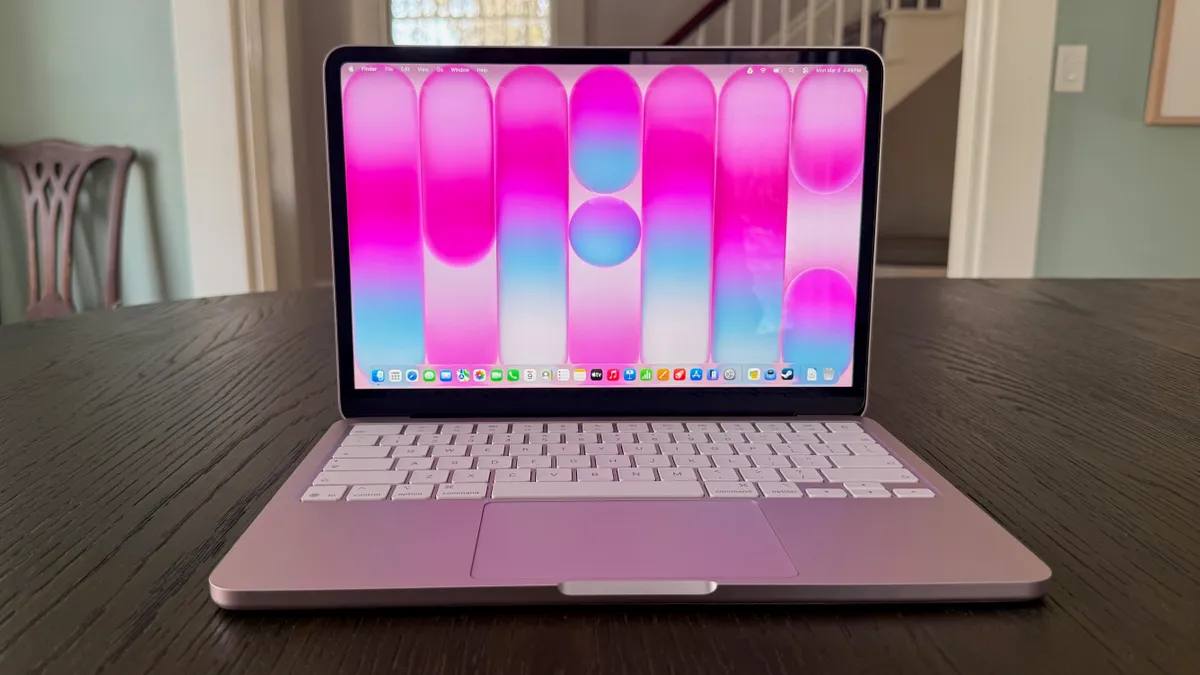
The MacBook Neo is the most interesting consumer laptop Apple has made in years, and not for the usual reasons. There are no significant chip advances over existing hardware. There is no new display technology. What Apple did instead was apply its supply chain discipline and silicon advantage to a price point the company has never previously occupied, and the result is a genuinely new kind of device in its lineup.
At $599, the MacBook Neo is approximately half the price of the MacBook Air. It carries a 13-inch Liquid Retina display at 2,408 by 1,506 resolution, an aluminum enclosure in four colors including a new citrus yellow, the A18 Pro chip from the iPhone 16 Pro, and up to 16 hours of battery life. Reviewers at Cult of Mac called it "a $599 computer that's not slow." CNN Underscored found its battery lasted nearly 14 hours in real-world 4K testing, within about two and a half hours of the MacBook Air M5, and noted that its display and speaker quality were far beyond what any competing budget Windows laptop offers.
The honest tradeoffs are real and worth naming clearly. The base model has 8GB of unified memory with no upgrade option, no keyboard backlight, and no Touch ID. The force touch trackpad found on other MacBooks is absent. The display lacks True Tone and the P3 color gamut available on the Air. For anyone doing color-critical creative work, running virtualization software, or planning to use this as their primary machine for more than four years, the Air is still the better investment.
For everyone else, particularly students, first-time Mac buyers, and anyone who has wanted a MacBook but stopped at the $1,099 price of the Air, the Neo removes the only argument for not buying one. The Asus CFO's reaction to the launch was telling: "It's a shock to the entire market." When a competitor calls your product a shock, you made the right product.
Buy if: You want a capable, well-built everyday Mac and don't need heavy multitasking headroom.
Skip if: You need more than 8GB RAM, do professional photo or video work, or plan to use it for more than four years.
2. Apple iPhone 17e
Price: $599
The iPhone 17e arrives at an interesting moment for Apple's entry-level lineup. The $599 price point is now occupied by both the cheapest iPhone and the cheapest MacBook, which says a great deal about where Apple has positioned its accessible tier.
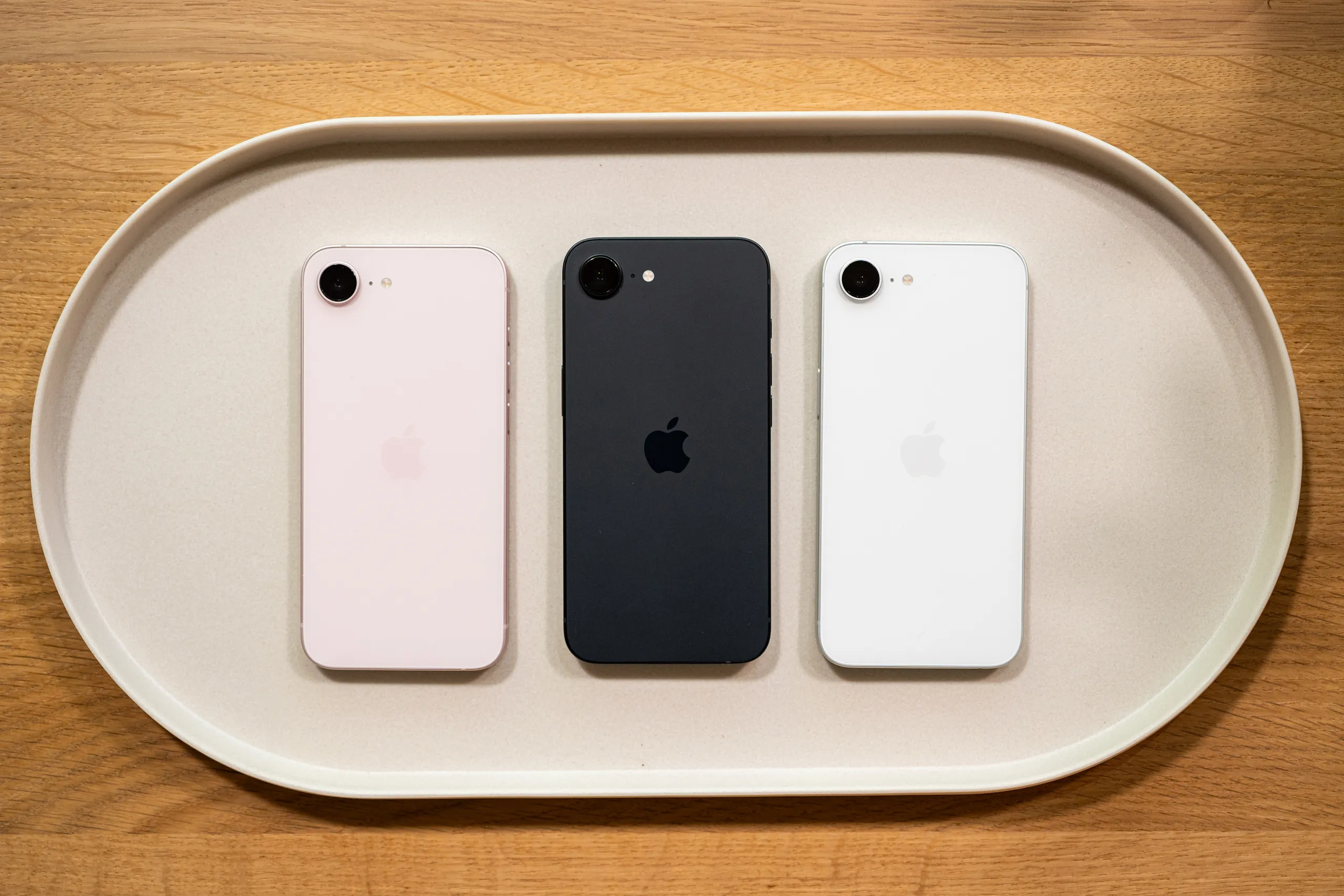
The 17e brings several meaningful upgrades over the 16e that it replaces. The most significant is MagSafe support, which the previous model lacked. This opens up Apple's entire magnetic accessory ecosystem to a device that previously couldn't participate in it, from chargers to cases to wallet attachments. Storage doubles to 256GB at the base configuration. The chip upgrades to the A19, the same processor found in the standard iPhone 17, delivering a meaningful performance step above last year's A16 in the 16e.
The camera is now a 48-megapixel Fusion system, a substantial improvement over the single-camera setup in the prior generation. The display remains 6.1-inch Super Retina XDR with a notch and Face ID rather than the Dynamic Island, and the chassis retains the iPhone 14 body design. Ceramic Shield 2 is new, providing three times better scratch resistance than the previous generation.
The iPhone 17e occupies a clear and useful position: it's the iPhone for people who want a capable current-generation Apple smartphone without paying $799 or more. At $599 with 256GB of storage, Apple Intelligence, MagSafe, and the A19 chip, the value case is genuinely strong. It is not the right phone for anyone who prioritizes camera quality above other factors or wants the ProMotion display and Dynamic Island of the premium lineup, but it is a complete and well-rounded device for its price.
Buy if: You want a current-generation iPhone with MagSafe at a lower price, or are switching from an older iPhone or Android.
Skip if: You prioritize camera versatility or want the ProMotion display and Dynamic Island.
3. Apple MacBook Air M5
Price: From $1,099 (13-inch) / $1,299 (15-inch)
The MacBook Air M5 is a quieter launch than the MacBook Neo, but it matters more for the largest segment of Mac buyers. The Air has been Apple's most popular laptop for years, and the M5 upgrade delivers improvements that compound meaningfully for the users who choose it.
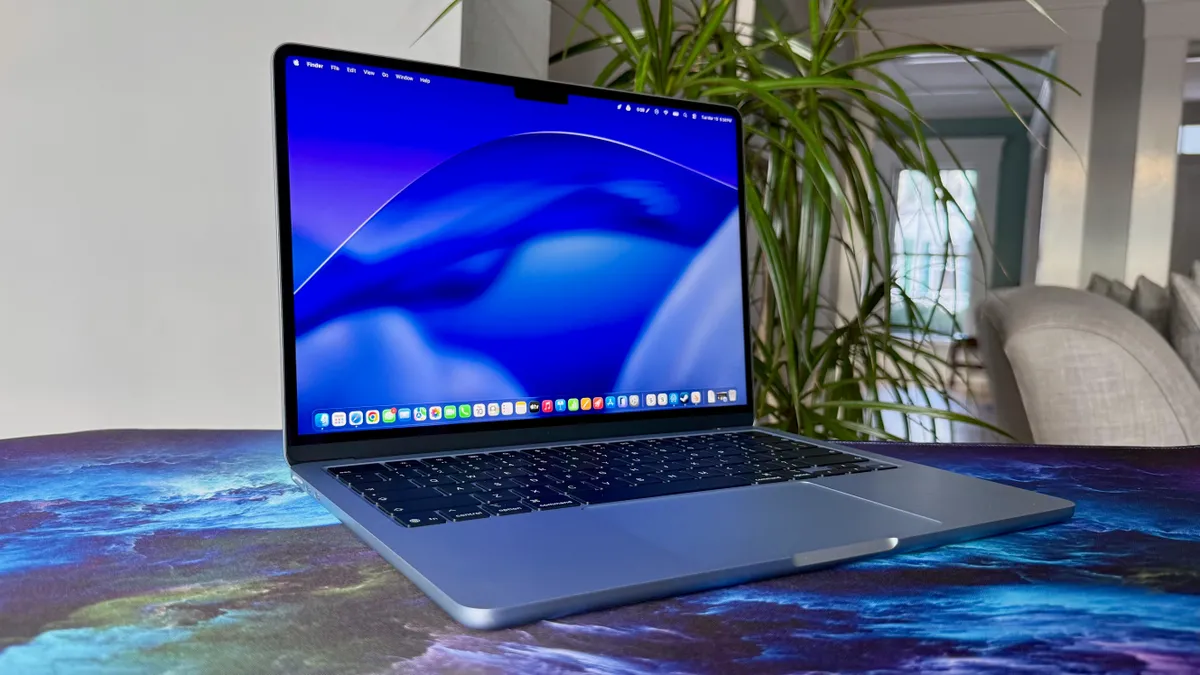
The M5 chip's GPU upgrades and Neural Accelerators make a concrete difference for AI-heavy workflows, with Apple claiming up to 4 times faster LLM prompt processing than the M4 Pro in benchmark comparisons. Memory bandwidth is higher than the M4 generation, and the base storage doubles to 512GB without a price increase, which alone makes this a better value than last year's model at the same price point. Apple's N1 wireless networking chip is included, providing meaningfully superior Wi-Fi and Bluetooth connectivity.
The external design is identical to the M4 Air in the same four colors. The fanless design continues, the 1080p Center Stage camera is unchanged, and the port selection remains two Thunderbolt ports, a MagSafe charging port, and a headphone jack. None of that is a complaint; the MacBook Air's sustained appeal is partly a function of its conservative industrial design evolution.
The most important framing for the M5 Air is the MacBook Neo context. With a $500 gap now separating Apple's cheapest and second-cheapest laptops, the Air needs to earn its premium more clearly. It does: 16GB of base RAM versus the Neo's 8GB, a P3 color display, Center Stage camera, better battery life, and a higher CPU and GPU ceiling for demanding workflows all provide clear differentiation. For anyone whose computing includes more than light productivity tasks, the Air is still the better long-term investment.
Buy if: You want the best all-around Mac for everyday and creative work, with room to grow over several years.
Skip if: Your computing is primarily light productivity and web browsing, in which case the MacBook Neo saves you $500 with minimal practical tradeoff.
4. Apple iPad Air with M4
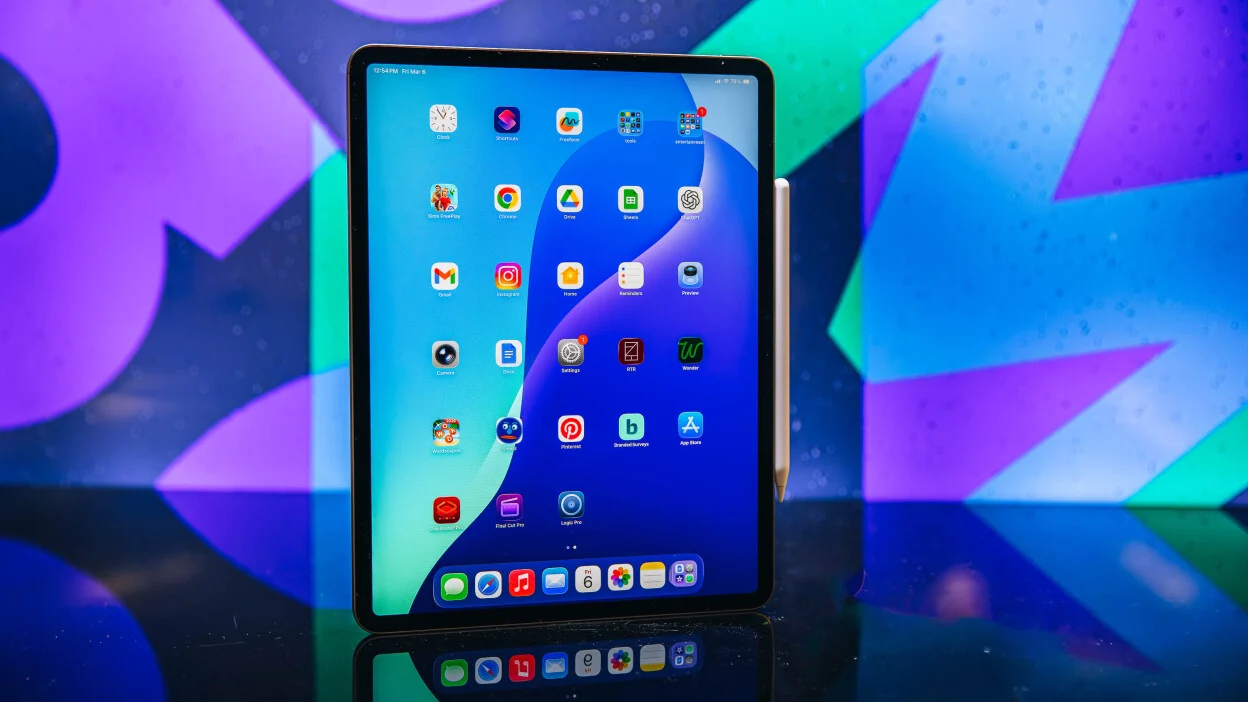
Price: From $599 (11-inch) / $799 (13-inch)
The iPad Air M4 is a measured upgrade that lands well because Apple didn't overcomplicate it. The jump from M3 to M4 brings 30 percent faster performance, a 50 percent increase in unified memory to 12GB, and the N1 wireless chip for improved connectivity. Storage options include 128GB, 256GB, 512GB, and 1TB. The price is unchanged from the M3 generation.
The additional memory is the most practically meaningful upgrade for current users. AI tasks, including Apple Intelligence features and running on-device models, benefit directly from higher memory bandwidth and increased RAM headroom. The M4's neural engine processes these workloads measurably faster than the M3, and the iPad Air now sits in an interesting position relative to the MacBook Neo: for users who want a portable Apple device and lean toward content consumption and creative apps over laptop-style productivity, the iPad Air with an M4 chip is a compelling alternative at the same starting price.
The device looks identical to its predecessor. The 11-inch model weighs 1.02 pounds with the same slim bezels and same precision-milled aluminum build. Apple's redesigned Magic Keyboard for iPad Air is sold separately and remains a significant additional investment for anyone who wants to use the device as a laptop replacement, which is where the value equation gets more complex.
Buy if: You want a highly portable, powerful tablet for creative work, drawing, media consumption, or mobile productivity, and don't need a full desktop operating system.
Skip if: You primarily need a laptop, in which case the MacBook Neo at the same starting price provides more utility for most workflows.
5. Sonos Play
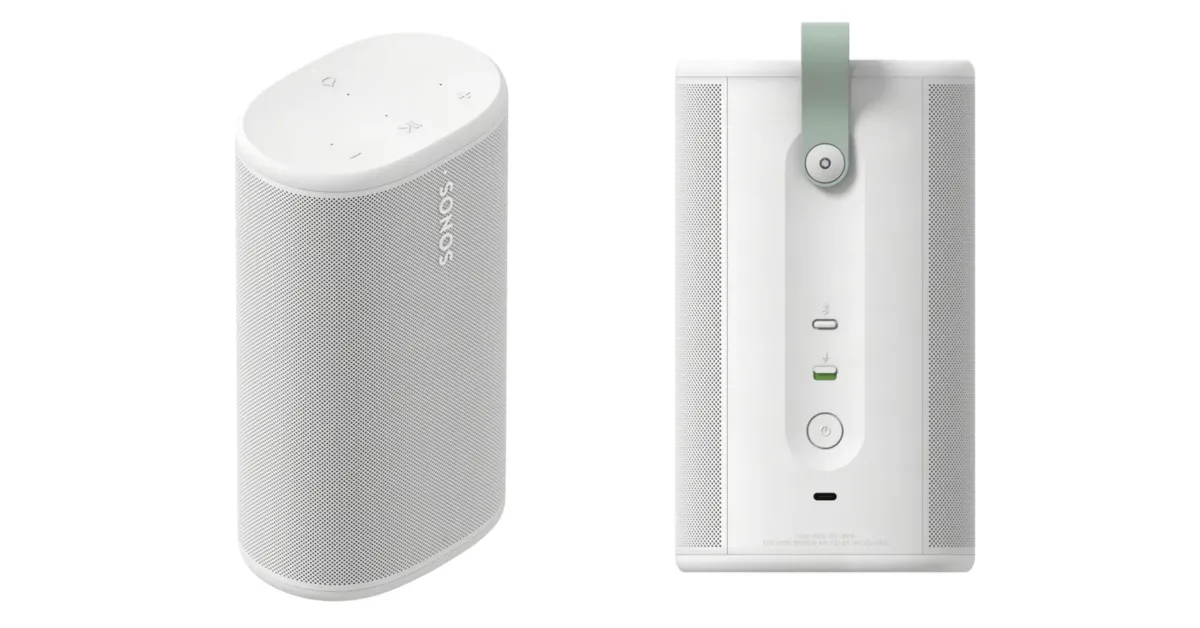
Price: $299 / Release: March 31, 2026
The Sonos Play is the first portable speaker Sonos has released since the Move 2, and it positions itself deliberately between the compact Roam 2 and the larger Move 2 in the company's lineup. At $299 it is priced the same as Apple's HomePod 2, which is an unusual comparison to invite, but it reflects genuine ambition about what the device can do.
The Play carries both Wi-Fi and Bluetooth connectivity, IP67 dust and waterproof certification for full submersion protection, a removable utility loop on the back for carrying, and 24 hours of battery life. It integrates fully with the Sonos ecosystem through AirPlay 2 and the SmartThings app, meaning existing Sonos users can add it to their home system without friction. The USB-C port on the Era 100 SL's configuration is present, supporting line-in audio from a turntable or other source when using it at home.
Sonos CEO Tom Conrad described the Play as "a new front door to the system," designed to bring new buyers into the Sonos ecosystem the way the original Play:1 did over a decade ago. That positioning is honest about what the speaker is: it is not the product existing Sonos users have been waiting for, with reviewers noting the company would have benefited more from a Beam 3 soundbar or Era series expansion. But for anyone looking for a first Sonos product or a genuinely durable, versatile portable speaker that also doubles as part of a multi-room audio setup at home, the Play fills a gap that previously didn't have a clean answer.
The $299 price will give some buyers pause when the JBL Charge 6 sits at a fraction of the cost. The Sonos premium is justified by the Wi-Fi streaming, AirPlay 2 support, and home system integration that Bluetooth-only speakers cannot offer. For the specific buyer who wants portability outdoors and full Sonos integration at home in a single device, it makes genuine sense.
Buy if: You already use Sonos at home and want a portable speaker that integrates with your existing system, or you want to enter the Sonos ecosystem with a portable, versatile first device.
Skip if: You only need standalone Bluetooth audio, in which case less expensive options provide better value per dollar.
Quick Comparison
| Device | Price | Best For | Key Tradeoff |
|---|---|---|---|
| MacBook Neo | $599 | Budget Mac buyers, students | 8GB RAM ceiling, no keyboard backlight |
| iPhone 17e | $599 | Affordable current iPhone with MagSafe | No Dynamic Island, no ProMotion display |
| MacBook Air M5 | From $1,099 | All-around Mac with room to grow | Costs $500 more than the MacBook Neo |
| iPad Air M4 | From $599 | Portable creative and media use | Keyboard sold separately, no desktop OS |
| Sonos Play | $299 | Portable audio plus Sonos ecosystem | Premium price versus standalone Bluetooth alternatives |
Frequently Asked Questions
Is the MacBook Neo worth it over the MacBook Air?
For most everyday users, yes. The $500 price difference is significant, and the MacBook Neo handles web browsing, document editing, video streaming, casual photo work, and everyday productivity without meaningful compromise. The key limitation is the fixed 8GB of unified memory, which cannot be upgraded. Buyers who regularly multitask across many applications, do professional creative work, or plan to keep the device for more than four years will benefit from the Air's 16GB base RAM and higher performance ceiling. For everyone else, the Neo is the smarter purchase.
What is the biggest upgrade in the iPhone 17e compared to the 16e?
The two most significant upgrades are MagSafe support and the storage upgrade to 256GB base configuration at the same $599 price. MagSafe opens up Apple's extensive magnetic accessory ecosystem, including faster charging, magnetic cases, and wallet attachments, which was a notable absence in the 16e. The camera system also improves substantially with a 48-megapixel Fusion camera replacing the previous single-camera setup.
Who should buy the iPad Air M4 instead of the MacBook Neo?
The iPad Air is the better choice for users who prioritize portability, drawing and creative apps, media consumption, and touch-first interaction. It weighs about a pound and runs Apple's tablet software ecosystem, which is optimized for creative workflows and content use. The MacBook Neo is the better choice for anyone who primarily works with desktop applications, needs a physical keyboard as a default, or spends most of their time in productivity software. Both start at $599, making the decision essentially a question of preferred form factor and operating system.
Is the Sonos Play worth $299?
For buyers who want a portable speaker that also integrates with an existing Sonos home audio system, yes. The combination of Wi-Fi streaming, AirPlay 2, IP67 waterproofing, 24-hour battery life, and full Sonos app compatibility is not available from any competitor at this price. For buyers who only want standalone Bluetooth audio and don't use or plan to use Sonos at home, less expensive alternatives offer better value per dollar.
Which of these Apple products makes the most sense right now?
That depends almost entirely on what you already own. If you don't have a Mac laptop, the MacBook Neo is the best starting point Apple has ever offered. If you're an existing Air user with an M1 or M2 chip, the M5 Air is a meaningful upgrade, particularly for AI-intensive workflows. If your iPhone is more than three years old and you're on a budget, the 17e at $599 with MagSafe and the A19 chip is a strong value play. The iPad Air M4 makes the most sense for existing iPad users on an M1 or M2 generation device, or for anyone who wants a powerful tablet for creative work at a stable price.
Related Articles
 Dani
Dani
 Dani
Dani
 Dani
Dani