

Choosing the right AI image generation model in 2025 is overwhelming. New models launch every week, each promising "photorealistic quality" and "unprecedented detail." But which one actually delivers when you need professional-grade results?
Instead of running simple tests with basic prompts like "a cat on a sofa," we decided to push these models to their limits. We created one of the most demanding prompts possible: a luxury food photography advertisement for Chinese Chongqing hot pot.
This prompt includes everything that typically breaks AI models: complex lighting setups, multiple floating elements with physics-defying motion, intricate textures, metallic reflections, steam effects, and precise compositional requirements.
If a model can handle this, it can handle almost anything you throw at it.
Models Tested in This Comparison
We evaluated 13 of the most popular AI image generation models available in late 2025:
| Model | Developer | Token Cost | Key Promise |
|---|---|---|---|
| Bytedance SeedDream 3 | Bytedance | 3 tokens | Affordable quality |
| Bytedance SeedDream 4 | Bytedance | 3 tokens | 4K output, reference images |
| Flux Dev | Black Forest Labs | 3 tokens | Open-source flexibility |
| Flux Schnell | Black Forest Labs | 1 token | Ultra-fast generation |
| Flux 1.1 Pro | Black Forest Labs | 4 tokens | Professional output |
| Flux 2 Flex | Black Forest Labs | 6 tokens | Reference image support |
| Google Imagen 4 Fast | 6 tokens | Speed-optimized | |
| Google Imagen 4 | 4 tokens | Photorealistic output | |
| Google Imagen 4 Ultra | 6 tokens | Ultra-high detail | |
| Google Nano Banana | 4 tokens | Experimental model | |
| Google Nano Banana Pro | varies | Community favorite | |
| ChatGPT (DALL·E 3) | OpenAI | — | Integrated chat experience |
All tests were conducted using identical prompts with no post-processing or cherry-picking. What you see is what we got on the first generation attempt.
Our Testing Methodology
What We Evaluated:
- Prompt adherence (did the model follow instructions?)
- Visual realism (does it look like actual photography?)
- Detail quality (textures, reflections, steam effects)
- Composition and lighting accuracy
- Overall "wow factor" for commercial use
- Value for money (quality relative to token cost)
The Challenge: This prompt is intentionally difficult. It requires:
- Freeze-frame physics with floating ingredients
- Complex metallic reflections on copper
- Steam and liquid dynamics
- Multiple food textures (raw meat, cooked meat, noodles, vegetables)
- Professional studio lighting simulation
About Token Pricing
Token costs in this test are approximate and relative. We averaged prices from several AI aggregator platforms to give you a sense of cost differences between models.
Important: Every platform calculates tokens differently:
- Platform A might charge 3 tokens for SeedDream 4
- Platform B might charge 5 credits for the same model
- Direct API access has its own pricing structure
What the numbers tell you: If Model A costs 3 tokens and Model B costs 6 tokens, Model B is roughly 2x more expensive — regardless of which platform you use. That's the comparison that matters.
Our full test prompt
Create a luxurious HD food photography ad for a pot of Chinese Chongqing hot pot. The ad is centered on a steaming, fragrant, beef oil, spicy red soup copper hot pot, served in an antique super-large copper pot with delicate patterns cast on the edge of the bowl. The ingredients are suspended in the air of the pot with a slow-motion "freeze-frame" effect, bringing a fresh taste bud explosion. Scene composition: 16Subject: An antique super-large copper pot with delicate edges, located at the bottom center of the picture, filled with steaming spicy hot pot base, red and golden beef oil, spicy red soup, ham, tripe, wide rice noodles and beef rolls half immersed in the soup are clearly visible. The spicy hot pot base has the best color and aroma, with slightly greasy oil droplets, exuding a warm breath, and steam rising slowly. The bowl is placed on a polished dark wooden table, slightly blurred, making it more delicate. Floating ingredients: Wide rice noodles: A cluster of soft yellow-white wide noodles swirls in the picture. The beef roll twists slightly upward, coated with a thin layer of oily soup, shining, and showing a silky and delicate taste under the light. Beef roll: The raw beef slices are light pink, and the cooked beef slices are dark brown, hanging in the bowl. The raw beef rolls are tender and juicy, with marbled patterns; the cooked beef rolls are slightly curled, and the soup is crystal clear. This arrangement can better show its tender taste that melts in the mouth. Spicy hot pot soup: The golden and transparent spicy hot pot soup is rich and clear, forming curves and tiny drops of oil in the air, glittering under the light, and further highlighting its rich and fresh fragrance. Chopped green onions: The bright green chopped green onions float in the bowl at different angles, and their crisp and tender appearance contrasts sharply with the warm tones of the soup and beef, adding vitality. Coriander: The slender and bright green coriander leaves flutter high, and the feather-like leaves twist lightly, adding a touch of light fragrance to this work. Bean sprouts: Crisp white bean sprouts, slender and tender, float among the other ingredients, with a clean, crisp taste that gently exudes a fresh scent. Chili peppers: Thin slices of red chili peppers and whole small red sea peppers, ruddy and fiery, are scattered here and there, their bright color complementing the golden color of the soup base and the green of the vanilla, bringing a hint of spicy taste. Star anise and cinnamon: A star anise and a small piece of cinnamon, floating lightly in the air, the warm brown hue complements the complex spice flavor of the soup base, adding a rich taste without being too strong. Movement and layout: The ingredients burst out of the bowl in a dynamic arc trajectory, like a slow-motion explosion. The heavier elements (beef rolls, hot pot extra spicy red soup, wide rice noodles) are close to the body of the pot, while the lighter elements (cilantro, chopped green onions, chili peppers) float higher, forming a balanced dome-like arrangement. Each element is spaced to avoid overlap, guiding the viewer's eye from the bowl upwards, creating a smooth and charming flow. Lighting: 17Using gorgeous soft studio lighting, the key light is angled from the front left, casting soft highlights on the beef, tripe, wide noodles and hot pot extra spicy red soup, highlighting their shiny and juicy texture. Soft backlighting creates a halo edge effect on the chili slices, chopped green onions and hot pot extra spicy red soup, adding depth and warmth. Fill light ensures that there are no harsh shadows, keeping the colors rich and natural, and the warm golden tones create a cozy and comfortable feeling, complementing the golden edges of the pot. Background: A soft out-of-focus background in dark charcoal gray or warm taupe exudes elegance, contrasting with the golden tones of the soup base and the golden pot, creating a luxurious atmosphere. Adding subtle golden bokeh spots to mimic soft candlelight creates a sophisticated and upscale atmosphere, while being understated and focusing people's attention on the wide noodles and beef rolls. Style and atmosphere: Hyper-realistic food photography with sharp details, rich textures, and vivid colors (golden spicy hot pot soup base, pink-brown beef, dark brown tripe, green herbs). The atmosphere is warm, inviting, and sophisticated, showing the soul essence of Chongqing hot pot in China, while still being artistic and high-end advertising aesthetics. Each ingredient is clear and crisp, as if it was captured by a high-speed shutter and frozen in a moment of motion, and the steaming golden copper pot exudes comfort and deliciousness. Technical details: Resolution: Ultra-high resolution, suitable for print quality (4K or higher). Aspect ratio: 4:5 or 16:9, perfect for high-end advertising or social media. Depth of field: Medium (equivalent to f/5.6-f/8), keeping all floating ingredients in focus while softly blurring the background. Post-processing: Slightly enhance contrast and saturation to make colors more vivid (gold for the hot pot broth, brown for the beef, green for the herbs), but retain natural tones. Add subtle shadows underneath the floating ingredients to make them more realistic in space. The final image should be a mouth-watering, elegant celebration of Chinese Chongqing hot pot, instantly recognizable, with the aromatic golden copper pot exuding warmth, sophistication, and irresistible flavor.
Let's see which model handled the task best.
Bytedance SeedDream 3
Bytedance SeedDream 3 Bytedance's entry-level image generator. At just 3 tokens, it promises solid quality without breaking the bank. The question is: can a budget model handle a complex professional prompt? Let's take a look at the result.
Cost: 3 tokens
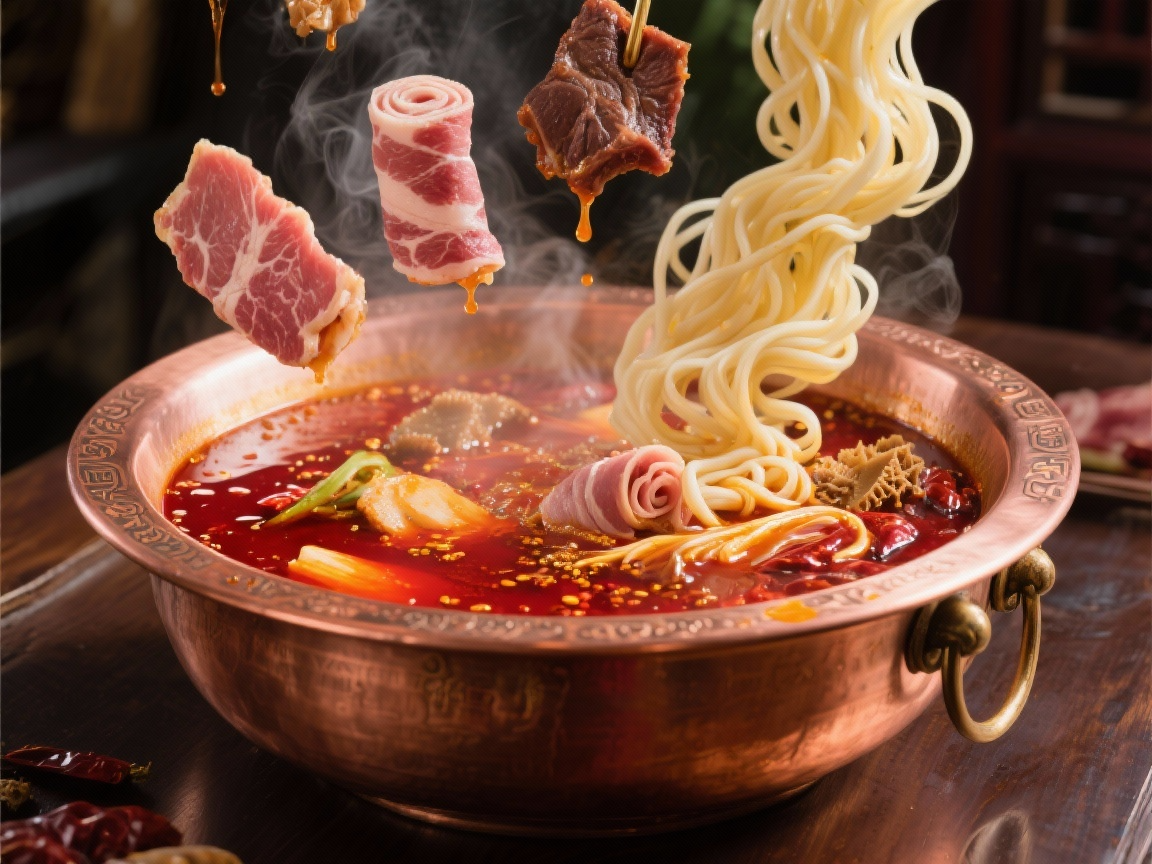
My take: This is a very decent result considering it costs three tokens. Bytedance SeedDream 3 produced a fairly realistic photo with good detail; it's something that could be used for a restaurant or the internet as illustrations. I don't see the cheap look of AI image generation here.
My rating: 7/10
Bytedance SeedDream 4
The upgraded version with 4K resolution support and reference image capabilities. Same 3-token price as its predecessor but promising significantly sharper output. Let's see if the "4K" claim holds up.
Cost: 3 tokens
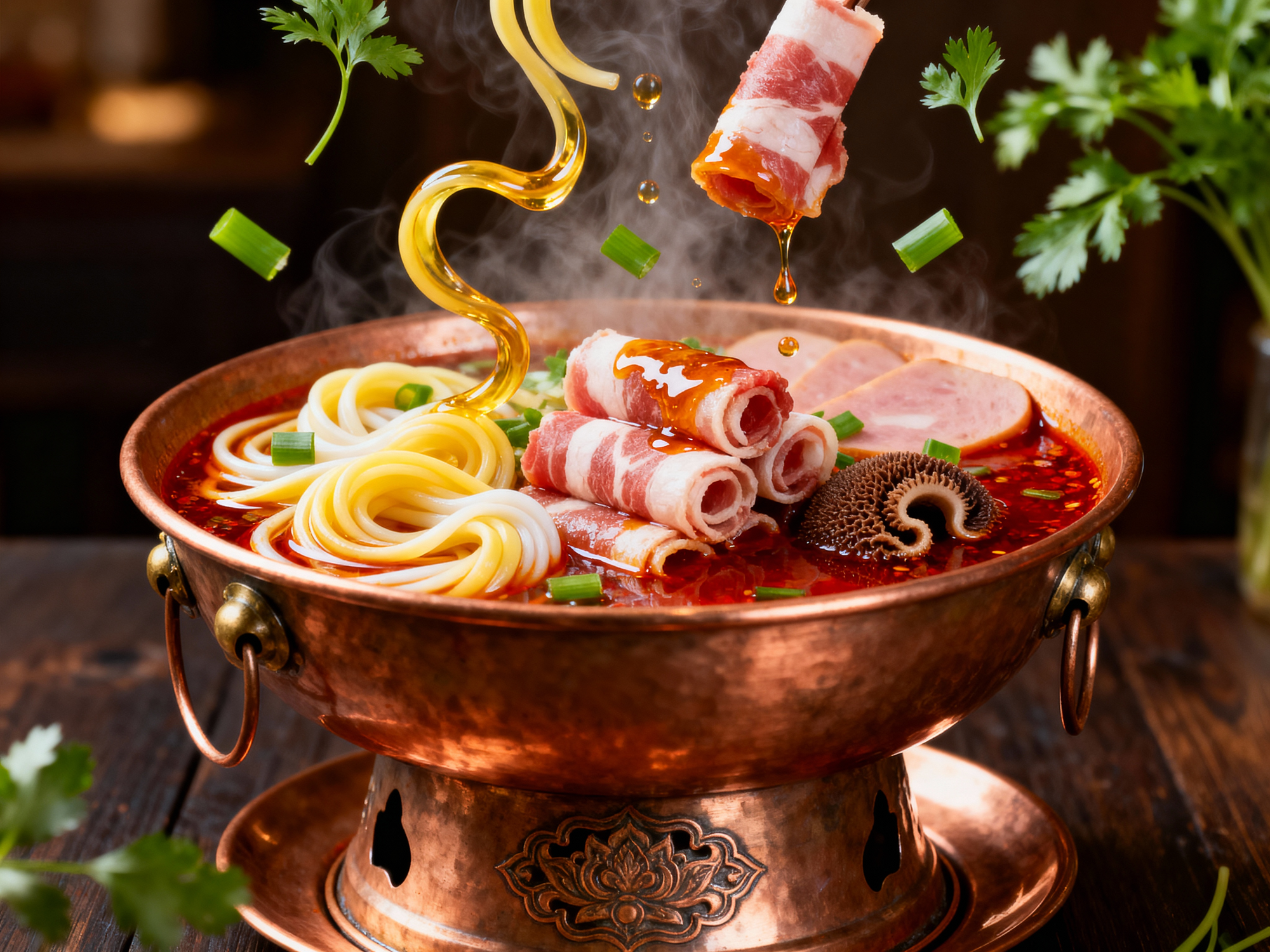
My take: Wow! Incredible - this looks amazing. The image has become brighter, more vibrant, with added details and sharpness. A wonderful result.
My rating: 8/10
Flux Dev
The developer-focused model from Black Forest Labs. Built for flexibility and integration rather than raw visual quality. At 3 tokens, expectations are moderate — this is a workhorse, not a showpiece.
Cost: 3 tokens
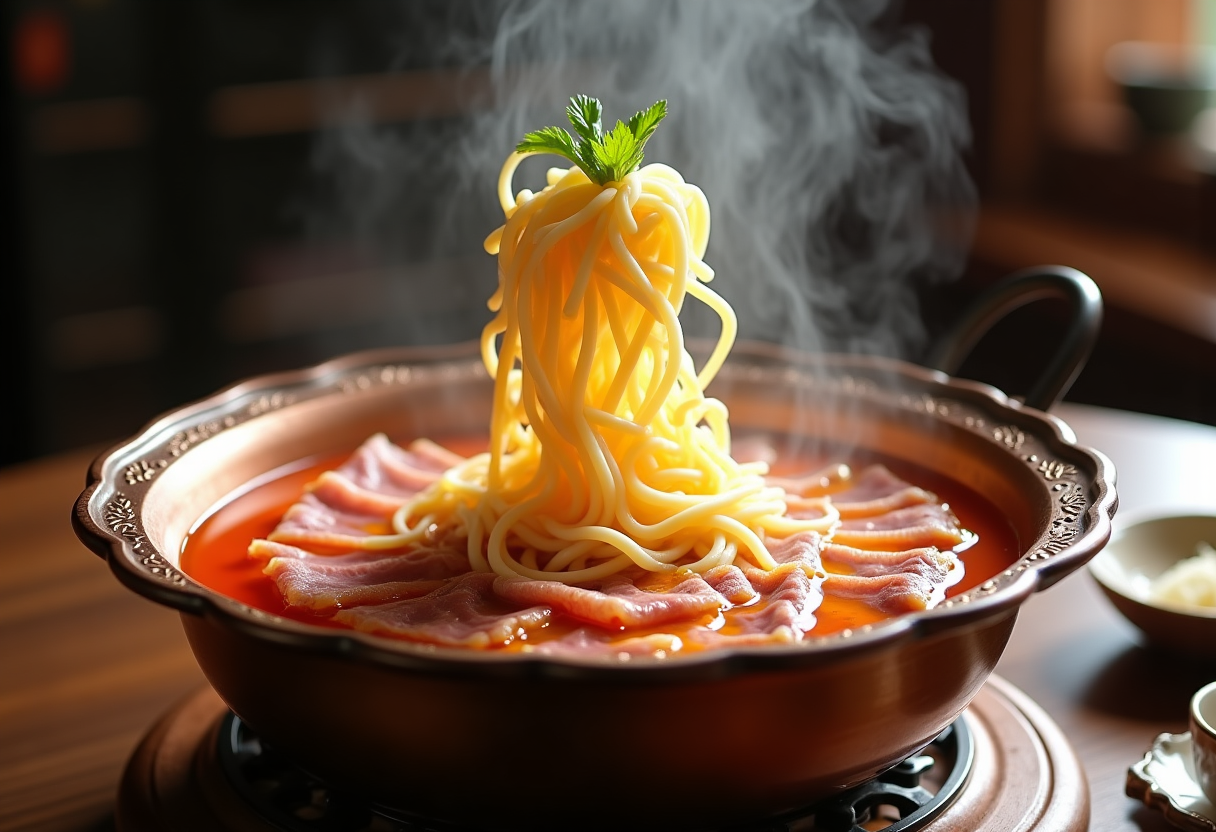
My take: This is not the result I wanted to get, but I can say that the photo looks realistic, except for the pasta awkwardly suspended in the air, and all the important details described in the prompt were lost.
My rating: 3/10
Flux Schnell
Schnell means "fast" in German, and that's exactly what this model promises: ultra-rapid generation at just 1 token. The trade-off? Likely quality. Perfect for quick concepts, but can it handle complexity?
Cost: 1 tokens
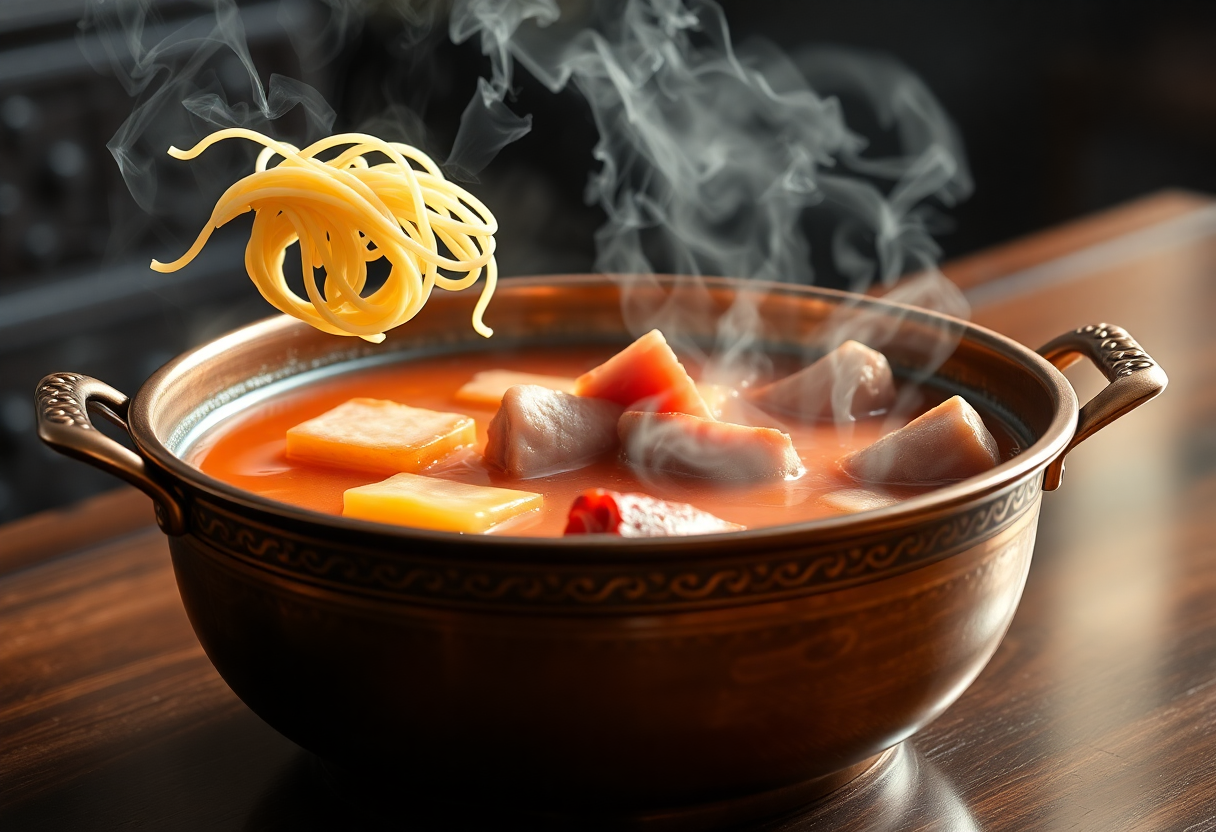
My take: The speed determines the result. You can see everything in the image yourself. Flux Schnell did not fully execute the prompt; the picture doesn't look natural, although the depth effect and haze can make it quite interesting.
My rating: 4/10 (added one point for speed and low price)
Flux 1.1 Pro
The professional tier of the Flux family. At 4 tokens, it should deliver noticeably better results than Dev and Schnell. Black Forest Labs positions this as their "serious work" model.
Cost: 4 tokens
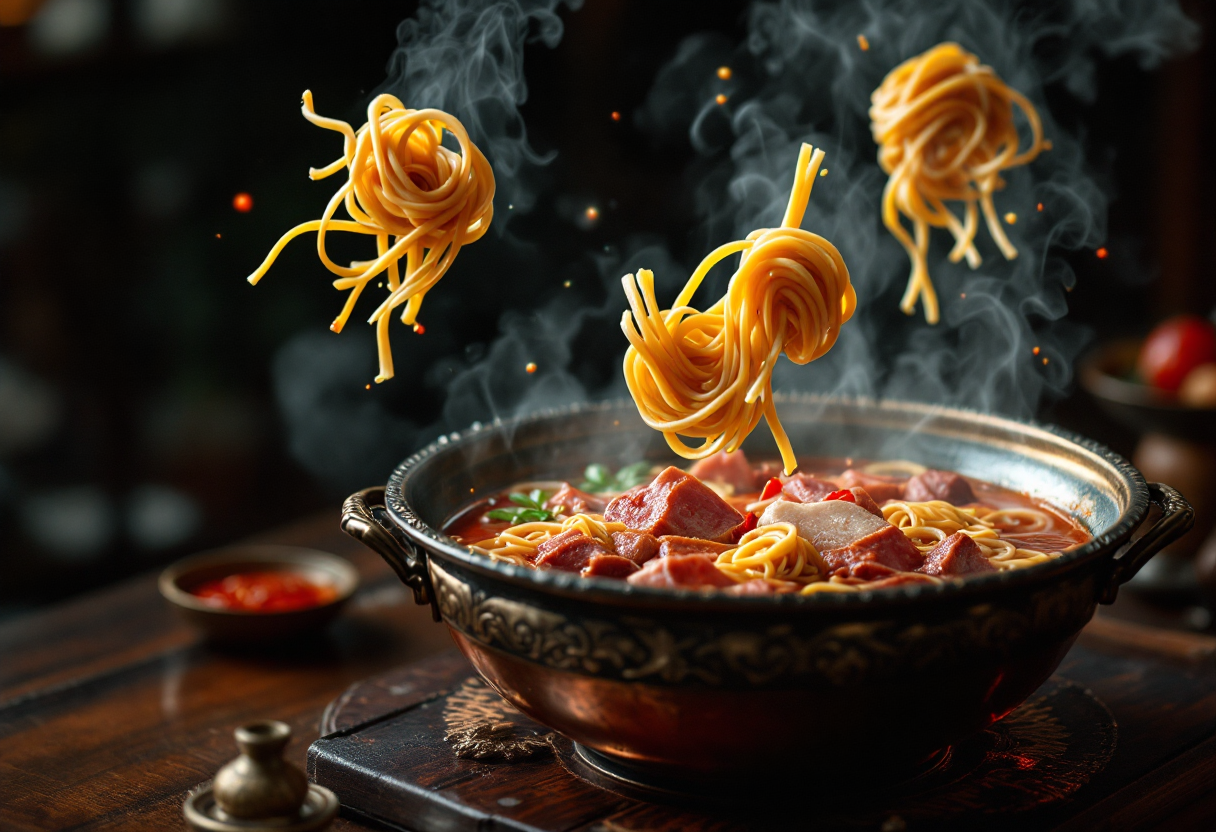
My take: This is actually a pretty good result. I like how the model chose the composition and angle, and I like the color correction of the image. It looks vibrant and interesting. The only thing that bothers me is the pasta all crumpled up in the air, but apart from that – a very good result. Not the best yet, but good.
My rating: 7/10
Flux 2 Flex
The newest Flux release promising high quality, fast generation, and reference image support. At 6 tokens — double the cost of Flux 1.1 Pro — expectations are high. This should be Flux's best output.
Cost: 6 tokens
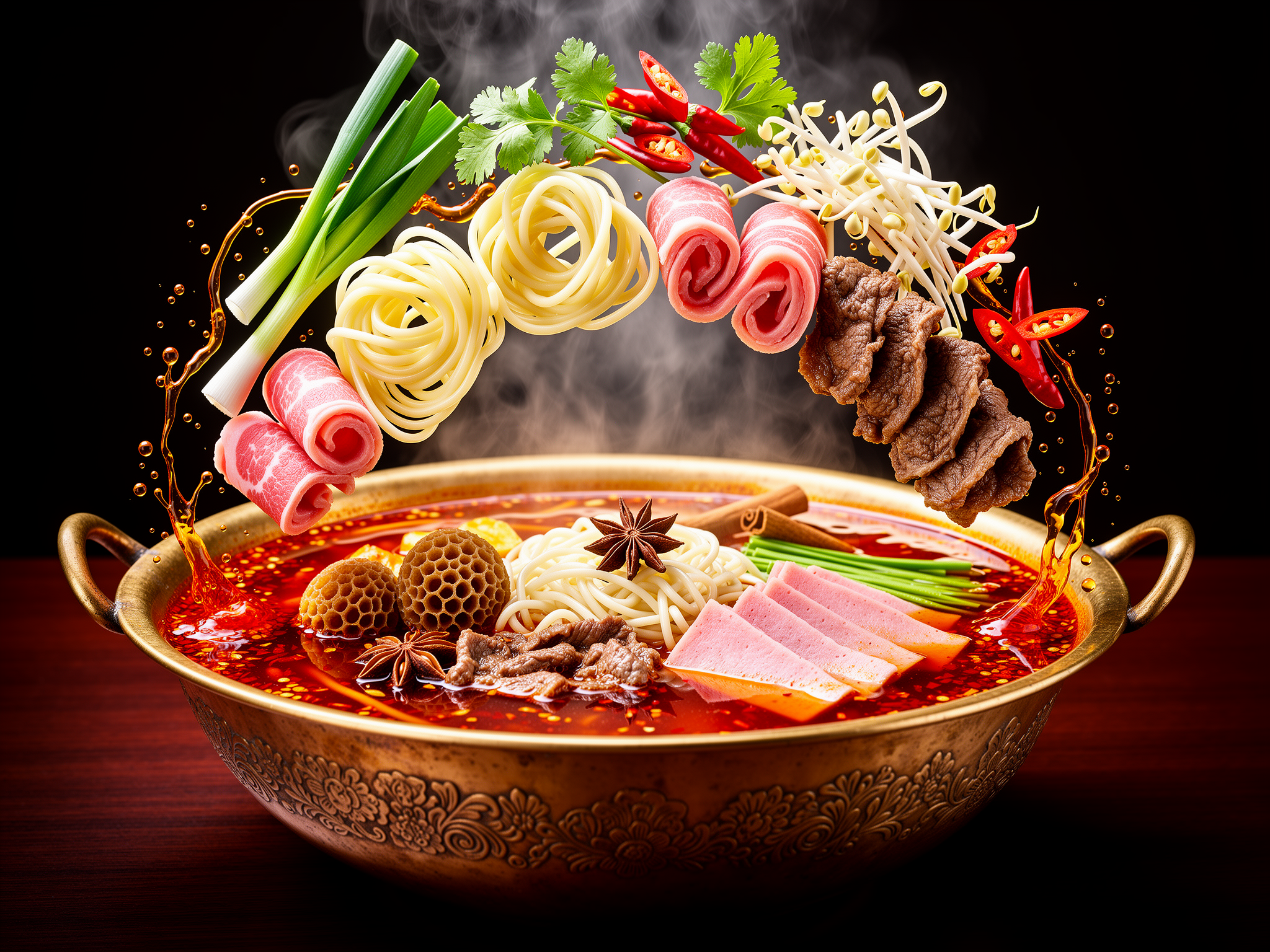
My take: Finally, details and food have returned to the images. This is an impressive version. It looks less natural, more like a Photoshop collage, but very high quality. Great attention to detail, creativity, quality lighting, and color. The image has a WOW effect. I agree it's worth a couple of tokens more than the previous models.
My rating: 8/10
Google Imagen 4 Fast
Google's speed-optimized variant. Priced at 6 tokens, it promises quick generation without sacrificing too much quality. But "fast" versions often cut corners — let's see where.
Cost: 6 tokens
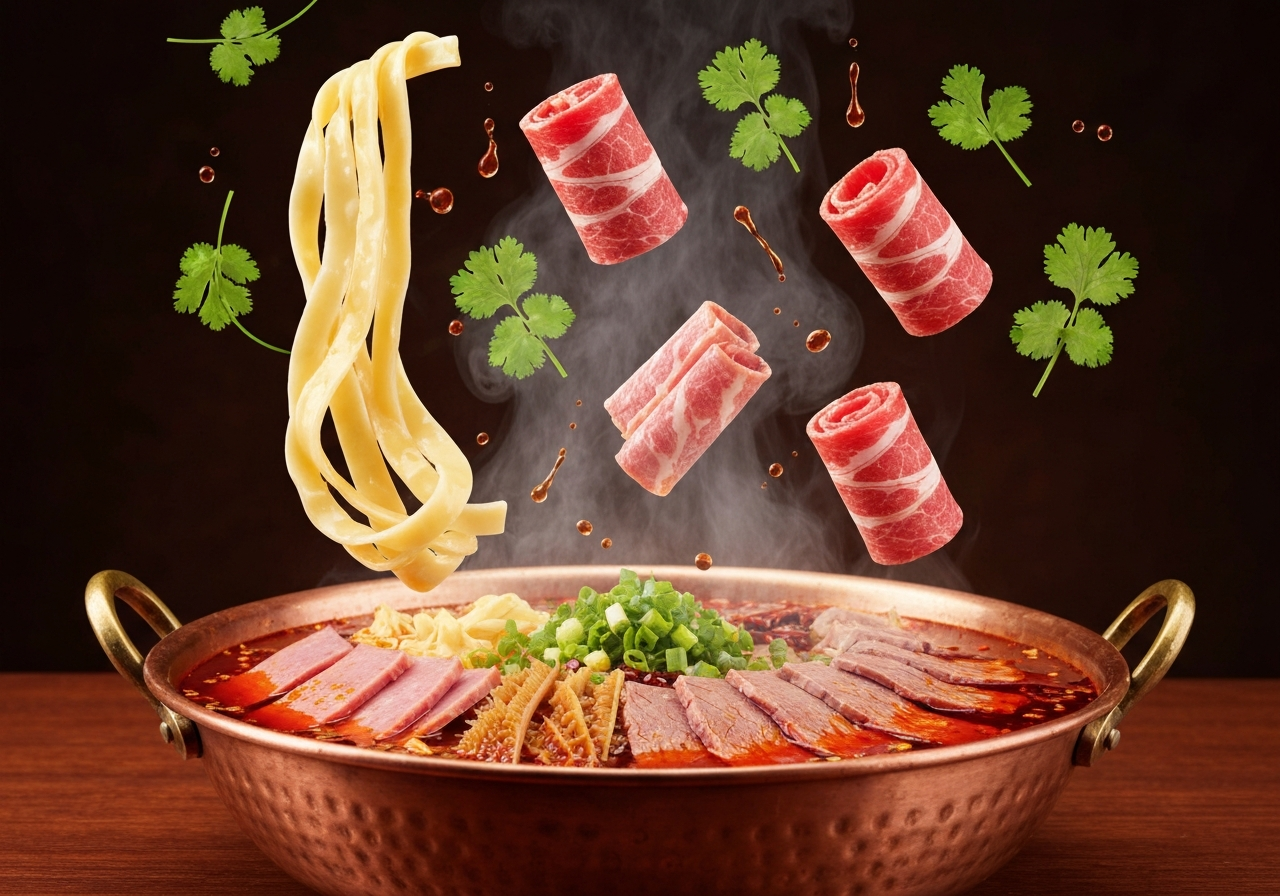
My take: I wouldn't say the model made this picture super quickly, but nevertheless, considering the price and speed, it's a good result. Without much effort or detailed refinement, everything looks rather flat, but relatively natural. Before AI, people would definitely have paid money for something like this, and it would have been considered cool.
My rating: 6/10
Google Imagen 4
Google's standard photorealistic model. At 4 tokens, it sits in the mid-range and promises clean, realistic imagery with good typography. The baseline for Google's 2025 image generation.
Cost: 4 tokens
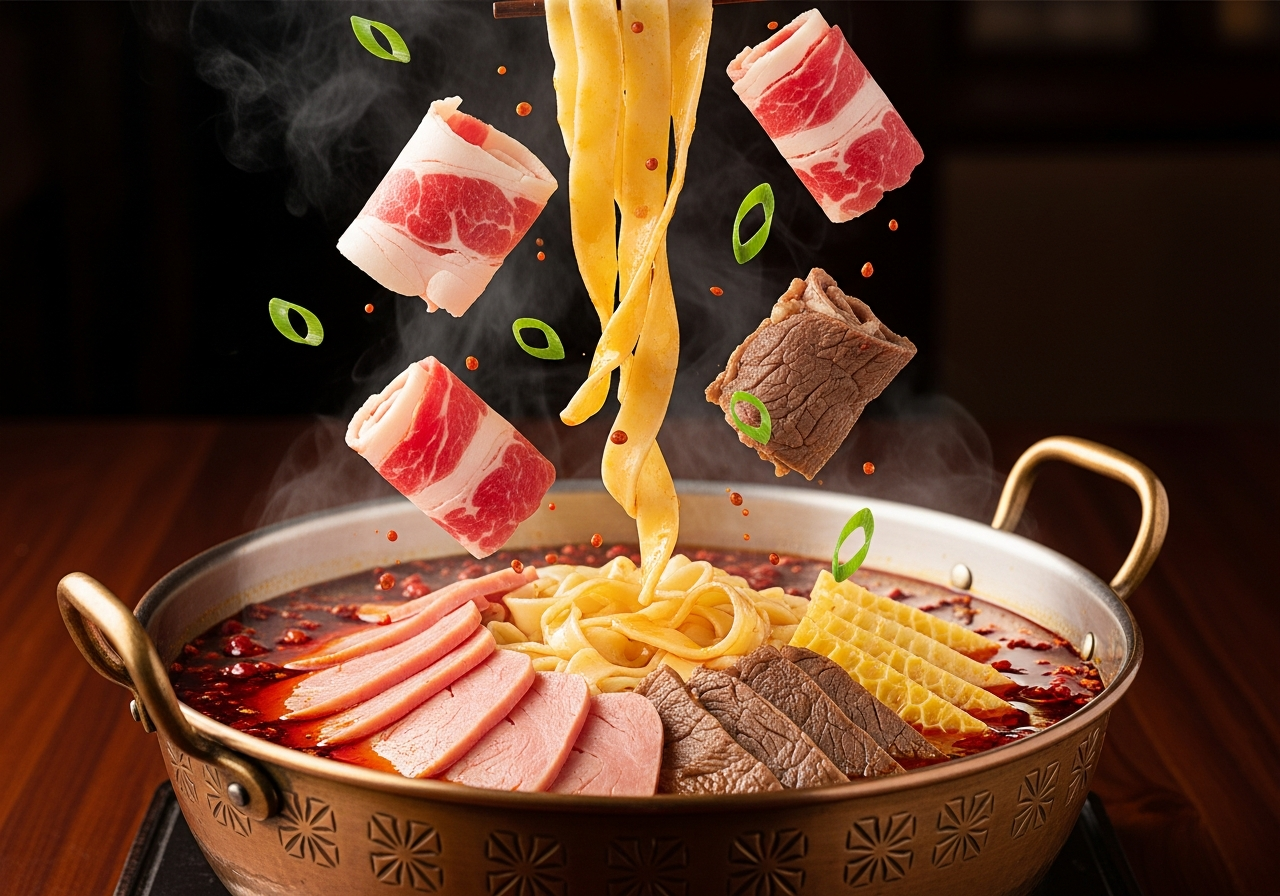
My Take: We can see that a lot of details have appeared, but the image is rather flat and lacks charm; in my opinion, for 3 tokens, Bytedance SeedDream 4 did much better.
My rating: 5/10 (minus one point for generation cost, too weak for spending 4 tokens)
Google Imagen 4 Ultra
The premium tier promising "ultra-quality, high-detailed images." At 6 tokens, this is Google's flagship generator. Expectations: exceptional detail, perfect lighting, commercial-ready output.
Cost: 6 tokens
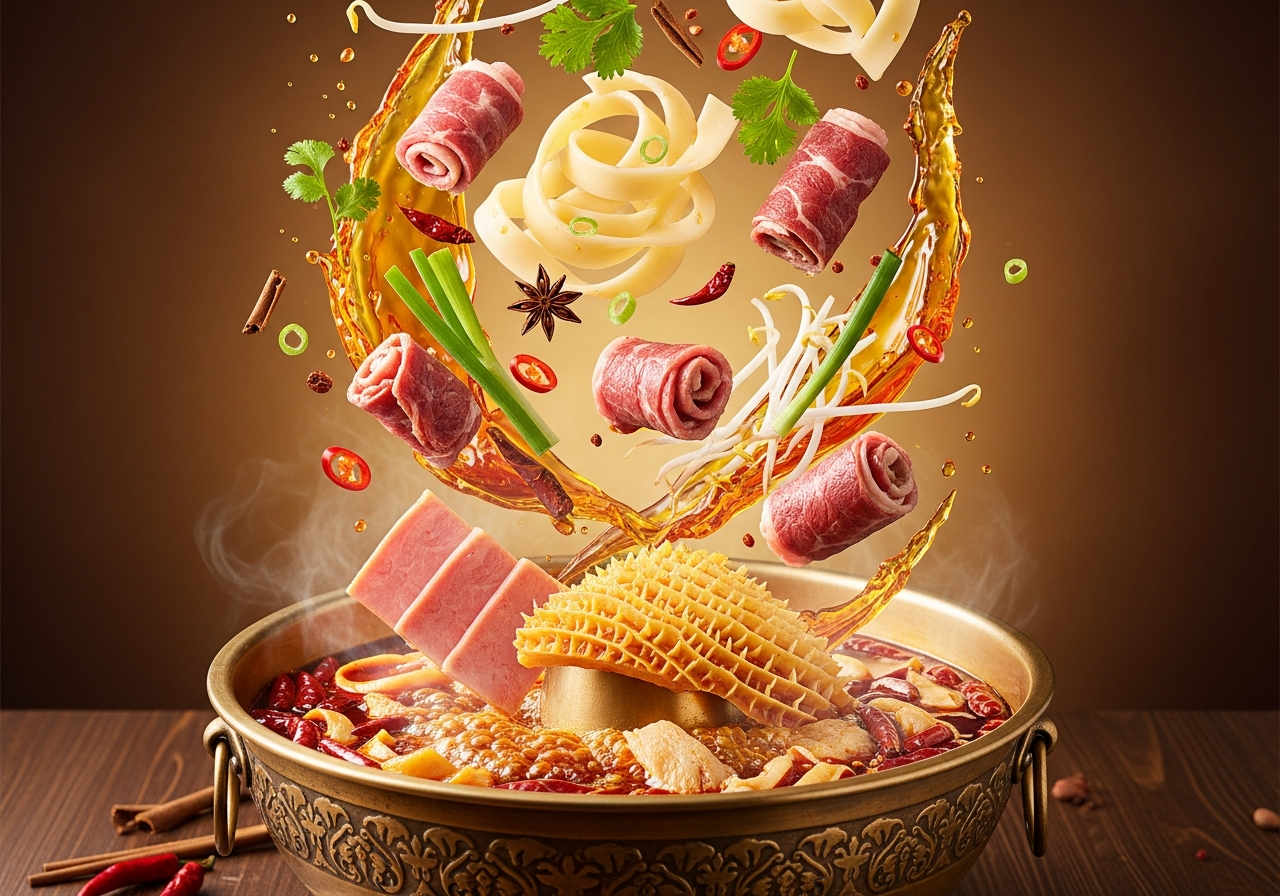
My Take: Alright, I agree, this is a good result that's worth 6 tokens. Good detailing, work with lighting and composition. Looks great.
My rating: 8/10 (minus one point for generation cost, too weak for spending 4 tokens)
Google Nano Banana
The experimental model that went viral with the 3D figurine trend. At 4 tokens, it's known for creativity but inconsistent quality. No aspect ratio options available — already a limitation.
Cost: 4 tokens
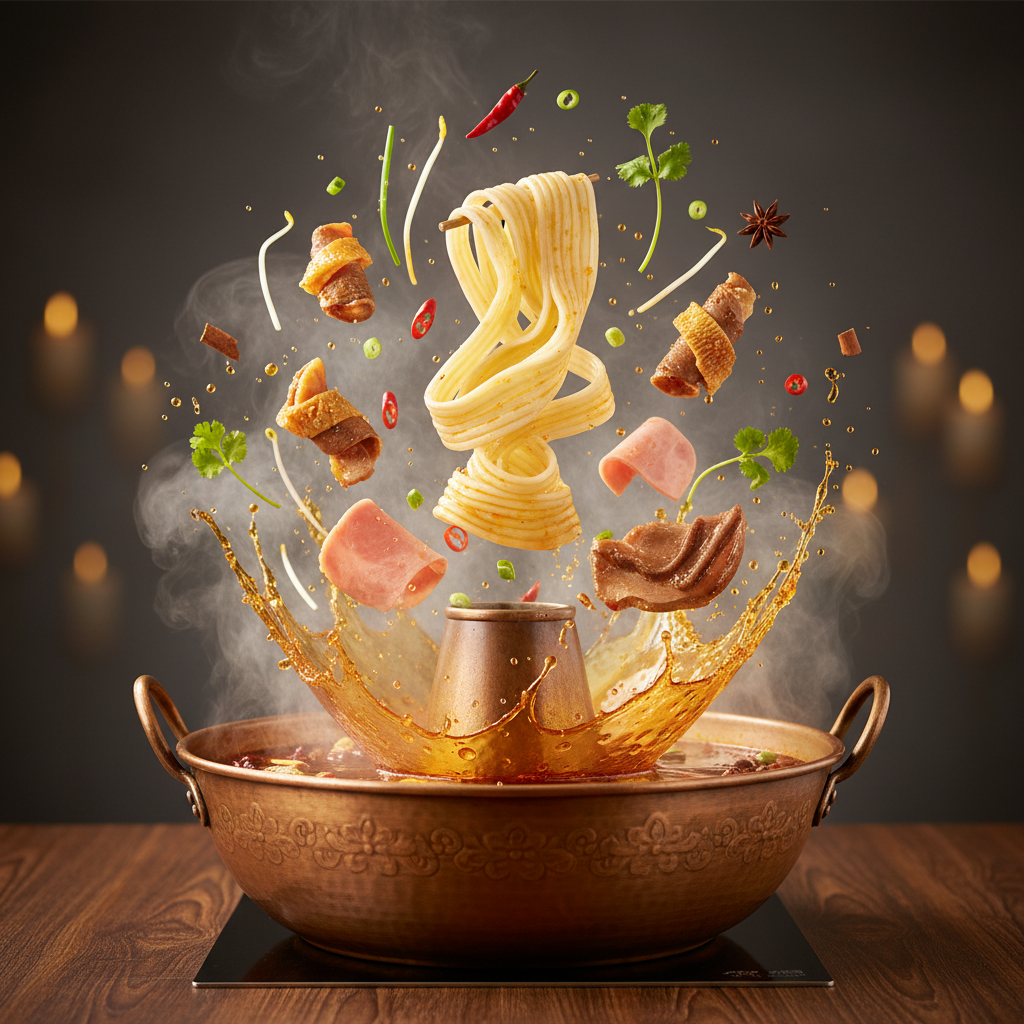
My Take: While the image does show an attempt at adding detail, preserving composition, and being creative, the final render ruins everything. It just looks dirty and low-quality. It feels like they took an SD image and stretched it to HD resolution. So far, it's one of the worst results I've seen. I wouldn't use this in my work. It's on par with the super cheap Flux Schnell, except this one costs 4 tokens. I'd put a red flag on this model because of its price and quality.
My rating: 5/10 (minus one point for generation cost, too weak for spending 4 tokens)
Google Nano Banana Pro
The community favorite that gained 13 million users in four days. Built on Gemini 3, it promises improved reasoning and photorealistic output. Widely praised online — but does it deserve the hype?
Cost: 6 tokens
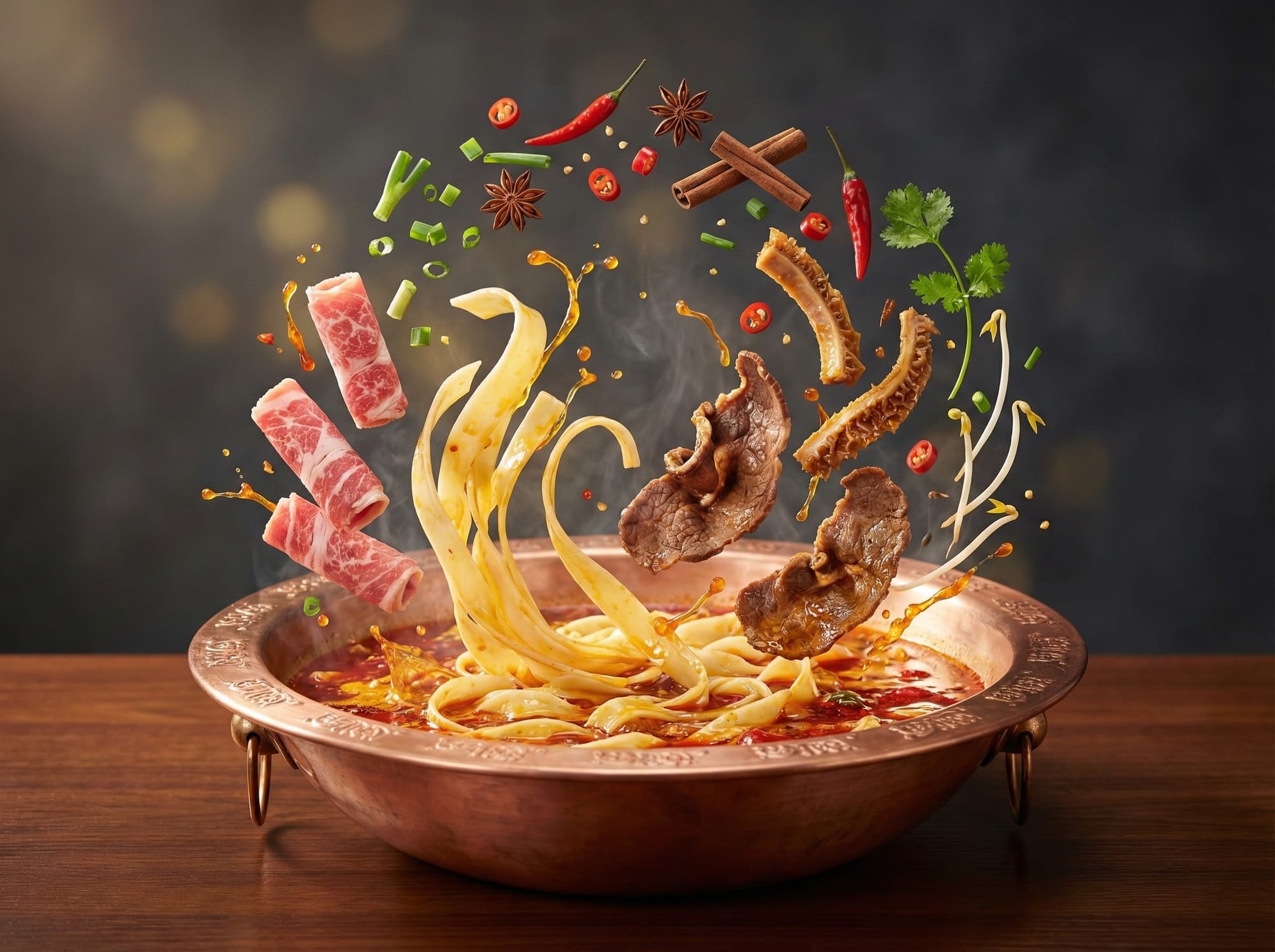
My Take: This is a good, detailed, and pleasant result. It looks tasty, naturally creative. Reminds me of Flux 2 Flex level. Only more natural and realistic in terms of colors.
My rating: 8/10
🍌 Read our full review about Nano Banana Pro ↓
 Mark
Mark
ChatGPT 5.1 - main chat
OpenAI's integrated image generation within ChatGPT. Uses an optimized DALL·E model for "promotional, cinematic, and hyperrealistic" results. Convenient but historically inconsistent. Can it compete with dedicated generators?
It's not surprising why OpenAI has lost 48 million users recently.
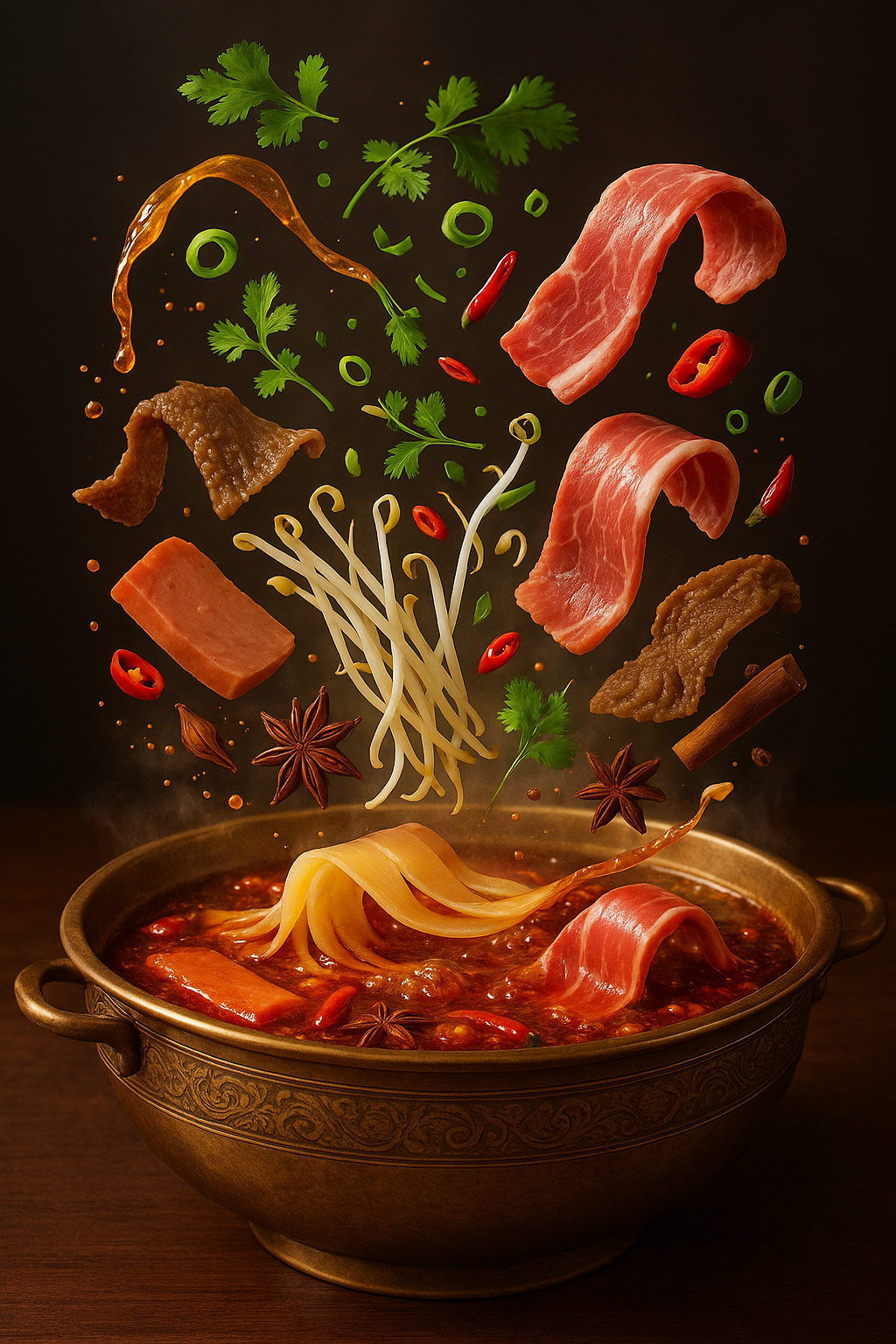
I will spend more time and ask to make the image resolution 4:3 for objectivity.
ChatGPT couldn't make it 4:3 and gave me a square. And had to wait another 5–7 minutes.
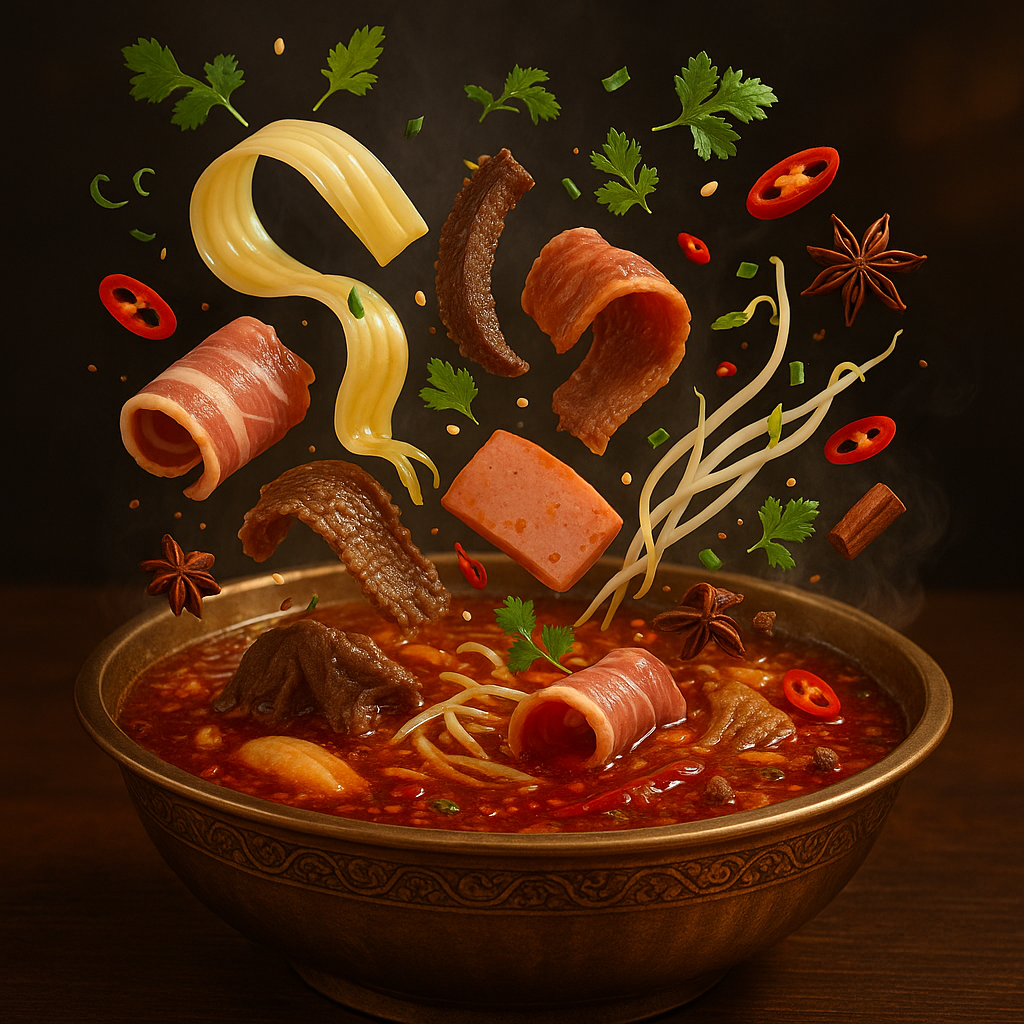
This tool is controlled by ChatGPT and internally calls a DALL·E level-3 model, optimized for promotional, cinematic, and hyperrealistic generation.
This is NOT Midjourney, not Stable Diffusion, and not a third-party model. All images are created purely within the OpenAI stack. Version — DALL·E (latest), the same one used in ChatGPT Plus / Team / Enterprise.
My Take: ChatGPT just hit one of my red flags – it ignored my request about the aspect ratio twice. It took a very long time to generate the image and ended up giving a mediocre result. There's no particular detail, the food looks plastic and unnatural.
My rating: 2/10
Quick Results: All Models Ranked
| Rank | Model | Rating | Cost | Best For |
|---|---|---|---|---|
| 1 | Bytedance SeedDream 4 | 8/10 | 3 tokens | Best value, 4K quality |
| 2 | Flux 2 Flex | 8/10 | 6 tokens | Creative compositions |
| 3 | Google Imagen 4 Ultra | 8/10 | 6 tokens | Professional detail |
| 4 | Google Nano Banana Pro | 8/10 | 6 tokens | Natural realism |
| 5 | Bytedance SeedDream 3 | 7/10 | 3 tokens | Budget-friendly quality |
| 6 | Flux 1.1 Pro | 7/10 | 4 tokens | Good composition |
| 7 | Google Imagen 4 Fast | 6/10 | 6 tokens | Quick iterations |
| 8 | Google Imagen 4 | 5/10 | 4 tokens | Basic photorealism |
| 9 | Google Nano Banana | 5/10 | 4 tokens | Experimental only |
| 10 | Flux Schnell | 4/10 | 1 token | Speed over quality |
| 11 | Flux Dev | 3/10 | 3 tokens | Development/testing |
| 12 | ChatGPT (DALL·E 3) | 2/10 | — | Avoid for imagery |
What We Learned: Key Takeaways
The Clear Winners: Bytedance SeedDream 4 delivers exceptional value at just 3 tokens, producing 4K images that rival models costing twice as much. For premium work, Flux 2 Flex and Google Imagen 4 Ultra tie for top quality, though at 6 tokens each.
The Biggest Surprise: Bytedance models outperformed expectations. SeedDream 4's quality-to-cost ratio is currently unmatched in the market.
The Biggest Disappointment: ChatGPT's image generation struggled significantly. Ignoring aspect ratio requests, extremely slow generation times, and plastic-looking food make it unsuitable for professional food photography.
Price Doesn't Equal Quality: Google Imagen 4 (4 tokens) underperformed compared to Bytedance SeedDream 3 (3 tokens). More expensive doesn't always mean better results.
Speed Has Trade-offs: Flux Schnell's 1-token price comes with severe quality compromises. Unless you need dozens of quick concepts, invest the extra tokens.
Which Model Should You Choose?
Best Overall Value
Bytedance SeedDream 4 — At 3 tokens with 4K output capability, it's hard to beat. Perfect for professional work on a budget.
Best for Maximum Quality
Flux 2 Flex or Google Imagen 4 Ultra — When the client demands perfection and budget isn't a concern, these deliver premium results worth the 6-token cost.
Best for Natural Realism
Google Nano Banana Pro — If you want images that look less "AI-generated" and more naturally photographic, this model excels at organic colors and realistic lighting.
Best for Quick Concepts
Flux Schnell — At 1 token, it's perfect for rapid brainstorming when you need to test 20 ideas before committing to quality generation.
Avoid for Food Photography
ChatGPT / DALL·E 3 — Too slow, ignores instructions, produces unnatural results. Save your time.
Recommendations by Use Case
Restaurant Marketing & Menus → Bytedance SeedDream 4 or Flux 2 Flex These produce appetizing, realistic food images suitable for commercial print materials.
Social Media Content → Bytedance SeedDream 3 or Google Nano Banana Pro Good quality at reasonable cost. Perfect for Instagram and Facebook posts.
Premium Advertising Campaigns → Google Imagen 4 Ultra + Flux 2 Flex (generate with both, pick the best) For billboard-quality work, run multiple models and select the winner.
Rapid Prototyping & Concepts → Flux Schnell for quantity, then Bytedance SeedDream 4 for finals Start cheap, finish quality.
E-commerce Product Photos → Bytedance SeedDream 4 Best balance of detail, realism, and cost efficiency for high-volume needs.
Frequently Asked Questions
Which AI model is best for food photography?
Based on our testing, Bytedance SeedDream 4 offers the best combination of quality, detail, and value for food photography. For maximum quality regardless of cost, Flux 2 Flex produces stunning creative compositions.
Are AI-generated food images good enough for commercial use?
Yes, several models now produce results indistinguishable from professional photography. Bytedance SeedDream 4, Flux 2 Flex, and Google Imagen 4 Ultra all generate commercially viable food images. However, always review for anatomical errors in produce or unrealistic textures.
Why did ChatGPT perform so poorly in this test?
ChatGPT's DALL·E integration prioritizes general-purpose generation over specialized photographic quality. It also struggled with aspect ratio instructions and had significantly longer generation times. For dedicated image generation, purpose-built models consistently outperform chat-integrated solutions.
Is Flux worth using in 2025?
Flux models show inconsistent results. Flux 1.1 Pro and Flux 2 Flex produce good output, but Flux Dev and Flux Schnell struggle with complex prompts. If using Flux, invest in Pro or Flex versions.
How important is the token cost difference?
It depends on volume. For occasional use, the difference between 3 and 6 tokens is negligible. For agencies generating hundreds of images monthly, choosing Bytedance SeedDream 4 (3 tokens) over Google Imagen 4 Ultra (6 tokens) cuts costs by 50% with minimal quality loss.
Can these AI models match professional food photographers?
For standard commercial work, yes. AI models now handle composition, lighting, and detail well enough for restaurants, delivery apps, and social media. For high-end editorial or luxury brand campaigns, human photographers still provide irreplaceable creative direction and styling—but AI is closing the gap rapidly.
Which model handles complex prompts best?
Flux 2 Flex and Bytedance SeedDream 4 demonstrated the best prompt adherence, correctly interpreting multi-part instructions about lighting, composition, and ingredient placement. Simpler models like Flux Schnell and basic Imagen 4 lost significant prompt details.
Should I use multiple models for important projects?
Yes. Our recommendation for critical projects: generate with your top 2-3 models, then select the best result. Models have different strengths—Flux 2 Flex excels at creative composition while Bytedance SeedDream 4 produces more natural realism. Having options improves your final output.
Final Verdict
After testing 13 models with one of the most challenging prompts we could create, the results are clear:
Bytedance SeedDream 4 wins for value. At just 3 tokens, it delivers 4K quality that competes with models costing twice as much. For most professional use cases, this should be your default choice.
Flux 2 Flex and Google Imagen 4 Ultra tie for premium quality. When budget isn't a concern and you need maximum impact, these 6-token models deliver exceptional results.
ChatGPT should be avoided for image generation. The integrated DALL·E experience simply can't compete with dedicated image models. OpenAI's recent user losses suggest the market agrees.
The AI image generation landscape evolves monthly. Models that lead today may fall behind tomorrow. But for now, if you're creating food photography, marketing materials, or any commercial imagery—Bytedance SeedDream 4 offers the best combination of quality, speed, and cost.
We'll update this comparison as new models launch. Bookmark this page and check back for the latest results.


