Facebook Marketplace, which now has 1.1 billion users across 70 countries, got a significant AI upgrade in March 2026. Meta rolled out a suite of new tools that automate the most tedious parts of selling: writing listings, responding to buyer questions, and presenting seller profiles. For the roughly 3.5 million items listed daily on the platform in the US and Canada alone, the upgrade changes what it takes to get something posted and sold.
The new features are genuinely useful for casual sellers. They also arrive in an environment where scam activity on the platform has been escalating, and where AI tools are making fraudulent listings harder to distinguish from legitimate ones. Both of those things are true simultaneously, and they shape how buyers and sellers should approach the platform in 2026.
What the New Features Actually Do
Meta's March 2026 Marketplace update centers on three interconnected AI tools.
AI Auto-Listing Creation

Sellers can now upload a photo of an item and let Meta AI generate a complete draft listing. The system analyzes the image and produces a title, detailed description, category selection, and a suggested price calibrated to what similar items are currently selling for in the seller's local area.
Testing by ecommerce journalist Liz Morton found that the image recognition is capable of picking up details that might not be immediately obvious, including identifying that a Starbucks mug was sitting on a coaster depicting a beach scene, and noting both items in the draft description. This raises a practical point for sellers: the AI describes what it sees, not necessarily what you intend to sell. If there are items in the frame that you don't want listed, you'll need to either edit the description or retake the photo.
Meta says the pricing suggestions are based on comparable local listings, giving casual sellers a benchmark that previously required manual research. The goal is to lower the barrier for people who have items they want to sell but don't want to spend time figuring out how to price or describe them.
AI Auto-Replies for Buyer Inquiries

One of the most time-consuming parts of selling on Marketplace has always been responding to the same questions repeatedly. The most common is "Is this still available?" which every active seller knows arrives dozens of times before a single transaction completes.
Meta's auto-reply feature lets sellers enable AI-generated responses to common buyer questions. When a buyer asks about availability, pickup location, price, or item condition, Meta AI drafts a reply using information already in the listing. Sellers can preview and edit these responses during the listing creation process, and can choose whether to enable them at all.
Meta frames this as a way to keep buyers engaged when sellers are unavailable, which is a real problem for casual sellers who don't check Messenger constantly. The auto-replies pull directly from the listing, so they are grounded in the information the seller has already provided rather than generated from scratch.
AI-Generated Seller Profile Summaries

The third feature addresses trust and transparency rather than listing efficiency. When buyers visit a seller's Marketplace profile, they now see an AI-generated summary at the top that includes how long the seller has been on Facebook, their friend count, their listing history, the types of items they typically sell, and their aggregated seller ratings.
Meta's stated goal is to give buyers quick context about who they're dealing with without requiring them to dig through a profile manually. The feature is particularly relevant for buyers who are deciding whether to pursue a high-value purchase, and for sellers who have established a track record and want that context surfaced automatically.
Shipping and Scam Detection
Beyond the three core AI features, Meta also simplified shipping logistics for Marketplace transactions. Sellers can now offer nationwide shipping with prepaid labels generated through Facebook's system, with all shipped orders trackable from a centralized dashboard. This is a direct attempt to expand Marketplace beyond local pickup transactions and capture sales that currently flow to eBay or other platforms with established shipping infrastructure.
On the fraud side, Meta separately announced advanced AI systems for scam detection across Marketplace, WhatsApp, Facebook, and Messenger in March 2026. The scam detection tools analyze text, images, and surrounding context to identify patterns indicative of fraud. Meta also said it is working toward ensuring verified advertisers drive 90% of ad revenue by end of 2026, up from 70%, as part of a broader verification push.
The Caveat: AI Is a Double-Edged Tool
The same AI capabilities that make legitimate listing creation easier also make fraudulent listing creation easier. This is the core tension the March 2026 update navigates without fully resolving.
Consumers lost $390 million to online shopping scams in 2026 alone, with social media marketplace fraud growing 54% from the previous year. Scam activity on Facebook Marketplace specifically has been accelerating: TSB fraud data found that 73% of all purchase fraud cases they handled occurred on Facebook Marketplace, and approximately 34% of listings on the platform could be scam posts. AI-generated listing photos and fake seller profiles have made fraudulent listings harder to distinguish from legitimate ones at a glance, even for experienced buyers.
The auto-reply feature introduces a specific new dynamic. When buyers receive an AI-generated response to their availability question, they are interacting with Meta AI rather than the seller directly. For legitimate sellers, this is a convenience. But buyers accustomed to treating a quick, human-feeling response as a signal of legitimacy will need to recalibrate. Scammers have also been deploying fake automated chatbots posing as "Facebook Marketplace Assistant" or similar entities. The line between a legitimate AI auto-reply and a scam chatbot is not obvious to most buyers.
The AI-generated seller profile summaries help on this front by surfacing account age, friend count, and listing history. An account created recently with no friends and no history is a well-established red flag, and now that information appears prominently rather than requiring manual investigation. But the summaries also create a new surface for trust manipulation if bad actors find ways to build accounts that produce positive-looking summaries before using them for fraud.
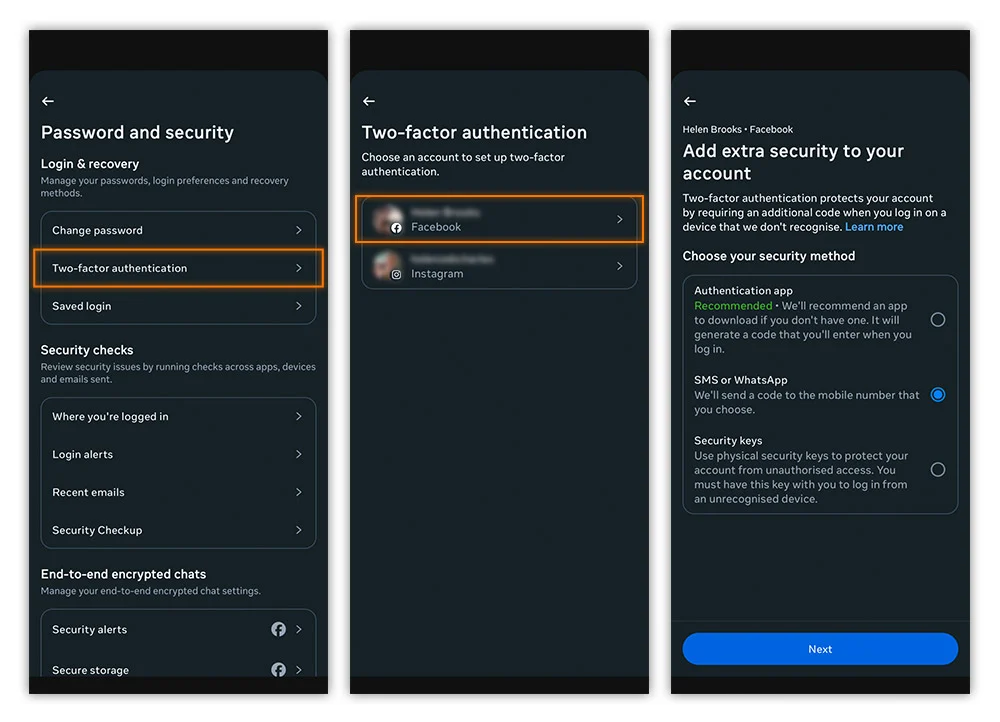
What Sellers Should Know Before Enabling These Features
The automation is optional and configurable, which is the right design. Sellers can choose which features to enable and can review everything before it goes live. Meta is explicit that sellers remain responsible for any errors in AI-generated listings, so the review step matters.
A few practical points for sellers considering the new tools:
- AI-generated listings need editing. The system describes what it sees in photos, not what you intend to sell. Review titles and descriptions for accuracy, particularly if the photo context includes items you don't intend to list. Prices suggested by the AI are starting points based on comparable local items, not appraisals, and should be adjusted based on your item's actual condition and your own research.
- Auto-replies don't replace judgment. Enabling automated responses for common questions keeps buyers engaged, but sellers should monitor conversations for anything that falls outside standard inquiries. The auto-reply feature handles routine questions; anything that escalates into payment discussions or requests for personal information requires direct seller attention.
- Profile summaries are passive. The AI-generated seller summary pulls from your existing account data. Sellers with established Marketplace history benefit automatically. Newer sellers or those creating a Marketplace presence for the first time will have thinner summaries, which is accurate but may require more active communication with buyers to build trust.
What Buyers Should Know
For buyers, the March 2026 update does improve transparency in some meaningful ways. The seller profile summaries surface account age and listing history more prominently, which helps identify newly created accounts that may be more likely to be fraudulent. The pricing suggestions Meta AI provides to sellers are calibrated to local market data, which may reduce some of the outlier pricing that has made it difficult for buyers to gauge whether a deal is legitimate.
The scam landscape, however, has not improved because Meta released new AI listing tools. The platform's fraud problem predates the March 2026 update and will continue independently of it. AI-generated listing photos and automated messaging have already made fraudulent listings harder to identify.
Practical buyer protections that remain unchanged regardless of the new AI features:
- Verify payment only through your own app, not through screenshots or emails a seller provides
- Use payment methods with dispute protection such as Meta Pay or PayPal Goods and Services
- Treat requests to move communication off Messenger as a serious red flag
- For high-value in-person transactions, meet in public places and confirm payment before transferring items
- Check account age and listing history in the seller profile summary, treating recently created accounts with no history as requiring additional caution
The Bigger Picture: Marketplace at 1.1 Billion Users

Meta's investment in Marketplace AI tools reflects the platform's scale and its competitive position. With 1.1 billion users across 70 countries, Marketplace is significantly larger than Craigslist and competes meaningfully with eBay's peer-to-peer resale business. The friction reduction that auto-listing and auto-replies provide is directly targeted at the seller experience problem: the platform has plenty of buyers, but getting casual sellers to actually list their items has always required more effort than many people were willing to invest.
The nationwide shipping tools are the most strategically significant addition. Local pickup has always been Marketplace's defining characteristic and its primary limitation. By enabling prepaid shipping labels and centralized tracking, Meta is attempting to convert Marketplace into a platform for transactions that don't require proximity, which is eBay's core proposition. Whether that succeeds depends on whether buyers trust the shipping process enough to purchase from sellers they cannot meet in person.
That trust question runs through every aspect of the March 2026 update. The AI tools address the seller experience problem directly. The scam detection and profile summary features address trust partially. What neither fully addresses is the structural feature of peer-to-peer commerce that makes Marketplace both valuable and risky: the transactions happen between individuals with limited institutional accountability, and AI tools that help legitimate sellers also help bad actors who can use the same technology with different intent.
Wrap up
Facebook Marketplace's March 2026 AI update makes the platform meaningfully easier to use as a seller. The auto-listing feature removes the primary barrier that keeps casual sellers from ever posting their items. The auto-reply feature eliminates the most repetitive part of fielding buyer interest. The seller profile summaries provide buyers with better context about who they are dealing with.
The caveat is real rather than hypothetical. The same AI capabilities that streamline legitimate selling also lower the barrier for sophisticated fraudulent listings. Buyers who use the new profile summary features and apply the same verification habits that have always been necessary on peer-to-peer platforms will be better protected than those who treat AI-generated responses or polished listings as signals of legitimacy. The technology is better. The judgment still has to come from you.
Frequently Asked Questions
What new AI features did Meta add to Facebook Marketplace in 2026?
Meta rolled out three main AI features in March 2026: AI auto-listing creation that generates titles, descriptions, categories, and price suggestions from a photo; AI auto-replies that draft responses to common buyer questions using information from the listing; and AI-generated seller profile summaries that surface account age, listing history, friend count, and seller ratings at the top of a seller's profile. Meta also added simplified nationwide shipping with prepaid labels and a centralized shipment dashboard.
How does Facebook Marketplace auto-listing work?
Sellers upload a photo of the item they want to sell. Meta AI analyzes the image and generates a complete draft listing including a title, detailed description, category selection, and a suggested price based on comparable local listings. Sellers can review and edit every element before publishing. Meta has noted that sellers remain responsible for any errors in the final listing, so reviewing the AI-generated content before going live is important.
Can I trust Facebook Marketplace auto-replies as a buyer?
Auto-replies from sellers using the new feature are generated by Meta AI using information already in the listing. They are grounded in the listing content and cover routine questions about availability, price, pickup location, and item condition. However, buyers should be aware that not every quick or automated-seeming reply is a positive trust signal. Scammers have also been deploying fake chatbots on the platform posing as Marketplace support entities. Standard verification habits remain important regardless of how a response was generated.
Is Facebook Marketplace safe to use in 2026?
Marketplace carries ongoing fraud risks alongside legitimate transactions. Consumers lost $390 million to online shopping scams in 2026, with fraud on social media marketplaces growing 54% year over year. The March 2026 AI update improves seller experience and surfaces trust signals more prominently, but the underlying peer-to-peer structure of the platform means buyer diligence remains essential. Using payment methods with dispute protection, verifying payments in your own app rather than through screenshots, and treating requests to move off Messenger as red flags are the most important protective habits.
Does the AI auto-listing feature price items accurately?
The pricing suggestions are based on comparable local listings rather than appraisals. They provide a starting benchmark for casual sellers who lack context on what their items might fetch locally, but they are not precise valuations. Condition, rarity, demand, and other factors that AI cannot fully assess from a photo will affect the actual market price. Sellers should treat the suggested price as a starting point and adjust based on their own research and the item's actual condition.
How does the seller profile summary help buyers?
The AI-generated profile summary, which appears at the top of a seller's Marketplace profile, now includes the seller's Facebook account age, friend count, listing history, types of items they typically sell, and aggregated seller ratings. This makes it easier to identify recently created accounts with minimal history, which has long been a primary indicator of potentially fraudulent sellers. Experienced sellers benefit from having their established track record surfaced automatically rather than buried in profile details.
What scam risks should buyers and sellers be aware of in 2026?
Common active scams on Facebook Marketplace include fake payment screenshots designed to make sellers ship before payment actually clears, overpayment requests where a buyer sends too much and asks for a refund before their payment clears, Google Voice verification code tricks that can result in phone number hijacking, and phishing links disguised as payment confirmations or account verification pages. AI-generated listing photos and automated chatbot messages posing as official Marketplace support entities have also become more common in 2026. Never share verification codes with buyers, always verify payment in your own banking or payment app rather than through screenshots, and use payment methods with dispute resolution rather than peer-to-peer transfers.
Related Articles
 Dani
Dani
 Dani
Dani
 Dani
Dani