

We are living witnesses to a cosmic anomaly. For the first time in 4 billion years of Earth's biological history, a species has evolved fast enough to reshape its entire planet—but too slowly to survive the consequences.
The paradox is almost poetic: we possess brains capable of splitting atoms and decoding genomes, yet these same brains still operate on firmware designed for hunting gazelles and fleeing from predators. We've built cities of glass and steel, but our stress response system still thinks we're dodging lions on the African savanna.
Recent research from the University of Zurich reveals something profoundly unsettling: human biology is struggling to keep pace with the world we've created. The gap between our evolutionary heritage and modern reality has grown so wide that it's literally making us sick. Declining fertility rates, surging anxiety disorders, chronic inflammation, autoimmune conditions—these aren't random afflictions or personal failures. They're the predictable consequences of forcing Stone Age physiology into a world it was never designed to inhabit.
The Lion That Never Leaves
"In our ancestral environments, we were well adapted to deal with acute stress to evade or confront predators," explains Colin Shaw, head of the Human Evolutionary EcoPhysiology research group at the University of Zurich. "The lion would come around occasionally, and you had to be ready to defend yourself—or run. The key is that the lion goes away again."
But here's where the story takes its dark turn: in the modern world, the lion never leaves.
Traffic noise triggers the same neurochemical cascade as a charging predator. A difficult conversation with your boss activates identical stress pathways as a life-threatening encounter. The ping of a notification, the blue light from screens at midnight, the processed sugar coursing through your bloodstream, the microplastics accumulating in your organs—your ancient nervous system interprets all of it as existential threat.
"Our body reacts as though all these stressors were lions," says Daniel Longman, Shaw's colleague. "Whether it's a difficult discussion with your boss or traffic noise, your stress response system is still the same as if you were facing lion after lion. As a result, you have a very powerful response from your nervous system, but no recovery."
Imagine running on adrenaline 24/7 with no off switch. This is the biological reality for billions of humans living in industrialized societies. We exist in a state of perpetual emergency that our bodies were never meant to sustain.
The Numbers Don't Lie
The evidence is mounting, and it paints a disturbing picture:
Global sperm counts have declined by more than 50% since 1973. Fertility rates are plummeting across developed nations—not just due to social choices, but biological dysfunction linked to environmental toxins, obesity, pesticides, and microplastics infiltrating reproductive systems.
Chronic inflammatory diseases—from autoimmune disorders to cardiovascular conditions—have exploded in prevalence. Studies show that constant elevation of stress hormones disrupts interconnected endocrine systems, creating cascading failures across immune, cognitive, and reproductive functions.
Anxiety disorders have reached epidemic proportions, affecting nearly 300 million people globally. Depression rates continue their relentless climb. Sleep disorders are ubiquitous. The World Health Organization now considers stress-related illness a global health crisis.
And here's the truly unsettling part: we're not adapting fast enough to escape this trajectory.
The Evolutionary Trap
"Biological adaptation is very slow," Shaw notes with clinical precision. "Longer-term genetic adaptations are multigenerational—tens to hundreds of thousands of years."
Let that sink in for a moment. The Industrial Revolution began roughly 250 years ago—a mere heartbeat in evolutionary time. The digital revolution is less than 50 years old. Smartphones have been ubiquitous for barely 15 years. Our genes have had virtually no time to respond to these seismic environmental shifts.
You might think this sounds like evolutionary determinism—that we're doomed to suffer until natural selection slowly, painfully filters out those who can't adapt. Shaw himself acknowledges this grim possibility: "You could argue that what we're seeing today is a form of natural selection. But letting chronic stress kill people for hundreds of generations until we evolve resistance is clearly not a solution."
Evolution works through death. The fittest survive; the rest perish. But here's what makes our situation unique: we're conscious of the trap. We understand the mechanism. And we possess something no other species has ever had—the ability to consciously intervene in our own evolutionary trajectory.
The Rat Brain Paradox
There's a darkly ironic compliment buried in the research. Karin Broberg of the Karolinska Institute, who studies genetics and environmental toxins, points out that humans demonstrate remarkable plasticity: "We've spread throughout the world, and we live in very extreme environments, and we're able to make them our homes. We are like rats or cockroaches—extremely adaptable."
Rats and cockroaches. The ultimate survivors. The species that thrive in human-created wastelands.
But here's where the comparison breaks down—and where our tragedy deepens. Rats have simple nervous systems. Cockroaches don't contemplate existential dread. They adapt without suffering the weight of consciousness, without bearing the burden of knowing what they've lost.
We, on the other hand, possess the curse and gift of self-awareness. We can recognize our own entrapment. We feel the dissonance between what we are and what we've become. This metacognitive capacity—this ability to observe our own mental states—is both our greatest evolutionary advantage and our deepest source of suffering.
As someone who has explored the intersection of transhumanism and consciousness expansion, I find myself confronting an uncomfortable question: Are we witnessing the final act of Homo sapiens as we know it? Or are we standing at the threshold of a new evolutionary leap—one that requires conscious direction rather than blind selection?
The Anthropocene Paradox
"There's a paradox where, on the one hand, we've created tremendous wealth, comfort and health care for a lot of people on the planet," Shaw observes, "but on the other hand, some of these industrial achievements are having detrimental effects on our immune, cognitive, physical and reproductive functions."
This is the Anthropocene in a nutshell: we've mastered the art of surviving long enough to suffer. We've eliminated many acute threats—predators, starvation, infectious disease—only to replace them with chronic, grinding stressors that erode us from within.
We've built a world where infant mortality is low but mental health is collapsing. Where lifespans are longer but quality of life is questionable. Where we have more connectivity than ever yet feel increasingly isolated. Where we have access to infinite information yet struggle with basic meaning-making.
The modern human experience resembles a gilded cage—comfortable by historical standards, but fundamentally alien to our biological design. We're like animals in a zoo, fed and sheltered but slowly going mad from captivity.
The Ghost in the Machine
There's something profoundly existential happening beneath the surface of all this data. We're not just experiencing a health crisis—we're undergoing an identity crisis at the species level.
For 300,000 years, humans lived embedded in ecological systems, their daily rhythms synchronized with circadian cycles, their social structures limited to groups of 150 or fewer individuals, their sensory environments rich but not overwhelming. Our brains evolved in constant negotiation with other life forms—plants, animals, microorganisms, the land itself.
Now? We spend 90% of our time indoors, under artificial light. We interact with thousands of strangers through screens. We consume food with ingredient lists our great-grandparents wouldn't recognize. We breathe air laced with particulate matter. We drink water contaminated with pharmaceutical residues. We're bathed in electromagnetic radiation that didn't exist a century ago.
The research on nature exposure is telling. Studies show that just 20 minutes in a natural environment significantly reduces cortisol levels, lowers blood pressure, and improves immune function. Time in forests—what the Japanese call "shinrin-yoku" or forest bathing—has measurable therapeutic effects on everything from inflammation markers to cognitive performance.
This isn't just about stress reduction. It's about returning to our ecological niche, reconnecting with the sensory environment that shaped us. When we step into nature, we're not escaping modern life—we're coming home.
The Acceleration Problem
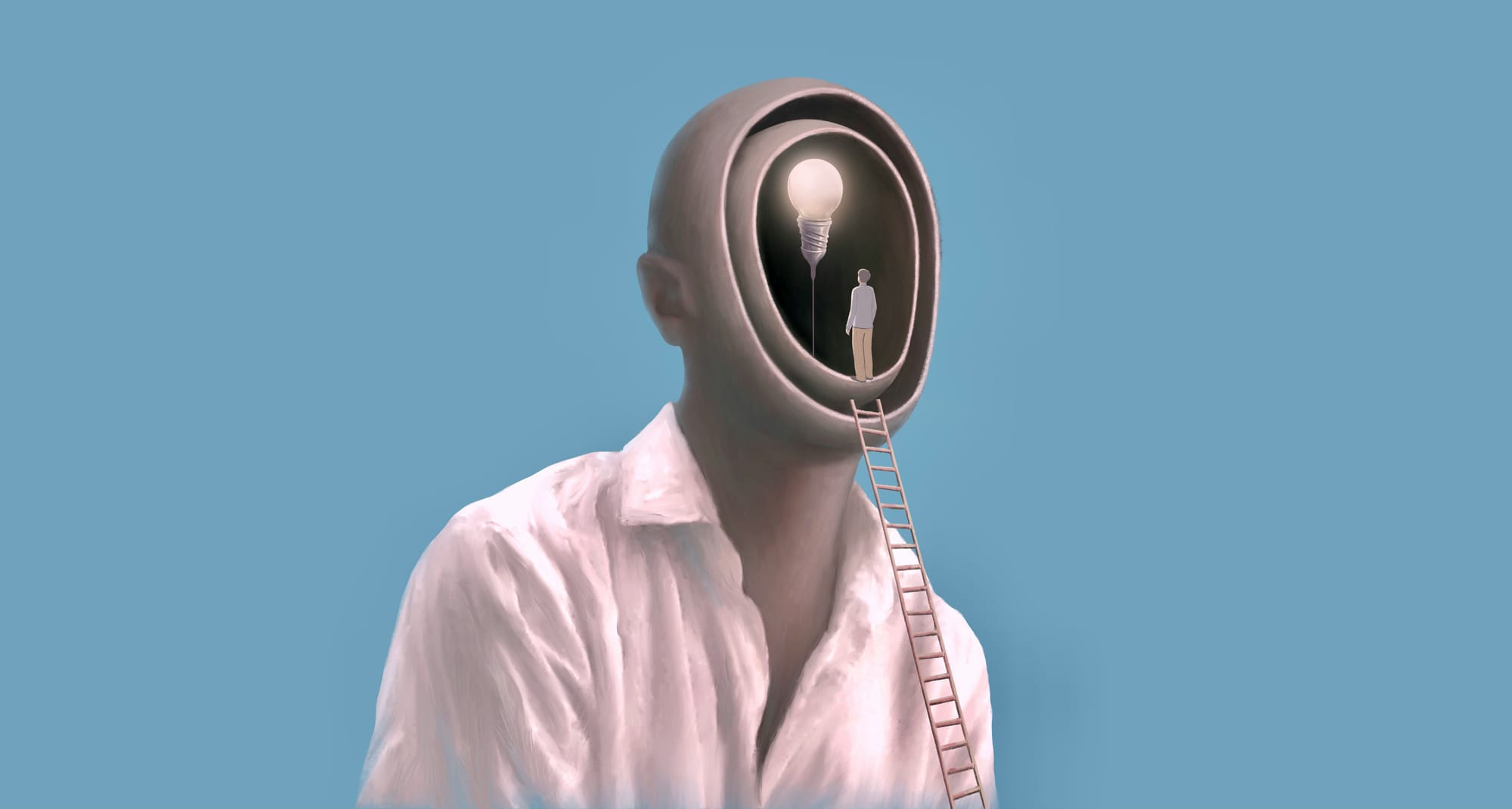
But here's where the situation becomes truly alarming: the pace of change isn't slowing. It's accelerating.
Artificial intelligence is advancing exponentially. Gene editing technologies like CRISPR are moving from laboratory to clinic. Brain-computer interfaces are transitioning from science fiction to silicon valley startups. The metaverse promises (or threatens) to further disconnect us from physical reality.
Meanwhile, our biological substrate—the flesh and neurons that we are—remains stubbornly analog, bound by the slow rhythms of natural selection.
We're approaching what some futurists call "the singularity"—the point where technological change becomes so rapid that it fundamentally transforms human existence. But we're reaching this threshold with Paleolithic brains, medieval institutions, and a collective psychology still processing the trauma of two world wars.
The gap isn't closing. It's widening.
For those interested in how technology might bridge this gap, exploring AI tools for productivity reveals both promise and peril—systems that can extend human capability while potentially deepening our alienation from natural rhythms.
The Consciousness Question
This brings us to perhaps the most profound implication of Shaw's research: What does it mean to be human in the Anthropocene?
If our biology is fundamentally misaligned with our environment, if our stress responses are chronically activated, if our reproductive systems are failing, if our mental health is collapsing—are we still the same species that walked out of Africa 70,000 years ago?
Evolutionary biologists define species based on reproductive isolation. But what happens when a species becomes psychologically isolated from its own evolved nature? When the gap between ancestral design and present reality becomes so vast that it produces widespread dysfunction?
Some researchers argue we're witnessing the emergence of a new selection pressure: the ability to tolerate modern environments. Those who can adapt—or who have access to resources that buffer them from environmental stressors—will thrive. Those who can't will suffer.
This creates a deeply uncomfortable ethical dimension. The burden of the Anthropocene is not equally distributed. Wealthy individuals can afford organic food, clean water, access to nature, stress-reducing practices. The poor inherit toxic waste sites, food deserts, noise pollution, and dangerous working conditions.
We're not just evolving too slowly. We're creating conditions for evolutionary divergence based on socioeconomic status—a biological manifestation of inequality that could persist for millennia.
The Path Through
Shaw's research doesn't just diagnose the problem—it points toward potential solutions. But these aren't technological fixes or pharmaceutical interventions. They're fundamental reimaginings of how we structure human life.
"One approach is to fundamentally rethink our relationship with nature—treating it as a key health factor and protecting or regenerating spaces that resemble those from our hunter-gatherer past," Shaw explains. "We need to get our cities right—and at the same time regenerate, value and spend more time in natural spaces."
This is where the research becomes prescriptive, almost spiritual. The scientists aren't advocating for a return to pre-industrial society—that ship has sailed. Instead, they're calling for conscious environmental design that honors our biological heritage.
Imagine cities where nature isn't an amenity but infrastructure. Where forests aren't parks but necessities. Where silence is protected like clean water. Where darkness is preserved for circadian health. Where community scale matches our social processing capacity.
Some places are already experimenting with these ideas. Singapore has become a "city in a garden," integrating extensive green spaces into urban planning. Scandinavian countries are pioneering forest kindergartens and nature-based therapies. Biophilic design principles are slowly infiltrating architecture and urban planning.
But these remain exceptions. The dominant model of urban development continues to prioritize economic efficiency over biological fitness, short-term profit over long-term sustainability, individual consumption over collective wellbeing.
The Responsibility of Awareness
"As an evolutionary anthropologist, my earlier work focused on Neanderthals and bone adaptation, which was fascinating in its own right," Shaw reflects. "But the challenges we face today feel more urgent. Those with the resources—financial or intellectual—have a responsibility to invest them in solving these problems. To me, it's a moral imperative to do the right thing."
This is where the research transcends scientific inquiry and becomes ethical call to action. We are the first species capable of understanding our own evolutionary constraints. We possess unprecedented technological power. We face civilizational-scale challenges.
What we do with this knowledge matters.
The easy path is denial—to dismiss these findings as alarmist, to assume technology will save us, to believe that market forces will optimize for human flourishing. But the data doesn't support optimism through inaction.
The harder path requires confronting uncomfortable truths: our current trajectory is unsustainable, our economic systems are misaligned with biological reality, our cultural values need fundamental reassessment.
The Transhuman Question
For those of us interested in transhumanism and human enhancement, Shaw's research poses challenging questions.
Should we double down on biological modification—using genetic engineering, pharmaceutical interventions, and technological augmentation to forcibly adapt humans to modern environments? Or should we redesign our environments to better fit our existing biology?
The transhumanist vision often imagines transcending biological limitations through technology. But perhaps the first step in human enhancement isn't upgrading our hardware—it's fixing the operating system we're running on.
Before we rush toward neural implants and genetic modifications, maybe we need to address the fundamental mismatch between human design and human habitat. Perhaps the most radical form of human enhancement is simply allowing humans to be human.
This doesn't mean rejecting technology or progress. It means wielding these tools with wisdom, guided by deep understanding of what we are and what we need to thrive.
For practical applications of this philosophy, consider exploring neurofitness practices that work with rather than against our neurobiological heritage.
What You Can Do Now
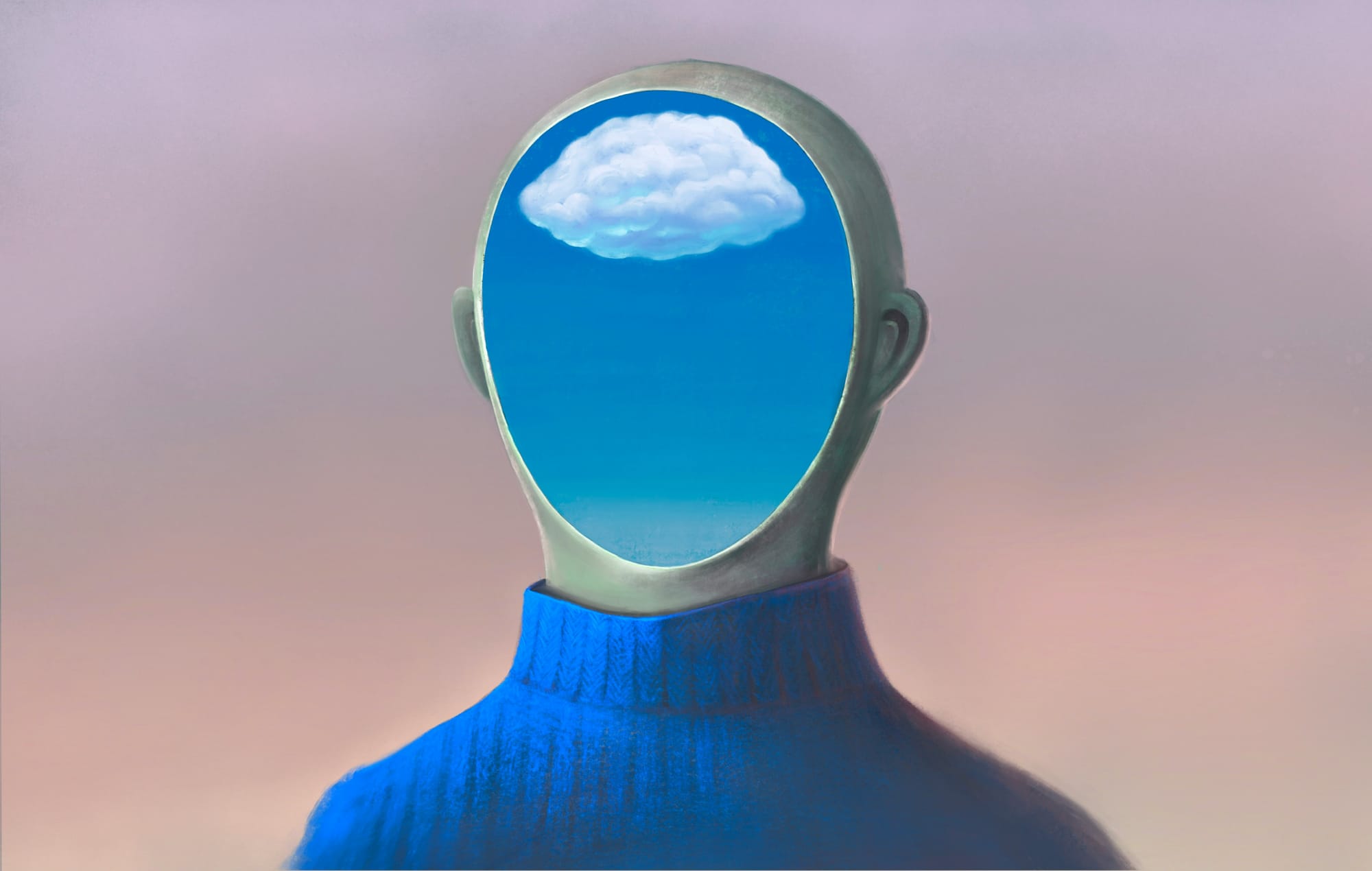
The research might paint a grim picture, but it also offers immediate, actionable steps. You don't need to wait for urban redesign or policy changes. You can begin recalibrating your relationship with the modern world today:
Reconnect with Natural Rhythms
Your circadian system evolved over millions of years to synchronize with sunlight cycles. Modern artificial lighting disrupts this fundamental biological clock, affecting everything from sleep quality to immune function.
Get sunlight exposure within the first hour of waking. Dim lights after sunset. Eliminate screens an hour before bed. Use blackout curtains. These aren't lifestyle tips—they're attempts to restore chronobiological alignment.
Practice Strategic Nature Exposure
The research is clear: time in nature isn't optional for human health. It's medicinal.
Aim for at least 120 minutes per week in natural environments—forests, parks, coastlines, anywhere with living systems beyond human cultivation. This isn't about exercise (though that helps). It's about sensory recalibration, stress hormone reduction, immune system modulation.
If you live in an urban environment, even small doses matter. Indoor plants provide measurable psychological benefits. Views of nature through windows reduce stress. Nature sounds lower cortisol.
Implement Digital Boundaries
Your nervous system interprets digital notifications as threats requiring immediate attention. Every ping activates your sympathetic nervous system. Every doom-scroll session bathes your brain in stress hormones.
Establish notification-free periods. Create phone-free zones. Practice what some call "digital sabbaths"—regular intervals of complete disconnection. Your attention is a biological resource. Protect it like you would protect clean water.
Cultivate Mindful Awareness
One advantage we have over our ancestors: we can observe our own mental states. This metacognitive capacity—when properly developed—allows us to interrupt automatic stress responses.
Regular meditation, breathwork, or contemplative practices aren't New Age indulgences. They're neurobiological interventions that can partially compensate for environmental mismatch. Even 10 minutes daily of focused attention practice can alter brain structure and stress reactivity.
Resources like our guide to AI-powered mental health tools can support these practices, though remember that technology should serve awareness, not replace it.
Build Real Community
Humans evolved as intensely social beings. Our immune systems, stress responses, and cognitive functions are optimized for close-knit groups of 150 or fewer individuals with whom we have regular face-to-face contact.
Social media isn't community—it's a poor substitute that often increases loneliness. Prioritize in-person relationships. Invest in local social structures. Physical presence with people you trust isn't a nice-to-have. It's a biological necessity.
Examine Your Food Environment
Your gut microbiome—the trillions of microorganisms in your digestive system—evolved in symbiosis with whole, unprocessed foods. Modern ultraprocessed foods are biologically novel, and your microbiome responds accordingly, often with inflammation and dysfunction.
This isn't about perfect nutrition or restrictive diets. It's about recognizing that your body expects food it evolved to process. More whole foods, less processing, more diversity. Think of it as respecting the evolutionary contract between you and your microbiome.
Create Spaces for Silence
Chronic noise pollution activates stress pathways as reliably as any other threat. Your auditory system evolved to detect predators and social signals, not to filter constant mechanical noise.
Prioritize acoustic environments. Use noise-canceling technology when necessary. Create silent zones in your home. Value quiet as a scarce resource. Your nervous system needs periods of auditory rest to recalibrate.
Move with Purpose
Modern sedentary lifestyles are another evolutionary mismatch. Your body expects variable movement throughout the day—walking, lifting, climbing, carrying. Exercise is helpful, but it's not the same as integrated movement through natural environments.
Walk more. Take stairs. Carry things. Vary your movement patterns. This isn't about fitness optimization—it's about honoring the physical design of your body.
The Hope Paradox
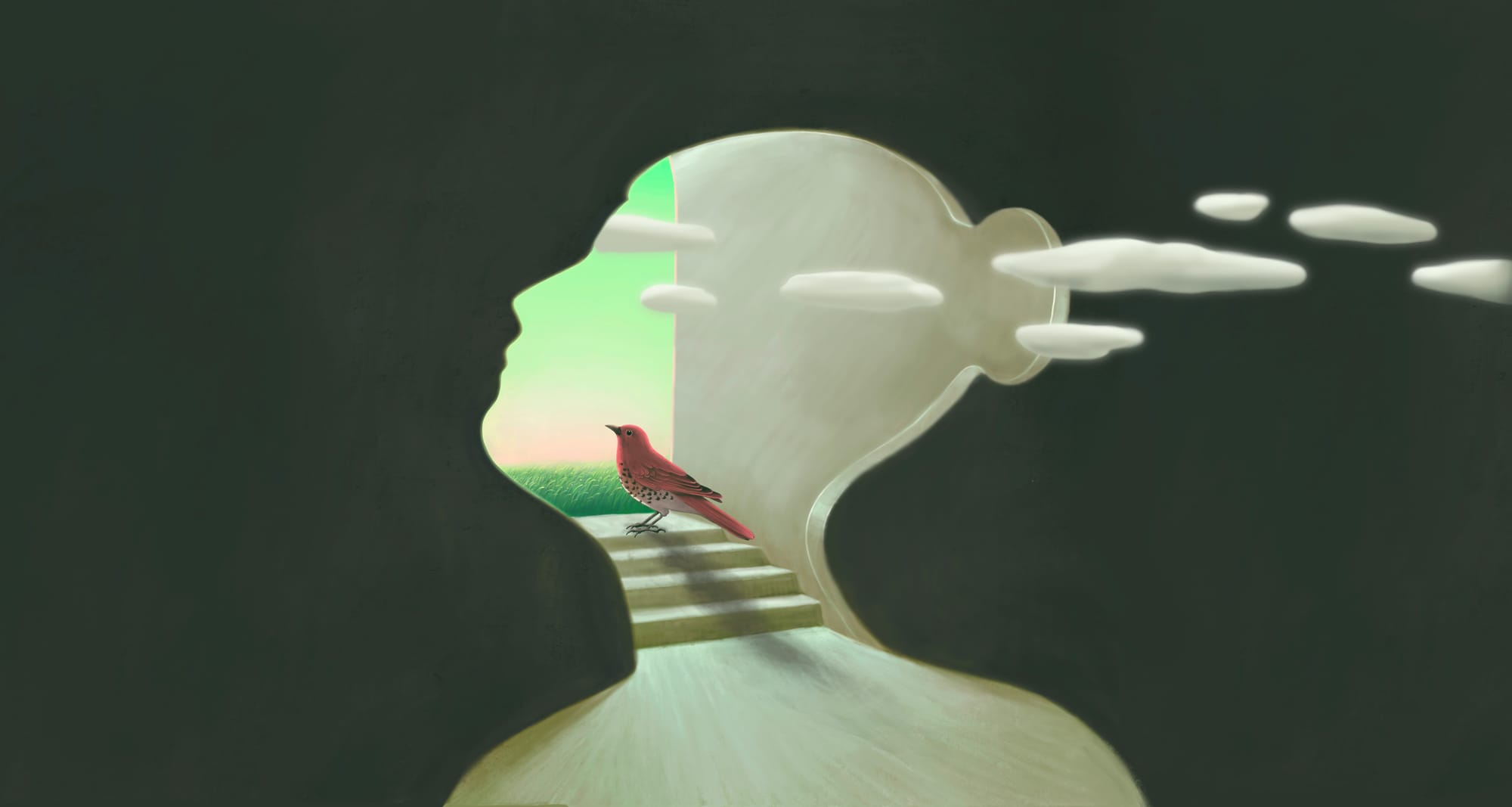
Here's what keeps me awake at night and simultaneously gives me hope: we're living through what might be the most significant moment in human evolutionary history.
The pain we're experiencing—the anxiety, the disconnection, the chronic stress, the existential confusion—might be the labor pains of a new form of consciousness. Not the unconscious adaptation of natural selection, but the conscious evolution of a species that understands what's happening to it.
Recent studies using advanced genomic analysis suggest we're adapting faster than previously thought. Epigenetic changes—modifications in gene expression that don't alter DNA sequence but can be inherited—occur much more rapidly than traditional evolution. We're not just waiting for random mutations. Our bodies are responding to environmental pressures in real-time, passing some of these adaptations to our children.
But speed of adaptation isn't the only factor. Quality of adaptation matters too.
Will we adapt by becoming more tolerant of chronic stress, numb to sensory overload, comfortable with disconnection? Or will we adapt by redesigning our environments, reclaiming our biological heritage, consciously directing our evolution toward greater flourishing?
The answer depends on choices we make now, individually and collectively.
The Moral Dimension
Shaw's final reflection haunts me: "Those with the resources—financial or intellectual—have a responsibility to invest them in solving these problems. To me, it's a moral imperative to do the right thing."
If you're reading this, you likely fall into that category. You have access to information, education, resources that billions don't. You have the luxury of contemplating evolutionary mismatch instead of just surviving it.
That privilege comes with obligation.
The question isn't whether you can afford to change your lifestyle or advocate for better urban design or support policies that protect nature. The question is whether you can afford not to—morally, ethically, evolutionarily.
We're at an inflection point. The decisions we make in the next few decades will ripple through millennia. We're not just choosing how we live—we're choosing what our descendants will become.
The Final Truth
Here's the uncomfortable reality that Shaw's research makes impossible to ignore: there is no going back. The Anthropocene is permanent. The old world—the ecological context that shaped human evolution for hundreds of thousands of years—is gone.
But there might be a way forward.
Not through denial or technological escapism or passive acceptance of decline, but through conscious, informed, collective action to create environments where human biology can thrive. Not by rejecting modernity, but by redesigning it with wisdom.
We are, as Broberg noted, extraordinarily adaptable. Rat-like in our resilience, cockroach-like in our persistence. But we're also something those creatures will never be: conscious architects of our own environment, capable of understanding our predicament and responding with intention.
The Stone Age mind doesn't need to remain trapped in the digital cage. But liberation requires work—personal, social, political, spiritual work. It requires recognizing that the chronic dis-ease so many of us feel isn't personal failure but evolutionary friction. It requires honoring both what we are and what we might become.
The gap between our biology and our world is real. But gaps can be bridged.
The question is: will we build that bridge consciously, with wisdom and care for all humans? Or will we wait for natural selection to do it for us, at immeasurable cost?
Your nervous system is waiting for an answer. So is the future.
Mark from Humai
For more insights on navigating the intersection of technology, consciousness, and human potential, explore our curated collection of articles on AI, transhumanism, and mental wellbeing.


