I've been covering CES for years now, and let me tell you something: Day 2 of CES 2026 just delivered one of the most exciting collections of gadgets I've ever seen on a single show floor. We're talking about a phone that brings back the physical keyboard, laptops that made Dell literally apologize for last year's mistakes, and Lego bricks that have tiny computers inside them. Yes, really.
After walking roughly 15,000 steps through the Las Vegas Convention Center and Wynn Hotel, my feet are killing me, but my brain is absolutely buzzing. The gadgets I saw today aren't just iterative improvements or spec bumps. Some of these products represent genuine shifts in how we'll interact with technology over the coming year.
So grab a coffee, get comfortable, and let me walk you through everything that got me genuinely excited on the second day of the world's biggest tech show. I'll share what I actually got to touch and test, what impressed me, what concerns me, and whether these gadgets are worth your attention when they hit the market.
The Clicks Communicator: BlackBerry Is Back From the Dead (Sort Of)
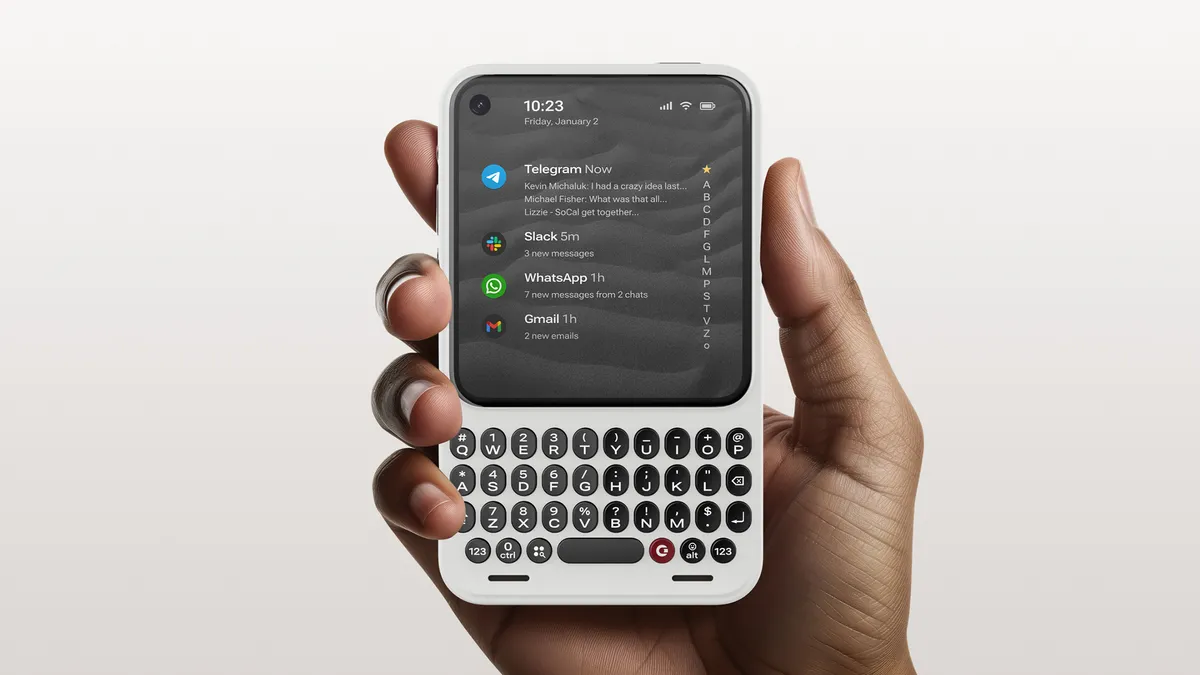
Let's start with the product that made my thumbs happiest: the Clicks Communicator. If you've spent any time mourning the death of BlackBerry, this device is going to speak directly to your soul.
Clicks, the company that went viral a couple of years ago for making physical keyboard attachments for iPhones, has gone ahead and built their own phone. And it's exactly what you'd hope for from a company that clearly understands the appeal of tactile typing.
The Communicator is a compact Android smartphone with a full QWERTY keyboard built right into the design. It's running Android 16, which means you get access to all your apps, but the whole philosophy of the device is different from your typical smartphone. Clicks is positioning this as a "communication-first" device, something for doing rather than doomscrolling.
When I picked it up, the first thing I noticed was how unexpectedly satisfying the keyboard felt. These aren't mushy, flat keys pretending to be buttons. They have actual travel, actual click, actual feedback. The fingerprint scanner is embedded right in the spacebar, which is a clever touch that means you're unlocking your phone through a natural typing motion.
The display is a 4.03-inch OLED panel with a nearly square 1080 × 1200 resolution. It's definitely smaller than what most of us are used to, but that's kind of the point. This isn't a phone designed for watching TikTok videos or playing games. It's designed for messaging, email, and actual work.
Some features that caught my attention: there's a dedicated Prompt Key on the side that you can use for voice-to-text, meeting transcriptions, or launching your voice assistant. There's also a hardware kill switch for airplane mode, which appeals to anyone who values being able to truly disconnect. And yes, it has a headphone jack and microSD card expansion, features that have become genuinely rare on modern smartphones.
The Communicator is priced at $499, but early birds who put down a $199 deposit before February 27 can snag it for $399. It's shipping later this year, and honestly, I think there's a real market for this. Whether as a secondary device for work or as a primary phone for people who are sick of touchscreen keyboards, the Clicks Communicator feels like a genuine alternative rather than just a novelty.
Dell XPS 14 2026: The Best Kind of Apology
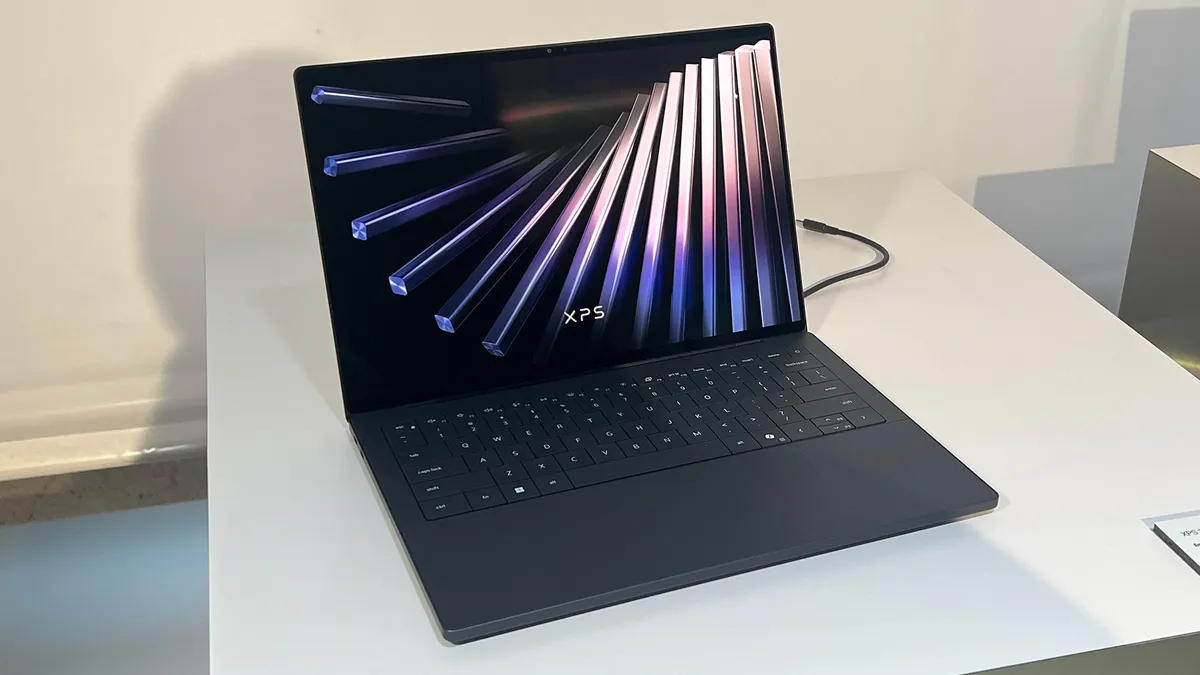
Here's something you almost never see in the tech industry: a major company admitting they screwed up. But that's exactly what Dell did at CES 2026.
Last year, Dell made the controversial decision to kill off the beloved XPS brand name, replacing it with a confusing "Dell / Dell Pro / Dell Max" naming scheme that nobody asked for and nobody liked. The backlash was immediate and sustained.
At this year's show, Dell's vice chairman Jeff Clarke literally said "I owe you an apology" before unveiling the new XPS 14 and XPS 16. The XPS brand is back, and these laptops represent a significant redesign that addresses the biggest complaints about recent Dell portables.
I got hands-on time with the XPS 14, and there are two changes that immediately stood out. First, the capacitive touch bar that replaced traditional function keys? Gone. You now have real, physical function keys again that actually move when you press them. This might seem like a small thing, but if you've ever tried to use the previous XPS keyboards in any kind of productive workflow, you know how frustrating those touch-sensitive fake keys were.
Second, the invisible trackpad problem has been solved. Previous XPS models had a trackpad that was nearly impossible to distinguish from the surrounding palm rest, which led to constant accidental inputs. The new design includes subtle visual indicators showing where the trackpad begins and ends. Simple fix, massive improvement.
Under the hood, these laptops are running Intel's brand new Core Ultra Series 3 processors, codenamed Panther Lake. Dell is betting big on Intel's integrated Arc graphics here, actually removing the discrete GPU option entirely. They're confident that the new integrated graphics, with 12 Xe cores on the higher-end chips, will deliver enough performance for the creative and productivity users that typically buy XPS laptops.
The display options are impressive: you can choose between a 2.8K OLED touchscreen with 100% DCI-P3 coverage or a 2K LCD with a variable refresh rate that goes all the way down to 1Hz to save battery. Dell is claiming up to 27 hours of battery life with the LCD panel, which would be absolutely exceptional if it holds up in real-world testing.
Physically, the XPS 14 is genuinely compact. Its footprint is actually smaller than the 13-inch MacBook Air M4, despite having a larger 14-inch display. The whole thing measures just 14.6mm thick and weighs around 3 pounds with the OLED display.
The starting price of $2,049.99 is definitely premium territory, but Dell has promised more affordable configurations coming in February. If the performance and battery claims hold up, this could be the laptop to beat in 2026.
Lego Smart Brick: The Biggest Innovation in Building Blocks Since 1978
Okay, let me try to contain my excitement here, because this announcement genuinely feels like a big deal.
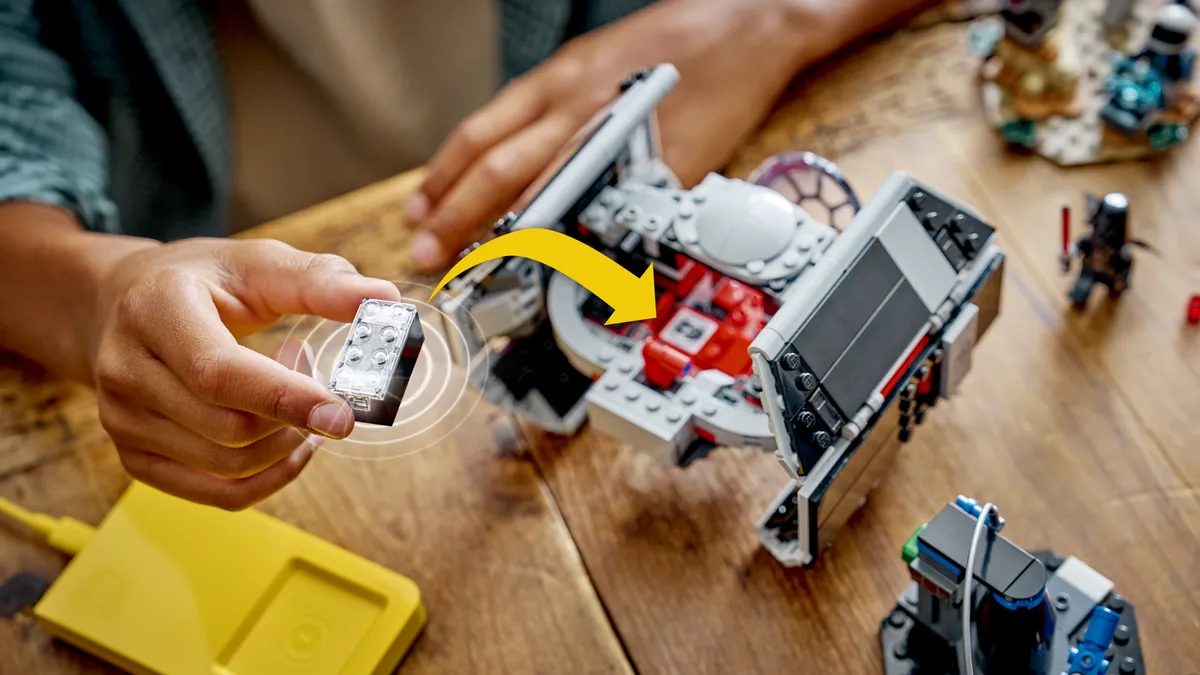
Lego has unveiled Smart Bricks, and they're exactly what they sound like: traditional 2×4 Lego bricks with tiny computers packed inside them. But the execution is so clever that it avoids all the pitfalls you'd expect from adding electronics to a children's toy.
The Smart Brick contains a custom-designed ASIC chip that Lego says is smaller than a single Lego stud. This tiny processor runs something called the Play Engine, which can sense motion, orientation, light, sound, and magnetic fields. The brick also includes a miniature speaker driven by an onboard synthesizer, an LED array for visual feedback, and even a microphone that works as an input sensor.
But here's the really smart part: there's no app required. None. Zero. The bricks communicate with each other using a Bluetooth-based protocol called BrickNet, and they interact with Smart Tags (small tiles with NFC-style digital IDs) and Smart Minifigures (which also contain embedded chips). When you play with a Lego set that includes these components, the bricks automatically know what kind of object they're supposed to be and respond accordingly.
Place a Smart Tag associated with an X-Wing fighter on a Smart Brick, and it starts making engine noises. Bring a Darth Vader Smart Minifigure near the brick, and you might hear the Imperial March. The accelerometer means the sounds and lights respond to how you're actually playing, whether you're swooping a spaceship through the air or staging an epic crash.
The first Smart Play sets are all Star Wars themed, which makes perfect sense given how well that franchise lends itself to sound effects and iconic moments. There are three sets launching on March 1st, 2026:
Darth Vader's TIE Fighter is a 473-piece set with a Smart Darth Vader minifigure, one Smart Brick, and one Smart Tag, priced at $69.99. Luke's Red Five X-Wing is a 584-piece set with two Smart Minifigures (Luke and Leia), one Smart Brick, and five Smart Tags, priced at $99.99. The Throne Room Duel & A-Wing is a 962-piece set with three Smart Minifigures, two Smart Bricks, and five Smart Tags, coming in at $159.99.
Yes, the prices are higher than non-smart sets, but they're not outrageously so. And the fact that you can wirelessly charge the bricks, that the batteries are designed to last years even when idle, and that no smartphone is required during play means Lego has really thought through the user experience here.
Pre-orders open January 9th. I suspect these are going to sell extremely well.
Birdbuddy 2 Mini: AI-Powered Birdwatching for Your Backyard
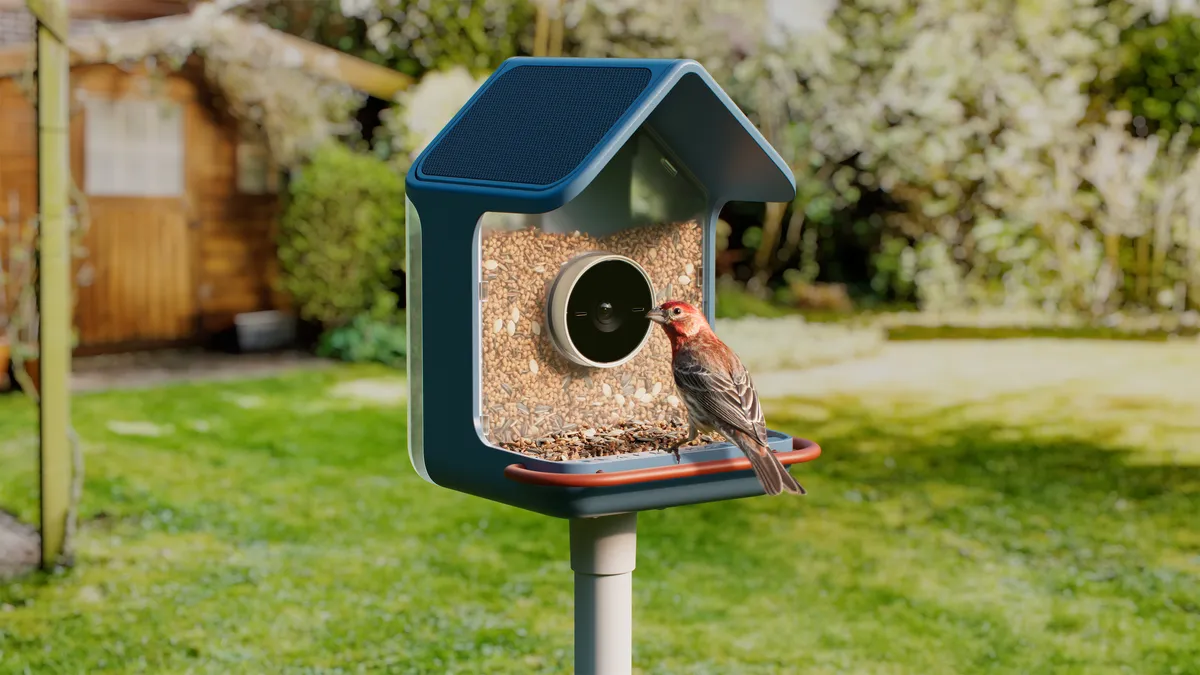
I know, I know. A bird feeder camera doesn't sound as exciting as phones and laptops. But hear me out, because the Birdbuddy 2 Mini represents a category of gadgets that's genuinely improving: smart home devices that actually add value to your daily life.
The original Birdbuddy was already impressive, combining a bird feeder with a camera that could identify the species visiting your backyard. The 2 Mini takes everything good about that concept and packages it in a smaller, more affordable form factor.
The standout feature is AI-powered bird detection that works from both audio and visual cues. This means the camera can identify birds not just by what they look like, but by their songs and calls. For amateur birdwatchers, this is genuinely useful because birds often announce themselves vocally before you ever see them.
The 2K camera captures detailed footage of your feathered visitors, and the whole setup works with a companion app that logs sightings, helps you learn about different species, and sends notifications when interesting birds show up.
At $129, the Birdbuddy 2 Mini hits a sweet spot between functionality and affordability. It's the kind of gadget that turns a mundane backyard feature into something genuinely engaging, especially for families with kids who might develop an interest in nature through the technology.
Preorders and shipping are expected later this year.
Luna Band: A Whoop Alternative Without the Subscription Fee

Screenless fitness trackers have gained a lot of popularity, with Whoop being the most prominent example. But Whoop's business model requires an ongoing subscription fee, which can add up significantly over time.
The Luna Band is positioning itself as the alternative for people who want the benefits of a screen-free fitness wearable without the recurring costs.
What you get is a lightweight, discreet band that tracks the usual fitness metrics: heart rate, sleep quality, activity levels, and recovery. The twist is that instead of tapping on a screen, you interact with the Luna Band through voice commands. You can ask it for updates on your stats, control various functions verbally, and of course manage everything through a companion smartphone app.
I didn't get extensive hands-on time with the Luna Band at CES, but the concept is appealing. For people who find smartwatch screens distracting or who simply prefer a more minimalist approach to fitness tracking, this could be a compelling option.
Pricing hasn't been officially confirmed yet, which is worth noting. But the one-time purchase model versus ongoing subscriptions could be a major selling point for budget-conscious fitness enthusiasts.
Samsung Galaxy Book6: Samsung's Answer to the MacBook
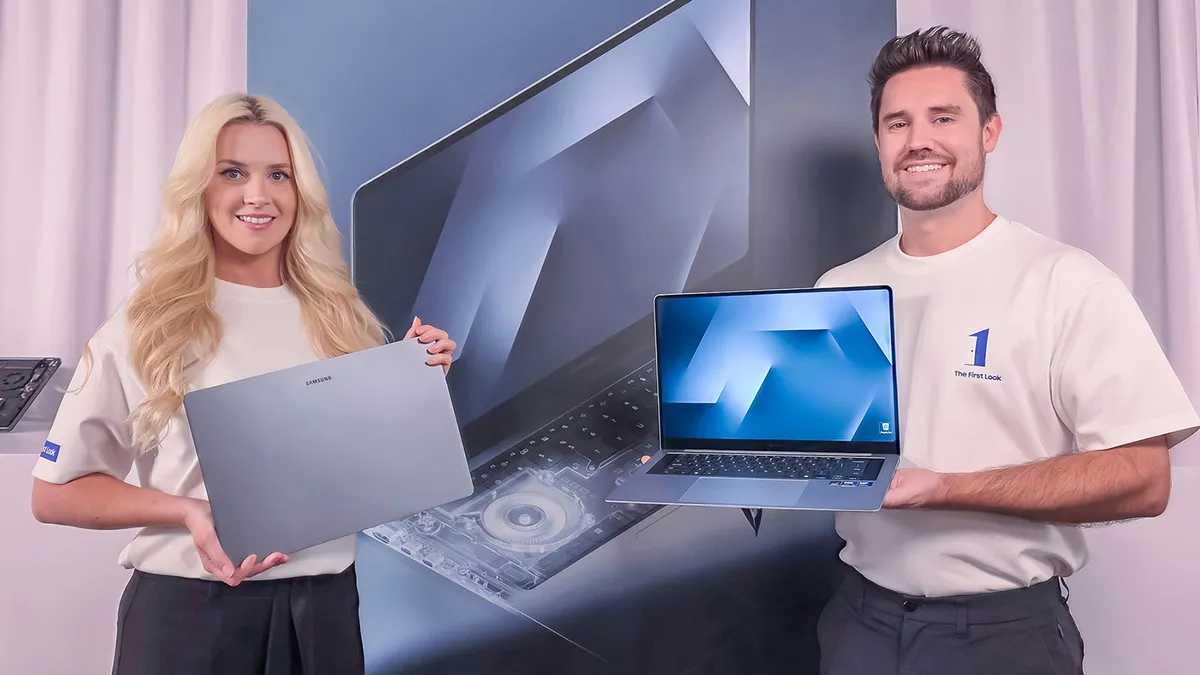
Samsung unveiled its new Galaxy Book6 laptop series at CES, and while I spent more time with the Dell XPS, the Galaxy Book6 definitely caught my attention.
These laptops are built around Intel's latest Core Ultra Series 3 processors, just like the Dell machines, which means you're getting cutting-edge CPU performance and integrated graphics. Samsung is emphasizing the AI capabilities here, with enough NPU horsepower to qualify as Copilot+ PCs.
What Samsung does particularly well is build cohesion. If you're already invested in the Samsung ecosystem with a Galaxy phone, Galaxy Watch, or Galaxy Buds, the Galaxy Book6 offers seamless integration that Apple users take for granted. Features like cross-device copy-paste, phone call handling on your laptop, and automatic photo syncing all work smoothly.
The laptops themselves are impressively thin and light, which has become table stakes for premium notebooks but is still worth noting. Samsung is promising excellent battery life, though specific numbers varied by configuration.
I'd need more hands-on time to give a definitive verdict, but for Samsung loyalists looking to round out their tech ecosystem with a matching laptop, the Galaxy Book6 series looks like a strong option.
Shokz OpenFit Pro: Noise Cancellation for Open Earbuds
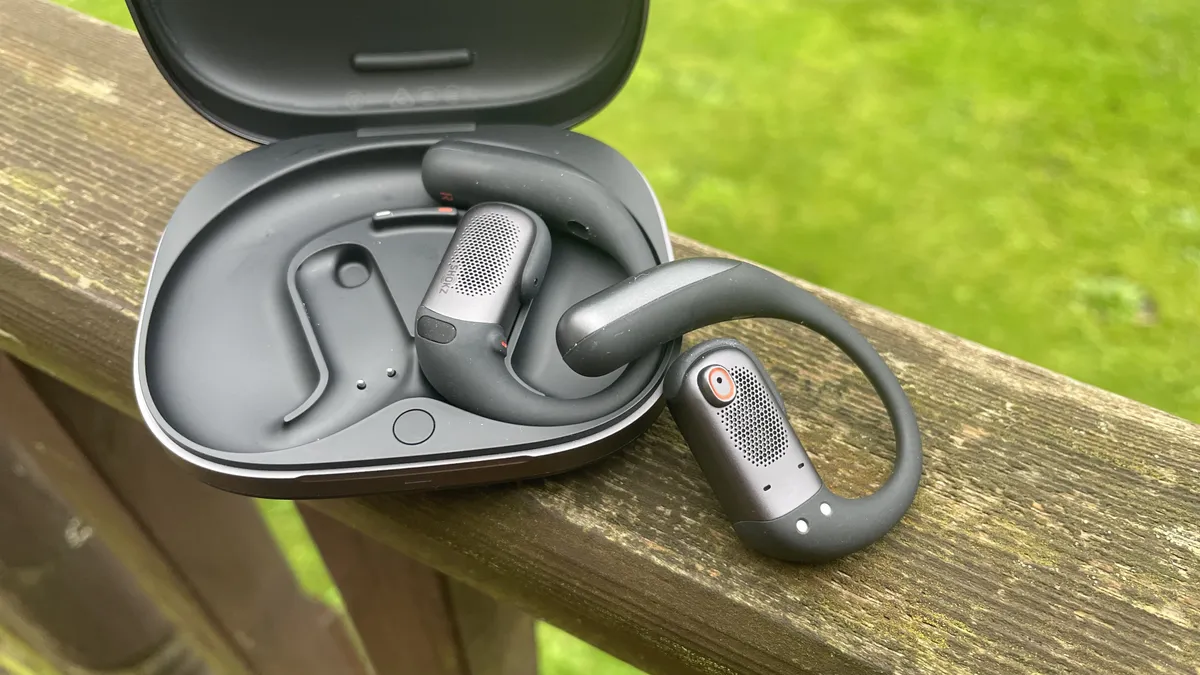
This one requires a bit of explanation, because "noise-cancelling open earbuds" sounds like an oxymoron. The whole point of open-ear headphones is that they don't seal your ear canal, which means outside sounds naturally leak in. So how do you cancel noise?
Shokz's answer with the OpenFit Pro is what they're calling "noise reduction" rather than full noise cancellation. The earbuds use active technology to reduce ambient sounds without completely blocking them out, achieving something like a middle ground between sealed earbuds and completely open ones.
I tried these at the show, and the effect is genuinely noticeable. You're not getting the complete isolation of something like AirPods Pro, but you are getting meaningful reduction of background noise while still maintaining awareness of your surroundings. For gym use, walking in urban environments, or working in moderately noisy spaces like coffee shops, this seems like a smart compromise.
The OpenFit Pro also features high-quality materials, premium sound quality, and Dolby Atmos support. They're priced at around $219 (converted from UK pricing), which puts them in premium territory but not unreasonably so given the technology involved.
If you've been interested in open-ear audio but found the lack of noise isolation a dealbreaker, these might be worth checking out.
Timeli Flashlight: A Flashlight That Could Save Your Life
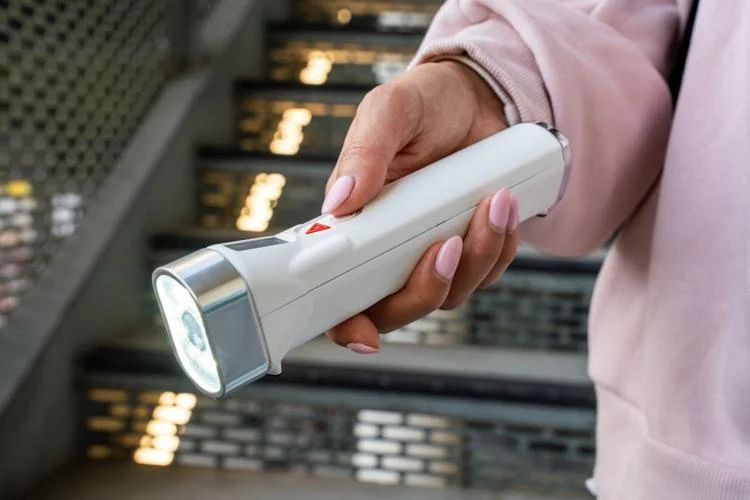
Okay, this one sounds weird, but stick with me: the Timeli Flashlight is a personal safety device disguised as a regular flashlight.
Beyond the obvious function of illuminating dark spaces (which it does very well, with impressive brightness), the Timeli includes GPS tracking, video recording capability, and most importantly, an emergency button that connects you directly to dispatchers who can send help to your location.
The idea is that you're carrying what looks like a normal flashlight, but you have access to emergency services at the press of a button without needing to pull out your phone, unlock it, and dial. For hikers, campers, night shift workers, or anyone who finds themselves in potentially vulnerable situations, this could provide genuine peace of mind.
The flashlight itself costs $299, which is substantial for a flashlight but makes more sense when you consider the safety technology packed inside. The emergency dispatch features do require a subscription, but you get a full year of service included with your purchase.
I can imagine this being a popular gift item for parents worried about kids going off to college, or for anyone with a loved one who works night shifts or spends time in remote areas.
Victrola Soundstage: Vinyl Made Simple
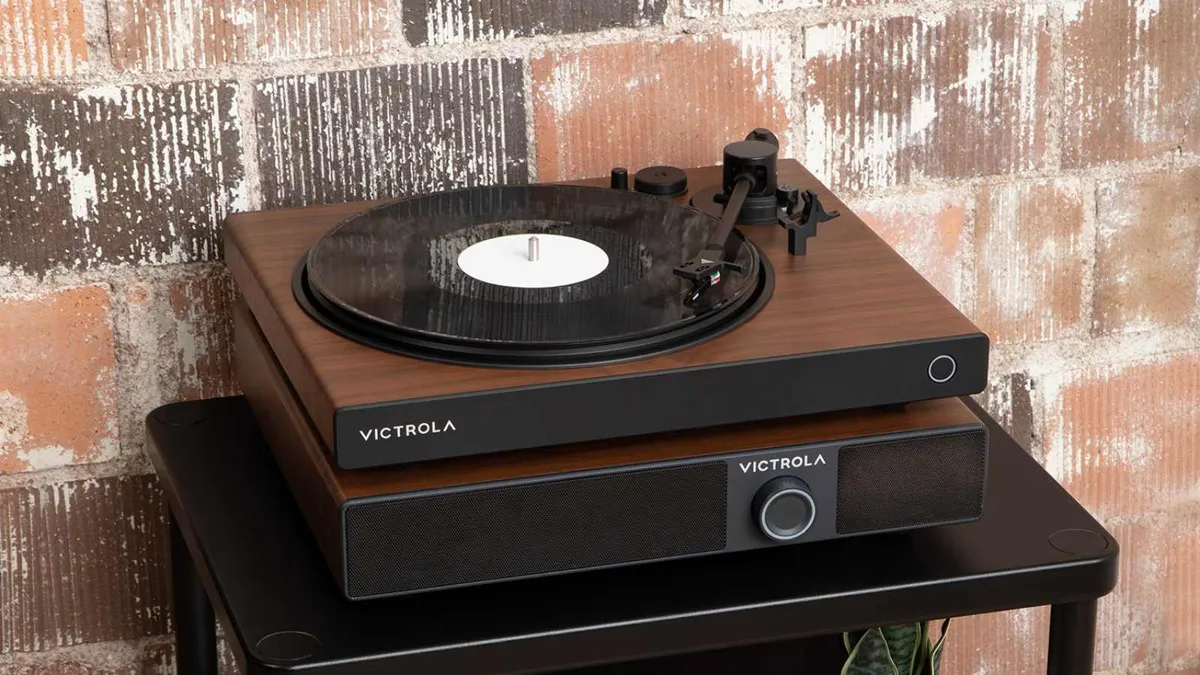
The vinyl revival has been in full swing for years now, but getting into vinyl can be intimidating. You need a turntable, a preamp, speakers, and the knowledge to connect everything properly. It's a lot for someone who just wants to listen to records without becoming an audio engineering expert.
The Victrola Soundstage addresses this by combining a turntable with its own soundbase speaker. You literally just place the record player on top of the integrated speaker system, and you're ready to go. No separate components, no complicated wiring, no steep learning curve.
For vinyl purists who obsess over every component in their audio chain, this probably isn't the product. But for someone who wants to start a record collection without investing thousands of dollars in equipment, the Soundstage at $349.99 represents a genuinely accessible entry point.
The design is clean enough that it won't look out of place in a modern living room, and having everything in one compact unit means it won't dominate your space the way a traditional turntable setup might.
Expected availability is mid-2026.
HP Eliteboard G1a: A PC That's Also a Keyboard
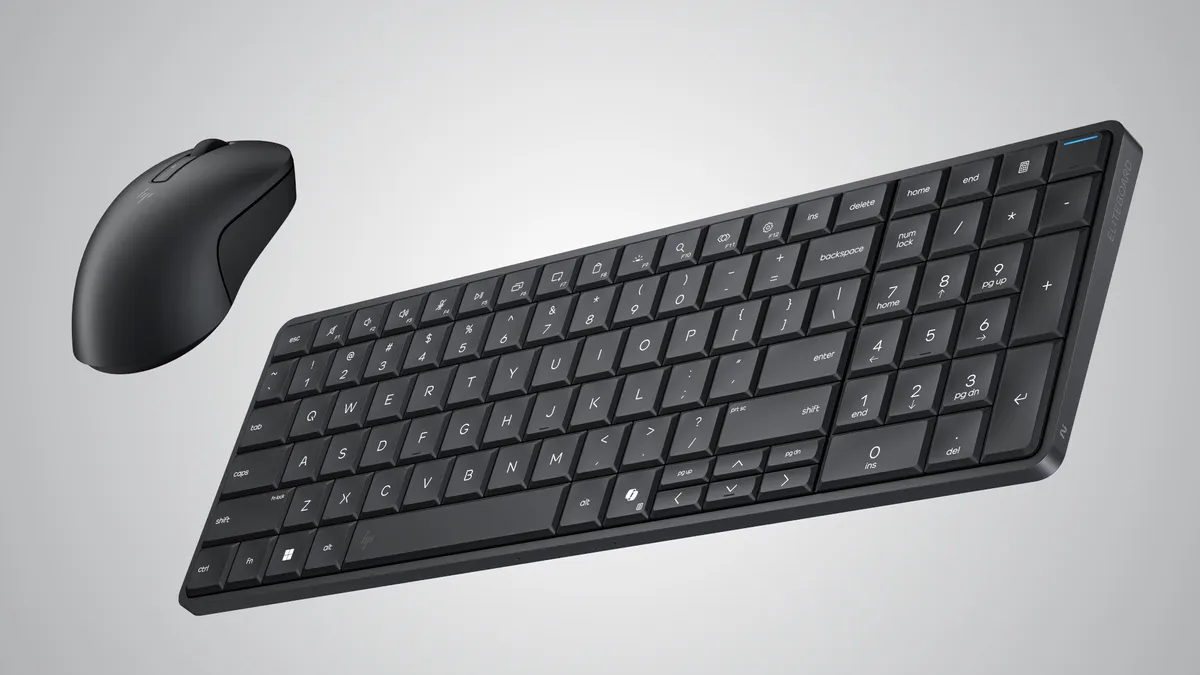
HP is getting creative with form factors, and the Eliteboard G1a is proof of that. This device is essentially an entire PC built into a keyboard. Just connect a monitor and mouse, and you have a fully functional Windows computer.
The internals are powerful enough to qualify as a Copilot+ PC, which means you're getting legitimate computing capability, not just a glorified terminal. For people who frequently move between desks, this offers obvious advantages: instead of carrying a laptop, you just bring the keyboard and plug it into whatever monitor is available.
I can see this being particularly useful in enterprise environments where hot-desking is common, or for technical support staff who need to move between workstations. The form factor also makes sense for home users who want a desktop PC but don't have space for a traditional tower.
Pricing hasn't been confirmed yet, so we'll have to wait and see if the convenience premium is reasonable.
Audio-Technica AT-LP7X: For Serious Vinyl Enthusiasts
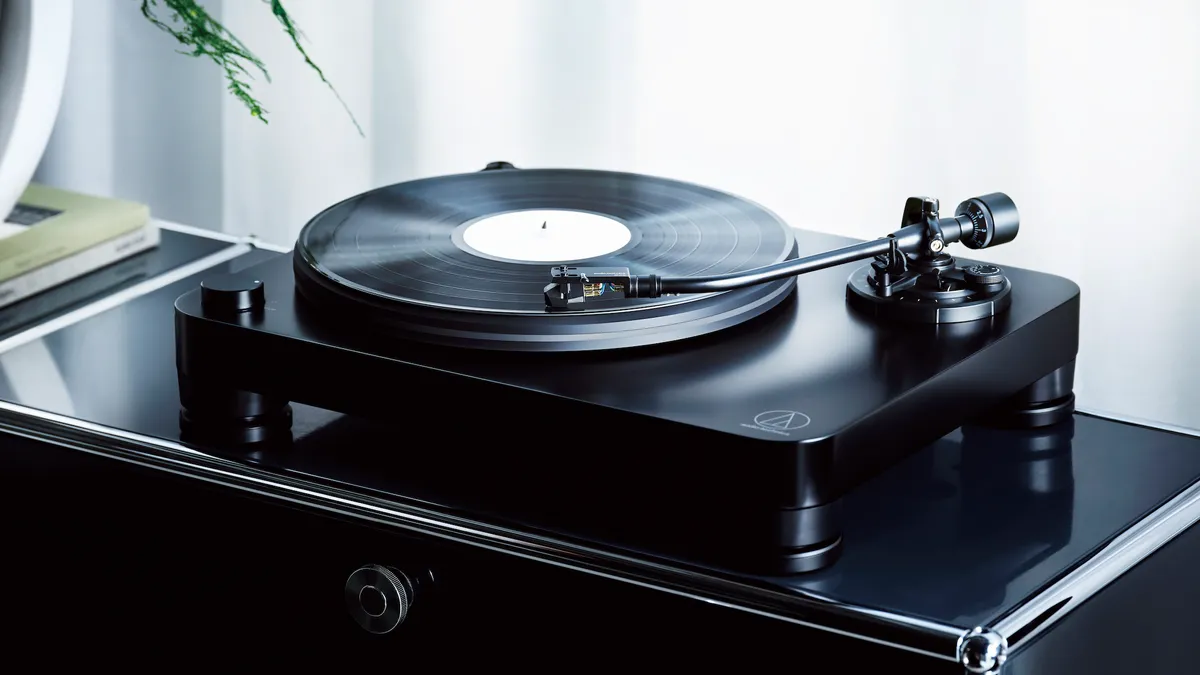
On the opposite end of the vinyl spectrum from the Victrola Soundstage, we have the Audio-Technica AT-LP7X. This is a turntable for people who know what they want and are willing to pay for quality.
The AT-LP7X is a fully manual belt-drive turntable with a built-in phono preamp and wide cartridge compatibility. It's the successor to the AT-LP7 from 2019, which was already well-regarded in audiophile circles.
I didn't get extensive listening time at CES, but the build quality is immediately apparent. The materials feel premium, the design is elegant without being ostentatious, and Audio-Technica's reputation for quality components is well-earned.
At roughly $679 (converted from UK pricing, around $920), this is definitely an investment. But for vinyl enthusiasts who have outgrown entry-level turntables and want something that will last for years while delivering excellent sound quality, the AT-LP7X looks like a strong contender.
The Bigger Picture: What CES 2026 Day 2 Tells Us About Tech in 2026
Stepping back from individual products, there are some themes that emerged from Day 2 that feel significant.
First, physical interfaces are making a comeback. The Clicks Communicator, Dell bringing back real function keys, Lego's tangible Smart Bricks: there's clearly a recognition that touchscreens aren't the answer for everything. After years of removing buttons and physical controls, manufacturers are realizing that sometimes tactile feedback just works better.
Second, AI is being integrated more thoughtfully. Previous CES shows often featured AI as a buzzword without much substance. This year, I'm seeing AI features that actually solve real problems: bird identification, natural language TV controls, intelligent laptop battery management. The hype is evolving into genuine utility.
Third, premium products are getting more premium. The Dell XPS 14 starts at over $2,000. The Clicks Communicator is $500. Even the Lego Smart Play sets command significant premiums over traditional bricks. Companies seem increasingly confident that consumers will pay more for genuinely innovative products rather than racing to the bottom on price.
Finally, there's a growing recognition that screens aren't always the answer. The Luna Band's screenless approach, the Timeli Flashlight's dedicated physical button for emergencies, Lego's deliberate decision to avoid requiring an app: products are being designed around the idea that sometimes less digital interface means better user experience.
What I'm Most Excited to Test Further
If I had to pick three products from Day 2 that I'm most eager to spend more time with, they would be:
The Dell XPS 14, because if the battery life claims hold up and Intel's integrated graphics can really replace discrete GPUs for creative workflows, this could become my new daily driver recommendation.
The Lego Smart Bricks, because watching kids (and let's be honest, adults) interact with responsive, intelligent building blocks is going to be fascinating, and I want to see how the technology holds up to actual play sessions.
And the Clicks Communicator, because I genuinely miss physical keyboards on phones, and I want to know if this can be a viable primary device or if it's truly limited to being a secondary "communication-focused" gadget.
FAQ
What is the Clicks Communicator and how much does it cost?
The Clicks Communicator is a new Android smartphone with a built-in physical QWERTY keyboard, designed by Clicks, the company known for making keyboard accessories for iPhones. It runs Android 16, features a 4.03-inch OLED display, and includes modern features like a fingerprint scanner in the spacebar, 5G connectivity, and expandable storage. The regular price is $499, but early buyers who place a $199 deposit before February 27, 2026 can get it for $399. It's shipping later in 2026.
Why did Dell bring back the XPS brand?
Dell admitted that their 2025 decision to rebrand their laptop lineup away from XPS was a mistake. The company acknowledged they "underperformed" and "didn't listen" to customer feedback. The new XPS 14 and XPS 16 represent not just a return of the brand name, but a significant redesign that addresses major complaints about previous models, including restoring physical function keys and fixing the invisible trackpad design.
What are Lego Smart Bricks?
Lego Smart Bricks are traditional 2×4 Lego bricks with embedded technology including a custom ASIC chip, accelerometer, light sensors, speaker, and LED array. They're part of a new Smart Play system that also includes Smart Tags and Smart Minifigures. The bricks can communicate with each other wirelessly, make sounds based on how they're being played with, and respond to nearby Smart Tags that tell them what kind of object to behave as. No smartphone app is required during play.
When do Lego Smart Play sets release and how much do they cost?
The first three Lego Smart Play sets launch on March 1, 2026, with pre-orders starting January 9, 2026. All three are Star Wars themed: Darth Vader's TIE Fighter ($69.99, 473 pieces), Luke's Red Five X-Wing ($99.99, 584 pieces), and Throne Room Duel & A-Wing ($159.99, 962 pieces). Each set includes at least one Smart Brick, Smart Minifigure, and Smart Tag.
What processors power the new Dell XPS 14 and XPS 16?
The new Dell XPS laptops use Intel's Core Ultra Series 3 processors, codenamed Panther Lake. Options range from the 8-core Core Ultra 5 325 and Core Ultra 7 355 to the 16-core Core Ultra X7 358H and Core Ultra X9 388H. These chips include Intel Arc integrated graphics, and notably, Dell has removed the discrete GPU option entirely for this generation.
How much battery life does the Dell XPS 14 offer?
Dell claims up to 27 hours of battery life with the 2K LCD display option for streaming video, and over 40 hours for local video playback. The OLED display option will have shorter battery life. These claims are impressive but will need real-world testing to verify.
What makes the Shokz OpenFit Pro different from other open earbuds?
The Shokz OpenFit Pro features what Shokz calls "noise reduction" technology that actively reduces ambient sounds while still maintaining the open-ear design. This is unusual because open earbuds typically don't offer any noise cancellation. The feature is adjustable with multiple levels and is designed for moderately noisy environments like gyms or coffee shops.
What is the Timeli Flashlight's emergency feature?
The Timeli Flashlight includes GPS tracking, video recording, and a dedicated emergency button that connects directly to dispatchers who can send help to your location. The flashlight costs $299 and includes one year of emergency dispatch service, with subscription fees applying after that.
Can the Luna Band replace a Whoop for fitness tracking?
The Luna Band is positioning itself as a Whoop alternative with one key difference: no subscription fee. It tracks similar metrics including heart rate, sleep, activity, and recovery, and uses voice commands instead of a screen for interaction. However, pricing hasn't been confirmed yet, so direct comparison will need to wait for final details.
When can I buy the new Dell XPS laptops?
The Dell XPS 14 and XPS 16 went on sale January 6, 2026 in limited configurations, starting at $2,049.99 for the XPS 14 and $2,199.99 for the XPS 16. Additional configurations, including more affordable starting options under $2,000, are expected in February 2026.
Is the HP Eliteboard G1a a full PC?
Yes, the HP Eliteboard G1a is a complete Windows PC built into a keyboard form factor. It's powerful enough to qualify as a Copilot+ PC, meaning it meets Microsoft's requirements for AI-powered Windows features. You just need to connect a monitor and mouse to use it as a regular desktop computer.
What's special about the Birdbuddy 2 Mini?
The Birdbuddy 2 Mini combines a bird feeder with a 2K camera that uses AI to identify birds by both their appearance and their songs. It's a more compact and affordable version of the original Birdbuddy, priced at $129, and works with a companion app that logs sightings and helps users learn about different species.
Related Articles
 Dani
Dani
 Dani
Dani
 Dani
Dani