I've been covering CES for years, and I'll be honest with you — this year felt different. After walking over 40 miles across the Las Vegas Convention Center floor (yes, my feet are still complaining), I can confidently say that CES 2026 wasn't just another parade of vaporware and AI-everything marketing speak.
Don't get me wrong — I heard "AI" approximately 47,000 times this week. But buried beneath all that buzzword bingo, I found genuine innovations that made me stop, pull out my phone, and immediately text my friends: "You have to see this."
What struck me most wasn't any single product. It was how the best gadgets at this year's show managed to integrate artificial intelligence in ways that felt genuinely useful rather than gimmicky. A refrigerator that actually reads expiration dates. A wearable that helps you understand your emotions. A headset that can apparently make you better at video games by reading your brainwaves. Wild stuff.
So after four exhausting but exhilarating days, here are the 27 products that earned a spot on my Best of CES 2026 list. These aren't just the flashiest gadgets — they're the ones I genuinely believe will make a difference when they hit shelves.
Best of Show: Intel Core Ultra Series 3
Let's start with the product that arguably matters most for the entire tech industry. Intel's Core Ultra Series 3 processors — codenamed Panther Lake — represent something genuinely historic: the first computing platform built on Intel's 18A process node, designed and manufactured entirely on American soil.
But here's what actually matters to you and me: these chips are fast. Really fast. Intel claims up to 60% better multithreaded performance compared to their Lunar Lake predecessors, along with 77% faster gaming performance. Those sound like typical CES marketing numbers, but the demos I saw backed them up.
The moment that made me a believer? Watching Battlefield 6 run at over 140 frames per second at the highest settings — without a dedicated GPU. Just the integrated graphics. For years, integrated graphics meant you were settling for bare-minimum performance. Panther Lake obliterates that assumption.
The battery life claims are equally impressive. Intel is promising up to 27 hours of video streaming on certain laptop configurations. That's not quite MacBook Air territory, but it's getting remarkably close for an x86 Windows machine.
What excites me most is the timing. With over 200 laptop designs already planned from Intel's partners, we're going to see Panther Lake everywhere — from ultraportable productivity machines to gaming handhelds. Intel even teased a dedicated gaming handheld platform built on this architecture, with more details coming later this year.
Laptops with Panther Lake inside hit stores on January 27, and pre-orders opened on January 6. If you're in the market for a new laptop this year, I'd strongly suggest waiting to see what these chips deliver in real-world testing.
Best Design: LG OLED evo W6 Wallpaper TV
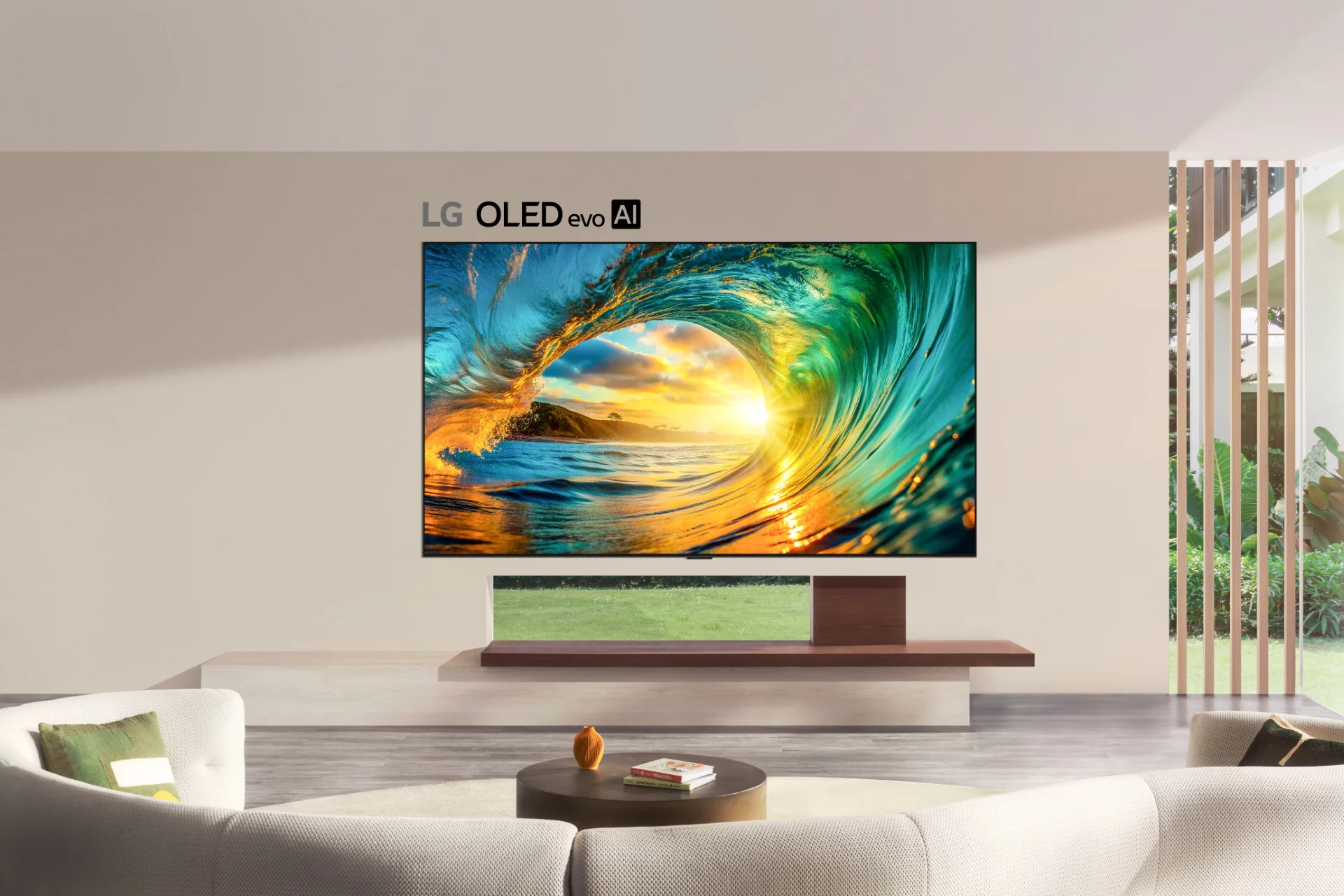
A pencil. That's the comparison LG keeps making, and having seen this TV in person, I understand why. At just 9mm thick, the new LG Wallpaper TV is genuinely breathtaking.
I stood in front of it for a solid five minutes, walking from side to side, trying to wrap my head around how an actual television could be this thin. From certain angles, it practically disappears against the wall. This isn't just clever marketing — it's genuine engineering achievement.
But here's the real story: LG finally cut the cord. The original Wallpaper TV from 2017 required a bulky soundbar that connected via cable, which kind of defeated the whole "wallpaper" aesthetic. The new W6 uses a Zero Connect box that delivers lossless 4K video and audio wirelessly from up to 10 meters away at 165Hz. You just need power to the TV itself.
The picture quality upgrades are substantial too. LG's new Hyper Radiant Color Technology improves black levels, color vibrancy, and brightness. The company claims brightness up to 3.9 times higher than conventional OLEDs, and it's earned Intertek's first-ever "Reflection Free Premium" certification, meaning it handles bright rooms better than any LG TV before it.
For gamers, there's 4K at 165Hz support with G-SYNC compatibility, AMD FreeSync Premium, and a 0.1ms response time.
The catch? Pricing isn't announced yet, but the original Wallpaper TV started at $7,999 for the smaller size. LG has indicated the W6 won't be dramatically more expensive than their flagship G6 series, so expect something in the "very premium but maybe attainable" range. It'll be available in 77-inch and 83-inch sizes later this year.
Best Robot Vacuum: Roborock Saros Rover
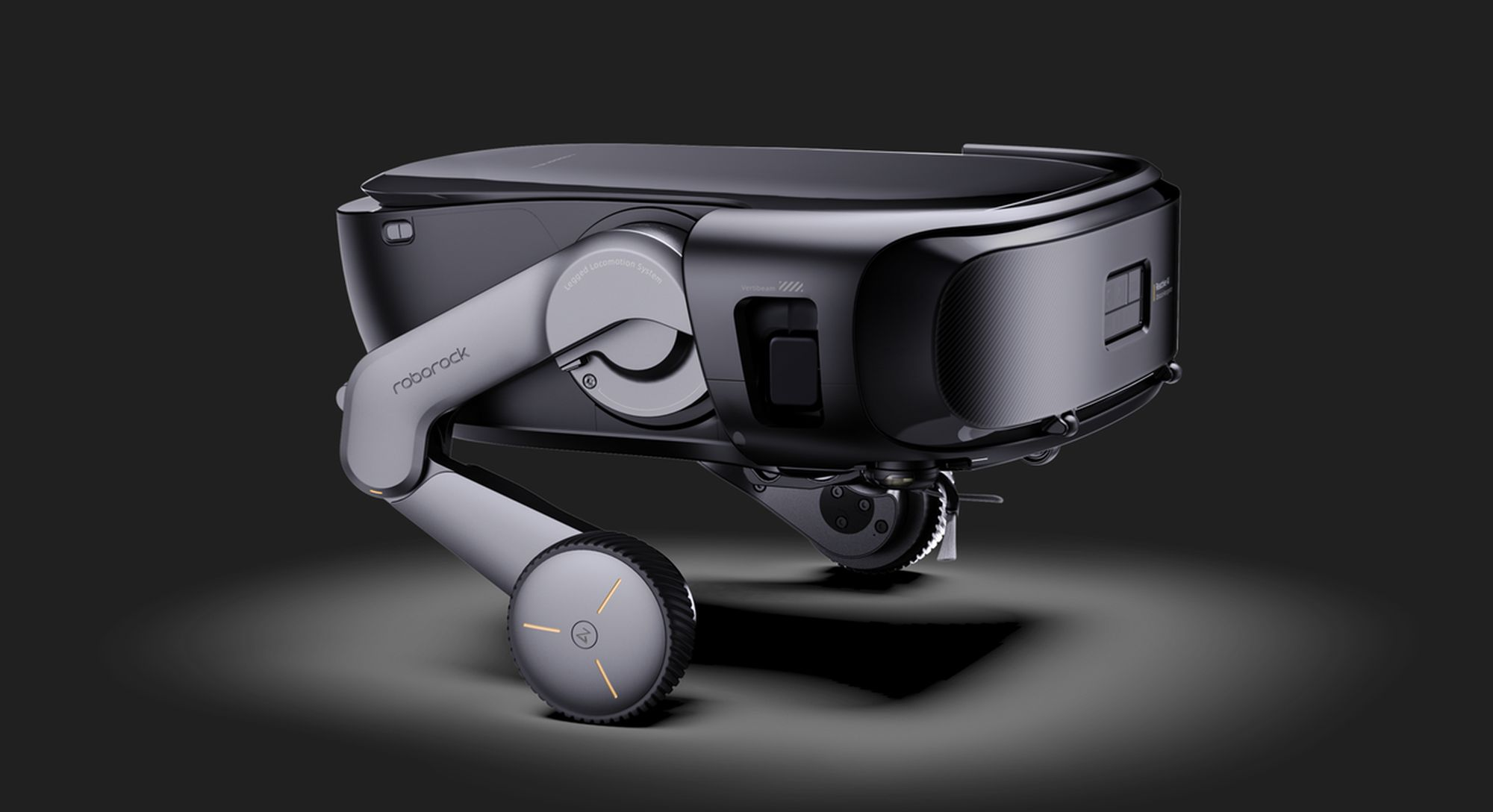
Okay, I need you to understand something: I watched a robot vacuum jump at CES this year. Actually jump. Up and down. Like it was doing a little celebration dance.
The Roborock Saros Rover is the first robot vacuum with what Roborock calls a "wheel-leg architecture." It has two extendable legs with wheels at the end that can raise and lower independently, allowing the robot to maintain a level body while traversing uneven terrain.
Translation: it can climb stairs. And not just climb them — it vacuums each step as it goes.
I stood there watching this thing navigate a demonstration staircase, methodically working its way up while cleaning, and my mind genuinely couldn't process what I was seeing. For years, the stairs have been the ultimate limitation for robot vacuums. You either needed a second robot on the upper floor or you carried it up yourself. The Saros Rover just... walks up.
It can handle straight staircases, curved staircases, carpeted stairs with bullnose fronts — basically any residential stair configuration. The AI system uses 3D spatial information and motion sensors to understand its environment and make precise movements. In the demos, it glided down ramps, leaned back and forth on each leg, and yes, executed small jumps.
Here's the reality check: Roborock says the Saros Rover is "a real product in development" with no confirmed launch date or price. Industry estimates suggest it could land around $3,000 when it eventually ships. That's expensive, but for a multi-story home owner who dreams of truly automated cleaning, this could be the robot that finally delivers.
Best TV: Hisense RGB MiniLED 116UXS
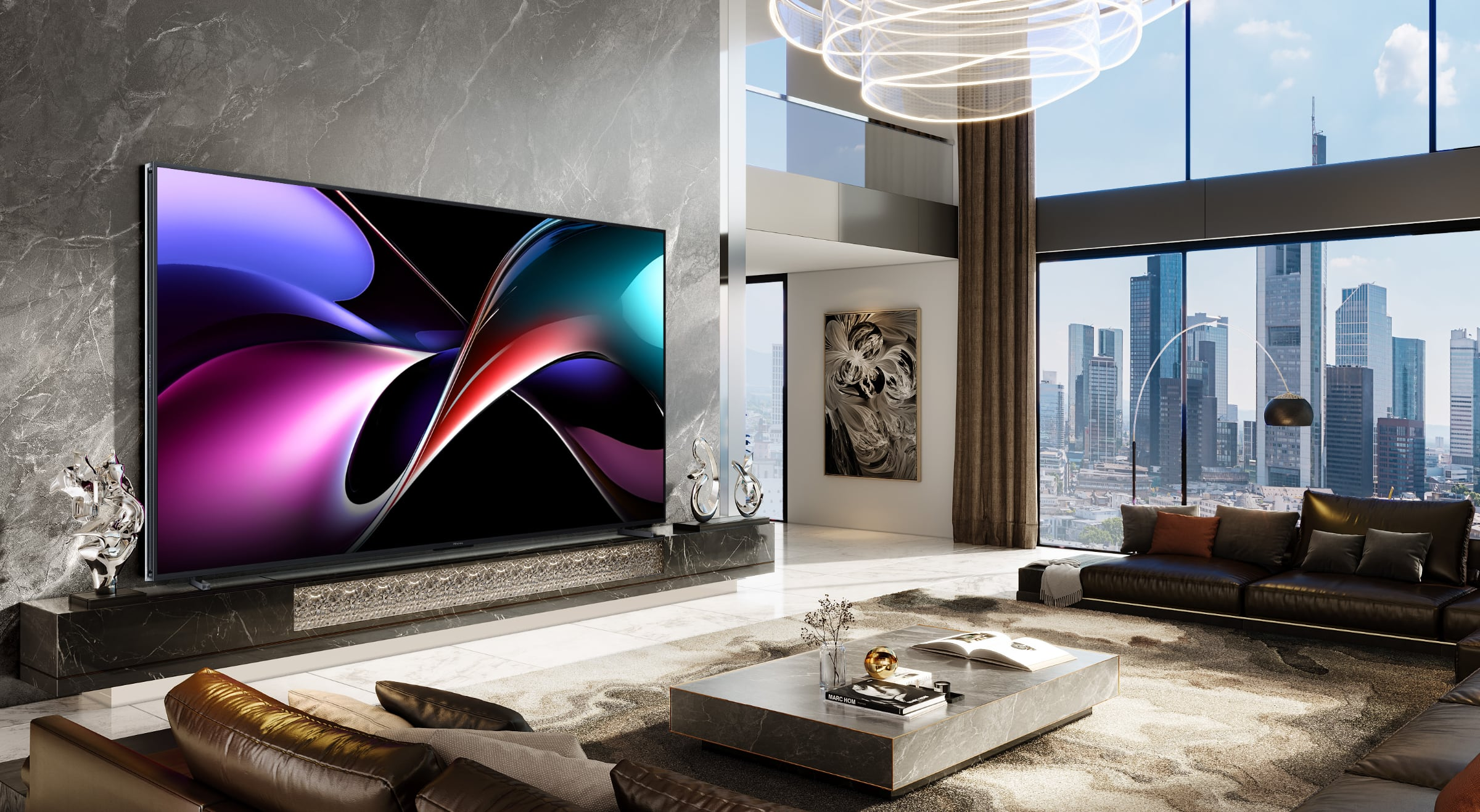
Walking the CES floor, you couldn't escape RGB MiniLED technology. Every TV brand had their version. But when I stood in front of the Hisense 116UXS, I understood why this particular implementation deserves special recognition.
Hisense pioneered RGB MiniLED last year, and with the 116UXS, they've pushed the technology further by adding a fourth color to the traditional red, green, and blue backlight structure: cyan. They're calling it "RGB MiniLED evo."
Why does cyan matter? Our eyes are particularly sensitive to the blue-green portion of the spectrum. By adding cyan, the 116UXS can render skies, water, and teal-green tones with remarkable accuracy. The result is color coverage exceeding 110% of BT.2020 — essentially, more realistic color than almost any TV on the market.
When I watched demo footage on this thing, the colors looked almost overwhelming at first. But not in the oversaturated, artificial way that cheap TVs achieve brightness. The blues were richer. The greens were more nuanced. Golden hour scenes had depth I've rarely seen from any display technology.
The Hisense 116UXS uses their Hi-View AI Engine RGB processor to control tens of thousands of dimming zones. It supports Dolby Vision 2 and comes with a Devialet-tuned 6.2.2 audio system. The nearly bezel-free design and 1.57-inch profile keep attention on the picture.
The downside: at 116 inches, this is a statement piece. You're not fitting it into most living rooms. Hisense hasn't announced pricing yet, but their current 116UX runs nearly $30,000. Think of this as the technology showcase — the good news is Hisense is bringing RGB MiniLED to their more mainstream UR8 and UR9 series in sizes from 55 to 100 inches at much more accessible prices.
Best Concept: Lenovo Legion Pro Rollable
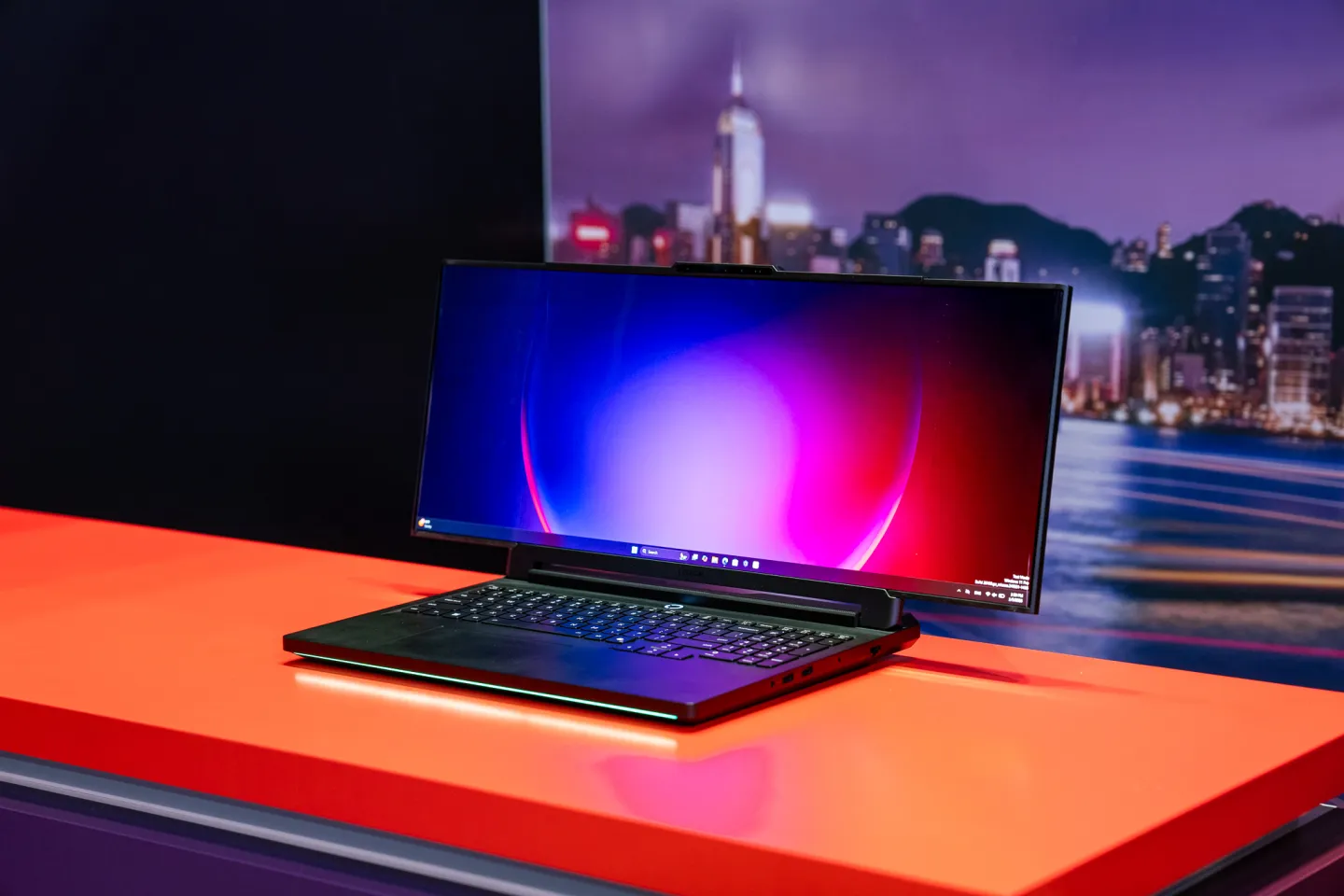
Lenovo loves bringing rollable display concepts to CES, and I've learned to approach them with healthy skepticism. They're usually impressive technology demonstrations that never actually become products.
But the Legion Pro Rollable made me want to beg Lenovo to actually build it.
The concept is elegantly simple: a gaming laptop with a 16-inch display that can physically expand to 24 inches at a 24:9 aspect ratio. The extra screen doesn't just magically appear from nowhere — it rolls up from behind the lid and extends upward, giving you an ultrawide gaming experience that you can take anywhere.
The panel operates at 240Hz, making it genuinely viable for competitive gaming. When you're done playing something that benefits from the extra width, you roll it back down to a standard 16:9 aspect ratio and have a perfectly normal 16-inch laptop.
I spend way too much time wishing I could take my ultrawide monitor setup on trips. The Legion Pro Rollable addresses that exact problem. Play a racing sim with that peripheral vision advantage. Watch a movie in its proper widescreen format. Then fold everything up and slip it into your bag.
The catch? This is explicitly a concept with no confirmed production timeline or pricing. But the fact that it works — that Lenovo had a functional prototype on the show floor — suggests this isn't pure fantasy. Here's hoping they actually follow through.
Best Innovation: Samsung's Crease-Free Display
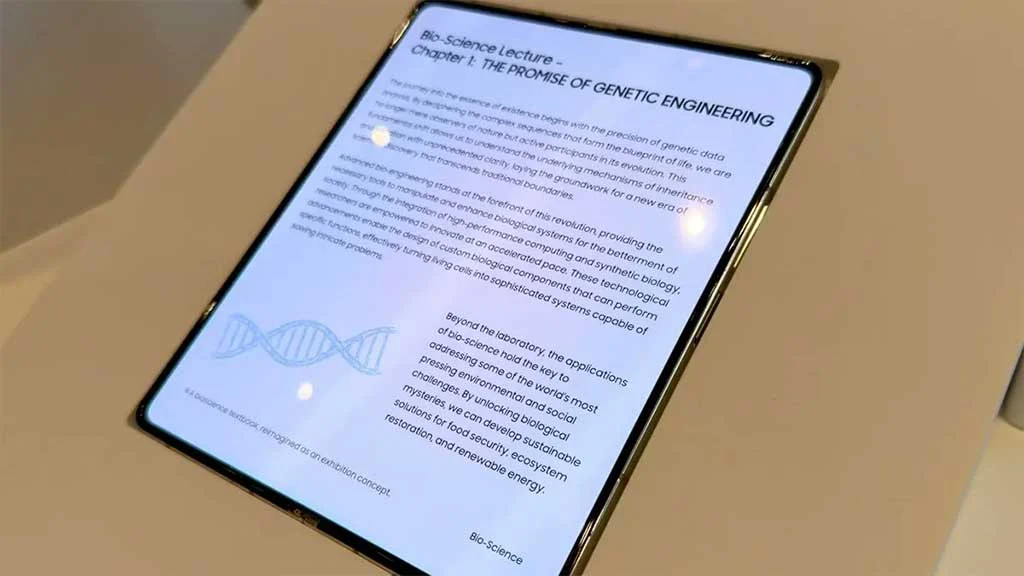
If there's one complaint that has dogged every foldable phone since they first appeared, it's the crease — that visible line down the middle of the display that constantly reminds you the screen folds.
Samsung Display may have just solved it.
At CES 2026, I got to see and touch Samsung's "Mont Flex" prototype display. The key word there is "touch" — I ran my finger across where the fold should be, and I couldn't see or feel anything. The display was completely smooth. Text remained seamless across the fold from every angle I tried.
Samsung achieved this using laser-drilled metal plates that distribute bending stress across a wider area instead of concentrating it along a single fold line. Rather than managing an inevitable crease, they've actually addressed the underlying physics that creates it.
Why does this matter beyond Samsung phones? Because Apple is reportedly working on a foldable iPhone, and Samsung Display is their supplier for this technology. If Apple's rumored 2026 iPhone Fold launches with a crease-free display, this is the technology that makes it possible.
Samsung explicitly presented this as an R&D concept without confirming which devices will use it. But the Galaxy Z Fold 8 launches this summer, and the timing seems too coincidental. Either way, the crease problem that has plagued foldables for years may finally have a solution.
Best Use of AI: Gemini in Samsung Family Hub
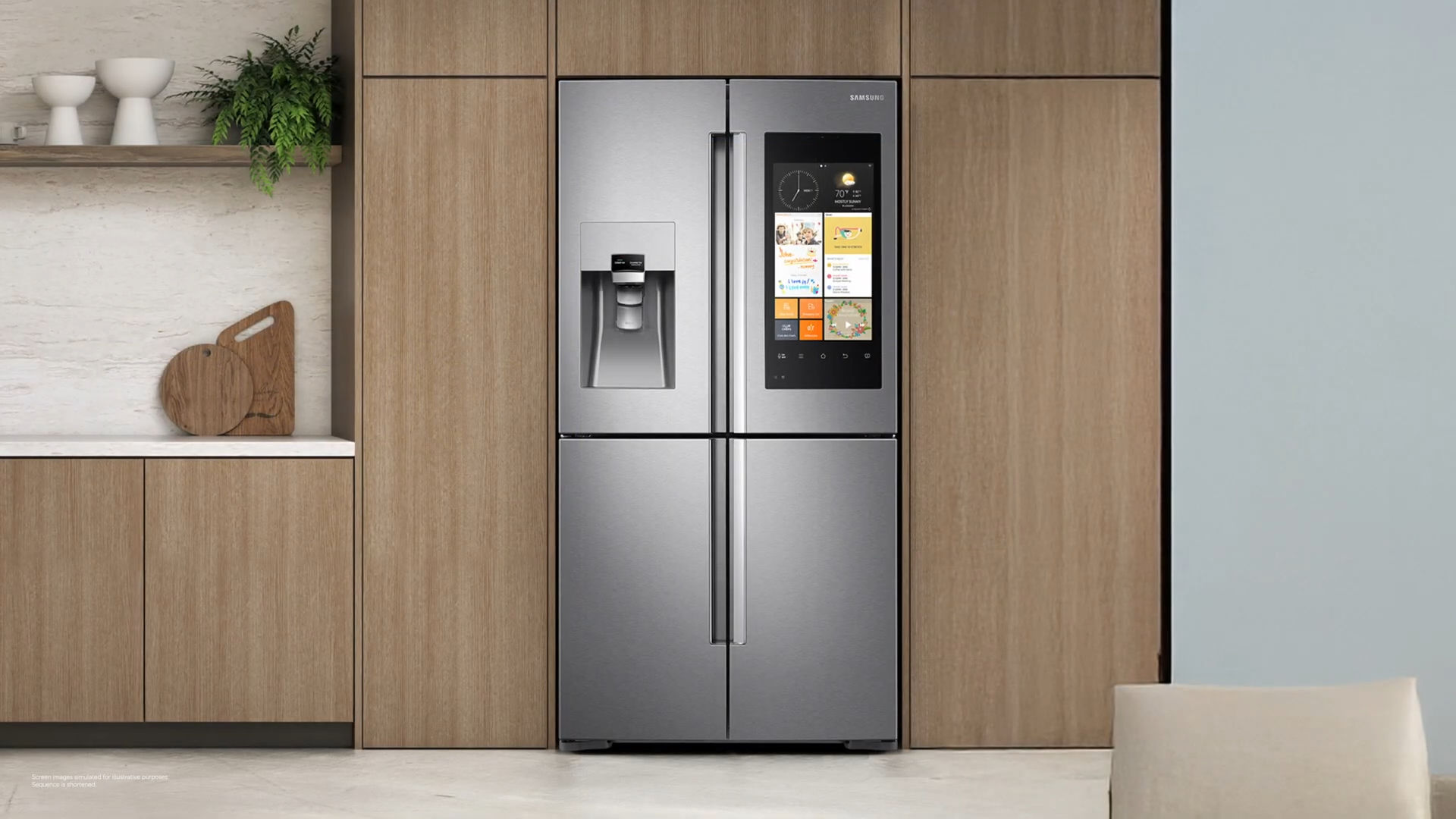
I've been testing Samsung's Family Hub refrigerator for months. The internal camera that tracks what food you're taking in and out is genuinely useful, but its limited database meant I was constantly correcting misidentified items.
At CES 2026, Samsung announced that the Family Hub is getting Gemini integration — and the implications are significant.
Instead of relying on a limited internal database, the AI can now read labels. Your milk's expiration date. The brand of cheese you bought. The specific variety of yogurt. This transforms the fridge from a "sometimes helpful" gadget into something that can actually manage your food inventory.
More importantly, it learns your patterns. The system will notice which ingredients you use regularly and can proactively suggest when you might need to restock — potentially even adding items to your shopping list before you run out.
Samsung's VP for Digital Appliances made a promise that caught my attention: if this system can save him a last-minute trip to buy eggs, he's all in. I feel that sentiment deeply. The number of times I've started cooking only to realize I'm missing a key ingredient is embarrassing.
The Gemini integration is coming later this year to existing Family Hub models through a software update. Finally, a refrigerator AI that might actually be worth using.
Best AI Wearable: Nirva

The "AI wearable" category has produced some cringe-worthy products over the past few years. Nirva is different — it looks like actual jewelry and does something genuinely novel: it helps you understand your emotions throughout the day.
The device packs dual microphones, an ALS (UV) sensor for light exposure tracking, and an IMU for motion sensing. But the magic happens in the companion app, which analyzes the tone of your voice during conversations and how it changes based on who you're talking to.
The practical application? Understanding which people and situations are "draining your battery" emotionally. The app can track your mood, energy, and stress levels over time, providing insights about patterns you might not consciously recognize.
I was skeptical when I first heard the pitch, but the more I thought about it, the more sense it made. We often know we feel drained after certain interactions but can't articulate why. Having objective data about how your voice tone shifts depending on context could be genuinely illuminating.
You can get personalized guidance by calling or texting Nirva directly — essentially having an AI assistant that knows your emotional patterns. It's not therapy, but it could be a useful tool for self-awareness.
Pricing and availability details weren't fully disclosed, but Nirva feels like the first AI wearable that might actually justify daily wear.
Best Smart Glasses: Xreal 1S
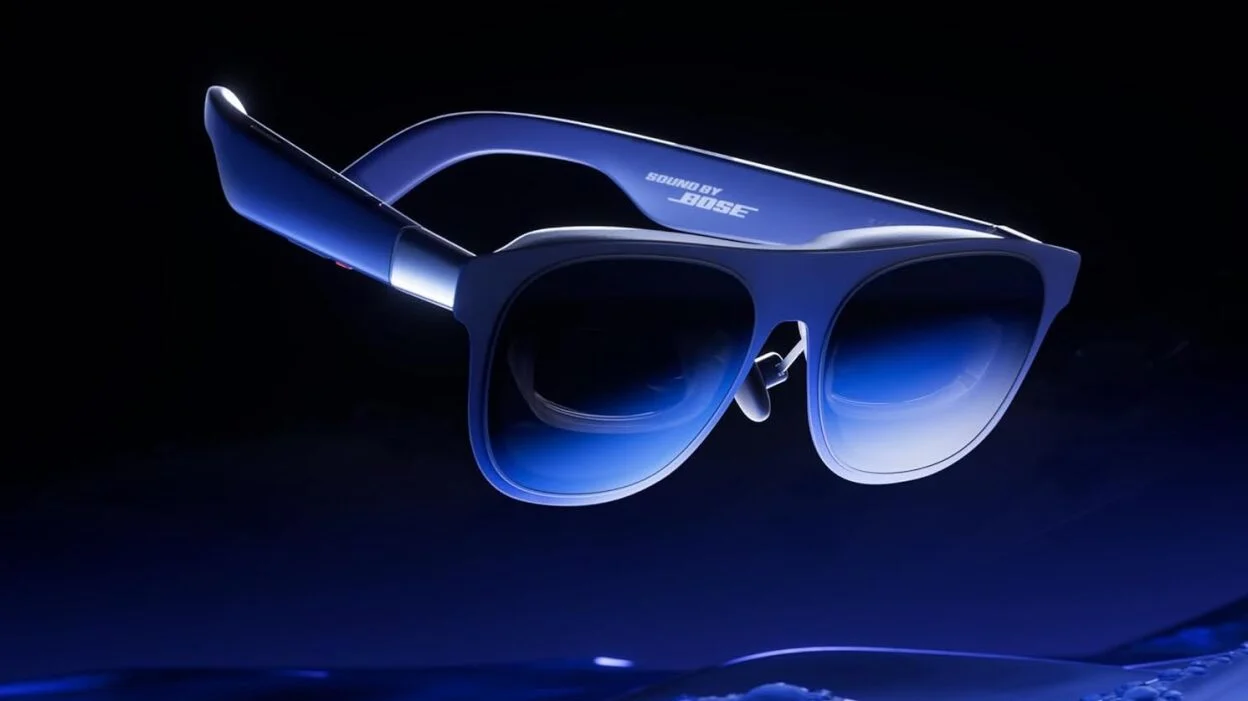
The smart glasses market has exploded, and CES 2026 featured dozens of options. But the Xreal 1S stood out by offering flagship features at a mid-range price — $50 less than their Xreal One while actually improving in key areas.
The display now runs at 1200p in a 16:10 aspect ratio, which adds valuable vertical space for productivity work. The X1 chip handles picture clarity and adds a genuinely impressive feature: real-time 2D to 3D content conversion that actually works well.
For gamers, the optional Neo Hub provides the best way to connect to a Nintendo Switch 2. The glasses deliver a large virtual screen experience that makes handheld gaming feel like playing on a TV.
What impressed me most was how normal these glasses looked. They're not bulky, they're not weird, and the transition from regular glasses to augmented display feels seamless. If you've been curious about AR glasses but put off by high prices or clunky designs, the Xreal 1S represents a compelling entry point.
Best Laptop: Dell XPS 14 (2026)
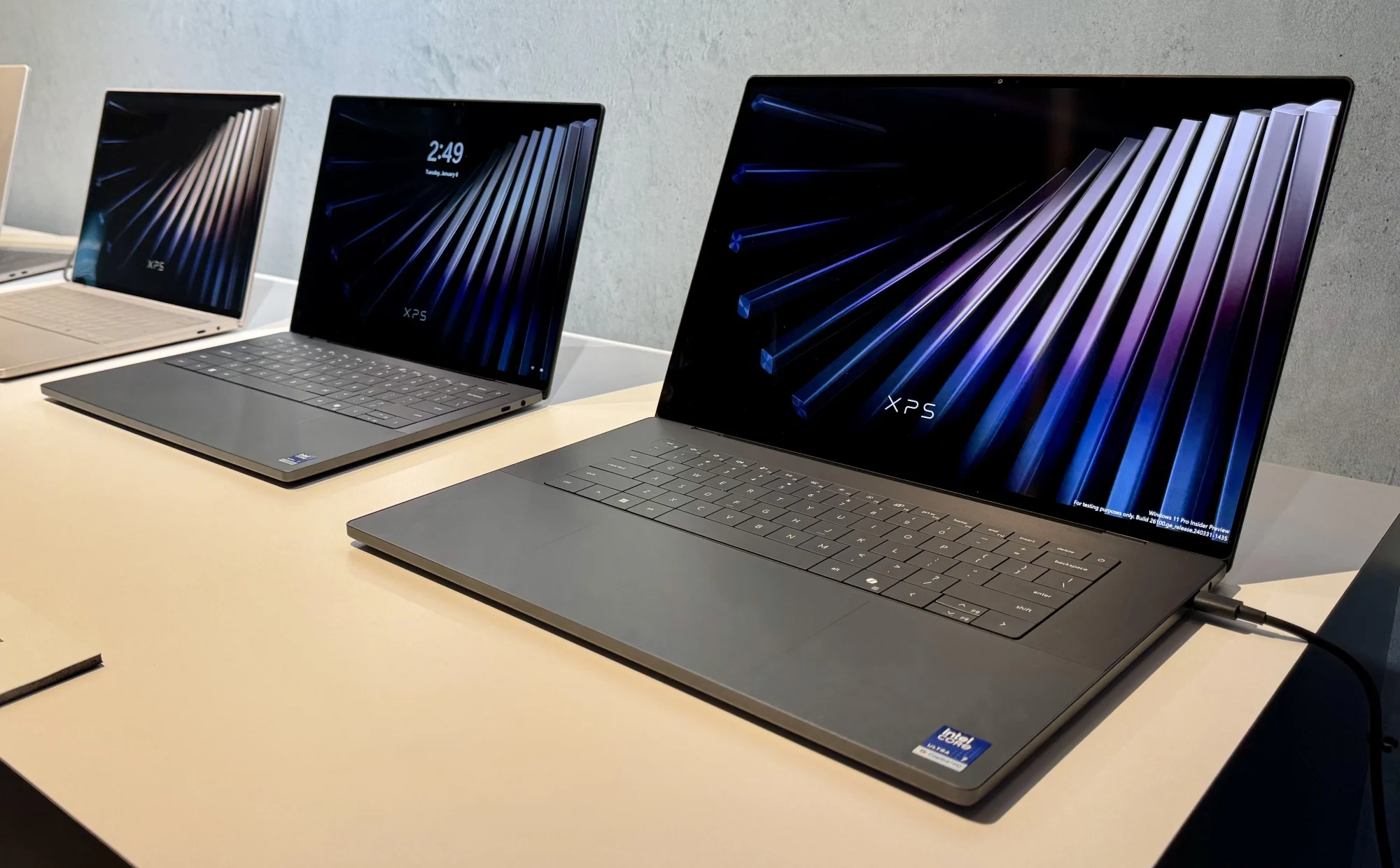
Everyone loves a redemption story, and Dell's XPS 14 delivers one. After the controversial rebrand that killed the XPS name last year, Dell admitted their mistake and brought the iconic brand back in spectacular fashion.
The new XPS 14 addresses virtually every complaint about recent XPS designs. The capacitive touch function keys are gone — replaced by actual, physical function keys that you can feel and press with confidence. The glass trackpad now has subtle etching around the borders, so you can actually tell where it begins and ends. These might sound like minor fixes, but they were genuinely infuriating usability issues that Dell has finally corrected.
Inside, you get Intel's new Core Ultra Series 3 processors with their impressive integrated graphics. The tandem OLED display option stacks two OLED panels for better brightness and efficiency, delivering 400 nits full-screen brightness — better than most desktop OLED monitors.
Battery life claims are remarkable: up to 27 hours of streaming with the standard LCD display, or up to 40 hours of local video playback. The 70Whr battery and 100W USB-C charging should keep most users going through full workdays without panic.
The physical footprint is actually smaller than a MacBook Air, though slightly thicker at 14.6mm. At 3 pounds, it's also impressively light.
The catch? Pricing starts at $2,049, which positions this firmly in premium territory. But if you're looking for a Windows laptop that combines premium build quality with the latest Intel silicon and stunning OLED options, the XPS 14 deserves serious consideration. Available now in limited configurations, with more options coming in February.
Best 2-in-1 Laptop: Asus Zenbook Duo (2026)
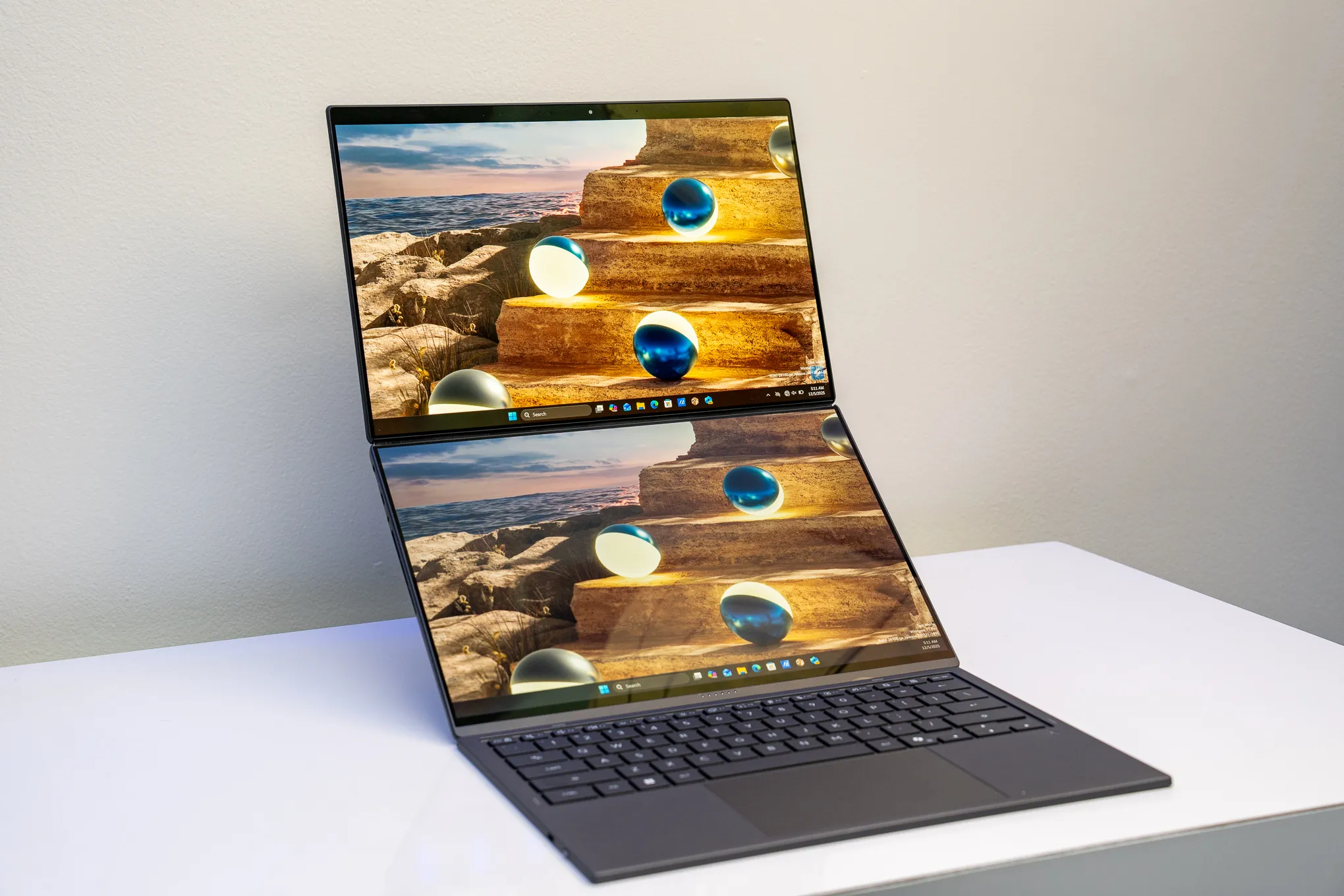
Asus has been iterating on their dual-screen laptop concept for years, and the 2026 Zenbook Duo finally eliminates the frustrations that held previous versions back.
The biggest improvement: that distracting lip between the two 14-inch OLED displays is gone. The screens now flow together more naturally, making the dual-display experience feel cohesive rather than cobbled together.
The battery architecture has been redesigned too. Instead of housing the battery entirely in the bottom half, it's now distributed between both sections for better weight balance. Pick it up, and it feels like a complete device rather than top-heavy science experiment.
Under the hood, you're getting Intel's Core Ultra Series 3 processors, which should deliver the power efficiency this form factor desperately needs. Dual screens eat battery for breakfast, and Panther Lake's improved efficiency could finally make all-day use realistic.
Is a dual-screen laptop for everyone? Absolutely not. But for productivity users who've always wanted more screen real estate, the 2026 Zenbook Duo represents the most refined version of this idea yet. The aluminum chassis is slimmer and sleeker than before, and everything about it feels less like a compromise and more like a genuine product category.
Best Phone: Motorola Razr Fold
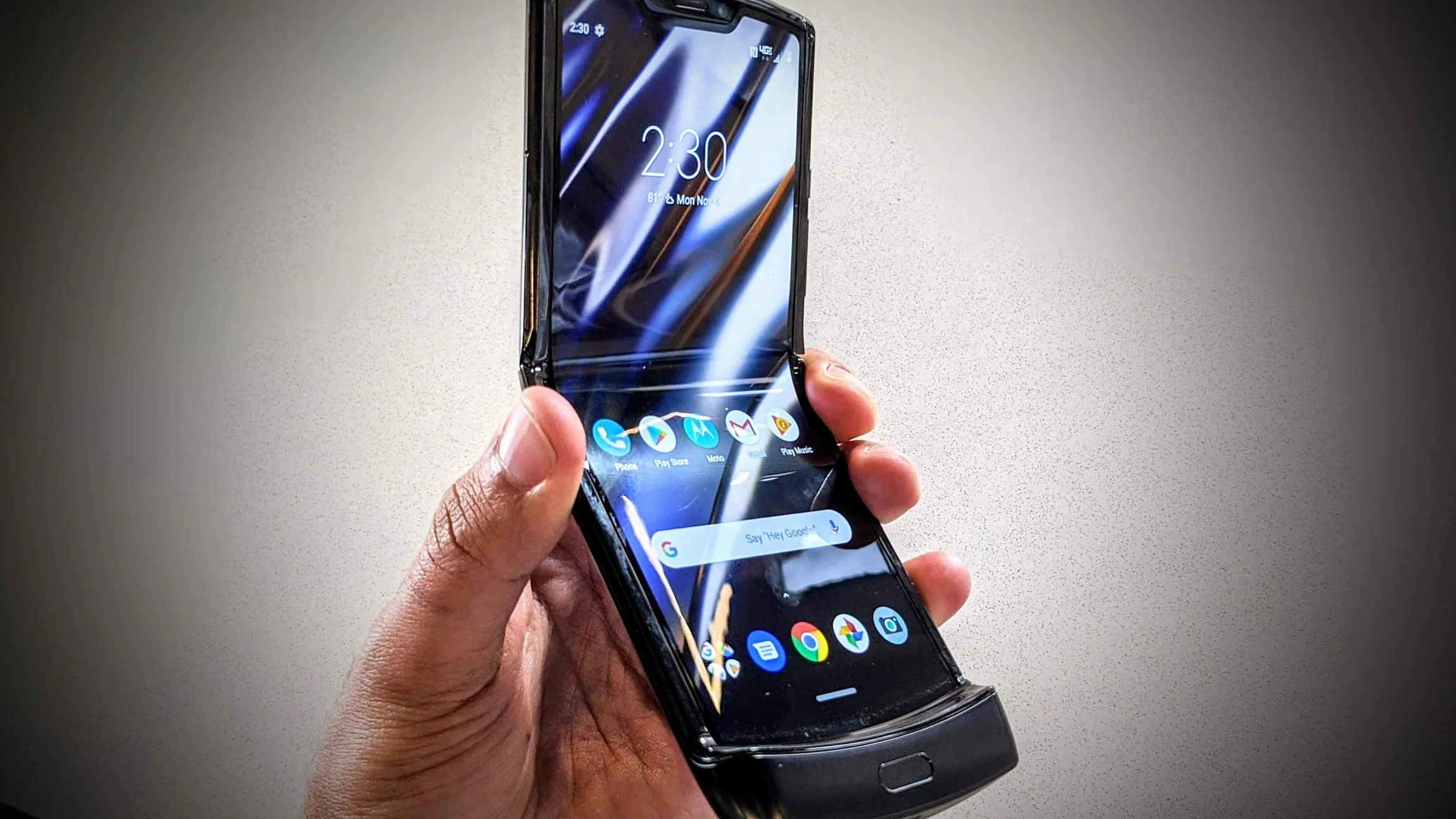
Motorola has been killing it with their Razr flip phones, but they've never competed in the book-style foldable market dominated by Samsung and Google. That changes with the Razr Fold.
The specs are immediately competitive: a 6.6-inch cover display for standard smartphone tasks and an 8.1-inch internal screen when you unfold — slightly larger than the Galaxy Z Fold 7's 8-inch panel. The 2K resolution internal display looks vibrant and crisp.
The triple 50MP camera system uses Sony's LYTIA sensors across main, ultrawide macro, and 3x periscope telephoto lenses. Motorola is clearly targeting camera quality as a differentiator, with Dolby Vision video recording and advanced stabilization.
What caught my attention was the Moto Pen Ultra stylus support — addressing a gap that Samsung actually created by removing S Pen compatibility from recent Fold models. For productivity users who want to write and sketch on their foldable, Motorola just became the better choice.
The phone runs Android 16 with Motorola's clean interface, enhanced by their Qira AI system that works across Motorola and Lenovo devices. Seven years of software updates signal this isn't an experimental product — it's a serious flagship investment.
The soft-touch vegan leather finishes in Pantone colors add visual distinction. Pricing isn't confirmed, but industry estimates suggest around $1,500 when it launches this summer in the US.
Best Monitor: Asus ROG Swift OLED PG34WCDN
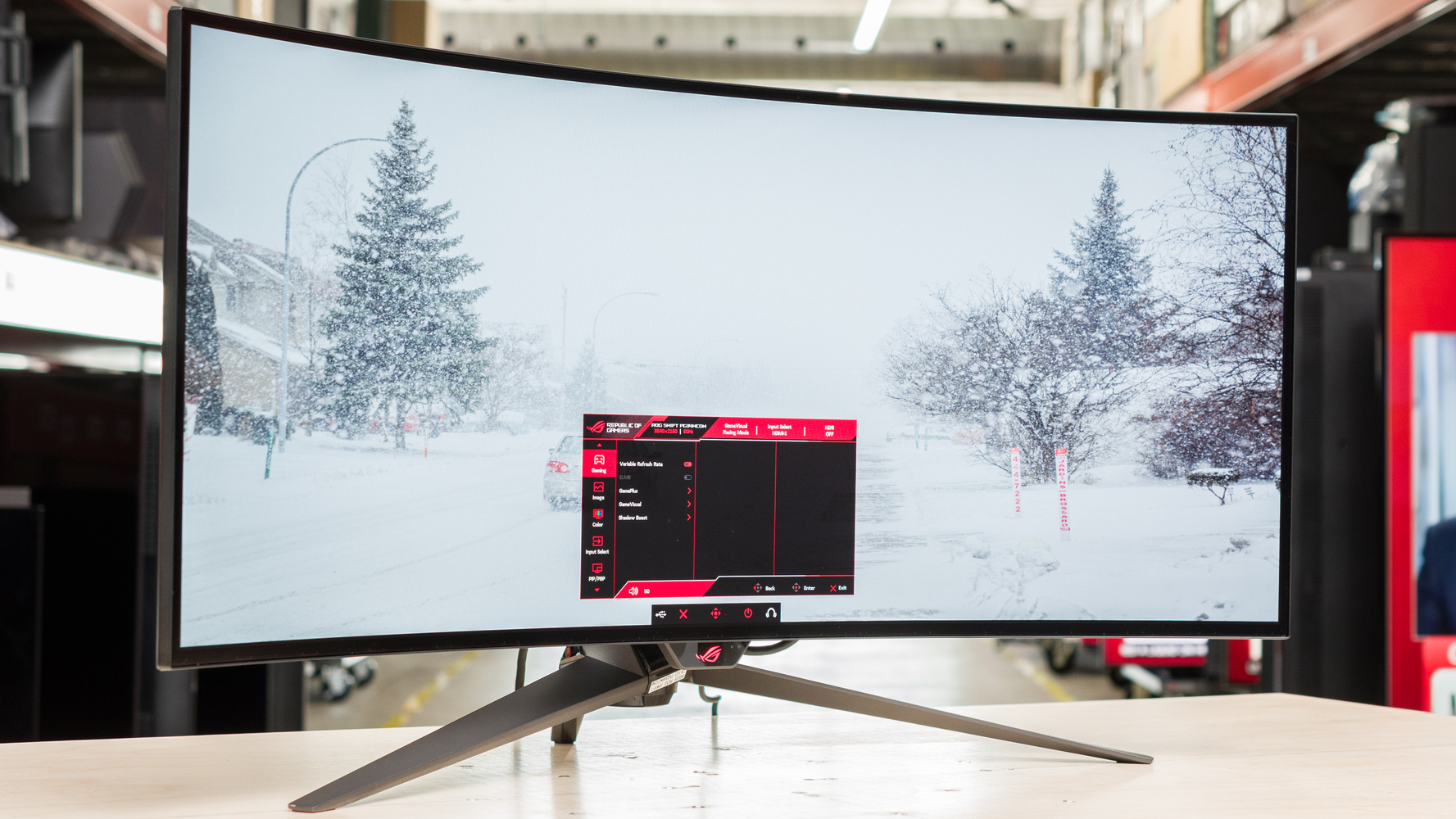
Gaming monitors have reached impressive heights in recent years, but the Asus ROG Swift OLED PG34WCDN pushed my expectations even higher.
This 34-inch curved QD-OLED uses next-generation RGB Stripe Pixel technology, which sounds like marketing jargon until you see it in action. The 1800R curve wraps around your field of vision, and the WQHD (3440 x 1440) resolution delivers crystal-clear detail.
But here's what really matters: Asus claims a 40% improvement in perceived blacks thanks to their ROG BlackShield film technology. OLED already delivers perfect blacks — improving upon that takes serious engineering.
The 360Hz refresh rate and 0.03ms response time push the limits of what's technically possible. Whether human eyes can actually perceive the difference at those speeds is debatable, but for competitive gamers, knowing you have the fastest possible display provides peace of mind.
This is being marketed as the world's first RGB OLED gaming monitor, positioned for both serious gamers and content creators who need accurate colors. If you're building a high-end setup in 2026, this deserves a spot on your short list.
Best Mini PC: Lenovo Yoga Mini i
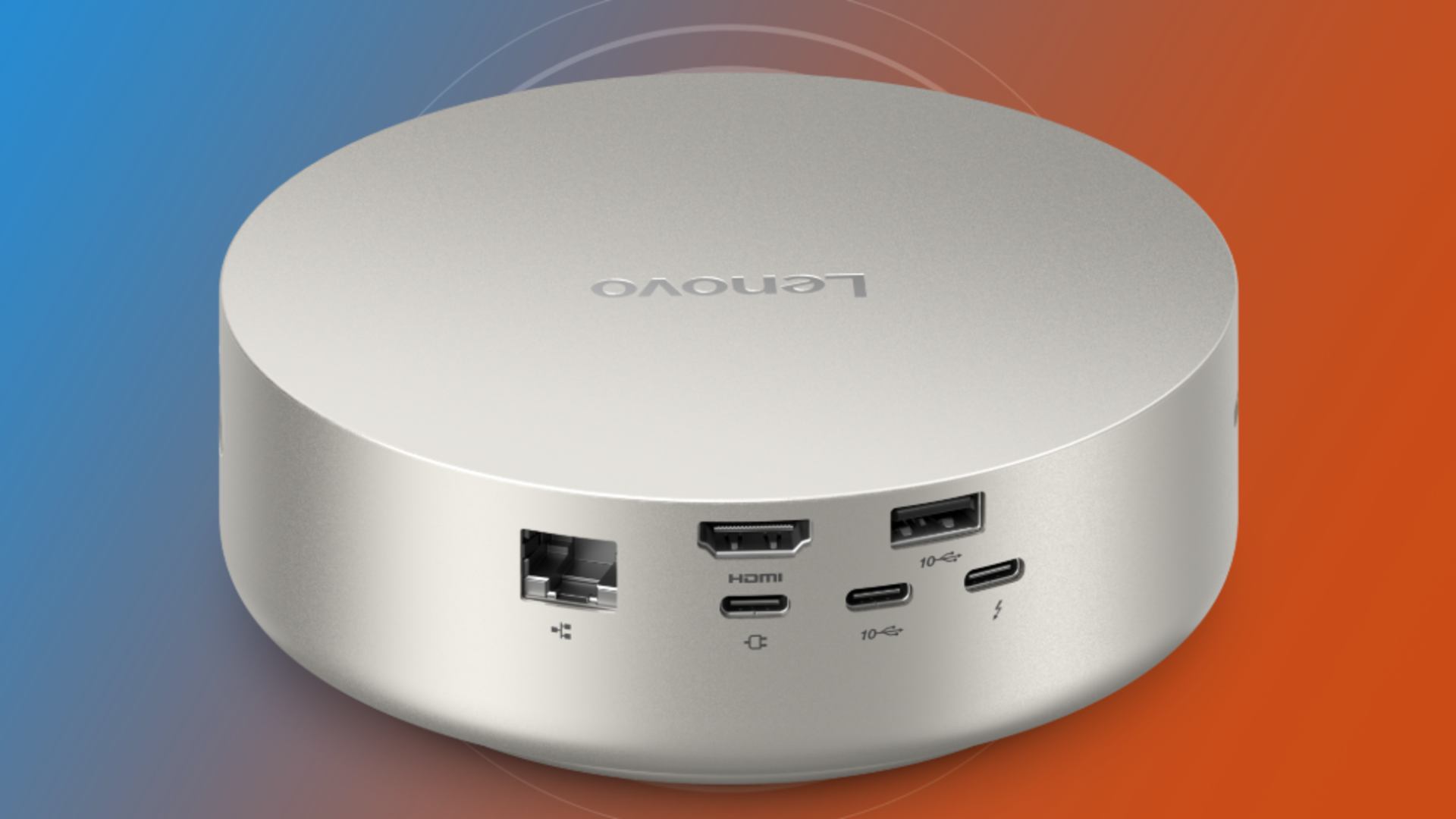
Mini PCs typically live hidden behind monitors or tucked under desks. The Lenovo Yoga Mini i wants to sit front and center on your desk — and for good reason.
The sleek aluminum puck design looks genuinely attractive, not like computing hardware you want to hide. But the design isn't just aesthetic: it's built as a physical hub for Lenovo's new Qira AI assistant.
The device uses Wi-Fi sensing to detect when you approach, greeting you with a customizable RGB underglow. A simple tap on top summons Qira, and built-in far-field microphones let you have a conversation while you work. It's the first mini PC I've seen that makes its presence an intentional part of the user experience rather than an afterthought.
Under the hood, you get Intel's new Core Ultra Series 3 processors, dual Thunderbolt 4 ports, and a fingerprint reader integrated into the power button. It's capable computing hardware that happens to also serve as an AI interaction point.
Whether the Qira AI assistant proves useful enough to justify the form factor remains to be seen, but the concept is intriguing: transforming the boring mini PC into something you actually want on your desk.
Best Gaming Peripheral: HyperX Clutch Tachi
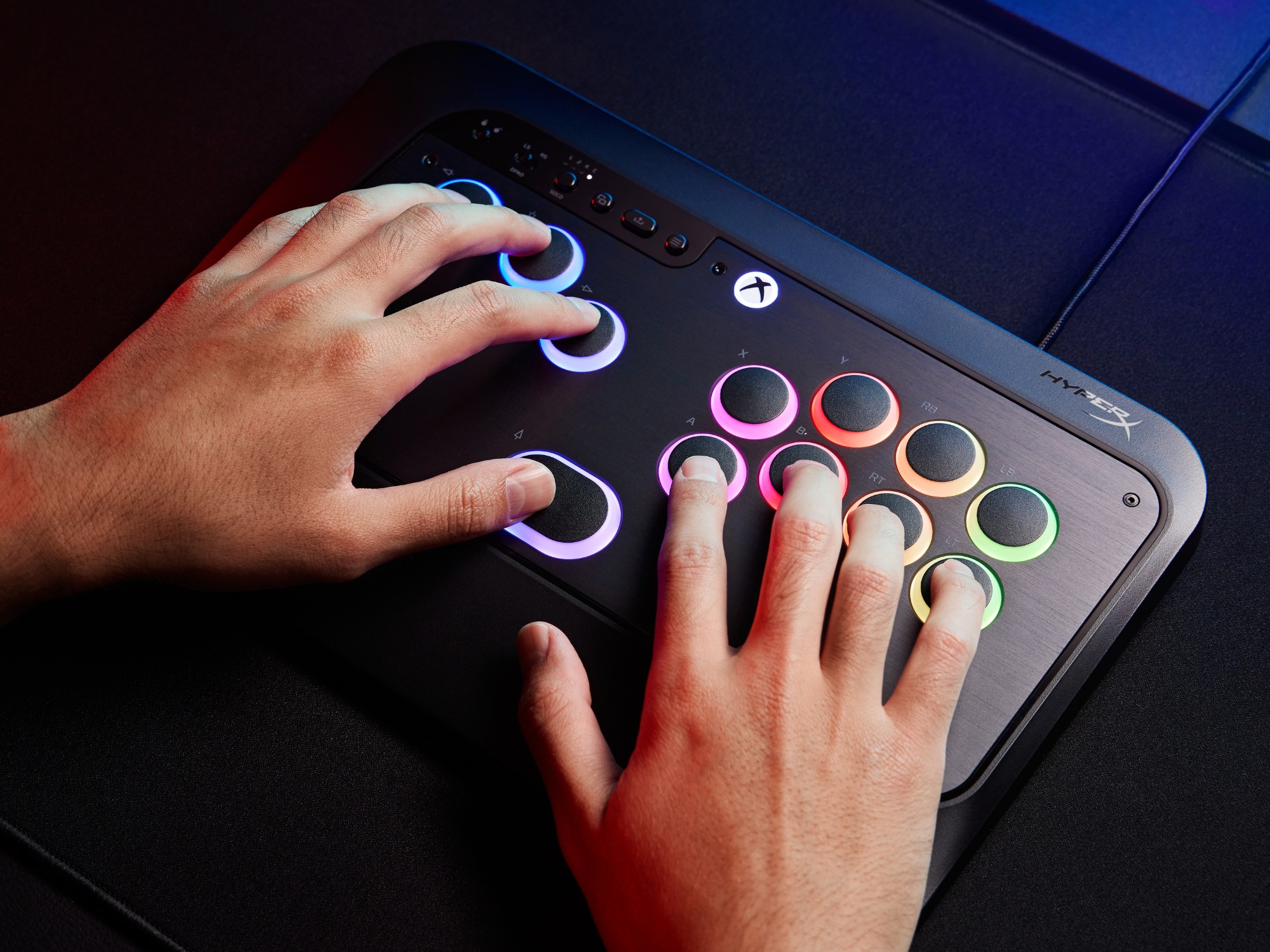
If you're serious about fighting games, you probably already know about leverless controllers. The HyperX Clutch Tachi promises to become the gold standard.
Using TMR magnetic switches, the Clutch Tachi aims for the most responsive and accurate input possible. The ergonomic design addresses a real problem with fighting game peripherals: comfort during extended training sessions.
The controller is small and light enough to carry to local tournaments or friends' houses — important for a community that often gathers in person to compete. But even for passionate non-professional players, having precise, responsive inputs makes practice more productive.
Fighting game controllers have become increasingly sophisticated, and HyperX entering this market with serious engineering is good news for the competitive community.
Best Gaming Innovation: Nvidia DLSS 4.5
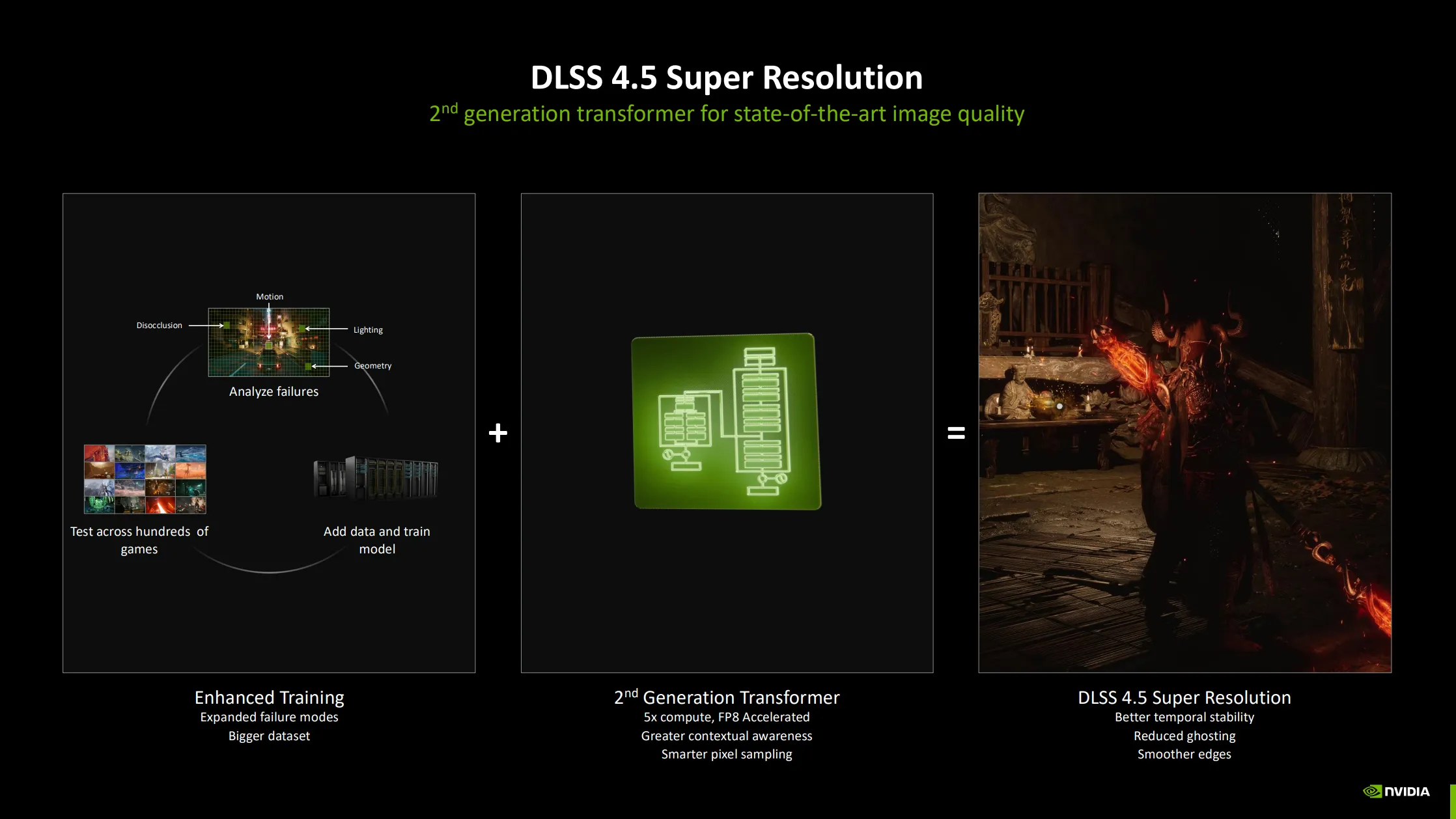
Nvidia's DLSS technology has been revolutionizing gaming performance for years, and version 4.5 represents a substantial leap forward.
The headline feature is 6X Dynamic Multi Frame Generation, which can generate up to five additional frames per rendered frame while automatically adjusting to your display's refresh rate. Nvidia is now targeting 4K path-traced gaming at 240 fps — a combination of resolution, visual fidelity, and frame rate that would have seemed impossible just a couple years ago.
The upgraded second-generation transformer model for Super Resolution delivers better temporal stability, reduced ghosting, and improved anti-aliasing. Games look sharper and more stable, especially in challenging scenes with lots of motion.
DLSS 4.5 Super Resolution is available now through the Nvidia app for all RTX GPU owners. The Dynamic Multi Frame Generation features arrive this spring as an RTX 50-series exclusive.
Some hardcore gamers still resist AI-enhanced graphics on principle, but for the vast majority of players who just want games to look and run great, DLSS continues to be the best tool in the box.
Best Gaming Laptop: MSI Stealth 16 AI+
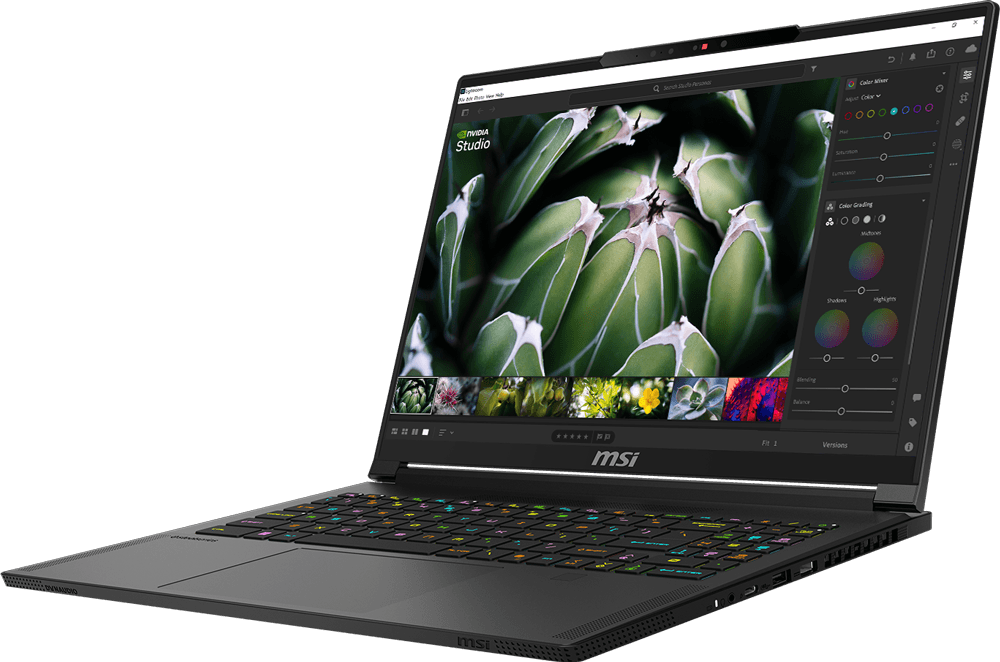
Gaming laptops have always faced an identity crisis: they need to be powerful enough for serious gaming but subtle enough to use in professional settings without embarrassment. The MSI Stealth 16 AI+ finally nails this balance.
The significant redesign makes it look like a premium ultrabook rather than something designed by a teenager. But open the specs sheet and you'll find configurations up to an RTX 5090, Intel Core Ultra 9 386H, and a staggering 128GB of RAM. This is workstation-class hardware in a sleek package.
The thermal design is particularly clever. A massive heatsink and large rear vent ensure components get maximum wattage, translating to consistent high performance without thermal throttling. The 240Hz OLED display delivers the visual quality this hardware deserves.
For professionals who game seriously — or gamers who need professional credibility — the Stealth 16 AI+ represents the best of both worlds.
Best Smart Lock: Aqara U400
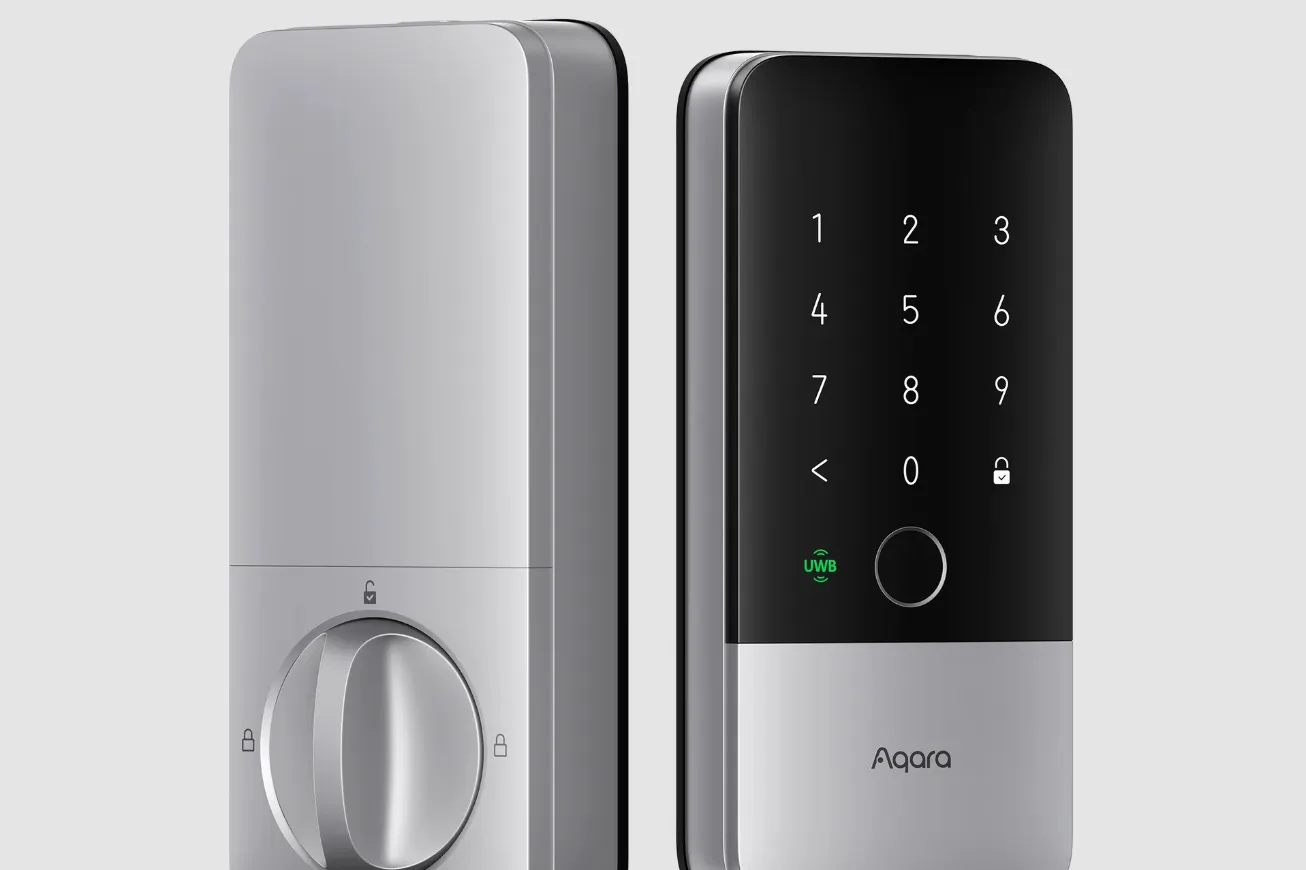
I've tested dozens of smart locks, and they all share the same fundamental interaction: you approach the door, then you do something to unlock it. Pull out your phone. Touch a fingerprint reader. Enter a code.
The Aqara U400 eliminates that step. Using Ultra Wide Band technology, it detects when you're approaching with your iPhone or Apple Watch and unlocks automatically. No interaction required.
What impressed me in testing is how smart the detection is. It knows the difference between walking toward your door versus walking past it. It recognizes whether you're inside or outside. You don't accidentally unlock your door by walking around your house.
The current limitation: this hands-free unlock feature only works with Apple devices. Android support is reportedly coming, which will be essential for widespread adoption. But for iPhone users, this represents a genuine step forward in what "smart" home access can mean.
Best Fitness Wearable: Luna Band
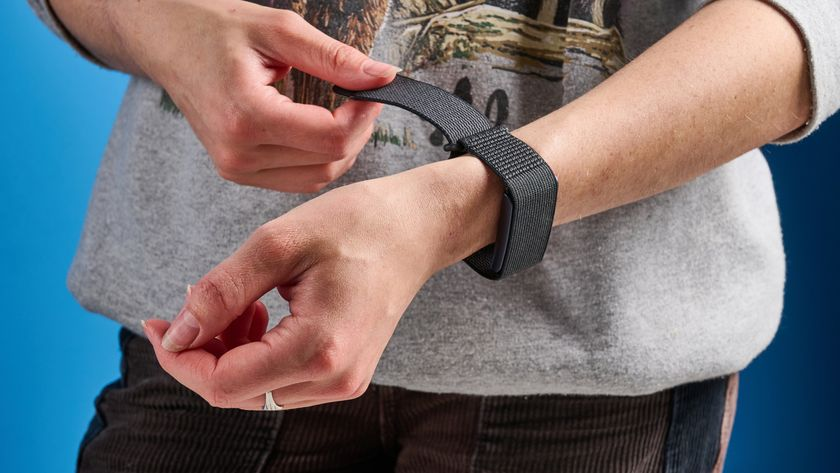
The fitness tracker market has become increasingly dominated by subscription-dependent models. The Luna Band pushes back against that trend with a $149, subscription-free alternative to devices like Whoop.
The screenless design is intentionally minimal — you wear it and forget about it. All essential health metrics get tracked: heart health, body temperature, movement, respiratory rate, and sleep quality. Insights appear in the companion app for both iOS and Android.
What sets Luna Band apart is voice command support. Log a stressful day, a meal, or a bad night of sleep just by speaking to the device. Ask for wellness guidance and receive responses based on your personal data and Luna's AI health engine.
For users who want continuous health monitoring without ongoing fees or distracting screens, Luna Band offers a compelling value proposition.
Best Audio: Klipsch The Nines II
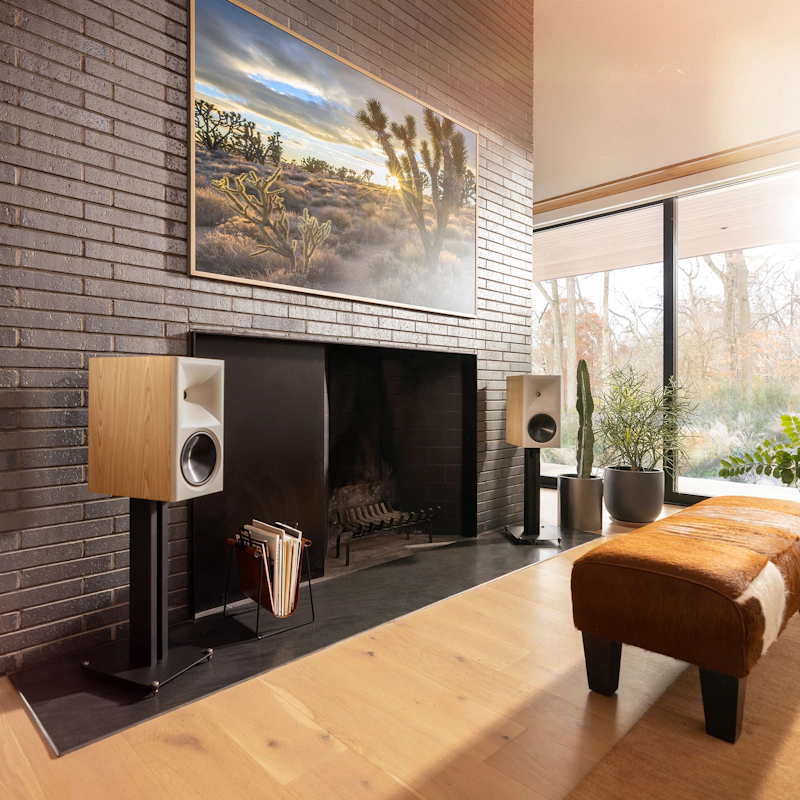
Klipsch is celebrating 80 years with refreshed versions of their most popular speakers, and The Nines II represents their flagship achievement.
These powered speakers use Onkyo audio processing and Klipsch's new Tractrix horn design for wider sound dispersion with precise clarity. They're built for both two-channel music listening and Dolby Atmos-powered film and television.
The connectivity options are comprehensive: AirPlay 2, USB-C, HDMI, and even XLR inputs for professional applications. Auto-room calibration powered by Dirac Live optimizes the sound for your specific space.
At $2,399 for the pair, these aren't budget speakers. But during my time at the Klipsch booth, they sounded absolutely magnificent. For audiophiles building a premium setup, The Nines II deserve serious consideration.
Best Rideable: Strutt ev1
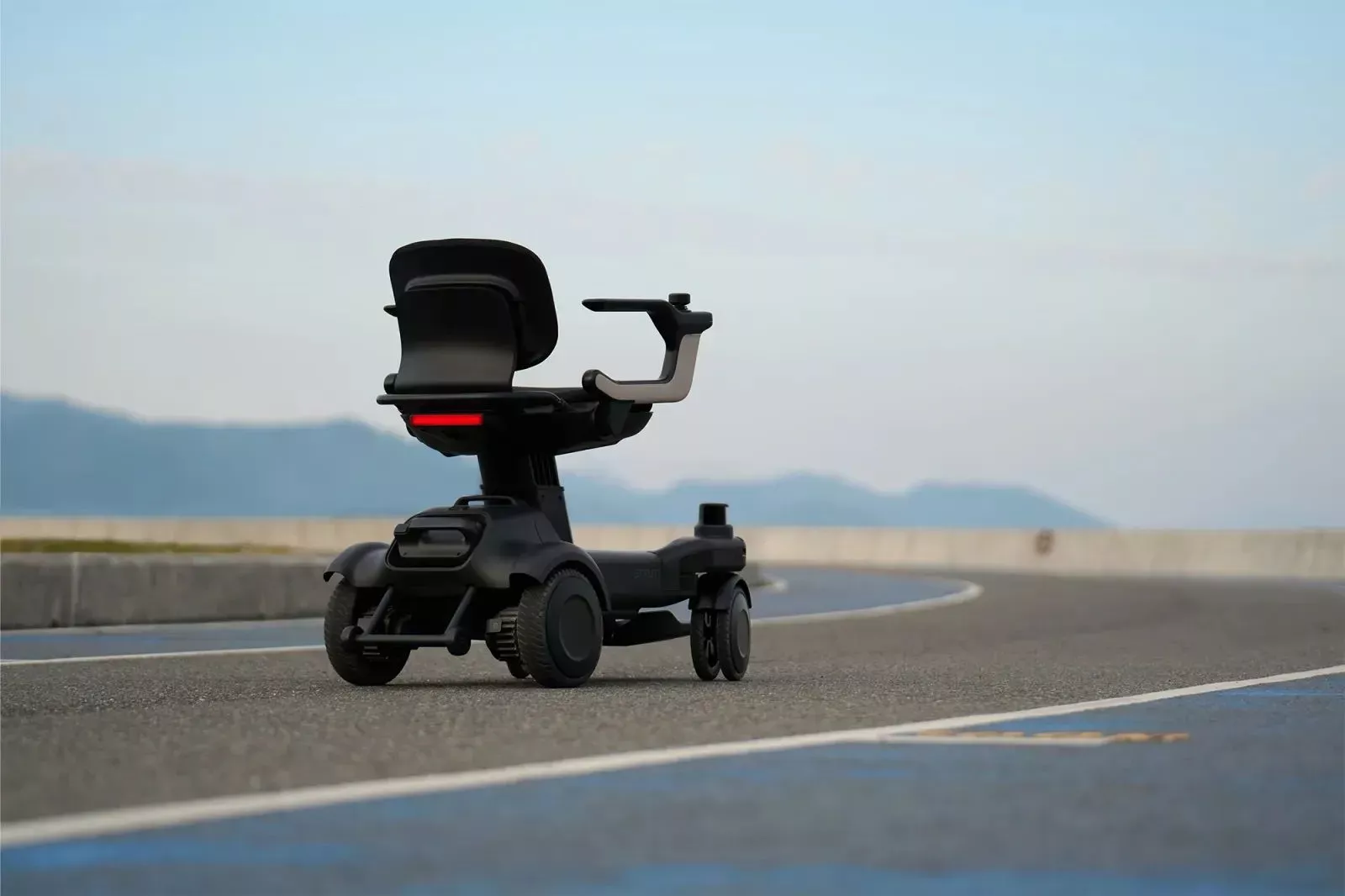
What if your mobility device could drive itself? The Strutt ev1 is a four-wheeled personal electric vehicle with autonomous navigation capabilities.
You can ride it traditionally, steering yourself from Point A to Point B. Or you can simply tell it where you want to go, and it will take you there. The LiDar and sensor array maps obstacles and steers around them in real-time.
When I tested the ev1 in a crowded room at CES, it didn't come close to hitting anyone or anything. The built-in LLM lets you speak commands naturally, which provides significant accessibility benefits for users who might not have full use of their limbs.
Strutt is marketing this as fun personal transportation, and it definitely was entertaining to ride. But the accessibility implications are substantial. For users with mobility challenges, autonomous navigation could provide genuine independence.
Best Health Tech: Garmin Nutrition Tracking
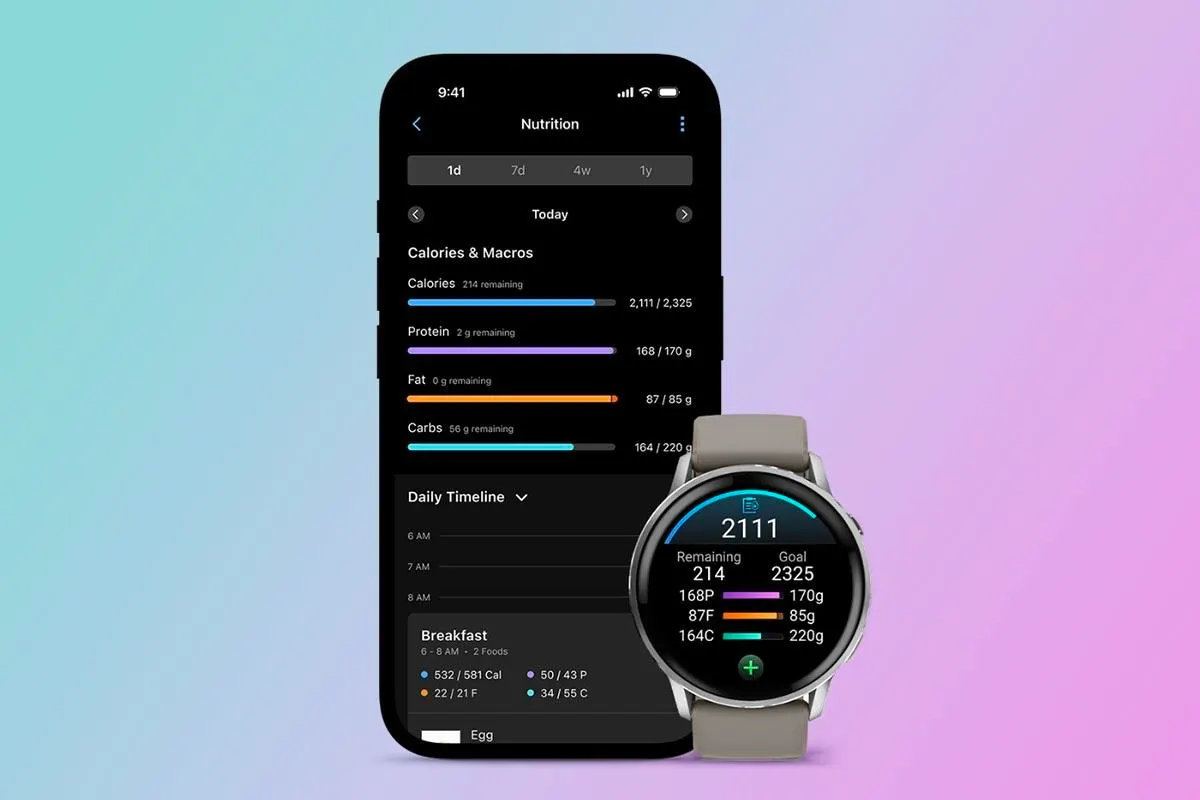
Garmin Connect+ caused some controversy when the $7/month subscription tier was announced, but the service just became significantly more valuable with nutrition tracking integration.
After confirming your health targets, the service sets personalized calorie and macro goals. Logging food works through barcode scanning, database search, or — most impressively — simply snapping a photo of your plate for AI-powered calorie estimation.
Food tracking isn't new, but having it built directly into the Garmin ecosystem matters. Your nutrition data now connects to your activity data, sleep data, and recovery metrics from some of the best sports watches available. The holistic view could prove more useful than standalone food tracking apps.
Whether the subscription fee is worth it depends on how seriously you approach nutrition. But for athletes and fitness enthusiasts already invested in Garmin hardware, this integration could be the feature that justifies Connect+.
Best Sleep Tech: Ceragem Neuro Wellness Youth Bed
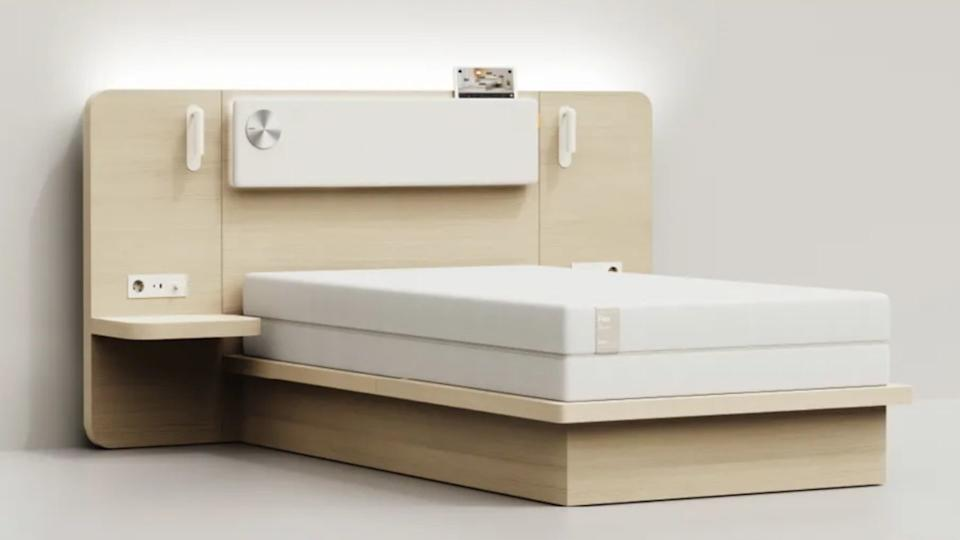
Most smart sleep technology targets adults, ignoring a demographic that arguably needs good sleep most: teenagers.
The Neuro Wellness Youth Bed is specifically designed for adolescents, combining light therapy, aroma therapy, sound therapy, and thermal control to promote better rest. A spinal thermal massager promotes physical growth.
The educational integration is clever: a display can remind teens to review learning materials before sleep — potentially addressing homework procrastination while leveraging the memory consolidation that happens during rest.
Whether teenagers will actually use these features is another question entirely. But the focus on adolescent-specific sleep needs addresses a genuine gap in the market.
Best Wellness Monitor: Withings Body Scan 2
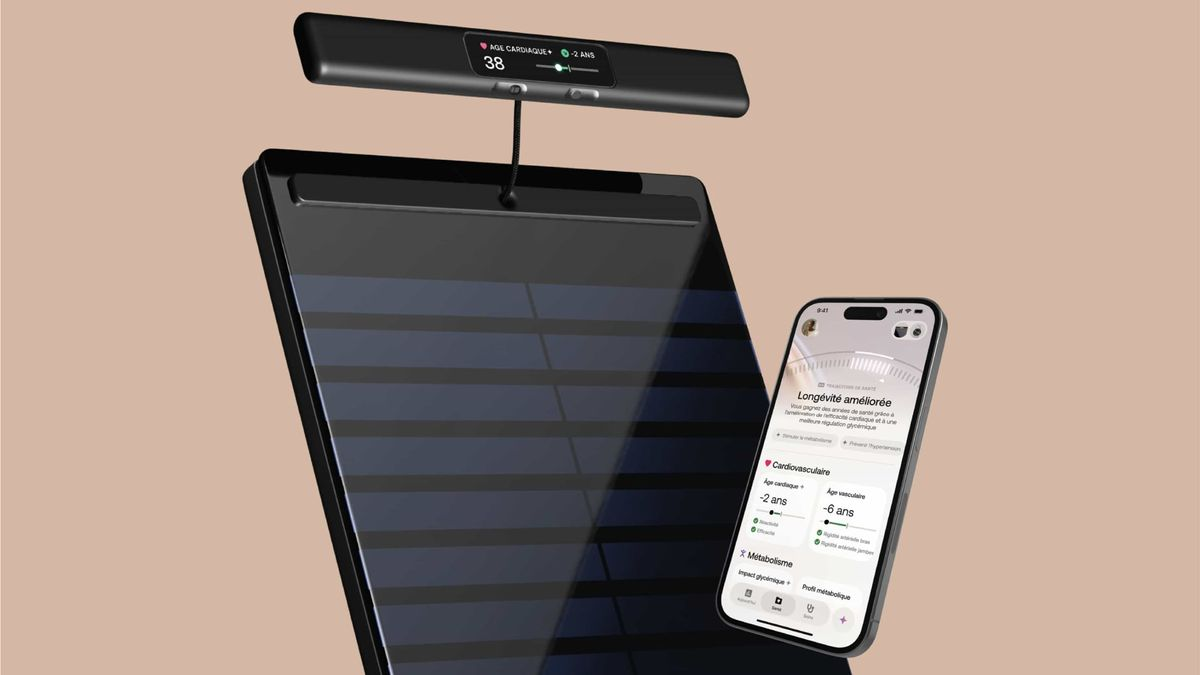
Smart scales have proliferated, but most just tell you weight and maybe body fat percentage. The Withings Body Scan 2 delivers comprehensive health assessment in 90 seconds.
Using 60 biomarkers, it provides insights into metabolic, cardiovascular, and cellular health. During my test on the show floor, I learned my heart health matches a 36-year-old (I'm close to that), my vascular health is exactly my age, and my muscle-to-fat ratio is "typical" for my demographic.
Each metric comes with explanatory text and peer comparisons. You understand not just what the numbers mean, but how you stack up against similar users.
At $599 with expected availability around summer 2026, this isn't cheap. But for users serious about monitoring their health comprehensively, it provides clinical-level insights at home.
Best Gaming Headset: HyperX Neurable Concept
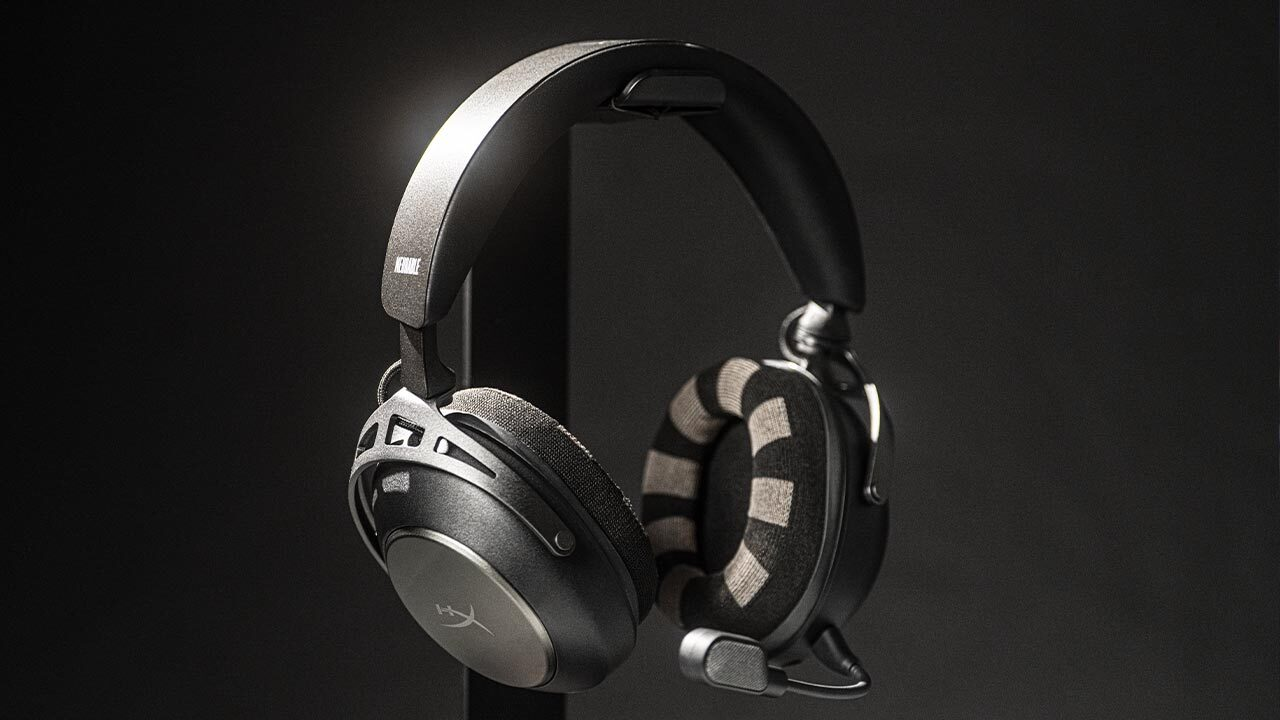
I saved this one for near the end because it sounds absolutely insane: a gaming headset that reads your brainwaves and actually makes you better at gaming.
Using EEG pads built into the headphone cups and an AI inference model, the HyperX Neurable headset reads your brain signals and creates a visualizer-based focus exercise. The goal is to simultaneously relax your body while increasing your brain's focus.
Here's the thing: it worked. During my test in Aim Labs shooting range, my score increased by 5,000 points. My accuracy improved by a couple percentage points. My response time to targets decreased by nearly 100ms.
That's not placebo — that's measurable, repeatable improvement. The applications for competitive gaming are obvious, but imagine this technology applied to sim racing, flight simulators, or any activity requiring sustained concentration.
This remains a concept headset without confirmed pricing or availability. But I walked away genuinely believing this technology could change competitive gaming.
Best TV Innovation: Dolby Vision 2
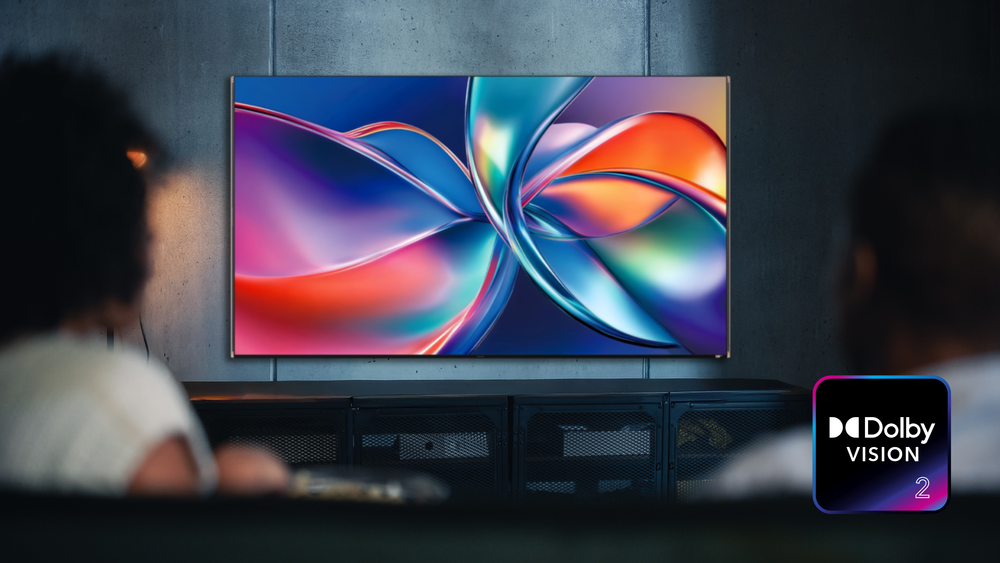
Dolby Vision has become the gold standard for HDR content, and Dolby Vision 2 represents the first major evolution of that standard.
The "Precision Black" and "Authentic Motion" enhancements improve how TVs handle contrast and motion processing. But here's what matters most: the biggest improvements will actually appear on lower-end TVs.
Flagship models already push close to the limits of current Dolby Vision capabilities. But mid-range and budget TVs often struggle to deliver the HDR experience that premium content deserves. Dolby Vision 2 addresses those limitations, promising better color expression and contrast at every price point.
The catch is that adoption requires buy-in from content creators, streaming services, and TV chip manufacturers. But if the ecosystem aligns, this could meaningfully improve HDR quality across the board.
Best TV Value: Samsung S95H OLED
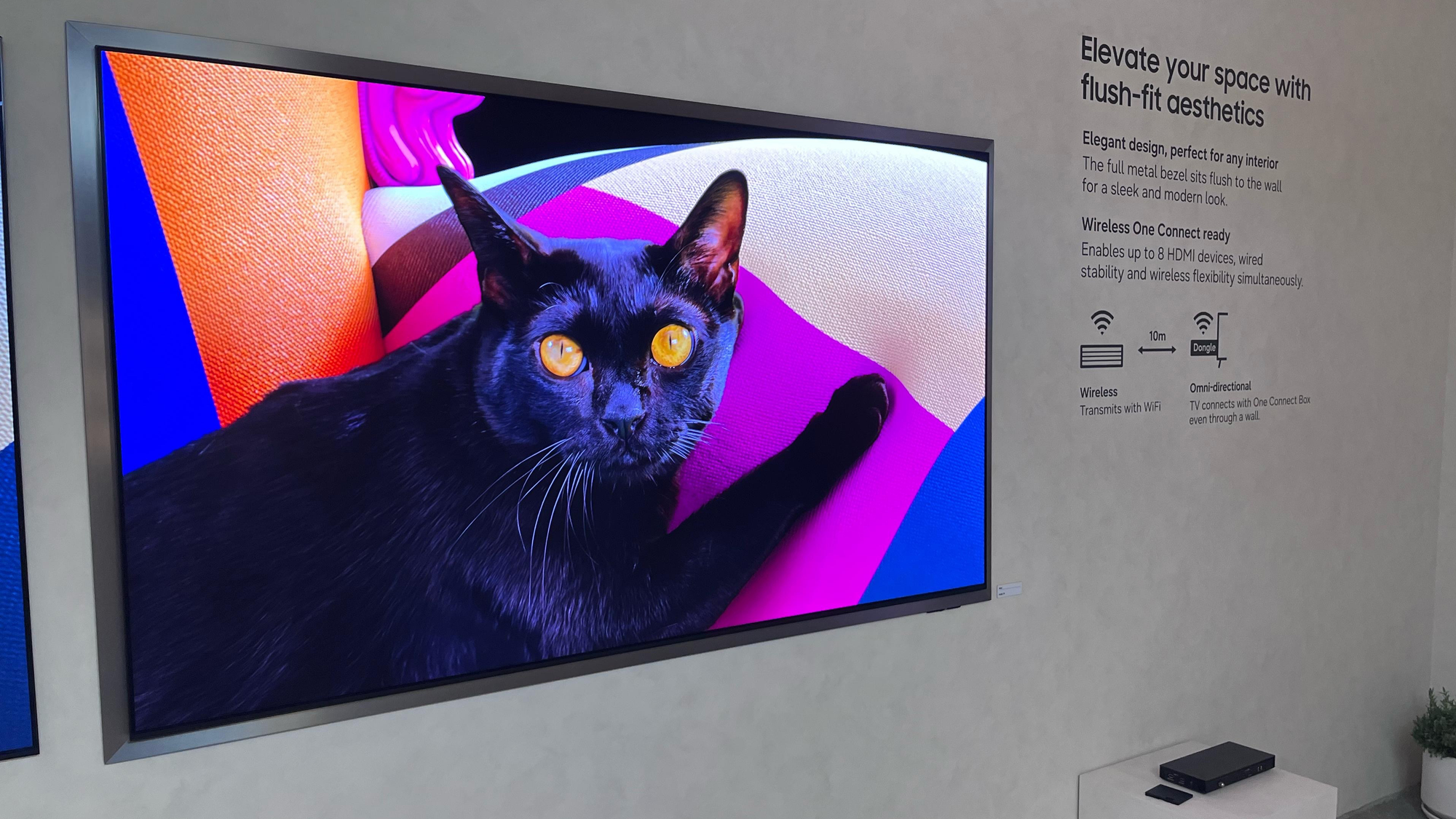
Calling a flagship OLED TV a "value" pick seems counterintuitive, but context matters. CES 2026 featured enormous Micro RGB and Micro LED TVs costing tens of thousands of dollars. In that environment, Samsung's S95H actually represents something attainable.
The S95H builds on Samsung's excellent QD-OLED technology with 35% brighter panels than last year's S95F — which was already the brightest OLED available. The glare-free matte coating handles bright rooms better than any previous Samsung OLED.
The new metal bezel design doubles as a flush wall mount included in every box. Mount the S95H on your wall and it sits completely flat, similar to Samsung's Frame TVs. For the first time, Samsung is bringing Art Mode to their OLED lineup.
Available in 48, 55, 65, 77, and 83-inch sizes, with optional interchangeable bezels and wireless One Connect Box compatibility. Pricing isn't confirmed, but Samsung typically launches their flagship OLEDs in the $2,500-4,000 range depending on size.
FAQ
What was the biggest trend at CES 2026?
AI integration dominated the show, but the meaningful products used artificial intelligence to solve actual problems rather than just checking a marketing box. The best examples included Samsung's Gemini-powered refrigerator that can read food labels and the various AI assistants built into devices like the Lenovo Yoga Mini i.
Which CES 2026 products can I actually buy now?
Intel Panther Lake laptops began shipping January 27, with pre-orders starting January 6. Dell's XPS 14 and XPS 16 are available now in limited configurations. The DLSS 4.5 Super Resolution update is available immediately for all RTX GPU owners through the Nvidia app.
What is RGB MiniLED and why does it matter?
Traditional Mini LED TVs use white LEDs with color filters. RGB Mini LED uses separate red, green, and blue LEDs for more accurate color reproduction. Hisense's RGB MiniLED evo adds cyan as a fourth color for even better coverage of the visible spectrum.
Is the LG Wallpaper TV actually wireless?
Almost. The TV itself only needs a power cable. Video and audio come wirelessly from the Zero Connect Box, which can sit up to 10 meters away. It's the first TV to achieve this level of cable-free installation while maintaining full 4K 165Hz performance.
When will crease-free foldable phones be available?
Samsung demonstrated crease-free display technology at CES 2026 without confirming specific products. The Galaxy Z Fold 8 launches this summer and may use this technology. Apple's rumored foldable iPhone, expected in late 2026, will reportedly use similar technology.
How much do the best CES 2026 TVs cost?
The LG Wallpaper TV (W6) pricing hasn't been announced but is expected to be premium. Samsung's S95H OLED should fall in the $2,500-4,000 range depending on size. Hisense's 116UXS hasn't been priced, but their current 116-inch model costs around $30,000.
What gaming innovations were announced at CES 2026?
Nvidia's DLSS 4.5 brings 6X frame generation and improved upscaling. Intel's Panther Lake integrated graphics can run Battlefield 6 at 140+ fps without a dedicated GPU. The HyperX Neurable concept headset uses brainwave reading to improve gaming focus.
Which laptops with Intel Panther Lake are worth considering?
Dell's XPS 14 and XPS 16 lead the pack with redesigned chassis and tandem OLED displays. Lenovo's ThinkPad and Yoga lines also feature Panther Lake options. MSI's Stealth 16 AI+ combines Panther Lake with powerful discrete graphics for gaming.
Are robot vacuums actually getting better?
Yes, significantly. The Roborock Saros Rover can climb stairs while cleaning — a genuine breakthrough. Other manufacturers showed similar innovations, suggesting multi-floor automated cleaning may finally become practical.
What's the best budget-friendly product from CES 2026?
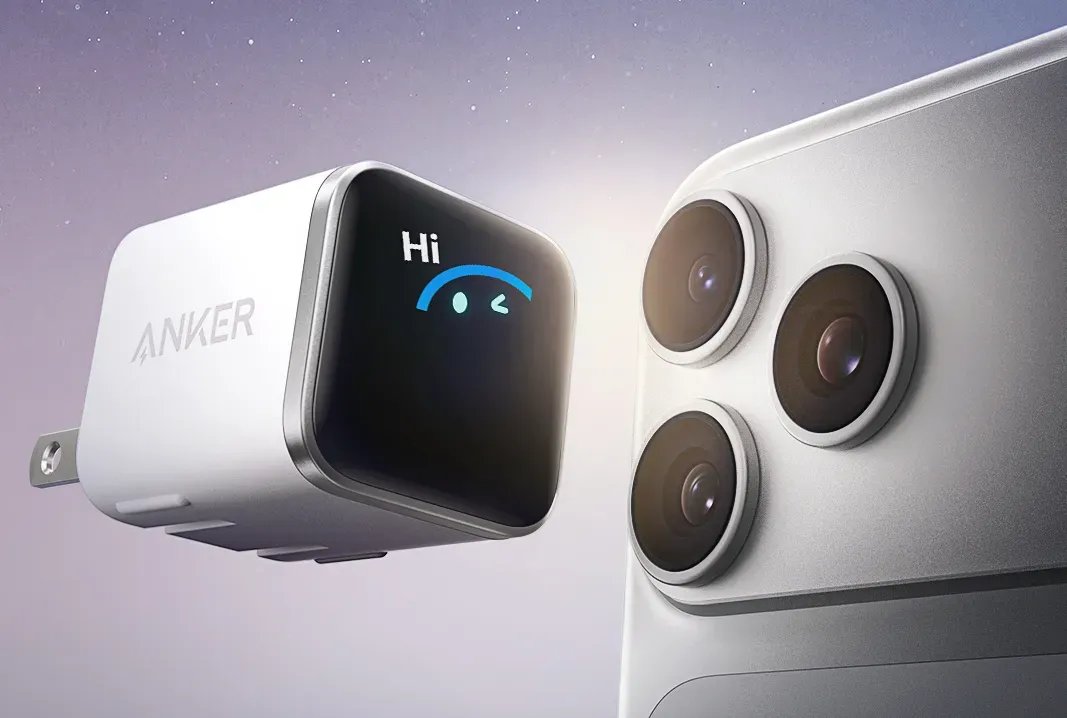
The Xreal 1S smart glasses offer impressive AR capabilities at $50 less than their predecessor. The Luna Band provides subscription-free health tracking for $149. The Anker Nano 45W charger with smart display runs just $29.99.
Final Thoughts
CES 2026 felt like a turning point. After years of AI being awkwardly shoehorned into products that didn't need it, this year showed what happens when companies actually figure out useful applications.
The products that impressed me most weren't just technically impressive — they solved real problems. Intel's Panther Lake makes laptop integrated graphics actually viable for gaming. Samsung's crease-free display technology addresses the fundamental limitation of foldable phones. Roborock's stair-climbing vacuum finally makes whole-home automated cleaning possible.
Will all 27 of these products succeed in the market? Probably not. Some concepts will remain concepts. Some pricing will prove too ambitious. Some execution will fall short of the CES demos.
But the direction is clear. Technology is getting genuinely better at fitting into our lives rather than demanding that we adapt to it. And for those of us who cover this industry, that's exactly what we've been waiting to see.
Now if you'll excuse me, I need to rest my feet. Forty miles of convention center walking doesn't recover overnight.
Related Articles
 Dani
Dani
 Dani
Dani
 Dani
Dani