I'll admit it: I got caught up in the AI wearable hype.
When the Humane AI Pin launched with its futuristic laser projector and promises of replacing my smartphone, I pre-ordered immediately. When the Rabbit R1 offered to be my pocket AI assistant, I bought one. When every tech reviewer was raving about smart glasses and health rings, I convinced myself I needed to try them all.
The result? My nightstand looked like a graveyard of half-charged gadgets. Some collected dust. Others became daily essentials I can't imagine living without. And a few taught me expensive lessons about the gap between marketing promises and real-world utility.
Here's what I've learned after months of testing AI wearables across every major category in 2025 and into 2026: the best devices aren't always the most hyped, the most expensive rarely means the most useful, and the "AI" label gets slapped on plenty of products that don't deserve it.
This guide is my attempt to save you from the mistakes I made. I'll walk you through the AI wearables that actually deliver value, explain what makes them work (or fail), and help you figure out which devices, if any make sense for your life.
The State of AI Wearables in 2026
Before diving into specific products, let's establish what "AI wearable" actually means in 2026, because the term has become almost meaningless from overuse.
A genuine AI wearable does more than just collect data. It uses machine learning to interpret that data, provide personalized insights, and ideally take actions on your behalf. The difference matters. A fitness tracker that counts steps isn't an AI wearable. A device that analyzes your sleep patterns, detects early signs of illness, and adjusts recommendations based on your specific trends? That's where AI adds real value.
The AI wearable market crossed $7.6 billion in 2025 and is projected to grow aggressively through the decade. Smart rings, AI-powered glasses, health-tracking earbuds, and even brain-sensing headbands are all vying for space in our daily lives. Some of these devices have matured into genuinely useful tools. Others remain expensive science experiments.
What changed in 2025-2026 is that AI moved from buzzword to actual functionality. Earlier devices promised AI assistance but delivered laggy, unreliable experiences that made you wonder why you didn't just use your phone. The current generation, particularly from established players like Meta, Oura, and Samsung, finally delivers on the premise that AI can make wearables smarter, not just smaller.
The devices that succeed share common traits: they solve a specific problem well rather than trying to do everything poorly, they integrate smoothly with your existing tech ecosystem, and they respect that you already have a powerful AI device in your pocket – your smartphone.
Smart Glasses
I was a Google Glass skeptic back in 2013, and for good reason. Those early attempts at smart glasses made you look ridiculous while delivering minimal utility. Fast forward to 2026, and smart glasses have evolved into something genuinely useful, though success varies dramatically by brand and use case.
Ray-Ban Meta: The Only Smart Glasses I Actually Wear
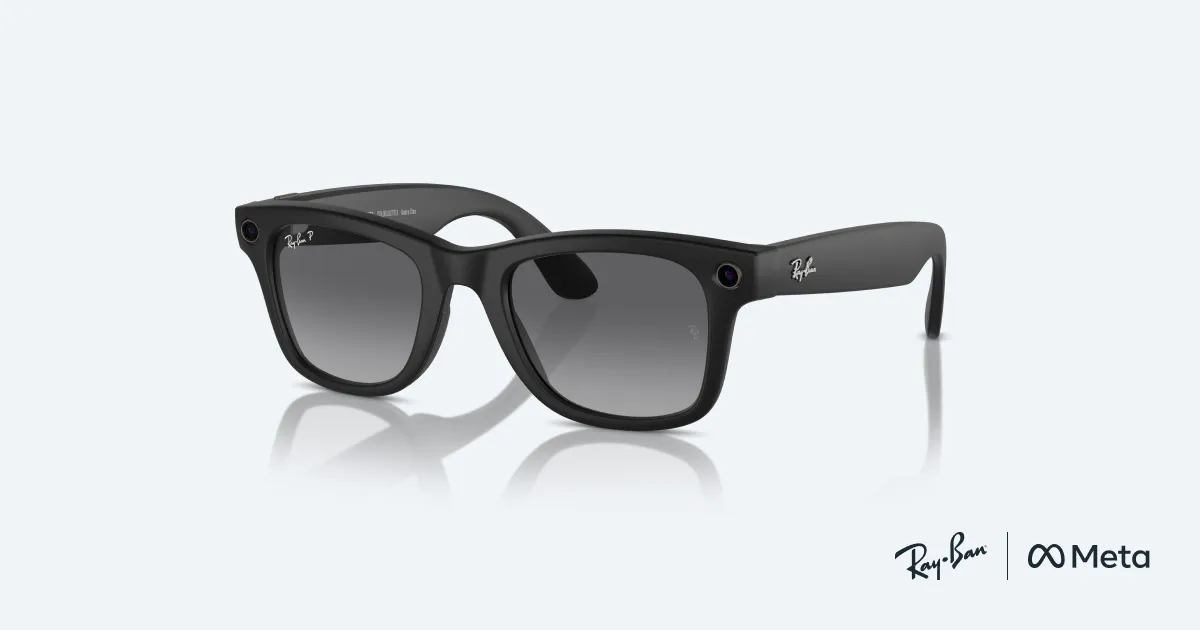
After testing half a dozen smart glasses, the Ray-Ban Meta series remains the only pair I reach for daily. The reason is simple: they look like normal glasses.
That might sound superficial, but it's actually the most important feature. If a wearable makes you self-conscious or requires explaining to everyone you meet, you won't wear it consistently. And a device you don't wear consistently provides zero value, no matter how impressive its specs.
The Ray-Ban Meta Gen 2 glasses achieve what earlier smart glasses couldn't: they're genuinely stylish (because they're actual Ray-Ban Wayfarers), and the technology is invisible until you need it. The 12MP camera captures surprisingly good photos and 3K video with stabilization that handles walking and even light jogging. The five-microphone array picks up voice commands reliably even in noisy environments.
But the real magic is Meta AI. After months of software updates, the AI assistant has become genuinely useful. I've used it to identify plants in my garden, troubleshoot a broken garage door opener by showing it the mechanism, translate menus while traveling, and get quick answers without pulling out my phone. The version 12 update made conversations faster and more natural—you can actually have a back-and-forth dialogue now rather than isolated queries.
The glasses start at $299-379 depending on style, with prescription lenses adding $100-300 through LensCrafters or similar eyewear partners. Battery life runs about 4 hours of mixed use, which covers most scenarios but won't last an entire workday of heavy usage.
The limitation? These are audio-based AI glasses – there's no heads-up display showing information in your field of view. You ask questions and hear answers through the speakers, which works well for many tasks but limits certain use cases.
RayNeo X3 Pro
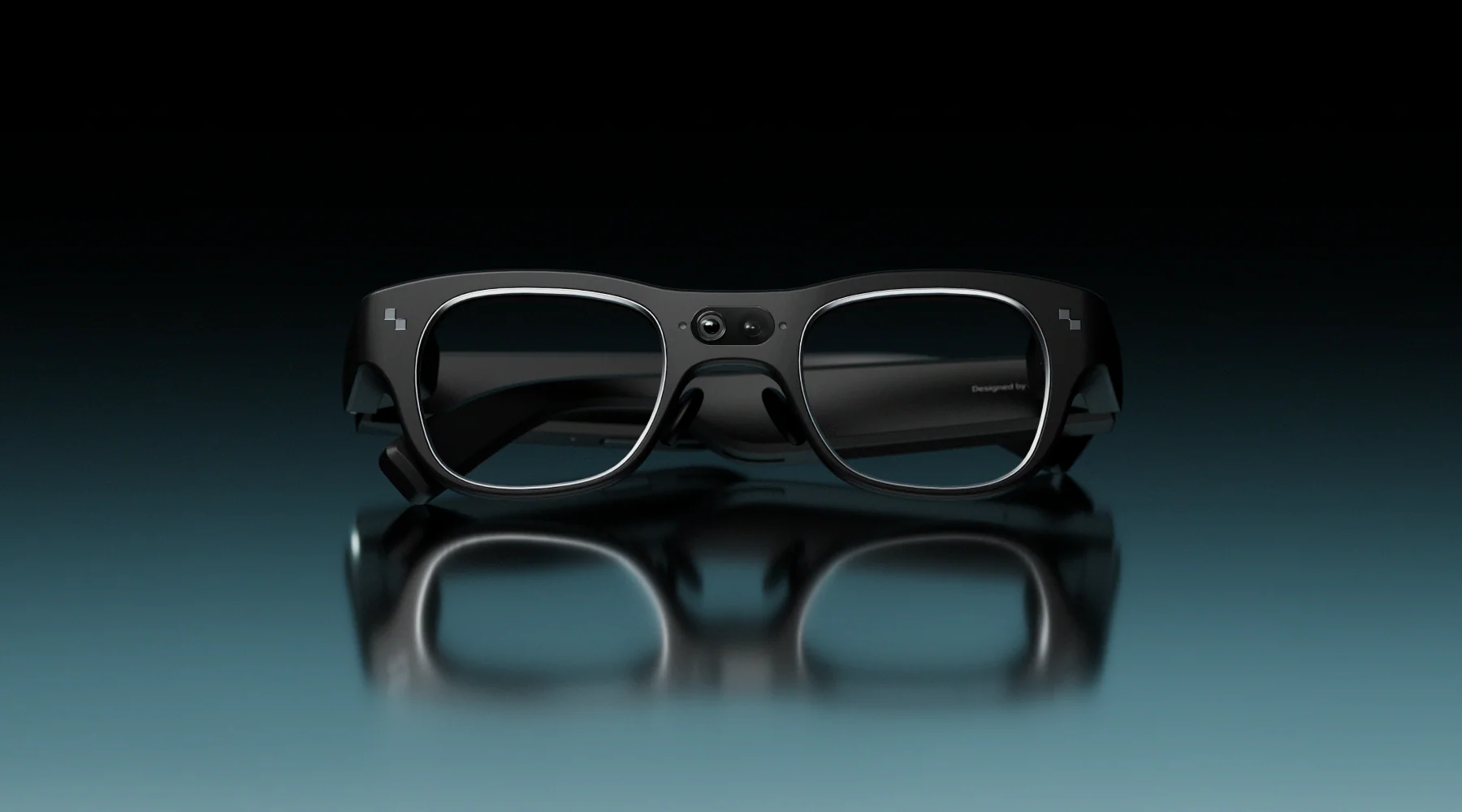
If you want glasses that show you information visually rather than just speaking it, the RayNeo X3 Pro represents the current state of the art. Named a TIME 2025 Best Invention, these glasses use a transparent 3D display to overlay information onto the real world.
The killer feature is real-time translation that displays subtitles directly in your vision during conversations. For travelers or anyone working across languages, this feels genuinely futuristic. The navigation system projects 3D arrows onto streets, so you can navigate without constantly checking your phone.
The integration with Google Gemini means you can ask complex questions and receive visual answers. I tested asking about a bike repair while looking at the broken chain, and the glasses displayed step-by-step instructions overlaid on what I was actually seeing.
However, the RayNeo X3 Pro is bulkier than regular glasses, the battery life is more limited, and the price is significantly higher. These are glasses for people with specific use cases – translation, navigation, hands-free work instructions rather than everyday fashion accessories.
What About Oakley and XReal?
The Oakley Vanguard glasses pack Meta AI capabilities into a sports-oriented design with an IP67 water resistance rating. If you're an athlete who wants smart glasses that can survive swimming or intense workouts, these are worth considering. The fitness platform integration with Strava and Garmin adds genuine utility for training.
XReal and Viture offer "display glasses" that are less about AI assistance and more about giving you a personal screen for watching content or working without neck strain from looking down at devices. These serve a different purpose entirely—portable privacy screens rather than AI assistants.
The Smart Glasses I'd Skip
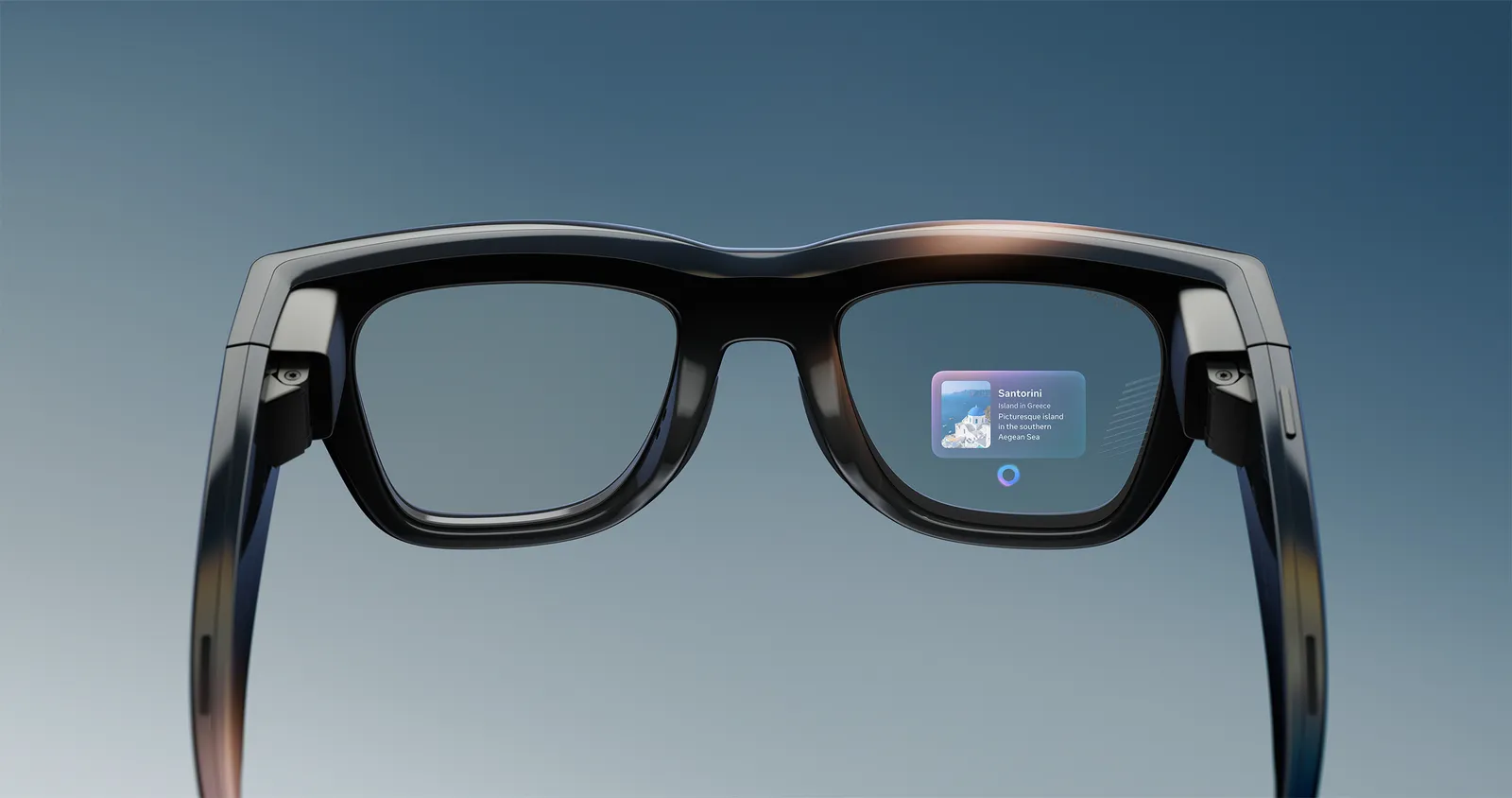
Meta announced the Ray-Ban Display glasses with an in-lens display and neural band controller—a genuinely exciting step forward. But as of early 2026, availability is extremely limited, pricing hasn't been fully revealed, and the neural band adds complexity that most people won't want. Unless you can get a demo at one of Meta's limited retail locations, I'd wait for the technology to mature.
More broadly, avoid any smart glasses from unknown brands promising revolutionary features at suspiciously low prices. The camera quality, AI integration, and battery life on budget smart glasses are typically disappointing enough to make them expensive paperweights.
Smart Rings: The Sleeper Hit of AI Wearables
If smart glasses represent the flashiest AI wearable category, smart rings are the quiet overachievers. These tiny devices have become remarkably capable health trackers that deliver AI-powered insights without the bulk or constant charging anxiety of smartwatches.
Oura Ring 4
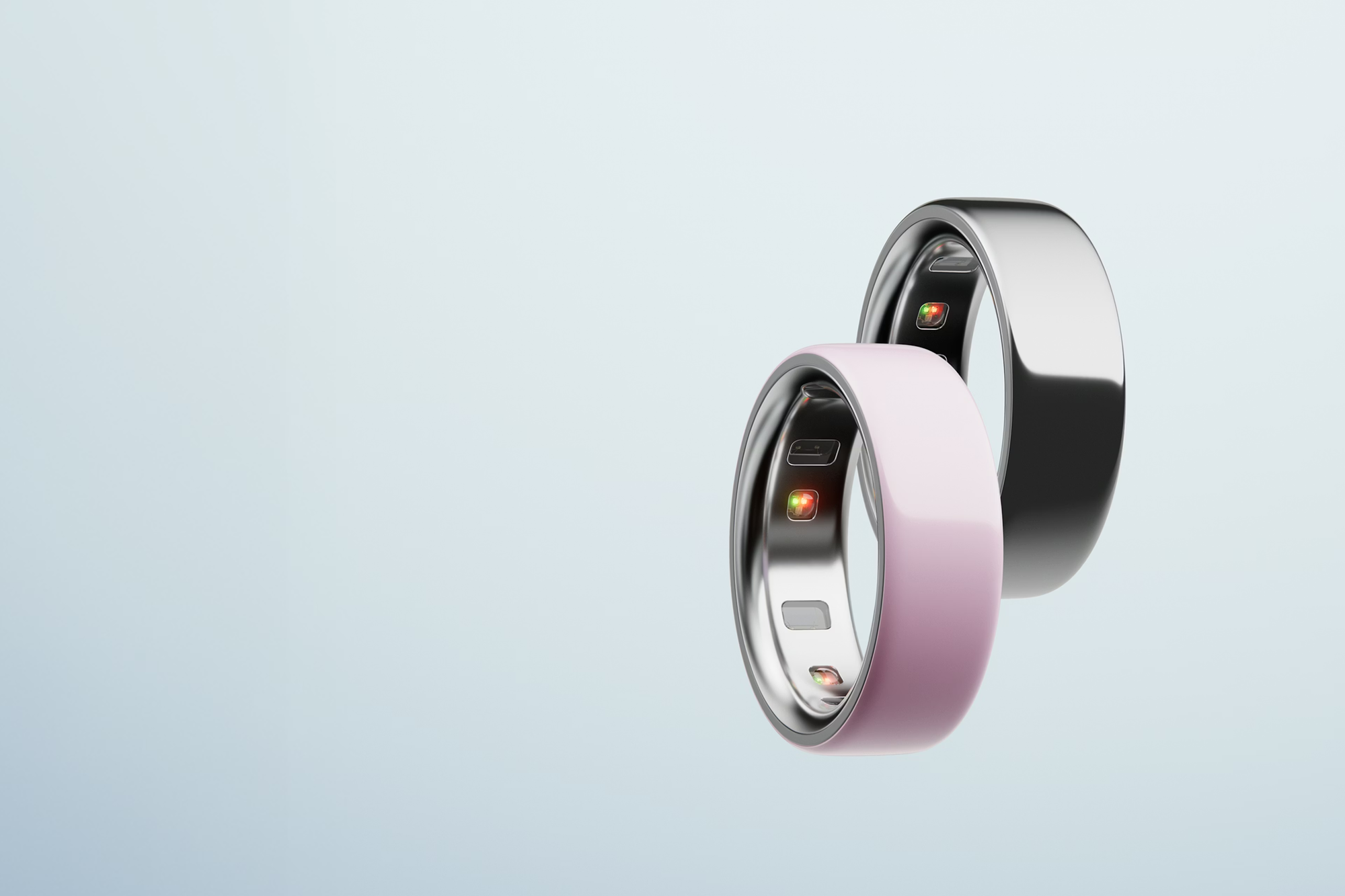
After testing every major smart ring on the market, the Oura Ring 4 remains my top recommendation for anyone serious about health tracking. The company has spent years refining both the hardware and the AI that interprets your data, and it shows.
What sets Oura apart isn't any single feature – it's how everything comes together into actionable insights. The app doesn't just show you graphs of heart rate variability, sleep stages, and activity levels. It synthesizes this data into a daily Readiness Score that actually correlates with how I feel and perform.
Recent updates have pushed Oura further into predictive health. The Symptom Radar feature can detect early signs of illness days before you feel sick, based on subtle changes in temperature, HRV, and sleep patterns. The stress tracking now includes Cumulative Stress metrics that help identify when you're approaching burnout. The cardiovascular age feature gives context to whether your heart health is trending in the right direction.
The AI meal identification is a newer feature that analyzes photos of your food and tracks meal regularity patterns. It's not perfect, but it adds useful data for understanding how nutrition affects your metrics.
The Oura Ring 4 starts at $349, with a required $5.99 monthly subscription for full features. That subscription remains controversial – you're paying for both hardware and ongoing software access, but the alternative is more limited functionality than the competition. The ring itself is comfortable enough that I forget I'm wearing it, and battery life exceeds seven days.
The main limitation is that Oura isn't designed for workout tracking. The sensors work best for passive health monitoring, sleep analysis, and recovery insights rather than active exercise metrics.
Samsung Galaxy Ring: Best for Android Users
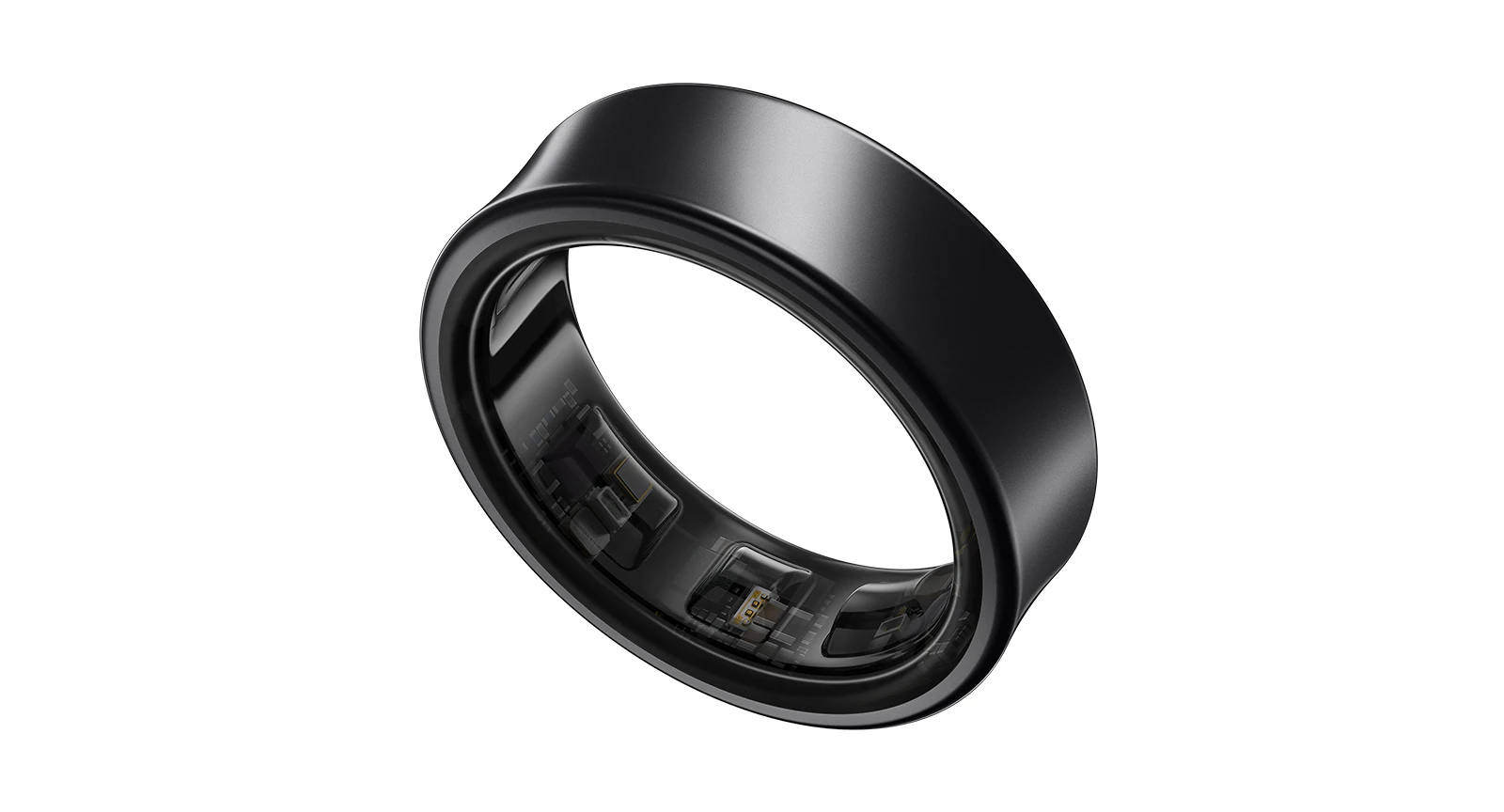
Samsung's entry into the smart ring market immediately became the strongest alternative to Oura, particularly for anyone already using Samsung phones.
The Galaxy Ring excels at sleep tracking with AI-powered coaching that characterizes your sleep patterns using animal chronotypes. It sounds gimmicky, but the specific recommendations based on your chronotype are surprisingly helpful. The Energy Score provides daily readiness insights similar to Oura's approach.
What Samsung does better than Oura is ecosystem integration. If you have a Samsung phone, the setup is seamless, the data syncs automatically to Samsung Health, and features like gesture controls (pinch your fingers to silence alarms or trigger your phone camera) add practical utility.
The Galaxy Ring costs $399 – more expensive than Oura's base model, but includes no subscription fee. Over time, this makes Samsung more economical if you'll actually use the features. Battery life runs about 6.5 days, and the portable charging case is more convenient than Oura's plugged-in charger.
The downside? Samsung Galaxy Ring only works with Android devices. If you have an iPhone, this isn't an option.
Budget-Friendly Alternatives
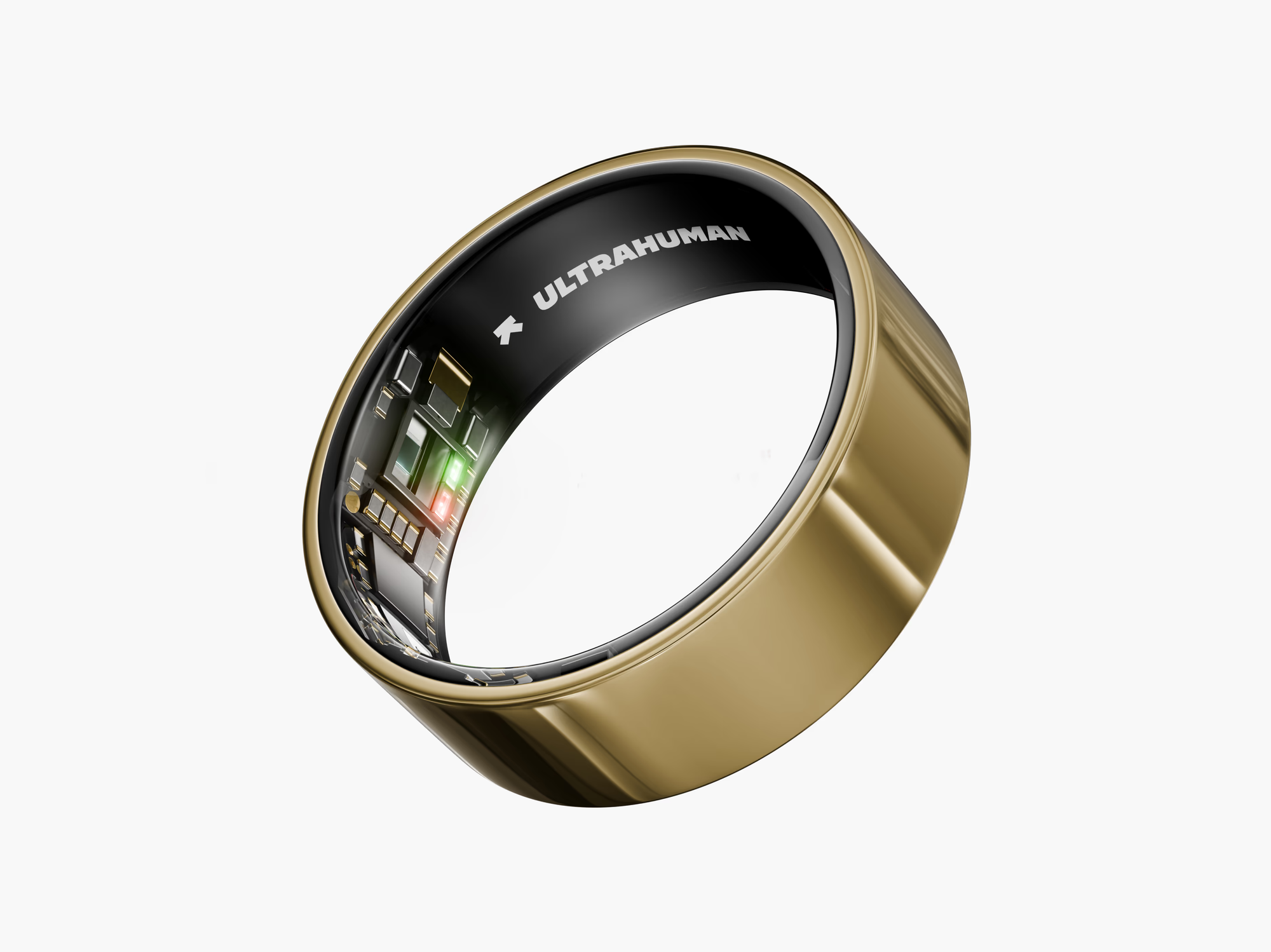
Not everyone needs the most advanced smart ring. If you want reliable sleep and health tracking without subscription fees, the RingConn Gen 2 offers impressive functionality at around $259 with exceptional 10-day battery life. The Ultrahuman Ring Air focuses on metabolic health for fitness enthusiasts, also without subscription requirements.
Both face legal challenges in the US market due to patent disputes with Oura, which has complicated availability. Check current import status before purchasing.
What Smart Rings Can't Do
Let me set realistic expectations: smart rings are not fitness trackers in the traditional sense. Every ring I tested struggled with accurate workout tracking. Heart rate during exercise, calorie burn estimates, and GPS tracking all fall short of dedicated fitness watches.
If you want to track runs, cycling, or gym sessions accurately, get a Garmin or Apple Watch. Smart rings excel at passive health monitoring – the data you collect while living your normal life, especially sleep and recovery metrics.
AI Earbuds: The Most Underrated Category
While smart glasses get the headlines and rings get the health-focused attention, AI-powered earbuds quietly deliver some of the most practical everyday AI features available.
What AI Earbuds Actually Do
The best AI earbuds combine several capabilities that benefit from machine learning: real-time language translation, voice coaching during workouts, health monitoring through in-ear sensors, and increasingly, direct integration with AI assistants like Gemini or ChatGPT.
Real-time translation is the standout feature. Devices from companies like Google and various specialized manufacturers can now translate spoken language with minimal delay, making international travel and multilingual conversations dramatically easier.
In-ear health monitoring takes advantage of the ear's proximity to major blood vessels. Some earbuds now track heart rate, blood oxygen, and even brain activity through EEG sensors. This data feeds into AI models that can detect stress, fatigue, and cognitive load in real time.
Current Best Options
The exact "best" AI earbuds depend on your ecosystem and priorities. Apple's AirPods Pro integrate with Apple Intelligence for proactive assistance. Google's Pixel Buds offer the best Google Assistant and translation features. Various fitness-focused options from Amazfit and others emphasize workout coaching.
At CES 2026, several companies announced earbuds with built-in cameras for visual AI assistance, essentially bringing smart glasses capabilities to a more subtle form factor. These are worth watching as the technology matures.
The AI Wearables That Flopped (And What They Teach Us)
I can't write honestly about AI wearables without addressing the spectacular failures that defined 2024. Understanding why they failed helps explain what makes the successful devices work.
Humane AI Pin
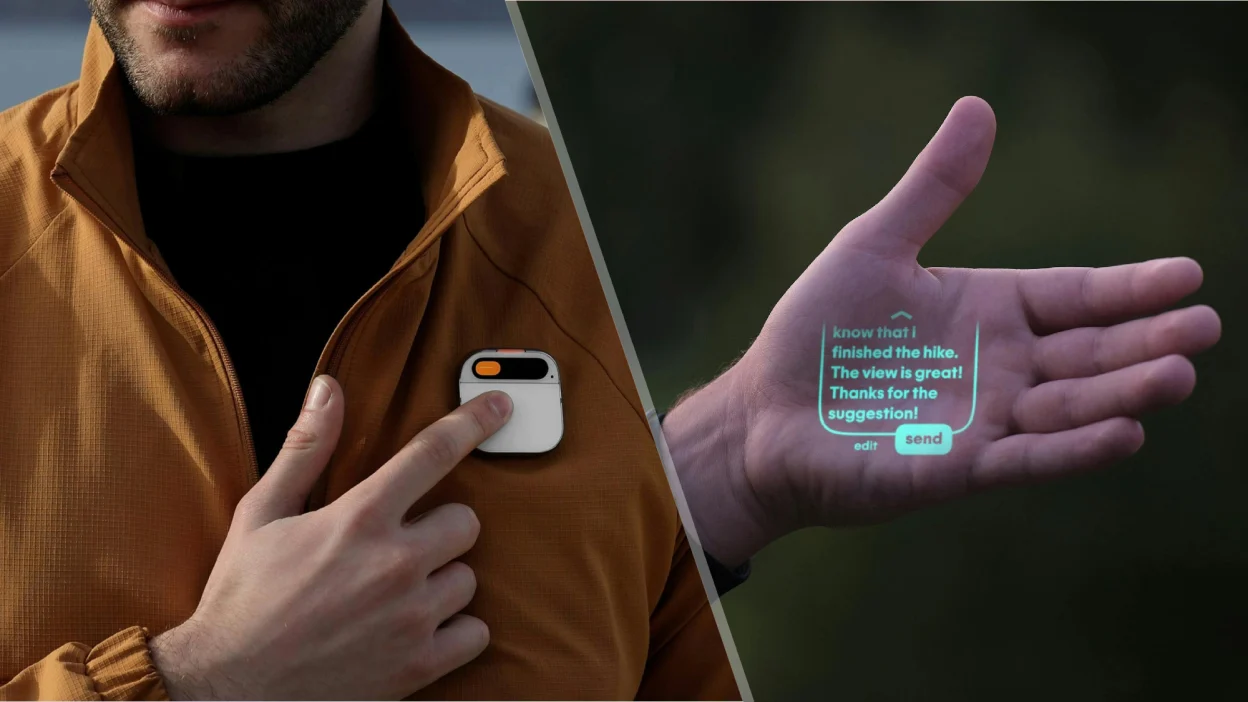
The Humane AI Pin promised to replace your smartphone with an AI assistant worn on your chest. The laser projector that beamed information onto your palm looked incredible in demo videos. The vision of ambient AI that understands context and acts on your behalf resonated with anyone tired of smartphone addiction.
In reality? The projected interface was awkward to use in any lighting, the battery life was terrible, the device overheated regularly, and the $699 price plus $24 monthly subscription felt absurd for something that couldn't reliably set a timer.
The most damning criticism came from reviewers who noted they found themselves barely using the Pin even when wearing it. If a wearable doesn't naturally fit into your life, no amount of technological sophistication saves it.
Humane sold its assets to HP in early 2025, and the AI Pin was discontinued. The lesson? Hardware that tries to replace your phone needs to be dramatically better at core tasks, not just conceptually interesting.
Rabbit R1
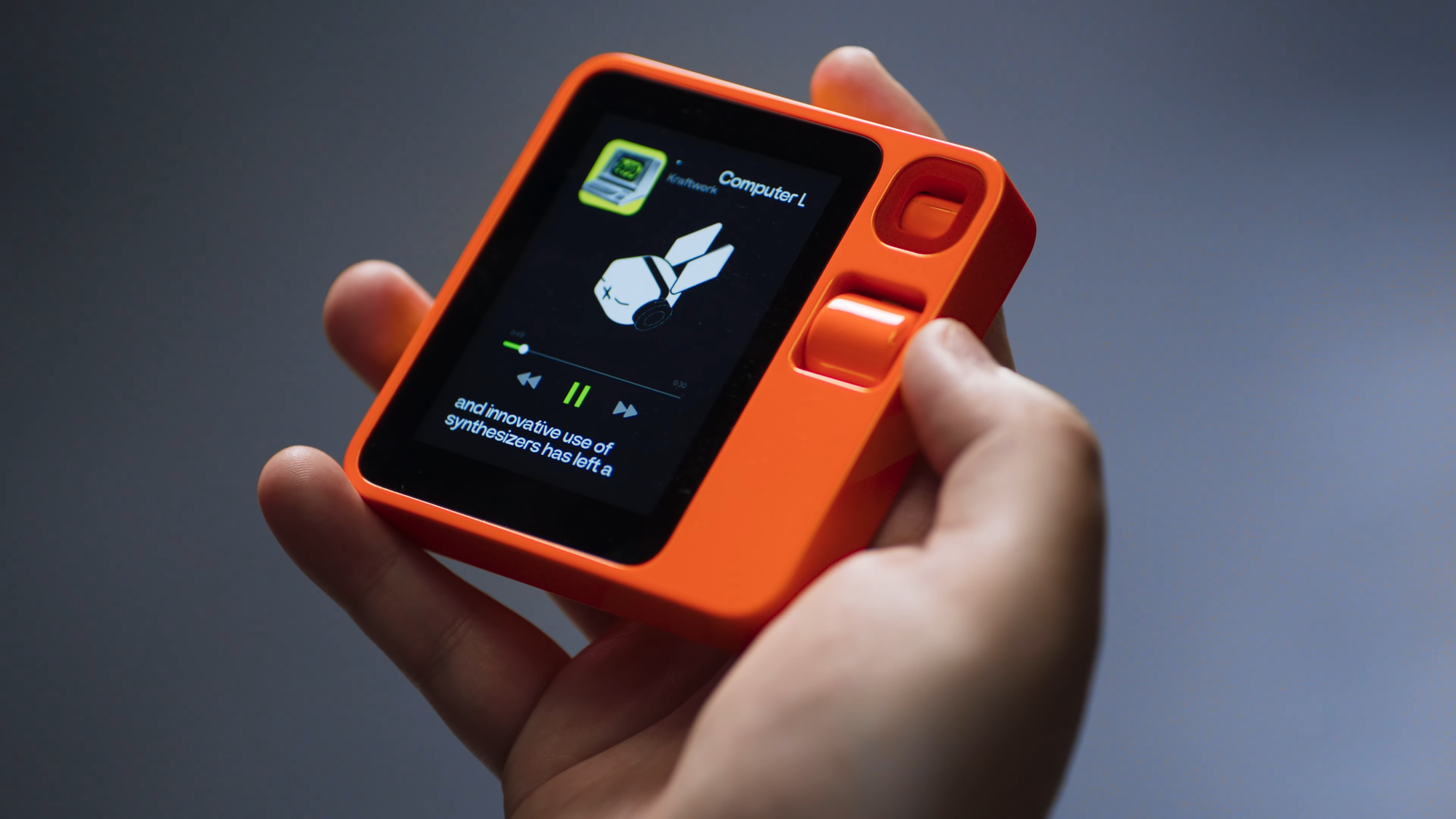
The Rabbit R1 took a more modest approach – a $199 handheld AI companion that uses a Large Action Model to perform tasks across apps and services. Unlike the AI Pin, it has a screen and physical controls, making interaction more familiar.
Early reviews were brutal. The device was slow, basic features were missing, and the "revolutionary" LAM technology struggled to deliver on promises of booking rides, making reservations, or managing your digital life.
To Rabbit's credit, they've continued updating the device, and current firmware is significantly better than launch. The R1 now offers actual utility for structured workflows and has developed a community of enthusiasts building custom "skills."
But the fundamental question remains: why carry a separate device when your smartphone's AI assistants are more capable and always with you? The R1 survives as a niche product for people who specifically want a dedicated, distraction-free AI interaction device. For most people, it's an interesting experiment rather than a practical purchase.
What Successful Wearables Get Right
The contrast between failed and successful AI wearables reveals clear patterns:
- Specificity beats generality. The Oura Ring succeeds because it focuses on sleep and recovery. The Ray-Ban Metas succeed because they focus on photography and quick AI queries. Devices that try to do everything – replace your phone, your computer, your assistant – do nothing well.
- Integration beats isolation. Successful wearables work with your existing devices and ecosystems rather than demanding you rebuild your digital life around them. The Galaxy Ring works because it enhances Samsung phones, not because it replaces them.
- Fashion beats function alone. If people are embarrassed to wear something, they won't wear it consistently. The Ray-Ban Metas look like normal glasses. The Oura Ring looks like jewelry. The AI Pin looked like a weird chest badge.
- Reliability beats features. A device that does three things perfectly beats one that does twenty things poorly. Every failed AI wearable suffered from basic reliability issues – slow processing, poor battery life, overheating, that undermined any advanced features.
How to Choose the Right AI Wearable for You
After all this testing, here's my framework for deciding which AI wearables, if any, make sense for your life.
Start With the Problem, Not the Technology
Don't buy an AI wearable because it's cool. Buy one because it solves a specific problem you actually have.
Do you want to track sleep and health without wearing a watch to bed? Consider a smart ring. Do you want hands-free photography and quick AI answers without pulling out your phone? Consider smart glasses. Do you want real-time translation for travel or work? Consider translation earbuds or display glasses.
If you can't articulate a clear use case, you probably don't need the device yet.
Match Ecosystem to Device
The best AI wearable for an iPhone user differs from the best for a Samsung user. Ecosystem compatibility dramatically affects how smoothly a device integrates into your life.
Samsung users should seriously consider the Galaxy Ring and future Galaxy XR glasses. Apple users should lean toward devices with strong iOS support like Oura or wait for Apple's eventual entries into these categories. Android users have the most flexibility but should verify compatibility before purchasing.
Budget Realistically
AI wearables are not cheap, and ongoing costs add up. Here's a realistic breakdown:
For smart glasses, expect $300-500 for Ray-Ban Metas including any prescription lenses. For smart rings, budget $350-450 for the ring plus $72 per year for subscriptions (Oura) or no subscription (Samsung). For specialty devices like translation earbuds or display glasses, prices range from $200-800.
If budget is tight, I'd prioritize a smart ring over smart glasses. The health insights from rings provide more consistent daily value than the occasional utility of AI glasses for most people.
Accept That Waiting Might Be Smart
The AI wearable market is evolving rapidly. Devices launching in late 2026 will likely outperform current options significantly. If nothing in the current market solves a pressing problem for you, there's no shame in waiting.
Apple is working on lightweight AR glasses that could reset expectations for the category. Samsung and Google are collaborating on Android XR. Meta continues iterating on Ray-Ban glasses with display technology. The next 12-18 months will bring meaningful improvements.
Looking Ahead: What's Coming in 2026 and Beyond
Several trends will shape AI wearables through 2026:
- Neurotech goes mainstream. At CES 2026, multiple companies announced EEG-enabled earbuds and headbands for tracking brain activity. Products from Neurable, Naox, and Elemind promise to help with focus, sleep, and cognitive performance. This category is nascent but worth watching.
- Health monitoring approaches clinical grade. Wearables are increasingly validated against medical equipment, with some devices receiving regulatory approval for specific health conditions. Expect smart rings and watches to play larger roles in preventive healthcare.
- AI becomes predictive rather than reactive. Current AI wearables mostly respond to queries. Future devices will proactively surface information based on context—telling you about traffic before you leave, reminding you of someone's name as they approach, suggesting rest before you feel exhausted.
- Form factors diversify. Beyond glasses, rings, and earbuds, watch for smart patches, AI-enabled jewelry, and even smart clothing. The goal is ambient computing that fades into the background of daily life.
My Current AI Wearable Setup
For transparency, here's what I actually use daily after testing everything:
I wear an Oura Ring 4 continuously for sleep and health tracking. The insights into my recovery and the early illness detection have proven genuinely valuable multiple times.
I use Ray-Ban Meta glasses a few times per week, primarily for hands-free photos and quick AI queries when I don't want to pull out my phone. They're not essential, but they're useful often enough to justify keeping.
Everything else I tested either collects dust or got returned. The smart ring provides the most consistent daily value with the least friction. The glasses are useful but optional. The failed devices taught me that AI wearables succeed when they solve specific problems well, not when they try to revolutionize everything at once.
Your optimal setup will differ based on your priorities, ecosystem, and budget. But the principle holds: fewer, better devices that you actually use beats a drawer full of gadgets that seemed cool in reviews.
FAQ
What are AI wearables and how are they different from regular wearables?
AI wearables use machine learning to interpret data and provide personalized insights rather than just displaying raw metrics. A regular fitness tracker counts your steps. An AI wearable analyzes your movement patterns, sleep quality, and physiological signals to provide actionable recommendations tailored to you specifically. The AI component typically includes features like anomaly detection, predictive health alerts, and contextual assistance that improves over time as the device learns your patterns.
Are smart glasses worth it in 2026?
For most people, smart glasses are worth considering but not essential. If you want hands-free photography, quick AI assistance, and don't mind the current price points ($300-500), the Ray-Ban Meta series delivers genuine value without making you look like a tech experiment. However, if you need a visual display showing information in your field of view, current options are bulkier and more expensive. The technology improves rapidly, so waiting another year is reasonable if nothing solves an urgent problem for you today.
Which smart ring should I buy: Oura or Samsung Galaxy Ring?
If you have an iPhone or want the deepest health insights with the most refined AI, choose Oura Ring 4. If you have a Samsung phone and want seamless ecosystem integration without subscription fees, choose the Galaxy Ring. Both provide excellent sleep tracking and daily readiness scores. Oura has better long-term trend analysis and illness prediction. Samsung has better Android integration and a more convenient charging case. Neither excels at workout tracking—get a dedicated fitness watch if that's your priority.
Do I need a subscription for AI wearables?
It depends on the device. Oura Ring requires a $5.99 monthly subscription for full AI features. Samsung Galaxy Ring has no subscription. Many smart glasses have no ongoing fees beyond the hardware cost. Before purchasing, calculate the total cost over 2-3 years including any subscriptions to compare true value across options.
What happened to the Humane AI Pin and Rabbit R1?
The Humane AI Pin was discontinued in early 2025 after poor reviews citing overheating, terrible battery life, and limited functionality. Humane sold its assets to HP. The Rabbit R1 survives with ongoing software updates but remains a niche product that struggles to justify its existence when smartphones offer more capable AI assistants. Both devices teach important lessons: ambitious AI wearables fail when basic reliability issues undermine advanced features.
Can AI wearables replace my smartphone?
Not in 2026, and likely not for several years. Current AI wearables work best as supplements to your phone, not replacements. Smart glasses handle quick queries and photos but can't run most apps. Smart rings provide health data but need a phone app to display insights. The devices that tried to replace smartphones—like the Humane AI Pin—failed precisely because they couldn't match smartphone utility. Think of AI wearables as specialized tools that reduce how often you reach for your phone, not as phone replacements.
How accurate are smart rings for health tracking?
For sleep tracking, leading smart rings like Oura approach clinical accuracy and have been validated in research studies. Heart rate variability and resting heart rate measurements are generally reliable. However, workout tracking (calories burned, exercise heart rate) is significantly less accurate than dedicated fitness watches. Smart rings excel at passive health monitoring—the data you collect while living normally—rather than active fitness tracking.
What's the battery life like on AI wearables?
Battery life varies dramatically by device type. Smart rings typically last 5-10 days depending on the model. Smart glasses last 4-6 hours of active use. AI earbuds vary based on features enabled. No AI wearable currently offers true all-day performance for intensive features. Plan for daily or every-few-days charging depending on your device.
Are AI wearables safe and private?
All AI wearables collect personal data to function, raising legitimate privacy considerations. Leading manufacturers like Meta, Oura, and Samsung have published privacy policies and often offer controls over data sharing. However, you should review these policies before purchasing and understand what data is collected, where it's stored, and how it's used. Health data is particularly sensitive. Some devices offer on-device processing that minimizes cloud data transmission.
Should I wait for Apple's smart glasses or ring?
Apple is confirmed working on lightweight AR glasses, though they're likely 2-3 years from consumer release. Rumors of an Apple Ring persist but haven't been confirmed. If you're deeply embedded in Apple's ecosystem and nothing currently solves an urgent problem, waiting is reasonable. However, current options from Meta and Oura are genuinely good. You won't regret buying them now, though future Apple products may eventually offer better integration for iOS users.
What AI wearables are best for fitness?
For serious fitness tracking, smartwatches from Garmin, Apple, or Samsung still outperform specialized AI wearables. Smart rings and glasses are not optimized for workout tracking. However, for recovery insights and readiness scores that inform when to train hard versus rest, the Oura Ring and Whoop strap provide valuable AI-powered guidance. The best approach for athletes is combining a fitness watch for workouts with a smart ring for sleep and recovery.
Do smart glasses record everything I see?
No. Leading smart glasses like Ray-Ban Meta have privacy indicators (LED lights) that illuminate when recording and cannot be disabled. Recording requires deliberate action—pressing a button or giving a voice command. The glasses don't continuously record or stream video. However, social norms around smart glasses are still evolving, and some venues may prohibit their use.
What's coming next in AI wearables?
Key trends for late 2026 and beyond include EEG-enabled earbuds and headbands for brain activity tracking, smart glasses with built-in displays becoming more compact and stylish, health monitoring features approaching medical-grade accuracy, and AI becoming predictive rather than just reactive. The Android XR platform from Google and Samsung will likely produce new glasses options. Apple's eventual entry will reshape market expectations.
How do I choose between so many AI wearable options?
Start with the problem you want to solve, not the technology itself. If you want better sleep insights, consider a smart ring. If you want hands-free AI assistance, consider smart glasses. If you want real-time translation, consider specialized earbuds. Match the device to your phone ecosystem for best integration. Budget realistically including any subscriptions. And accept that waiting is valid if nothing solves an urgent need today.
Related Articles
 Dani
Dani
 Dani
Dani