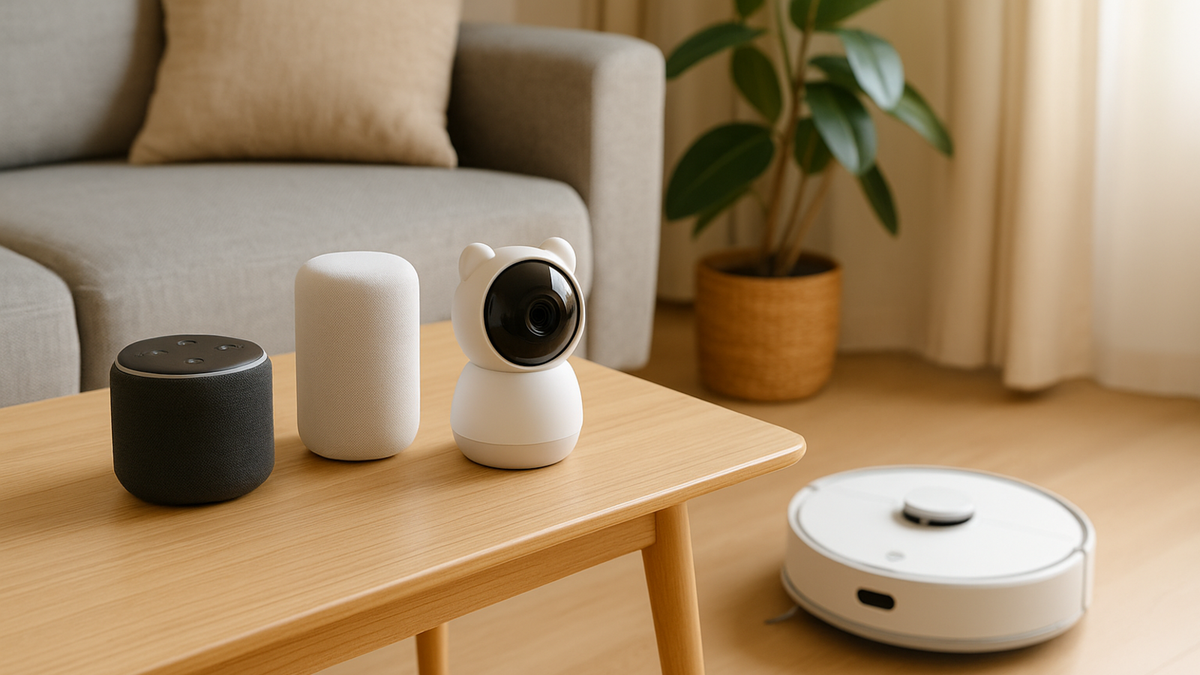
Look, I've been covering Apple for years, and I can honestly say that 2026 is shaping up to be one of the most exciting product years the company has ever had. We're not just talking about the usual iPhone refresh here. Apple is preparing to launch over 25 new products across virtually every category they compete in — from a game-changing foldable iPhone to smart glasses that could finally make AI wearables mainstream.
I've spent weeks digging through leaks, analyst reports, and internal code discoveries to put together this comprehensive guide. Whether you're planning your next tech purchase, curious about Apple's direction, or just want to know if that upgrade you've been putting off is finally worth it, I've got you covered.
So grab a coffee, settle in, and let me walk you through everything Apple has planned for 2026. Trust me, there's a lot to unpack.
The Big Picture: Why 2026 Is Different
Before we dive into specific products, let me give you some context about why this year matters so much for Apple.
For the past few years, Apple has been playing it relatively safe. iPhone updates have been incremental. Macs got faster chips but kept the same designs. The company seemed content to refine rather than revolutionize. But 2026 represents a genuine pivot point.
Internal code leaks from iOS 26 builds have revealed an extraordinary number of unreleased products in development. Bloomberg's Mark Gurman, who has an almost supernatural ability to predict Apple's moves, has confirmed many of these findings. And supply chain analysts like Ming-Chi Kuo have been tracking production timelines that all converge on 2026.
What we're looking at is Apple's attempt to address several challenges simultaneously. The smartphone market is mature and sales have plateaued. Competitors like Samsung and Google have eaten into Apple's innovation narrative with foldables and AI features. The smart home market has passed Apple by, with Amazon and Google dominating. And the wearables space is getting crowded.
Apple's response? An aggressive product offensive that touches every major category. Let's break it down.
Winter and Spring 2026: The Opening Salvo
The year starts strong with a wave of products designed to refresh Apple's lineup and set the stage for the bigger launches coming later.
The Budget MacBook That Could Change Everything
Here's something that would have seemed impossible just a few years ago: Apple is launching a laptop designed to compete with Chromebooks. Seriously.
The new budget MacBook, internally codenamed "J700," is targeting a price point "well under $1,000" — with some analysts suggesting it could land around $599 to $699. For context, the cheapest MacBook you can buy today is the MacBook Air at $999.
What makes this possible is Apple's decision to use the A18 Pro chip — the same processor found in the iPhone 16 Pro — instead of the Mac-focused M-series silicon. This might sound like a downgrade, but here's the thing: the A18 Pro is actually remarkably capable. Its single-core performance matches the M3 Ultra in benchmarks, and its multi-core scores exceed the original M1 chip. For everyday tasks like web browsing, document editing, video streaming, and even light photo editing, it's more than enough.
The laptop will feature a 13-inch display (slightly smaller than the MacBook Air), an LCD panel without mini-LED or ProMotion, and possibly just one or two USB-C ports. Apple might offer it in fun colors like blue, pink, and yellow — reminiscent of the colorful iMacs.
Who is this for? Students, primarily. Schools that have standardized on Chromebooks because Macs were too expensive. First-time computer buyers who want into the Apple ecosystem. Small businesses that need basic productivity machines. Basically, anyone who's been priced out of the Mac world until now.
This is a genuinely big deal. Apple is acknowledging for the first time that not everyone needs — or can afford — a premium laptop. And by bringing these users into the macOS ecosystem, Apple creates potential future customers for higher-end products. It's smart business disguised as accessible computing.
iPhone 17e: The Budget iPhone Gets Better
While we're talking about affordable Apple products, let's discuss the iPhone 17e. This is the successor to the iPhone 16e (which replaced the SE line), and it's getting some meaningful upgrades.
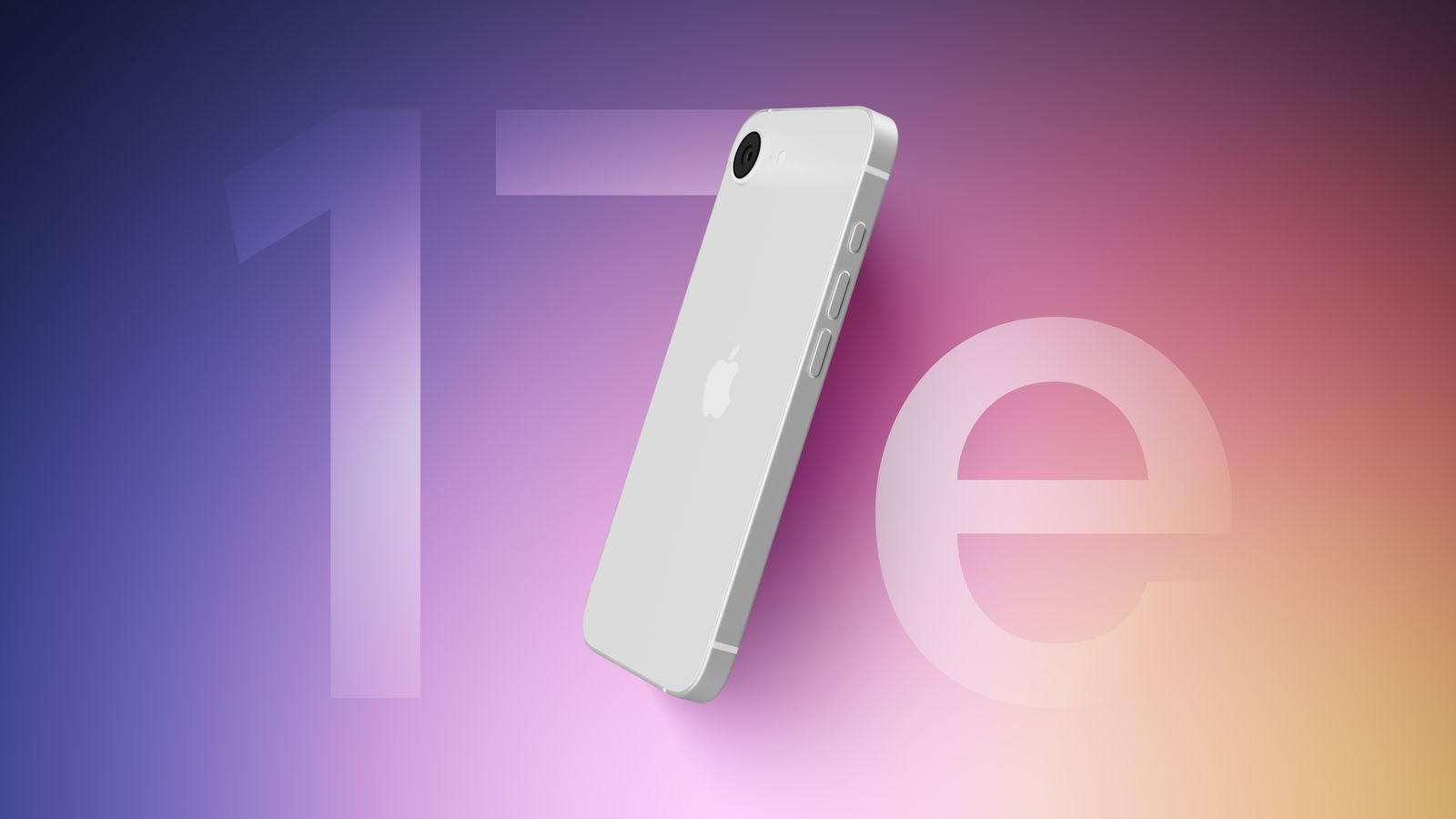
The A19 chip will power this phone, which means it'll fully support Apple Intelligence — the company's suite of AI features that are becoming increasingly central to the iOS experience. You'll also get Center Stage for the front camera, Dynamic Island (finally bringing that design element to the budget phone), and MagSafe support that was mysteriously absent from the 16e.
The iPhone 17e isn't trying to be the best iPhone. It's trying to be the best value iPhone. And for people upgrading from older models who don't need the latest camera tech or the biggest screens, it's going to be an attractive option.
The HomePad: Apple Finally Gets Serious About Smart Home
Okay, this one has me genuinely excited. Apple has been trailing Amazon and Google in the smart home space for years. HomeKit was clunky. Siri was... let's be charitable and say "limited." The HomePod was great for music but didn't compete with smart displays like the Echo Show or Nest Hub.
The HomePad changes everything.
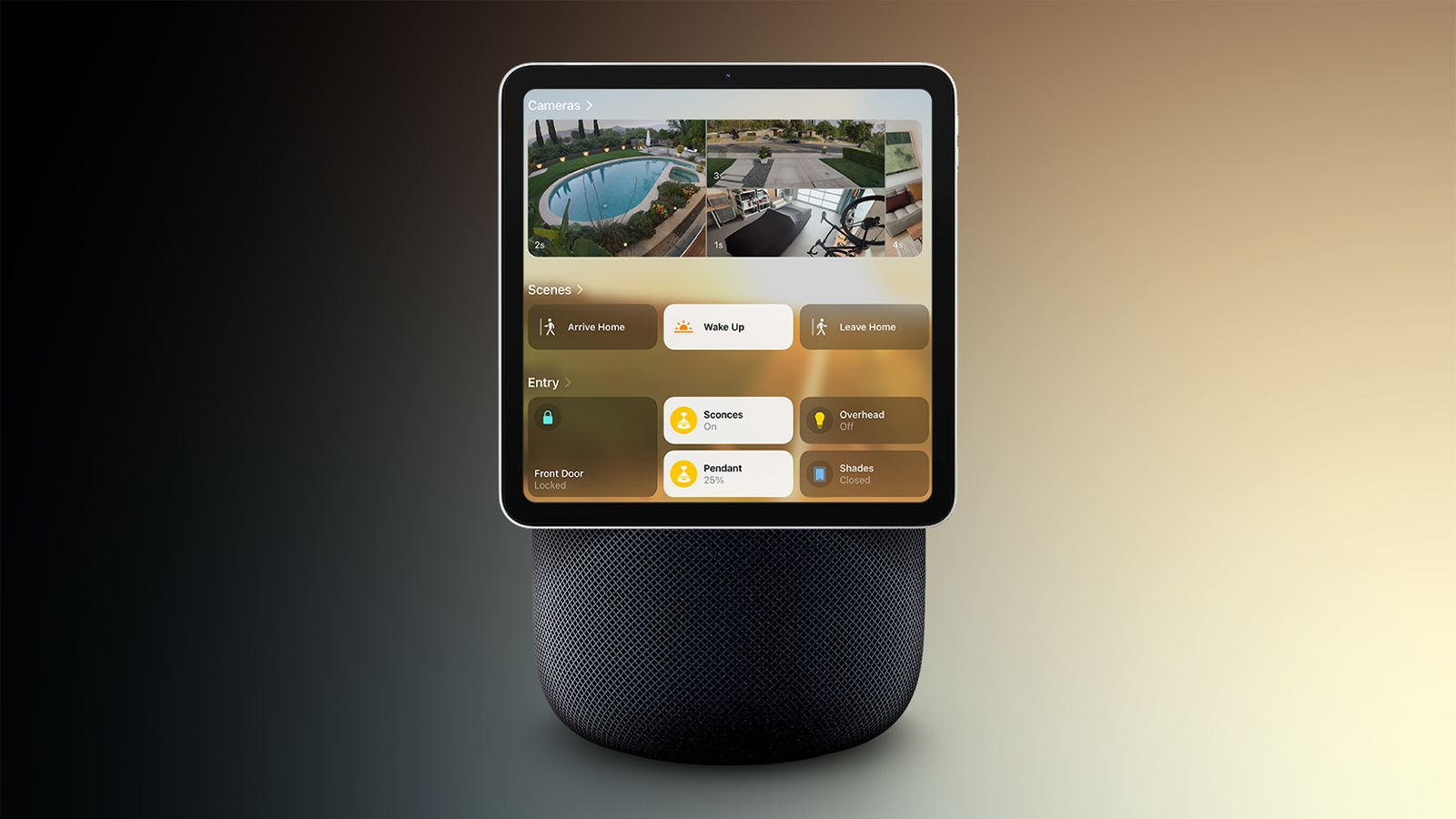
This is a 7-inch touchscreen device that looks like a cross between an iPad and a HomePod. It comes in two versions: one designed to mount on your wall, and another with a speaker base that sits on your counter or desk. It's powered by the A18 chip, which means it fully supports Apple Intelligence and the dramatically improved version of Siri that's coming in iOS 26.4.
The device features Face ID, which it uses to recognize different family members and switch profiles automatically. Walk up to it, and it shows your calendar, your messages, your smart home controls. When your kids approach, they see their stuff instead. It's contextually aware in a way that competing products simply aren't.
You'll be able to make FaceTime calls with the built-in 1080p camera (with Center Stage support), control all your HomeKit devices from a central hub, display your photo library, check the weather, set timers, and — most importantly — actually have useful conversations with Siri.
That last part is crucial. Apple has been holding back the HomePad specifically because they wanted Siri ready for prime time. The new Siri, which arrives with iOS 26.4 in March or April, will use large language models similar to ChatGPT or Claude. It should be able to handle complex queries, maintain context across conversations, and actually be helpful rather than just triggering a web search.
The price? Probably around $350, which is higher than Amazon's Echo Show but not unreasonable for an Apple device with this capability.
Alongside the HomePad, Apple is launching a companion smart home accessory — possibly a security camera. Internal code references a device called "J229" with multiple sensors, alarm sound detection, and image capture capabilities. If Apple is building its own security camera with HomeKit Secure Video integration, it could finally offer a compelling alternative to Ring and Nest for privacy-conscious users.
HomePod mini 2: The Quiet Upgrade
The original HomePod mini launched in 2020 and has been sitting there, unchanged, for five years. That's an eternity in tech. The HomePod mini 2 is finally coming with updated internals, likely the S10 chip from the Apple Watch.
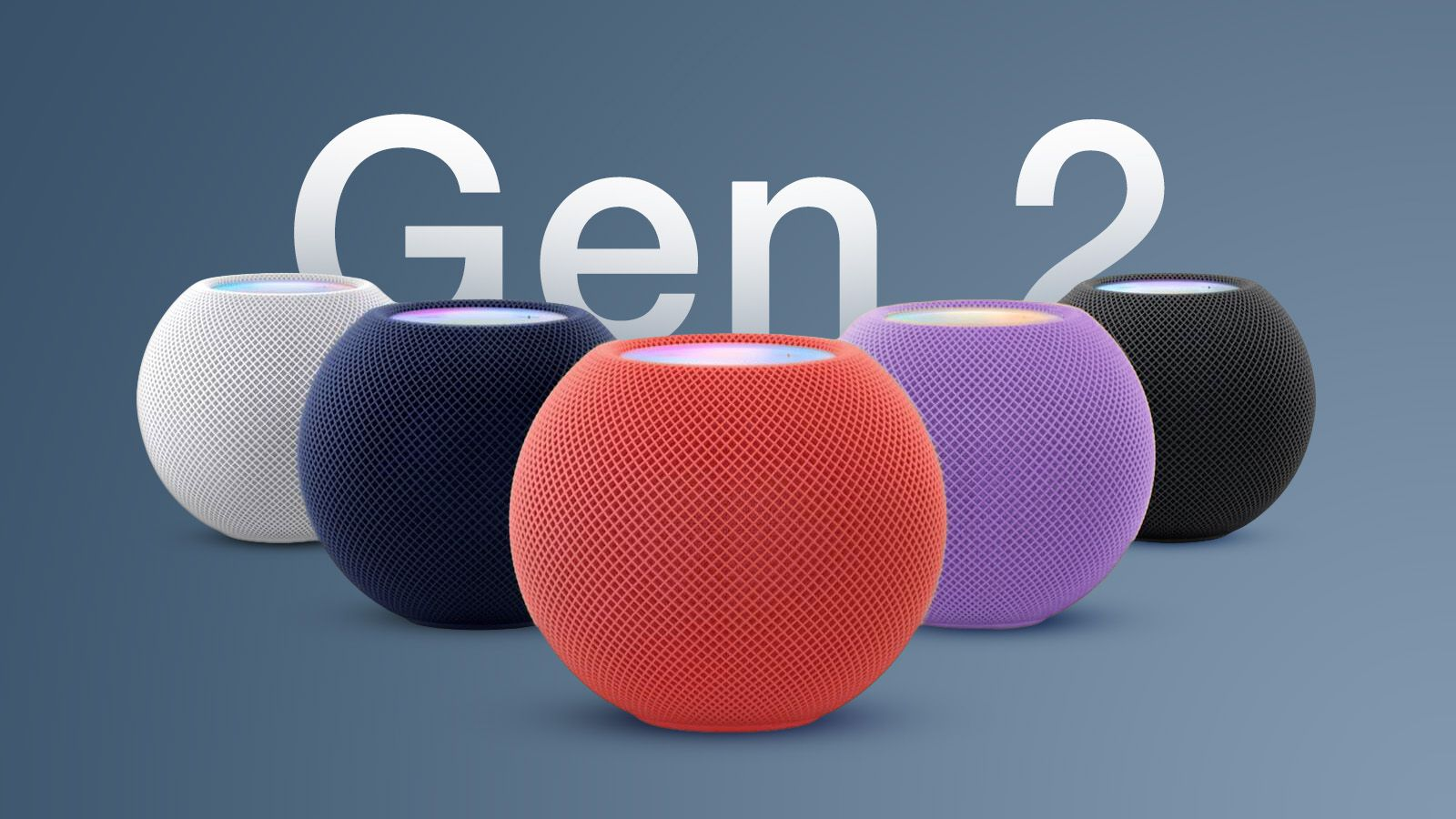
Don't expect Apple Intelligence support — the mini is too small and power-constrained for on-device AI processing. But you should see faster performance, better wireless reliability, and improved audio quality. It remains the most affordable way to get Apple's sound quality and Siri into your home.
AirTag 2: Tracking Gets Even Better
If you've ever lost your keys and had an AirTag save the day, you're going to love the second generation. The updates focus on practical improvements rather than flashy features.
First, you'll get improved precision finding thanks to an upgraded Ultra Wideband chip. The tracking will work better in crowded places (where Bluetooth congestion currently causes issues) and when the AirTag is moving — like when it's in a bag on a conveyor belt at the airport.
Second, better battery reporting. Current AirTags just show "Low Battery" without any indication of how low. The new version will display actual percentage levels, so you know exactly when to swap that CR2032 battery.
Third, improved pairing. Setting up AirTags should be faster and more reliable.
The design probably won't change much, and Apple is sticking with the replaceable battery rather than going rechargeable. Expect a launch in the first half of 2026.
M5 MacBook Air: The Chip Upgrade You'd Expect
Every year, the MacBook Air gets the latest chip, and 2026 is no exception. The M5 MacBook Air should arrive in early 2026 (possibly March) with the new M5 silicon but no major design changes.
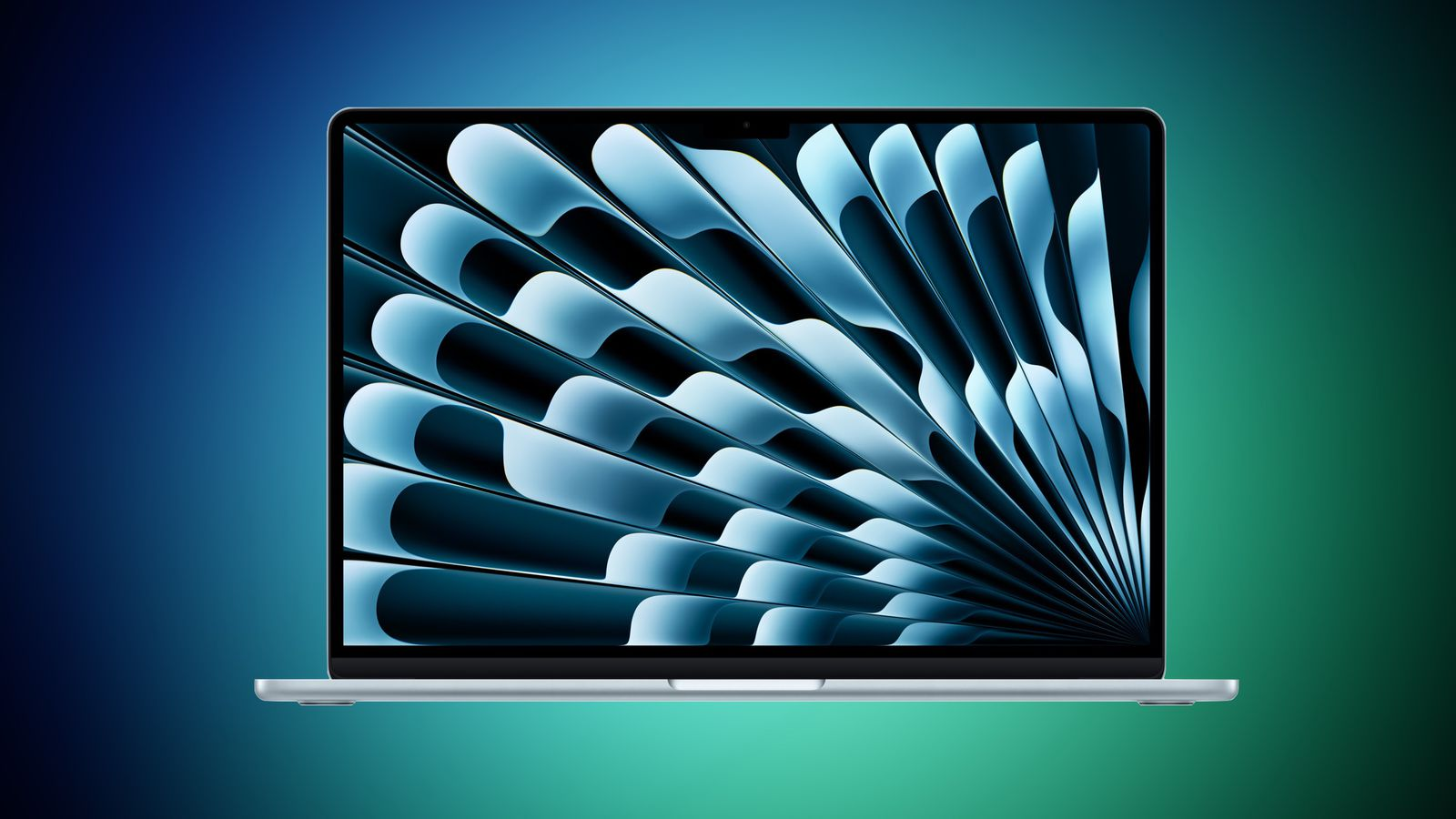
If you're rocking an M1 or M2 MacBook Air, the M5 will offer meaningful performance gains. If you have an M3 or M4, you're probably fine waiting. The bigger redesign — potentially including OLED and touchscreen — isn't expected until the M6 generation in late 2026 or 2027.
MacBook Pro with M5 Pro and Max: Power Users' Refresh
The 14-inch MacBook Pro already got the base M5 chip in late 2025, but the higher-end configurations with M5 Pro and M5 Max are coming early in 2026. These are the machines for video editors, developers, and anyone who needs serious computational muscle.
No major design changes here either — Apple is saving that for the M6 generation. But if you're a professional whose current machine is struggling with heavy workloads, the M5 Pro and Max should deliver the performance gains you need.
New Apple Displays: Finally
Apple's display lineup has been stagnant. The Studio Display launched in 2022 and hasn't been updated since. The Pro Display XDR is still the only option for true professionals, and it costs $5,000.
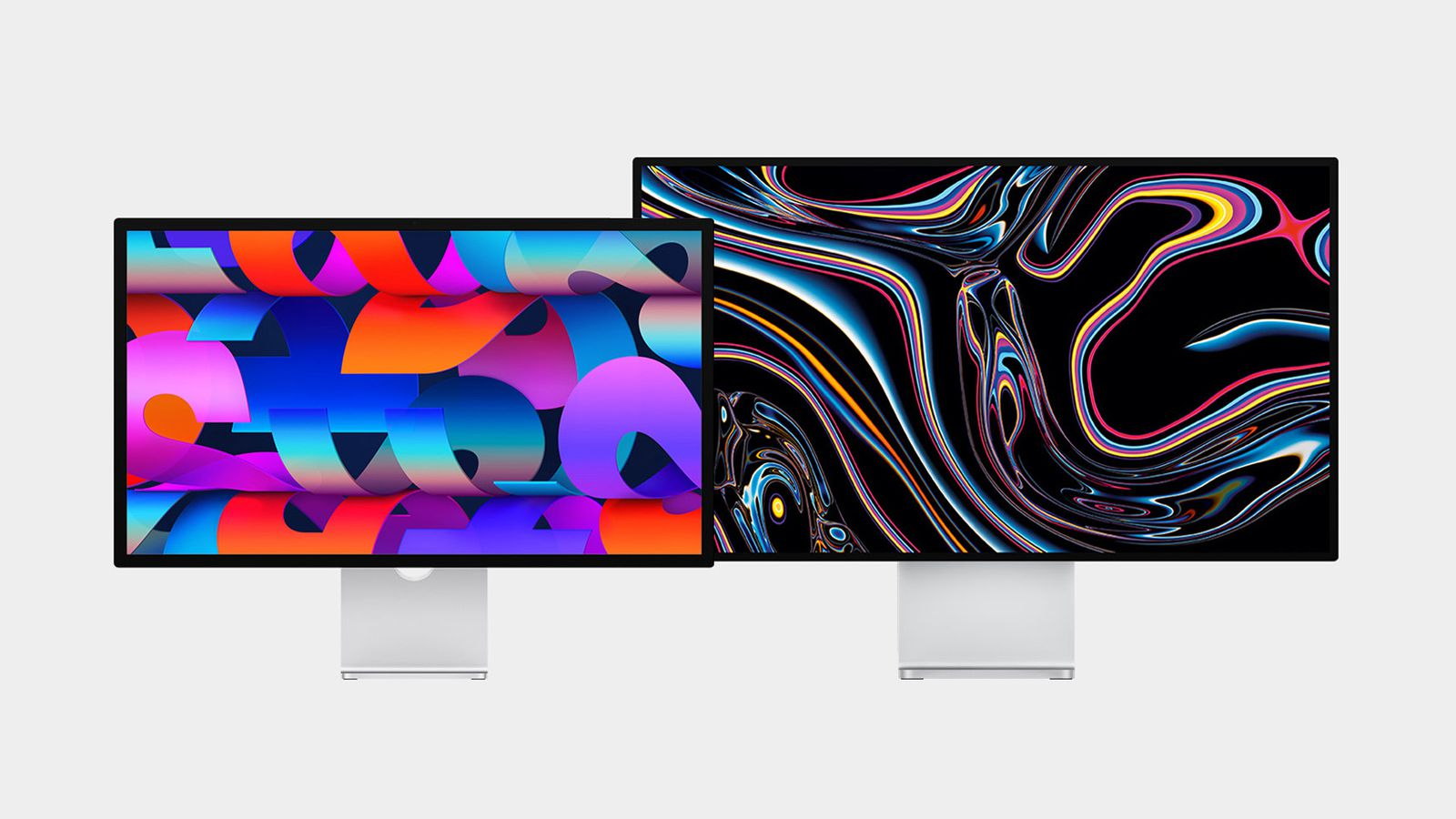
In 2026, we're expecting at least one new display, possibly two. The Studio Display 2 should feature 120Hz ProMotion support and HDR capability. There might also be a new Pro Display or a differently-positioned option to fill the gap between consumer and professional needs.
For Mac users who've been waiting for a modern display option that isn't three years old, relief is coming.
Apple TV 4K: The Long-Awaited Update
The Apple TV 4K hasn't been updated since 2022. Let that sink in. In tech years, that's ancient history.
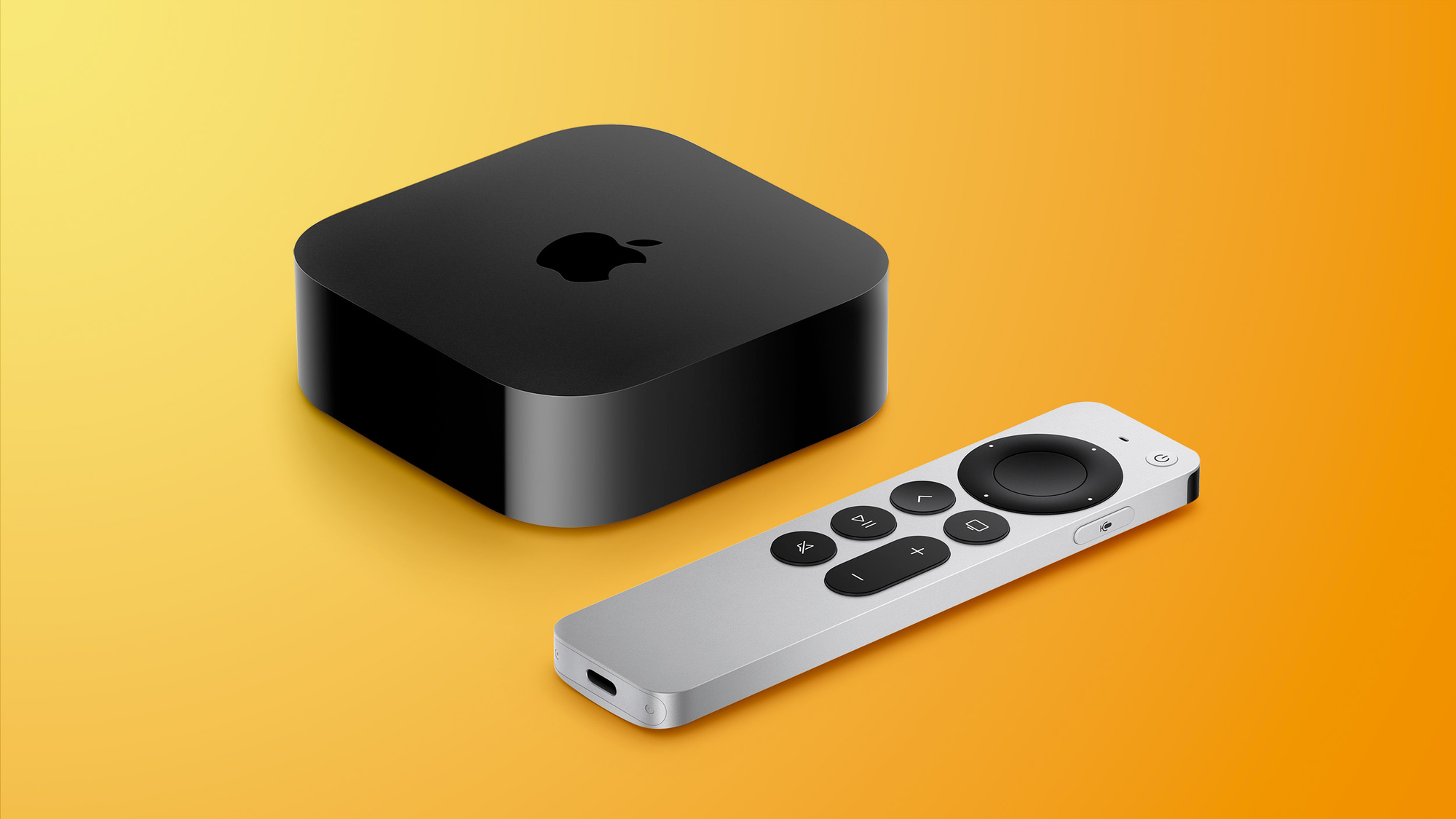
The new Apple TV should feature the A17 Pro chip (or possibly A18), which means — finally — Apple Intelligence support on your television. We might also see a built-in camera for FaceTime, better gaming capabilities, and continued support for Apple's home hub features.
If you're using an older Apple TV and find it sluggish, or if you want Apple Intelligence features on your TV, this upgrade is worth waiting for.
Summer 2026: Software Season
Summer is traditionally quieter for Apple hardware because it's dominated by WWDC in June, where Apple previews the next major versions of all its operating systems.
iOS 27, iPadOS 27, macOS 27
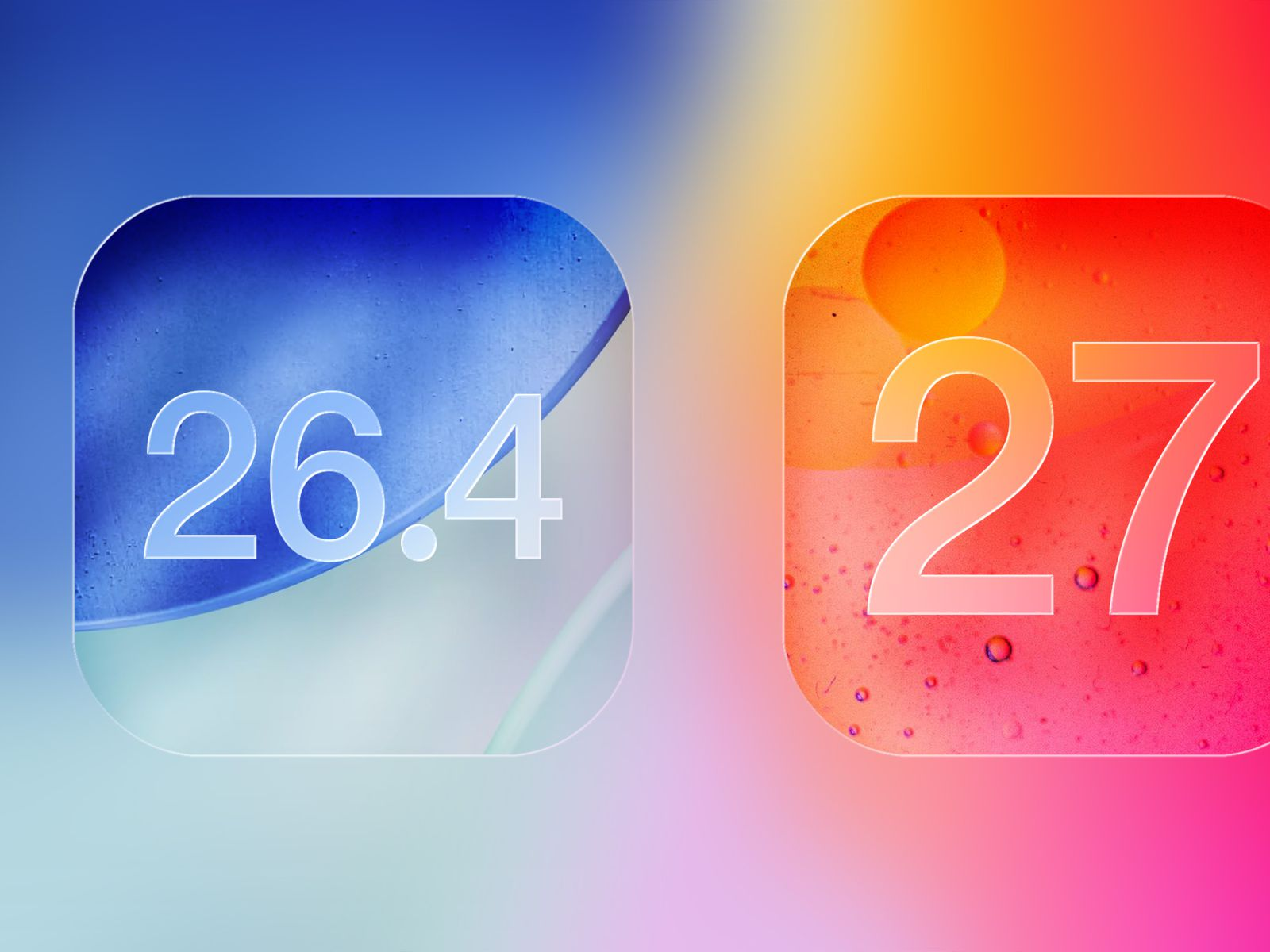
We don't know much about what these will include yet, but expect continued expansion of Apple Intelligence features, refinements to the "Liquid Glass" design language introduced in iOS 26, and the usual mix of new apps and capabilities.
The more interesting software story might actually be iOS 26.4, which is coming in spring 2026 with the dramatically improved Siri. That update — rather than iOS 27 — might be the real game-changer.
M5 Mac mini and Mac Studio
The desktop Macs should get their M5 updates around mid-2026, possibly announced at WWDC.
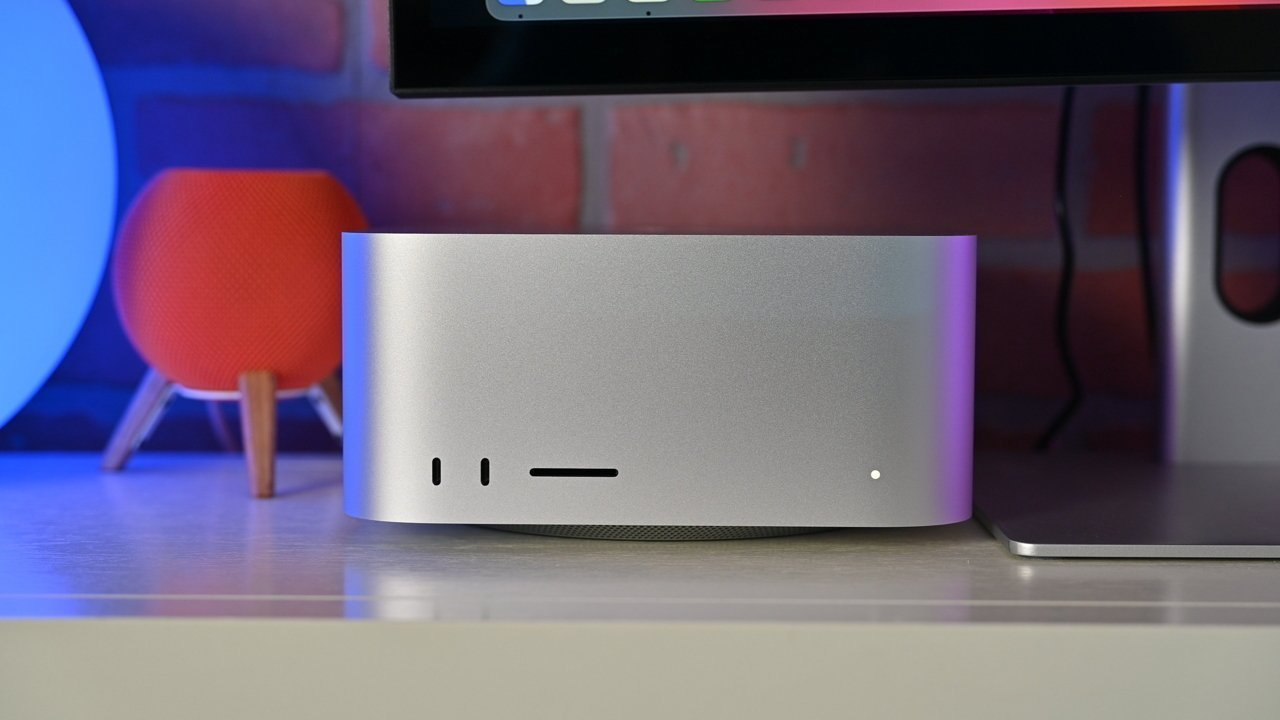
The Mac mini will come in M5 and M5 Pro versions, likely maintaining the compact design introduced with the M4 generation. The Mac Studio will get M5 Max and — notably — the first M5 Ultra chip, combining two M5 Max dies for extreme performance.
If you're a power user who needs desktop performance but doesn't want to wait for the Mac Pro, the M5 Ultra Mac Studio will be the machine to get.
Fall 2026: The Main Event
Okay, here's where it gets really interesting. Fall 2026 is shaping up to be one of the most significant product launches in Apple's history.
iPhone 18 Pro: Under-Display Face ID and More
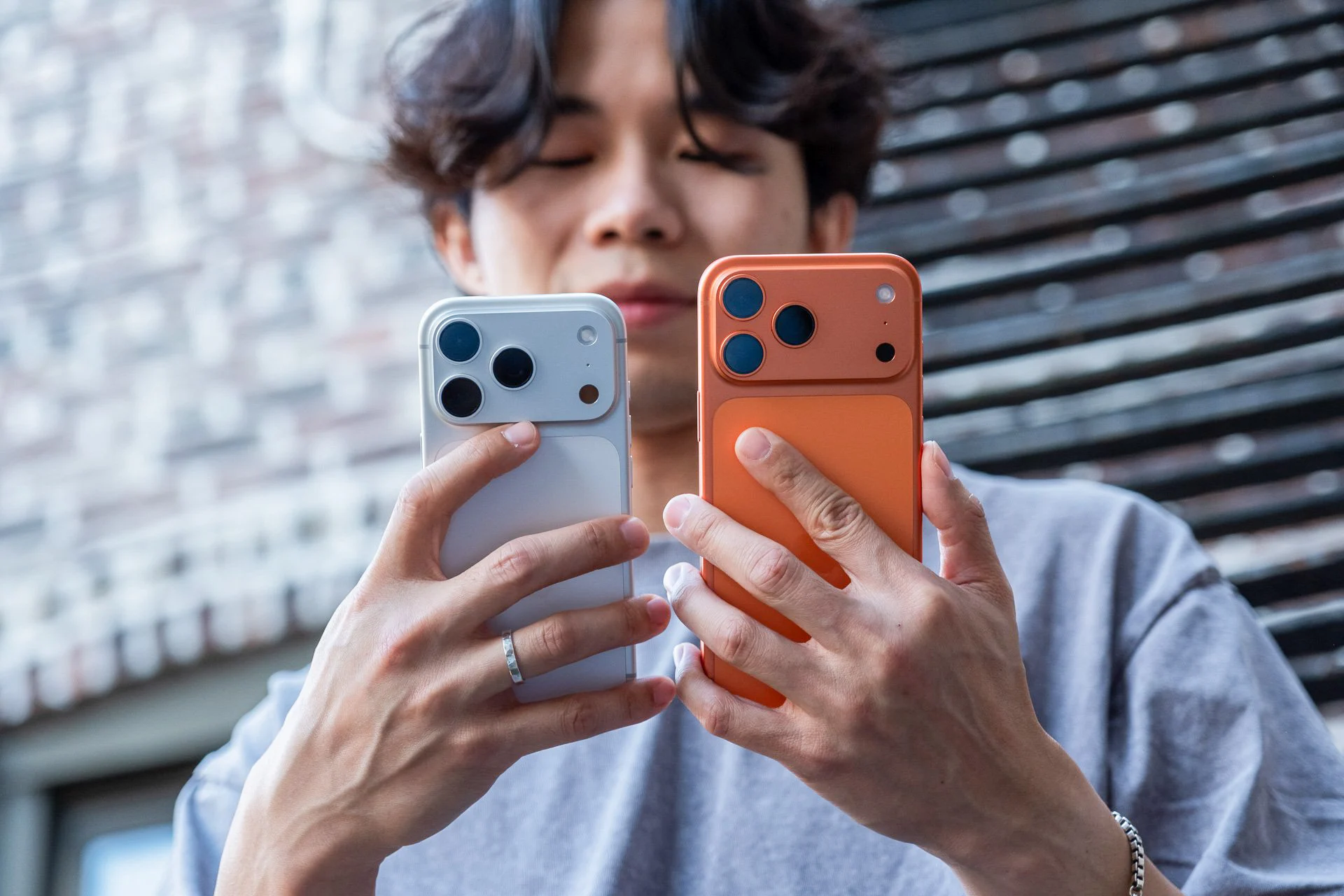
The iPhone 18 Pro and Pro Max will feature the first major design change to the iPhone face since the Dynamic Island was introduced. Apple is finally moving Face ID under the display, which means the Dynamic Island can shrink significantly — or potentially disappear entirely.
The front camera is moving to the top-left corner of the screen, hidden under the display using the same technology. The result should be a cleaner, more modern look with more usable screen space.
Under the hood, expect the A20 Pro chip, likely built on TSMC's 2nm process for significant performance and efficiency gains. Apple's second-generation C2 modem will replace Qualcomm's chips entirely, giving Apple full control over the cellular experience.
Camera improvements are expected but not yet detailed. The iPhone 18 Pro Max might get a variable aperture camera — the ability to physically adjust the lens opening like a real camera — which would be significant for photography enthusiasts.
Battery life should improve thanks to the more efficient chip and modem, though Apple has also been rumored to slightly increase battery size.
The Foldable iPhone: Apple's Biggest Gamble
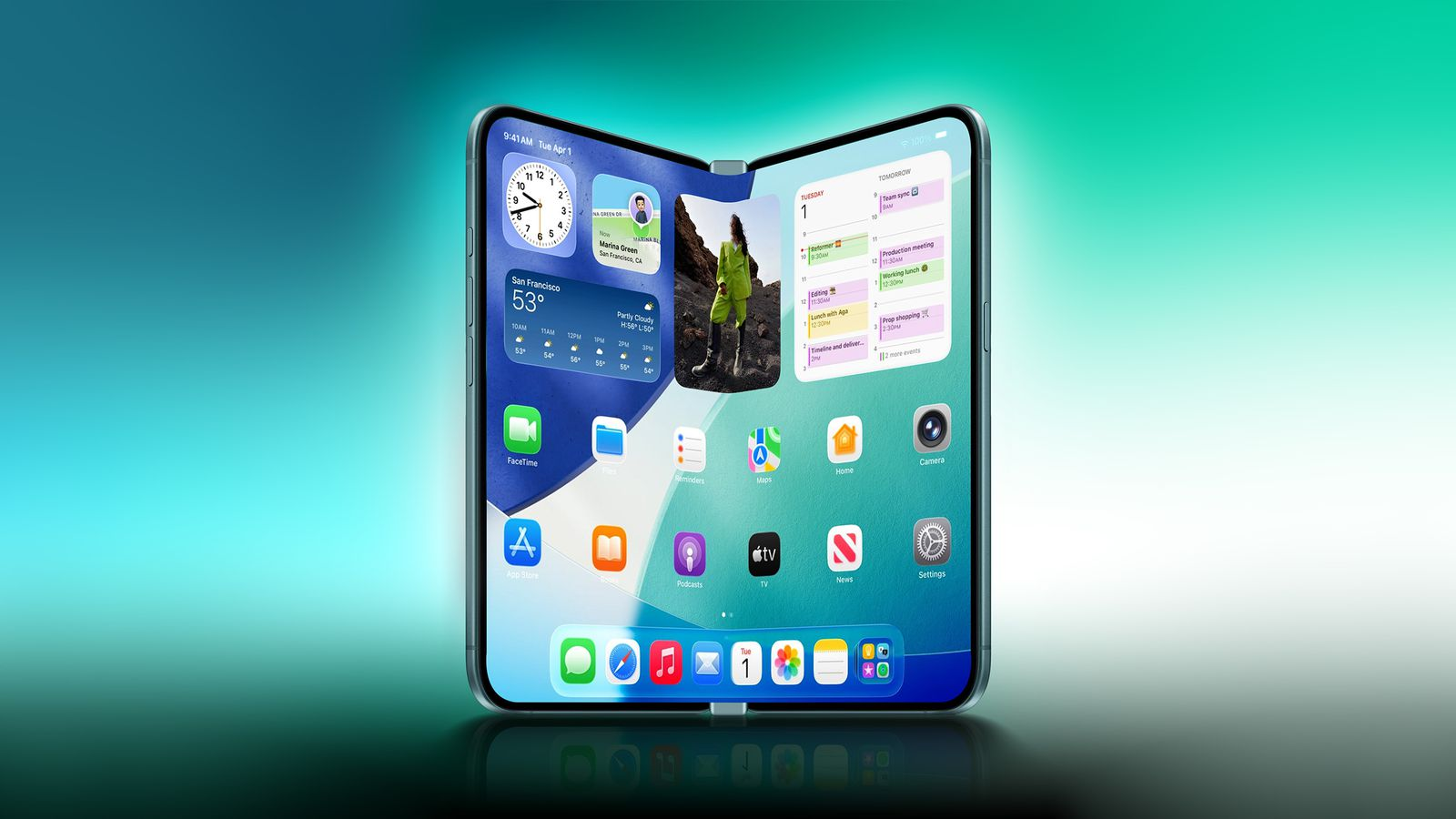
And now, the one everyone's been waiting for: Apple's first foldable iPhone.
Let me be clear about what we know. This is a book-style foldable, similar to Samsung's Galaxy Z Fold series, not a flip phone like the Z Flip. When folded, it has a 5.3 to 5.5-inch external display. When unfolded, you get a 7.8 to 8-inch internal display — essentially iPad mini territory.
Apple has been obsessing over the crease problem that plagues current foldables. Multiple reports suggest they've developed a hinge mechanism using a rigid metal plate and possibly "liquid metal" alloys to distribute stress across the display, potentially making the crease nearly invisible. If true, this would be a significant advantage over competitors.
The device will reportedly feature a titanium frame, similar to current Pro models, with IPX8 water resistance — unusual for foldables. Touch ID will return via the power button, as Face ID apparently doesn't fit well in the folding design.
Cameras will include dual 48MP sensors on the rear. The chip will be the latest A-series Pro, and Apple's C2 modem will handle cellular.
Here's the part that might make you wince: pricing is expected between $1,999 and $2,500. This isn't a phone for everyone. It's a statement product, a halo device, a proof of concept. Apple is betting that there's a market for people who want an iPhone and an iPad mini in one device and are willing to pay a significant premium for that convergence.
The timing is interesting too. Apple is reportedly shifting to a split launch strategy where the Pro phones and the foldable launch together in September 2026, while the standard iPhone 18 models don't arrive until early 2027. This lets Apple focus attention on its premium offerings without cannibalization.
Will the foldable be successful? Honestly, it's hard to say. Foldables remain a niche product — less than 2% of global smartphone sales. But Apple's entry could legitimize the category in a way Samsung hasn't managed to do. When Apple does something, people pay attention.
Apple Glasses: The Stealthiest Product Yet
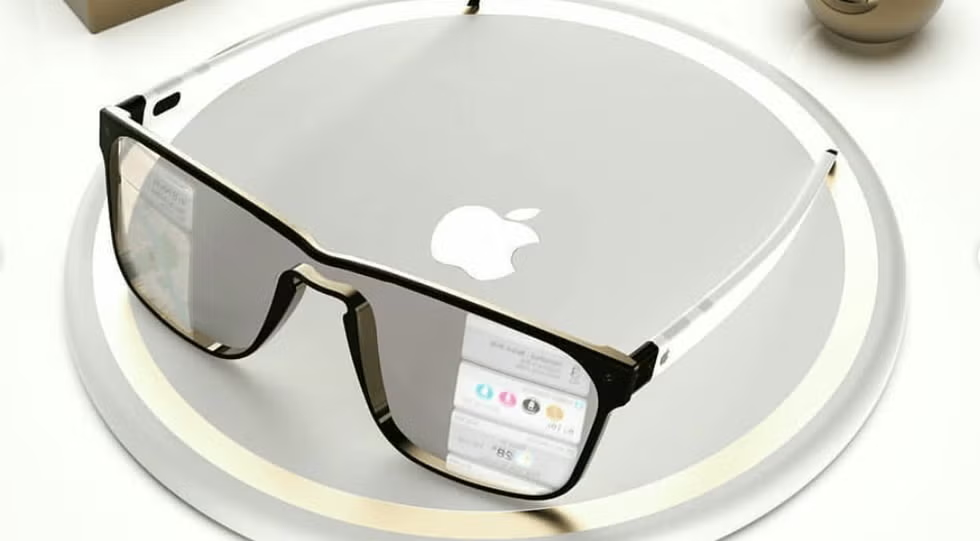
While everyone's focused on the foldable iPhone, Apple might be quietly setting up an even bigger shift with smart glasses.
Here's what we know: Apple is developing AI-powered smart glasses that would compete directly with Meta's Ray-Ban smart glasses. Unlike the Vision Pro headset, these won't be an augmented reality device with see-through displays. They're simpler: regular-looking glasses with cameras, microphones, and speakers that connect to your iPhone and use Siri and Apple Intelligence to understand the world around you.
Think about the use cases. You're walking down the street and see a restaurant. You ask Siri, "What's the rating of that place?" The cameras see what you see, process it through Apple Intelligence on your connected iPhone, and Siri reads out the answer. Or you're traveling and need to translate a sign. Or you want to capture a moment without pulling out your phone.
Apple is using a custom low-power chip based on the Apple Watch architecture, designed for all-day battery life. Mass production is targeted for late 2026, with a possible launch in late 2026 or early 2027. Pricing is speculated around $600-$700 — significantly cheaper than the $3,500 Vision Pro.
This is Tim Cook's "top priority" product, according to reports. He's long said that AR glasses are the future of computing, and while these first-generation glasses won't have AR displays, they're the foundation for what's to come.
Bloomberg reports that Apple has paused development of a cheaper Vision Pro variant to focus resources on the glasses. That's a telling strategic decision.
AirPods Pro with Cameras
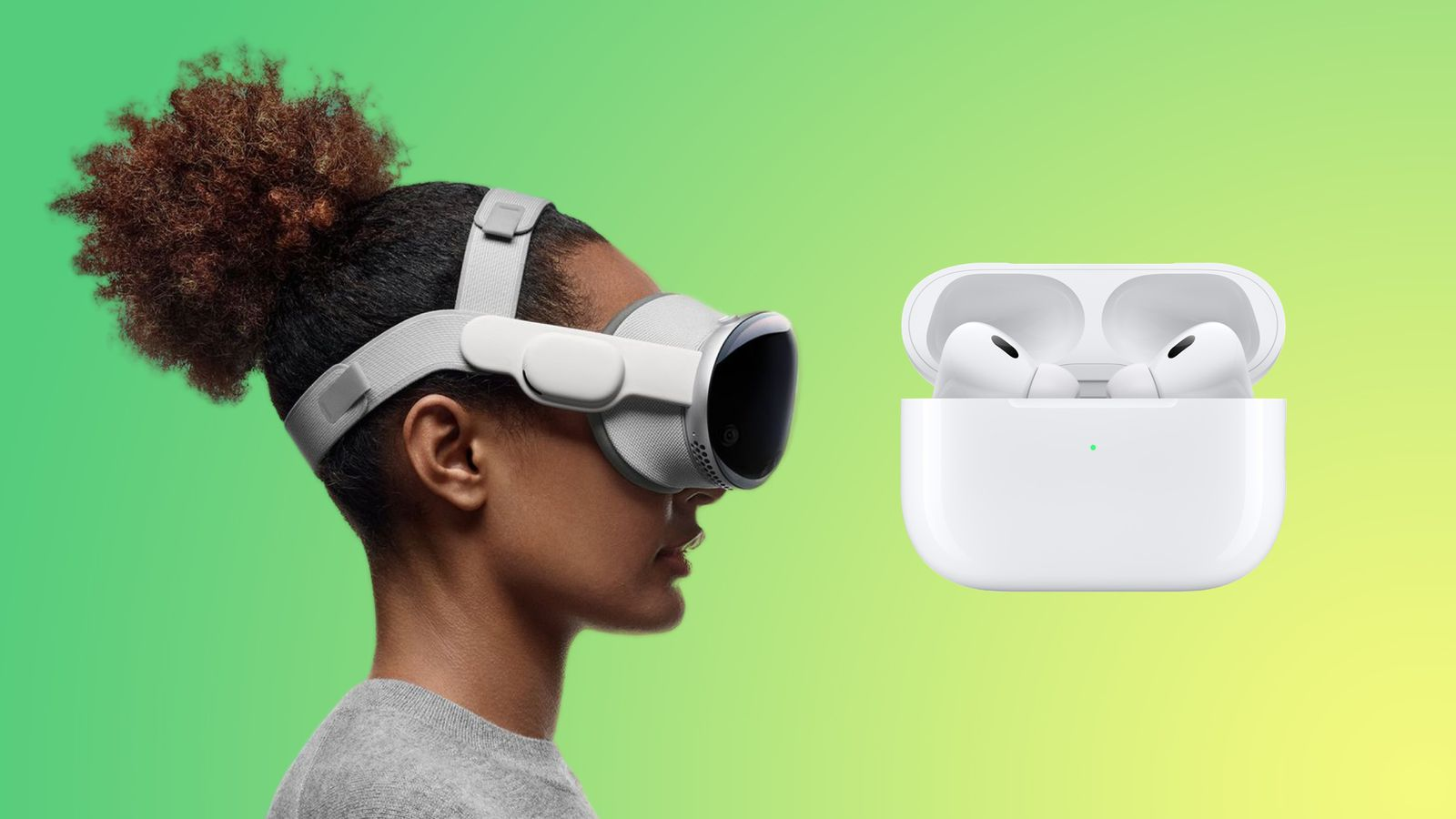
In what might be the year's weirdest product rumor, the next generation of AirPods Pro will reportedly include tiny infrared cameras.
Before you picture earbuds that can take photos (they can't), understand what these cameras are actually for: gesture recognition and environmental awareness. You might be able to pause music by waving your hand near your ear, or the cameras could help with spatial audio by understanding your environment better.
The cameras would also feed data to Apple Intelligence on your iPhone, enabling features similar to Visual Intelligence but hands-free. Imagine walking through a museum and having your AirPods identify artworks and provide information in your ears.
These camera-equipped AirPods are expected to launch as a premium tier above the standard AirPods Pro 3, possibly priced around $299 or higher. They won't replace the regular AirPods Pro; they'll sit above them as an ultra-premium option.
Apple Watch Series 12: Touch ID Finally?
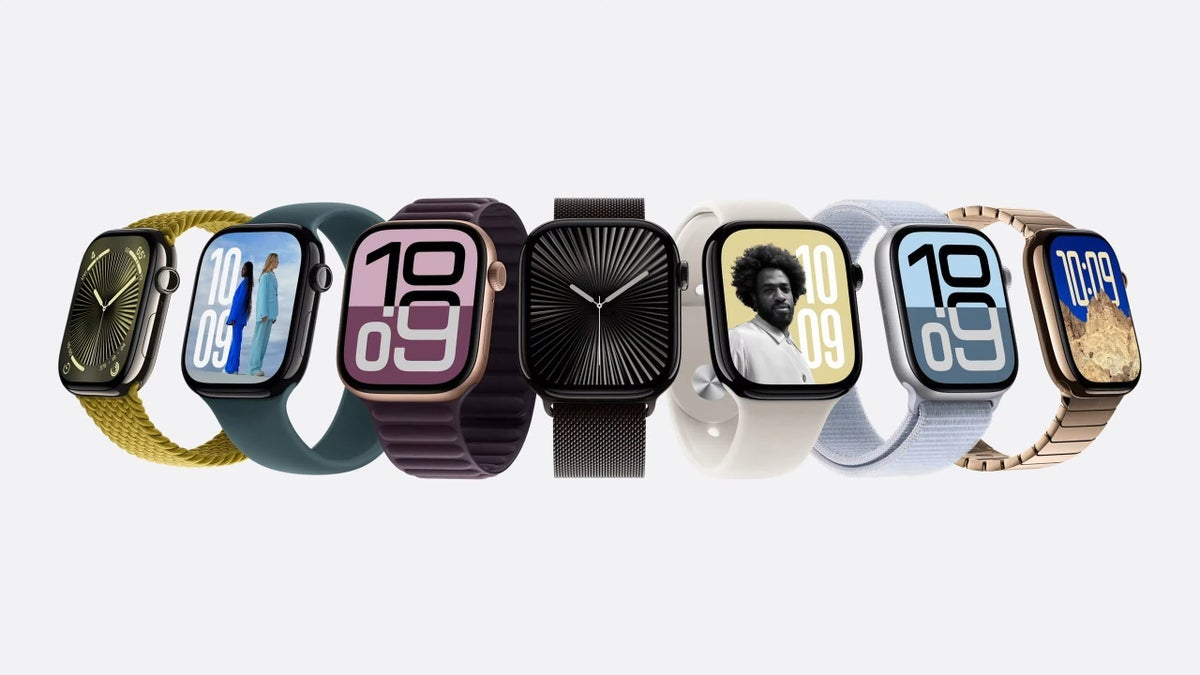
The Apple Watch Series 12 might finally bring Touch ID to your wrist. Rumors have suggested this for years, but 2026 looks like it might actually happen.
The integration would put a fingerprint sensor in the side button, allowing you to authenticate without entering a passcode or relying on wrist detection. This would be particularly useful for Apple Pay transactions and accessing sensitive apps.
Health features should continue to expand. The Series 11 added hypertension notifications, and the Series 12 might push further into blood pressure monitoring. Non-invasive blood glucose tracking — the "holy grail" of wearable health tech — is still probably a few years out, despite persistent rumors.
Design changes are unlikely for 2026; the bigger redesign is expected around 2028.
Apple Watch Ultra 4
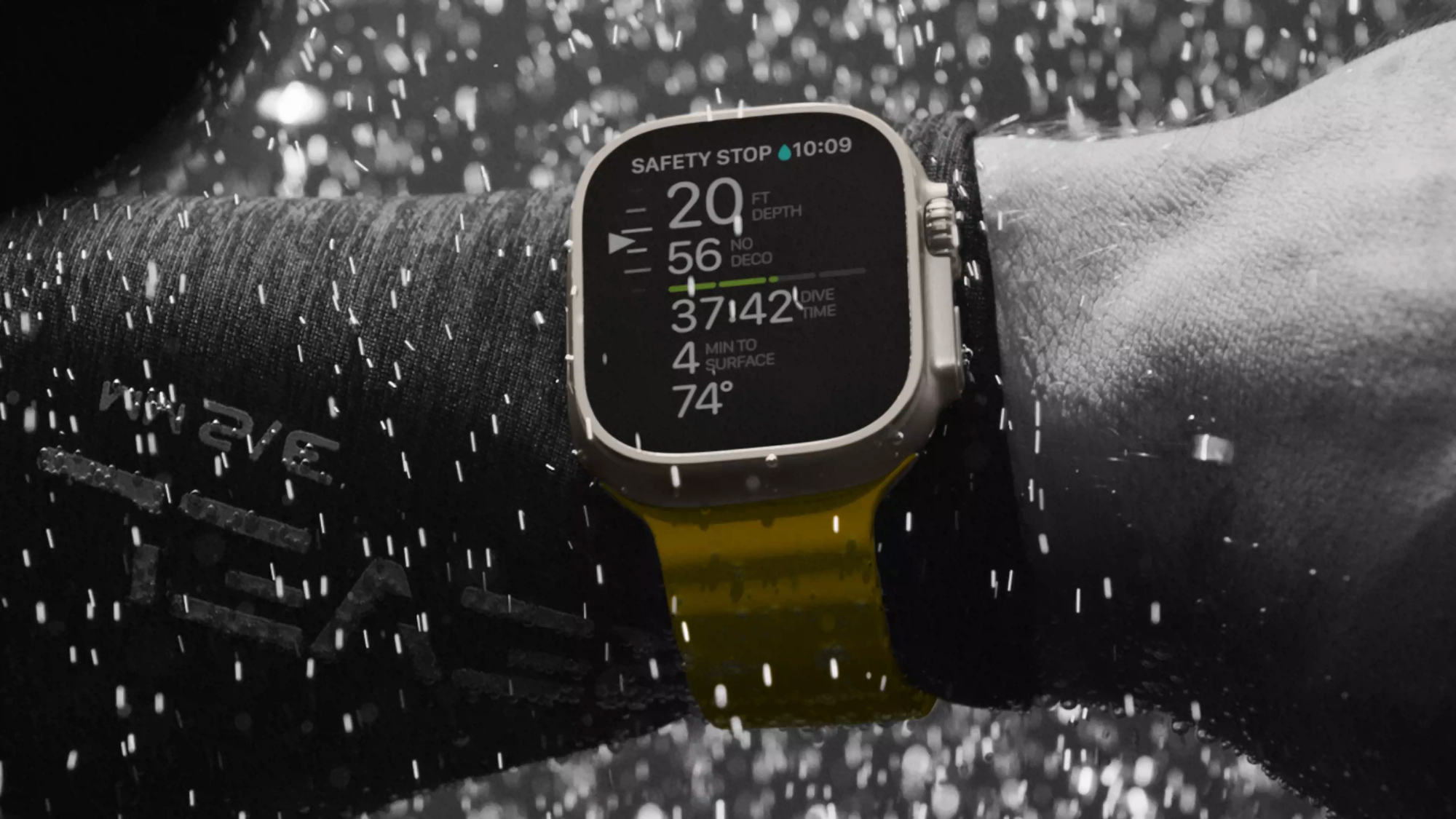
The Apple Watch Ultra line continues for adventure enthusiasts and anyone who wants maximum battery life. The Ultra 4 might trim down slightly — rumors suggest 10-15% thinner — while maintaining the rugged build quality.
Touch ID should come to Ultra 4 as well, along with the same health feature improvements as the Series 12.
iPad mini with OLED: The Little Tablet Gets Premium
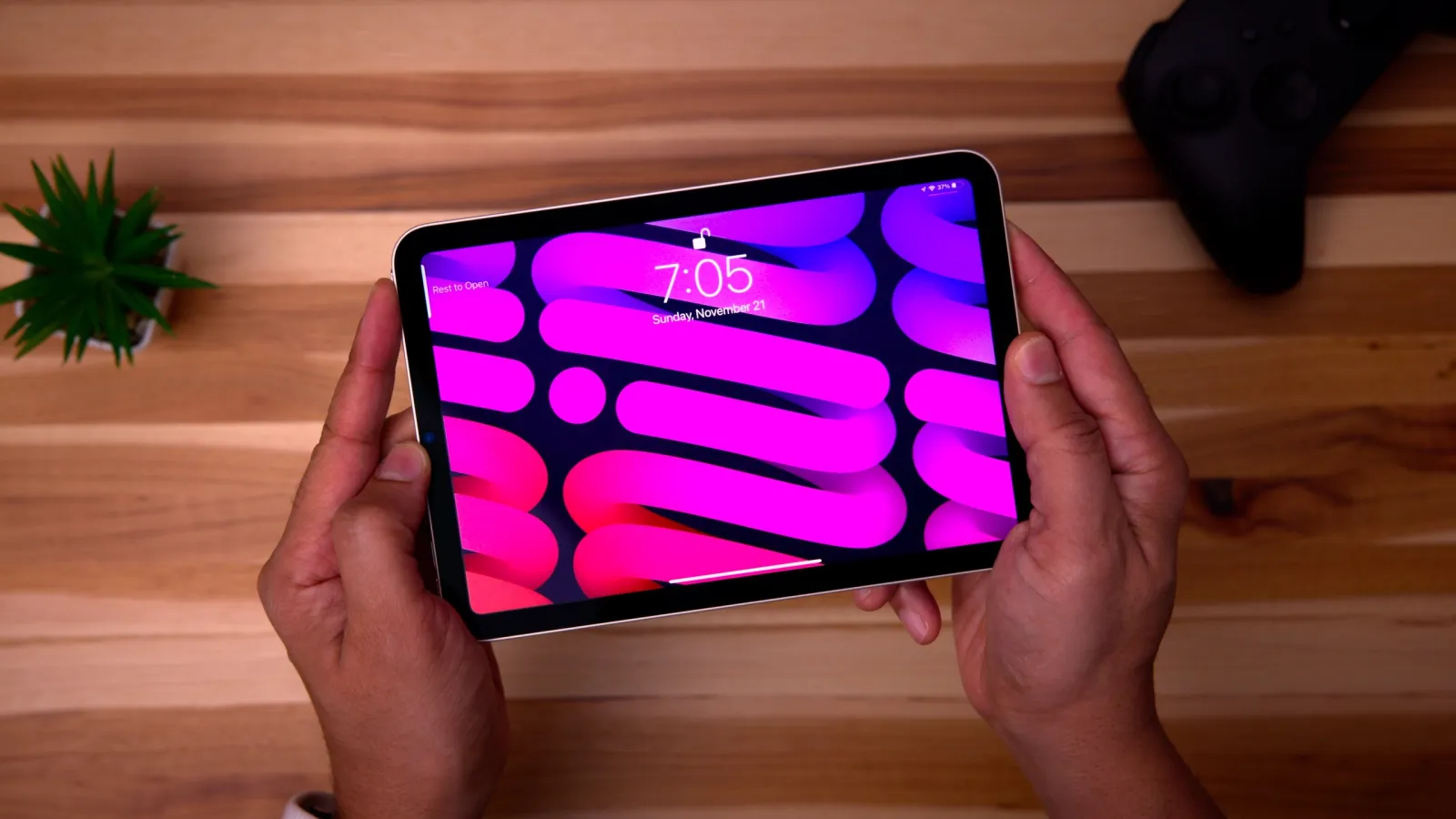
The iPad mini is finally getting the display upgrade it deserves. The next generation, expected in late 2026, will feature OLED technology — the same gorgeous panel tech currently exclusive to iPad Pro.
This means dramatically better contrast, deeper blacks, more vibrant colors, and improved outdoor visibility. The iPad mini will also get the A19 Pro (or possibly A20 Pro) chip and a water-resistant design.
The catch? Price is expected to jump by about $100, putting the starting point around $599. For iPad mini enthusiasts who've been waiting for a meaningful upgrade, it's probably worth it.
M6 MacBook Pro: The Real Redesign
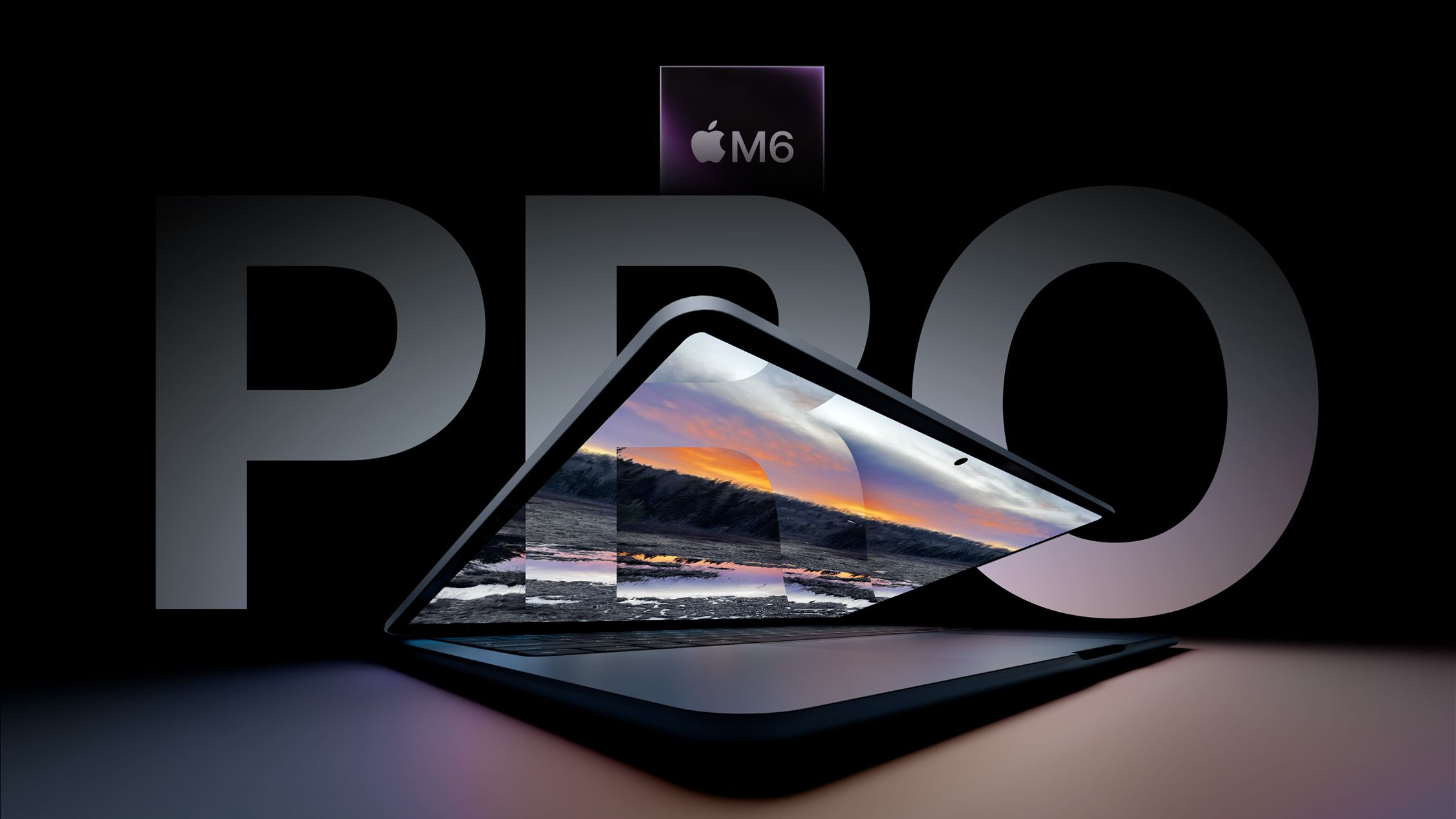
While the M5 MacBook Pros in early 2026 will maintain the current design, the M6 models arriving in late 2026 or early 2027 represent something much bigger: the first major MacBook Pro redesign since 2021.
Apple is reportedly developing thinner, lighter MacBook Pros with OLED displays and — potentially — touchscreen capability. Yes, after years of saying Macs don't need touch, Apple might finally be capitulating.
The M6 chip will be built on TSMC's 2nm process, enabling both the performance gains and the thinner design. This could be the MacBook Pro that finally makes you upgrade from your current machine.
Products With Uncertain Timing
Some products are definitely coming in 2026, but we don't know exactly when.
Apple Security Camera and Video Doorbell
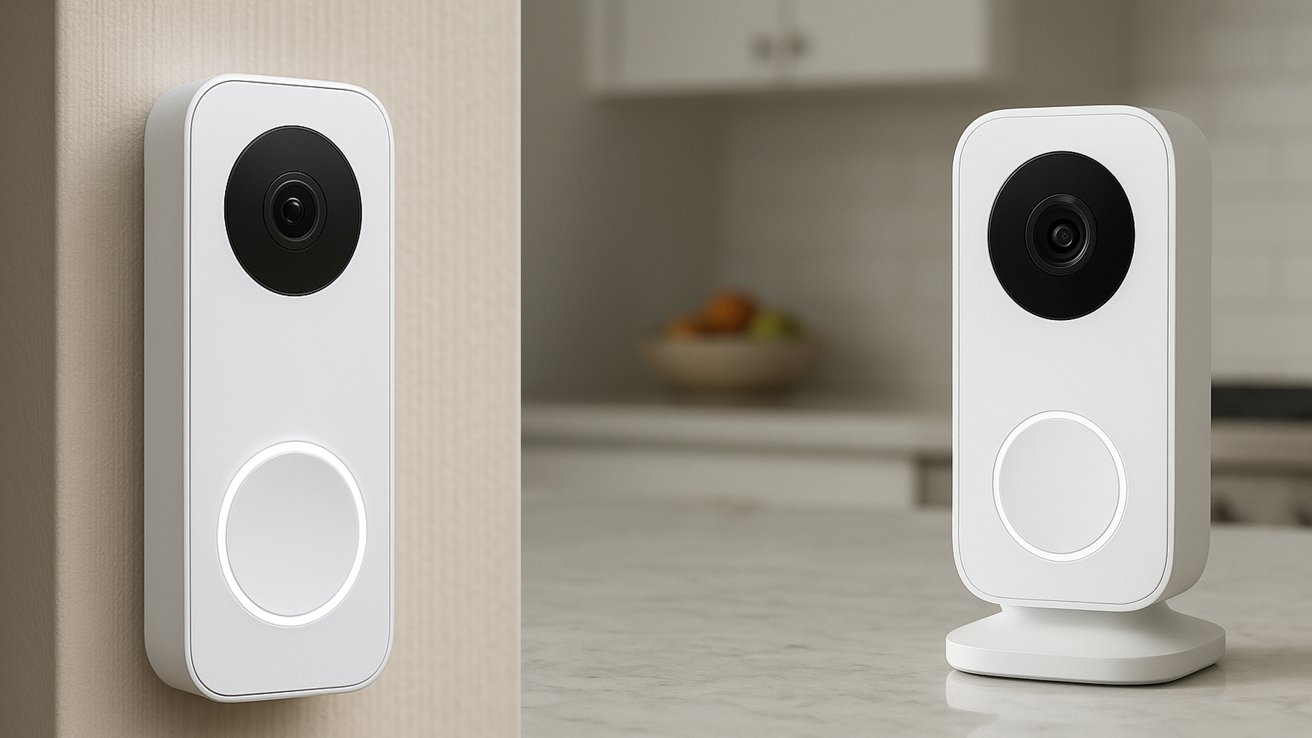
Apple is developing first-party smart home security products. A camera with HomeKit Secure Video integration would let Apple compete with Ring and Nest while offering better privacy — video processed locally or encrypted end-to-end, rather than sitting on Amazon's or Google's servers.
A video doorbell with Face ID integration could work with smart locks for seamless home access. These products make strategic sense as Apple builds out its smart home ecosystem around the HomePad.
Mac Pro Update
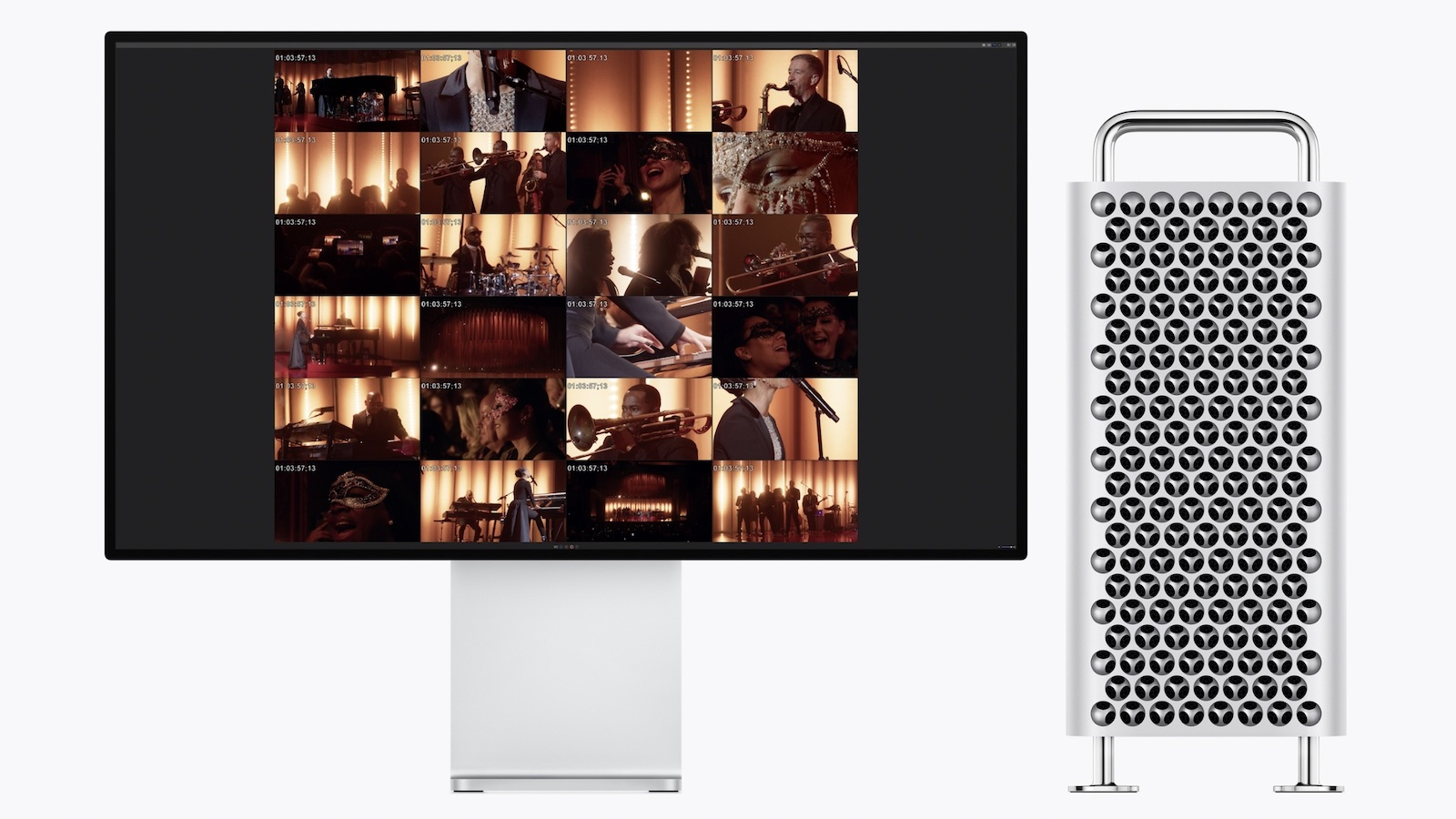
The Mac Pro is still running the M2 Ultra chip from 2023. It's comically outdated. Apple needs to decide what the Mac Pro's role is in a world where the Mac Studio handles most professional needs.
An M5 Ultra Mac Pro might arrive in 2026, but Apple's focus seems to be elsewhere. If you need Mac Pro-level performance, the M5 Ultra Mac Studio is probably your best bet.
The Bigger Picture
Stepping back from individual products, what does 2026 tell us about Apple's strategy?
First, Apple is acknowledging that not everyone needs premium products. The budget MacBook and continued iPhone e-series show Apple willing to compete on value, not just features.
Second, AI is becoming central to everything. Apple Intelligence integration is driving product decisions across the lineup, from chips that support on-device processing to cameras in AirPods that feed data to AI systems.
Third, Apple is playing the long game in wearables. The smart glasses are a stepping stone toward true AR glasses. The foldable iPhone is exploring new form factors. Apple isn't just iterating; they're experimenting with what computing looks like in 5-10 years.
Fourth, the smart home is finally getting serious attention. After years of neglect, Apple is building the ecosystem (HomePad, improved Siri, security cameras) needed to compete with Amazon and Google.
2026 is going to be a year to watch. Whether you're buying or just observing, Apple is making moves that will shape the tech industry for years to come.
Frequently Asked Questions
When is Apple's foldable iPhone coming out?
Apple's first foldable iPhone is expected to launch in September 2026 alongside the iPhone 18 Pro models. The device will feature a book-style design with a 5.3-5.5 inch external display and a 7.8-8 inch internal display when unfolded. Pricing is expected between $1,999 and $2,500.
What is the Apple HomePad?
The HomePad is Apple's upcoming smart home hub, expected in spring 2026. It features a 7-inch touchscreen display, Face ID for user recognition, and is powered by the A18 chip with full Apple Intelligence support. It comes in wall-mounted and countertop versions, with the countertop model including a HomePod-like speaker base. Expected price is around $350.
Will there be a cheap MacBook in 2026?
Yes, Apple is developing a budget MacBook for release in early 2026, potentially priced between $599 and $799. It will use the A18 Pro chip (the same as iPhone 16 Pro) instead of M-series silicon, feature a 13-inch LCD display, and target students and Chromebook users.
What's new in the iPhone 18 Pro?
The iPhone 18 Pro will feature under-display Face ID technology for the first time, allowing a smaller Dynamic Island and cleaner design. It will include the A20 Pro chip built on 2nm process, Apple's C2 modem, and the front camera relocated under the display. Expected September 2026 launch.
Are Apple Glasses coming in 2026?
Apple is developing AI-powered smart glasses targeting late 2026 announcement with possible early 2027 shipping. Unlike the Vision Pro, these won't have AR displays — they're more similar to Meta's Ray-Ban glasses with cameras, speakers, and AI features. Expected price is around $600-$700.
What Apple Watch features are coming in 2026?
The Apple Watch Series 12 is expected to include Touch ID in the side button for authentication, expanded health monitoring features, and a new chip. A major design overhaul isn't expected until 2028. The Apple Watch Ultra 4 should also arrive with a potentially thinner design.
Is the iPad mini getting OLED?
Yes, the next iPad mini is expected in late 2026 with OLED display technology, A19 Pro or A20 Pro chip, and water-resistant design. The price will increase by approximately $100, putting the starting price around $599.
What MacBooks are coming in 2026?
Apple will release M5 MacBook Air models in early 2026, M5 Pro/Max MacBook Pro models, the budget A18 Pro MacBook, and potentially M6 MacBook Pro models with OLED displays and touchscreens in late 2026 or early 2027.
Will AirPods Pro get cameras?
Yes, Apple is reportedly developing AirPods Pro with infrared cameras for launch in 2026. These cameras will enable gesture recognition and environmental awareness features powered by Apple Intelligence. They'll be positioned as a premium tier above standard AirPods Pro 3.
When will the new Apple TV come out?
The updated Apple TV 4K is expected in early 2026 with an A17 Pro or A18 chip, bringing Apple Intelligence support to the device for the first time since 2022. It may also include a built-in camera for FaceTime.
What is AirTag 2?
AirTag 2 is the second generation of Apple's item tracker, expected in early 2026. It features an upgraded Ultra Wideband chip for better tracking range and accuracy, detailed battery level reporting (percentages instead of just "low"), improved performance in crowded areas, and faster pairing.
Is Apple making smart home cameras?
Yes, Apple is reportedly developing first-party security cameras and possibly a video doorbell with HomeKit Secure Video integration. Internal code references suggest these products are in development with potential 2026 release alongside the HomePad.
Should I wait for the foldable iPhone or buy the iPhone 18 Pro?
This depends on your priorities and budget. The foldable iPhone will cost $2,000+ and is a first-generation product, meaning you're essentially beta testing new technology. The iPhone 18 Pro will be a refined, proven form factor with under-display Face ID at a lower price point. For most people, the iPhone 18 Pro is the smarter choice. The foldable is for early adopters who specifically want the tablet-phone hybrid experience.
What happened to Apple's AR headset plans?
Apple paused development on a more affordable Vision Pro variant (codenamed Vision Air) to redirect resources toward smart glasses. The existing Vision Pro continues, but Apple recognized that $3,500 headsets have limited mainstream appeal. Smart glasses at $600-$700 can reach far more consumers.
A Deeper Look: Product-by-Product Analysis
Let me go into more detail on some of the most significant products, because I know many of you are trying to make real purchasing decisions.
Why the Budget MacBook Matters More Than You Think
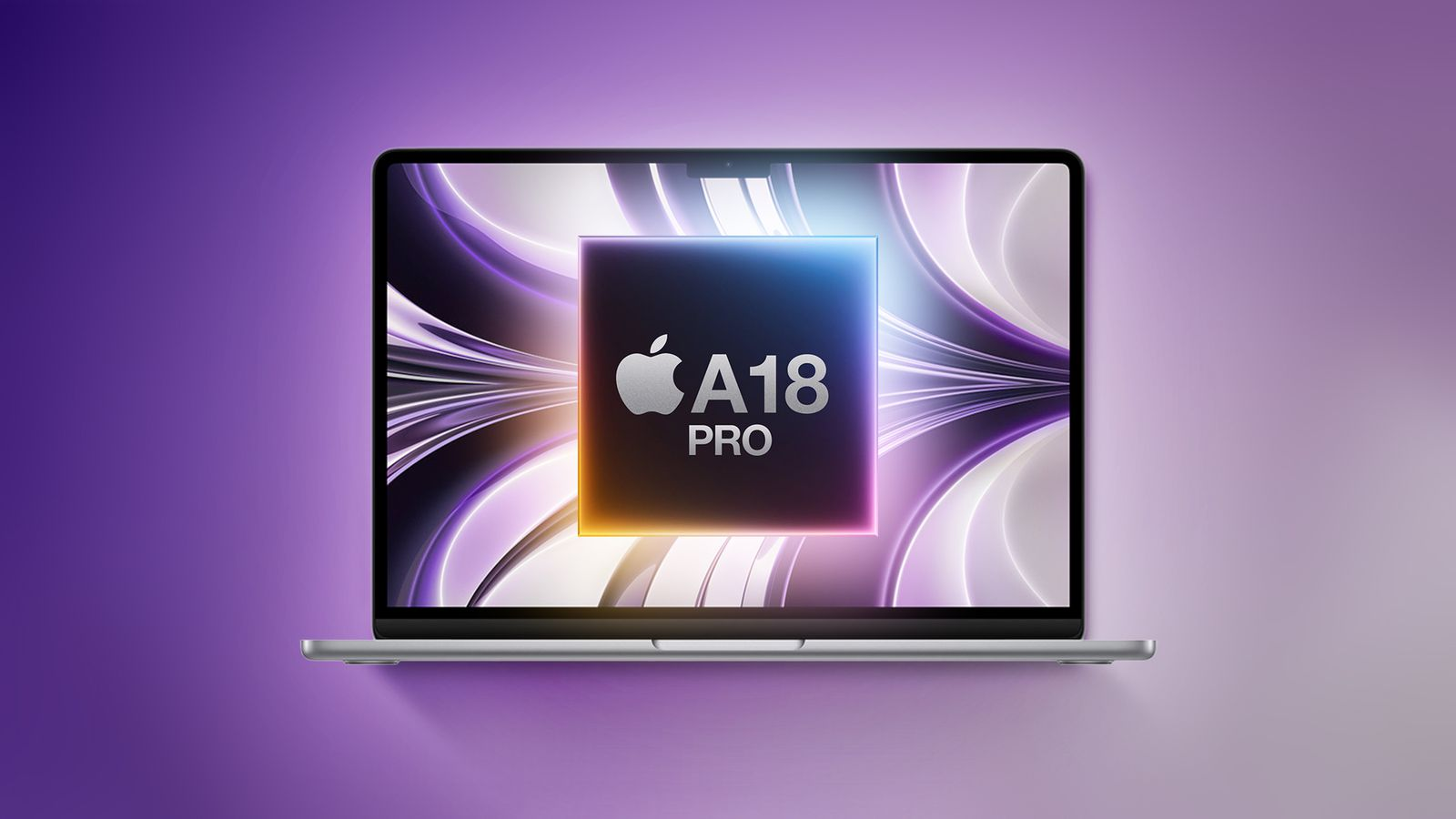
I want to spend more time on this one because I think its significance is being underestimated.
For over two decades, Macs have been positioned as premium devices. Steve Jobs literally said he wasn't interested in making cheap computers. The cheapest Mac laptop has always hovered around $999 (sometimes $899 with education pricing). This created a clear market segmentation: if you wanted cheap, you bought Windows or Chromebook. If you wanted Apple, you paid the premium.
The budget MacBook breaks this philosophy entirely.
Think about who currently buys Chromebooks. Students in K-12 schools, where districts make bulk purchases and need devices that are cheap, durable, and easy to manage. College students who need a basic laptop for notes, papers, and web browsing. Small business owners who need something for email and spreadsheets. Older adults who just want to check email and video chat with grandkids. Developing markets where $999 represents months of salary.
Apple has essentially ceded all of these markets. The iPad with keyboard was supposed to address some of these needs, but iPadOS limitations and the awkward keyboard attachment make it a compromise.
A $699 MacBook running full macOS changes everything. You get iMessage, AirDrop, seamless integration with your iPhone and Apple Watch, proper file management, real desktop applications, and the full Mac experience. For the target audience — people doing basic productivity tasks — the A18 Pro chip is more than powerful enough.
Here's what I find most interesting: this could actually grow Apple's overall Mac business rather than cannibalize MacBook Air sales. People who were never going to spend $999 on a laptop might spend $699. They enter the Apple ecosystem, start using iCloud, maybe subscribe to Apple One, and eventually upgrade to more expensive products.
It's the razor-blade model applied to computing. Get the hardware in people's hands cheaply, then make money on services and upgrades.
The Foldable iPhone: Addressing the Skeptics
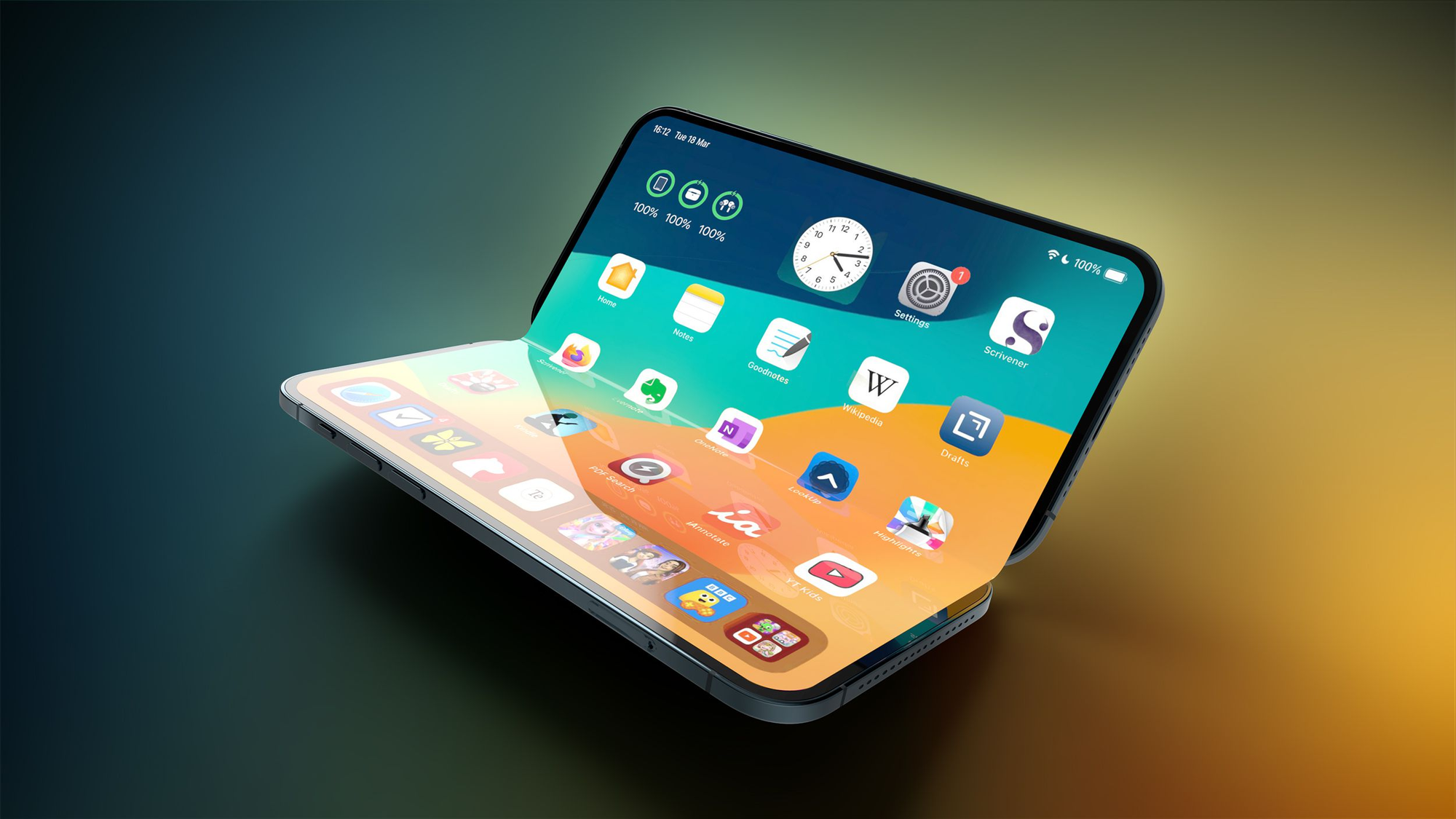
I've seen a lot of skepticism about Apple's foldable iPhone, so let me address the common concerns.
"Foldables are fragile." This is partly true for current foldables, but Apple is reportedly obsessing over durability in ways competitors haven't. The crease-reduction technology, the titanium frame, the IPX8 water resistance — these suggest Apple isn't launching a foldable until it meets iPhone-level durability expectations. Will it be as durable as a regular iPhone? Probably not. Will it be significantly more durable than current foldables? That's the bet.
"The crease ruins the experience." Maybe the biggest concern with foldables. Apple's approach — using a rigid metal plate and specialized hinge mechanisms to distribute stress — directly targets this problem. If they've actually solved it (and that's a big if), it removes the main aesthetic objection to foldables.
"Who needs a phone that unfolds into a tablet?" More people than you might think. For those who currently carry both an iPhone and an iPad mini, a foldable eliminates the need for two devices. For mobile professionals who need to review documents, respond to emails, and occasionally do real work on the go, a larger screen matters. For content consumers who watch a lot of video or read extensively, the bigger display is a genuine upgrade.
"The price is insane." $2,000-$2,500 is a lot of money. But the iPhone 17 Pro Max already costs $1,199-$1,599 depending on storage. The jump to $2,000 for a dramatically different form factor isn't as crazy as it sounds for the premium market Apple targets. And remember: Apple positioned the original iPhone at $499-$599 in 2007 when competitors were subsidizing phones to $0. Apple customers have always paid a premium.
"Samsung has been doing this for years." True, and Samsung deserves credit for pioneering the category. But Samsung's foldables still feel like compromises — visible creases, durability concerns, software that doesn't fully take advantage of the form factor. Apple's advantage is integration. iOS on a foldable can be optimized from the ground up. Apps can be required to support the form factor. The experience can be seamless in ways Android foldables often aren't.
I'm not saying the foldable iPhone will be a massive hit. First-generation Apple products often aren't. The original Apple Watch wasn't great. The original AirPods were mocked. Even the original iPhone had significant limitations. But Apple has a track record of taking existing ideas, refining them, and eventually dominating the category.
Apple Glasses: The Trojan Horse Strategy
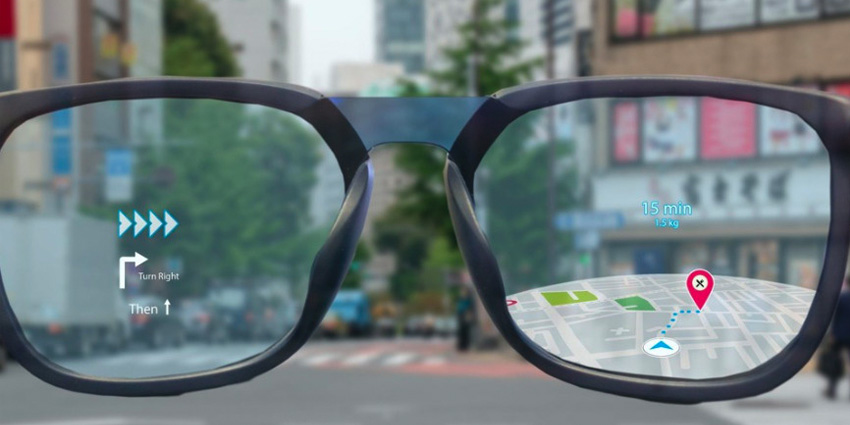
Let me explain why I think Apple Glasses might be the most important product launching in 2026, even though they'll sell far fewer units than iPhones.
Apple's ultimate vision — Tim Cook has said this repeatedly — is AR glasses that replace your iPhone. You'd wear glasses that overlay information on the real world, make calls, send messages, navigate, and do everything your phone does today but hands-free and always visible.
We're not there yet technologically. The batteries, displays, processors, and thermal management required for true AR glasses don't fit in a form factor people would actually wear. The Vision Pro proved that Apple can do incredible things with spatial computing, but it's also a $3,500 device that weighs over a pound and makes you look like a ski goggle enthusiast.
Smart glasses are the bridge.
By launching glasses that do useful things — AI assistance, photo capture, audio — without trying to do everything, Apple accomplishes several goals:
First, they establish the form factor. People get used to wearing smart glasses. The social awkwardness (remember Google Glass?) gets normalized. Apple's design chops make the glasses look normal enough for daily wear.
Second, they build the software ecosystem. Developers start thinking about glasses-first experiences. Siri gets optimized for audio-only interaction. Apple Intelligence learns to understand visual context from cameras.
Third, they create a revenue stream that funds continued R&D. Even if first-gen glasses sell modestly, they generate enough revenue and data to improve future versions.
Fourth, they lock users into the ecosystem. Glasses that require an iPhone create another reason not to switch to Android.
The progression Apple is planning: 2026/2027 smart glasses without displays, 2028 AR glasses with basic see-through displays, eventually full AR glasses that can replace your phone. Each generation builds on the last, improving technology while growing the market.
This is how Apple operates. The iPod led to the iPhone. The iPhone led to the iPad. The Apple Watch started as an iPhone accessory and became a standalone health device. Apple Glasses are the seed for what might be the company's next platform.
The Smart Home Play: Better Late Than Never
Apple's position in the smart home market is embarrassing. Amazon and Google dominate. Siri is a punchline. HomeKit is complicated. The HomePod sounds great but doesn't compete on features.
2026 is Apple's do-over.
The HomePad addresses the fundamental problem: Apple never had a good center-of-the-home device. The HomePod was a speaker first and a smart home hub second. The Apple TV is tucked away under televisions. iPhones and iPads are personal devices, not shared family hubs.
A dedicated smart home display that sits on your kitchen counter or mounts on your wall changes the equation. It's always there, always visible, always ready. Family members can interact with it naturally. The display shows useful information without requiring you to pick up your phone.
The Face ID integration for profile switching is clever. In multi-person households, personalization matters. I don't want to see my wife's calendar when I walk up to the display, and vice versa. Automatic user recognition solves this elegantly.
But the real change is Siri.
If the new LLM-based Siri actually works — if it can have natural conversations, remember context, understand complex requests, and reliably control smart home devices — it transforms Apple's smart home proposition. The hardware was never the problem. The software was.
The security camera and doorbell play into this. For privacy-conscious users (and Apple has cultivated that audience), home security from Apple is appealing. Your video processed locally rather than shipped to Amazon's servers. End-to-end encryption. Integration with Apple's existing ecosystem. These are selling points for a specific type of customer.
Will Apple's smart home push succeed? It's too early to say. They're years behind, and Amazon and Google have massive installed bases. But Apple has made up ground before, and the combination of improved Siri, dedicated hardware, and privacy-focused positioning gives them a real shot.
Investment Considerations for 2026
If you're thinking about this from an investment perspective (and I know many of you are), here are some thoughts on what Apple's 2026 lineup signals.
Services growth matters more than hardware. The budget MacBook and aggressive iPhone 17e pricing signal Apple's willingness to sacrifice hardware margins for user acquisition. They're betting that getting people into the ecosystem leads to services revenue (iCloud, Apple Music, Apple TV+, Apple One) that's higher margin and more recurring.
Wearables are the growth story. The smart glasses, camera-equipped AirPods, and continued Apple Watch innovation suggest Apple sees wearables as the next major revenue driver. As smartphone growth plateaus, wearables offer room to expand.
AI integration is defensive and offensive. Apple Intelligence is both a response to competitor pressure (OpenAI, Google) and a potential differentiator. The integration into glasses, AirPods, and home devices shows Apple thinking about AI beyond chatbots.
The foldable is a hedge. Apple doesn't know if foldables will become mainstream, but they can't afford to not compete if they do. The foldable iPhone is as much about preserving optionality as it is about driving sales.
Final Thoughts
If you've made it this far, thank you for sticking with me through what turned out to be an epic tour of Apple's 2026 plans. I hope this gives you the information you need to make smart decisions about your own tech purchases.
The tech industry moves fast, and plans change. Some of what I've outlined here will definitely happen. Some might get delayed. Some might be canceled entirely. That's the nature of covering unreleased products.
But the broad strokes are clear: Apple is investing heavily in new categories (foldables, smart glasses), shoring up weak points (smart home, budget computing), and betting big on AI integration across the entire product line.
2026 is going to be fascinating to watch. I'll be here covering it all as it unfolds.
Stay tuned, stay curious, and don't buy a new MacBook without checking whether the M5 is about to drop.
Related Articles
 Dani
Dani
 Dani
Dani
 Dani
Dani