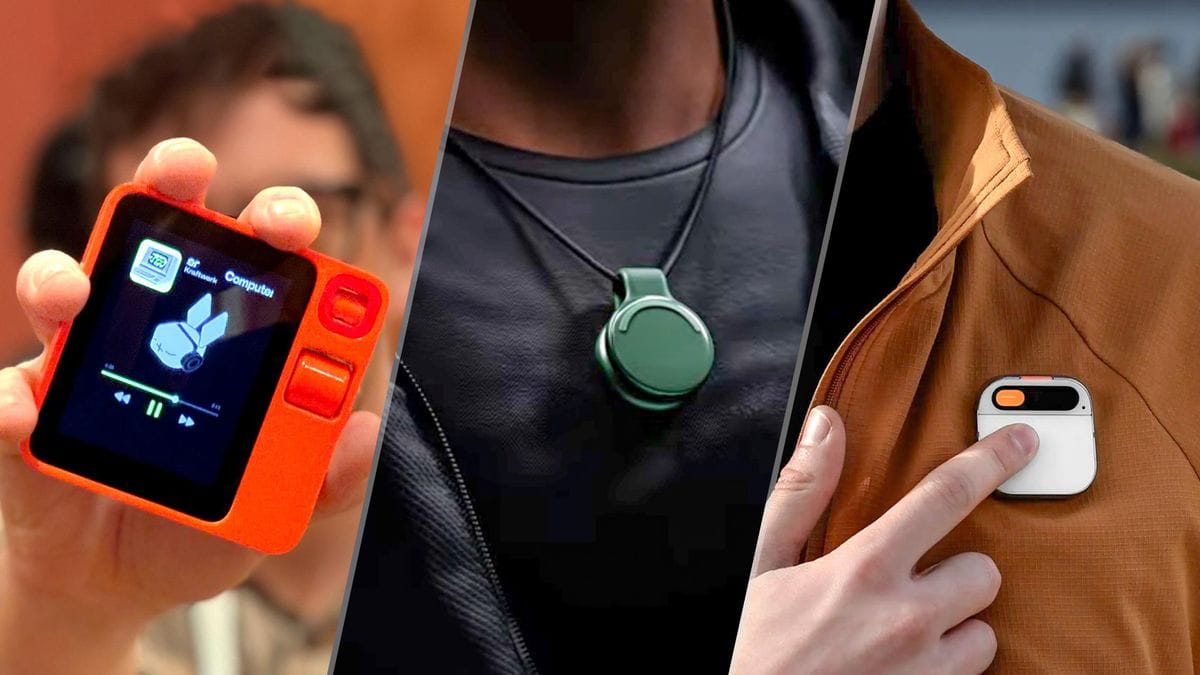
Your smartwatch already knows when you slept badly. The next generation of wearables wants to know why you are stressed at 2pm on a Tuesday, whether your anxiety is trending upward over the past month, and whether your mood dipped after that meeting with your manager.
That data, gathered continuously and processed by AI, is the promise and the problem at the center of one of the fastest-growing categories in consumer health technology. The mental health tracking devices market was valued at $4.32 billion in 2024 and is projected to reach $17.91 billion by 2035, growing at a compound annual rate of 13.8 percent. About 45 percent of Americans already wear a smartwatch or fitness tracker, including 70 percent of Gen Z adults. The infrastructure for continuous emotional monitoring is already on most people's wrists.
What changes in 2025 and 2026 is the ambition. Devices that used to count steps and estimate sleep stages are now claiming to infer stress states, emotional arousal, and early warning signs of depressive episodes. Some are doing so with scientifically meaningful accuracy. Others are marketing emotional insight that the underlying sensor data cannot reliably support. And a third category, the one generating the most serious concern among researchers, privacy advocates, and regulators, is bringing this technology into workplaces where workers may not have a meaningful choice about whether to participate.
What the Devices Actually Measure
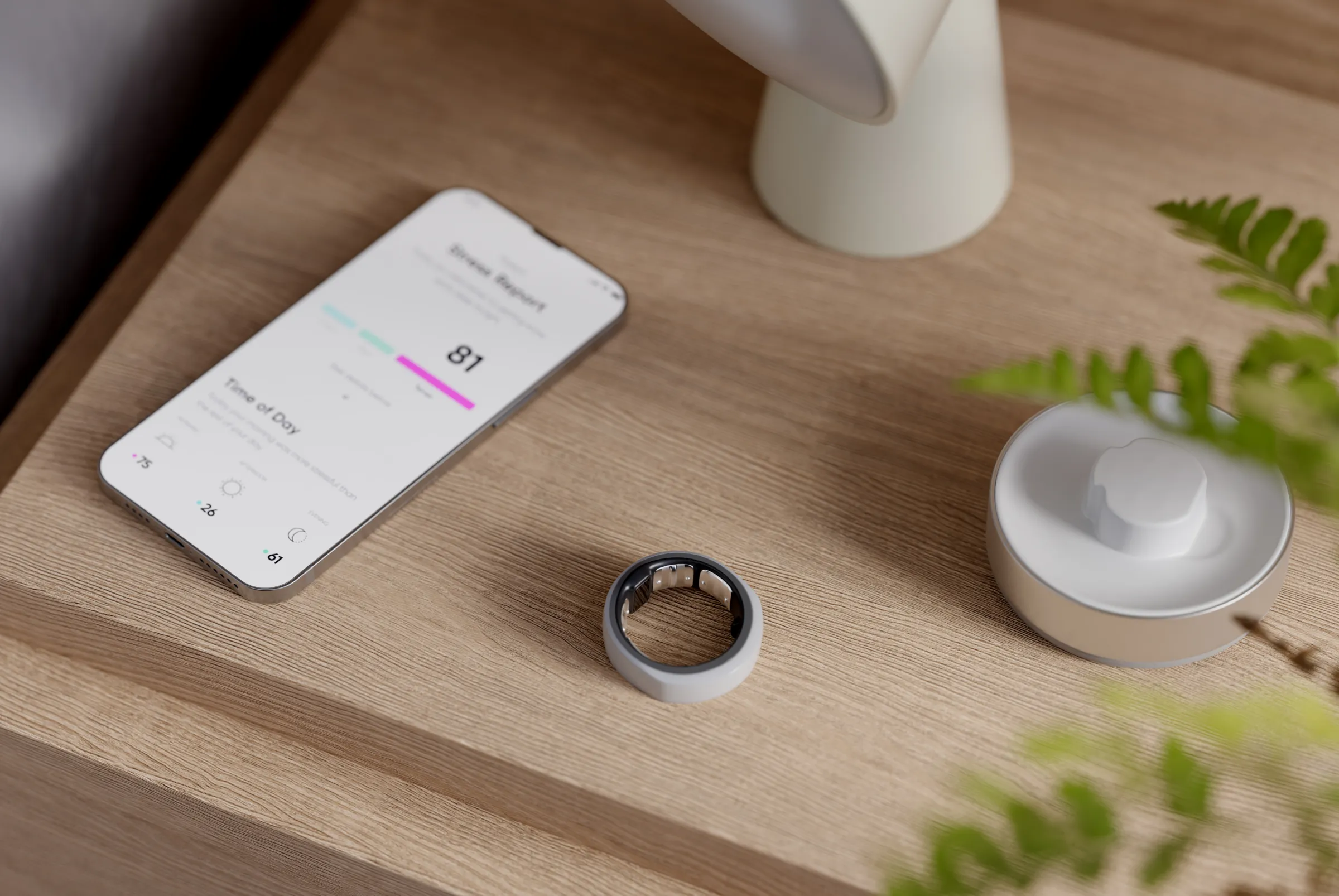
The core of mood-monitoring wearable technology is physiological signal processing combined with AI pattern recognition. The most commonly used signals are heart rate variability (HRV), electrodermal activity (EDA, also called galvanic skin response), skin temperature, respiration rate, and in more advanced devices, electroencephalography (EEG) brainwave data.
- Heart rate variability is the most established signal for stress inference. HRV measures the variation in time between heartbeats and serves as a proxy for autonomic nervous system balance. Reduced HRV correlates with higher stress loads and has been validated in numerous peer-reviewed studies. Apple Watch, Oura Ring, WHOOP, and Garmin devices all use HRV as a primary stress signal.
- Electrodermal activity measures changes in the electrical conductivity of the skin driven by sweat gland activity. It responds to emotional arousal, though not valence: elevated EDA indicates that the nervous system is activated, but cannot reliably distinguish fear from excitement or anger from focus. Fitbit's EDA Scan feature, available on the Sense series, uses this signal.
- EEG is the most information-dense signal but also the most demanding. Clinical EEG uses dozens of electrodes applied with conductive gel. Consumer EEG wearables use four to eight dry electrodes embedded in headbands. The Muse S Athena, launched in March 2025, combines EEG with functional near-infrared spectroscopy (fNIRS), which measures blood oxygenation in the prefrontal cortex, adding a metabolic layer to the brainwave picture. Muse devices are used by over 500,000 users globally, including in research programs at NASA, Harvard, and Mayo Clinic.
- What AI adds is the pattern recognition layer that converts raw physiological signals into something actionable. A single elevated HRV reading tells you little. An AI model trained on weeks of an individual's baseline data, contextual information like calendar events and location, and multimodal signal fusion can begin to distinguish a normal stress response from a concerning pattern.
How accurate is it?
The clinical research is more impressive than most consumer marketing suggests, and more limited than some headlines imply.
A 2025 study published via PMC demonstrated that AI models analyzing biometric sensor data from smartwatches, specifically HRV and sleep patterns, could predict depressive episodes in bipolar disorder patients with 91 percent accuracy up to ten days in advance. A systematic review found that AI-equipped wearables including Fitbit and Apple Watch could detect anxiety symptoms with 80 to 84 percent accuracy by analyzing HRV and sleep patterns.
A separate 2025 AI monitoring system integrating biometric data with voice tone analysis achieved 89 percent accuracy in delivering early warnings for schizophrenia symptom exacerbation.
These are clinical research results, conducted under controlled conditions, with supervised datasets, often using devices with more sensors and more carefully labeled training data than a typical consumer product. The accuracy of consumer-grade devices in real-world, uncontrolled conditions is consistently lower. Consumer neurofeedback devices are generally thought to be safe, but their efficacy is still debated. One specific concern flagged by researchers is opportunity cost: users may invest time and resources in a therapy that may not be particularly effective, to the exclusion of other, potentially effective treatment options.
The gap between research accuracy and consumer experience is one of the most important things a buyer should understand before spending several hundred dollars on a mood-monitoring wearable.
The Consumer Landscape: What Is Actually Available
The current market spans a wide range of price points, sensor approaches, and honesty about limitations.
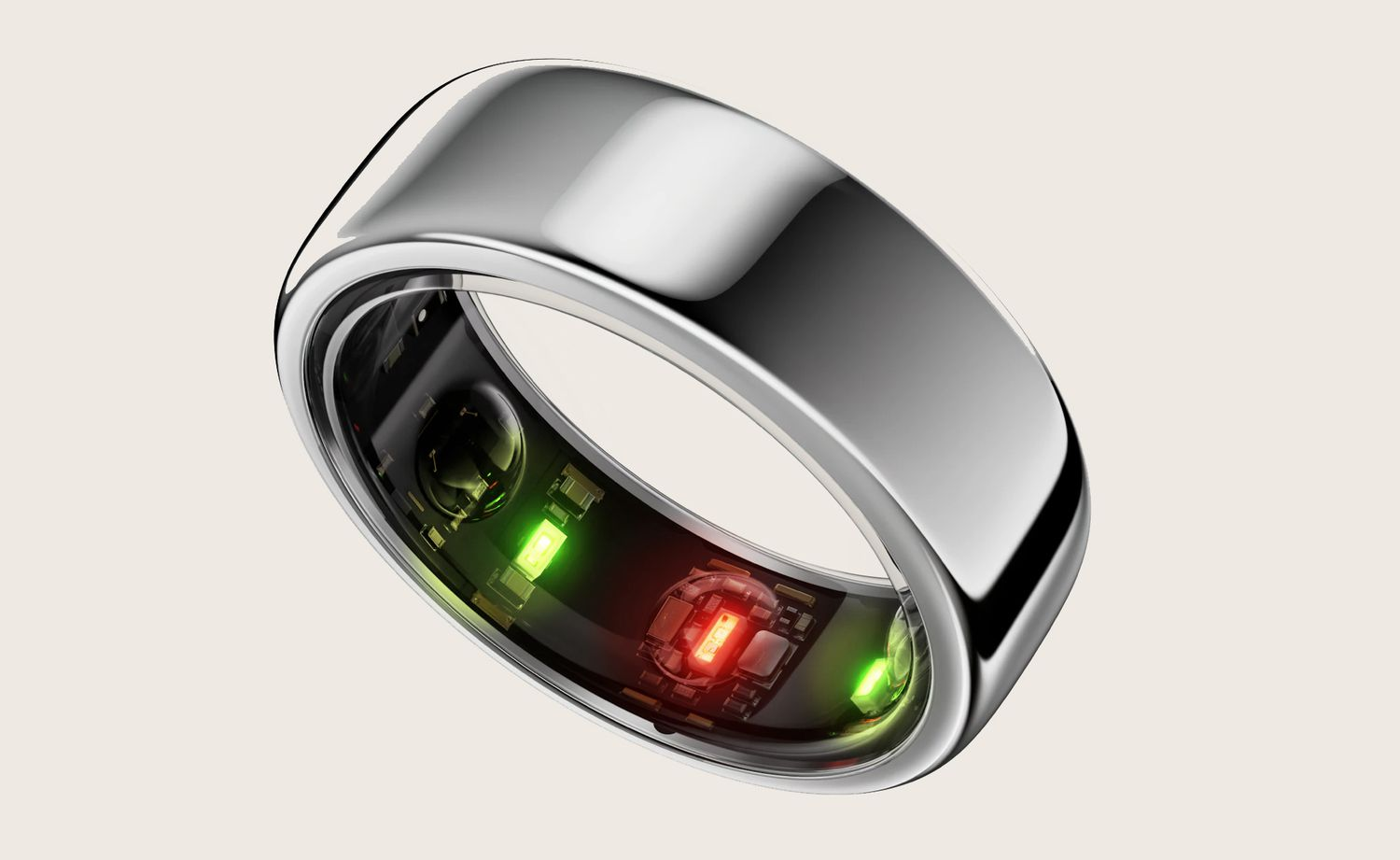
Oura Ring Gen 4 ($349, plus $5.99/month subscription) remains the most clinically cited consumer ring, tracking HRV, skin temperature, and activity continuously. Its Readiness Score and Resilience feature use longitudinal data to flag patterns associated with elevated stress. It does not claim to detect specific emotions and is relatively conservative in its marketing compared to newer entrants.
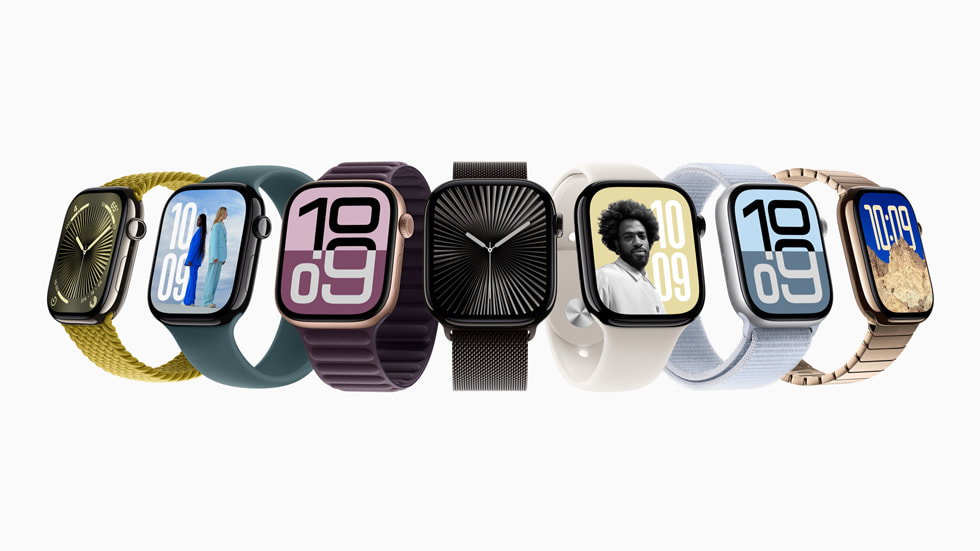
Apple Watch Series 10 includes Mindfulness features, an EDA-based State of Mind reflection tool, and continuous HRV tracking. Apple has been deliberate about framing its mental health tools as reflection prompts rather than diagnostic assessments, which aligns with what the underlying data can actually support.
Muse S Athena ($399 to $499) is the most scientifically ambitious consumer EEG device currently available. The combined EEG and fNIRS approach gives it more signal richness than HRV-only devices. Its neurofeedback during meditation sessions is backed by a meaningful body of research, though the company's broader cognitive performance claims require more clinical validation.
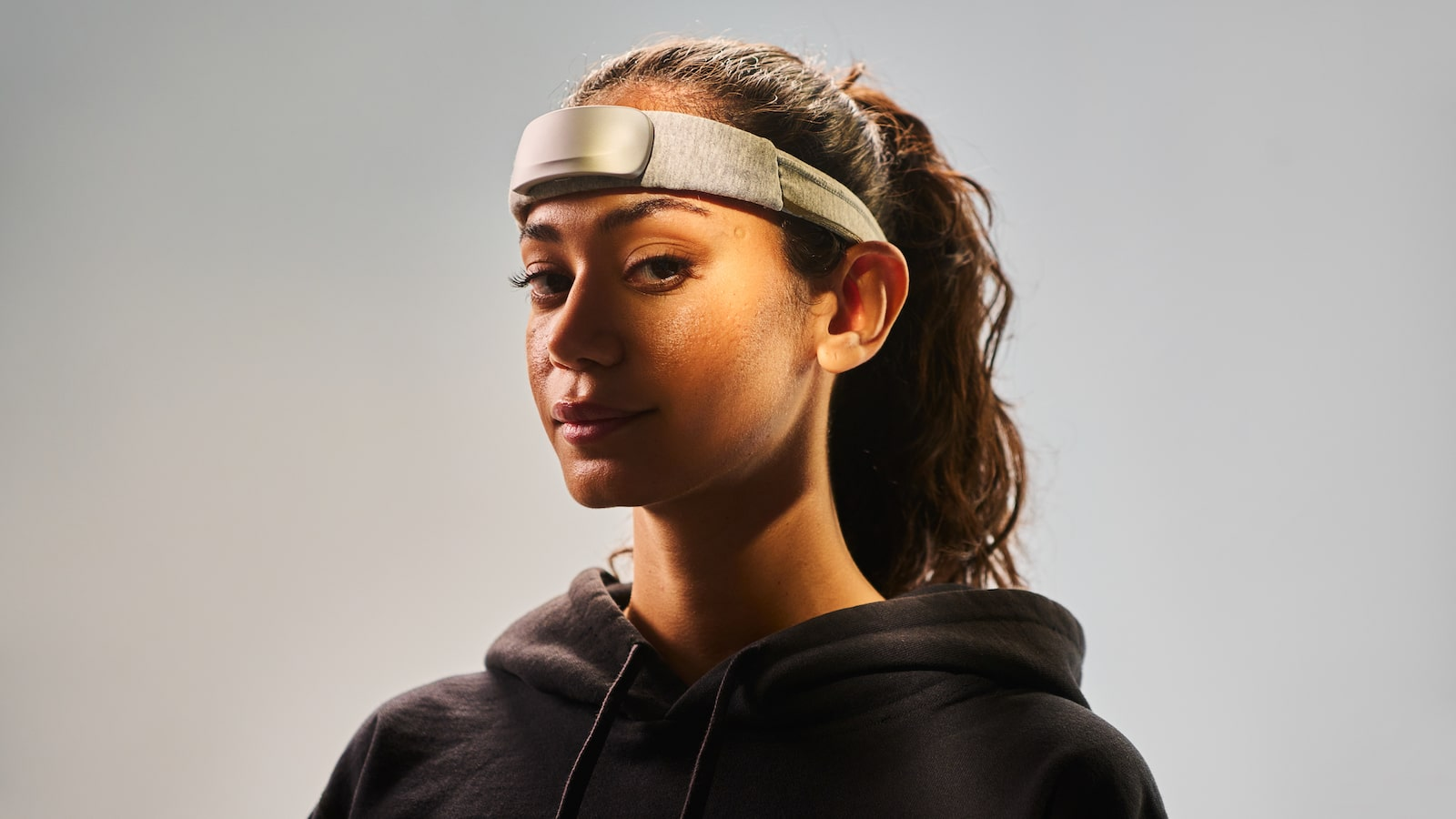
Apollo Neuro (~$350 plus optional subscription) takes a different approach: instead of monitoring and reporting, it delivers vibrotactile stimulation designed to influence the autonomic nervous system and improve HRV. A study cohort of over 500 users who used Apollo alongside Oura Rings for three to fifteen months showed meaningful improvements in deep sleep, REM sleep, and HRV among consistent users, defined as wearing the device at least three hours daily for at least five days per week.
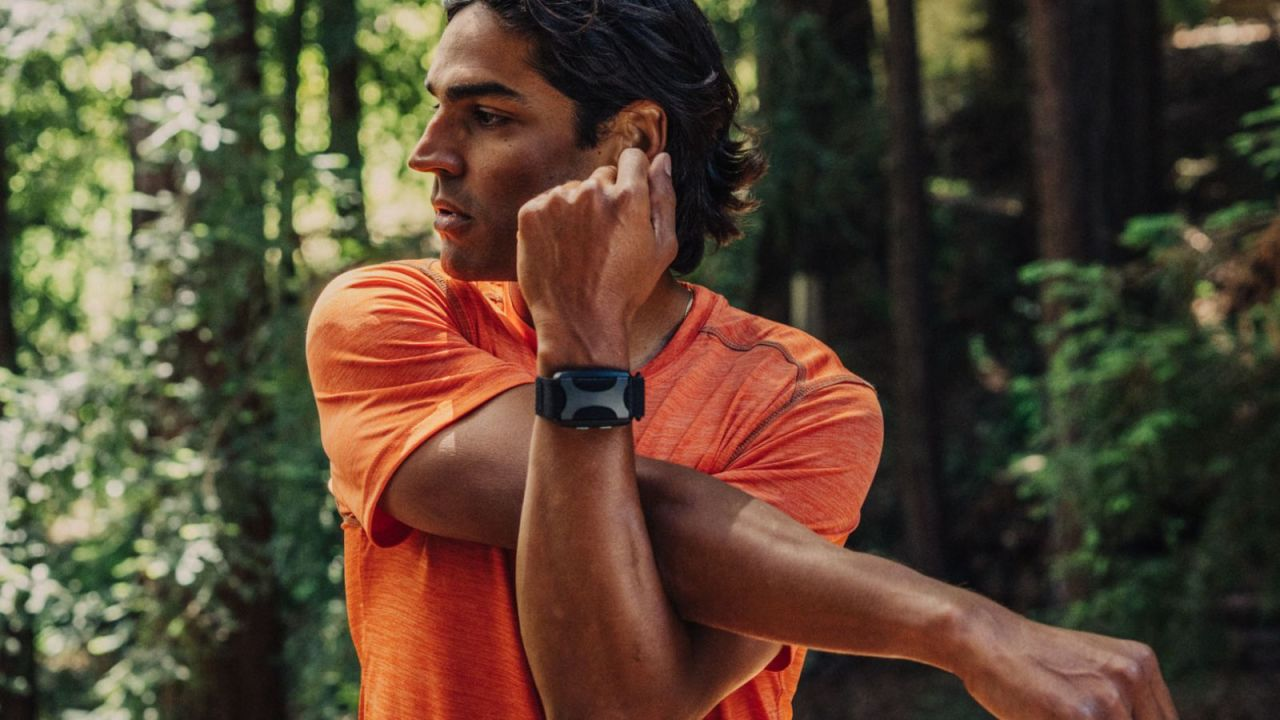
Neurable MW75 Neuro headphones embed EEG sensors into over-ear headphones, tracking focus and attention throughout the workday. The company claims the device can detect and help prevent burnout by monitoring cognitive load, though independent clinical validation of these specific claims remains limited.
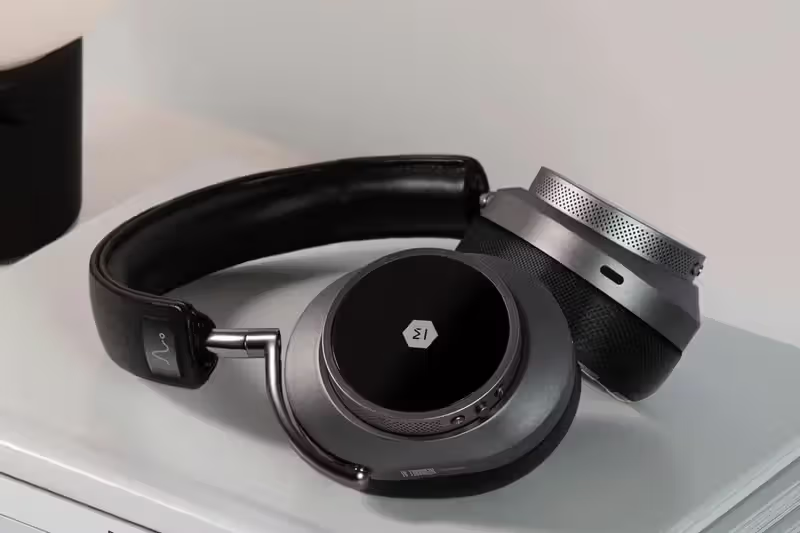
| Device | Primary signals | Price | Subscription | Key claim |
|---|---|---|---|---|
| Oura Ring Gen 4 | HRV, temp, activity | $349 | $5.99/mo | Stress readiness, resilience |
| Apple Watch Series 10 | HRV, EDA | $399+ | Optional | Mindfulness, state of mind |
| Muse S Athena | EEG, fNIRS, HRV | $399-499 | Included 1yr | Meditation, sleep, focus |
| Apollo Neuro | Vibrotactile output | ~$350 | Optional | HRV improvement, stress relief |
| Neurable MW75 | EEG in headphones | ~$699 | Optional | Focus tracking, burnout prevention |
The Workplace Problem
The personal use case for mood-monitoring wearables is a matter of individual choice. The workplace use case is not, and it is where the most serious concerns are concentrated.
Employers have been deploying emotion-tracking AI tools across call centers, customer service operations, manufacturing floors, and remote work environments with an opacity that has alarmed both researchers and regulators. A 2019 report found that over half of large employers were using emotion AI systems. Researchers believe the actual figure is higher now, given the combination of remote work acceleration and declining technology costs.
A U.S. Government Accountability Office report in November 2025 warned that the rapid spread of workplace digital surveillance, including emotion-detection systems and wearable sensors, is creating significant privacy risks for millions of workers. The report found that a lack of transparency, weak safeguards, and flawed algorithmic assessments leave workers vulnerable to misuse of their data and to decisions made without meaningful human oversight. Many employees do not know what information is being collected, how long it is stored, who has access to it, or how employers plan to use it.
The research on employee experience of these systems is unambiguous, and it contradicts the wellness framing that vendors typically use when selling the products. Studies consistently show that being subjected to emotional surveillance causes anxiety and distraction among employees, who report trying to make the system read them favorably rather than working normally. One study found these systems increased distress due to the loss of privacy and concerns that consequences would arise if the system identified them as stressed or burned out. A 2023 study found that workers were reluctant to participate in company-initiated mental health programs due to worries about confidentiality and stigma. The monitoring undermines the very feeling of safety that is necessary for people to comfortably seek help.
There are also documented accuracy problems that compound the ethical concerns. Emotional-analysis systems can misread the tone of workers of certain races or nationalities, penalize people with accents, and reinforce gender stereotypes. Workers with disabilities may be flagged as low performers if surveillance systems are not designed to accommodate diverse work patterns. Older workers may skip needed breaks to avoid triggering automated productivity alerts.
The EEOC issued new guidance in January 2025 on wearable technologies in the workplace, noting that employers using wearables to collect information about an employee's physical or mental conditions may be conducting medical examinations under the Americans with Disabilities Act. That has significant legal implications, since ADA-regulated medical examinations require both business necessity and confidentiality protections that most current workplace emotion AI deployments do not provide.
The Personal Use Case: Where the Balance Tips
Stripped of the workplace surveillance dimension, the individual use case for mood-monitoring wearables is more balanced than the concerns above might suggest.
For people managing diagnosed anxiety disorders, bipolar disorder, or depression, a wearable that provides objective physiological data alongside subjective experience can be genuinely useful. It can identify patterns the wearer cannot see: that stress levels consistently spike on Sunday evenings, that sleep disruption precedes mood decline by two days, that a particular type of physical activity correlates with lower anxiety scores the following morning. A therapist working with a client who uses a device like this has access to longitudinal data that no clinical interview can provide.
The platforms that are building burnout prevention tools using longitudinal HRV data combined with sleep, activity, and mood trends are gaining traction particularly among healthcare workers, remote teams, and gig workers where burnout rates are high and access to mental health support is limited.
The key differences between this use case and the problematic workplace scenario are consent, control, and consequences. When you choose to track your own mood, you own the data, you can stop at any time, and the only person making decisions based on it is you. When your employer tracks your emotional state through a required wearable, none of those conditions hold.
Questions every buyer should ask
Who owns the data and for how long? Most consumer wearables store data on third-party servers. Check whether the privacy policy allows the company to sell or share derived insights with third parties, insurers, or employers.
What is the actual accuracy for your use case? Clinical research accuracy and consumer real-world accuracy are different numbers. Look for independent validation, not just company-cited studies.
Does the device distinguish between emotional arousal and specific emotions? Honest products describe what their sensors can detect. Products claiming to identify whether you are happy versus angry based on physiological signals alone are making claims that exceed the science.
Is there a clear off switch? The most useful personal health tools give users genuine control over when they are and are not being tracked.
Frequently Asked Questions
How accurate are AI wearables at detecting mood and stress?
Clinical research shows meaningful accuracy in controlled conditions: AI models analyzing wearable biometric data have achieved 80 to 91 percent accuracy in detecting anxiety symptoms and predicting depressive episodes in supervised studies. Consumer-grade accuracy in uncontrolled real-world conditions is consistently lower. Devices can reliably detect autonomic nervous system activation, indicating arousal or stress, but cannot reliably distinguish between specific emotional states like fear and excitement.
Are mood-monitoring wearables legal in the workplace?
In the EU, AI systems that infer employee emotions in workplace settings are prohibited under the EU AI Act, effective February 2025, with narrow exceptions for medical and safety purposes. In the United States, there is no equivalent federal prohibition. The EEOC issued guidance in January 2025 noting that some wearable deployments may constitute medical examinations under the ADA, requiring business necessity justification and confidentiality protections. Several states have biometric privacy laws requiring informed consent.
What data do mood-monitoring wearables actually collect?
Most devices collect heart rate and heart rate variability, electrodermal activity, skin temperature, movement, sleep stages, and sometimes GPS location and calendar context. More advanced devices add EEG brainwave data. AI models process these signals to infer stress levels, emotional arousal, readiness, and in clinical applications, predictive indicators of mood episodes.
Can employers require employees to wear mood-monitoring devices?
In the EU, requiring employees to use emotion inference AI is prohibited in most cases under the AI Act. In the US, employer requirements are governed by a fragmented set of state biometric privacy laws, ADA medical examination rules, and NLRB collective bargaining considerations. Employees in states with biometric privacy laws like Illinois may have stronger consent protections. In most US states, employer requirements are legally permissible with appropriate disclosure.
Is the data from personal mood-monitoring wearables private?
Most consumer wearable companies store data on third-party cloud servers and have privacy policies that allow them to use aggregated, anonymized data for product improvement. Some policies permit sharing derived insights with third parties. This data is generally not covered by HIPAA unless collected through a healthcare provider. Users should review privacy policies carefully, particularly around third-party sharing, data retention, and what happens to their data if the company is acquired.
What are the best consumer wearables for personal mental health tracking?
The devices with the strongest clinical evidence backing are Oura Ring (HRV-based stress and readiness tracking), Apple Watch (HRV, EDA, mindfulness integration), and Muse S for EEG-based meditation and sleep monitoring. Apollo Neuro has published peer-reviewed research supporting its vibrotactile stimulation approach. All of these are most useful when used consistently over weeks rather than interpreted day-to-day in isolation, and ideally in conversation with a healthcare provider for anyone managing a diagnosed mental health condition.
Related Articles
 Dani
Dani
 Dani
Dani