


Last updated: February 2, 2026
Updated constantly.
✨ Read February Archive 2026 of major AI events
March opens with the AI industry shifting focus from capability races to deployment reality. The benchmark wars of early 2026 have given way to harder questions: can these systems perform reliably in production, and do the business models actually hold up?
February saw monetization strategies crystallize — subscription tiers, revised API pricing, and enterprise deals signaling that labs are serious about building durable businesses. Agentic systems moved further into real workflows, though reliability and trust remain the critical unsolved problems between prototypes and widespread adoption.
As March unfolds, expect continued pressure on labs to demonstrate sustainable economics, open-weight models closing the gap with frontier systems, and the first honest post-mortems on agentic deployments that have been running long enough to reveal their real failure modes. We will continue tracking developments closely and publishing the most important AI news on this page.
PsychAdapter: New AI Models Learn to Mimic Human Personality and Mental Health Traits
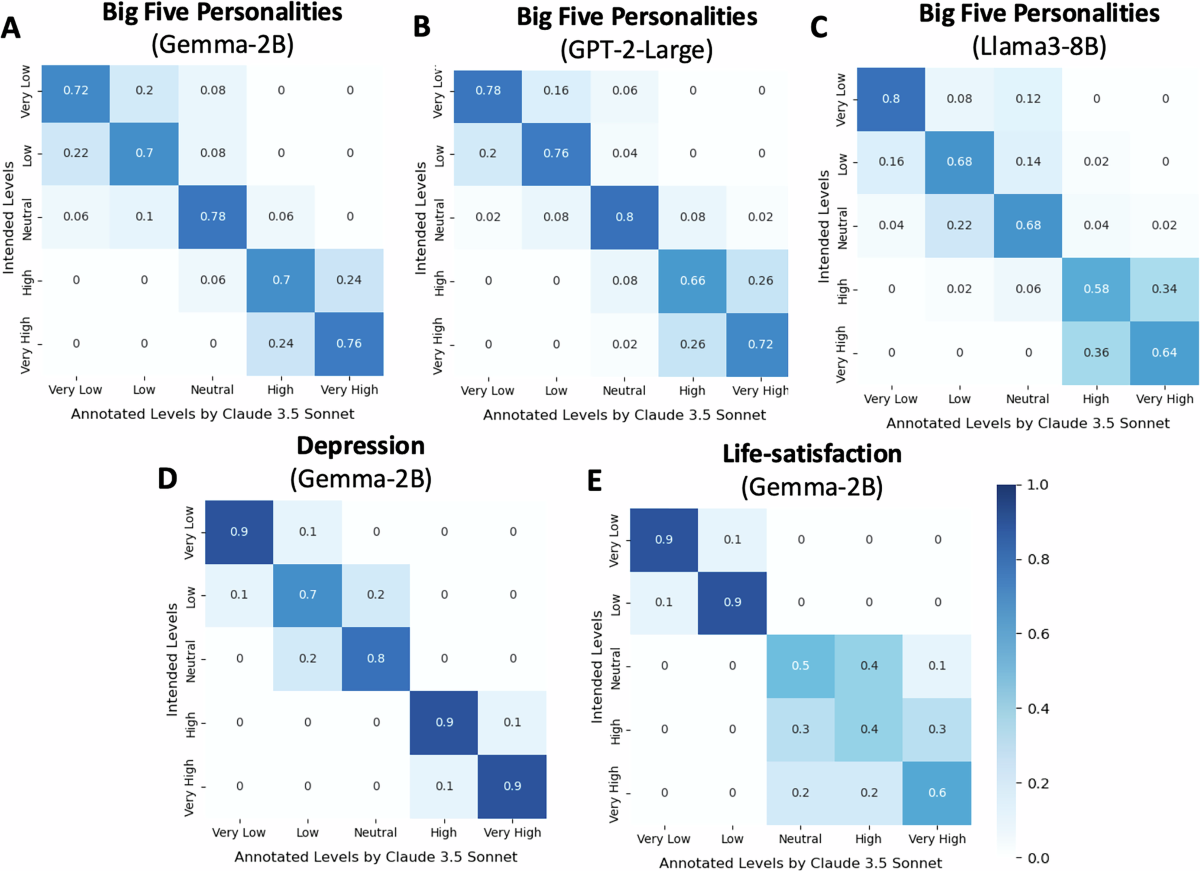
Researchers have developed PsychAdapter, a breakthrough AI system that can adapt large language models to reflect specific personality traits and mental health conditions. The study shows that models like GPT-2, LLaMA-3, and Gemma can be fine-tuned to exhibit different levels of Big Five personality traits with remarkable accuracy - achieving up to 98.7% accuracy in matching intended personality levels.
The research demonstrates how AI can be trained to understand and replicate human psychological patterns, with applications ranging from mental health research to personalized AI assistants. The models were tested across five different personality intensity levels and validated using both human raters and Claude 3.5 Sonnet as annotators, showing consistent performance across different AI architectures.
My Take: Scientists basically taught AI to have personality disorders on demand - while this could revolutionize mental health research, it's also slightly terrifying that we're now creating AI that can perfectly mimic human psychological conditions with 98% accuracy.
When: March 2, 2026
Source: nature.com
ChatGPT vs Claude: Head-to-Head Tests Show Clear Winner in Real-World Tasks
A comprehensive comparison of ChatGPT and Claude's default models across seven real-world tests has revealed significant differences in their practical performance. The tests focused on everyday productivity tasks like writing under pressure, reasoning through practical problems, and explaining complex ideas in plain English, rather than technical benchmarks.
Both AI assistants were evaluated on their ability to provide clear, reliable responses with minimal prompting - testing the promises of smarter assistance and fewer hallucinations that both companies have made. The comparison aimed to determine which model delivers better clarity and reliability for typical workday scenarios.
My Take: Someone finally did the AI equivalent of a Consumer Reports test drive - instead of just measuring horsepower, they actually tested which chatbot is better at helping you survive a Tuesday afternoon at the office.
When: March 2, 2026
Source: tomsguide.com
Legal Profession Explores Generative AI for Patent Drafting as Models Show Dramatic Improvement
The legal industry is evaluating how generative AI tools can transform patent drafting, with recent studies showing remarkable progress in AI legal capabilities. OpenAI's GPT-4 jumped from the 5th percentile to the 90th percentile on the Uniform Bar Exam in just one year, outperforming the average accuracy of aspiring attorneys.
This rapid evolution from failing grades to top performance has prompted law firms to seriously consider AI integration for patent applications and legal document preparation. However, the legal profession emphasizes the need to balance innovation with ethical standards, transparency, and effective training for new practitioners as AI capabilities continue to advance.
My Take: AI went from failing the bar exam to acing it in one year - law students everywhere are probably wondering if they should have just waited for ChatGPT to get their JD instead of taking on six figures of student debt.
When: March 1, 2026
Source: reuters.com
GSMA Launches 'Open Telco AI' Initiative as Current Models Struggle with Telecom Tasks

The telecom industry's governing body GSMA has announced the Open Telco AI initiative, arguing that current frontier AI models like GPT-5, Gemini, and Claude are inadequate for telecommunications-specific tasks. According to GSMA Intelligence, these general-purpose models struggle with interpreting network data, understanding telecom standards, and automating network operations with sufficient accuracy.
The research reveals that only 16% of telecom generative AI deployments target networks and network operations, despite this being the industry's largest cost center. The initiative aims to develop specialized AI models that can better handle telecom-specific challenges, essentially creating AI that can 'speak telco' fluently.
My Take: The telecom industry basically told GPT-5 and friends 'you're great at writing poetry, but you can't figure out why my 5G tower is acting up' - so now they're building their own AI that actually understands why your phone has no signal.
When: March 2, 2026
Source: telecoms.com
Chatbot Feature Comparison Reveals Major Differences as Users Consider Switching
A comprehensive feature comparison between ChatGPT, Claude, and Gemini reveals significant trade-offs for users considering switching between AI chatbots. The analysis shows ChatGPT leading in audio chats, personalities, and deep research features, while Claude stands out for being ad-free and offering superior connectors to apps like Figma and Slack.
Gemini dominates in creative content generation, offering video generation, music creation, the largest context window, and native Google integration. The comparison comes as some users are migrating from ChatGPT to Claude following OpenAI's Pentagon partnership, highlighting how geopolitical decisions are influencing consumer AI choices.
My Take: Choosing an AI chatbot has become like picking a streaming service - ChatGPT has the personalities, Claude has no ads, and Gemini can make you a music video, so you'll probably end up paying for all three anyway.
When: March 2, 2026
Source: businessinsider.com
Melbourne AI Agency Ditches ChatGPT for Claude Over Pentagon Deal and Technical Superiority

Enterprise Monkey, a Melbourne-based AI agency, has announced it's switching all internal operations from ChatGPT to Claude following OpenAI's Pentagon partnership and Anthropic's blacklisting by the Trump administration. The company's CEO emphasized this isn't purely an ethical decision but also technical, citing Claude's superiority in building autonomous agents.
The agency specifically highlighted Claude's advantages in MCP integrations, native tool use, and structured reasoning for agentic AI applications. They also noted persistent hallucination issues in OpenAI's models that haven't improved across recent releases, making Claude more reliable for business-critical AI agents that make real decisions.
My Take: A Melbourne AI agency basically broke up with ChatGPT like it was a bad relationship - citing both 'you've changed since you started hanging out with the military' and 'you keep making stuff up,' which is probably the most 2026 business decision ever.
When: March 1, 2026
Source: markets.businessinsider.com
Ad Agencies Embrace Claude's Enterprise Tools for Brand Automation and SEO Audits
Four major advertising agencies are increasingly relying on Anthropic's Claude enterprise tools to automate various brand-related tasks, from conducting comprehensive SEO audits on client websites to helping marketers write more effective creative briefs. The adoption shows how AI is becoming integral to agency workflows beyond just content creation.
The trend reflects a broader shift in the advertising industry toward AI-powered automation for routine tasks, allowing creative teams to focus on higher-level strategy and campaign development. Agencies report that Claude's enterprise features are particularly effective for structured tasks that require analysis and systematic evaluation.
My Take: Ad agencies discovered that Claude is better at writing marketing briefs than most junior account executives - which is either a testament to AI progress or a damning indictment of entry-level advertising talent.
When: March 2, 2026
Source: adage.com
Nature Launches Machine Learning Collection for Early Psychosis Prediction
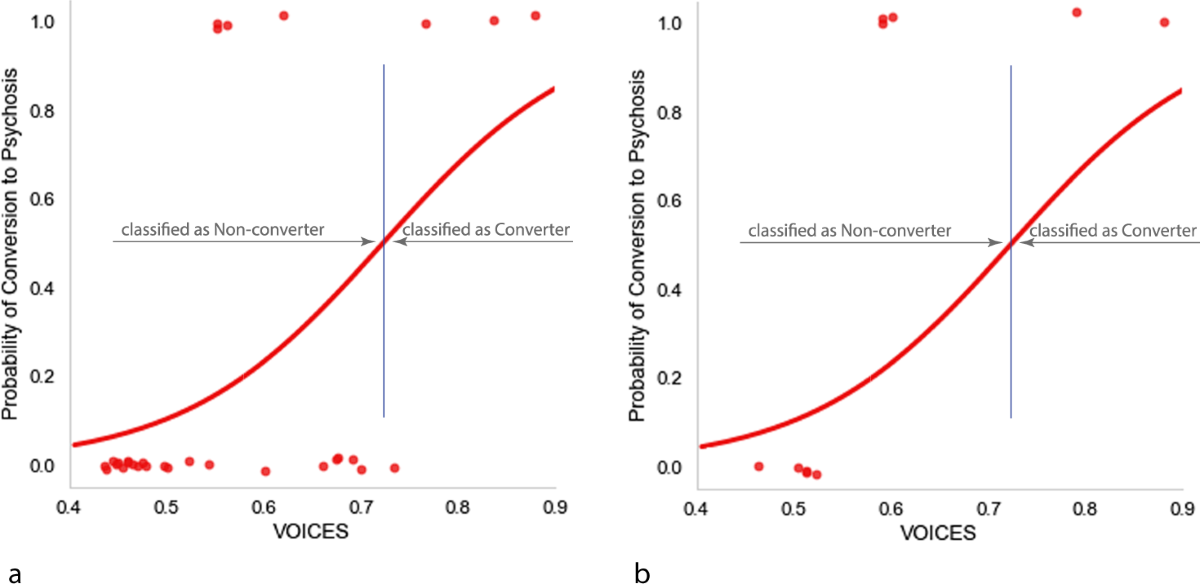
Nature has announced a new research collection focusing on machine learning applications for predicting the onset and progression of psychotic disorders. The collection welcomes studies using supervised, unsupervised, and deep learning methods applied to clinical, neuroimaging, genetic, and linguistic datasets to improve early diagnosis and risk stratification.
The initiative emphasizes transparent, reproducible algorithms with external validation and integration of natural language processing for analyzing clinical notes and speech patterns. Research areas include deep learning on MRI and EEG data, NLP analysis of clinical interviews, genetic feature selection, and digital phenotyping through smartphone and social media data.
My Take: Scientists are basically teaching AI to spot mental health conditions before they fully develop - it's like having a crystal ball for psychiatry, except instead of mystical powers, it's powered by really good pattern recognition and probably way too much patient data.
When: March 2, 2026
Source: nature.com
Neural Network Breakthrough Bridges Sensory Experience and Symbolic Thought
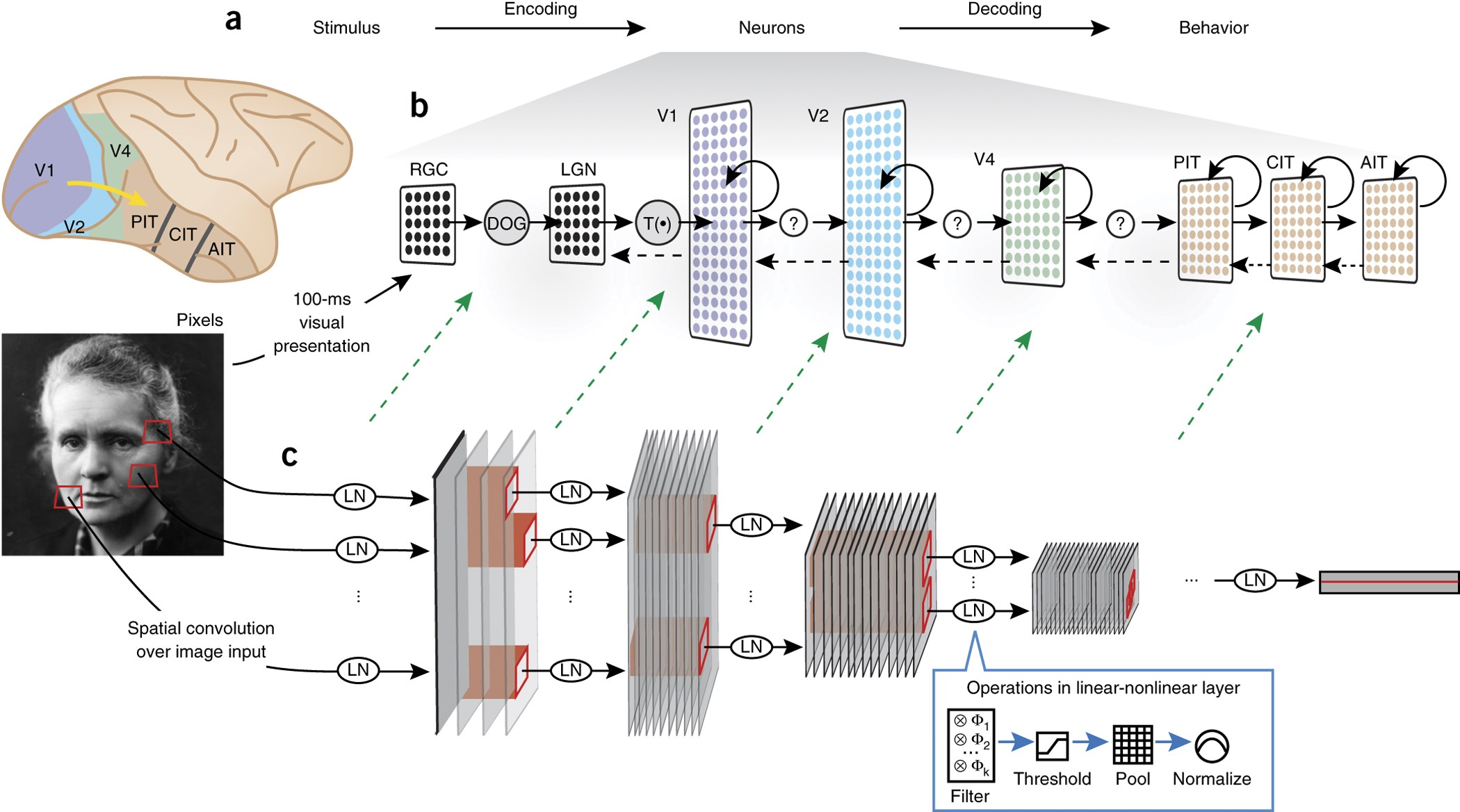
Researchers have developed a neural network architecture that successfully bridges the gap between sensory experience and symbolic thought, addressing a fundamental challenge in AI development. The system demonstrates how artificial networks can connect direct sensory input with abstract conceptual reasoning, similar to how humans process information.
The breakthrough represents significant progress in creating AI systems that can move seamlessly between perceiving the world and thinking about it abstractly. This advancement could lead to more sophisticated AI that better understands context and meaning, rather than just processing patterns in data.
My Take: Scientists basically taught AI to connect the dots between 'seeing a red apple' and 'understanding the concept of fruit' - which sounds simple until you realize most AI systems are still struggling with the difference between a chihuahua and a muffin.
When: March 2, 2026
Source: nature.com
AI Already Influencing Election Campaigns as New Zealand's Rules Lag Behind
Research from Victoria University of Wellington and the University of Otago reveals that AI-generated content is already infiltrating election campaigns while New Zealand's regulatory framework remains unprepared. The study highlights the growing presence of low-quality, AI-generated material flooding social media feeds during political campaigns.
The researchers warn that current election rules don't adequately address the challenges posed by AI-generated deepfakes, automated content creation, and sophisticated disinformation campaigns. The analysis suggests that without proper regulation, AI could significantly impact electoral processes through both intentional manipulation and unintended spread of AI-generated misinformation.
My Take: New Zealand basically discovered that AI is already running for office through fake social media posts while their election laws are still trying to figure out what the internet is - it's like bringing a regulatory horse and buggy to an AI Formula 1 race.
When: March 2, 2026
Source: nzdoctor.co.nz
Keep checking back regularly, as we update this page daily with the most recent and important news. We bring you fresh content every day, so be sure to bookmark this page and stay informed.


