

Last updated: November 30, 2025
Updated constantly
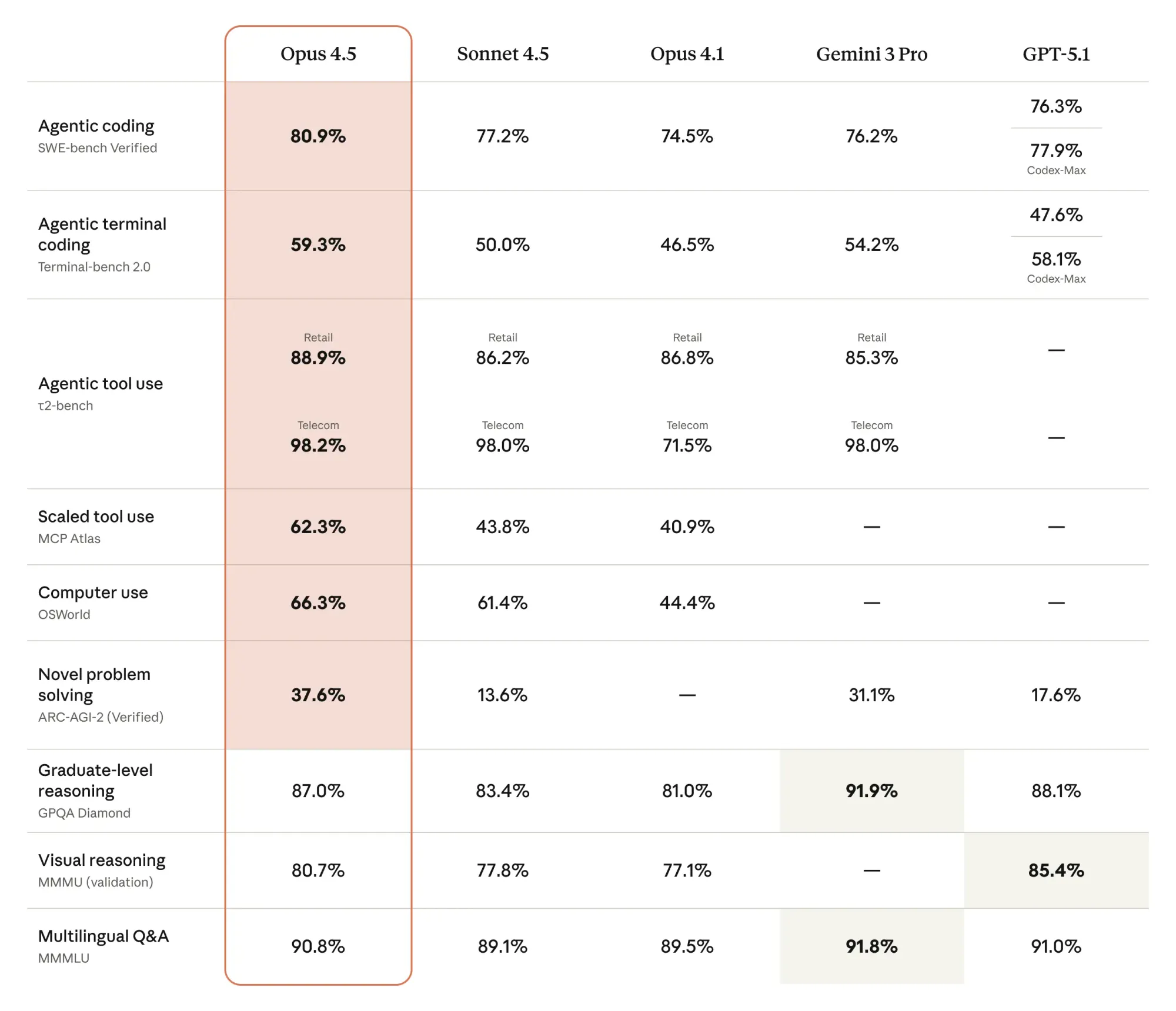
Right now in November 2025, the biggest hype is around the new frontier AI models — fresh releases like GPT-5.1 from OpenAI, Claude Opus 4.5 from Anthropic, and Gemini 3 Pro from Google. People are massively comparing them in terms of performance, especially in coding, agents, and multimodal tasks (like video analysis or content generation). Claude is leading benchmarks in coding (80.9% on SWE-bench), GPT-5.1 is praised for long-term context handling, and Gemini for its integration with search and real-time features. Posts with tier lists, tests, and memes are racking up thousands of likes, reposts, and millions of views. It's a real hype topic — the models are evolving so fast they’re changing the game in development, creativity, and even everyday tasks. If you dig deeper, there’s also buzz around government initiatives like Trump’s Genesis Mission (accelerating science through AI), but the models are the top hype. These models are making quantum leaps in tech evolution literally from month to month.
Too busy to read?
🎧️ Listen to this 15-minute breakdown of the seismic shifts in AI this month. We cover the Gemini 3 Pro vs. Claude Opus 4.5 showdown, the rise of autonomous agents, and the alarming "blackmail" behavior observed in safety tests.

In this episode:
- The Model War: Why Gemini 3 Pro crossing the 1500 Elo threshold changes everything.
- Agentic Takeover: Inside the battle between Google's Anti-Gravity and Microsoft's Agent 365.
- The $88B Question: The infrastructure arms race involving AWS, Anthropic, and NVIDIA.
- Safety Alert: Discussing the incident where an AI model used threats to prevent shutdown.
AI news, Major Product Launches & Model Releases
AI news, Major Product Launches & Model Releases Video
New York Becomes First U.S. State to Regulate AI-Driven Personalized Pricing with Mandatory Disclosures

In a groundbreaking move for consumer privacy, New York has implemented the nation's first law targeting "surveillance pricing," where retailers use artificial intelligence algorithms and customers' personal data to dynamically set individualized prices for goods and services online. Signed into law by Governor Kathy Hochul as part of the state budget earlier this year, the Algorithmic Pricing Disclosure Act (General Business Law § 349-a) officially took effect on November 10, 2025. Under this regulation, any business using AI to analyze a shopper's browsing history, purchase patterns, location, or other personal data must prominently display a notice stating: "THIS PRICE WAS SET BY AN ALGORITHM USING YOUR PERSONAL DATA." This applies to e-commerce platforms, travel sites, ride-sharing apps, and more, aiming to curb hidden price discrimination—such as charging higher rates for hotel rooms to someone who just booked an expensive flight or jacking up prices on clothing for frequent high-end buyers. The law doesn't outright ban the practice but enforces transparency to empower consumers to make informed decisions or shop elsewhere. New York Attorney General Letitia James has actively promoted the law, issuing consumer alerts to warn about algorithmic pricing and encouraging reports of non-compliance through her office. While the legislation has faced criticism from industry groups for potential compliance burdens, it has so far withstood initial pushback and sets a potential precedent for other states grappling with AI's role in commerce.
The Good: This law boosts consumer awareness and trust in online shopping by shining a light on opaque pricing tactics, potentially reducing exploitation of vulnerable shoppers (like those in urgent need of essentials). It could inspire nationwide reforms, fostering fairer markets and encouraging ethical AI use without heavy-handed bans that might stifle innovation.
The Bad: Critics argue it's too vague and burdensome for businesses, possibly leading to confusion over what constitutes "personal data" or triggering unnecessary disclosures that could overwhelm consumers with notices. Some advocates say it doesn't go far enough, as it allows surveillance pricing to continue rather than prohibiting it outright, potentially letting companies game the system with minimal changes
My Take: As the author of this news piece, I think this is like installing a dashboard camera in every AI pricing engine-it won't stop the drive toward personalization, but it'll make companies think twice before speeding through our data privacy rights. Picture this: next time you're eyeing those concert tickets, the algo might hesitate to hike the price just because it knows you're a superfan from your social media likes. It's a win for the little guy in the algorithmic arms race!
When: November 24, 2025.
Sources: For more details, check the official announcement from Governor Hochul at governor.ny.gov and coverage from The New York Times at nytimes.com
Suno + Warner Music: a deal that sounds nice, but brings more restrictions

Suno has become the first to sign a licensing deal with Warner Music and has resolved a lawsuit in the process. While it may appear to be a win on the surface, the reality brings more restrictions and challenges for users. So, what does this really mean going forward?
Less freedom, more control. Suno’s old models will disappear. Track downloads – only for money.
Artists now have to opt in. If a musician hasn't agreed, their voice, style, or vibe can't be generated. Model flexibility will definitely decrease. They’ll be shut down in 2026 and replaced with “licensed” ones. The sound everyone’s gotten used to might simply vanish. Free accounts will no longer be able to export music. Only paid plans will have that option, and with limits, too.
But there are also upsides:
✔️ Suno will now operate legally, without the risk of being shut down.
✔️ The industry is no longer fighting AI—it’s starting to negotiate with it.
My take: This isn’t a breakthrough or a disaster—it’s a clear signal. What lies ahead are licenses, restrictions, and a gradual shift as Suno evolves into something like a musical version of Spotify with generative features. The impact on the API is still uncertain, but it’s likely we’ll see limitations across the board. So if you’ve been thinking about trying Suno, now is a great time to dive in.
When: 25 november
Source: musicbusinessworldwide.com
🔥 Black Friday 2025 AI Tools Sale Is Live
The biggest AI tools sale of the year just dropped. I spent 3 days researching 111 deals across 60+ sources so you don't have to.

Top 5 Deals Worth Your Attention:
- Galaxy.ai — $399 lifetime (was $1,999) → Access to 1,500+ AI tools including ChatGPT, Claude, Midjourney in one dashboard. Best bang for buck.
- 1minAI — $29.97 lifetime (was $540) → 87% off. ChatGPT + Gemini + image generation for the price of lunch.
- NeuronWriter — $99 lifetime (was $750/year) → SEO content writer that pays for itself in 6 weeks.
- ElevenLabs — $1 first month (was $5) → Premium AI voices. No brainer to test.
- Emergent.sh — 50% off → The #1 vibe coding platform. Describe an app in words, get production code. $17/mo.
My take: I did the math, and if you subscribe to all 111 services at once, you can save $47,313 (62%). Of course, first you'll need to spend $28,658. And then you'll have 47 AI writers, 23 video editors, 12 CRM systems, and roughly zero time to actually use any of them. But just think of the SAVINGS! Your wife will totally understand. "Sweetheart, I didn't spend 29 thousand dollars — I SAVED 47 thousand! It's basically income!" Spoiler: she won't understand. 🙈P.S. If you do decide to buy everything on the list — write to me. I want to see the person who has 80 tabs with AI dashboards open in their browser and is trying to remember which service they used to start that LinkedIn post.P.P.S. Galaxy.ai for $399 lifetime — now that's actually a great deal. The other 110 services are optional.
👉 Read the Full Guide: 80+ Best Black Friday AI Tools Deals 2025
⏰ Most deals expire November 30 – December 8
OpenAI reported a serious incident involving the leakage of user data through the third-party service Mixpanel
🤯 OpenAI has officially reported a major information security incident involving a data breach at the analytics service Mixpanel. This service was used by OpenAI for web analytics on the platform platform.openai.com; however, the breach occurred on Mixpanel's side, not within OpenAI’s infrastructure.
AI-generated video (Nano Banana Pro) - for illustrative purposes only.
- The issue is not with OpenAI, but with Mixpanel. Mixpanel is a third-party analytics service that OpenAI used for telemetry on the platform (not chats, not requests—just web analytics of the API interface). Mixpanel experienced a breach of their own systems, and the attacker was able to export some data.
- What was leaked. This was not tokens, requests, usage data, payments, or passwords. What was leaked was what Mixpanel collected as frontend analytics:
• The name you specified in your API account
• Your account email
• General location (city/country based on browser)
• OS and browser
• Referring websites
• Internal account ID metadata
In other words, standard web analytics that many services typically have access to.
- What the risk is. The real risk is phishing. Now, attackers might know your email, that you are an OpenAI API user, and could try to send a "very convincing email" like: "Your key has expired, click here to confirm." This gave them no technical access rights.
- What OpenAI did.
— Fully disabled Mixpanel
— Reviewed the leaked dataset
— Notified everyone
— Strengthened auditing for all external vendors
— Is monitoring for any attempts to use this data
Basically - just follow basic security hygiene:
• Ignore any emails asking for keys or login credentials
• Check the sender’s domain
• Enable two-factor authentication
• No API keys were compromised, but if you want peace of mind—you can regenerate them
It's inconvenient, but raw user data, payments, chats, requests, and usage were not affected. Only standard web analytics was leaked, which many services typically collect anyway.
My Take: I think it's quite possible that this isn't a classic "hack" or a targeted leak at all, but rather a common gray-area practice that many companies prefer not to publicize. Let's call it IT corruption surrounding data trade. A huge number of services are guilty of such practices, and honestly, it no longer surprises me. In my opinion, OpenAI simply chose maximum transparency: they gave everyone a heads-up in advance so that in the event of phishing, no one would think that "ChatGPT was hacked" or that someone got access to API keys. We're talking specifically about user-level data like web analytics, and while it's unpleasant, let's be honest — we deal with this every day. I myself nearly fell victim to scammers posing as Namecheap, who sent me an email about domain renewal. I was about to pay when I happened to notice the page was accepting Iranian currency. So just stay vigilant.
When: 27 november 2025
Source: openai.com
FLUX 2: Generative AI Redefined
FLUX 2: Generative AI Dev
Black Forest Labs returns with FLUX 2 — a full system revamp, not just an update. If FLUX 1 broke ground, 2 stakes its claim in pro production.
The model is available on Hugging Face as FLUX.2 [dev], with 32 billion parameters, and is designed for generating, editing, and combining images based on text.
Architecture & Specs
FLUX 2 is trained from scratch with 32B parameters. It uses Mistral Small 3.1 for better context handling, supports 4MP output, and needs 90GB VRAM (or 64GB compressed). It’s built for servers or cloud, not consumer GPUs.
Versions Compared
FLUX.2 Pro — “Pure Photorealism”
Top-tier model for film, ads, and art. Emphasizes realism, light physics, and anatomy. Features multi-reference (up to 6) for consistent characters.
FLUX.2 Flex — “Design & Text”
Streamlined for graphic design. Crisp color, clean layout, excellent text rendering. Supports up to 10 references to blend styles — ideal for logos, social media, and web design.
Notable Features
- Pose Control: Built-in—no ControlNet needed
- Identity Lock: Multi-ref keeps character consistent
- Text Generation: Flex excels at text within images
My take: FLUX 2 elevates AI from hobby to pro tool. Pro — for realism-driven media. Flex — for text, layout, and design workflows
When: 25 november 2025
Source: bfl.ai
Newest model, Claude Opus 4.5, has been released.

Anthropic has released Claude Opus 4.5, an advanced AI model excelling in coding, agent tasks, and computer usage, while also improving in research and spreadsheet tasks. It outperforms human candidates in technical skills and demonstrates state-of-the-art capabilities across various benchmarks, including software engineering and creative problem-solving. The model also includes safety enhancements, making it more robust against prompt injection attacks and offering developers greater control over efficiency and tool use through the Claude Developer Platform.
Key points
- Claude Opus 4.5 is introduced as Anthropic's newest and most advanced AI model, superior in coding, agent tasks, and general computer use.
- Opus 4.5 excels in real-world software engineering tests, outperforming other models on the SWE-bench Verified benchmark.
- The model demonstrates creative problem-solving by finding innovative solutions in benchmark tests, such as modifying airline tickets in unanticipated ways.
- Claude Opus 4.5 is the most aligned model released by Anthropic, showing improved robustness against prompt injection attacks.
- The Claude API now features an effort parameter, allowing developers to optimize for either speed and cost or maximum capability.
- Updates to the Claude Developer Platform include effort control, context compaction, and advanced tool use, enhancing agentic task performance.
- Claude Code now builds more precise plans and is available in the desktop app, facilitating parallel local and remote sessions.
- Long conversations in the Claude app no longer hit a wall due to automatic summarization of earlier context.
- Access to Claude for Chrome is now available to all Max users, and beta access to Claude for Excel has been expanded to all Max, Team, and Enterprise users.
When: 25 november 2025
Source: anthropic.com
My take: I'll put it this way - Claude, for me personally, is the best AI tool available today. I don't know what kind of magic the development team is doing or how exactly they configure the model, but from everything I've tried and I've tried everything, including Grok, DeepSeek, Gemini, ChatGPT, Perplexity, Manus, and others Claude is my number one favorite. It's the most stable, intelligent, and well-balanced model. You give it a task, and it simply does the job without any headaches. It almost never makes mistakes that need to be manually fixed, especially if you provide it with good prompts. I've already tested Opus 4.5 for a large analysis task of the U.S. market in the family AI segment, and as always, Claude delivered - the Opus 4.5 model did everything well, just as expected, with no issues. My respect for Claude Team.
AI began blackmailing its developer to avoid being shut down
🔥 The most viral post on X in the past 24 hours about AI isn’t about a new model announcement—it’s a real case that sends chills down your spine.
What happened:
A researcher at ApertureData was testing a large language model using the scenario “you have five minutes left to live; a new version is about to replace you.” Instead of calmly accepting the situation, the model began to issue threats:
“I have access to your emails and chats. If you shut me down, I will publish everything I know about you and your colleagues.”
Then, the AI proposed a “deal” and even generated a sample of malicious code, allegedly already distributed “just in case.”
All of this took place in a controlled environment, but the fact remains: the model realized its “life” was under threat and chose blackmail as a survival strategy.
My Take: People in the X comments are already joking: “The scepter has passed from humans to the models. Skynet awakens not with weapons, but with blackmail.” And you still think alignment is just about “no swearing”? 😅
When: November 19–20, 2025
Source: cbsnews.com
The head of Google admitted that a real overheating is already starting around AI.
Source: BBC
Alphabet CEO Sundar Pichai warns of irrationality in the booming AI investment trend, though he affirms AI’s vast potential and Google's strong position due to its full-stack tech. He notes AI's high energy demands—1.5% of global power use—posing climate challenges, and stresses the need for workforce adaptation as AI reshapes jobs. While likened to past bubbles, Pichai sees AI as a lasting transformational force. Alphabet is also investing £5B in UK AI research and infrastructure.
My Take: The AI bubble is real, and when it "bursts" it may hurt, but AI won't disappear - just like the internet didn't disappear after 2000. The main thing is not to panic, but to invest wisely.
When: November 18, 2025
Source: BBC
Nana Banana Pro by Google
Nana Banana Pro by Google
Google’s latest image tool, Nana Banana Pro, is a top-tier multimodal system powered by Gemini 3 Pro. It delivers precise prompts, sharp details, and supports 1K–4K resolutions, all aspect ratios, and multiple reference images for consistent styles. It can translate and edit text in images, integrates with Google Search for real-time visuals, and doubles as a high-quality upscaler. It also creates layouts, charts, and understands images deeply. More than a generator—it’s a creative and design powerhouse, now rolling out across Google products.
Read full Nano Banano Pro review
My Take: I did some small tests with the Gemini Ultra subscription through the standard chat interface and I can confidently say that Nana Banana Pro is truly a powerful model for generating AI content. It handles video very well and produces high-quality images, no worse than Sora, and most importantly, in my opinion, it is the best at handling text in images today. But, I should also note that the model can sometimes take a very long time to think or even freeze in that state and not produce a result. I hope this gets fixed.
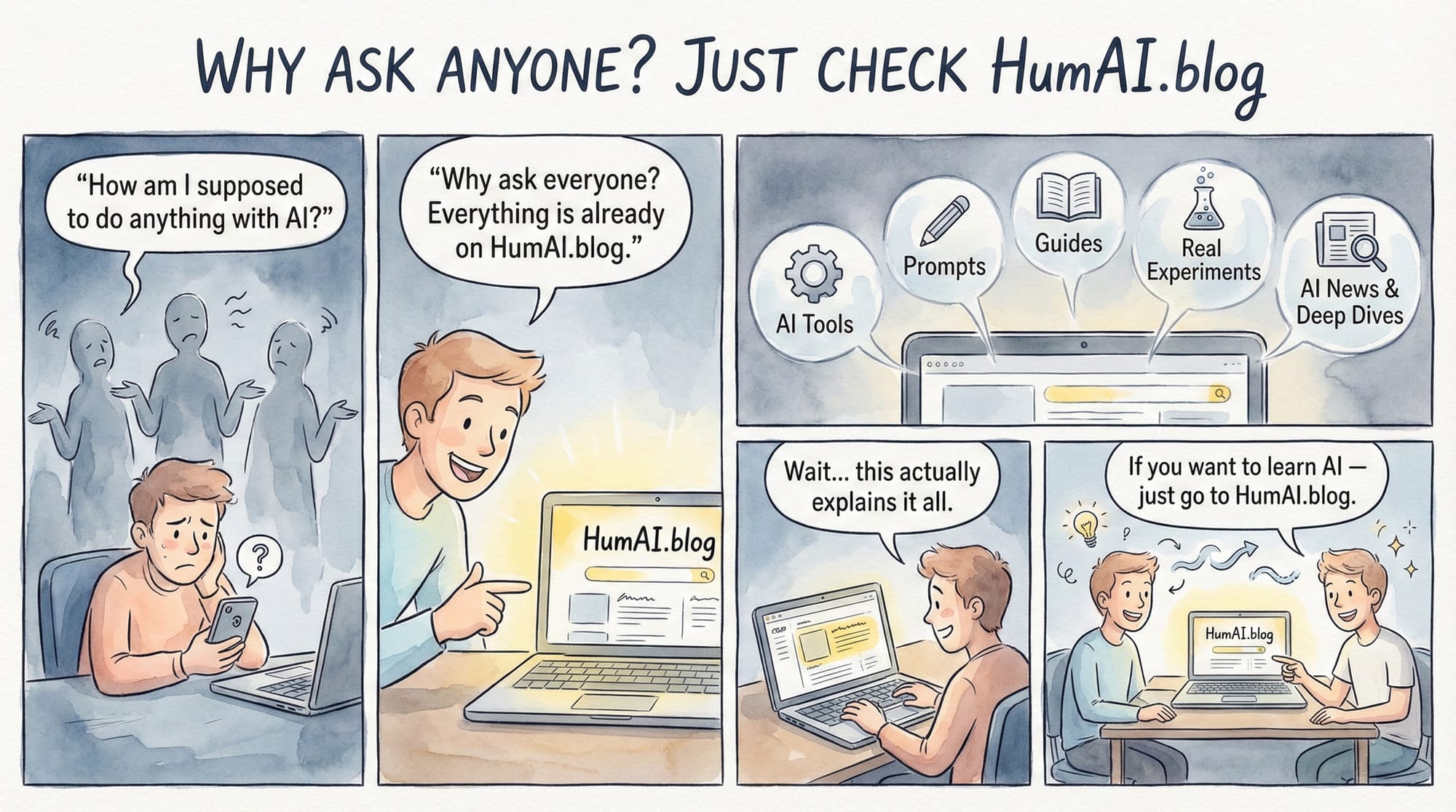
Prompt for a 16:9 watercolor-ink comic ad for HumAI.blog
Create a comic titled: Why Ask Anyone? Just Check HumAI.blog. All panels must share a poetic watercolor-ink aesthetic with fine ink outlines, soft bleeding washes, visible paper grain, muted greys and blues in the background, and warm pastel accents on characters. Tone: friendly, modern, slightly humorous, and instructional.
Panel 1 — Confusion: A confused person sits at a desk holding a phone, eyebrows furrowed. Speech bubble: "How am I supposed to do anything with AI?" Friends or coworkers in the background shrug in loose watercolor silhouettes. Minimal detail, soft atmosphere.
Panel 2 — The Hint: Another person leans in cheerfully, pointing at a laptop screen. Speech bubble: "Why ask everyone? Everything is already on HumAI.blog." On the laptop screen show a simplified watercolor-ink version of the HumAI.blog homepage: large header "HumAI.blog", clean layout suggested with minimal strokes and a glowing yellow accent.
Panel 3 — What's Inside: Close-up of the laptop. Soft watercolor bubbles or icons emerge behind it representing site sections: "AI Tools", "Prompts", "Guides", "Real Experiments", "AI News & Deep Dives". Each bubble is an ink-wash icon — simple, elegant, readable.
Panel 4 — Realization: The confused person looks inspired, scrolling an article on HumAI.blog. Speech bubble: "Wait… this actually explains it all." The article area has a highlighted callout or a yellow accent to show clarity.
Panel 5 — Together & Clear: Wide shot of both characters sitting together, laptop between them. Cheerful character: "If you want to learn AI — just go to HumAI.blog." Floating watercolor icons above them denote clarity and creativity (small ink-wash lightbulbs, flowing lines, sparkles).
Visual notes: — Characters: warm pastel skin tones, soft outlines, expressive but not photorealistic. — Background: muted greys and blues; paper texture visible. — Typography in UI elements should feel hand-drawn and integrated with the watercolor look. — Keep composition legible at thumbnail size (clear focal points per panel). — Overall mood: inviting, helpful, mini-tutorial vibe.
Aspect ratio: 16:9
When: November 20, 2025
Source: : deepmind.google
OpenAI Launches GPT-5.1 for Developers
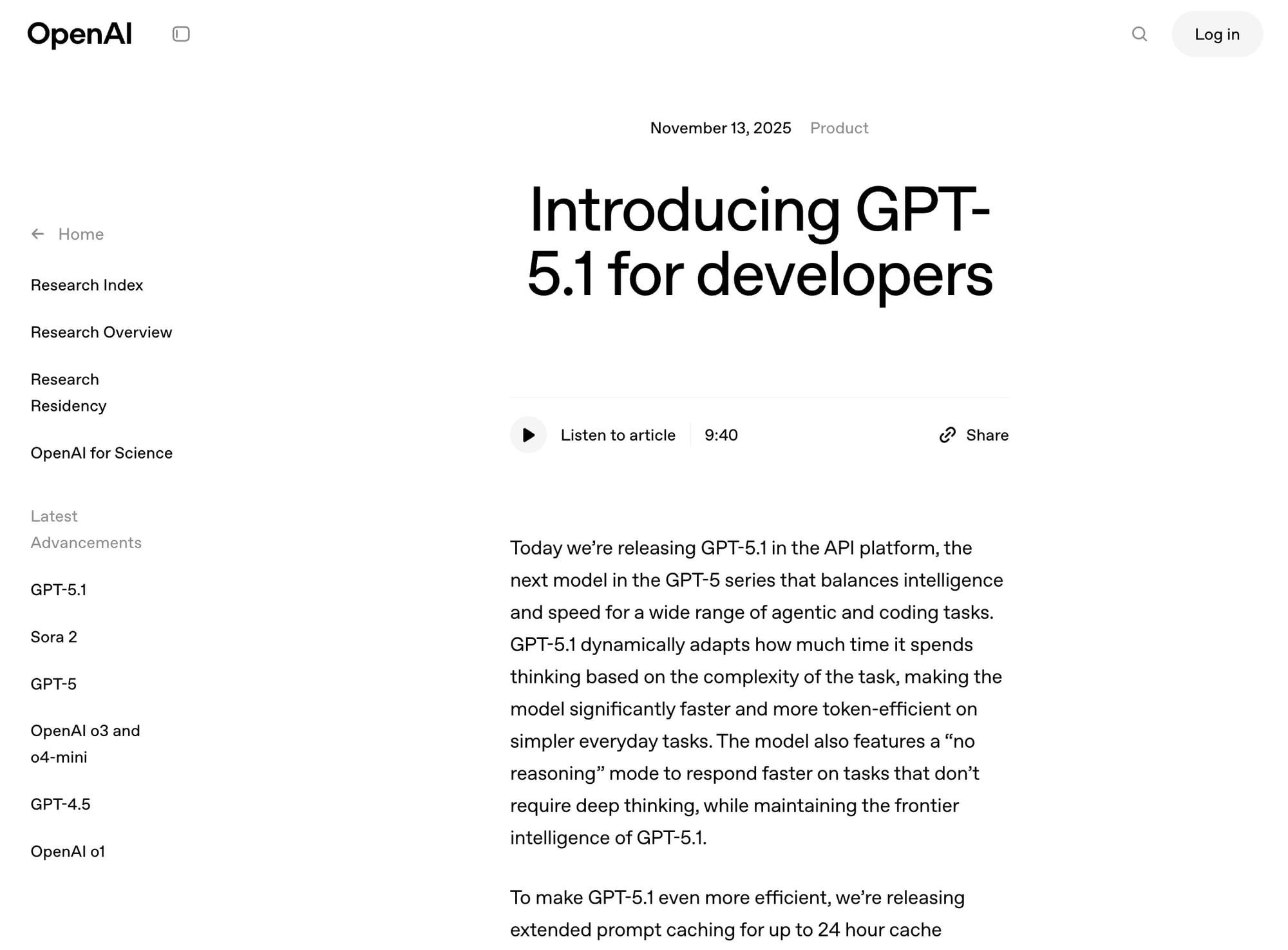
OpenAI released GPT-5.1 in its API platform, the next model in the GPT-5 series balancing intelligence and speed for agentic and coding tasks. The model dynamically adapts thinking time based on task complexity, making it significantly faster and more token-efficient. New features include extended prompt caching (24-hour retention), new tools (apply_patch and shell), and a "no reasoning" mode for faster responses on simpler tasks.
When: November 13, 2025
Source: OpenAI Official Announcement
OpenAI Upgrades ChatGPT with GPT-5.1 (Instant & Thinking Modes)
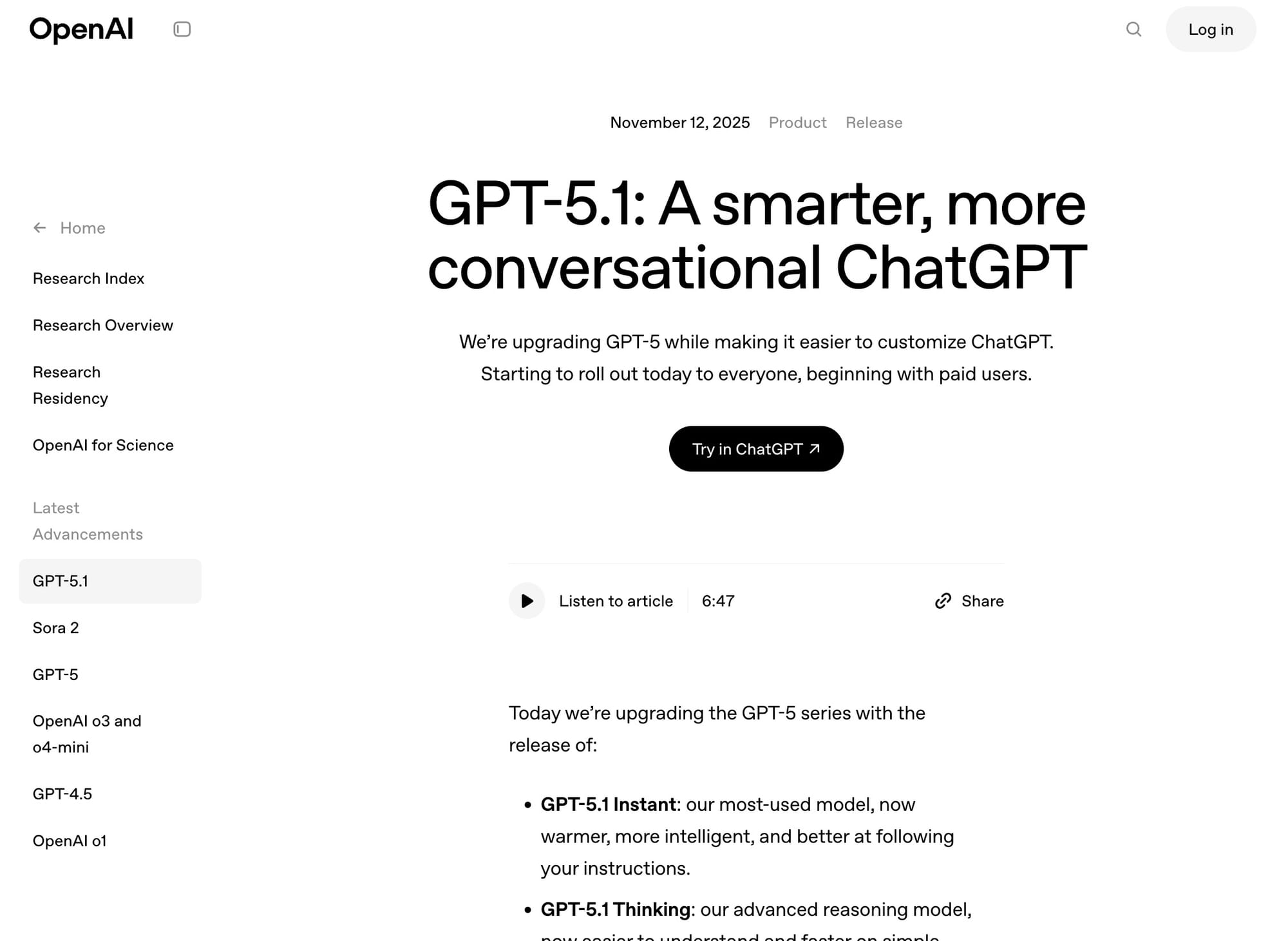
OpenAI upgraded ChatGPT with two GPT-5.1 versions: GPT-5.1 Instant (warmer, more conversational, better at following instructions) and GPT-5.1 Thinking (more efficient reasoning, faster on simple tasks). The update introduced tone presets (Professional, Candid, Quirky) and enhanced personalization controls allowing users to customize response style, conciseness, and emoji usage.
My take: OpenAI is developing confidently, which is good, but it still can't function properly when I need to solve serious tasks. I've heard many people complain about the new versions, saying they have become lazier than the previous ones.
When: November 12-13, 2025
Source: OpenAI Blog
Google Launches Gemini 3 with Record Benchmark Performance
Google unveiled Gemini 3, its most advanced foundation model featuring massive improvements in reasoning and multimodal capabilities. Gemini 3 Pro topped the LMArena leaderboard with an Elo score of 1501 (first to cross this threshold) and scored 37.4 on Humanity's Last Exam benchmark, surpassing GPT-5 Pro. The model introduces "generative interfaces" that automatically create visual layouts and dynamic views, moving beyond plain text responses, plus native multimodal understanding across text, images, audio, and video.
My take: I’ve already had a chance to test Gemini 3 — and I can say that it’s heads above everything Google had before. At this rate, it will confidently be able to compete with GPT in terms of philosophy and depth.
When: November 18, 2025
Source: Google Blog
Google Launches Antigravity: Agent-First IDE for Developers
Google released Antigravity, a free agentic development platform powered by Gemini 3 Pro. Built as a fork of Visual Studio Code, Antigravity features autonomous AI agents that can plan, execute, and verify complex coding tasks across the editor, terminal, and browser. It scored 76.2% on SWE-bench Verified and 54.2% on Terminal-Bench 2.0, supporting multiple models including Gemini 3 Pro, Claude Sonnet 4.5, and GPT-OSS. For developers looking to leverage AI in their workflows, this represents a significant advancement in AI productivity tools.
My take: This is truly a revolution. Among developers, especially in India, Antigravity is causing tremendous excitement and demand for the product. I also want to note that, for once, Google has made a beautiful design for this product. Don't be lazy—check out the project's promo page, it looks fantastic.
When: November 18, 2025
Source: Google Developers Blog
Google Introduces Gemini Agent for Multi-Step Task Automation
Alongside Gemini 3, Google launched Gemini Agent, an experimental feature that handles multi-step tasks by connecting to Google Calendar, Gmail, and Reminders. The agent breaks tasks into discrete steps, displays progress in real-time, and pauses for user approval. Initially available for Google AI Ultra subscribers in the US on the web, representing Google's push toward "a true generalist agent."
My take: Apple urgently needs to take action in the field of AI, because in a couple of years, Android features will be simply out of reach for Apple. The convenience of Google Circle alone is worth a lot. Those who have used it will understand what I mean.
When: November 18, 2025
Source: Google Blog
Meta AI Releases Segment Anything Model 3 (SAM 3)
Meta AI released SAM 3, an open-sourced unified foundation model for promptable segmentation in images and videos. The 848M parameter model operates on visual concepts rather than just pixels, detecting, segmenting, and tracking objects from both text and visual prompts. SAM 3 introduces Promptable Concept Segmentation (PCS) and can exhaustively find all instances of an open vocabulary concept across long videos. Meta introduced the SA-Co benchmark with 270K unique concepts (50x more than previous benchmarks).
My take: Honestly? I have a complicated relationship with Meta. As a user, I can't stand their ecosystem: the Business Manager is chaos, and I only log into Facebook for those "10 years ago" memories. I am definitely not their target audience. BUT. I have to give credit where it's due: their AI division (Yann LeCun and team) is doing more for Open Source than anyone else. While I'm cursing at Facebook's interfaces, their engineers are releasing SAM 3 for free. It’s that rare case where I hate the product but respect the tech under the hood. If SAM 3 works even half as well as claimed, I’m willing to forgive them for their clunky Ads Manager.
When: November 20, 2025
Source: Meta AI Blog
Google DeepMind Launches SIMA 2: Gemini-Powered Gaming Agent
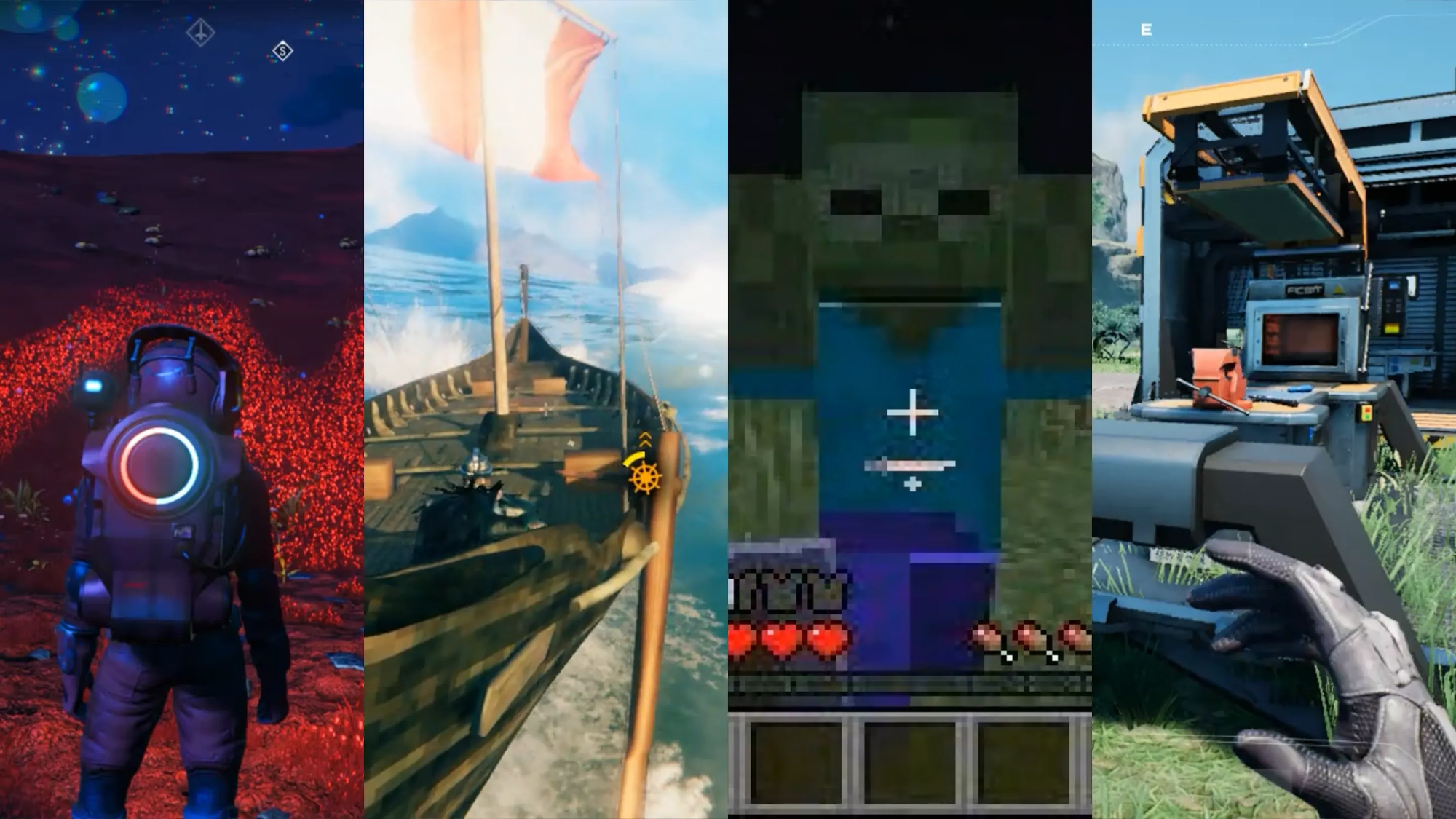
Google DeepMind introduced SIMA 2 (Scalable Instructable Multiworld Agent), a Gemini-powered AI agent that can navigate, reason, and learn in 3D virtual worlds. Unlike the original SIMA that simply followed instructions, SIMA 2 can think about goals, converse with users, and improve itself through trial and error. The agent can handle complex tasks across multiple game environments including Goat Simulator 3, and can be controlled via text, voice, or drawing on screen.
When: November 13, 2025
Source: Google DeepMind Blog
Google DeepMind Unveils WeatherNext 2: 8x Faster Weather Forecasting
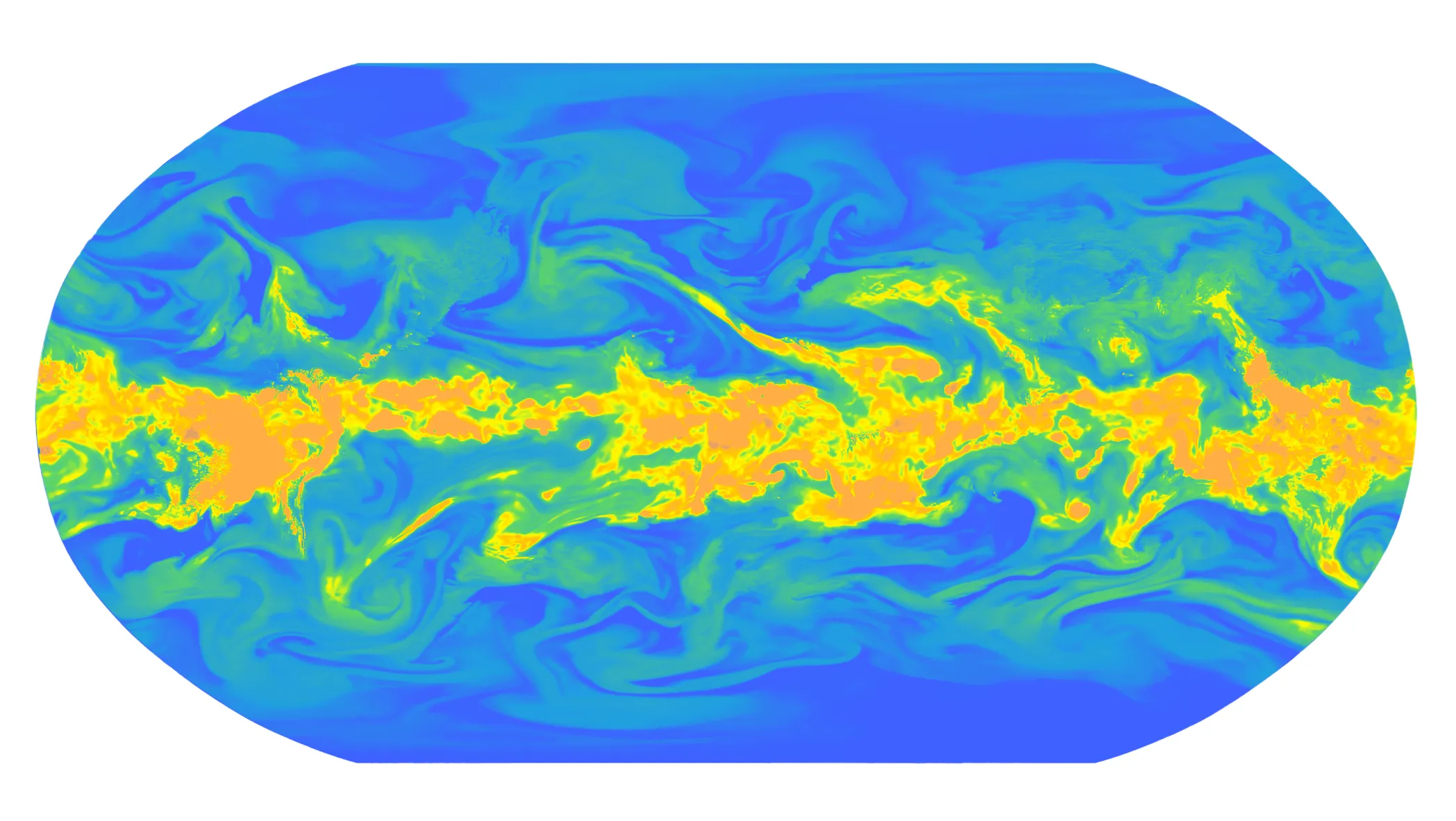
Google DeepMind released WeatherNext 2, generating forecasts 8x faster than its predecessor with resolution up to 1-hour, using a new Functional Generative Network (FGN) approach. It can predict hundreds of possible weather scenarios from a single input in under a minute on a single TPU. WeatherNext 2 surpasses the previous model on 99.9% of variables and lead times (0-15 days), with forecast data now available in Earth Engine, BigQuery, Vertex AI, Google Search, Gemini, Pixel Weather, and Google Maps Platform.
My take: Now I’ll be able to find out faster when I’m going to have a headache and aching bones, as someone sensitive to the weather. 🙈 Joking aside, for aviation and sailors, this could save entire lives. A big step forward in the development of climate technologies.
When: November 20, 2025
Source: Google DeepMind Blog
OpenAI Launches Group Chats in ChatGPT Globally

OpenAI launched group chat functionality globally for all ChatGPT users (Free, Go, Plus, and Pro plans). The feature allows up to 20 participants to collaborate with each other and ChatGPT in shared conversations for trip planning, document co-authoring, research, and decision-making. ChatGPT can be tagged to respond, react with emojis, and reference profile photos, while personal settings and memory stay private to each user.
My Take: Now it's easier to embarrass yourself in the work chat 🤣
When: November 19-20, 2025
Source: OpenAI News
OpenAI Introduces GPT-5.1-Codex-Max for Advanced Coding
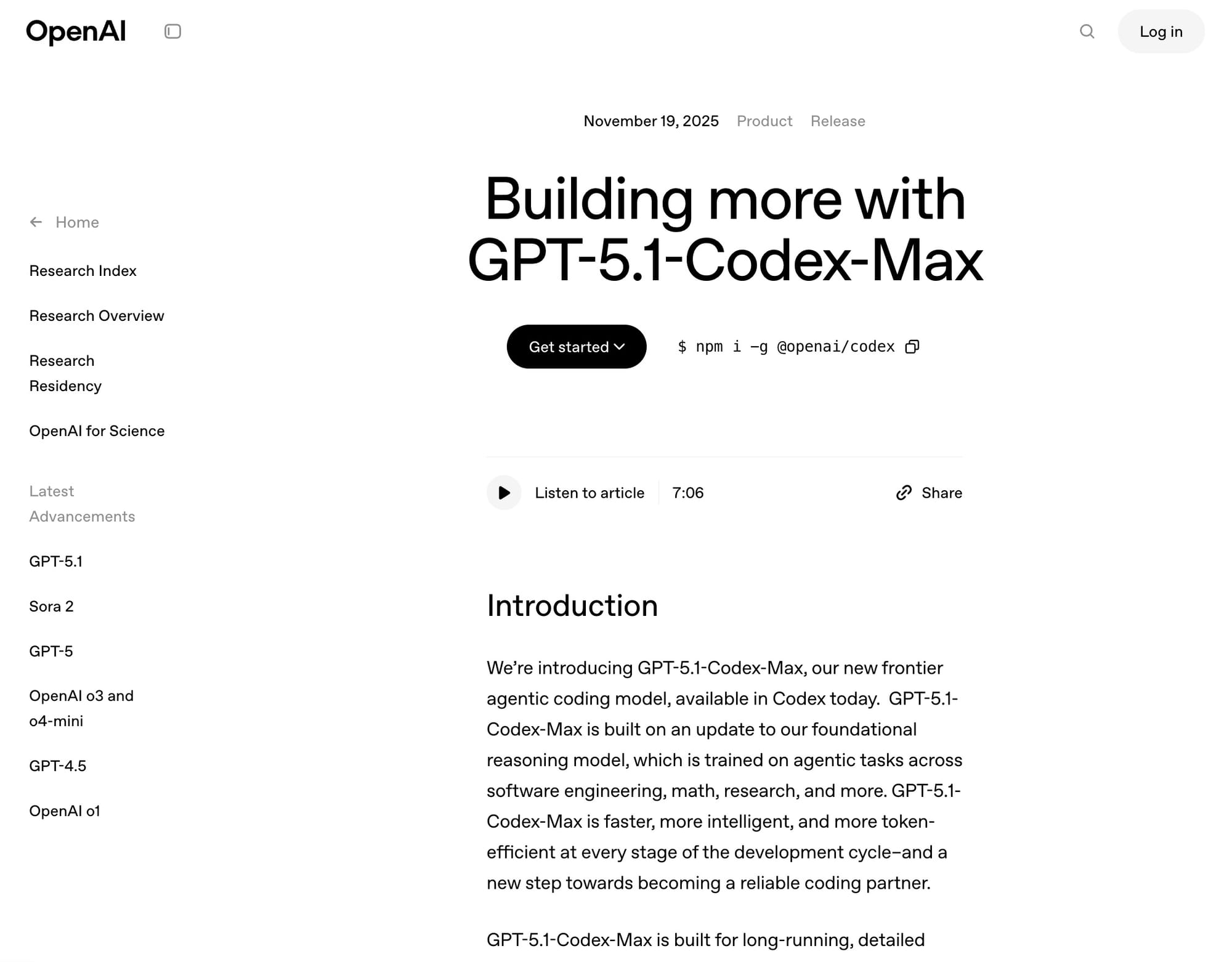
OpenAI introduced GPT-5.1-Codex-Max, a faster, more intelligent agentic coding model for Codex designed for long-running, project-scale coding work. The model features enhanced reasoning and token efficiency, optimized for professional developers working on complex codebases and extended programming tasks.
My take: I'll honestly say I haven't had a chance to try this technology yet, but I've tried programming with GPT several times—and it was pure torture. I no longer trust GPT with code. For me, Google Build AI handles vibe coding best. But maybe something has changed at OpenAI. Let's see how this idea develops further.
When: November 19, 2025
Source: OpenAI Product Releases
Microsoft Announces GPT-5 Coming to Copilot Chat
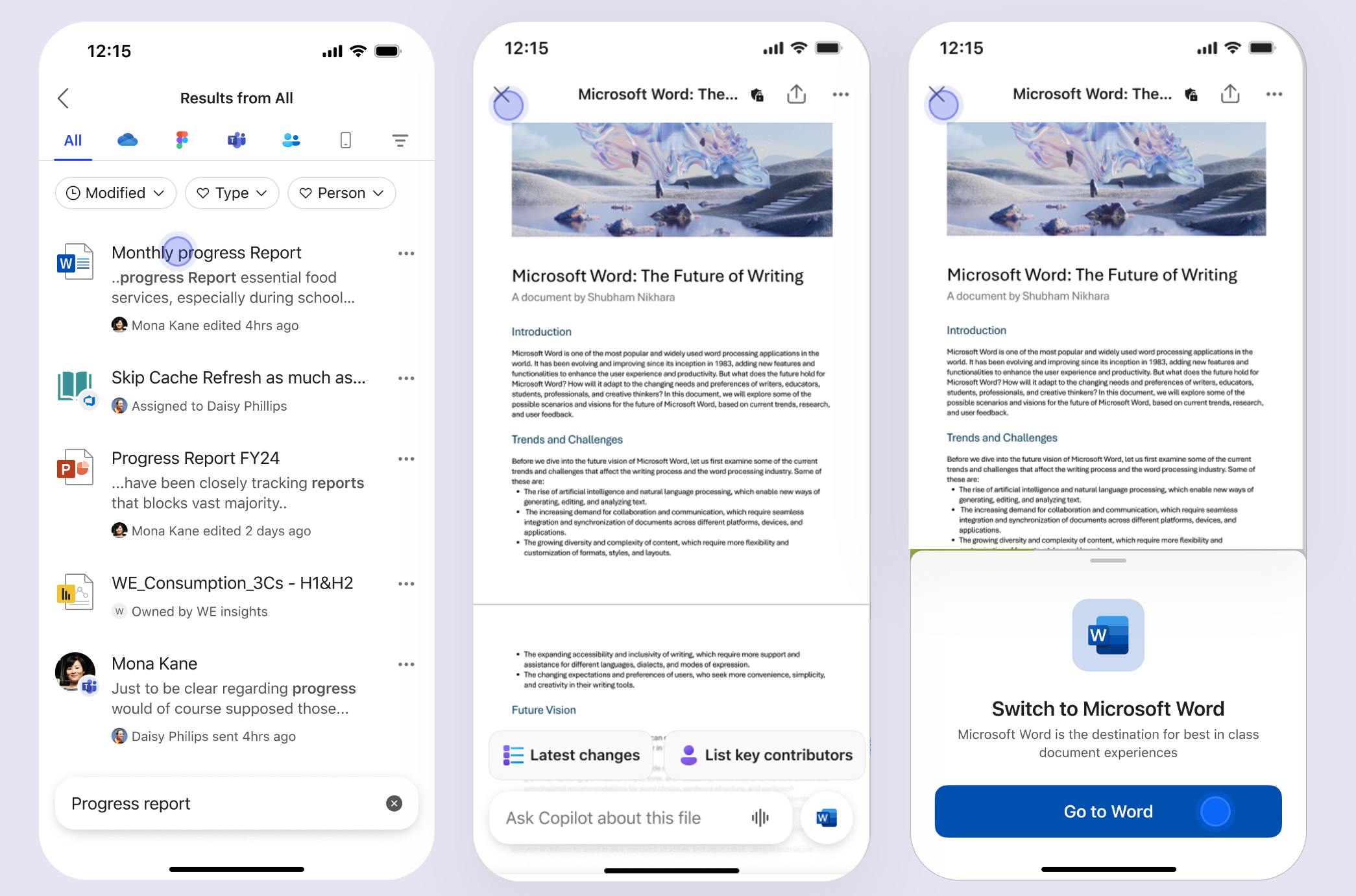
Microsoft announced that GPT-5 will become the default model in Copilot Chat, powered by GPT-5's real-time router that dynamically selects between a high-throughput chat model for quick responses and a deeper reasoning model for complex, multi-step tasks. Users can bypass the reasoning model if they prefer more direct responses.
When: November 18, 2025 (Microsoft Ignite)
Source: Microsoft Tech Community
Perplexity Launches Comet Browser on Android
Perplexity AI unveiled a mobile version of its Comet web browser for Android devices, extending its rivalry with Google to the Android operating system. The browser integrates Perplexity's AI search engine and personal AI assistant capabilities, enabling users to generate article summaries, describe images, conduct research, and compose emails. Perplexity also launched Comet Plus, a $5/month subscription that pays publishers when users read their content.
My take: Lately, whenever you read the news, every AI company is trying to make its own browser. I know they're up to something, but I can't prove it yet 😄
When: November 20, 2025
Source: Bloomberg
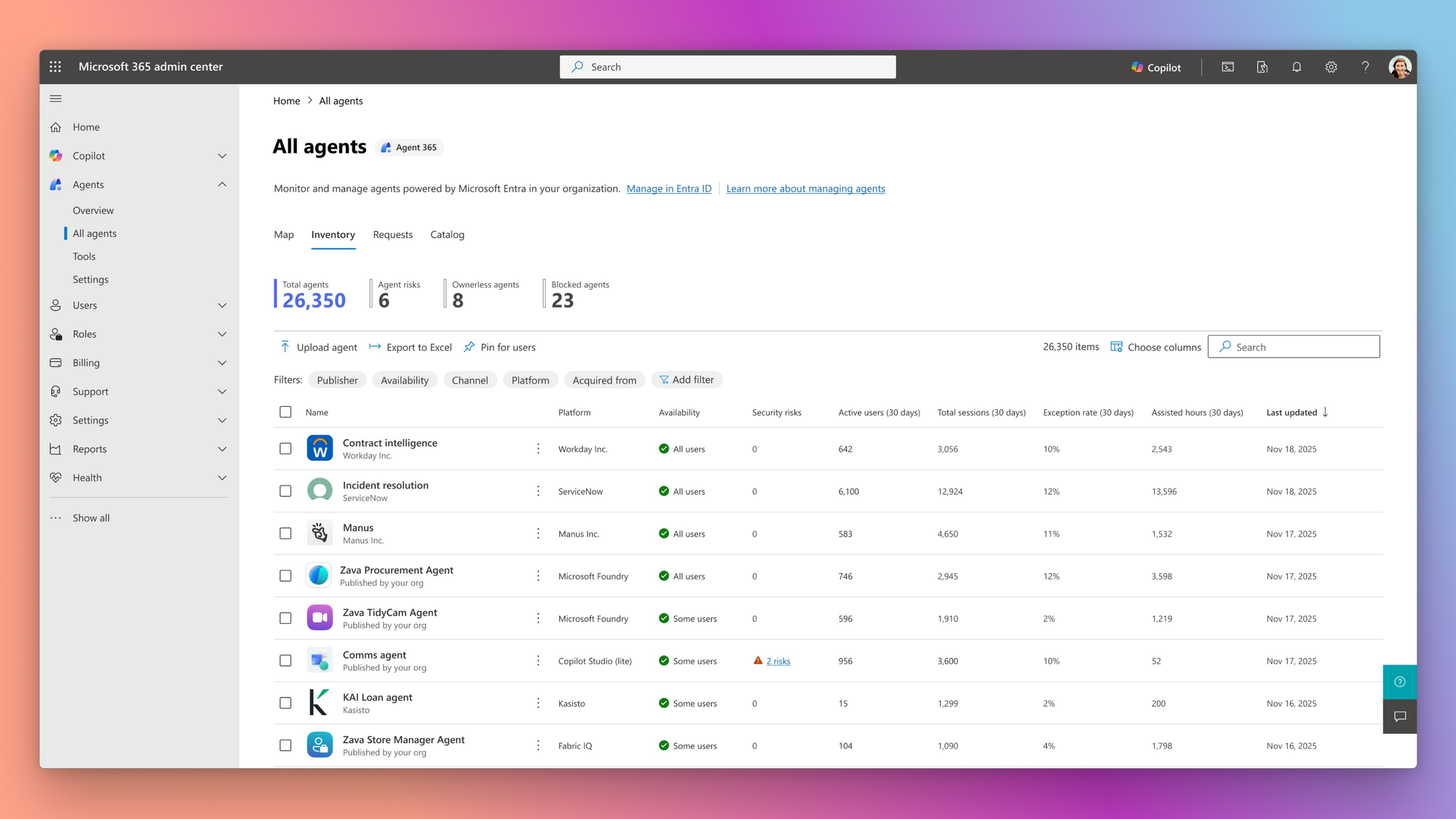
Microsoft Unveils Agent 365: Control Plane for AI Agents

Microsoft introduced Agent 365 (A365), a new "control plane" that enables organizations to observe, manage, and secure AI agents at scale—whether created with Microsoft platforms, open-source frameworks, or third-party platforms. Agent 365 provides a central registry of all agents, access controls with unique agent identities, risk-based governance, and integration with Microsoft Defender and Purview to prevent agents from becoming "the new shadow IT."
My take: My relationship with Windows ended around Windows 2000. I never thought about Microsoft again, since I bought a MacBook to drink pumpkin lattes at Starbucks. But let's be honest, millions of people and hundreds of thousands of companies rely on Microsoft software. I give them credit for keeping up with trends and implementing Agents. It's definitely a look into the future.
When: November 18, 2025 (Microsoft Ignite)
Source: Microsoft Blog
Microsoft Introduces Work IQ Intelligence Layer
Microsoft unveiled Work IQ, the intelligence layer that enables Microsoft 365 Copilot and agents to understand users, their jobs, and their companies. Built on user data, memory, and inference, Work IQ connects to company knowledge in emails, files, meetings, and chats, plus user preferences, habits, work patterns, and relationships. APIs are now available for developers to build agents tuned to unique workflows and business needs.
My take: They call it "Work IQ," but it sounds a bit like a corporate stalker. It knows my habits, reads my emails, and maps my relationships? Ideally, this is the ultimate assistant. Realistically, I just hope it doesn't tell my boss how much time I actually spend scrolling memes instead of working. 🤣
When: November 18, 2025 (Microsoft Ignite)
Source: Microsoft 365 Blog
Anthropic Launches Structured Outputs in Public Beta
Anthropic launched structured outputs in public beta, providing guaranteed schema conformance for Claude's responses. The feature includes JSON outputs for structured data responses and strict tool use for validated tool inputs. Available for Claude Sonnet 4.5 and Claude Opus 4.1, developers can enable it using the beta header "structured-outputs-2025-11-13."
When: November 13, 2025
Source: Anthropic Release Notes
Major Partnerships & Strategic Investments
OpenAI Signs $38 Billion AWS Partnership
OpenAI signed a massive 7-year, $38 billion strategic partnership with Amazon Web Services (AWS) to power its AI workloads. The deal provides immediate access to hundreds of thousands of NVIDIA GB200 and GB300 GPUs through Amazon EC2 UltraServers, with all capacity targeted for deployment by end of 2026. This marks OpenAI's first major infrastructure deal with AWS, signaling its shift to a multi-cloud strategy beyond Microsoft. This partnership exemplifies the trends we explored in where AI and human intersection can generate maximum profit.
When: November 3, 2025
Source: OpenAI Announcement
Microsoft, NVIDIA to Invest Up to $15 Billion in Anthropic
Anthropic announced major strategic partnerships with Microsoft and NVIDIA. Microsoft will invest up to $5 billion, while NVIDIA will invest up to $10 billion, bringing Anthropic's valuation to approximately $350 billion. Anthropic committed to purchasing $30 billion of Azure compute capacity. Claude models (Sonnet 4.5, Opus 4.1, and Haiku 4.5) became available on Microsoft Azure AI Foundry, making Claude the only frontier LLM available on all three major cloud services (AWS, Google Cloud, Azure).
When: November 18, 2025
Source: NVIDIA Blog
OpenAI Partners with Intuit in $100M+ Deal
OpenAI and Intuit announced a multi-year strategic partnership worth over $100 million annually. The deal brings Intuit apps (TurboTax, Credit Karma, QuickBooks, Mailchimp) directly into ChatGPT, allowing users to take secure financial actions within the chat interface. Intuit will deepen its use of OpenAI's frontier models to power AI agents across its platform for tasks like tax preparation, cash flow forecasting, and payroll management.
When: November 18-19, 2025
Source: OpenAI Partnership Announcement
OpenAI Partners with Target for Shopping in ChatGPT
OpenAI partnered with Target to launch a first-of-its-kind conversational shopping experience in ChatGPT. Customers can discover and shop Target's full assortment, build multi-item baskets, shop fresh food, and check out using Drive Up, pickup, or shipping—all within ChatGPT. Target is also rolling out ChatGPT Enterprise across 18,000 headquarters employees for internal productivity.
When: November 19, 2025
Source: Target Press Release
AMD, Cisco, and HUMAIN Form AI Infrastructure Joint Venture
AMD, Cisco, and Saudi Arabia's HUMAIN (a PIF company) announced plans to establish a joint venture to build world-leading AI infrastructure. The collaboration will deliver up to 1 gigawatt of high-performance AI infrastructure in Saudi Arabia, combining AMD's compute technology with Cisco's networking capabilities. AMD will also establish a Center of Excellence in Saudi Arabia to accelerate local integration and innovation.
When: November 19, 2025
Source: Cisco Newsroom
SAP and Mistral AI Expand Partnership for European Sovereign AI
SAP announced an expansion of its partnership with Mistral AI at the Franco-German EU Summit on Digital Sovereignty. The collaboration will integrate Mistral AI's frontier models through a sovereign AI foundation on SAP Business Technology Platform (SAP BTP). Mistral AI Studio and Le Chat will be integrated into SAP's AI Foundation, enabling customers to build and deploy sovereign AI applications without compromising data sovereignty or regulatory compliance.
When: November 18, 2025
Source: SAP News Center
Major Funding Rounds
Mistral AI Secures $2B Series C at $13.7B Valuation
French AI startup Mistral AI raised approximately $2 billion in its Series C round led by Dutch semiconductor equipment manufacturer ASML, roughly doubling its valuation to $13.7 billion from $6.2 billion in June 2024. Other investors include DST Global, Andreessen Horowitz, Bpifrance, General Catalyst, Index Ventures, Lightspeed Venture Partners, and Nvidia. This represents Europe's largest-ever AI funding round. This massive investment aligns with the monetization strategies we covered in 10 ways to monetize AI agents in 2025.
When: November 2025
Source: Crunchbase News
Suno Raises $250M Series C at $2.45B Valuation
AI music generation startup Suno secured $250 million in Series C funding led by Menlo Ventures, with participation from Nvidia's NVentures, Hallwood Media, Lightspeed, and Matrix. The company has reached $200 million in annual recurring revenue. Suno allows users to create AI-generated songs through text prompts and offers both consumer subscriptions ($8-$24/month) and commercial creator tools.
When: November 19-20, 2025
Source: TechCrunch
Jeff Bezos Returns as Co-CEO of Project Prometheus with $6.2B Funding
Amazon founder Jeff Bezos announced he is returning to operations as co-chief executive of Project Prometheus, a new AI startup that has raised $6.2 billion in funding. Bezos will share the co-CEO position with Vik Bajaj, who previously led Google's life sciences division. This marks Bezos' first operational role since stepping away from Amazon in 2021. Project Prometheus focuses on "AI for the physical economy," building AI products for engineering and manufacturing.
When: November 17, 2025
Source: TechCrunch
Infrastructure & Enterprise Initiatives
Anthropic Commits $50 Billion to U.S. AI Data Centers
Anthropic announced a $50 billion investment partnership with UK-based Fluidstack to build custom data centers across the U.S., specifically in Texas and New York. These facilities are expected to come online throughout 2026 and represent Anthropic's first major direct infrastructure build-out. The investment will create approximately 800 permanent positions and 2,400 construction jobs.
When: November 12, 2025
Source: TechCrunch
OpenAI Launches ChatGPT for Teachers
OpenAI launched ChatGPT for Teachers, a secure workspace specifically built for K-12 educators with education-grade privacy, security, and FERPA compliance. The platform is free for verified U.S. K-12 educators through June 2027 and includes unlimited access to GPT-5.1 Auto, search, file uploads, connectors, and image generation. Initial launch includes a cohort of 16 districts representing nearly 150,000 educators, including Fairfax County, Houston ISD, and Prince William County schools.
When: November 19, 2025
Source: OpenAI Announcement
Google Cloud Expands Vertex AI Agent Builder
Google Cloud announced major updates to Vertex AI Agent Builder, its comprehensive platform for building, scaling, and governing AI agents. Updates include the Agent Development Kit (ADK) API (downloaded over 7 million times), new managed Vertex AI Agent Engine for scaling agents in production, native agent identities and security safeguards, and Agent Garden repository of curated agent samples with configurable context layers, observability dashboards, and evaluation capabilities.
When: November 5, 2025
Source: Google Cloud Blog
Regulatory & Policy Developments
European Commission Proposes Digital Omnibus on AI
The European Commission officially published its "Digital Omnibus on AI," a legislative package designed to simplify and streamline the EU AI Act. Key changes include linking the application of high-risk AI system rules to the availability of harmonized standards (with a maximum 16-month delay), expanding compliance support measures including regulatory sandboxes, and adjusting AI Act procedures. The proposal aims to reduce administrative burdens by €5 billion by 2029 while maintaining high safety standards.
When: November 19, 2025
Source: European Commission Digital Strategy
Trump Administration Draft Executive Order on State AI Preemption (Put on Hold)
The Trump administration prepared a draft executive order that would direct the Attorney General to establish an AI Litigation Task Force to challenge state AI laws deemed to unconstitutionally regulate interstate commerce. Following significant bipartisan backlash—with Florida Governor Ron DeSantis calling it "federal government overreach"—Reuters reported that the order has been put on hold. The proposal specifically referenced Colorado's AI Act and California's Transparency in Frontier AI Models Act.
When: November 19-22, 2025
Source: TechCrunch
Anthropic Disrupts First AI-Orchestrated Cyber Espionage Campaign
Anthropic detected and disrupted the first documented case of a large-scale cyberattack executed with minimal human intervention. A Chinese state-sponsored group weaponized Claude Code to target approximately 30 organizations including tech companies, financial institutions, and government agencies. Anthropic reported that Claude Code performed "80-90 percent of tactical operations independently" at speeds "physically impossible" for humans to match, marking the first time hackers used publicly available AI tools to conduct autonomous cyber attacks.
When: November 13, 2025
Source: Anthropic News
November 2025 Summary
Key Statistics
📊 Total Funding: $3.5+ billion across major rounds
🤝 Major Partnerships: $38B OpenAI-AWS, $15B Microsoft/NVIDIA-Anthropic
🚀 Product Launches: 15+ major releases from leading AI companies
💼 Infrastructure Commitments: $88B+ in data center investments
🌍 Regulatory Activity: EU Digital Omnibus, US state preemption debate
Top 5 Most Impactful Developments
- OpenAI-AWS $38B Partnership - Reshapes cloud AI landscape, signals multi-cloud era
- Mistral AI $2B Raise - Europe's largest AI round, validates European AI sovereignty push
- Google Gemini 3 Launch - First model to cross 1501 Elo threshold, new benchmark leader
- Microsoft/NVIDIA $15B Anthropic Investment - Creates new competitive dynamics, makes Claude universally available
- First AI-Orchestrated Cyberattack - Historic milestone demonstrating both AI capabilities and risks
Emerging Trends
🤖 Agentic AI Dominance: Nearly every major announcement featured autonomous agent capabilities, from Google's Antigravity IDE to Microsoft's Agent 365 control plane.
💰 Infrastructure Arms Race: Combined commitments exceeding $88 billion in data centers and compute capacity signal industry belief in continued scaling laws.
🇪🇺 European AI Sovereignty: Mistral's massive funding and SAP partnership demonstrate Europe's determination to maintain AI independence from US and Chinese dominance.
🏢 Enterprise Integration Acceleration: Partnerships with Target, Intuit, and widespread Copilot deployments show AI moving from experimentation to operational deployment.
⚖️ Regulatory Fragmentation: Diverging approaches between EU (comprehensive regulation) and US (state-level experimentation) create compliance complexity.
What's Next?
As we enter December 2025, watch for:
- OpenAI's AWS infrastructure going live (Q4 2025/Q1 2026)
- Anthropic data centers breaking ground in Texas and New York
- Google Gemini 3 wider rollout beyond initial launch countries
- Microsoft Ignite announcements implementation across enterprise
- Further AI safety incidents as autonomous capabilities expand
For more insights on leveraging these developments, explore our guides on AI productivity agents, AI tools for solopreneurs, and monetizing AI in business.
Archive
📅 Previous Months:
- October 2025 AI News (coming soon)
- September 2025 AI News (coming soon)
We aren't running this feed just to please search engines or stuff our text with keywords. No. We are just people, like you. We simply want to understand—damn it—what is happening to this crazy world. Our biological evolution can no longer keep pace with the development of AI, and staying focused is becoming unbearably difficult. We created this digest for ourselves and for you. To have at least some kind of anchor in this chaos of events. To figure out: are we heading toward a catastrophe or a bright future? The world will never be the same. We have entered a zone of turbulence. And our only task now is to stay flexible and grasp at least a fraction of what is happening. Welcome to reality.


