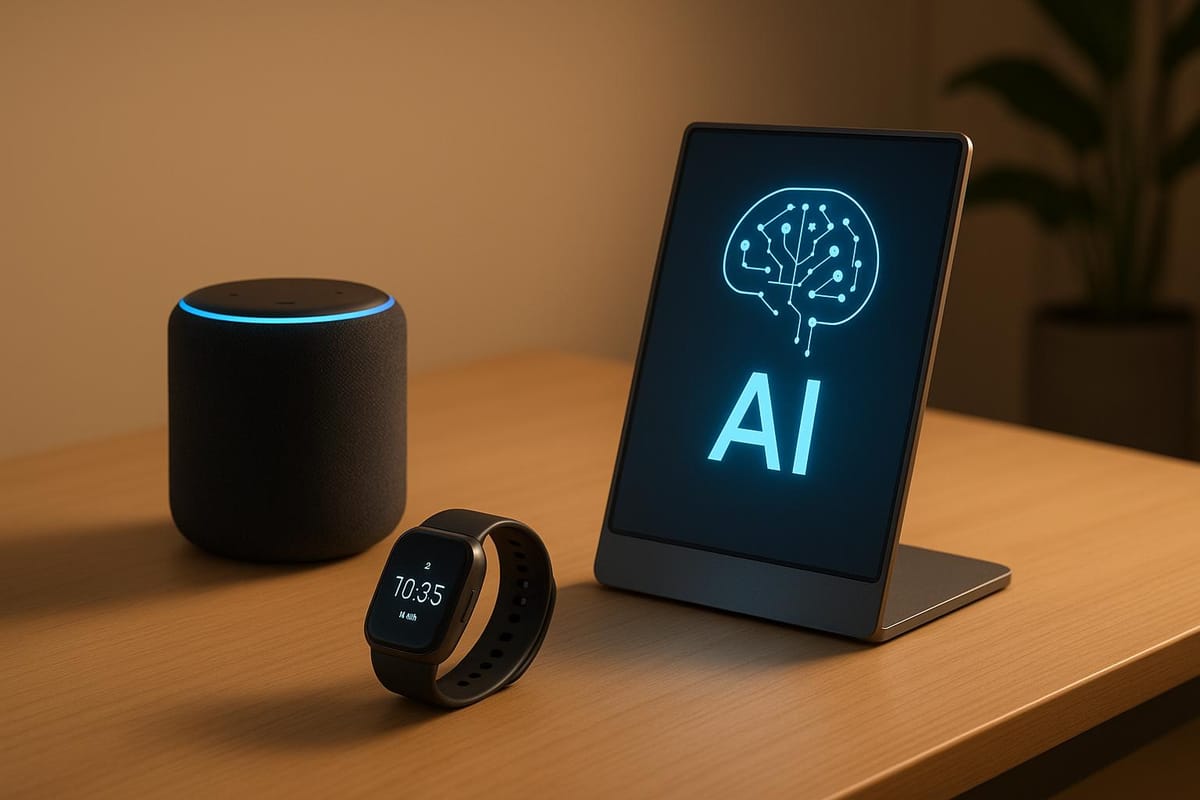
1. Introduction: The Moment Everything Changed
Picture this: you're standing in the Central Hall at CES 2026, surrounded by what looks like an entirely different kind of technology show than you've attended before. The booths aren't showing off smarter TVs or thinner laptops. Instead, everywhere you look, there are devices that genuinely seem to understand you—not in the performative, scripted way that Alexa or Siri did, but with an uncanny awareness that feels almost conversational. A pendant-sized device on someone's chest is quietly orchestrating their entire day. A pair of glasses is translating a live conversation while simultaneously pulling up relevant context about the speaker's company. A home hub is autonomously managing energy consumption, grocery orders, and even preemptively scheduling maintenance for appliances it predicts will fail.
This is CES 2026, and it marks the definitive shift from "smart" devices to truly autonomous, adaptive AI gadgets. For years, we've been promised that our devices would get smarter, but what we got instead were glorified remote controls that required constant babysitting. The old generation of smart devices from 2020 to 2024 were fundamentally limited by their dependence on cloud processing, their inability to understand context beyond simple voice commands, and their complete lack of personalization that went deeper than remembering your name.

What makes 2026 different? Three critical technological convergences happened simultaneously. First, the miniaturization of neural processing units reached a point where you could run genuinely capable language models—we're talking 3 to 10 billion parameter models—on devices the size of a smartwatch. Second, battery technology improved just enough that these intensive computations could run for days without charging, thanks to new silicon architectures that sip power rather than gulp it. Third, and perhaps most importantly, the software ecosystem matured. Companies finally figured out how to make on-device AI that could learn from you without sending every intimate detail of your life to a cloud server somewhere.
CES 2026 became the inflection point where AI moved from software that runs on hardware to hardware that is fundamentally defined by AI. The gadgets on display aren't accessories to your digital life—they're attempting to become the primary interface through which you interact with the world. This article explores what these devices actually are, how they work at a technical level, what they can and cannot do, and what they mean for the future of consumer technology.
2. What AI Gadgets Actually Mean in 2026
Let's start with a clear definition, because the term "AI gadget" has been thrown around loosely for years. In 2026, an AI gadget is a physical device that runs local machine learning models capable of inference, personalization, and autonomous decision-making without requiring constant cloud connectivity. These aren't simple smart devices with a chatbot bolted on. They're fundamentally architected around neural processing from the ground up.
The category breaks down into several distinct types. There are AI wearables like smart glasses, pendants, and pins that serve as constant companions, observing your environment and offering contextual assistance. There are autonomous home devices that go beyond simple automation to actually predict and orchestrate household needs. There are personal agent devices that act as physical avatars for your AI assistant, giving it eyes, ears, and the ability to interact with the physical world on your behalf. And there are specialized tools—AI-enhanced productivity devices, health monitors, and security systems that use edge intelligence to provide capabilities that were impossible with previous generations.
These devices are solving problems that traditional smart devices couldn't touch. The fundamental issue with the smart home era was information overload coupled with shallow intelligence. You could connect everything to the internet, but nothing really worked together intelligently. Your thermostat didn't talk to your calendar to know you'd be traveling. Your doorbell camera couldn't recognize your regular visitors and adjust notifications accordingly. Your fitness tracker measured everything but understood nothing about your actual health patterns or goals.
The deeper problem was personalization—or rather, the complete lack of it. Previous generation devices were built on the assumption that everyone uses technology the same way. They had settings and preferences, sure, but they couldn't adapt to your unique patterns, workflows, or needs. They certainly couldn't learn from your behavior in any meaningful way. Every interaction felt like starting from scratch.
Cloud dependency was another critical limitation. When every request has to make a round trip to a data center, you're introducing latency, privacy concerns, and complete dependence on internet connectivity. More problematically, cloud-based AI systems are fundamentally generic. They're optimized for the average user, which means they're suboptimal for everyone. The models are massive and capable, but they can't be tuned to your specific context without either storing enormous amounts of your personal data in the cloud or simply not personalizing at all.
This is why embedded AI, edge inference, and personal ML models became mandatory components rather than nice-to-have features. To actually be useful as a daily companion, a device needs to understand your specific context, respond in real-time, protect your privacy, and work even when you're offline. You can't achieve any of that with a cloud-dependent architecture. The neural processing has to happen right there on the device, with models that have been tuned to understand you specifically.
3. Core Capabilities: What These Devices Actually Do
The technical capabilities of CES 2026's AI gadgets represent a genuine leap forward, and it's worth examining each capability in detail to understand why it matters.
Local Language Models
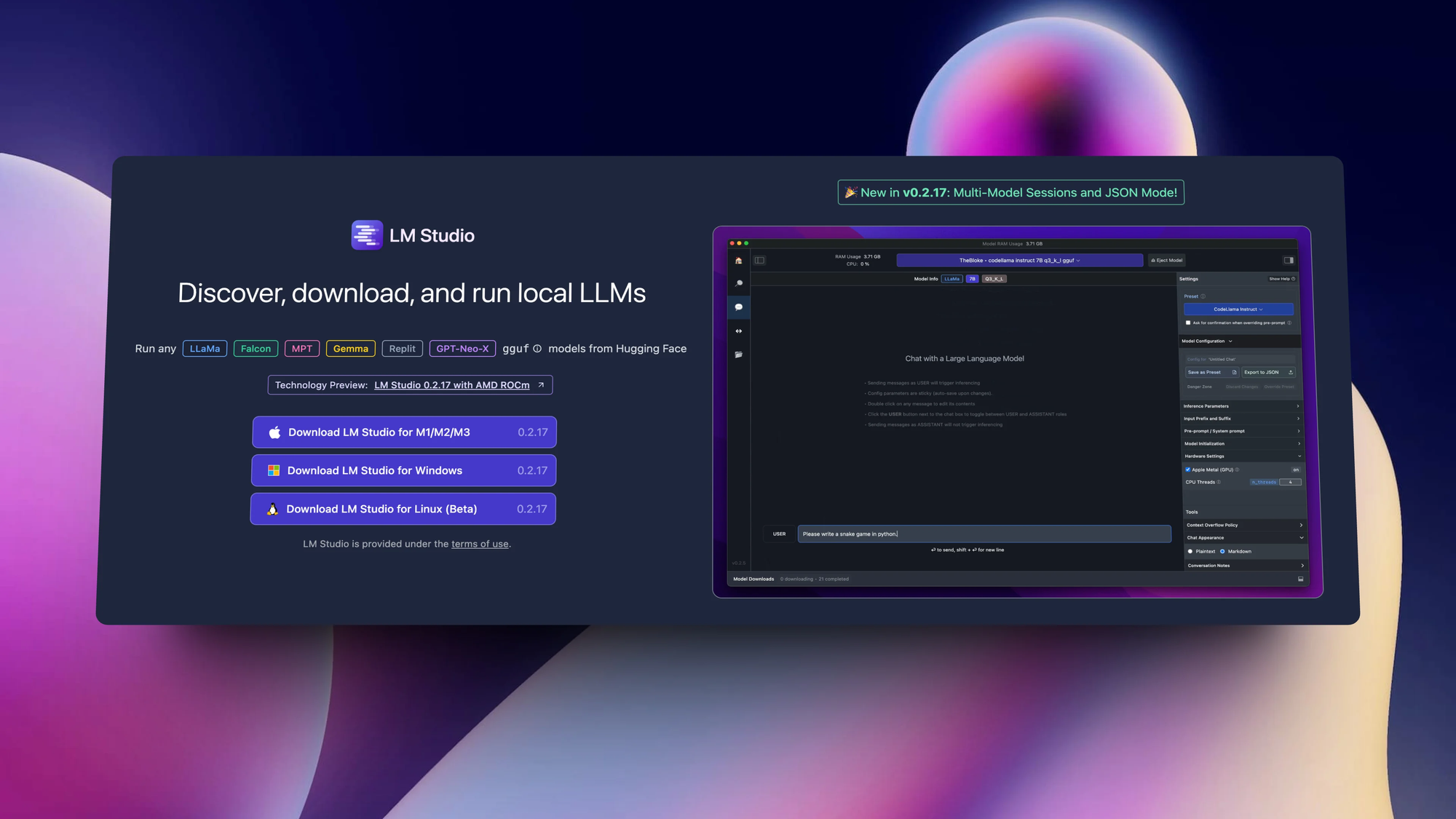
The headline feature is undoubtedly the ability to run local LLMs ranging from 3 to 10 billion parameters on ARM-based neural processing units. These aren't toy models—they're genuinely capable of understanding natural language, generating coherent responses, and reasoning about complex queries. The trick is aggressive quantization and specialized inference optimizations. Most devices are running 4-bit quantized models that have been carefully pruned and distilled from larger teacher models. The quality loss is surprisingly minimal for most everyday tasks, and the benefit—being able to process language without any internet connection—is enormous.
What makes this significant isn't just that the models run locally, but that they can be fine-tuned on-device with your personal data. Through techniques like low-rank adaptation (LoRA) and parameter-efficient fine-tuning, these devices can adapt to your writing style, vocabulary, preferences, and context over time. They're learning from you without any of that data leaving the device. This creates a level of personalization that cloud services simply cannot match, because the model becomes uniquely yours.
Continuous Contextual Awareness
Perhaps the most transformative capability is continuous context awareness through multiple sensor modalities. Modern AI gadgets are equipped with microphone arrays, cameras, environmental sensors, biometric monitors, and location services that are constantly building a rich understanding of your situation. This isn't passive logging—it's active inference. The device is always asking: where is the user, what are they doing, who are they with, what's their physiological state, what's the environmental context?
This sounds invasive, and it absolutely could be if handled poorly, but the key is that all this processing happens locally. The device isn't streaming video or audio to the cloud. Instead, it's running inference models that extract semantic meaning while discarding the raw data. For example, a wearable AI might observe that you're in a meeting based on calendar integration, ambient audio patterns, and your stress indicators, but it's not recording the meeting—it's just understanding the context so it can assist appropriately.
Edge Reasoning Without Cloud Latency
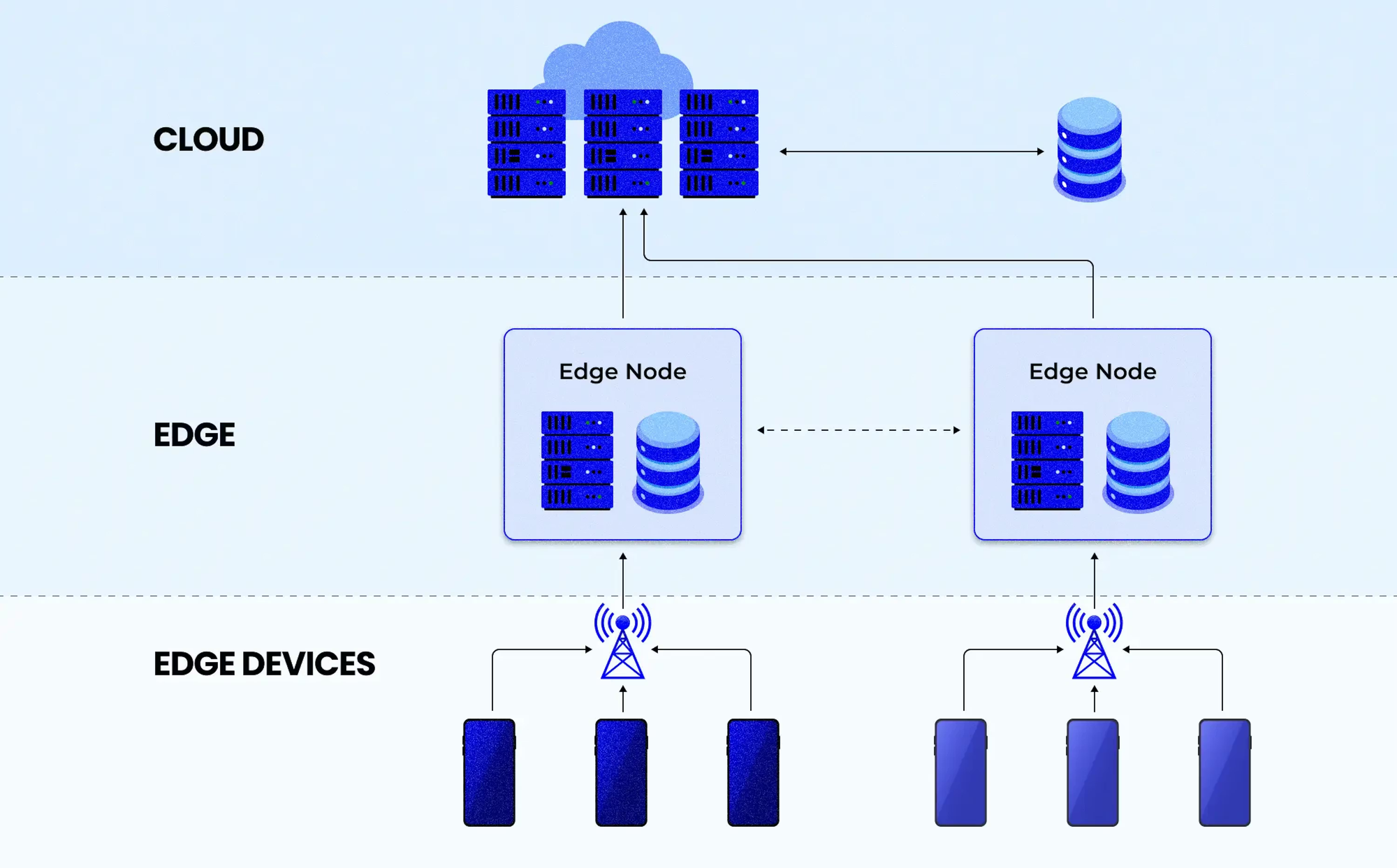
The computational architecture of these devices is designed specifically for real-time inference. Traditional smart devices would capture your request, send it to the cloud, wait for processing, and return a response. Even with good internet, you're looking at 200-500ms of latency minimum, often much more. AI gadgets in 2026 are achieving inference times under 50ms for most queries, because everything happens on specialized neural engines optimized for transformer models and diffusion architectures.
This low latency enables entirely new interaction patterns. The device can interrupt you mid-sentence to offer a relevant suggestion because it doesn't need to wait for cloud round-trip. It can provide real-time translation because the translation model is running locally. It can offer contextual recommendations the moment a situation changes because it's constantly running inference on sensor data. The responsiveness makes the interaction feel genuinely intelligent rather than like you're talking to a laggy API endpoint.
Integration with Personal AI Agents
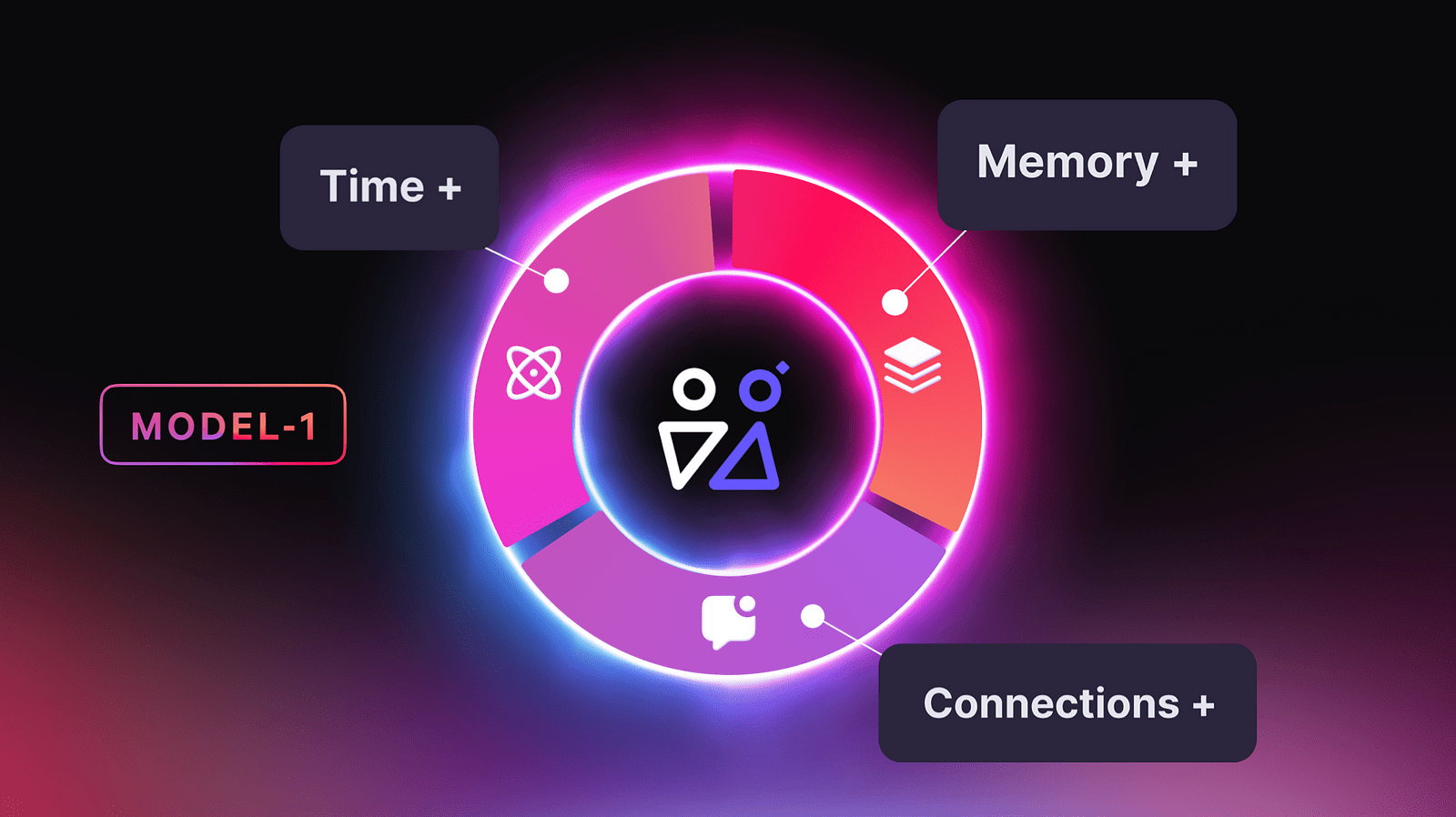
While these gadgets run local models, they're not isolated from the broader AI ecosystem. One of the smartest architectural decisions has been designing them as physical interfaces for cloud-based personal agents from providers like Google's Gemini, OpenAI, and Meta. The device handles immediate, context-aware interactions locally, but it can seamlessly escalate to more powerful cloud models when needed for complex reasoning, information retrieval, or tasks that require external data.
The key is intelligent routing. The local model acts as a triage system, determining whether it can handle a query on-device or whether it needs to call out to the cloud. For simple contextual tasks—setting a reminder, answering a factual question from your personal knowledge base, controlling smart home devices—everything stays local. For complex analysis, creative tasks, or queries that require current information from the internet, the request gets escalated appropriately. This hybrid architecture gives you the privacy and responsiveness of local processing with the capability of large-scale cloud AI when you need it.
Autonomous Action Loops
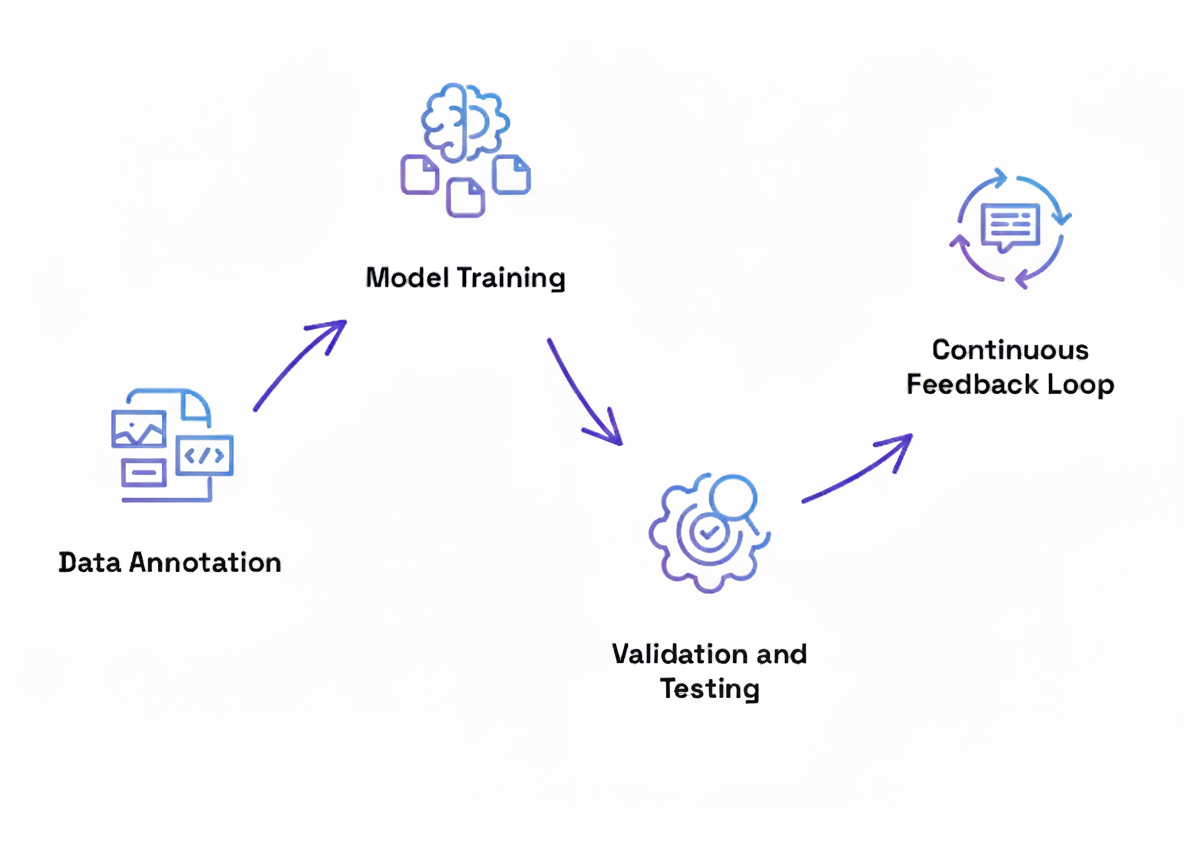
Perhaps the most significant departure from previous generations is the shift from reactive to proactive behavior. These devices don't just wait for commands—they autonomously execute multi-step workflows based on learned patterns and explicit goals you've given them. An AI home hub might notice that your usual morning routine is delayed, infer from your calendar that you have an early meeting, and autonomously adjust your wake-up alarm, start coffee preparation, and send a heads-up to colleagues that you might be slightly late.
This automation is possible because the devices can reason about cause and effect, understand temporal relationships, and have models of your preferences and constraints. They're not just triggering predefined scripts—they're planning sequences of actions to achieve goals. The technical implementation typically involves a planning model that generates action sequences, a constraint solver that ensures the plan is feasible, and an execution layer that monitors outcomes and adjusts if needed. It's remarkably sophisticated for a consumer device.
Power Efficiency for AI Workloads
None of this would be practical without major advances in power efficiency. Running neural networks is computationally expensive, and early attempts at edge AI burned through batteries in hours. The 2026 generation achieves multi-day battery life through a combination of specialized silicon, aggressive power gating, and intelligent workload scheduling.
The neural processing units are designed with heterogeneous compute—different cores optimized for different precision levels and layer types. Attention mechanisms run on high-precision cores, while fully connected layers can often run on lower-precision cores without significant quality loss. The device dynamically routes computations to the most power-efficient core that can handle the precision requirements. Additionally, most processing happens in bursts rather than continuously, with sophisticated trigger systems that wake the NPU only when there's actually something to process. Between inferences, the neural cores are completely powered down, sometimes drawing less than a milliwatt.
Advanced Sensor Fusion
The sensor arrays on these devices represent a significant hardware evolution. You're looking at combinations of high-resolution microphone arrays with beamforming, RGB and depth cameras, IMUs with 6-axis or 9-axis sensing, environmental sensors for temperature, humidity, air quality, and barometric pressure, biometric sensors including heart rate, HRV, galvanic skin response, and sometimes even blood oxygen levels. The critical innovation is that these sensors aren't being read independently—they're being fused through multimodal neural networks that understand relationships between different sensor modalities.
For example, audio from the microphone array is correlated with IMU data to distinguish between speech directed at the device versus background conversation. Video is combined with depth sensing to build 3D understanding of the environment. Biometric data is contextualized with activity recognition and location information to provide meaningful health insights rather than just raw numbers. This sensor fusion is what enables the device to build that rich contextual understanding we discussed earlier.
Privacy-Preserving Architecture
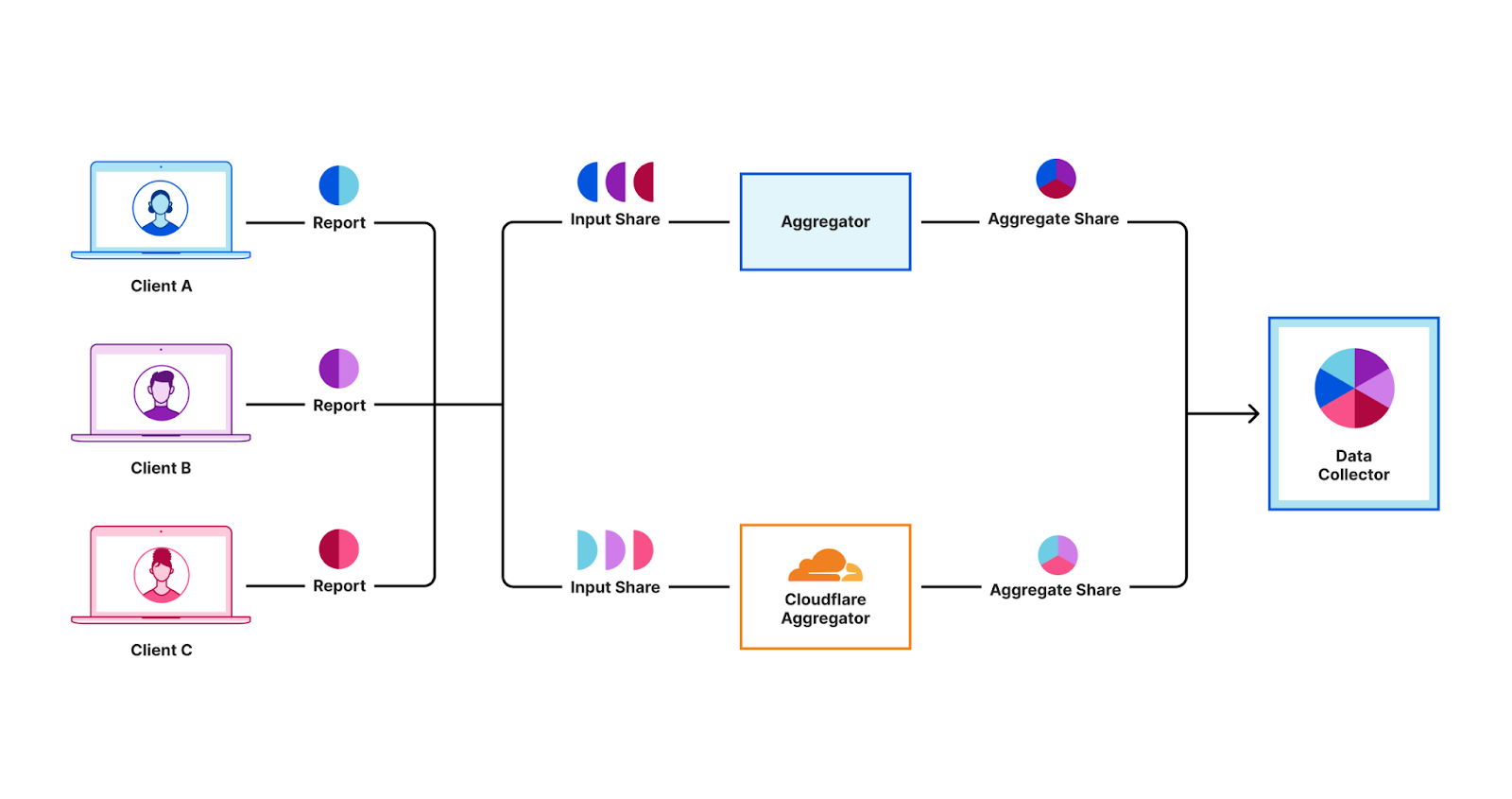
Given the incredible amount of personal data these devices process, privacy architecture is paramount. The approach taken by responsible manufacturers is privacy by design at the hardware level. There are physical barriers between the sensor input pipelines and any external communication pathways. Raw sensor data never touches the communication stack—it's processed through on-device neural networks that extract only semantic features. These features are stored in encrypted local storage using hardware-backed keys that never leave the device.
When cloud communication is necessary, the device uses differential privacy techniques and federated learning approaches to contribute to aggregate models without exposing individual data. Many devices also implement temporal privacy—even local data is automatically purged after a configurable retention period unless explicitly saved by the user. Physical indicators like LED lights provide transparency about when sensors are actively processing, and many devices include physical hardware switches that completely disconnect sensors when privacy is paramount.
4. A Day in the Life: AI Gadgets in Action
To really understand what these capabilities mean in practice, let's walk through a detailed scenario. Meet Sarah, a product manager at a tech company who's been using a combination of AI gadgets for about three months—long enough that they've learned her patterns and preferences deeply.
Sarah wears an AI pendant that looks like a minimalist piece of jewelry but houses a sophisticated array of sensors and a neural processing unit running an 8-billion parameter multimodal model. As she enters a coffee shop for a meeting, the pendant detects the change in environment through acoustic analysis and location data. It cross-references her calendar and recognizes this is the venue for her 10 AM meeting with a potential client. Without Sarah explicitly asking, it pulls up contextual information it has gathered about this client from previous communications, their company's recent news, and notes from similar conversations. This information appears on her phone as a subtle notification, available if she needs it but not intrusive.
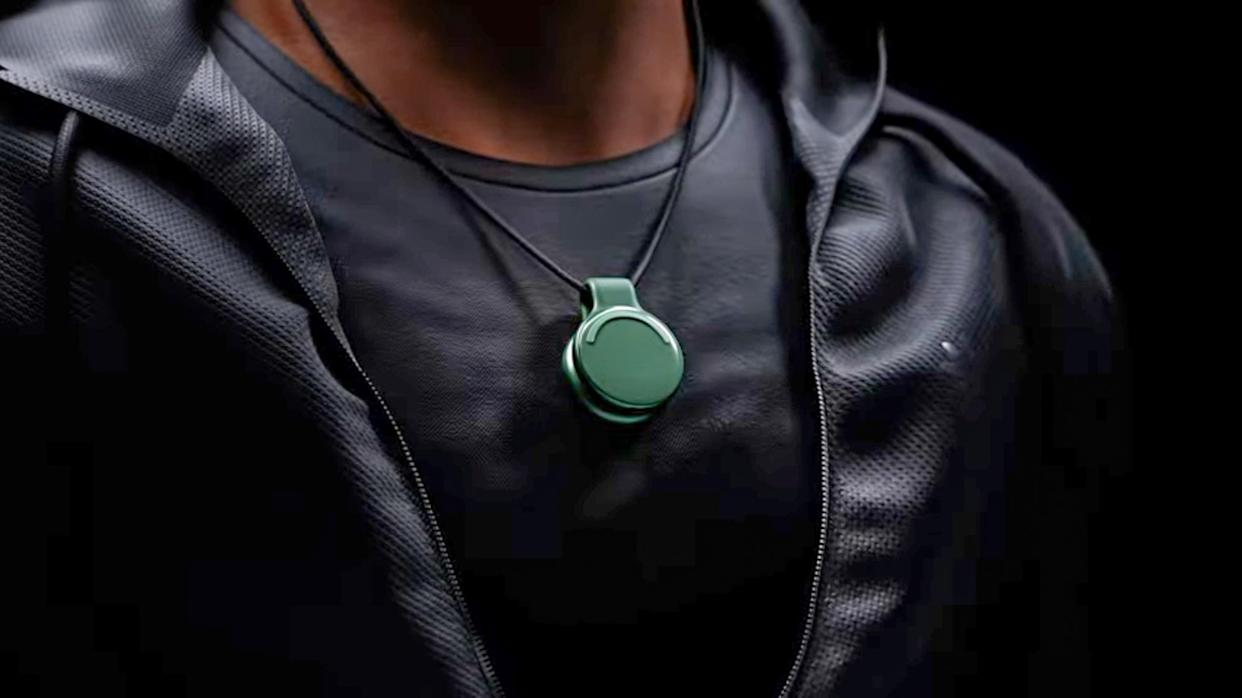
During the meeting, the pendant is constantly processing audio to understand the conversation's flow and emotional tone, though it's not recording the actual words—that would violate the privacy model. It detects from vocal patterns and biometric feedback that Sarah is getting stressed discussing technical implementation details. Based on past patterns, it knows she tends to speak too quickly when anxious and makes commitments she later regrets. It sends a gentle haptic pulse—a pattern she's learned means "slow down and breathe." This intervention, trained on months of Sarah's biometric and behavioral data, helps her stay grounded in high-pressure situations.
After the meeting, Sarah dictates a quick voice memo summarizing the key points and action items. The pendant transcribes this locally, uses its understanding of the conversation context to structure the notes coherently, and automatically creates tasks in her project management system with appropriate due dates inferred from the discussion. It also schedules a follow-up email draft for her to review, knowing from past behavior that she prefers to send follow-ups within two hours of important meetings.
Back at home, Sarah's AI home hub has been orchestrating household operations autonomously. It noticed that her usual departure time was delayed, inferred from her calendar that she's working late this week, and adjusted the house's evening routine. The lights didn't turn on at the normal time, the thermostat stayed in energy-saving mode longer, and the automated grocery delivery order was postponed by a day since Sarah won't be home to receive it when originally scheduled.
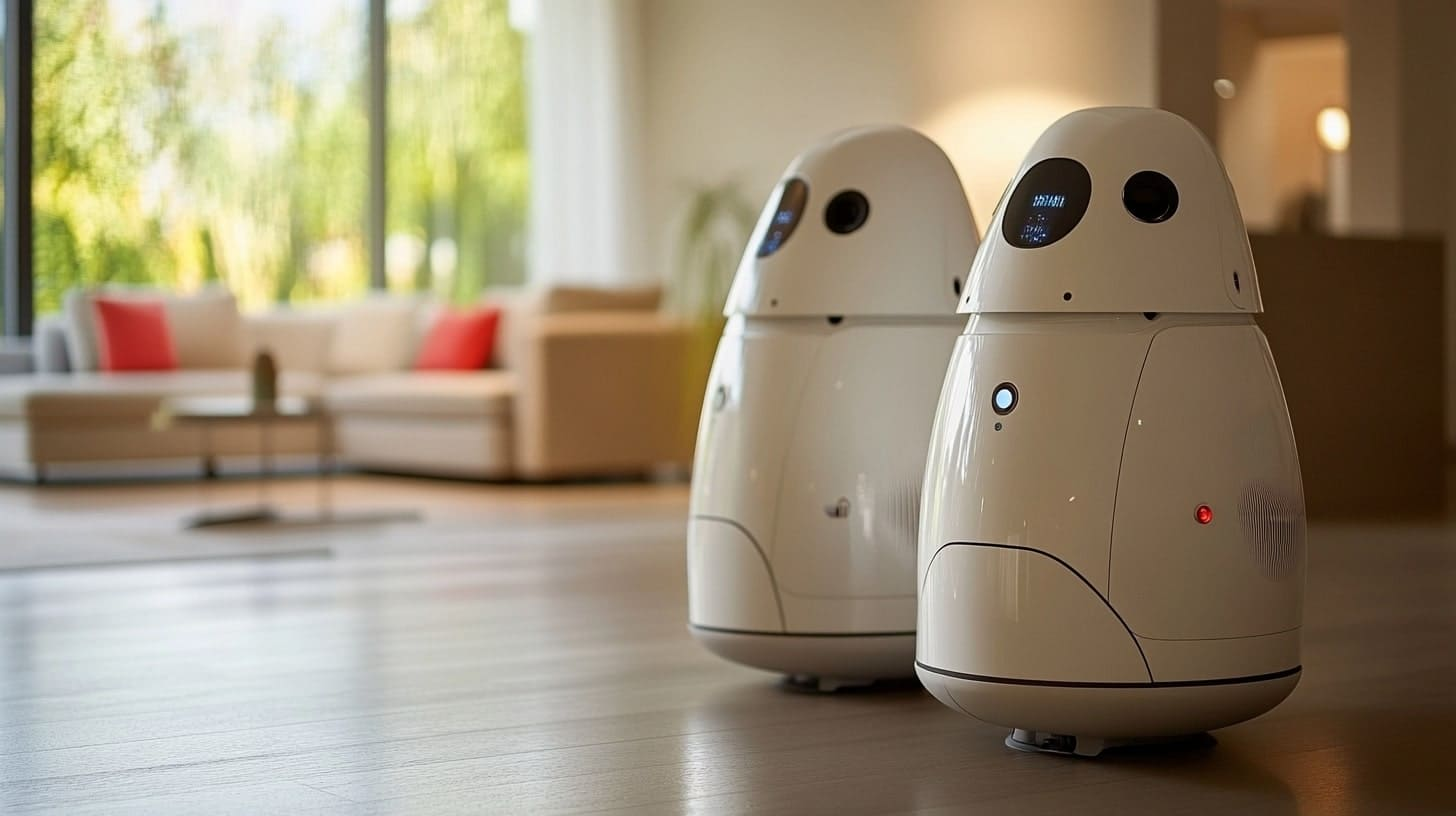
When Sarah finally arrives home, the house has already begun transitioning to her preferred evening environment. The hub has learned that after stressful workdays—detected through integration with her wearable's biometric data—Sarah prefers dimmer, warmer lighting and usually wants time to decompress before preparing dinner. It has queued up her preferred ambient music playlist and adjusted the environment accordingly. It hasn't ordered dinner assuming she wants delivery, because it knows from past patterns that after client meetings Sarah often prefers to cook as a way to decompress, but it has prepared a few recipe suggestions based on current inventory that match her dietary preferences and typical cooking time budget for weeknights.
Later that evening, Sarah mentions casually to her AI pendant that she's been thinking about taking up rock climbing. This isn't a command or a request—just a passing thought expressed aloud. But the device understands from context that this is a potential new interest worth tracking. Over the next few days, it autonomously begins a low-intensity research operation, finding local climbing gyms, collecting information about beginner classes, identifying relevant gear she might need, and even noticing when friends in her social network post about climbing. It doesn't bombard her with notifications—instead, it builds a contextualized briefing that appears when she has downtime, presenting the information as "I gathered some information about rock climbing since you mentioned interest. Would you like to see it?"

Contrast this with how these same activities would have worked just two years ago. The meeting would have required Sarah to manually pull up notes and research beforehand. The stress management would have been entirely on her shoulders with no real-time feedback. The post-meeting follow-up would have meant manually typing notes, creating tasks, and remembering to send emails. The home automation would have run on rigid schedules that don't adapt to context. And the rock climbing interest would have required Sarah to do all the research herself or simply forget about it in the chaos of daily life.
The time savings are substantial—probably two to three hours per day of cognitive labor that's been offloaded. But more importantly, the quality of life improvement is significant. Sarah isn't managing her technology—her technology is actively helping manage the complexity of modern life. This is what the shift from smart devices to AI gadgets actually means in practice. It's the difference between tools that require constant attention and tools that provide actual assistance.
5. Inside the Machine: Technical Architecture
Understanding how these devices actually work requires diving into their technical architecture. Let's dissect a typical AI wearable from the silicon up, tracing the path of data from sensor input to actionable output.
Processing Architecture
At the heart of every AI gadget is a heterogeneous processing cluster. You typically have a low-power ARM Cortex-A processor for system management and general computing tasks, running at modest clock speeds to conserve power. This handles the operating system, manages connectivity, and orchestrates overall system operation. But the real work happens on the neural processing unit—a specialized ASIC designed specifically for transformer architectures and convolutional neural networks.
Modern NPUs are architected around matrix multiplication engines with support for variable precision arithmetic. They can execute 8-bit integer, 16-bit floating point, or even 4-bit quantized operations depending on the layer requirements. The NPU typically includes dedicated blocks for attention mechanisms, which are the most computationally intensive part of transformer models. These attention accelerators can compute scaled dot-product attention in hardware, achieving 10x to 20x better efficiency than running the same operations on general-purpose cores.
Memory hierarchy is critical. The NPU has multiple levels of caching to minimize the energy cost of moving data. There's a small but extremely fast SRAM cache right next to the compute units for immediate operands, a larger L2 cache for model weights that are being actively used, and access to main DRAM for the full model storage. Intelligent prefetching and weight compression techniques ensure that the NPU isn't stalled waiting for memory. In many designs, model weights are stored in compressed formats and decompressed on-the-fly as they're loaded into the processing pipeline.
Sensor Input Pipeline
The sensor subsystem is designed for always-on operation with minimal power draw. Most devices implement a tiered approach to sensor processing. At the lowest level, there are hardware trigger systems that monitor sensor data for interesting events without waking the main processor. For audio, this might be a simple voice activity detector that distinguishes speech from background noise. For vision, it might be a motion detection circuit that triggers when the scene changes significantly.
When a trigger fires, the sensor data is routed to a preprocessing pipeline. For audio, this includes noise cancellation, beamforming to focus on the primary speaker, and acoustic feature extraction. For images, preprocessing includes demosaicing, white balance correction, and initial feature detection. The preprocessed data is then fed into specialized neural networks—speech recognition models for audio, object detection and scene understanding models for vision, activity recognition models for IMU data.
Critically, these early-stage neural networks are running inference continuously but are designed to be extremely lightweight. A vision model might extract semantic features like "outdoor scene, three people visible, bright lighting" without actually preserving the image data itself. An audio model transcribes speech but doesn't store the raw waveform. This privacy-by-design approach means that sensitive raw sensor data is processed and discarded in real-time, with only the extracted semantic meaning being preserved.
Inference Pipeline
Once semantic features have been extracted from sensors, they're fed into the main inference engine. This is where the large language model or multimodal foundation model lives. The model maintains a context window—typically several thousand tokens—that represents the current situation. This context includes recent sensor observations, relevant historical information from the device's memory, user preferences, and the current goal or task if one is active.
The inference process is highly optimized. Rather than running full forward passes constantly, the model uses incremental computation—updating only the parts of the network that are affected by new information. When generating text or making decisions, the model uses speculative decoding and other acceleration techniques to reduce latency. For many queries, the model can generate responses in under 50 milliseconds, which is fast enough to feel instantaneous to the user.
The model's outputs can take several forms. It might generate natural language responses to user queries. It might produce structured actions like API calls to control smart home devices or trigger phone notifications. It might update its internal memory state with new information worth remembering. Or it might initiate more complex reasoning chains, recursively calling itself or other specialized models to break down complex tasks.
Memory and Context Management
One of the most sophisticated aspects of these systems is how they manage long-term memory and context. Unlike cloud AI assistants that have to store everything server-side, these devices maintain rich local knowledge bases encrypted on device storage. The memory system is hierarchical. There's working memory—the immediate context window that's actively in the model's attention. There's short-term memory stored in RAM that includes recent interactions and observations from the past few hours or days. And there's long-term memory in encrypted flash storage that contains everything the device has learned about you over time.
The system uses embedding-based retrieval to surface relevant memories when needed. Every piece of information is encoded into a high-dimensional vector space using the same model that does the main inference. When processing a new situation, the device computes embeddings for the current context and searches the memory store for similar past situations, surfacing relevant information that might inform the current decision. This approach allows the device to maintain what feels like long-term memory and genuine personalization without requiring massive context windows.
Communication and Ecosystem Integration
While these devices emphasize local processing, they're not isolated. The communication subsystem supports multiple radio protocols—Bluetooth Low Energy for communication with phones and nearby devices, UWB for precise spatial awareness and device-to-device coordination, WiFi for higher-bandwidth cloud connectivity when needed, and in some cases, cellular connectivity for truly standalone operation.
The devices participate in mesh networks with other AI gadgets in your ecosystem. This allows them to share context and coordinate actions without routing through a centralized hub. For example, your wearable AI might detect that you're falling asleep on the couch and send a mesh message to your home hub to dim the lights and adjust the thermostat without any cloud communication required. The mesh topology also provides redundancy—if one device loses internet connectivity, it can route through other nearby devices in your ecosystem.
Security Architecture
Security is implemented at multiple levels. At the hardware level, there's a secure enclave—an isolated processor with its own memory that handles cryptographic operations and stores sensitive keys. All user data is encrypted at rest using hardware-backed encryption keys that never leave the secure enclave. The neural processing pipeline runs in a sandboxed environment with strictly limited access to system resources.
The device firmware is verified at boot using secure boot chains, ensuring that only signed, authentic software can execute. Over-the-air updates are delivered through encrypted channels and verified before installation. And perhaps most importantly, the device implements defense-in-depth—even if one security layer is compromised, multiple additional layers protect sensitive user data.
This entire architecture—from sensors through processing to action—operates as a tightly integrated pipeline optimized for real-time performance, power efficiency, and privacy preservation. It's a remarkable feat of systems engineering that required advances in multiple domains simultaneously.
6. Advanced Capabilities: Beyond the Basics
The foundational capabilities we've discussed enable a new class of advanced features that represent the real cutting edge of what AI gadgets can do. These are the capabilities that genuinely differentiate the 2026 generation from anything that came before.
Cross-Device Collaboration
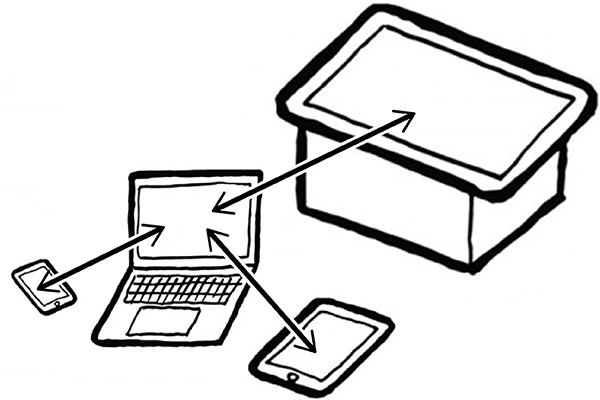
The most powerful implementations of AI gadgets don't operate in isolation—they form collaborative ecosystems where multiple devices work together to achieve outcomes that no single device could manage alone. Your wearable AI observes that you're struggling to hear in a noisy restaurant. It communicates via mesh network with your partner's wearable, which has a better acoustic view of the speaker you're trying to hear. The two devices collaborate on beamforming, combining their microphone arrays to create a more directional audio pickup pattern, then stream the enhanced audio to your earbuds. Neither device on its own could solve the problem, but together they can.
This extends to computational collaboration as well. Complex inference tasks can be distributed across multiple devices in your ecosystem based on which device has spare compute capacity at the moment. Your phone might handle vision processing while your wearable handles language understanding, with both contributing to a unified understanding of the situation. This distributed inference approach allows the ecosystem to handle much more sophisticated AI workloads than any individual device could manage on its own.
Predictive Automation
The shift from reactive to predictive behavior represents a fundamental change in how we interact with technology. These devices build detailed models of your routines, preferences, and goals, then use those models to anticipate needs before you articulate them. The technical implementation combines time-series forecasting, causal reasoning, and planning algorithms.
The device maintains probabilistic models of your likely future states and activities. It knows that on weekday mornings you usually follow a particular sequence—shower, coffee, commute—and it knows the typical duration of each activity and the dependencies between them. When you deviate from the pattern, it updates its predictions in real-time. If you're running late, it automatically calculates which steps in your routine might need to be compressed or skipped, and takes autonomous actions to help—perhaps ordering a coffee for pickup instead of assuming you'll make it at home, or notifying your first meeting that you might be a few minutes delayed.
What makes this work well is that the predictions are always presented as suggestions that you can override, and the device learns from your corrections. If it predicts you want coffee but you decline three times in a row, it updates its model to understand that the pattern has changed. This creates a feedback loop where the automation becomes increasingly accurate over time.
Multimodal Fusion
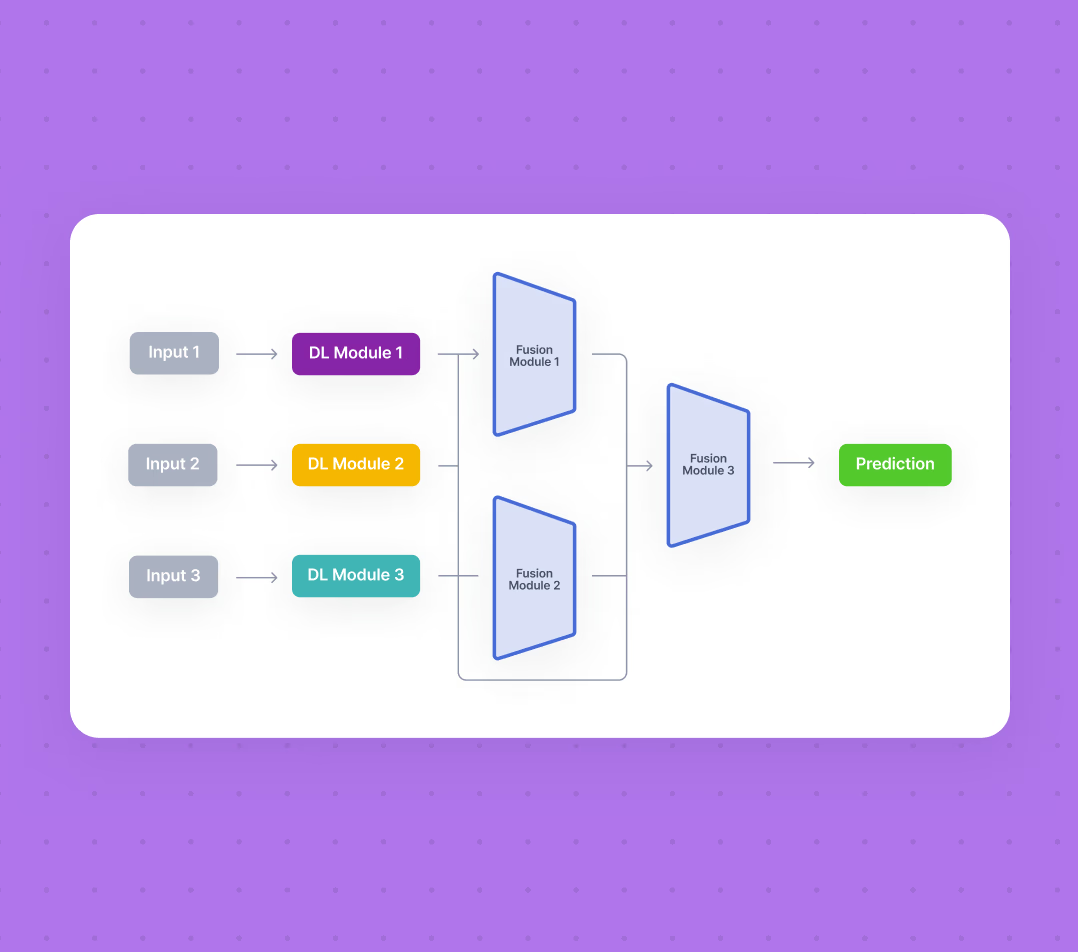
The most sophisticated AI gadgets are truly multimodal, processing audio, vision, text, sensor data, and biometrics as a unified stream of information. This isn't just about having multiple sensors—it's about neural networks that can reason across modalities in a way that mirrors human perception. When you're having a conversation, the device isn't just processing the audio. It's correlating what's being said with who's saying it (via face recognition), how they're saying it (prosody and emotion detection), and your physiological response (biometric feedback). This holistic understanding enables much richer interaction.
The technical approach typically involves training transformer models that consume multiple modality-specific encoders and fuse their representations in a shared latent space. Visual features from the camera, acoustic features from the microphone, and linguistic features from text are all projected into a common embedding space where the attention mechanism can correlate patterns across modalities. This allows the model to understand situations in a much richer way than single-modality systems ever could.
On-Device Fine-Tuning
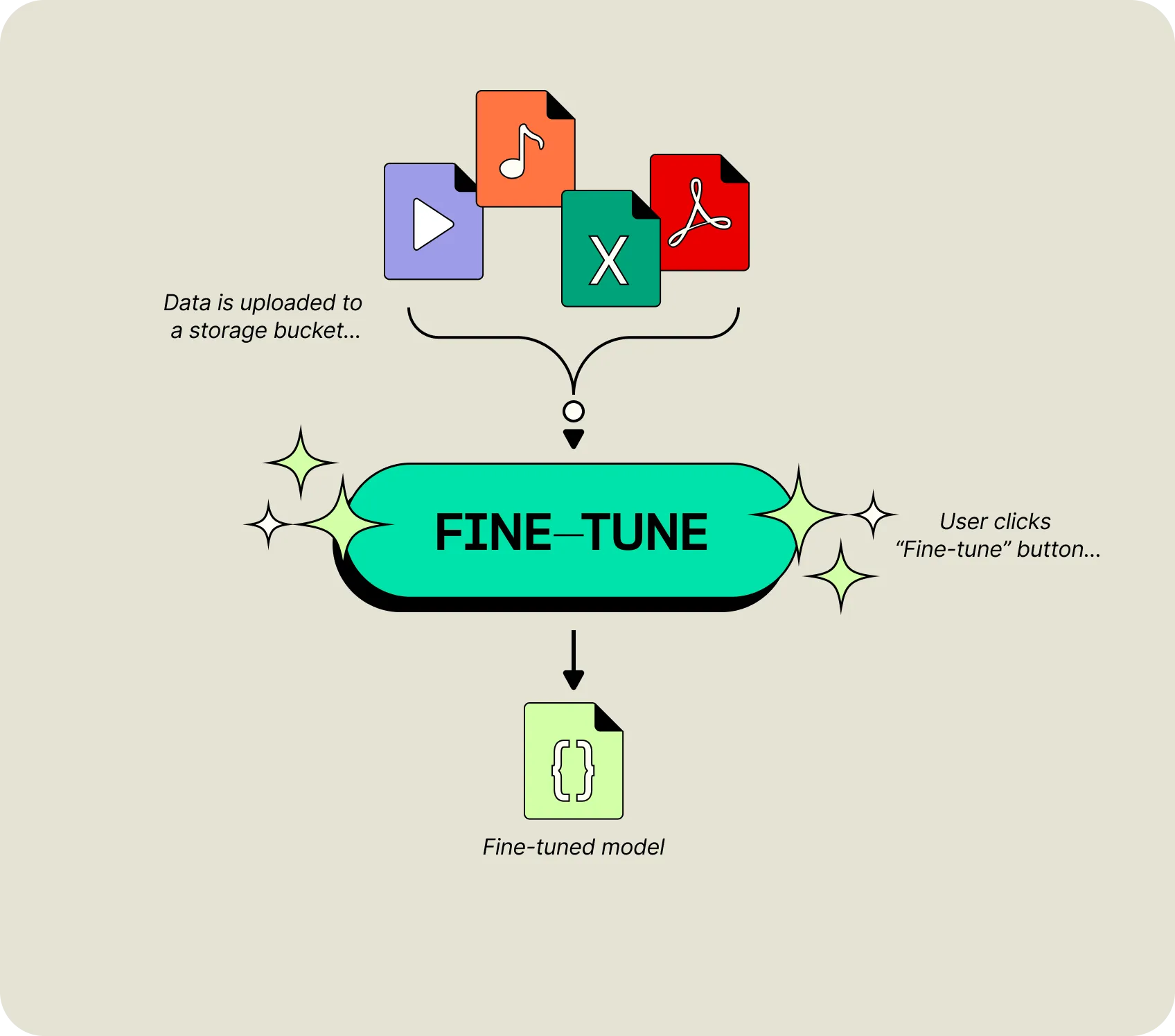
Perhaps the most technically impressive capability is the ability to actually train and fine-tune models directly on the device using your personal data. This is done through parameter-efficient fine-tuning techniques like LoRA (Low-Rank Adaptation) that modify only a small subset of the model's parameters. Instead of training billions of parameters, which would be computationally infeasible on a mobile device, LoRA injects small trainable rank-decomposition matrices into the frozen base model layers.
In practice, this means the device is continuously learning from your interactions. Every time you correct its behavior, provide feedback, or demonstrate a preference, that signal is used to update the LoRA weights. The learning happens during idle periods—typically overnight while the device is charging—using batch gradient updates accumulated from the day's interactions. The resulting personalization is dramatic. After a few weeks, the model understands your communication style, anticipates your needs with eerie accuracy, and responds in ways that feel genuinely tailored to you as an individual.
Context Caching and Long-Term Memory

Advanced memory management allows these devices to maintain context over much longer timescales than traditional AI systems. Beyond the immediate context window, they implement sophisticated caching strategies. Frequently accessed information—your daily routine, close contacts, key preferences—is kept in a fast-access cache. Less frequent but still relevant information is stored in compressed form that can be quickly decompressed when needed. And rare but important information is indexed for retrieval but not kept in active memory.
The device also implements summarization hierarchies. Detailed memories from the distant past are progressively compressed into higher-level summaries while preserving the most salient information. You might not remember the specific words from a conversation six months ago, but the device retains a summary of key points and outcomes that can still inform current decisions. This mirrors how human memory works and allows the device to maintain useful long-term context without requiring infinite storage.
Offline-First Operation
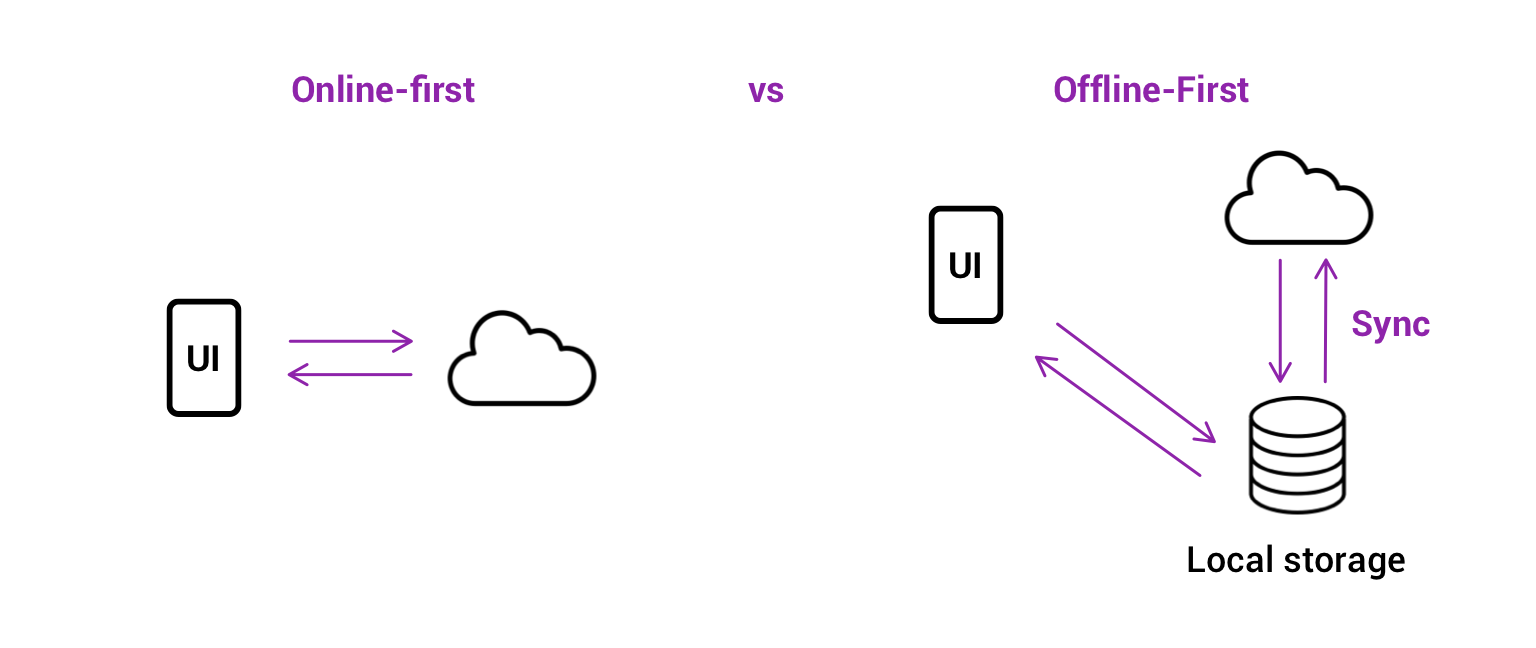
One of the most underrated capabilities is how well these devices work offline. Because all the core AI functionality runs locally, you can use them fully even without any internet connectivity. This isn't a degraded experience—it's the primary mode of operation. The device can process natural language, provide contextual assistance, control local smart home devices, manage your schedule, and execute complex multi-step workflows entirely offline.
Cloud connectivity becomes an enhancement rather than a requirement. When online, the device can access current information, synchronize with cloud services, and leverage more powerful models for particularly complex tasks. But when offline—whether you're in a basement, on an airplane, or simply in an area with poor connectivity—the core functionality remains fully available. This represents a fundamental philosophical shift in how we design personal technology.
7. Comparing Generations: Then vs. Now
To fully appreciate what's changed, it's worth systematically comparing AI gadgets from CES 2026 with earlier generations of smart devices and AI assistants. The differences are stark across virtually every dimension.
Smart Devices (2016-2023)
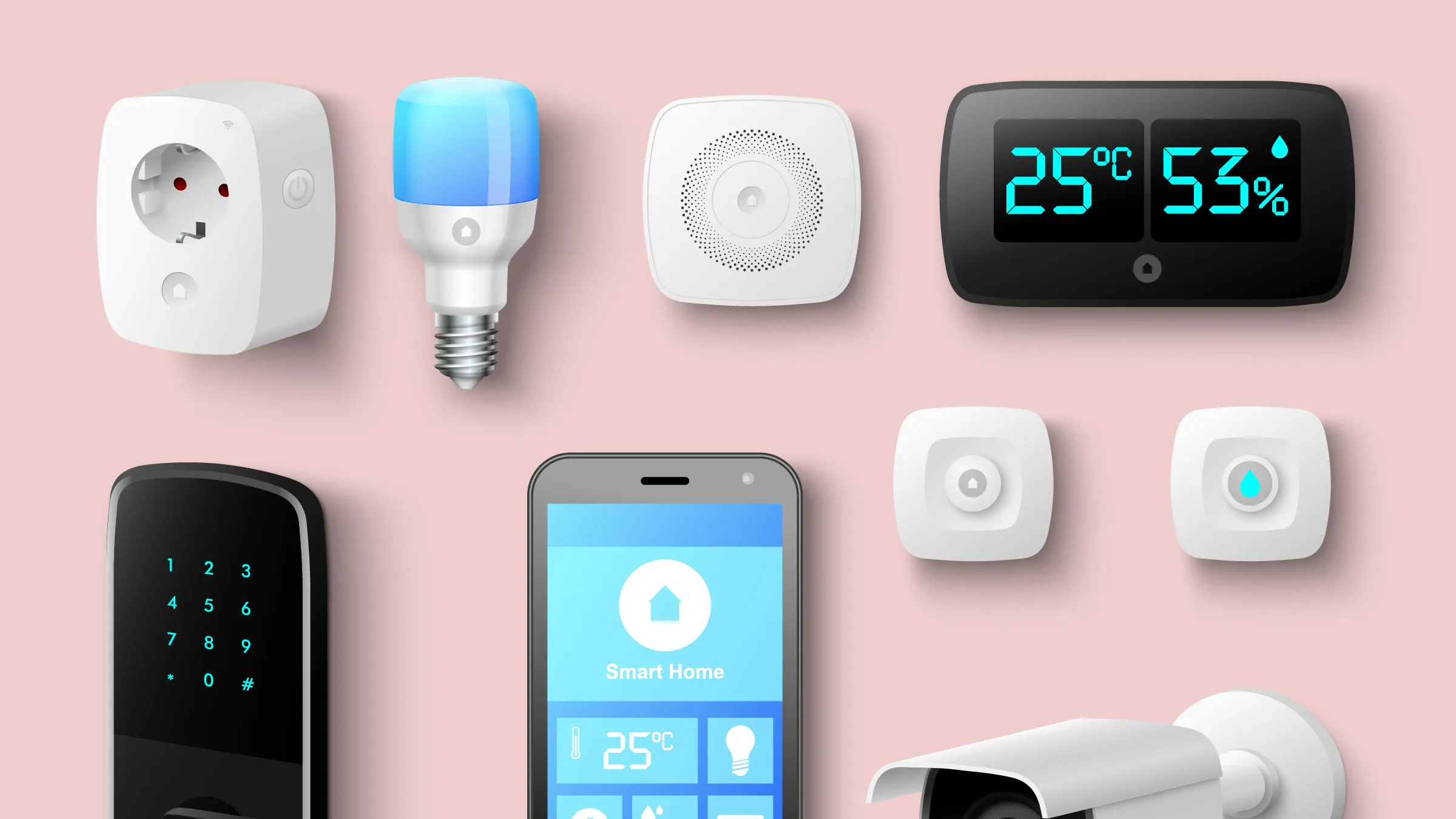
The smart device era gave us internet-connected appliances, voice assistants, and app-controlled everything. But these devices were fundamentally reactive and rigid. They could execute predefined automations and respond to specific voice commands, but they couldn't understand context, learn from behavior, or make autonomous decisions. Smart thermostats followed schedules. Smart speakers answered factual queries. Smart lights turned on when told. None of them truly understood you or your environment.
The processing architecture was entirely cloud-dependent. Every interaction required sending data to remote servers, processing it there, and returning a response. This meant high latency—typically 300-700ms for even simple queries. It meant privacy concerns, as intimate details of your life were constantly being transmitted to corporate servers. It meant complete dependence on internet connectivity. And it meant zero personalization beyond remembering your name and address.
AI gadgets in 2026 run circles around these devices in every meaningful metric. Latency has dropped by an order of magnitude. Privacy has improved dramatically with local processing. The intelligence has gone from brittle rule-based systems to genuine reasoning capabilities. And the personalization has evolved from basic preferences to deep understanding of individual patterns and needs.
Voice Assistants (Alexa, Siri, Google Assistant)
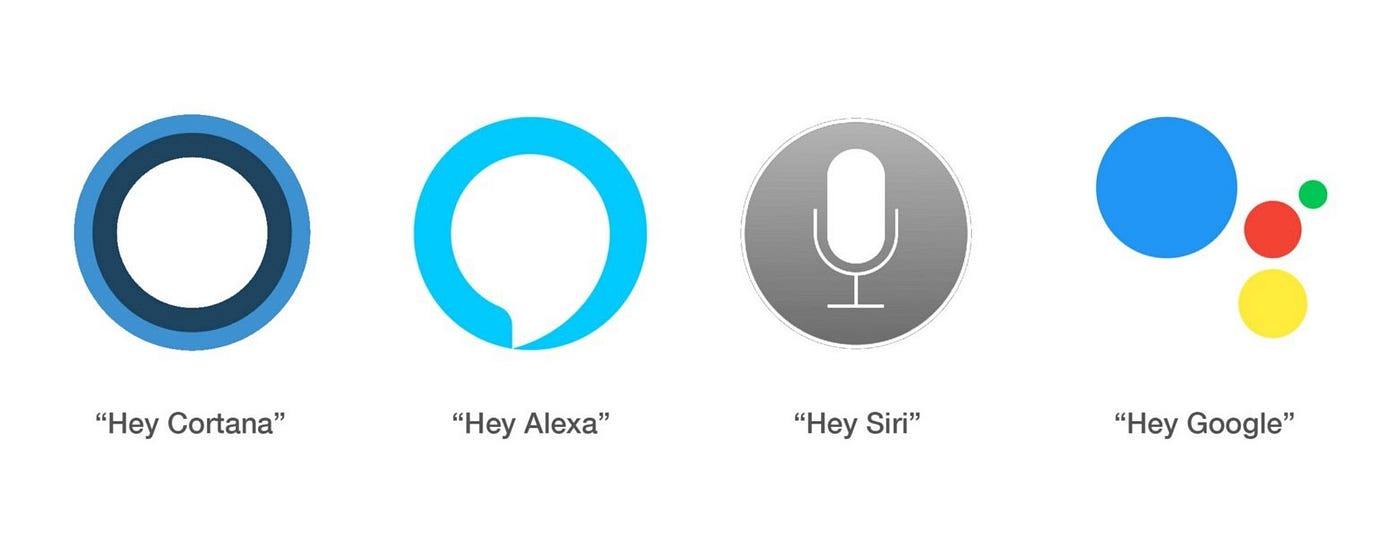
Voice assistants represented an improvement over purely manual interfaces, but they suffered from fundamental limitations in understanding and capability. They were excellent at simple factual queries and basic task execution but broke down completely for anything complex or contextual. "What's the weather" worked great. "Should I bring an umbrella given that I'm going to be walking between outdoor meetings for most of the afternoon" would completely confuse them.
The core problem was that these assistants had no persistent context. Each query was processed in isolation. They didn't remember what you had just asked, didn't understand your current situation, and certainly didn't learn from past interactions. They were stateless functions that mapped voice input to predetermined outputs. And because all processing happened in the cloud with generic models, there was no personalization beyond basic user profile information.
Modern AI gadgets maintain rich persistent context, understand nuanced queries, and genuinely learn from every interaction. They're not trying to map your words to database entries—they're reasoning about what you actually mean in your specific context and generating appropriate responses. The difference in capability is night and day.
Early Edge AI Devices (2024-2025)
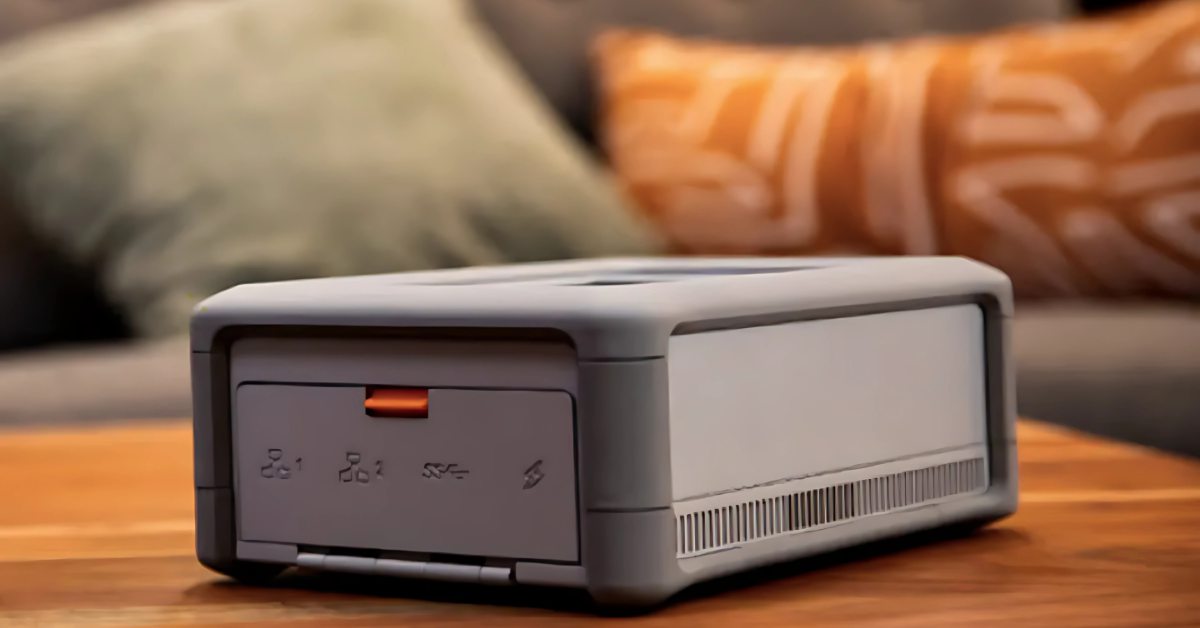
The immediate predecessor to CES 2026's AI gadgets were early edge AI devices that started appearing in 2024 and 2025. These represented important first steps—running small models locally for specific tasks like wake word detection, on-device image classification, or local speech recognition. But they were limited by both hardware constraints and software immaturity.
The models were typically under 1 billion parameters and specialized for narrow tasks. They couldn't do general reasoning, didn't have language understanding capabilities comparable to modern LLMs, and certainly couldn't learn or adapt on-device. Battery life was poor—running neural networks continuously would drain devices in hours. And the integration between local and cloud processing was clunky, with jarring transitions that broke the user experience.
The 2026 generation solved these problems through a combination of better silicon (more efficient NPUs), better models (properly compressed and quantized foundation models), better software (sophisticated power management and workload scheduling), and better integration (seamless handoff between local and cloud processing when needed). The result is devices that are both more capable and more efficient than their immediate predecessors.
Where Limitations Remain
It's important to be honest about where current AI gadgets still fall short. The on-device models, while impressive, are still significantly less capable than frontier cloud models. For truly complex reasoning, creative tasks, or queries requiring extensive world knowledge, cloud models remain superior. The local models are excellent for personal context and real-time interaction but can't match the raw capability of 100+ billion parameter models running on data center hardware.
Energy consumption, while much improved, remains a constraint. Running neural networks continuously does drain batteries faster than traditional devices. Most AI gadgets need charging every 1-3 days depending on usage patterns, compared to weeks for simpler wearables. Heat management is also an issue—intensive compute can make devices uncomfortably warm during heavy processing.
The privacy architecture, while much better than cloud-first approaches, isn't perfect. Bugs or security vulnerabilities could potentially expose sensitive local data. And there's still an inherent tension between personalization (which requires collecting detailed behavioral data) and privacy (which argues for collecting as little data as possible). The current approach attempts to balance these by keeping data local and encrypted, but it's not a complete solution.
8. Practical Use Cases Across Domains
The real test of any technology is how it performs in actual use cases. AI gadgets are finding applications across a remarkably broad range of domains, each showcasing different aspects of their capabilities.
AI Accessories for Cognitive Enhancement
Perhaps the most personal use case is AI wearables that function as cognitive prosthetics—devices that genuinely enhance your memory, attention, and decision-making capabilities. These aren't productivity tools in the traditional sense of helping you work faster; they're helping you think better. A wearable AI pendant or pin observes your conversations, meetings, and interactions throughout the day. It's building a detailed memory palace of everything you've discussed, everyone you've met, and every commitment you've made.
When you run into someone at a conference and can't quite remember how you know them, a subtle haptic pulse delivers key context to your connected earbuds—you met them at a previous event, they work at company X, you discussed collaboration on topic Y. When you're in a meeting and about to commit to a deadline, the device gently reminds you about conflicts in your schedule that you might have forgotten. When you're making a decision, it can surface relevant past experiences and outcomes that should inform your thinking.
The workflow is elegantly simple. The device observes passively, building context continuously. It intervenes only when intervention adds clear value—filling gaps in your memory, preventing mistakes, or offering insights you wouldn't have had on your own. The time savings are substantial, but more importantly, the reduction in cognitive load is profound. You're not trying to remember everything yourself because you have a perfect memory companion that never forgets and can recall anything instantly.
Autonomous Home Management
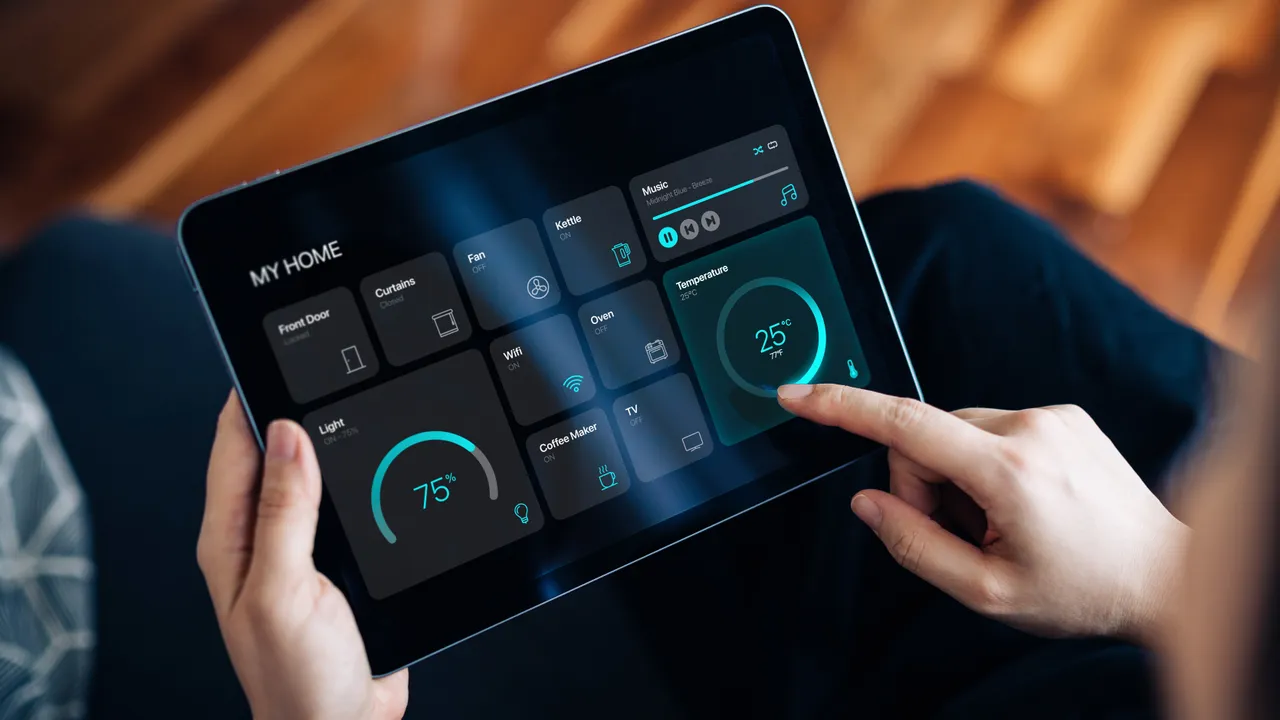
The smart home concept has been around for years, but AI-enabled home hubs represent a qualitative leap in capability. These aren't just automation platforms—they're autonomous household management systems that genuinely understand your living patterns and optimize the home environment proactively. The hub integrates with every connected device in your home, from HVAC and lighting to appliances and security systems, managing them as a coordinated whole rather than isolated devices.
The system learns your household's rhythms—when people wake up, leave, return, sleep. It understands which rooms are used when, what temperature and lighting preferences different family members have, and how these preferences vary by time of day and activity. It monitors energy consumption patterns and automatically optimizes to reduce waste without impacting comfort. It tracks inventory of consumables and autonomously handles reordering when supplies run low, learning your consumption patterns to avoid both waste and shortages.
Perhaps most impressively, these systems implement predictive maintenance. By monitoring sensor data from appliances and systems, the AI can detect early warning signs of impending failures—a refrigerator compressor that's running slightly out of spec, an HVAC filter that's more clogged than it should be at this point in its lifecycle, a water heater showing temperature instability that suggests the heating element is degrading. The system schedules maintenance proactively before failures occur, saving both money and the disruption of emergency repairs. The economic value alone often justifies the cost within the first year.
Medical and Health Monitoring

Medical-grade AI wearables represent one of the most promising applications, though also one of the most heavily regulated. These devices combine continuous biometric monitoring with sophisticated inference models that can detect health anomalies often before traditional symptoms appear. They're tracking heart rate variability, blood oxygen saturation, skin temperature, respiratory patterns, activity levels, and sleep architecture continuously. But more importantly, they're learning your personal baseline and detecting deviations that might indicate problems.
A sudden change in heart rate variability combined with elevated resting heart rate and disrupted sleep might indicate the early stages of an infection before you feel sick. Subtle changes in gait patterns detected by the IMU could indicate neurological issues or medication side effects. Irregular breathing during sleep combined with oxygen desaturation would trigger alerts about potential sleep apnea. The device isn't trying to diagnose—it's flagging patterns that warrant professional medical attention.
For people managing chronic conditions, these devices are transformative. Diabetics can integrate continuous glucose monitors with AI-powered insulin management systems that learn optimal dosing patterns. Cardiac patients can have continuous monitoring that alerts them to dangerous arrhythmias before they become emergencies. Epilepsy patients can get warnings minutes before seizures based on precursor patterns detected in neural and physiological signals. The combination of continuous monitoring and intelligent analysis is catching problems earlier and managing conditions more effectively than episodic clinical visits ever could.
AI Drones and Robotics
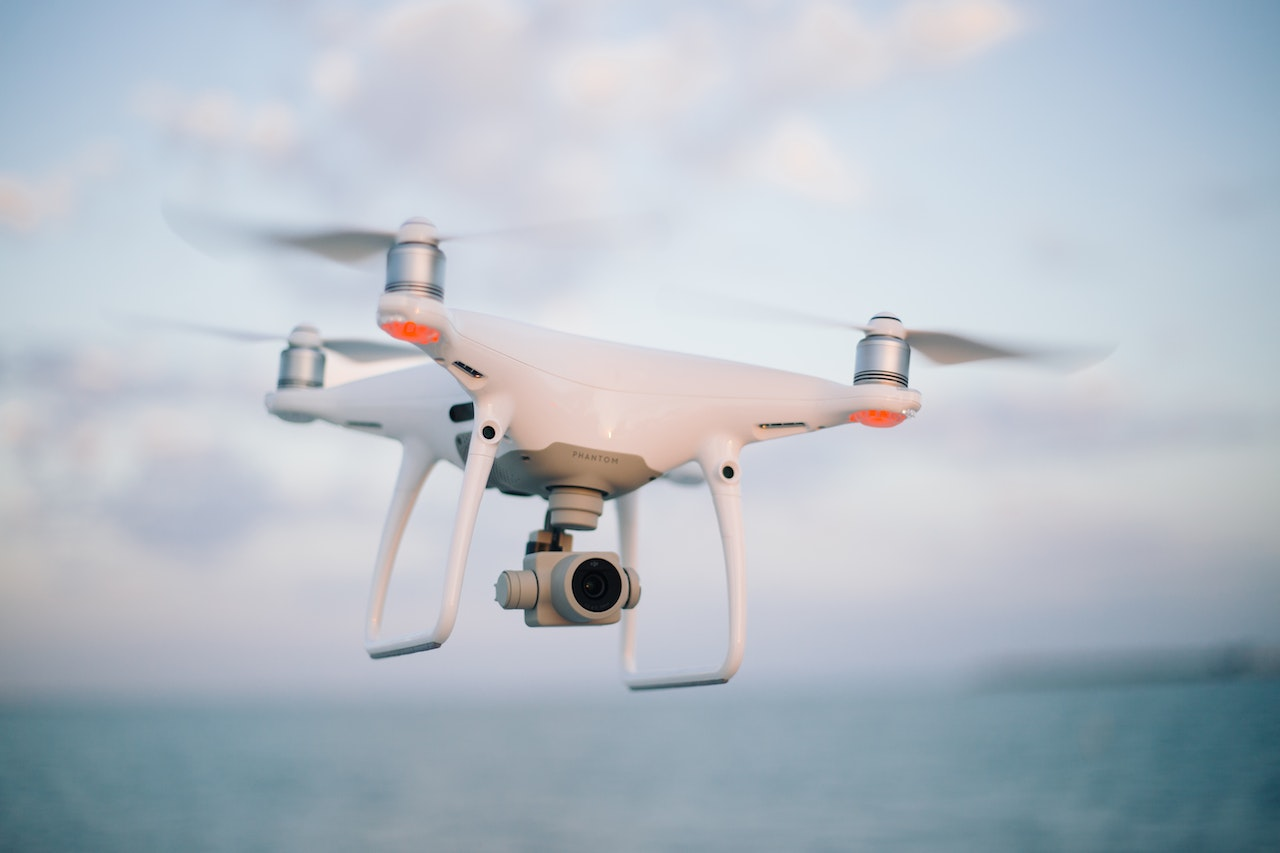
Consumer drones and domestic robots equipped with edge AI are finally becoming genuinely useful rather than expensive toys. The key breakthrough is autonomous operation—these devices can accomplish complex tasks with high-level instructions rather than requiring constant piloting. A security drone can autonomously patrol your property, following a learned route while adapting to obstacles and weather conditions. It recognizes normal activity versus anomalies, escalating only situations that warrant human attention.
Domestic robots—vacuum cleaners, lawn mowers, window cleaners—have evolved from following preset patterns to actually understanding spaces and tasks. A robot vacuum doesn't just bump around randomly; it builds a detailed map of your home, learns traffic patterns and high-dirt areas, and optimizes cleaning routes for efficiency. It knows which rooms get dirty faster and adjusts cleaning frequency accordingly. It can identify spills or messes that require special attention and prioritize them. And it coordinates with other smart home devices—waiting until you've left a room before cleaning it, or scheduling loud tasks for times when nobody is home.
The engineering advantage is substantial. These devices accomplish tasks that would otherwise require human time and attention, and they do so with increasing competence. More importantly, they improve continuously through both on-device learning and software updates that incorporate improvements from the collective fleet. Every robot vacuum is learning from the experiences of millions of other robot vacuums, with successful patterns and failure modes being shared to improve the entire population.
Learning and Productivity

Educational applications of AI gadgets are proving particularly effective. Language learning devices provide real-time feedback on pronunciation, grammar, and usage in actual conversations rather than artificial exercises. They can listen to you attempting to speak a foreign language and provide immediate, contextualized corrections and suggestions. They recognize when you're struggling with particular grammatical constructions or vocabulary and adapt practice material to focus on your weak points.
For professional development, AI assistants can observe your work patterns and provide coaching. A device might notice that you tend to procrastinate on certain types of tasks and help you develop strategies to tackle them more effectively. It might identify that you're most productive during specific hours and help you protect that time. It might recognize when you're context-switching too frequently and suggest batching similar tasks together. This kind of meta-cognitive support—helping you understand and improve your own work patterns—is something that was previously only available through expensive executive coaching.
Security and Monitoring

Security applications benefit enormously from edge AI. Traditional security cameras produce overwhelming amounts of footage that nobody has time to review. AI-enabled security systems process video in real-time, distinguishing between events that matter and routine activity. The system learns what's normal for your property—the mail carrier arriving at 2 PM, neighbors walking dogs, cars parking on the street. It alerts you only to genuine anomalies: unfamiliar people approaching the house at odd hours, vehicles lingering suspiciously, unusual patterns of activity.
The privacy advantage of local processing is particularly important here. Video is analyzed on-device and only relevant clips are stored or transmitted. You're not streaming hours of video to cloud servers or giving third parties access to surveillance of your property. The AI extracts semantic understanding—someone is at the door, a package was delivered, an animal is in the yard—without preserving the raw video feed unless there's a specific reason to do so.
Enterprise and Specialized Applications

Beyond consumer applications, specialized AI gadgets are emerging for professional use cases. Manufacturing facilities are deploying AI-enabled inspection devices that can identify defects with superhuman accuracy. Healthcare facilities are using AI monitoring devices that track patient vital signs continuously and alert staff to deterioration before it becomes critical. Retail environments are implementing AI inventory management systems that track stock levels, predict demand, and optimize ordering autonomously.
These enterprise applications often justify significantly higher price points because the ROI is clear and measurable. A manufacturing inspection device that catches defects might save millions in recalls. A patient monitoring system that prevents adverse events has obvious value. An inventory system that reduces waste while preventing stockouts improves both costs and customer satisfaction. The AI gadget category is bifurcating into consumer devices focused on lifestyle enhancement and enterprise devices focused on specific operational improvements.
9. Setup and Integration: Getting Started
Understanding how to properly set up and integrate AI gadgets is crucial for getting the most value from them. The process is more involved than traditional consumer electronics because these devices need to learn about you and integrate with your broader digital ecosystem.
Initial Configuration
The setup process typically begins with basic device pairing using Bluetooth or WiFi. You'll install a companion app on your phone that handles the initial configuration. During setup, you'll make critical decisions about privacy and data handling. Most devices offer several tiers: maximum privacy (all processing on-device, minimal cloud sync), balanced (local processing with selective cloud backup and sync), or cloud-enhanced (leveraging cloud models more aggressively for better capability at the cost of some privacy). Choose based on your comfort level and use case—there's no universally right answer.
You'll also configure which sensors and capabilities are active. Not everyone wants their device listening continuously or capturing video. Most devices allow granular control—perhaps you enable audio processing but disable camera, or allow location tracking during certain hours but not others. Take time to review these settings carefully during initial setup rather than rushing through. You can always adjust later, but starting with settings that match your preferences prevents discomfort and builds trust with the device.
Account Synchronization
Most AI gadgets integrate with your existing digital accounts to provide better context and capabilities. You might connect your calendar to enable time-aware automation, your email for communication assistance, your smart home accounts for device control, and your personal AI agent accounts (Google, OpenAI, etc.) for enhanced capabilities. The device uses OAuth flows to authenticate, ensuring you're never giving it direct access to passwords.
Be thoughtful about which accounts you connect. Each integration gives the device more context but also more access to your digital life. Start with essential integrations—calendar and basic smart home control—and add others as you discover specific needs. You can always grant additional permissions later, but it's harder to revoke them once you've become dependent on capabilities they enable.
Personalization Phase
After initial setup, expect a personalization period of roughly two to four weeks where the device is learning about you. During this time, it's observing your routines, learning your preferences, and building its understanding of your context. The device will be more tentative in this phase—asking for confirmation before taking actions, requesting feedback frequently, offering suggestions rather than acting autonomously.
You can accelerate this learning by actively providing feedback. When the device does something well, acknowledge it. When it gets something wrong, correct it explicitly rather than just undoing the action silently. Many devices offer a "training mode" during the first week where they're particularly attentive to your feedback and using it to rapidly update their models. Taking advantage of this can significantly improve the long-term experience.
Ecosystem Integration
If you're using multiple AI devices, configuring them to work together as an ecosystem is where the real magic happens. Most platforms support automatic discovery—devices on the same account will find each other and begin coordinating. But you'll want to explicitly configure the division of responsibilities. Perhaps your wearable handles personal context and memory while your home hub manages environmental control and household automation. Or your phone acts as the primary interface while wearables provide ambient awareness.
The key is avoiding conflicts where multiple devices try to handle the same task simultaneously. Most platforms implement capability negotiation—devices communicate about who's best positioned to handle particular tasks based on context, sensors available, and computational resources. But reviewing and adjusting these defaults ensures the system behaves how you expect.
Best Practices
- Remember that these devices improve over time. What feels clunky or limited during the first week often becomes seamless by the first month as the device learns your patterns. Patience during the initial learning period typically pays dividends in long-term satisfaction.
- Maintain awareness of what data the device is collecting and how long it’s retained. Most devices offer data export and deletion tools—knowing how to use them provides peace of mind.
- Review privacy settings regularly, especially after software updates that might change capabilities or defaults.
- Start conservatively with automation and gradually increase as you build trust. It’s better to have the device offer suggestions you can accept rather than take autonomous actions you may need to undo.
Common Pitfalls
- Users sometimes underestimate the learning curve for advanced features. Basic operation—voice commands, simple automation—works immediately. But sophisticated capabilities like predictive automation, complex workflows, and deep personalization take time to reach their potential. Don’t judge the device based solely on day-one experience; the real value often becomes apparent only by week three or four.
- Inconsistent feedback during the learning period is another common pitfall—correcting some mistakes but not others creates confusion in the training data. Try to be consistent in your feedback, at least during the first few weeks.
- The most common mistake is over-configuring during initial setup. Resist the urge to customize every setting and enable every feature immediately. Start with defaults and adjust as you discover what matters to you.
10. Limitations and Constraints: Reality Check
Despite the impressive capabilities, it's crucial to understand where current AI gadgets still fall short. Having realistic expectations prevents disappointment and helps you use these devices effectively within their actual capabilities.
Energy and Thermal Constraints
Running neural networks continuously consumes significant power. While battery technology has improved, you're still looking at charging every one to three days for most wearable AI devices—more frequently with heavy use. This is manageable but represents a step backward from traditional wearables that might last a week or more. Plan for nightly charging if you're a heavy user, and carry a portable battery pack if you'll be away from power for extended periods.
Heat generation is the related issue. During intensive processing—continuous video analysis, complex reasoning tasks, on-device training—these devices can become noticeably warm. They're designed with thermal management to prevent overheating, but that management often means throttling performance when temperatures rise. You might notice the device becoming less responsive during extended intensive use as it thermally throttles to protect itself. This is particularly noticeable in compact form factors like wearables where there's limited surface area for heat dissipation.
Model Capability Limitations
On-device models, while impressive, remain significantly less capable than large-scale cloud models. A 10-billion parameter model running locally simply cannot match the reasoning capability, knowledge breadth, or creative capacity of a 175-billion parameter model running on data center hardware. For complex analysis, research tasks, creative writing, or deep technical questions, cloud models remain superior.
The local models excel at personal context, real-time interaction, and privacy-sensitive tasks. They understand you specifically in ways that generic cloud models cannot. But they're not good at tasks requiring extensive world knowledge, complex multi-step reasoning, or highly creative generation. The key is using each type of model for what it's best at—local models for immediate, contextual assistance and cloud models when you need maximum capability.
Privacy Trade-offs
While the privacy architecture is dramatically better than cloud-first approaches, it's not perfect. Bugs in the processing pipeline could potentially leak sensor data that should have been discarded. Security vulnerabilities could expose local storage containing months of personal context. Physical theft of the device represents a privacy risk if encryption isn't implemented properly. And there's always the possibility of manufacturer abuse—a company could push a firmware update that changes data handling practices without clear disclosure.
More subtly, there's a tension between personalization and privacy that can't be fully resolved. The more the device learns about you, the more useful it becomes—but also the more sensitive information it's collecting and storing. Even if that data never leaves the device, its existence represents potential privacy risk. Users need to make conscious decisions about this trade-off rather than assuming privacy and personalization are fully compatible goals.
Sensor Accuracy and Reliability
Sensors in compact devices face physical limitations. Microphones can struggle in noisy environments. Cameras have limited field of view and resolution. Biometric sensors can be thrown off by movement, poor contact with skin, or environmental factors. The AI tries to compensate for sensor limitations through sophisticated processing, but there are situations where the input data is simply too poor for accurate inference.
Users need to understand these limitations and not over-trust device outputs. When a health monitoring device reports anomalous readings, it might genuinely be detecting a problem—or it might be reacting to sensor noise. When a device fails to recognize speech in a loud environment, that's a sensor limitation, not model failure. Building appropriate skepticism while still trusting the device when it has good data is a skill that users develop over time.
Cloud Synchronization Needs
Despite the emphasis on local processing, these devices still benefit from periodic cloud connectivity. Software updates need to be downloaded. Models improve over time and updated versions need to be deployed. Some types of learning benefit from federated approaches where the device contributes to aggregate models without exposing individual data. And backing up your personalization data to the cloud provides insurance against device loss or failure.
This means these devices work best with at least occasional internet access. They'll function offline—that's a core design principle—but they won't get better over time without connectivity. And some features that require external data—weather forecasts, traffic conditions, news updates—obviously require internet access. Pure offline operation is possible but represents a somewhat degraded experience.
Autonomous Operation Boundaries
The autonomous capabilities, while impressive, have clear boundaries. These devices can execute multi-step plans within well-defined domains where they understand the rules and consequences. They cannot safely act autonomously in high-stakes situations with complex consequences. A device should not automatically make financial transactions above small threshold amounts, should not make healthcare decisions, should not operate vehicles, and should not take actions with significant legal implications.
Most devices implement guardrails that require human confirmation for actions above certain risk thresholds. But these guardrails are imperfect—they can't anticipate every situation where autonomous action might be inappropriate. Users need to remain aware that delegating tasks to AI devices means accepting some level of risk that the device might do something unexpected. Starting with limited autonomy and expanding gradually as you build trust is the prudent approach.
User Experience Challenges
Finally, there remain significant UX challenges that haven't been fully solved. How do you effectively communicate with a device that has no screen? How do you know what the device is doing when it's operating autonomously? How do you provide input for complex configurations when the interface is purely voice? When should the device interrupt you versus waiting to be asked? These interaction design questions don't have perfect answers yet, and different manufacturers are experimenting with different approaches.
The learning curve is real. These devices require users to develop new mental models for interaction that differ from smartphones, computers, or traditional smart devices. Some people adapt quickly; others struggle. And there's still work to be done on making the devices accessible to users with disabilities, elderly users who might find the technology intimidating, or users who prefer simple, predictable interfaces over adaptive, intelligent systems.
11. The Future: Where This Technology Is Heading
Understanding current limitations helps us see where the technology is heading. The trajectory is clear even if the exact timeline remains uncertain. The next five years will see transformations that make CES 2026's devices look primitive by comparison.
Personal AI Agents as Primary Interface
The current generation of AI gadgets are steps toward a future where your primary interface to digital services is a personalized AI agent rather than apps and websites. Instead of opening your banking app to check balances, you ask your AI agent. Instead of browsing restaurant websites, your agent knows your preferences and dietary restrictions and makes recommendations. Instead of managing subscriptions, your agent monitors what you actually use and suggests canceling waste.
This shift from app-centric to agent-centric interaction will be gradual but profound. AI gadgets become the physical embodiment of your personal agent—its eyes, ears, and voice in the physical world. The gadget isn't the product; the agent is. The gadget is just the hardware that enables the agent to operate in physical space. This changes how we think about devices, ownership, and digital identity. Your AI agent might work across multiple physical devices from different manufacturers, maintaining continuity of identity and memory regardless of which hardware you're currently using.
Larger On-Device Models
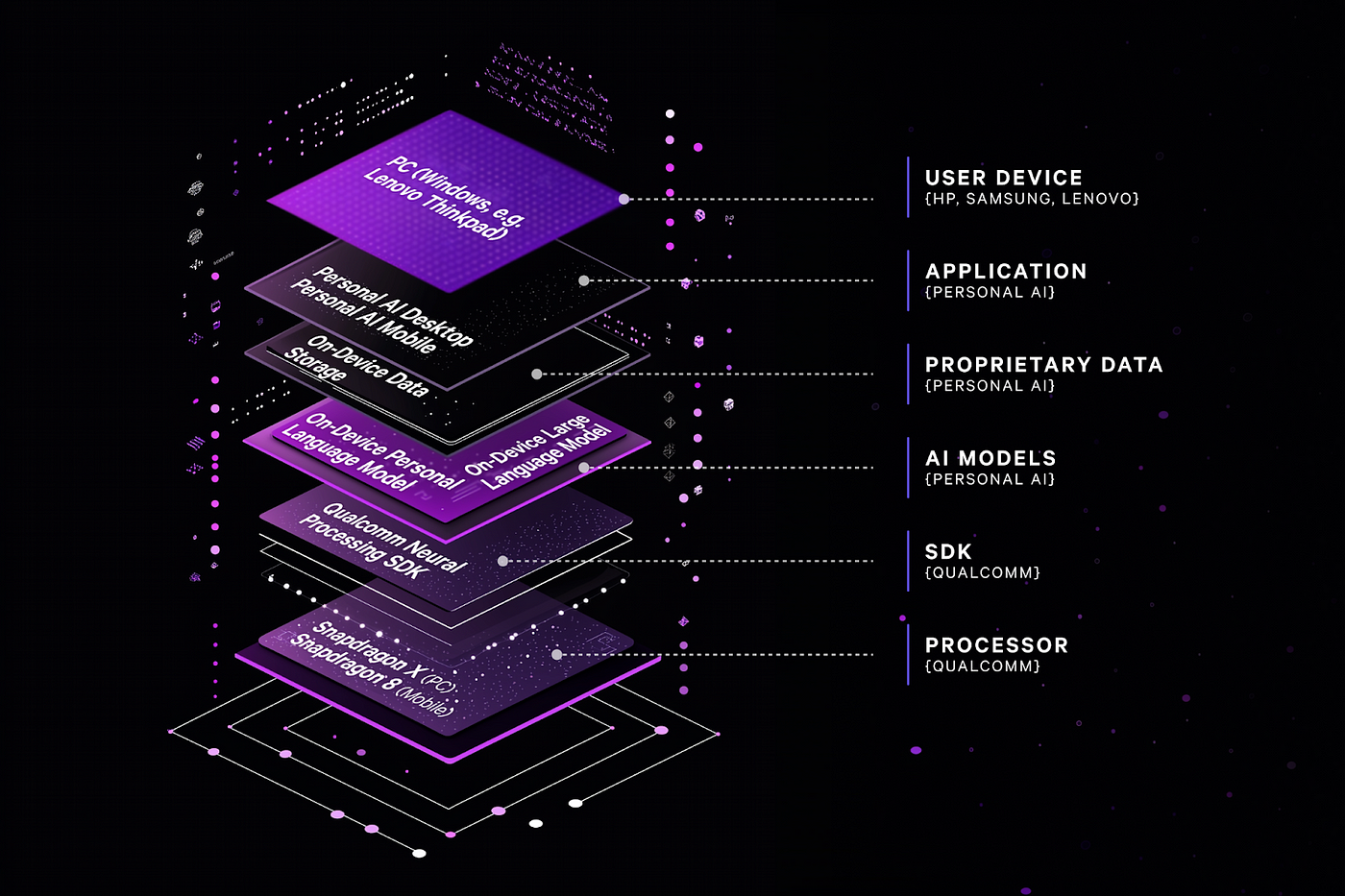
The 3-10 billion parameter models running on today's devices will grow. Within three years, expect 15-30 billion parameter models to be standard on consumer devices. This won't just be a quantitative improvement—larger models exhibit qualitative improvements in reasoning capability, knowledge breadth, and ability to handle complex tasks. The gap between local and cloud models will narrow, though likely never fully close.
This expansion will be enabled by continued improvements in neural processing units, better quantization and compression techniques, and more efficient model architectures. We're also likely to see mixture-of-experts architectures become common—instead of running one large model, devices will run multiple specialized models that can be activated as needed, providing better efficiency and capability.
Autonomous Systems in Daily Life
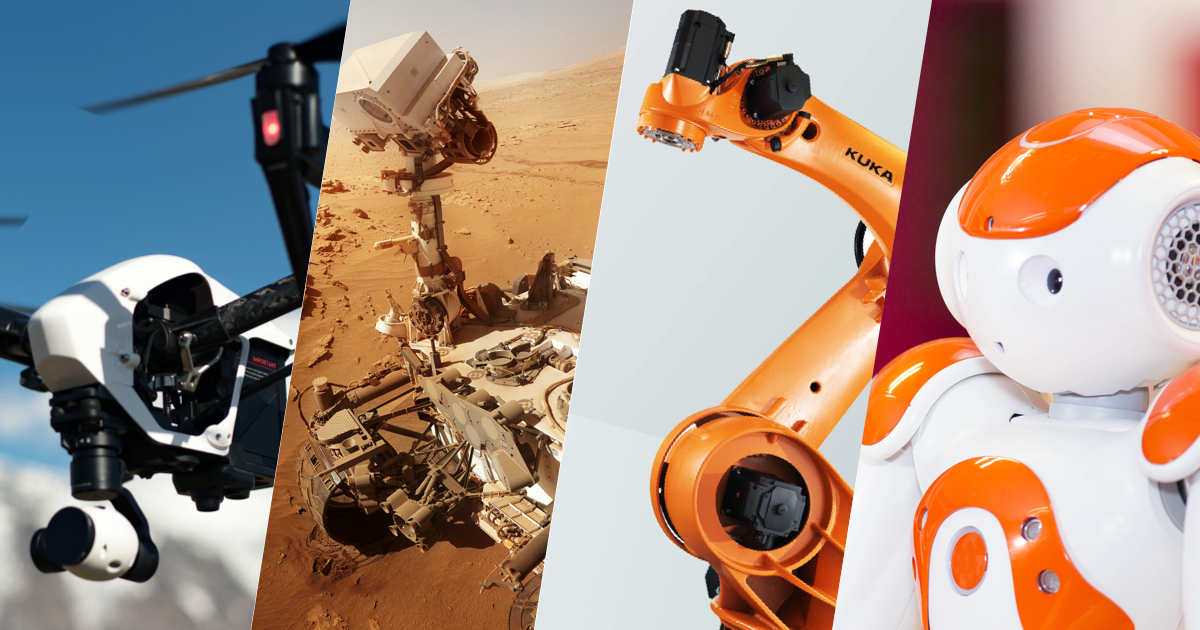
The autonomous capabilities demonstrated in CES 2026 devices will expand significantly. We'll see household robots that can handle complex manipulation tasks—not just vacuuming floors but actually cleaning counters, doing dishes, folding laundry. We'll see outdoor robots handling yard work, snow removal, and basic maintenance. We'll see personal drones that can run errands, deliver items between locations, and provide aerial monitoring.
More subtly, we'll see increasing integration between different autonomous systems. Your home, vehicle, workplace, and wearable devices will all share context and coordinate actions as a unified system. When you're leaving work, your car autonomously starts warming up, your home adjusts environment to your expected arrival time, and your wearable schedules any errands on the route home. This orchestration happens without explicit commands—the system infers intent from context and history.
Standardized Agent Protocols
Currently, AI gadgets from different manufacturers often don't interoperate well. The future will require standardized protocols for agent-to-agent communication, shared semantic representations, and coordinated action. Industry consortiums are already forming to develop these standards. Within a few years, your AI gadgets should work together regardless of manufacturer, much like how web browsers can access any website despite being built by different companies.
These protocols will enable a true ecosystem where best-of-breed devices work together seamlessly. You might have a wearable from Company A, a home hub from Company B, and a vehicle system from Company C, but they'll share context and coordinate actions as if they were designed as an integrated system. This interoperability is essential for the technology to reach mainstream adoption.
New Form Factors
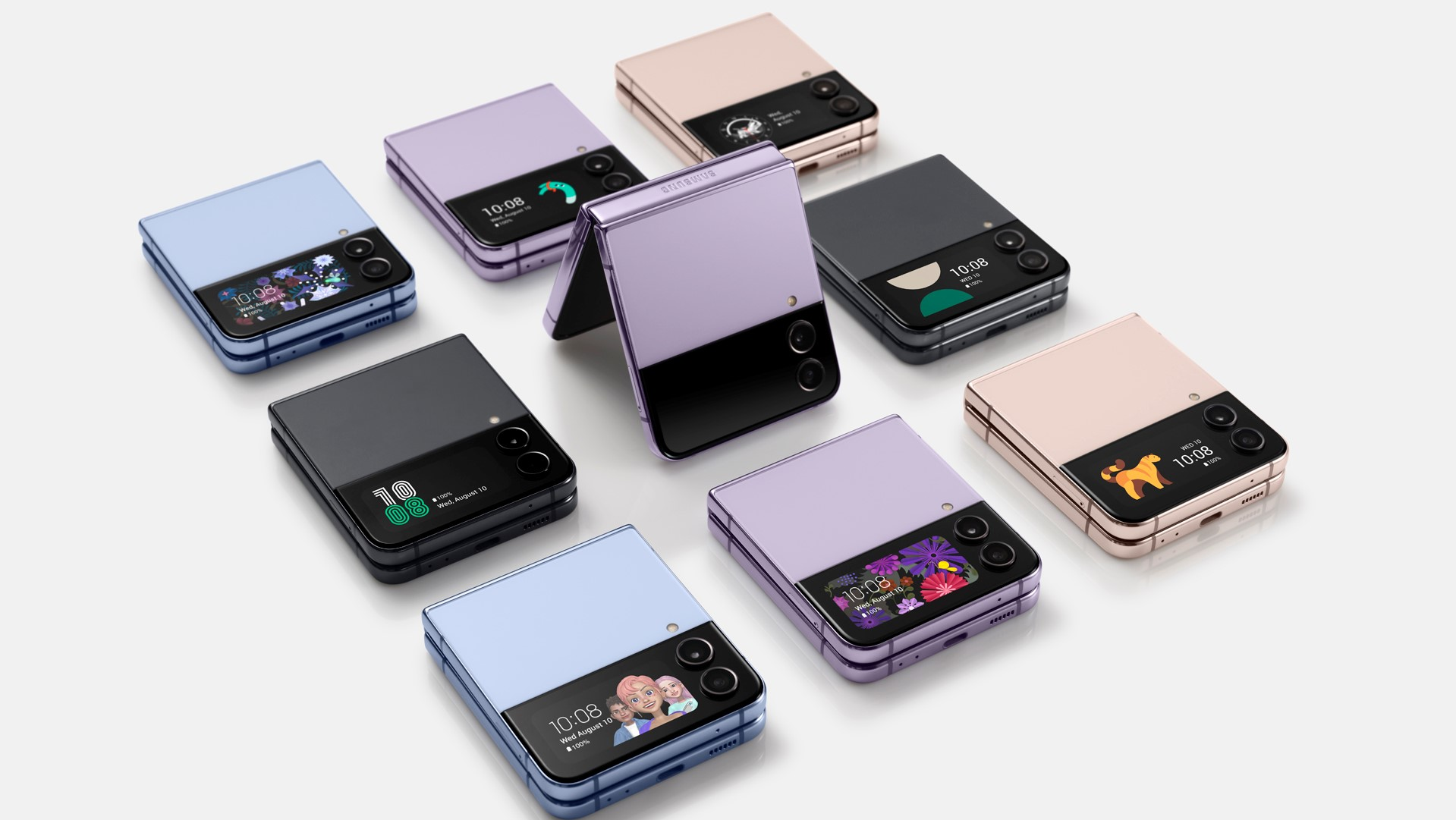
We're only beginning to explore form factors for AI gadgets. Smart glasses are the obvious evolution from today's wearables—providing visual display and camera in a socially acceptable package. But expect more exotic forms: AI contact lenses with heads-up displays powered by wireless charging, AI earbuds that become your primary communication device, AI jewelry that's indistinguishable from traditional accessories, micro-drones small enough to unobtrusively follow you around providing third-person perspective.
The trend is toward more ambient, less intrusive devices that provide assistance without demanding attention. The ideal AI gadget fades into the background until needed, then appears exactly when and how you need it. This requires both better hardware miniaturization and better intelligence about when to intervene versus staying quiet.
Full Local Computing
The current hybrid approach—local models with cloud escalation—will evolve toward increasingly complete local capability. As on-device models improve, the need for cloud assistance will diminish. Within five years, expect most users to operate almost entirely locally, with cloud connectivity becoming truly optional rather than periodically necessary.
This doesn't mean cloud AI becomes irrelevant—it means the division of labor shifts. Cloud models will focus on computationally intensive tasks that genuinely require data center scale: training new models, processing massive datasets, running simulations. But for everyday interaction and assistance, local processing will be sufficient. This shift has profound implications for privacy, reliability, and user control over their AI assistants.
Unified AI Environment
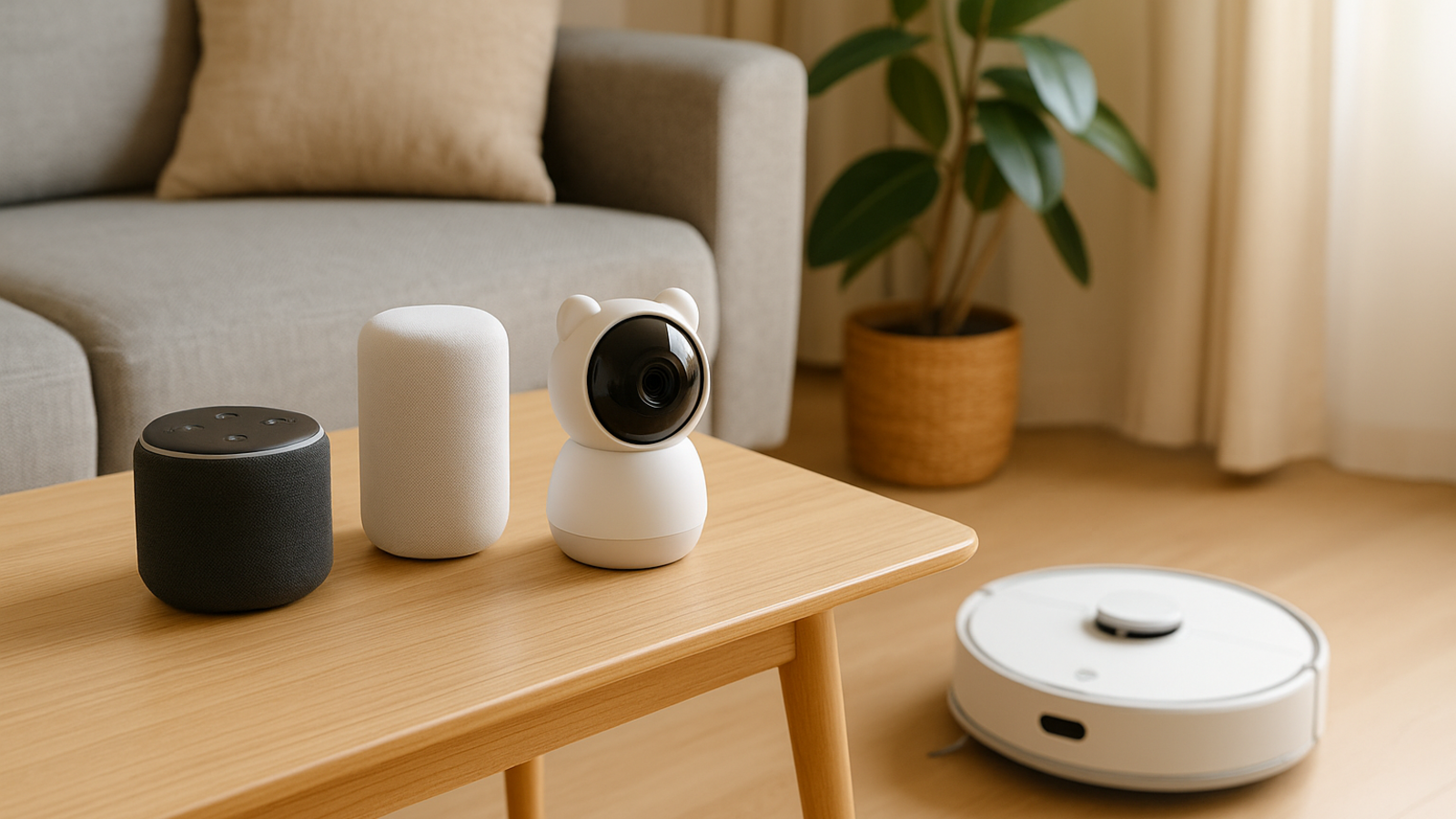
Ultimately, we're moving toward a future where you're surrounded by a unified AI environment rather than discrete devices. Sensors and actuators will be embedded throughout your physical space. Your personal AI agent will have persistent awareness of your context through this distributed sensor network. You won't think about which device to interact with—you'll just speak or gesture naturally and the appropriate systems will respond.
This vision is still years away from full realization, but CES 2026's AI gadgets represent critical steps toward it. Each device is learning what works and what doesn't, exploring interaction patterns, and discovering what users actually need versus what technologists think they want. The path forward will be iterative, with many false starts and course corrections. But the direction is clear: toward increasingly capable, increasingly personal, increasingly ambient AI assistance that augments human capability without overwhelming human agency.
FAQ
What are AI gadgets at CES 2026?
AI gadgets at CES 2026 are physical devices that run local machine learning models (3-10 billion parameters) capable of inference, personalization, and autonomous decision-making without constant cloud connectivity. Unlike previous smart devices, they're fundamentally architected around neural processing from the ground up, featuring on-device LLMs, continuous contextual awareness, and edge reasoning capabilities.
How do AI gadgets differ from smart devices?
AI gadgets differ from smart devices in several key ways:
- They process data locally on neural processing units rather than relying on cloud servers, reducing latency from 300-700ms to under 50ms
- They genuinely learn and adapt to individual users through on-device fine-tuning
- They understand context across multiple sensor modalities (audio, vision, biometrics, environment)
- They can operate autonomously to execute multi-step workflows rather than just responding to commands
- They maintain persistent memory and contextual understanding rather than treating each interaction in isolation
What is the battery life of AI gadgets?
Most AI wearables and gadgets in 2026 achieve 1-3 days of battery life depending on usage intensity. This is made possible through specialized neural processing units with heterogeneous compute cores, aggressive power gating, and intelligent workload scheduling that powers down neural cores between inferences to draw less than a milliwatt during idle periods. Heavy users should plan for nightly charging, while moderate users can typically go 2-3 days between charges.
Are AI gadgets private and secure?
AI gadgets implement privacy-by-design architecture with physical barriers between sensor inputs and communication pathways. Raw sensor data is processed through on-device neural networks that extract only semantic features, which are stored in encrypted local storage using hardware-backed keys. All user data is encrypted at rest using hardware-backed encryption, and devices use secure boot chains to ensure only authentic software executes.
However, users should understand that while significantly more private than cloud-based systems, these devices still collect detailed behavioral data locally, which represents potential privacy risks if security vulnerabilities exist or if the device is physically stolen.
Can AI gadgets work offline?
Yes, AI gadgets are designed for offline-first operation. Because all core AI functionality runs locally, they can process natural language, provide contextual assistance, control smart home devices, manage schedules, and execute complex workflows entirely without internet connectivity.
Cloud connectivity serves as an enhancement for accessing current information (weather, news, traffic), synchronizing with cloud services, and leveraging more powerful models for particularly complex tasks, but is not required for primary functionality.
What are the main use cases for AI gadgets?
Key use cases include:
Personal Enhancement: Memory assistance, contextual prompts during meetings, stress management through biometric feedback
Home Automation: Autonomous environmental control, predictive maintenance, intelligent inventory management
Health & Wellness: Continuous monitoring with early anomaly detection, chronic condition management, sleep quality analysis
Productivity: Real-time language learning, work pattern analysis and coaching, automated note-taking and task creation
Security: Intelligent video analysis distinguishing normal from anomalous activity, privacy-preserving local processing
Enterprise Applications: Manufacturing defect inspection, patient monitoring, inventory optimization
How long does it take for AI gadgets to learn your patterns?
AI gadgets typically require 2-4 weeks of personalization period to learn individual patterns and preferences deeply. During this time, they observe routines, learn preferences, and build contextual understanding. The devices will be more tentative during this phase, asking for confirmation and requesting feedback frequently.
Users can accelerate learning by actively providing feedback when the device does something well or gets something wrong. Many devices offer a "training mode" during the first week where they're particularly attentive to feedback. The devices use parameter-efficient fine-tuning techniques like LoRA to continuously adapt on-device models based on individual interactions.
What size language models run on AI gadgets?
Current AI gadgets at CES 2026 run local language models ranging from 3 to 10 billion parameters. These models use 4-bit quantization and are carefully pruned and distilled from larger teacher models to maintain quality while fitting on device hardware.
While less capable than 100+ billion parameter cloud models for complex reasoning, creative tasks, or queries requiring extensive world knowledge, they excel at real-time interaction, personal context understanding, and privacy-sensitive tasks. The hybrid architecture allows seamless escalation to cloud models when additional capability is needed.
Do AI gadgets from different manufacturers work together?
Currently, interoperability between manufacturers is limited, though improving. Most devices within the same ecosystem (same manufacturer or platform) can share context and coordinate actions through mesh networks using protocols like Bluetooth Low Energy, UWB, and WiFi.
Industry consortiums are actively developing standardized protocols for agent-to-agent communication, shared semantic representations, and coordinated action. Within a few years, AI gadgets should work together regardless of manufacturer, similar to how web browsers can access any website. This standardization is essential for mainstream adoption and true ecosystem benefits.
What are the limitations of AI gadgets in 2026?
Key limitations include:
Performance: On-device models are less capable than large cloud models for complex reasoning and creative tasks
Battery Life: 1-3 days requires more frequent charging than traditional wearables
Thermal Management: Devices can become warm during intensive processing and may throttle performance
Sensor Accuracy: Microphones struggle in noisy environments, cameras have limited resolution, biometric sensors can be affected by movement and poor contact
Privacy Trade-offs: Perfect privacy cannot be guaranteed despite local processing; tension exists between personalization and data collection
UX Challenges: Screenless interaction, knowing when devices are operating autonomously, and steep learning curves for some users
Cost: Currently priced at premium levels, though costs are expected to decrease as technology matures
How much do AI gadgets cost?
While specific pricing varies by manufacturer and capabilities, consumer AI wearables and home hubs at CES 2026 typically range from $300-$800 for entry-level devices to $800-$1,500 for premium consumer models with advanced capabilities.
Enterprise and specialized AI gadgets command higher price points ($2,000-$10,000+) due to specialized sensors, higher-grade components, and professional capabilities. However, the ROI often justifies costs within the first year through time savings (2-3 hours daily), predictive maintenance preventing expensive failures, and operational improvements.
Prices are expected to decrease 30-50% over the next 2-3 years as manufacturing scales and competition increases.
Will AI gadgets replace smartphones?
AI gadgets are not immediately replacing smartphones but represent an evolutionary shift in how we interact with technology. The transition will be gradual:
Near-term (2026-2028): AI gadgets handle ambient, context-aware assistance while smartphones remain primary devices for visual content, complex input, and app ecosystems
Mid-term (2028-2030): AI gadgets become primary interface for most daily interactions, with smartphones transitioning to secondary displays and connectivity hubs
Long-term (2030+): Multiple AI gadgets in personal ecosystems provide comprehensive ambient computing, with traditional computing devices used primarily for content creation and specialized tasks
The shift mirrors how smartphones gradually replaced computers for many daily tasks rather than eliminating them entirely.
12. Final Verdict: Why CES 2026 Matters
CES 2026 will be remembered as the moment when AI transitioned from being a feature of devices to being the fundamental architecture upon which devices are built. This isn't hyperbole—it represents a genuine paradigm shift in how we design, build, and interact with consumer technology.
For the past decade, we've been bolting AI capabilities onto existing device categories—adding voice assistants to speakers, machine learning to cameras, predictive features to phones. CES 2026's AI gadgets are different because they start with AI as the core and build hardware around it. The neural processing unit isn't an accessory to the main processor; it is the main processor, with everything else supporting its operation. The sensors aren't collecting data for separate processing; they're feeding a unified AI system that understands the data holistically. The user interface isn't a set of apps accessing AI features; it's a conversational, contextual interaction with an intelligent agent.
Who should be paying attention to this shift? Consumers should, because these devices will increasingly replace smartphones and computers as our primary interface to digital services. The transition won't happen overnight, but it's beginning. Developers should, because the programming model for AI devices is fundamentally different from traditional software development—it's more about tuning models and defining agent behaviors than writing procedural code. Hardware manufacturers should, because the economics and supply chains of AI devices differ from traditional consumer electronics. Investors should, because this represents one of the largest technology transitions of the decade, with winners and losers being determined over the next few years.
The architectural implications are profound. Consumer electronics have historically been built around general-purpose processors running software. That model is being supplanted by specialized AI processors running neural networks, with traditional software relegated to system management roles. Manufacturing is shifting from optimizing for cost and features to optimizing for inference efficiency and personalization capability. Supply chains are reorganizing around companies that can produce high-performance NPUs at consumer price points.
Most importantly, AI is no longer a "feature" that can be added or removed. It's the core capability that defines what the device is and what it can do. A smart speaker without the voice assistant is just a speaker. But an AI gadget without its neural processing unit isn't anything—the AI is the entire point. This changes how we think about product differentiation, competitive advantage, and value proposition. Success won't come from having the fastest processor or the best camera; it will come from having the most capable AI, the best personalization, the richest contextual understanding.
For users, this means a future where technology genuinely assists rather than just providing tools. The cognitive load of managing digital life—remembering tasks, tracking information, coordinating activities—will increasingly be offloaded to AI systems that handle it more reliably than humans can. The promise isn't about making us lazy; it's about freeing cognitive resources for things that actually require human judgment, creativity, and connection. The AI handles the mechanical thinking so you can focus on the meaningful thinking.
For the market, this transition represents enormous opportunity but also significant risk. Companies that successfully navigate the shift to AI-first devices will capture outsized value. Companies that try to protect existing business models by incrementally adding AI features will find themselves obsolete. The parallel to mobile's disruption of computing is apt—the winners weren't the desktop incumbents adding smartphone features, but new entrants who built for mobile from the ground up. Similarly, AI gadgets won't be successful smartphones with better AI; they'll be entirely new devices designed around AI from the silicon up.
The transformation has begun. CES 2026 showed us the first generation of devices built on this new foundation. They're imperfect, expensive, and still finding their place in users' lives. But they're also genuinely capable in ways that previous generations weren't, and they're improving rapidly. Five years from now, we'll look back at CES 2026 as the moment when the future of personal technology became visible—not as science fiction or conceptual demos, but as real products that real people could buy and use.
The question isn't whether AI will become the core of consumer devices—CES 2026 answered that definitively. The question is how quickly the transition happens, which companies successfully navigate it, and how society adapts to living with genuinely intelligent devices as constant companions. Those questions will be answered over the coming years, but the trajectory is set. AI gadgets aren't the future of technology; they're the present, still early and imperfect, but undeniably here and rapidly improving. If you're not paying attention yet, CES 2026 is the moment to start.
Related Articles
 Dani
Dani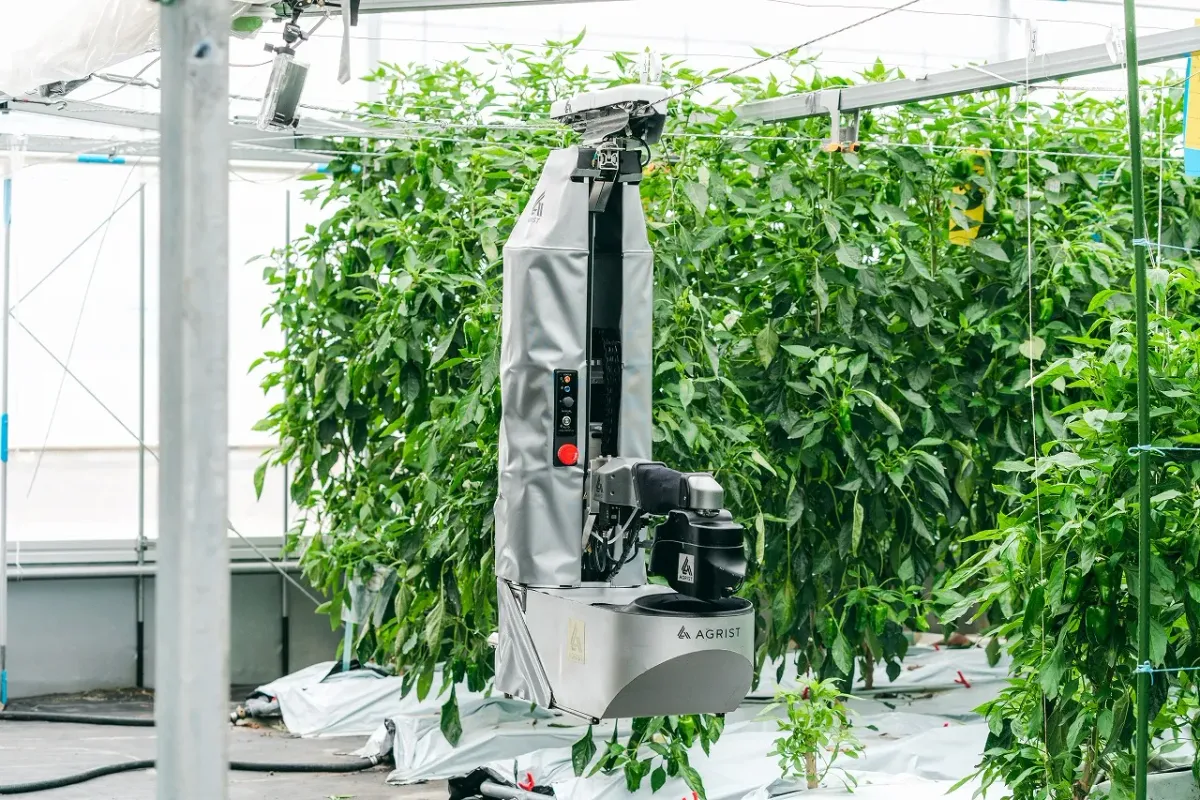
 Dani
Dani
 Dani
Dani