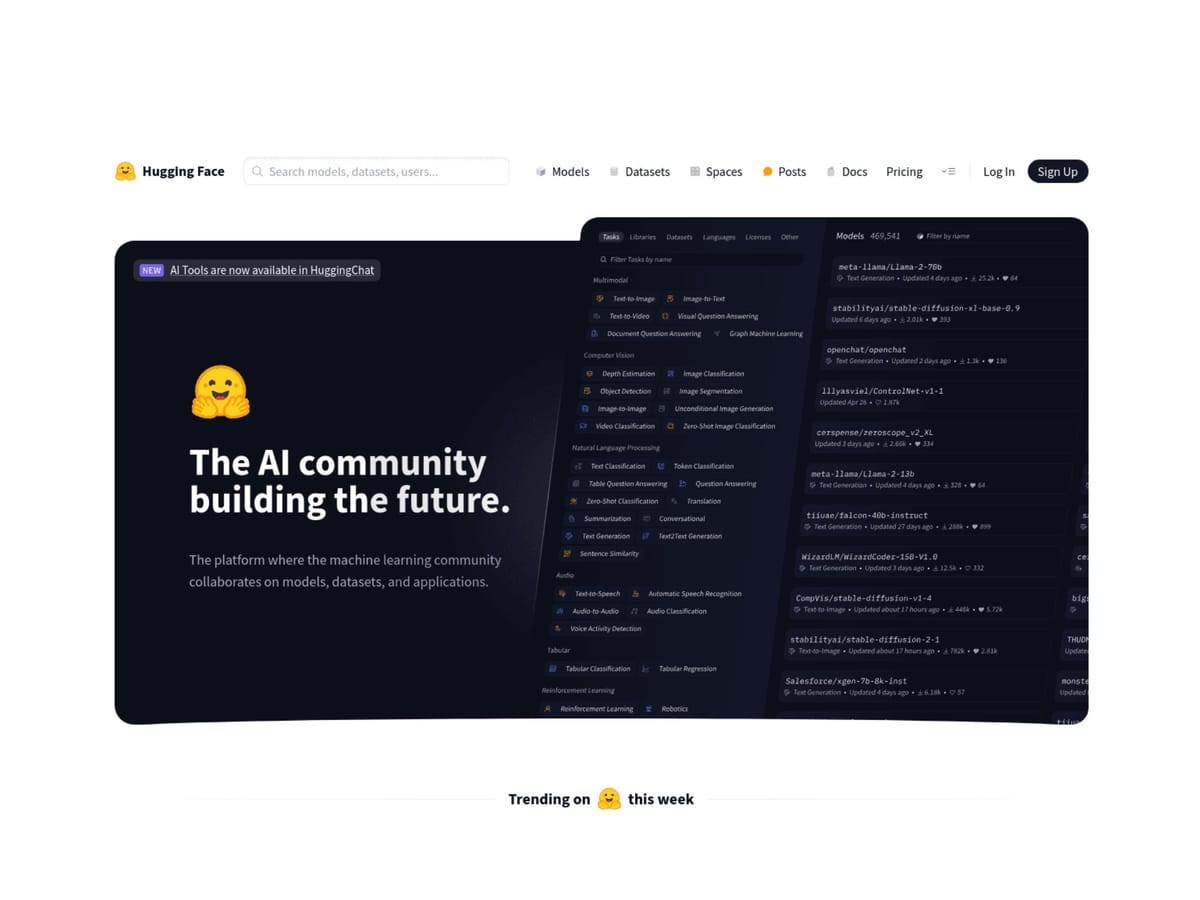
Tax season doesn't have to feel like a four-month sprint toward burnout anymore.
For decades, accountants have accepted the brutal reality of January through April: endless manual data entry, mountains of W-2s and 1099s, late nights catching errors that should never have happened, and clients who expect instant turnarounds on increasingly complex returns. The talent shortage has made it worse. Finding qualified staff feels impossible, and the ones you have are exhausted.
But something fundamental shifted in the past year. AI tools designed specifically for tax professionals have matured from experimental curiosities into genuinely useful assistants. Firms using these tools are finishing returns up to 40% faster with over 98% accuracy in data capture. One Southeast firm cut their per-return processing time from 4 hours to 30 minutes. Another reduced their month-end close from 5 days to 8 hours.
This isn't about replacing accountants. It's about giving them superpowers.
The firms winning right now are using AI to eliminate the soul-crushing manual work so their CPAs can focus on what actually matters: strategic advice, client relationships, and the complex judgment calls that no algorithm can handle. According to recent industry research, 79% of tax and accounting professionals believe AI will have a high or transformational impact on their businesses within the next five years. The question is no longer whether to adopt these tools, but which ones and how fast.
The Tax Season Problem That AI Actually Solves
Before diving into specific tools, it helps to understand exactly what's breaking in traditional tax workflows.
The IRS processed over 261 million tax returns and filings in 2024, and the numbers keep growing. Meanwhile, tax complexity is increasing across every sector. New legislation, evolving IRS guidance, changing state requirements, and shifting client needs have created a situation where traditional research and compliance workflows simply can't keep up.

The talent shortage compounds everything. Finding qualified tax professionals has become one of the profession's biggest challenges, and burnout among existing staff drives more people out every year. Firms are caught in a vicious cycle: overworked staff make more errors, errors require more review time, review time creates more overwork.
AI breaks this cycle by handling the repetitive, time-consuming tasks that consume most of a tax professional's hours during peak season. The technology has reached a point where it can read documents, extract data, categorize transactions, flag anomalies, and even draft initial returns with accuracy rates that match or exceed human performance on routine work.
What AI Tax Tools Actually Do in 2026
Modern AI tax solutions handle several categories of work that used to require significant human time.
- Document processing and data extraction represent the most immediate win. AI-powered OCR (Optical Character Recognition) can scan W-2s, 1099s, K-1s, and other tax documents, then automatically extract the relevant information and populate the appropriate fields in your tax software. The best tools achieve over 98% accuracy on data capture, which often exceeds what humans achieve when manually entering thousands of figures during busy season. One tool, Robo1040, is being called the closest thing the accounting profession has to a true AI accounting assistant because it captures information accurately the first time and keeps documents categorized and searchable.
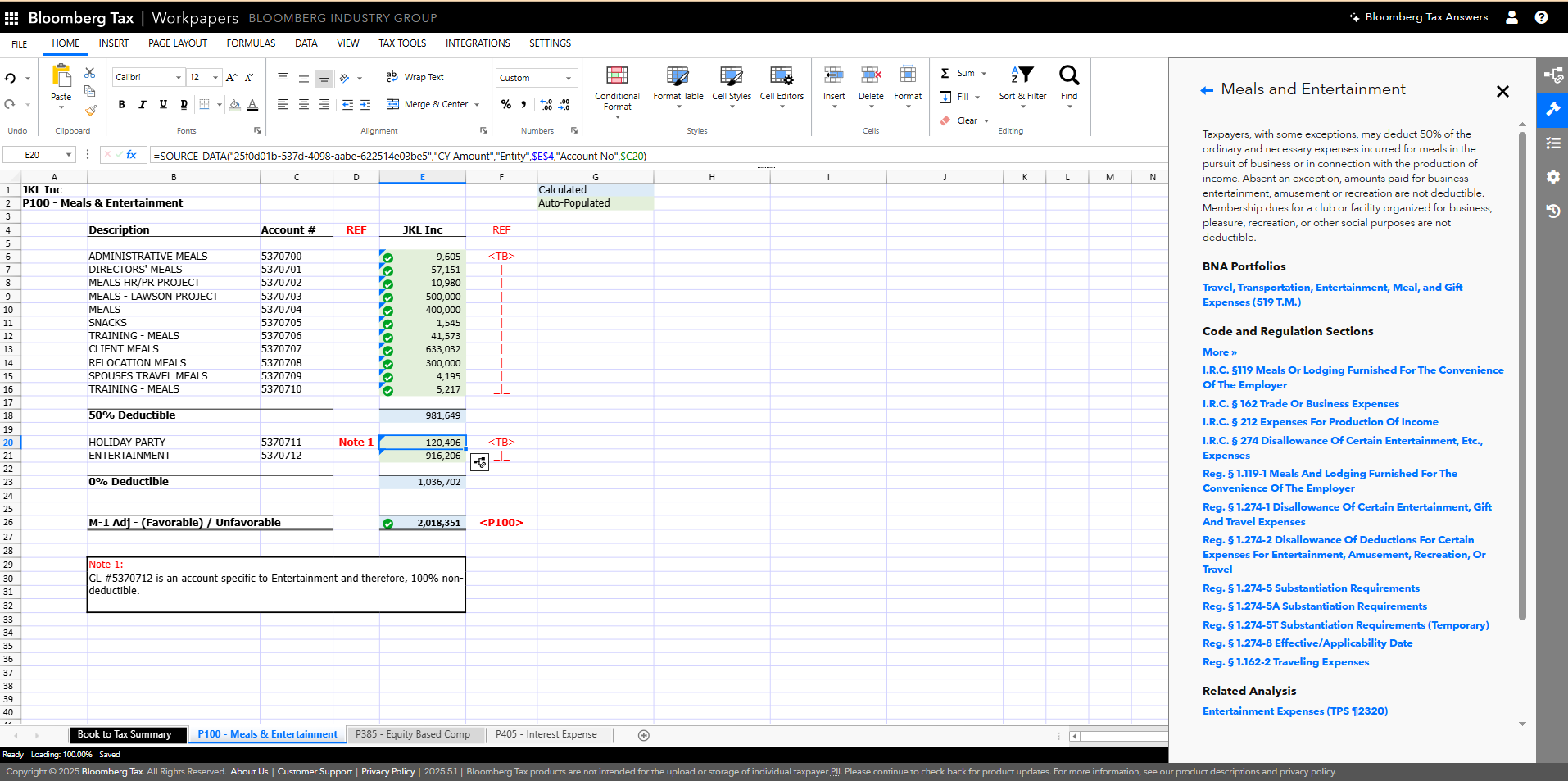
- Tax research acceleration is another major category. Finding answers to complex tax questions traditionally required hours of digging through the Internal Revenue Code, Treasury Regulations, IRS rulings, and Tax Court cases. AI research assistants can now scan these sources instantly and deliver concise summaries of relevant information. Bloomberg Tax Answers, for example, provides AI-generated responses sourced from authoritative tax management portfolios. This doesn't replace professional judgment, but it dramatically reduces the time required to gather the information needed to exercise that judgment.
- Compliance monitoring has become increasingly automated. Tax laws change constantly, and keeping up with new regulations across federal and state jurisdictions is a full-time job in itself. AI compliance tools automatically track filing obligations and deadlines, alert you to regulatory changes that affect your clients, and flag potential reporting discrepancies before they become problems.
- Return preparation and review workflows are being transformed by agentic AI solutions. Thomson Reuters' Ready to Review, named one of the top new products for accountants in 2026, autonomously extracts and verifies data from client source documents, maps that data to the right fields in the tax prep solution, and produces a return for the tax professional to review. The AI handles the routine gather-and-preparation steps, leaving humans for the high-level review and client interaction.
- Anomaly detection and error checking run continuously in the background. AI systems can identify patterns that suggest errors, fraud, or audit risk. They flag unusual transactions, duplicate payments, and inconsistencies that human reviewers might miss after staring at thousands of line items. One manufacturing client using Deloitte's Omnia platform caught a $12,000 duplicate vendor payment that three human reviewers had missed.
The Real Numbers: Time and Cost Savings
The efficiency gains from AI adoption are not hypothetical. Firms are reporting specific, measurable improvements.
LBMC, a Southeast accounting firm, was spending 4 hours per tax return on manual data entry before implementing AI tax automation. After implementation, they reduced that to 30 minutes of review time. That's an 87.5% reduction in time per return.
- Deloitte's Omnia platform reduced manual audit review time by 40% by flagging variances and drafting explanations within hours of close instead of days later.
- A Midwest CPA firm reduced engagement letter turnaround from 3 days to 4 hours using document automation AI.
- One firm using agentic AI for month-end close reduced the process from 5 days to 8 hours.
- A regional CPA firm using AI scheduling saw deadline adherence improve from 81% to 96%.
Industry statistics paint a broader picture. 38% of tax firms have reported substantial cost reductions (over 25%) after deploying AI for document review. AI-powered solutions help identify potential tax credits that might otherwise be overlooked, with a detection rate of 85%. AI tools identify deductible expenses with an accuracy rate of 88%.
The accuracy improvements matter as much as the time savings. AI algorithms can detect tax fraud with 85% accuracy. They can analyze and categorize large datasets up to 1000x faster than humans. More importantly, automation reduces the human errors that are a common cause of tax filing mistakes, especially for clients with multiple income sources or complex deductions.
The Best AI Tools for Tax Season 2026
The market has matured significantly, and several categories of tools have emerged as essential for modern tax practices.
For document processing and tax preparation automation, Robo1040 stands out as a comprehensive solution. It automates the tax process with OCR, pulls taxpayer data directly, connects with existing tax software, and keeps documents categorized and searchable. Firms report finishing returns up to 40% faster with over 98% accuracy.
Filed offers an intelligent tax workspace that integrates with existing software to standardize binders, automate prep, review returns, and uncover advisory insights. It reads, sorts, and preps tax returns to review-ready status around the clock while maintaining CPA-audited accuracy checks.
For tax research and compliance, Hive Tax AI has become a trusted partner for tax professionals nationwide. It focuses on grounding answers in authoritative sources (Internal Revenue Code, Treasury Regulations, IRS rulings, Tax Court cases) while streamlining repetitive tasks like code lookups, document summarization, and return analysis.
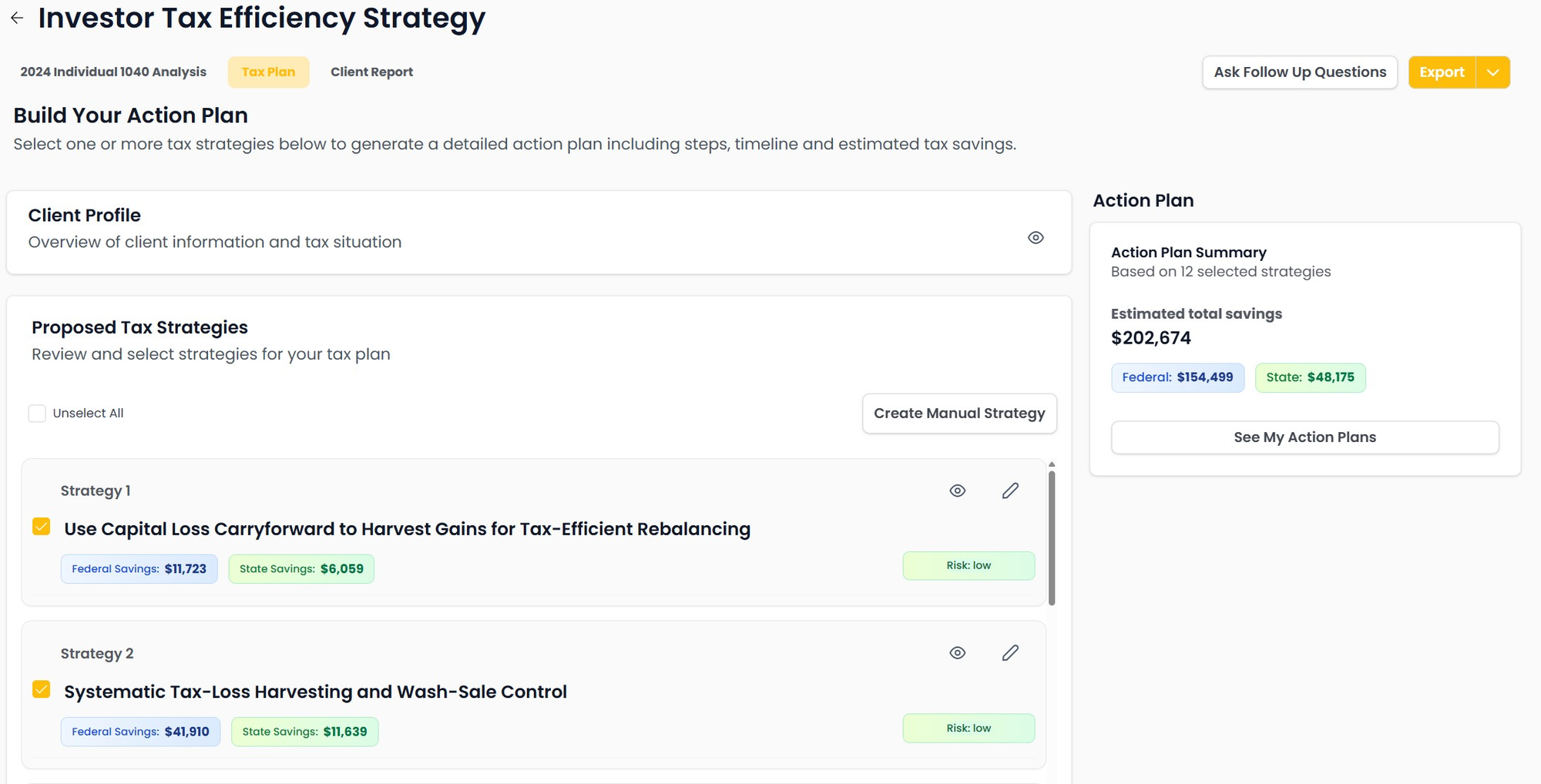
Bloomberg Tax offers a fully integrated suite including Tax Workpapers for automated calculations, Tax Provision for compliance, Tax Fixed Assets for depreciation rules, and Tax Research for up-to-the-minute information on new provisions and their implications.
Wolters Kluwer's CCH Axcess Expert AI represents the evolution toward agentic AI in tax workflows. It connects intelligence across tax, audit, and firm management, helping accountants move from compliance to advisory work.
For broader accounting automation, Botkeeper combines AI automation with human validation, handling repetitive bookkeeping while humans step in where interpretation and judgment matter. Vic.ai reads invoices, detects errors, codes transactions, routes approvals, and builds intelligence around vendor patterns for accounts payable.
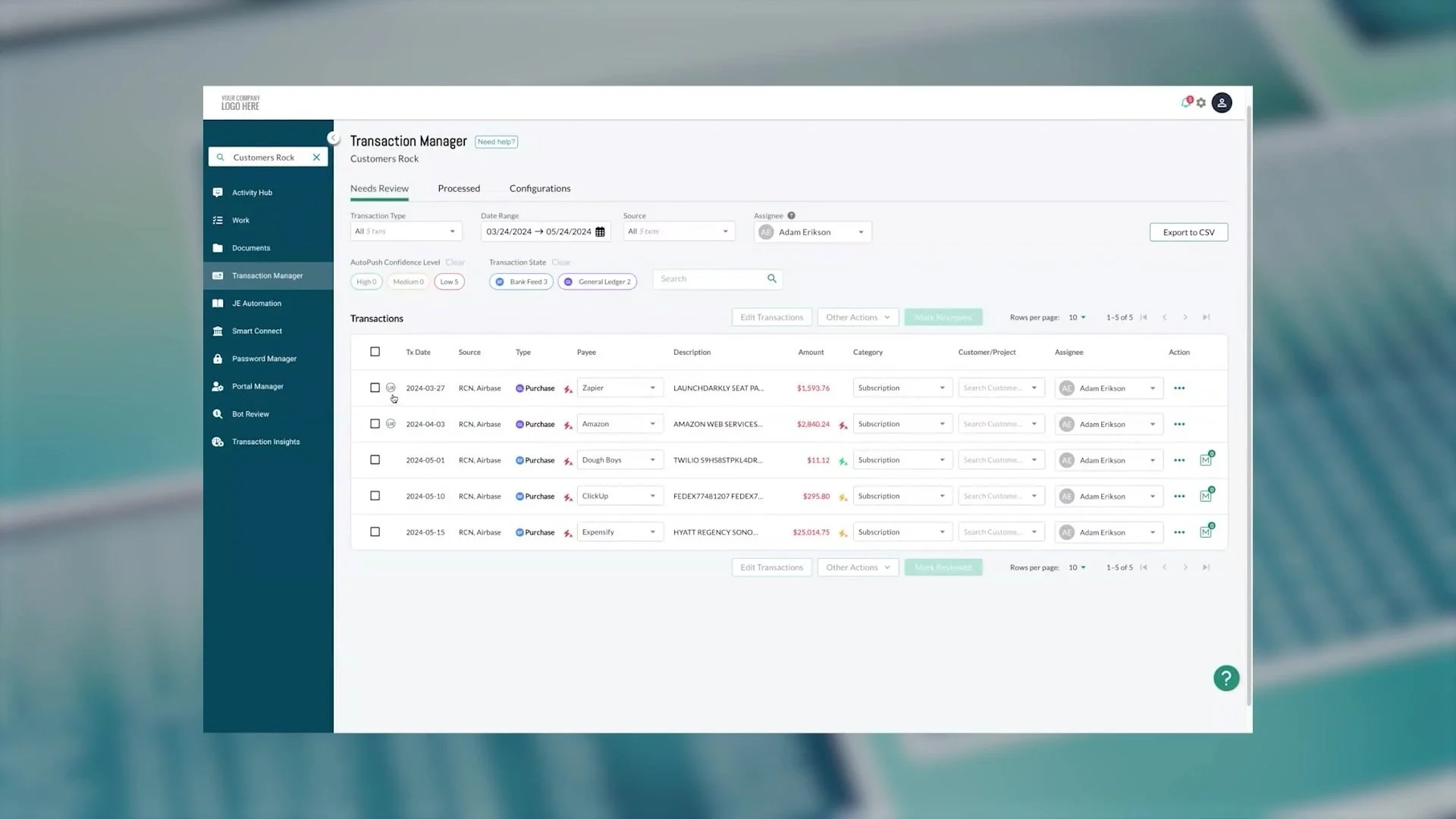
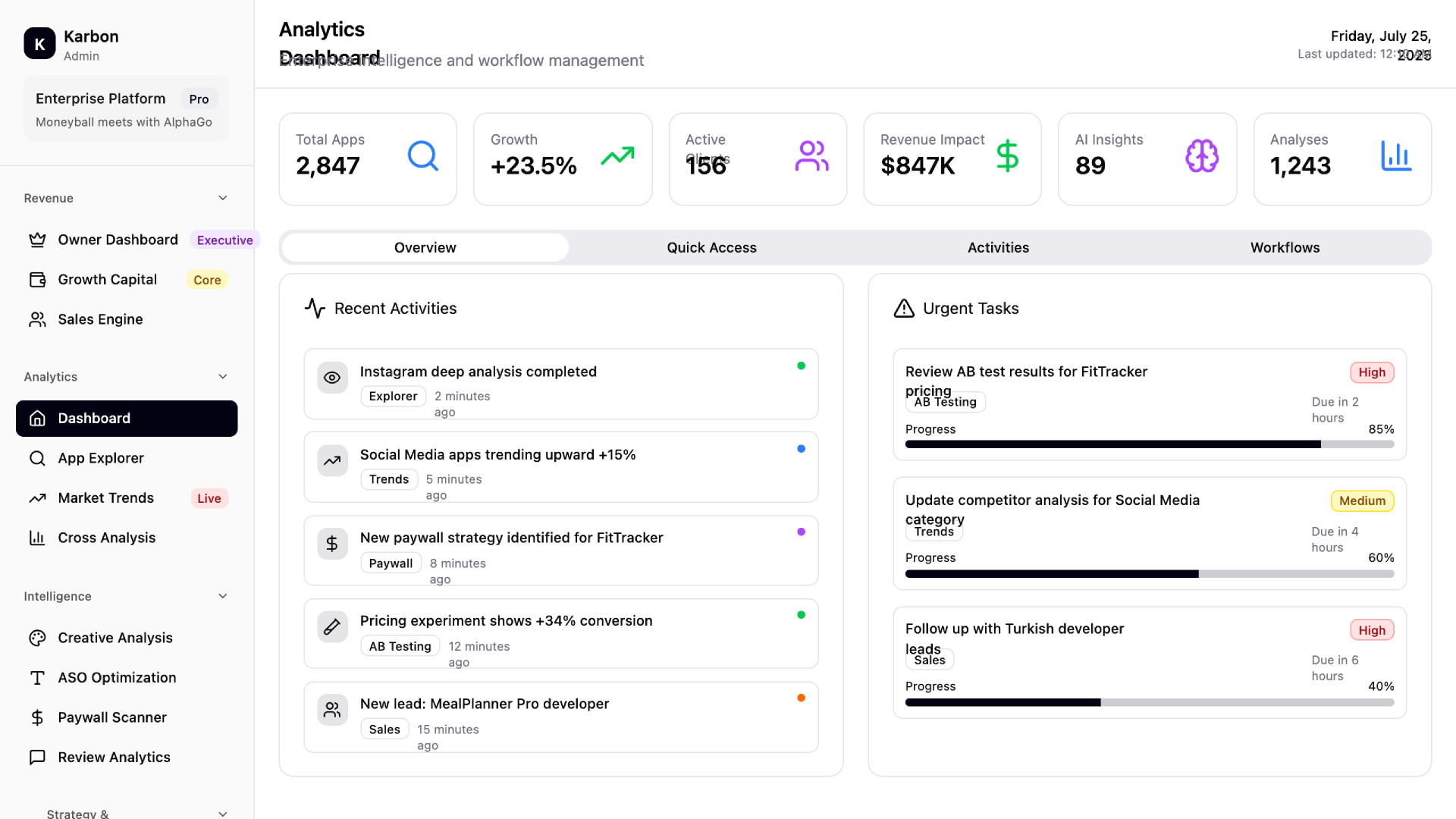
For practice management, Karbon AI summarizes client emails, drafts replies, identifies next steps, and automatically assigns tasks. It transforms inbox management into structured workflow, reducing what the company calls "communication drag."
From Compliance Factory to Strategic Advisor
The deeper transformation happening in accounting isn't just about efficiency. AI is fundamentally changing what it means to be a tax professional.
When routine preparation work takes 30 minutes instead of 4 hours, accountants have time for the conversations that clients actually value: tax planning strategies, entity structuring decisions, wealth transfer optimization, and business advisory. These high-value services command premium rates and build lasting client relationships.
The shift is already visible in how leading firms position their services. Instead of competing on compliance speed and price, they're building advisory practices that leverage AI-generated insights. Multi-year tax planning, Roth conversion optimization, retirement distribution strategies, business succession planning: these services require the judgment and relationship skills that only humans provide, supported by AI that can model scenarios and surface opportunities that might otherwise go unnoticed.
Thomson Reuters' Ready to Advise represents this next step, applying AI specifically to tax planning and advisory services rather than just preparation. The goal is helping accountants deliver forward-looking strategies instead of just historical compliance.
What AI Can't Do
Understanding AI's limitations is as important as understanding its capabilities.
- Client relationships cannot be automated. Business owners don't just want accurate numbers. They want a trusted advisor who understands their situation, goals, and concerns. This relationship is inherently human, built on empathy, communication, and the kind of contextual understanding that AI can support but never replace.
- Professional judgment remains essential. Tax law is complex and constantly changing. Business situations are unique. AI excels at pattern matching within known domains but struggles with unprecedented combinations of factors. The CPA who can navigate ambiguity, weigh competing considerations, and make defensible decisions under uncertainty will always be valuable.
- Legal accountability stays with humans. Auditors sign opinions that carry legal liability. CPAs provide advice that clients rely on for major decisions. This accountability cannot be delegated to AI. Someone must be responsible, and that someone needs professional credentials and ethical obligations.
- Adversarial situations require human judgment. Forensic accounting, audit defense, and IRS representation involve working against parties who may be actively concealing information. This investigative work requires creativity, skepticism, and the ability to navigate complex interpersonal dynamics.
The firms getting AI right understand this distinction clearly. They're not trying to replace their professionals with technology. They're augmenting their professionals with technology so they can deliver more value to more clients without burning out.
How to Get Started Without Disrupting Your Firm
Successful AI adoption in accounting follows a predictable pattern. The firms that succeed don't try to transform everything at once.
- Start with one clear use case, not a menu of features. Pick one area that's causing delay or inefficiency and automate that first. Document processing is often the easiest win because the benefits are immediate and measurable. Tax research is another common starting point because it doesn't require changing core workflows.
- Give ownership to someone who is responsible for results. There should be one person who tracks progress, identifies blockers, and drives usage. Without clear ownership, AI tools become expensive shelfware.
- Measure success in real numbers. Hours saved per month, turnaround time on deliverables, error rates, accuracy metrics. When numbers improve, adoption improves automatically. When numbers don't improve, you have information about what to fix.
- Expand only after the first win is locked in. Once one workflow is consistently running on AI, then move to the next one. AI success in accounting isn't about how sophisticated a firm's technology becomes. It's about how effectively each tool solves a real problem.
- Consider integration requirements carefully. Look for tools that connect with your existing practice management, tax prep software, and client portals. An AI tool that requires manual workarounds defeats the purpose of automation.
- Don't neglect security and compliance. Data privacy and compliance with IRS security guidelines are non-negotiable. Ensure any AI platform you adopt maintains encryption, access controls, audit trails, and compliance with relevant standards like SOC 2 and IRS Circular 230.
The 2026 Tax Season Opportunity
The firms that operationalize AI in 2026 will define the next decade of the profession. That's not hyperbole. The efficiency gap between AI-adopting firms and traditional practices is already significant and growing.
But the opportunity isn't just about keeping up with competitors. It's about transforming the experience of tax season itself. Imagine a practice where your team isn't exhausted by April. Where errors are caught before they cause problems. Where clients get strategic advice instead of just completed returns. Where talented professionals stay because the work is interesting, not just grinding.
That practice is possible today with the tools available right now. The question is whether you'll build it.
FAQ
Will AI replace accountants and tax professionals?
No. AI will replace specific tasks, not entire roles. Routine bookkeeping, basic data entry, simple tax return preparation, and transaction categorization face high automation risk. But complex tax planning, forensic accounting, strategic advisory, audit work requiring professional judgment, and client relationship management remain firmly human. The Bureau of Labor Statistics projects 5% job growth for accountants through 2034 with 124,200 annual openings. CPAs are becoming AI-augmented advisors, not obsolete.
How much time can AI actually save during tax season?
Real-world results vary but are substantial. LBMC reduced per-return processing from 4 hours to 30 minutes (87.5% reduction). Salesforce research suggests AI could cut nearly two-thirds of tax filing time. Deloitte's platform reduced manual audit review time by 40%. Firms using agentic AI for month-end close have reduced the process from 5 days to 8 hours. Individual results depend on current workflows and which tasks you automate.
What's the accuracy rate of AI tax tools?
Leading AI tax tools achieve over 98% accuracy in data capture, often exceeding human performance on routine data entry during high-volume periods. AI can detect tax fraud with 85% accuracy, identify deductible expenses with 88% accuracy, and detect overlooked tax credits with 85% success rate. However, AI still requires human review for complex situations, unusual circumstances, and final sign-off on returns.
How much do AI tax tools cost?
Pricing varies widely by tool and firm size. Document automation typically runs $2,000 to $10,000 per year plus $30 to $100 per user per month. Agentic AI assistants range from $500 to $5,000 per month. Enterprise anomaly detection platforms cost $5,000 to $50,000 per year. Many firms find the ROI is positive within the first tax season based on time savings alone.
Which AI tool should I start with?
Start with your biggest bottleneck. If document processing and data entry consume most of your time, consider Robo1040 or Filed. If tax research slows you down, look at Hive Tax AI or Bloomberg Tax Research. If client communication creates drag, Karbon AI addresses that specifically. The best first tool is the one that solves your most painful problem, not the one with the most features.
Is AI tax software secure enough for client data?
Reputable AI tax platforms prioritize security with encryption in transit and at rest, multi-factor authentication, role-based access controls, and compliance with standards like SOC 2. Look for platforms that anonymize sensitive documents before processing and maintain detailed audit trails. Security should be a primary evaluation criterion, not an afterthought.
Can AI handle complex tax situations or just simple returns?
AI handles routine complexity well: multiple income sources, standard deductions, common credits. It struggles with truly novel situations, aggressive tax positions, multi-entity structures with unusual arrangements, and cases requiring significant professional judgment. The best approach uses AI for initial preparation and data gathering while reserving human expertise for review, complex planning, and strategic decisions.
How do I convince my partners to invest in AI tools?
Focus on specific, measurable outcomes: hours saved per return, error reduction rates, capacity increase without additional hiring, staff retention improvements. Start with a pilot on one workflow and document results. The firms that adopted early report 80% say AI has enhanced their competitive advantage. Frame it as investing in your team's capabilities, not replacing your team.
Will AI help with the accounting talent shortage?
Yes. Industry predictions suggest firms will eventually employ one virtual AI agent for every CPA on staff. This doesn't replace hiring but extends the capacity of existing staff. By handling routine work, AI allows each professional to serve more clients at higher quality while reducing burnout. Firms using AI effectively become more attractive employers because the work is more interesting and sustainable.
What happens if AI makes a mistake on a tax return?
The CPA or enrolled agent who signs the return remains professionally and legally responsible. AI tools are assistants, not replacements for professional review. Best practice requires human verification of AI-generated work, especially for calculations, unusual situations, and any return before filing. Most AI platforms include confidence scores or flags for items requiring additional review.
Related Articles
 Dani
Dani
 Dani
Dani
 Dani
Dani