I'll be honest with you. After covering tech conferences for years, I've become pretty cynical about wellness gadgets. For every genuinely useful device, there are dozens of overpriced gimmicks that end up collecting dust in a drawer. So when I headed to CES 2026 in Las Vegas, I went in skeptical, ready to separate the truly innovative from the marketing hype.
Three days and approximately 47,000 steps later, I left feeling something I hadn't expected: genuine excitement about the future of health technology.
This year's CES wasn't just about incremental improvements to fitness trackers or slightly better sleep monitors. The wellness tech on display represented real innovation — devices that address problems nobody had successfully tackled before, from tracking perimenopause symptoms to preventing hip fractures in seniors to literally making walking easier through robotic exoskeletons.
I'm someone who already embraces health tech in my daily life. I track my workouts, monitor my sleep, use smart scales, and have air purifiers humming away in multiple rooms. But what I saw at CES this year pushed beyond anything currently in my wellness arsenal, addressing health concerns and demographics that the tech industry has historically overlooked.
Let me walk you through the ten wellness gadgets that genuinely impressed me, explain why each one matters, and help you figure out which ones might actually deserve a place in your own health routine.
Peri
I want to start with Peri because it won the official Best Wellness Tech category at CES, and honestly, it's about time a device like this exists.
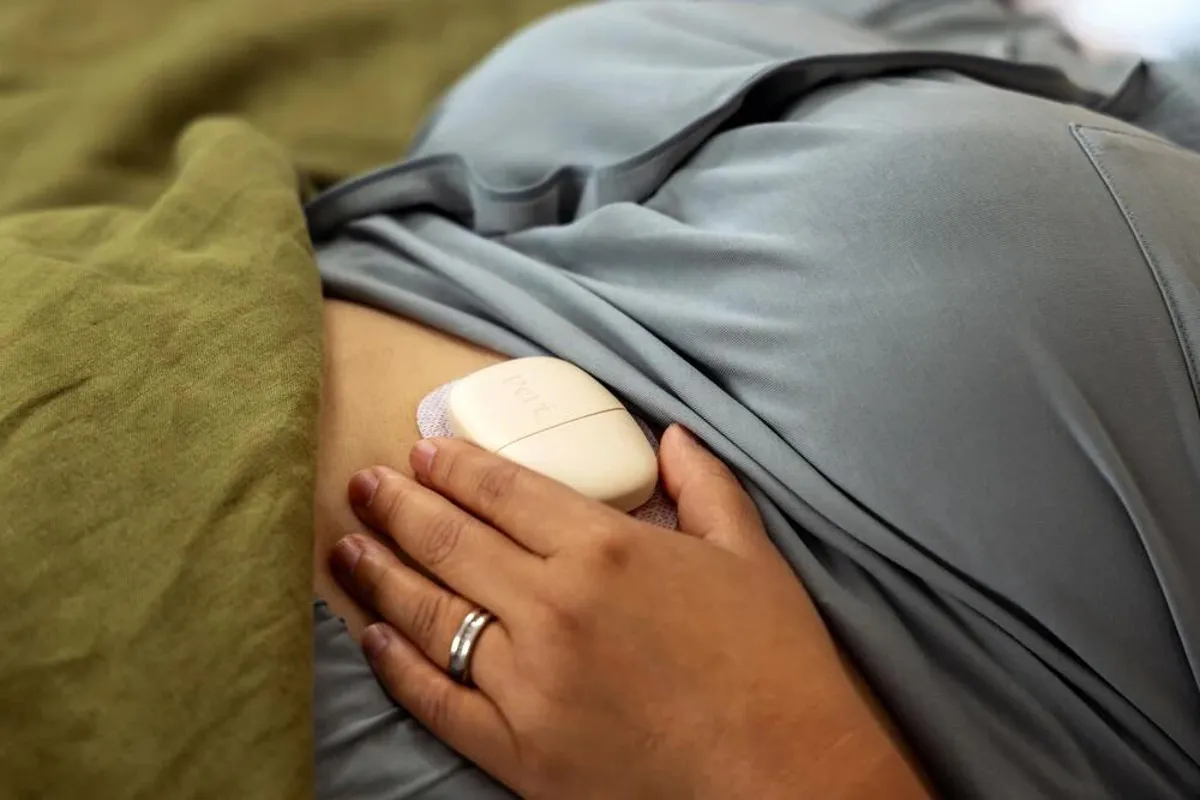
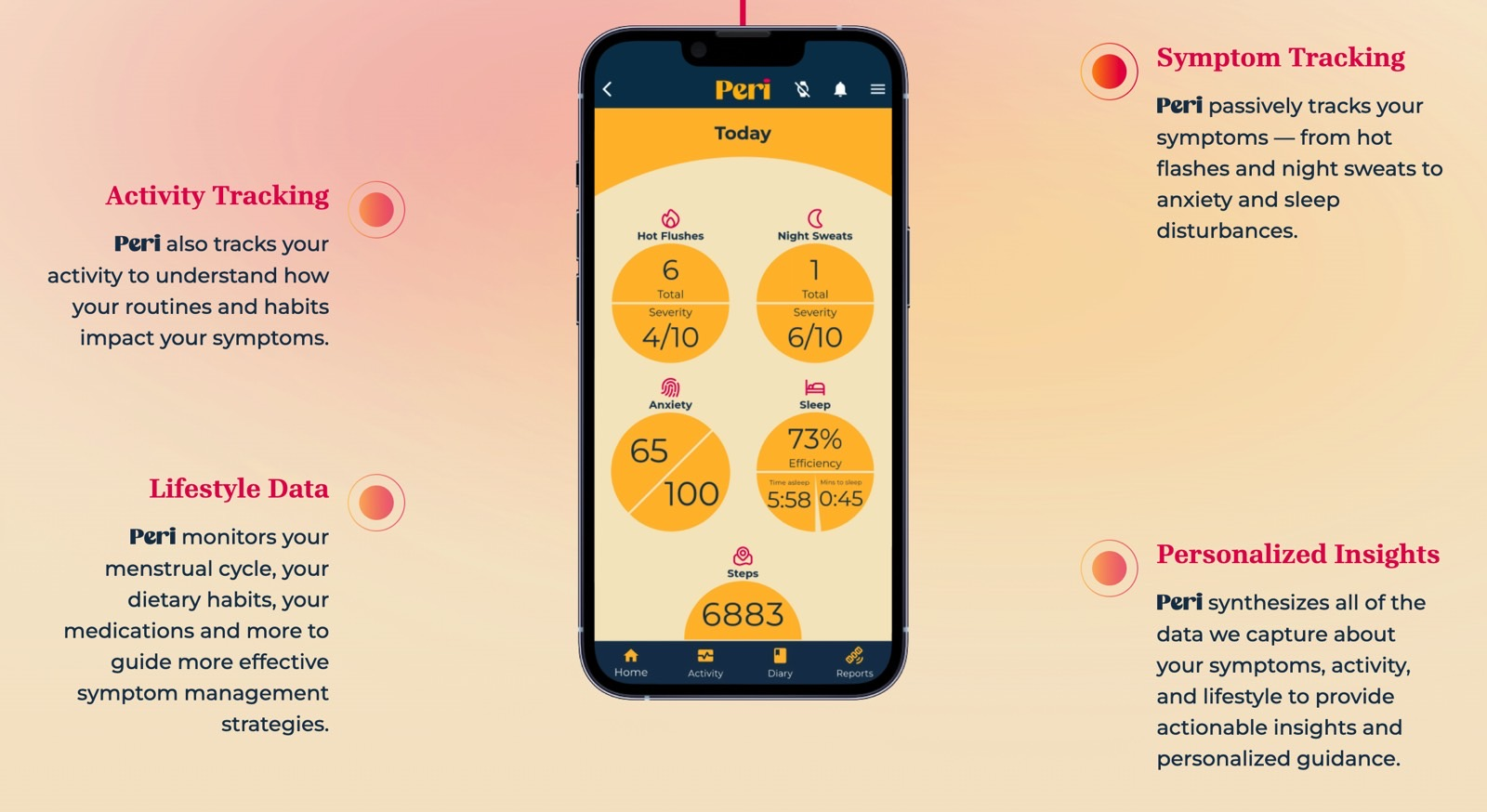
Perimenopause affects roughly 1.3 million women in the United States every year, yet until now, there hasn't been a dedicated wearable to help track and manage its symptoms. Peri is a small device that sticks to your torso and monitors the physical changes that accompany this transitional phase, including hot flashes, night sweats, sleep disturbances, anxiety levels, and menstrual cycle changes.
What makes Peri genuinely useful rather than just another data collector is its companion app with AI-powered insights. The app doesn't just show you charts and graphs. It helps you understand what your symptoms mean and provides personalized guidance on management options. Whether you're considering conservative approaches like diet modifications, exercise routines, and supplements, or you want to discuss pharmaceutical options like hormone therapy with your doctor, Peri gives you the data to have informed conversations.
I spoke with several women at CES who were in perimenopause, and the response was emotional. One attendee told me she'd spent years feeling like her symptoms were being dismissed or minimized by healthcare providers. Having objective data to share with her doctor felt empowering in a way I hadn't anticipated.
Peri is available for preorder now at $449 and is expected to start shipping soon after CES. That price point isn't cheap, but for women struggling to get answers about their changing bodies, having concrete symptom tracking might be invaluable.
Tombot Jennie
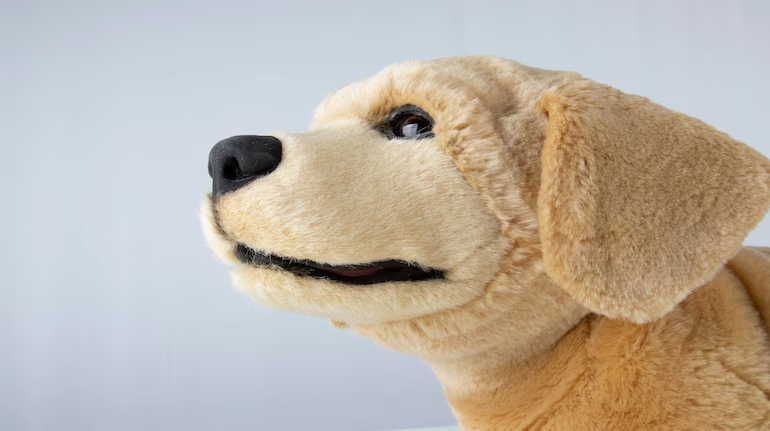
I need to tell you about Tombot Jennie, even though it's not a wellness gadget in the traditional sense. It's a realistic robotic emotional support puppy designed for seniors with dementia, and watching people interact with it at CES was genuinely moving.
Dementia affects more than 6 million Americans, and one of the cruelest aspects of the disease is the isolation it creates. Patients often can't care for real pets, yet they deeply benefit from the companionship and emotional connection that animals provide. Tombot Jennie bridges that gap with remarkable effectiveness.
The robot puppy is packed with sensors and motors that create surprisingly lifelike behaviors. When you look at Jennie, she turns her head to meet your gaze with expressive eyes that genuinely look like a real puppy's. Ask if she wants a treat, and she barks with excitement. Pet her, and her tail wags with enthusiasm. The fur is soft and realistic to touch.
What struck me most at CES wasn't the technology itself but the reactions it provoked. I watched a woman in her seventies spend ten minutes talking to Jennie, stroking her fur, completely absorbed in the interaction. The smile on her face was real, and the emotional connection was palpable.
Our colleagues visited a memory care facility where residents interacted with Jennie, and the response from actual dementia patients was overwhelmingly positive. That real-world validation helped secure Tombot Jennie a win in PCMag's Best Age Tech category at CES.
Tombot first introduced Jennie as a concept back in 2017, so this has been a long time coming. The robot puppy is finally slated to launch this year at $1,500. That's expensive, but for families watching a loved one struggle with dementia-related isolation, providing genuine emotional comfort might be worth every penny.
Dephy Sidekick
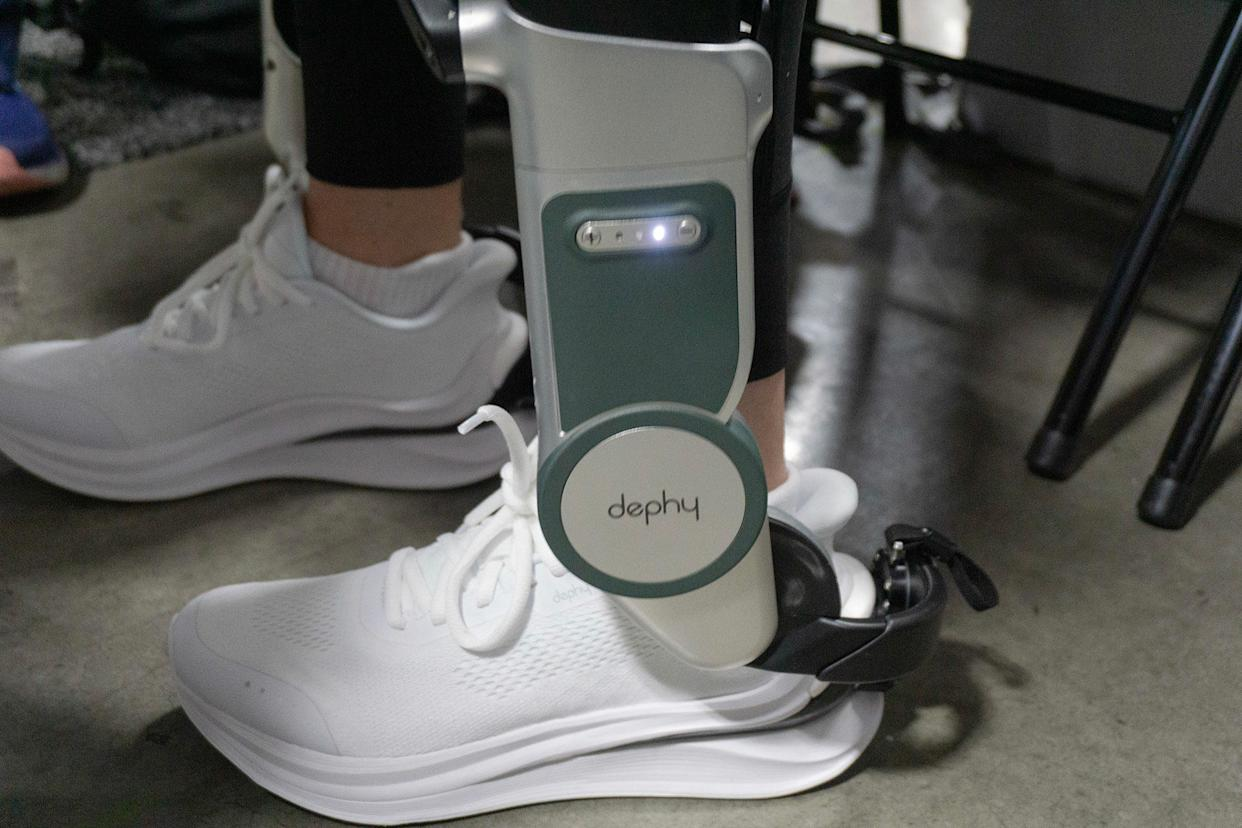
Exoskeletons were a major trend at CES this year, and I tried several of them. But the Dephy Sidekick (pronounced "defy") stood out as the one I'd actually want to own.
The Sidekick consists of proprietary sneakers with removable robotic calf muscles that strap around your lower legs. These robotic attachments lift your heels with every step, making walking noticeably easier. It's not about making you superhuman. It's about reducing the effort required for the simple act of walking.
When I first put on the Sidekick, I took a few normal steps while the system analyzed my gait. Then the battery assistance kicked on with a slight jolt, and suddenly walking felt almost effortless. It's hard to describe the sensation — it's like having a gentle helping hand under each step, reducing the strain on your legs and feet.
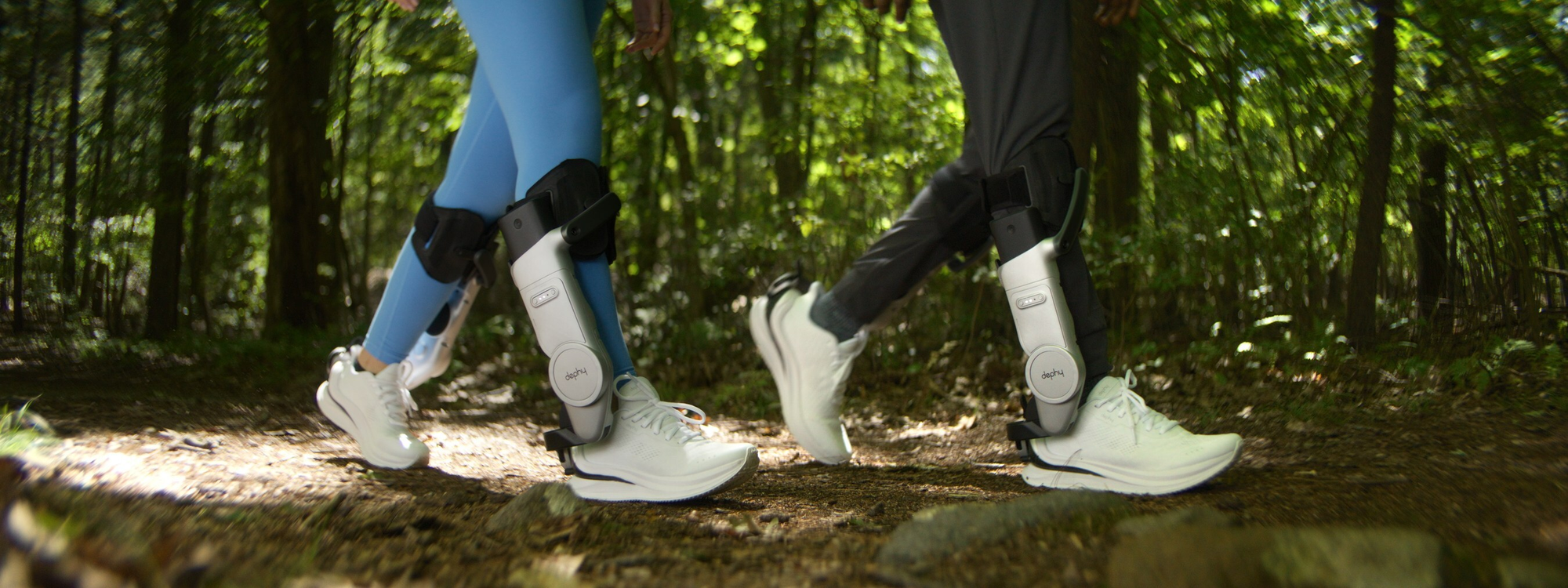
The Sidekick doesn't help with standing, just walking. But think about situations where that would matter enormously. Theme park visits where you might log 20,000 or more steps in a single day. Sightseeing trips in walkable cities. Long airport layovers. For people who love travel but dread the physical toll of being on their feet all day, the Sidekick could be transformative.
More significantly, for people with mobility limitations, the Sidekick could make everyday activities like walking the dog or grocery shopping dramatically easier. It's assistive technology that doesn't look like medical equipment, which matters for people who want help without feeling conspicuous.
The Dephy Sidekick just went on sale for $4,500 with shipping expected to begin January 25. That's a significant investment, but for people whose quality of life is limited by walking difficulties, it represents genuine freedom.
Allergen Alert
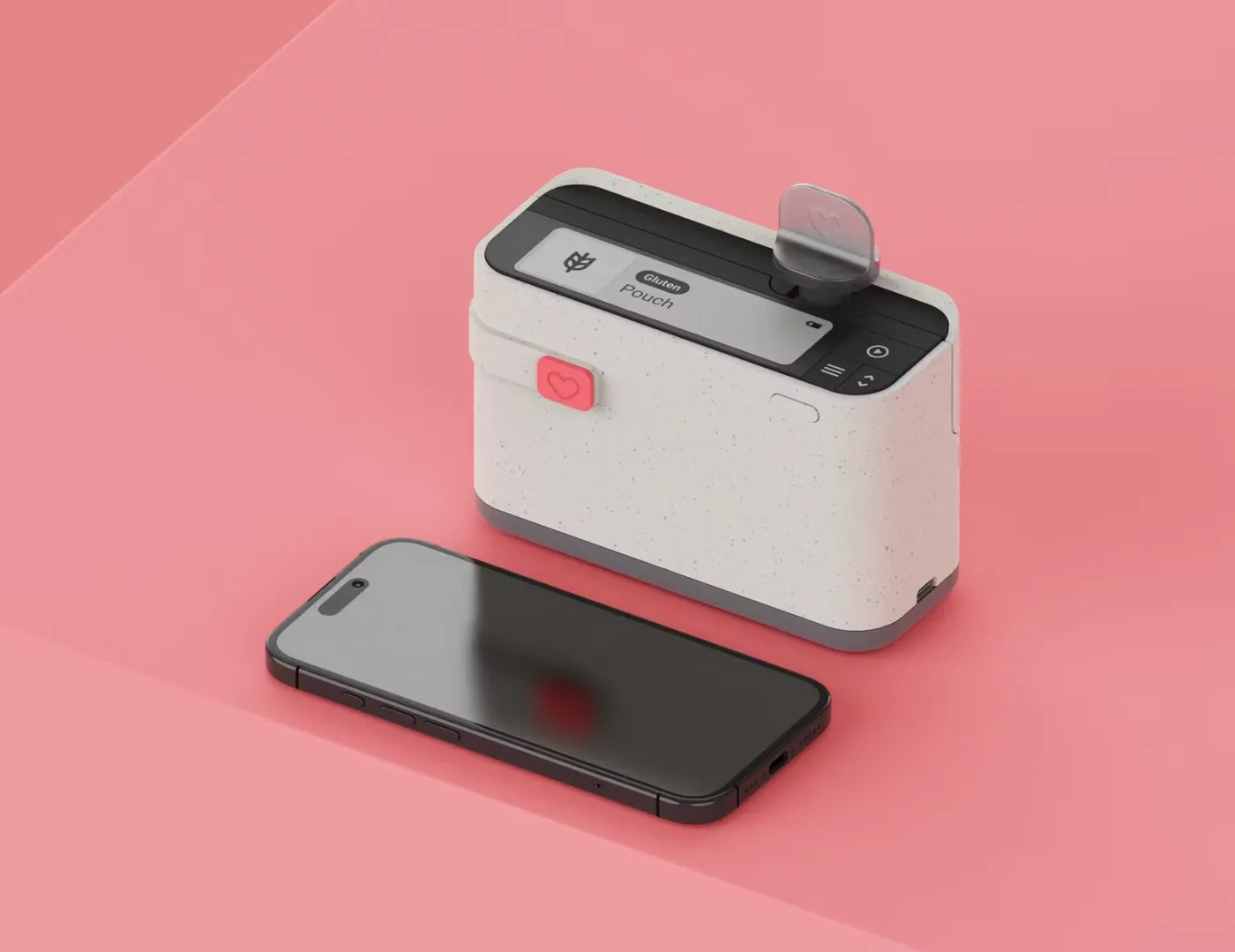
Food allergies affect approximately 32 million Americans, and for many of them, eating out or trying new foods involves constant anxiety and risk. The Allergen Alert won Best Startup at CES by offering something genuinely valuable: portable allergen detection you can use anywhere.
The device is compact enough to carry in a bag and tests for the most common food allergens including peanuts, tree nuts, milk, eggs, wheat, gluten, soy, fish, shellfish, and sesame. You place a small sample of your food into a plastic test pouch, insert it into the machine, and within two minutes, you get results on both a built-in display and a companion app.
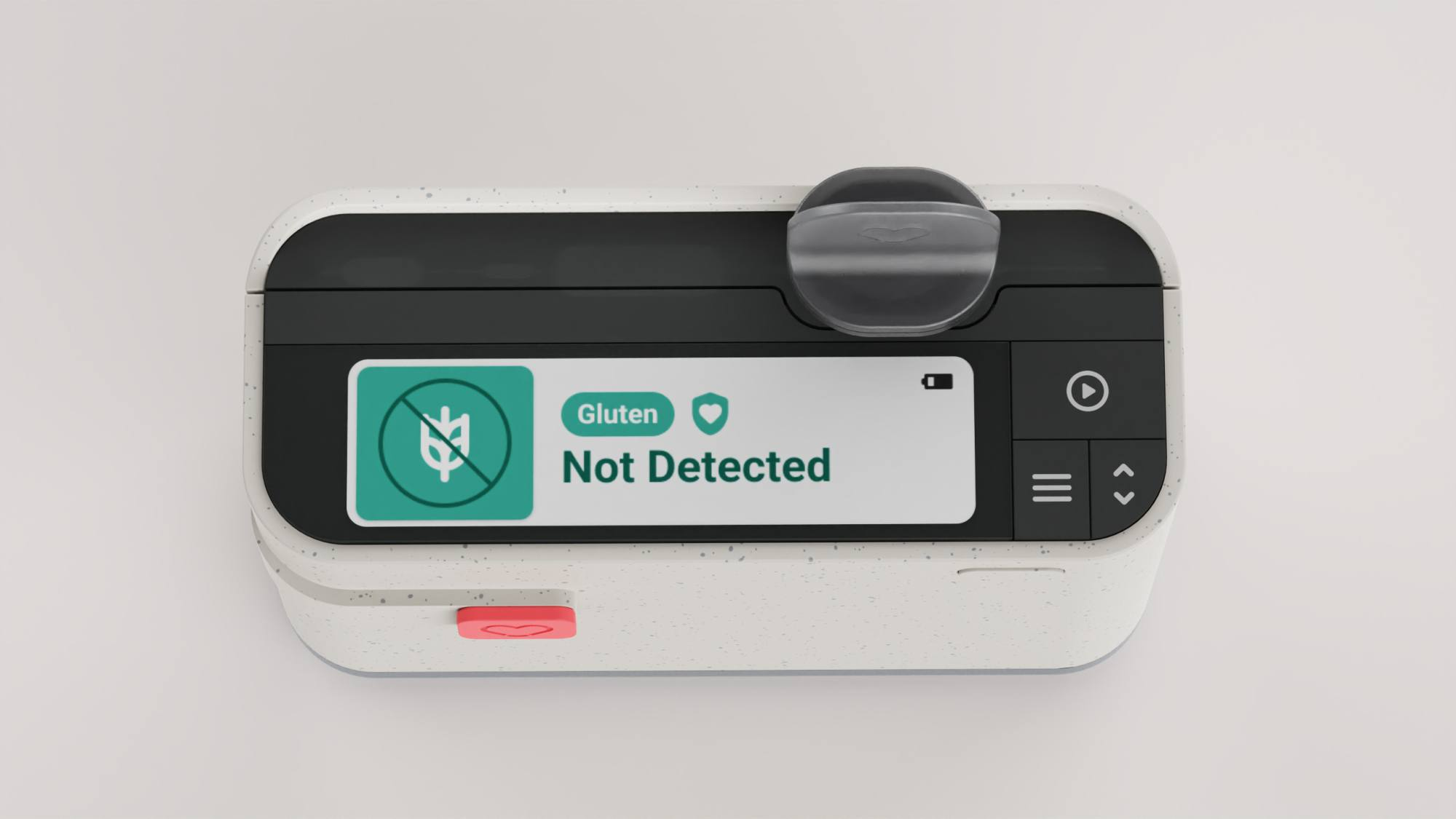
I watched several demonstrations at CES, and the process is straightforward enough that anyone could use it. For parents of children with severe allergies, this could fundamentally change how they approach meals outside the home. For adults with allergies who've experienced reactions from cross-contamination or mislabeled foods, having verification before eating could provide enormous peace of mind.
The Allergen Alert is expected to launch this fall at $200, with a subscription for six single-use test pouches costing $25 per month. Those ongoing costs add up, but for people whose allergies are severe enough to require hospitalization from accidental exposure, the protection might be invaluable.
Smart Hip Guardian
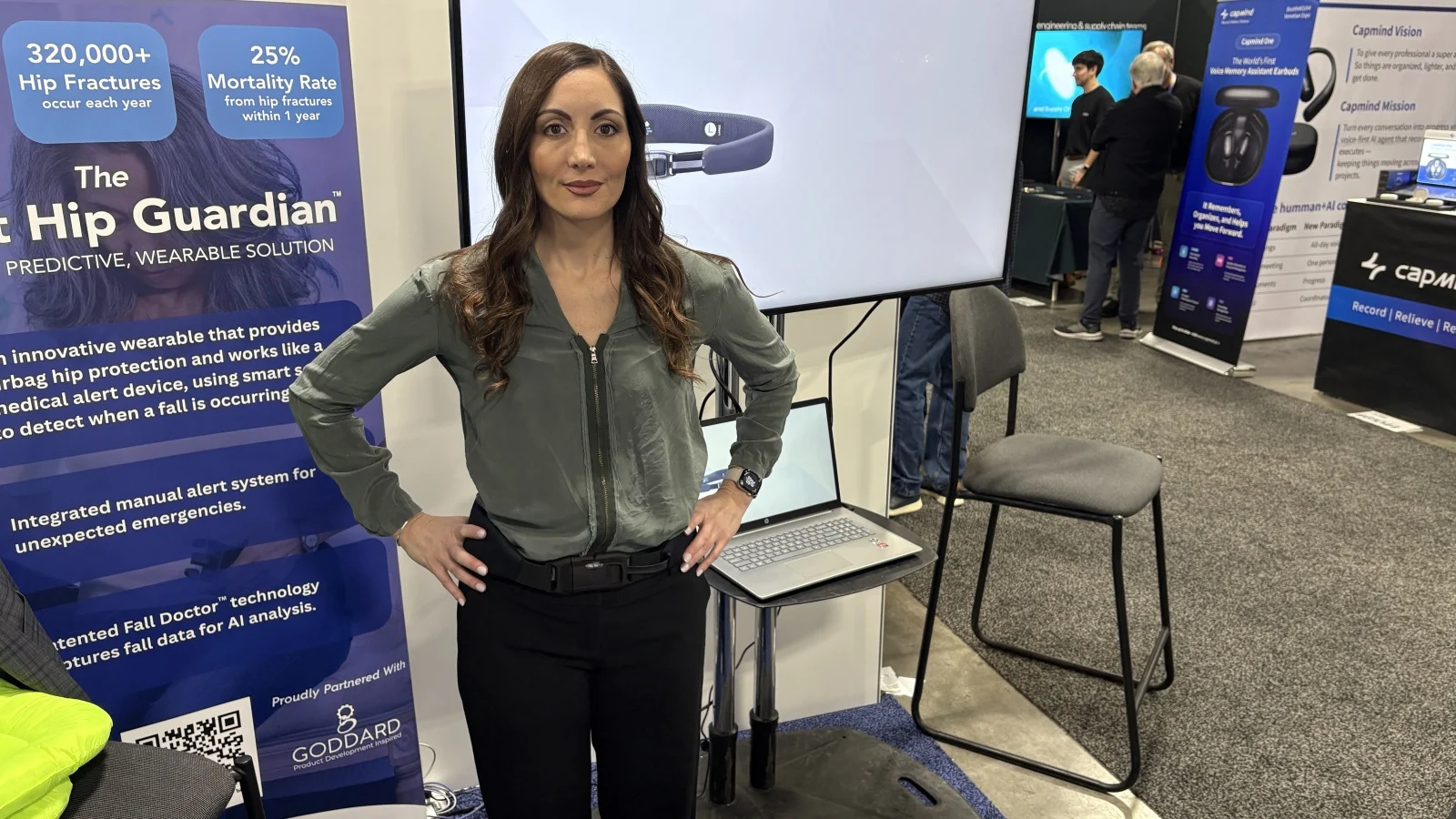
Here's a sobering statistic: approximately 350,000 hip fractures occur in the United States every year, according to Johns Hopkins Medicine. For seniors, a hip fracture often represents a devastating loss of mobility and independence, sometimes permanently.
The Smart Hip Guardian is a belt that uses sensor data and software algorithms to detect when you're falling and automatically deploys airbags to protect your hips from impact. The system promises to inflate just 0.2 seconds before impact, providing protective padding around your midsection precisely when you need it.
I tried on a prototype at CES, and I was surprised by how comfortable it was. This isn't bulky medical equipment that screams "fall risk." It's a relatively normal-looking belt that you could wear under regular clothes without anyone knowing it's there.
The technology itself is impressive. The sensors continuously monitor your movement patterns, distinguishing between normal activities like sitting down or bending over and actual fall trajectories. When a fall is detected, the airbags deploy almost instantaneously.
The Smart Hip Guardian is expected to launch this year at $799.90 for a pack of two. For seniors who've already experienced falls or who have conditions that increase fall risk, this could provide both protection and confidence. And for adult children worried about aging parents, knowing they have this protection might provide some peace of mind.
Petal
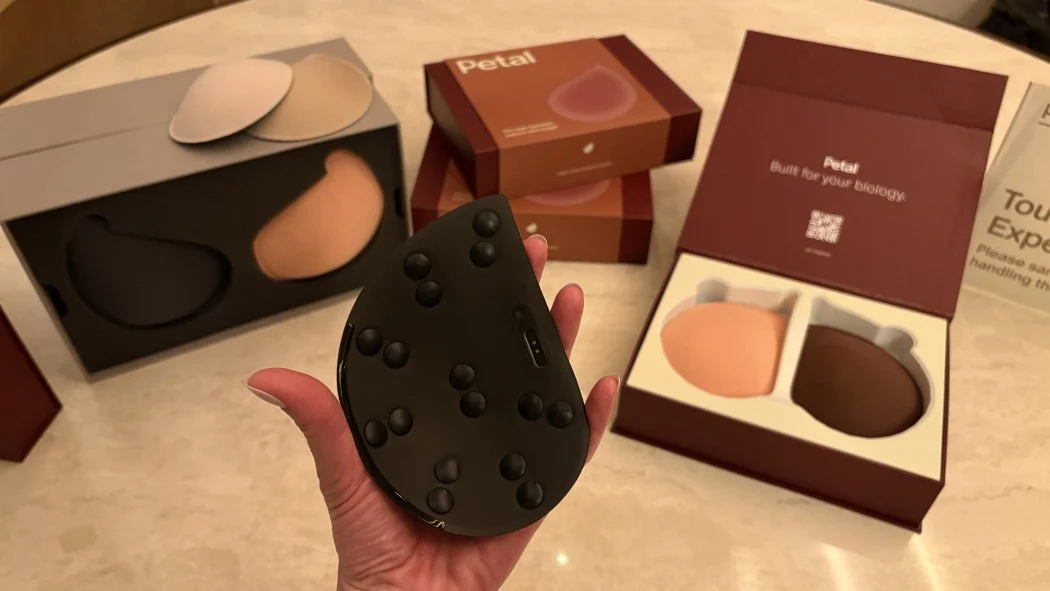
I've worn fitness trackers on my wrist, on my finger, and clipped to my clothing, but the Petal is the first tracker I've encountered that sits inside your bra. And surprisingly, it might be the most comfortable form factor yet.
Petal uses bioelectrical impedance analysis (similar to smart scales) to measure body mass index, breathing patterns, heart rate, heart rate variability (an indicator of stress), and even breast tissue characteristics. Because it sits directly over your heart, the company claims it provides more accurate readings than wrist or finger-based trackers.
It's essentially a removable pad insert, no different in sensation from what many bras already include. You could wear it all day and forget it's there, which is exactly what you want from a health tracker.
The most ambitious claim about Petal is its potential for early breast anomaly detection. The company's founder told me their foundational AI is trained on breast MRIs, with the goal of detecting early signs of breast cancer. That's a significant claim that will need clinical validation, but if the technology delivers on its promise, the health implications could be profound.
Petal is available for preorder at $149 (or $199 after preorder pricing ends) with shipping expected May 1 in honor of Women's Health Month. Like smart scales that use bioelectrical impedance, it's not recommended for pregnant women or those with implanted medical devices.
SunBooster
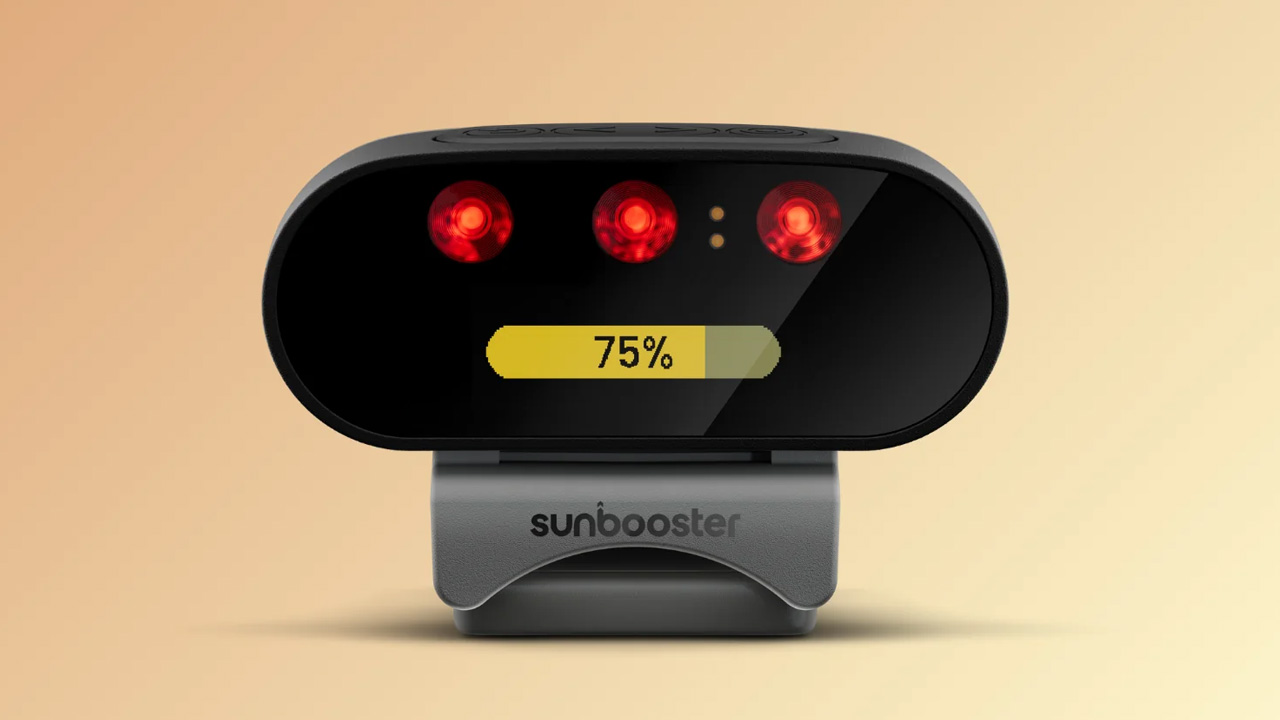
If you spend long hours working at a computer, you know the toll it can take on your mood and energy levels. The SunBooster is designed to address that problem by delivering near-infrared light while you work.
The device is about the size of an external webcam and attaches to the top of your laptop screen or monitor. It emits near-infrared light, which penetrates deeper into the body than visible red light and offers health benefits similar to natural sunlight without requiring you to actually go outside.
I spoke with Anne Berends, CEO and cofounder of SunLED Life Science, the Amsterdam-based company behind SunBooster. She explained that near-infrared light stimulates energy production at the cellular level, providing both physical and mental health benefits. Unlike red light therapy, which is primarily cosmetic and anti-aging focused, NIR works at a deeper physiological level.
One clever design choice: because near-infrared light is invisible to the human eye, the SunBooster won't distract you while you work. The device also automatically turns off once you've received your daily dose, so you don't have to track time or remember to shut it off.
The SunBooster is expected to launch in the US in April at $249. For remote workers, office employees, or anyone who spends most of their daylight hours in front of a screen, bringing some sunlight benefits indoors could be genuinely worthwhile.
Sensate
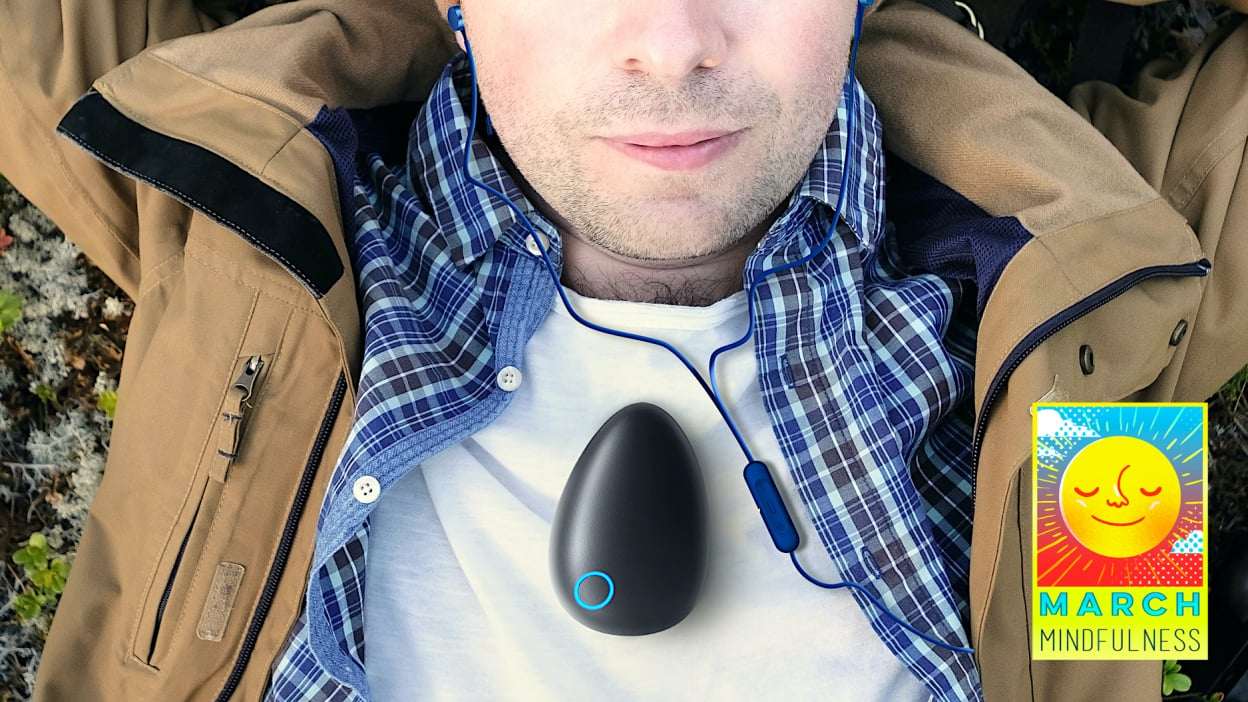
CES is overwhelming. The noise, the crowds, the constant stimulation — it's exhausting even for people who thrive in busy environments. So when I tried the Sensate device on the show floor and actually achieved a meditative state amidst all that chaos, I was genuinely impressed.
Sensate is a non-invasive vagus nerve stimulation device that sits on your chest and delivers gentle, soothing vibrations. It emits infrasonic (low-frequency) sound waves via bone conduction, calming your nervous system in ways you can actually feel. The device promises to reduce anxiety and stress while improving digestion, heart health, and breathing rate.
I'm generally skeptical of devices that claim to reduce stress — usually they're just fancy fidget toys with marketing budgets. But Sensate worked for me in a way I hadn't expected. Within a few minutes of using it, I felt my shoulders drop, my breathing slow, and my racing mind quiet down. It wasn't dramatic or instantaneous, but it was noticeable.
The Sensate pairs with a companion app offering a library of relaxing sounds for your sessions. You can use it during meditation, before sleep, or whenever you need to reset your nervous system.
Sensate is available now starting at $369. For people who struggle with anxiety, have difficulty relaxing, or want a tool to help establish a meditation practice, it's worth considering.
Frenz Brainband SuperBrain Edition
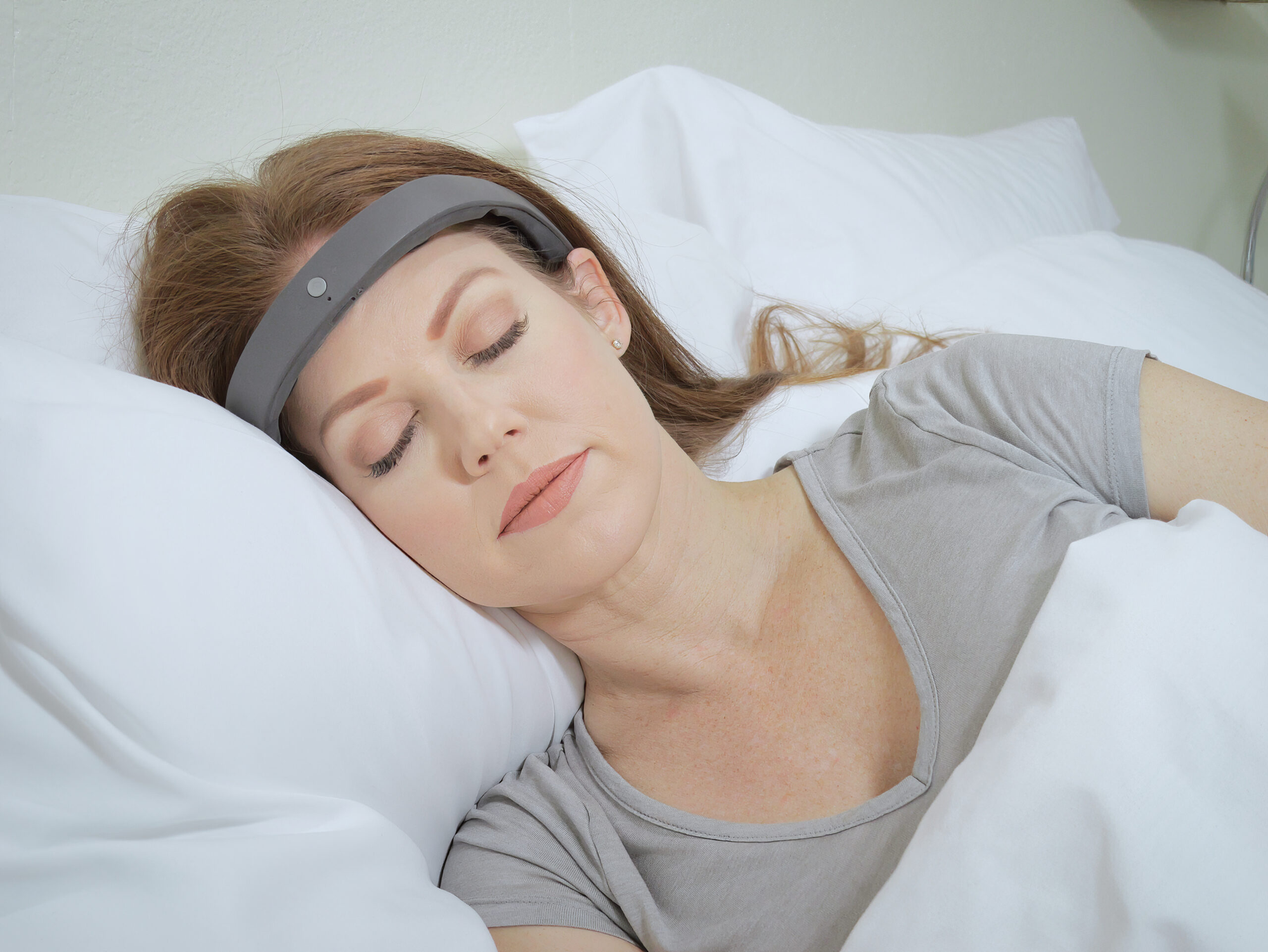
The Frenz Brainband has been generating buzz for years as a wearable that tracks your brainwaves and uses AI-powered audio to improve sleep. People have called it a cure for insomnia, which is a bold claim. But I'd never tried it because, honestly, the original design looked like something you'd wear during a sleep study, not something you'd want on your head in daily life.
The partnership with Italy's Tonino Lamborghini for the new SuperBrain Edition changed my mind. I met with Earable Neuroscience's Chief Innovation Officer Kimi Doan, who let me experience the technology firsthand, and I walked away genuinely impressed.
The current Frenz Brainband is made of a surprisingly comfortable squishy material. But the SuperBrain Edition takes the design to another level with a sleek black exterior, 3D geometric patterns, and gold accents. It's still a brainwave-tracking headband, but it actually looks stylish enough that you might wear it in public without feeling self-conscious.
The technology itself is fascinating. The SuperBrain Edition includes a new Focus mode for assessing daytime cognition, not just nighttime sleep. A companion app tracks your real-time Focus score, which increases when you're alert and decreases when you're relaxed. During my demo, I could watch my score drop when I closed my eyes and breathed deeply, then spike when my mind started racing with thoughts.
The idea is that you can train your brain to switch between focused and relaxed states more rapidly and reliably, improving what Doan called the elasticity of your mind. Whether you need intense concentration for work or deep relaxation for sleep, the device helps you access those states on command.
The original Frenz Brainband is available now for $680. The SuperBrain Edition, with its upgraded design and focus-tracking capabilities, is expected to launch in June at $1,999. That's a significant premium for the new version, but for people whose sleep issues or focus problems significantly impact their quality of life, brain training technology might be worth the investment.
L'Oréal LED Face Mask
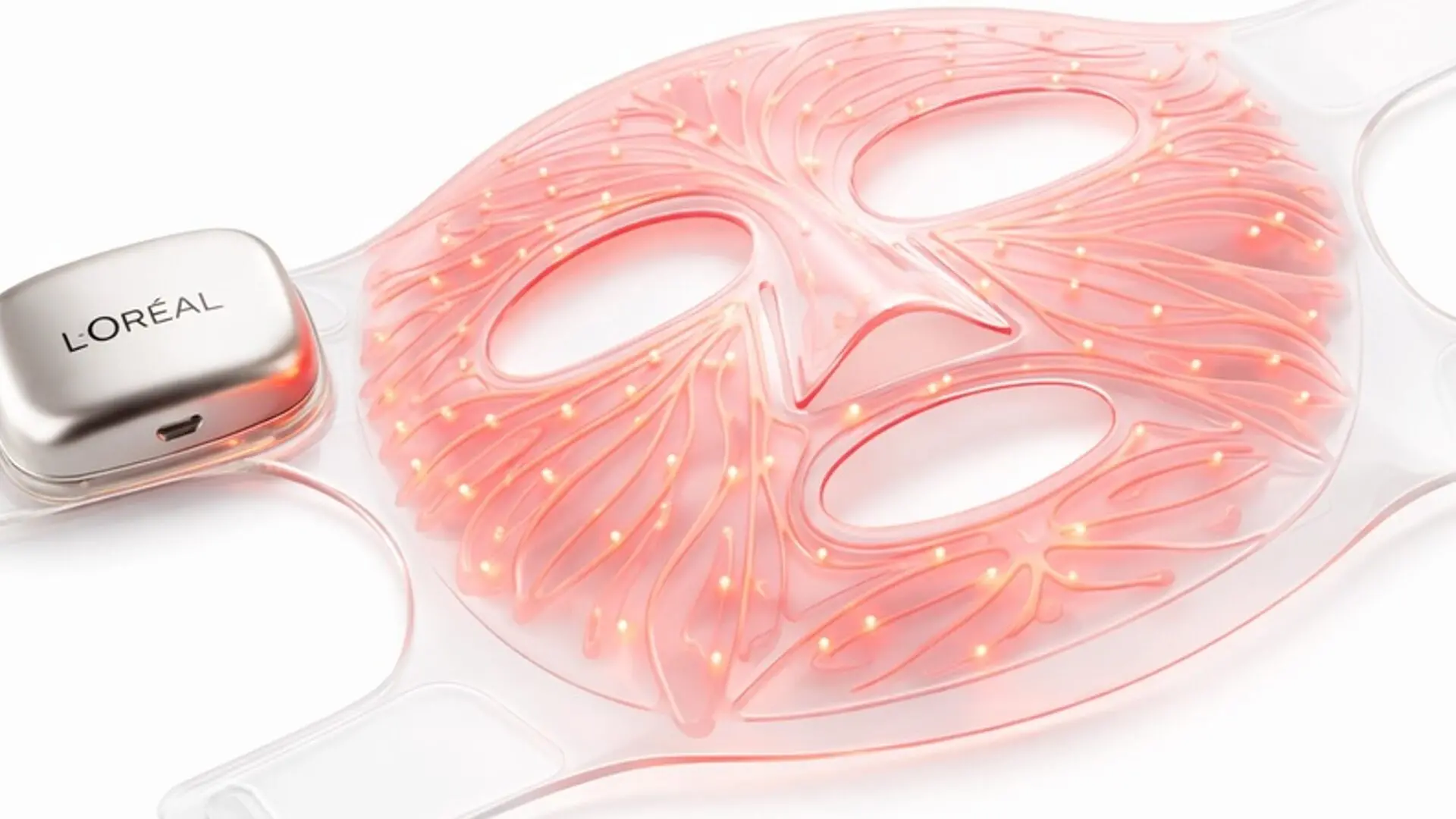
The skincare enthusiasts I spoke with at CES were losing their minds over L'Oréal's new LED Face Mask prototype. Having tried various LED skincare devices over the years with mixed results, I was curious what made this one special.
The answer is fit. Most LED masks sit on top of your face with a gap between the LEDs and your skin, reducing effectiveness. The L'Oréal mask is made of super-thin silicone that sits directly against your skin like a sheet mask, delivering red and near-infrared light exactly where it needs to go.
The mask targets fine lines, sagging skin, and uneven skin tone, promising to visibly firm, smooth, and even skin with regular use. I can't attest to whether it actually delivers those results — that would require weeks or months of testing — but the technology and form factor represent a genuine advancement over existing LED devices.
What I found most interesting is the value proposition compared to professional treatments. Botox can run upward of $1,000 or more for a full-face treatment and needs to be repeated every few months. If an at-home LED device can deliver even a fraction of those results, the economics become compelling quickly.
L'Oréal hasn't yet announced pricing, and the mask isn't expected to launch until next year. But based on the buzz at CES, this will be one to watch when it finally hits the market.
What These Gadgets Tell Us About the Future of Wellness Tech
Stepping back from the individual products, I noticed some interesting patterns at CES this year that suggest where wellness technology is headed.
First, the industry is finally paying attention to demographics it has historically ignored. Perimenopause affects millions of women, yet until Peri, there was no dedicated tracking device for it. Dementia patients need emotional support, but the tech industry had never created a realistic companion animal specifically for their needs. Seniors fall and break hips at devastating rates, but wearable airbag technology is only now becoming available. The wellness tech industry is growing up and recognizing that health doesn't just mean fitness tracking for young athletes.
Second, the integration of AI is becoming genuinely useful rather than just a marketing buzzword. Peri uses AI to provide personalized symptom management recommendations. The Frenz Brainband uses AI to adapt audio to your brainwave patterns in real time. The Allergen Alert uses machine learning to identify multiple allergens from a single sample. These aren't superficial AI additions — they're core functionality that wouldn't be possible without machine learning.
Third, form factor innovation is accelerating. A bra-based health tracker. A hip-protecting belt that looks normal. Exoskeleton sneakers. An LED mask that fits like a sheet mask. Companies are recognizing that the best technology is the technology people will actually use, and that means making devices comfortable, attractive, and unobtrusive enough for daily life.
Finally, the price points suggest wellness tech is still primarily a premium market. Several of these devices cost hundreds or thousands of dollars, putting them out of reach for many consumers. But prices typically come down as technology matures, and the innovations showcased at CES this year will likely become more accessible over time.
Who Should Actually Buy These Gadgets
Not every wellness gadget is right for every person. Let me give you my honest assessment of who would benefit most from each device I covered.
If you're a woman experiencing perimenopause symptoms and feeling frustrated by the lack of concrete data to share with healthcare providers, Peri could be genuinely valuable at $449. The investment makes sense if you're seeking treatment options and want objective information to guide those conversations.
If you have a family member with dementia who's experiencing isolation and would benefit from companionship but can't care for a real pet, Tombot Jennie at $1,500 could provide meaningful emotional support. The price is steep, but the emotional value for the right person could be immeasurable.
If walking difficulties limit your activities, whether due to age, injury, or chronic conditions, the Dephy Sidekick at $4,500 represents genuine assistive technology that doesn't look like medical equipment. For people whose quality of life is significantly impacted by walking limitations, the freedom it provides might justify the cost.
If you or your child has severe food allergies that create constant anxiety around eating, the Allergen Alert at $200 plus $25 monthly for test pouches could provide invaluable peace of mind. The ongoing costs are significant, but preventing even one allergic reaction might make it worthwhile.
If you're a senior with fall risk or have aging parents you're worried about, the Smart Hip Guardian at $799.90 for two could prevent a life-changing hip fracture. That price is considerably less than a hospital stay and rehabilitation for a broken hip.
If you want more comfortable, accurate health tracking and are intrigued by the breast health monitoring capabilities, Petal at $149-199 offers a unique form factor worth exploring. The comfort advantage alone might make it preferable to wrist-based trackers for some users.
If you work long hours indoors and struggle with energy and mood, the SunBooster at $249 offers a novel approach to bringing sunlight benefits to your desk. For remote workers or office employees who rarely see natural light, it could make a real difference.
If stress and anxiety are ongoing challenges, the Sensate at $369 provides a non-pharmaceutical approach to nervous system regulation that actually worked for me at CES. It's not a cure-all, but it's a legitimate tool.
If sleep issues or focus problems significantly impact your life and you're willing to invest in brain training technology, the Frenz Brainband at $680 or the SuperBrain Edition at $1,999 offer cutting-edge neurofeedback in increasingly attractive form factors.
If anti-aging skincare is important to you and you're tired of LED devices that don't actually contact your skin properly, watch for the L'Oréal LED Face Mask when it launches next year. The technology represents a genuine advancement in at-home light therapy.
Frequently Asked Questions
What was the best wellness gadget at CES 2026?
The official CES award for Best Wellness Tech went to Peri, a wearable that tracks perimenopause symptoms and provides AI-powered insights for symptom management. However, several other devices won category awards, including Tombot Jennie for Best Age Tech, Allergen Alert for Best Startup, and Dephy Sidekick for top assistive technology. The "best" device depends entirely on your individual health needs and concerns.
How much does the Dephy Sidekick exoskeleton cost?
The Dephy Sidekick costs $4,500 and began shipping on January 25, 2026. The system consists of proprietary sneakers with removable robotic calf attachments that make walking easier by lifting your heels with each step. It's designed for people who want to walk longer distances more comfortably or who have mobility limitations affecting their daily activities.
What is Tombot Jennie and who is it designed for?
Tombot Jennie is a realistic robotic emotional support puppy designed specifically for seniors with dementia. Priced at $1,500, the robot dog features sensors and motors that create lifelike behaviors including turning to meet your gaze, wagging its tail when petted, and barking when asked about treats. It provides companionship and emotional connection for dementia patients who can't care for real pets.
Can the Allergen Alert test for all food allergies?
The Allergen Alert tests for the most common food allergens including peanuts, tree nuts, milk, eggs, wheat, gluten, soy, fish, shellfish, and sesame. The portable device costs $200 with a $25 monthly subscription for six single-use test pouches. Results are displayed within two minutes via a built-in screen and companion app. It's expected to launch in fall 2026.
How does the Smart Hip Guardian work?
The Smart Hip Guardian is a wearable belt that uses sensor data and software algorithms to detect falls and automatically deploy protective airbags around your hips before impact. The system promises to inflate within 0.2 seconds of detecting a fall, providing padding to prevent hip fractures. It costs $799.90 for a pack of two and is expected to launch in 2026.
What is the Petal health tracker and where do you wear it?
Petal is a health tracker worn inside your bra, functioning like a removable pad insert. It uses bioelectrical impedance analysis to measure BMI, breathing, heart rate, heart rate variability, and breast tissue characteristics. The company claims it provides more accurate readings than wrist trackers because it sits directly over your heart. Petal costs $149 for preorders ($199 regular price) with shipping expected May 1, 2026.
Does the SunBooster actually work like sunlight?
The SunBooster emits near-infrared light, which penetrates deeper into the body than visible light and provides health benefits similar to natural sunlight. According to the manufacturer, NIR stimulates cellular energy production and offers physical and mental health benefits. Because NIR is invisible to the human eye, the device won't distract you while working. It automatically turns off after delivering your daily dose. The SunBooster launches in April 2026 for $249.
What is vagus nerve stimulation and how does Sensate use it?
Vagus nerve stimulation involves activating the vagus nerve, which connects your brain to many organs and plays a key role in regulating your nervous system. Sensate is a non-invasive device that sits on your chest and delivers gentle vibrations via infrasonic sound waves through bone conduction. This calms the nervous system, reducing stress and anxiety while potentially improving digestion, heart health, and breathing. Sensate is available now starting at $369.
How is the Frenz Brainband SuperBrain Edition different from the original?
The Frenz Brainband SuperBrain Edition features a redesigned exterior developed in partnership with Tonino Lamborghini, with a sleek black design, 3D geometric patterns, and gold accents. More importantly, it adds a new Focus mode for tracking daytime cognition, not just nighttime sleep. The original Frenz Brainband costs $680 while the SuperBrain Edition will cost $1,999 when it launches in June 2026.
When will the L'Oréal LED Face Mask be available?
The L'Oréal LED Face Mask is not expected to launch until 2027. The prototype shown at CES 2026 features super-thin silicone that sits directly against your skin like a sheet mask, delivering red and near-infrared light therapy for fine lines, sagging, and uneven skin tone. L'Oréal has not yet announced pricing for the device.
Are these wellness gadgets covered by health insurance?
Most wellness gadgets are not covered by standard health insurance because they're classified as consumer electronics rather than medical devices. However, some devices like exoskeletons for mobility assistance may qualify for coverage under certain circumstances, particularly if prescribed by a physician. Flexible spending accounts (FSAs) and health savings accounts (HSAs) may allow purchases of some wellness devices, but eligibility varies by plan and device. Check with your insurance provider and FSA/HSA administrator for specific guidance.
Which CES 2026 wellness gadget is best for seniors?
Several CES 2026 wellness gadgets are specifically designed for or particularly useful for seniors. Tombot Jennie provides emotional support for dementia patients. The Smart Hip Guardian protects against hip fractures from falls. The Dephy Sidekick makes walking easier for those with mobility limitations. The best choice depends on the specific health concern being addressed.
Walking out of CES this year, I felt something I hadn't expected: optimism about wellness technology actually making a difference in people's lives. Not just helping fitness enthusiasts optimize their workouts, but genuinely improving quality of life for people dealing with serious health challenges.
The gadgets I saw at CES 2026 aren't perfect, and they're not cheap. But they represent meaningful innovation addressing real problems that technology hadn't previously solved. That's exactly what we should want from the tech industry.
If any of these devices might help with health challenges you or your loved ones face, I'd encourage you to learn more about them. The future of wellness tech is looking genuinely promising, and these ten gadgets are leading the way.
Related Articles
 Dani
Dani
 Dani
Dani
 Dani
Dani