Let me start with a confession. I have a problem. My apartment currently contains no fewer than fourteen pairs of headphones in various states of testing, and my partner has started making pointed comments about the growing collection of charging cables on my desk.
But here's the thing — this obsession means I can tell you with absolute confidence which noise-cancelling headphones are actually worth your hard-earned money and which ones are overhyped disappointments hiding behind slick marketing.
The noise-cancelling headphone market has gotten complicated. The flagship models from Bose and Sony now cost $450, which is genuinely painful. Apple's premium earbuds aren't far behind. And the budget market is flooded with options that range from surprisingly capable to complete garbage. Without guidance, you're essentially gambling hundreds of dollars on whether a product will actually deliver what it promises.
I've spent the past several months putting every major noise-cancelling headphone and earbud through rigorous real-world testing. Airplane flights. Noisy coffee shops. Open-plan offices. My neighbor's apparent mission to learn drums at the worst possible times. I've experienced it all with different headphones clamped to my head, and I've formed strong opinions about what works and what doesn't.
What I'm going to share with you isn't just a list of specifications and features. It's honest guidance from someone who has actually lived with these products, discovered their quirks, and figured out which ones I'd genuinely recommend to a friend. Because that's really the question, isn't it? Not which headphones have the best specs on paper, but which ones would I actually tell you to buy if we were having this conversation over coffee.
So let's get into it. Here are the eleven noise-cancelling headphones and earbuds that survived my testing gauntlet and earned spots on this list.
Bose QuietComfort Ultra Headphones (2nd Gen): The Best for Most People
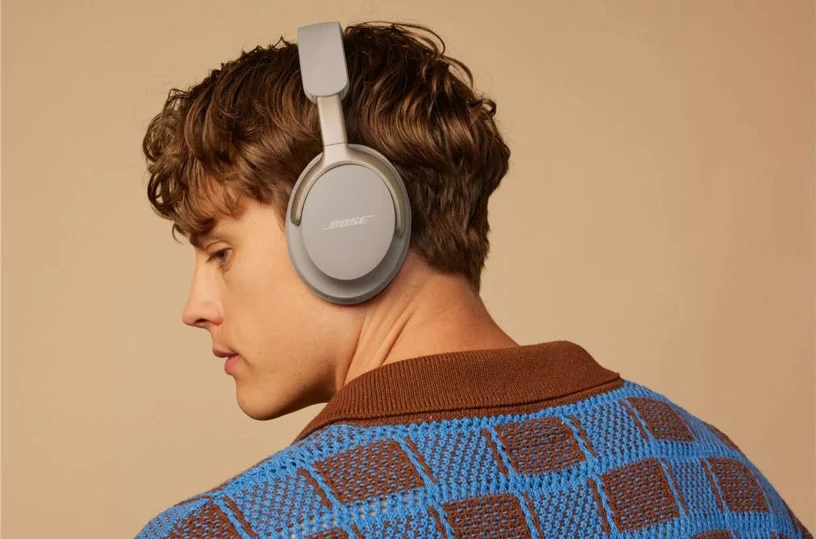
I'm going to be direct with you. If you're looking for one pair of noise-cancelling headphones that does everything well and nothing poorly, the second-generation Bose QuietComfort Ultra Headphones are what I'd tell you to buy. They cost $449, which isn't cheap, but they justify that price in ways that matter.
The comfort situation with these headphones is exceptional. I've worn them for eight-hour workdays without the ear fatigue that plagues many over-ear headphones. The ear cups are plush without being too warm, the headband distributes weight evenly, and the clamping force hits that sweet spot between secure and skull-crushing. For most head shapes and sizes, these are simply the most comfortable premium headphones available.
The noise cancellation is excellent, though I'll be honest that Sony's XM6 edges them out slightly in raw ANC performance. Where Bose wins is in the adjustability of their noise cancellation. You can fine-tune how much of the outside world you want to let in, which matters if you need some situational awareness while still blocking most distractions. The ANC handles low-frequency rumbles like airplane engines and HVAC systems beautifully, though very high-pitched sounds can occasionally sneak through.
Sound quality sits firmly in the premium tier. These aren't audiophile headphones that will reveal hidden details in your favorite albums, but they deliver satisfying, well-balanced audio that makes everything from podcasts to pop music sound great. Most people will be perfectly happy with how these sound.
The practical improvements over the first generation matter more than you might expect. Bluetooth connectivity is more stable. Multipoint pairing, which lets you connect to two devices simultaneously, actually works reliably now. The ear cups fold inward, making the headphones much easier to pack for travel. And the ear cups are replaceable, which means you can extend the lifespan of these headphones by years instead of replacing the whole unit when the cushions wear out.
Battery life easily lasts a full day of use with ANC enabled, which is really all you can ask for.
The main weakness is the on-ear touch controls, which I find less intuitive than physical buttons. But that's a minor complaint about an otherwise excellent product.
Sony WH-1000XM6: The Best Active Noise Cancellation
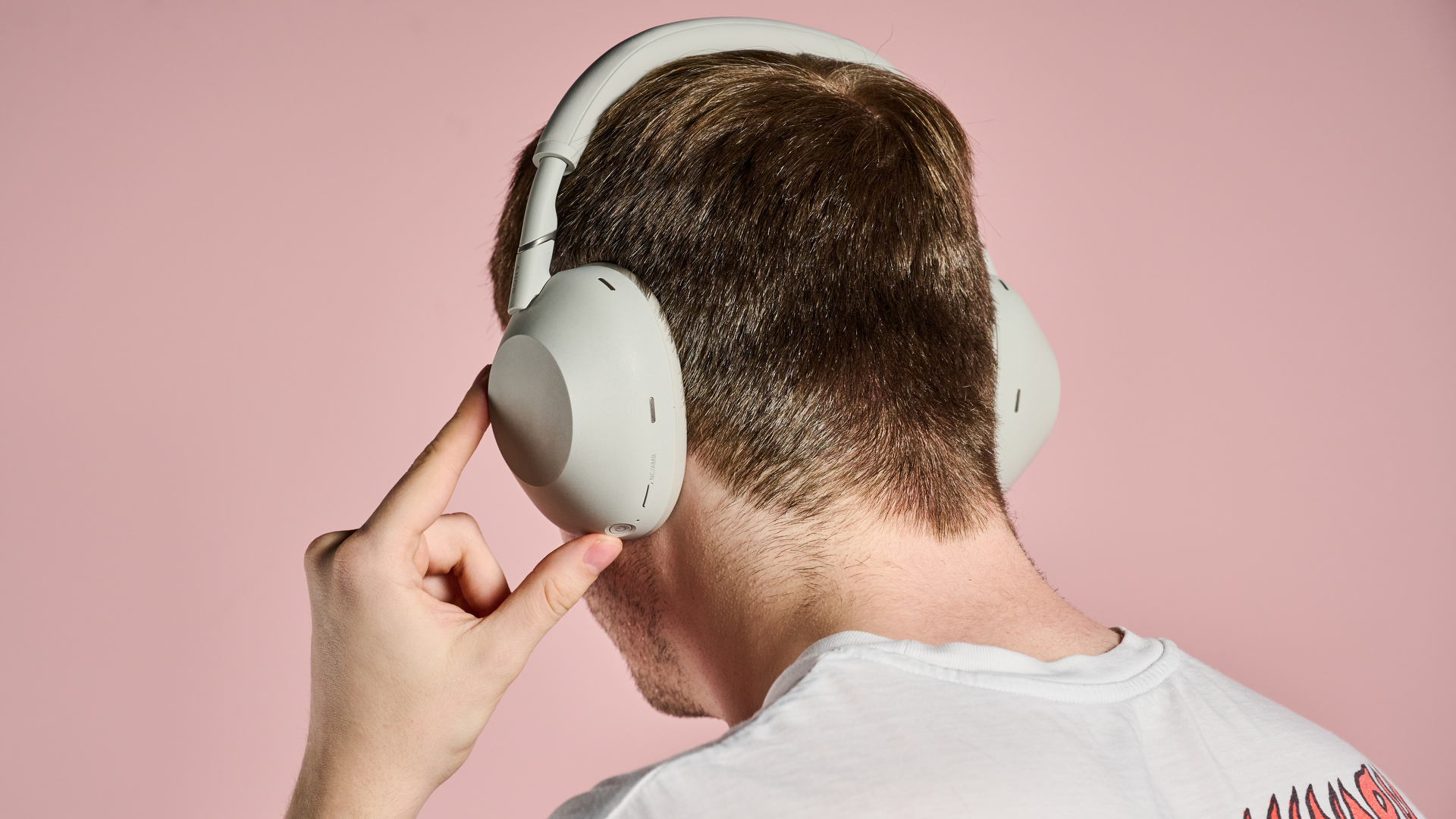
If blocking outside noise is your absolute top priority and you're willing to accept some tradeoffs elsewhere, the Sony WH-1000XM6 headphones deliver the best active noise cancellation I've tested. At $450, they match Bose's flagship pricing and offer a compelling alternative with different strengths.
The ANC on these headphones is remarkable. Sony has refined their noise-cancelling technology over multiple generations, and the XM6 represents the current pinnacle. Airplane cabin noise essentially disappears. Open-plan office chatter gets reduced to a barely perceptible murmur. Construction noise outside my window became background whisper instead of productivity-destroying chaos. If you regularly work or travel in noisy environments and silence is what you crave, these deliver.
Sound quality is arguably better than the Bose offering, with more detail and separation in the audio. The companion app includes an equalizer that's genuinely useful even if you're not an audio expert. You can adjust the sound profile to match your preferences without needing to understand technical audio terminology.
Comfort is good but not quite at Bose's level. I can wear the XM6 headphones for extended periods without problems, but they're slightly heavier and the ear cups run a bit warmer. For most people, this won't be an issue. For all-day wear in warm environments, you might notice the difference.
The twelve microphones dedicated to call quality make these excellent for video conferences and phone calls. Your voice comes through clearly even in noisy environments, which matters increasingly in our remote-work world.
Like the Bose headphones, the ear cups fold inward for easier transport, and battery life is excellent.
If you already own Sony WH-1000XM5 headphones, I wouldn't rush to upgrade. The improvements are real but incremental. If you're buying new or coming from older headphones, the XM6 is genuinely worth the investment for anyone who prioritizes noise cancellation above all else.
Bose QuietComfort Ultra Earbuds (2nd Gen): Best Noise-Cancelling Earbuds

Here's something that would have seemed impossible a few years ago: earbuds that block noise better than most over-ear headphones. The second-generation Bose QuietComfort Ultra Earbuds achieve exactly that, and it's genuinely impressive.
At $250, these aren't cheap earbuds. But they represent the best of both worlds — the portability and convenience of earbuds with noise cancellation that rivals full-size headphones. For people who find over-ear headphones uncomfortable or impractical, this is a revelation.
The noise cancellation really is that good. I tested these on a cross-country flight, and the engine noise reduction rivaled what I've experienced with premium over-ear headphones. The seal these earbuds create in your ear canal is excellent, and Bose's ANC processing is top-tier. In coffee shops and offices, ambient noise drops to almost nothing.
Comfort is where these earbuds shine for all-day use. They're shaped to stay secure without creating pressure points, and I've worn them for hours without the ear fatigue that many earbuds cause. The included ear tips come in multiple sizes to help you find the right fit, which matters enormously for both comfort and noise isolation.
Sound quality matches other premium earbuds in this price range. The spatial audio feature, which attempts to create a more immersive listening experience, is fine but not transformative. I'd call it a nice bonus rather than a reason to buy these.
Call quality has improved meaningfully over the previous generation, with better vocal clarity that makes these viable for work calls.
The main downsides are battery life that lags behind some competitors and multipoint pairing that doesn't quite match the premium price. You can connect to multiple devices, but switching between them isn't always seamless.
For anyone who needs the noise-cancelling power of headphones in the portability of earbuds, these are the clear recommendation.
Panasonic Technics AZ100: Best Earbuds for Audiophiles
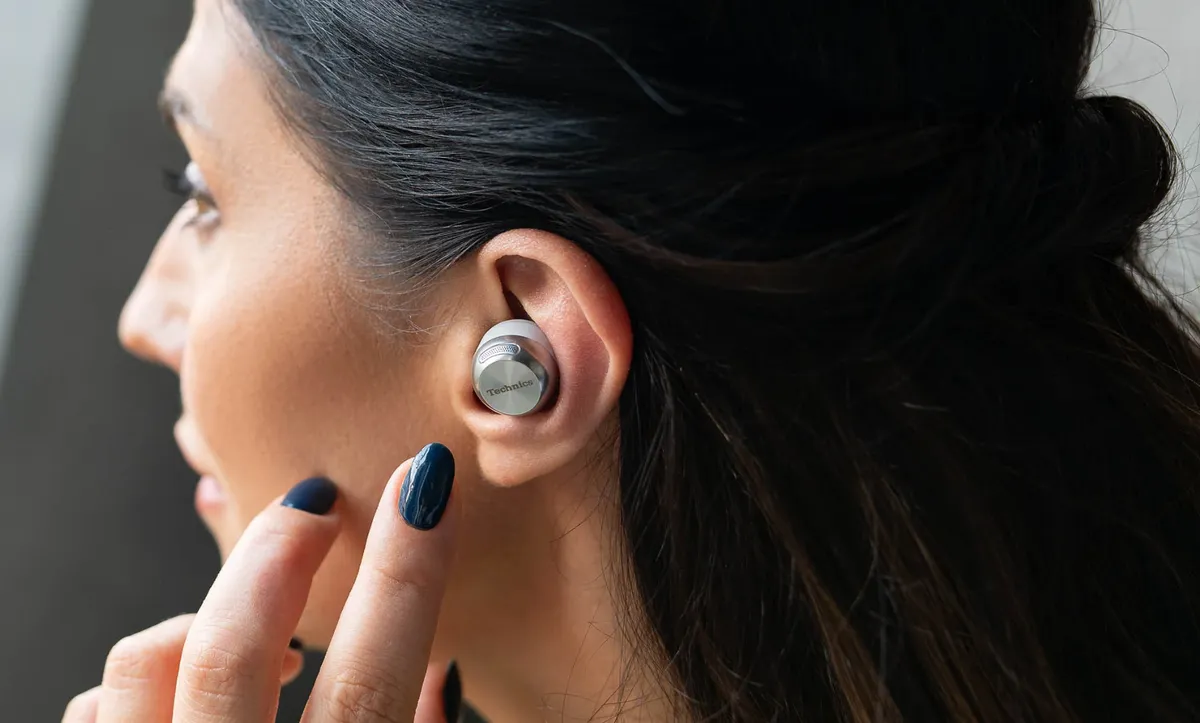
If you care about audio quality above all else and want earbuds rather than headphones, the Panasonic Technics AZ100 earbuds are in a class of their own. At $300, they're an investment, but what you get in return is genuinely exceptional sound.
Technics, for those unfamiliar, is Panasonic's high-end audio brand with decades of credibility among audiophiles. The AZ100 earbuds feature a new type of magnetic fluid driver that Technics developed specifically for this product, and the difference is audible. These earbuds provide clarity and detail that I haven't heard from any other wireless earbuds at any price.
High-frequency details sparkle without becoming harsh. Bass is present and punchy without overwhelming the rest of the spectrum. The midrange, where vocals and most instruments live, is beautifully rendered. If you listen to high-fidelity music and want to actually hear the quality difference, these earbuds deliver in a way that cheaper options simply cannot match.
The active noise cancellation is impressive as well, ranking near the top of what earbuds can achieve. You're not sacrificing noise-blocking capability for audio quality.
The design uses premium materials including metal components, which gives them a satisfying weight and durability. However, that metal construction makes the buds heavier than most competitors, and ear fatigue can be an issue during very extended listening sessions. I found myself taking them out after a few hours in a way I don't with lighter earbuds.
Multipoint pairing for up to three devices works seamlessly, which is useful if you switch between phone, laptop, and tablet regularly.
For true audiophiles who want the best possible sound from wireless earbuds and are willing to pay for it, the Technics AZ100 are the clear choice.
Sony WH-CH720N: Best Noise-Cancelling Headphones Under $100
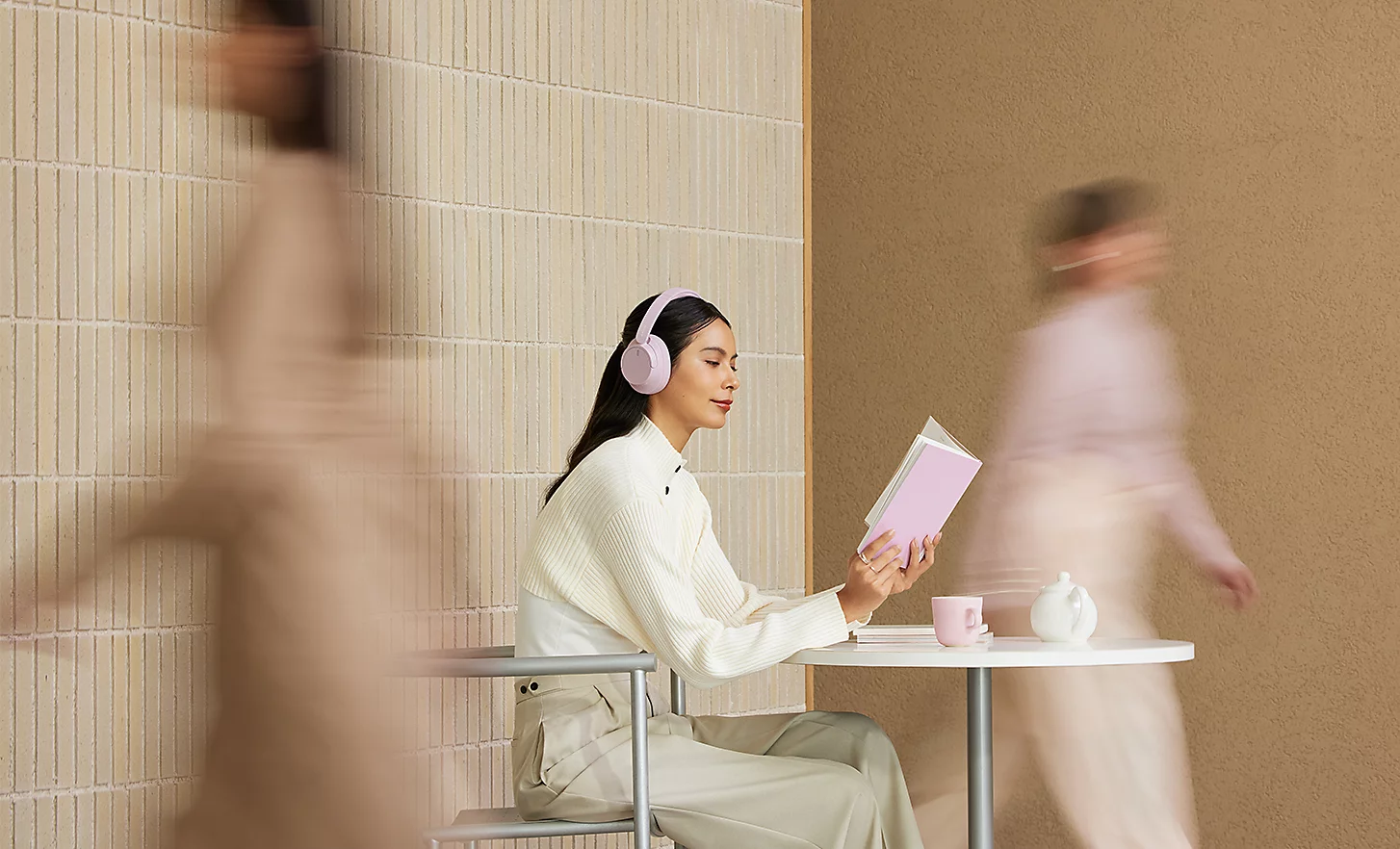
The price gap between budget and premium noise-cancelling headphones has grown enormous. When flagship models cost $450, it feels like an entirely different product category. But not everyone needs or wants to spend that much, and thankfully, there are good options at lower price points.
The Sony WH-CH720N headphones regularly go on sale for under $100, sometimes as low as $70, and they deliver surprisingly good noise cancellation for that price. Sony's expertise in ANC technology trickles down to their budget models, and it shows.
The noise cancellation isn't as powerful as the XM6 headphones, obviously. But it's genuinely effective at reducing ambient noise in a way that makes a real difference during commutes, in offices, or while studying. For the price, I'm genuinely impressed.
Sound quality is decent for the price tier, and the Sony companion app lets you adjust EQ settings to tune the audio to your preferences. Battery life is exceptional at 50 hours, meaning you can go weeks between charges with typical use.
The tradeoffs at this price point are real. The all-plastic construction feels less premium than more expensive options. Build quality is mediocre. Call quality won't impress anyone. But for the core experience of listening to audio with effective noise cancellation, these punch well above their price.
If your budget is genuinely limited and you need noise-cancelling headphones that work, the WH-CH720N is what I'd recommend without hesitation.
EarFun Air Pro 4: Best Noise-Cancelling Earbuds Under $100
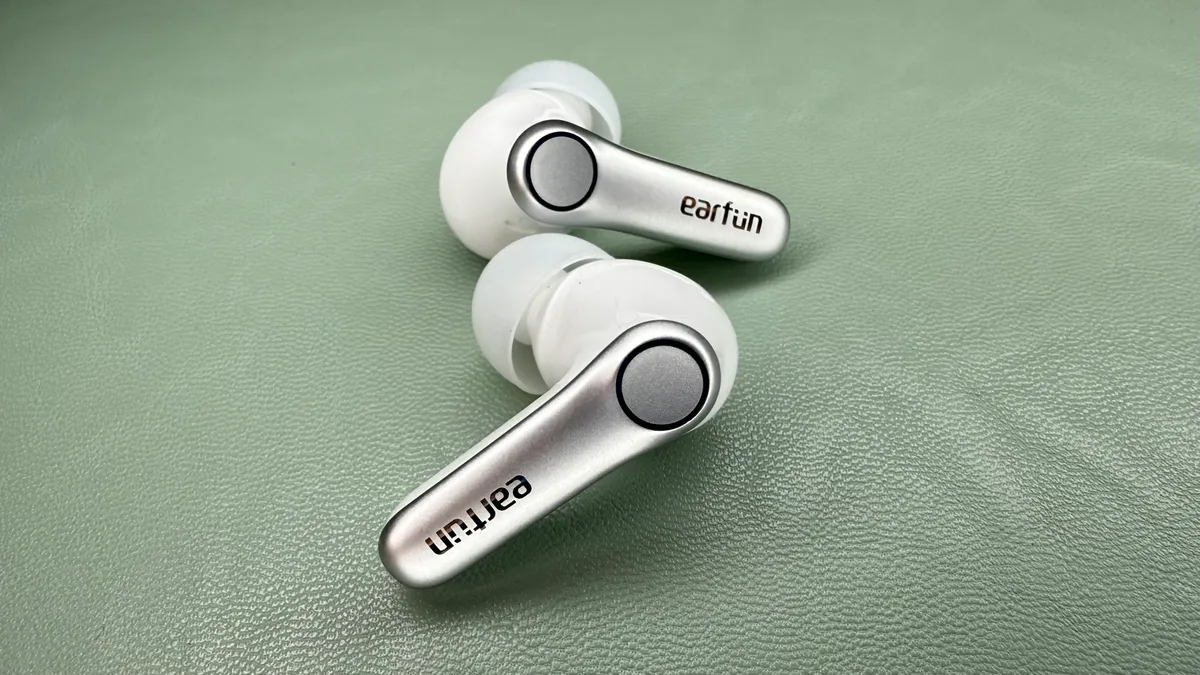
The EarFun Air Pro 4 earbuds regularly sell for around $50-60, and they offer some of the best noise cancellation you can get under $100. For budget-conscious buyers who want earbuds rather than headphones, these are a fantastic value.
The noise cancellation is genuinely impressive for the price. These aren't going to match the Bose QuietComfort Ultra Earbuds, but they reduce ambient noise effectively enough to make a real difference in noisy environments. Different levels of noise cancellation let you choose how much of the outside world to block.
The companion app offers customization options similar to earbuds at much higher price points, including solid equalizer functions. This level of control is unusual at this price.
Battery life is excellent, and multipoint pairing actually works — again, unusual at this price tier where features are often half-baked.
The touch controls are just okay, not great. The charging case is bulkier than I'd prefer. But these are minor complaints about earbuds that deliver far more than their price would suggest.
Anker Soundcore Life P3i: Best Noise-Cancelling Earbuds Under $50
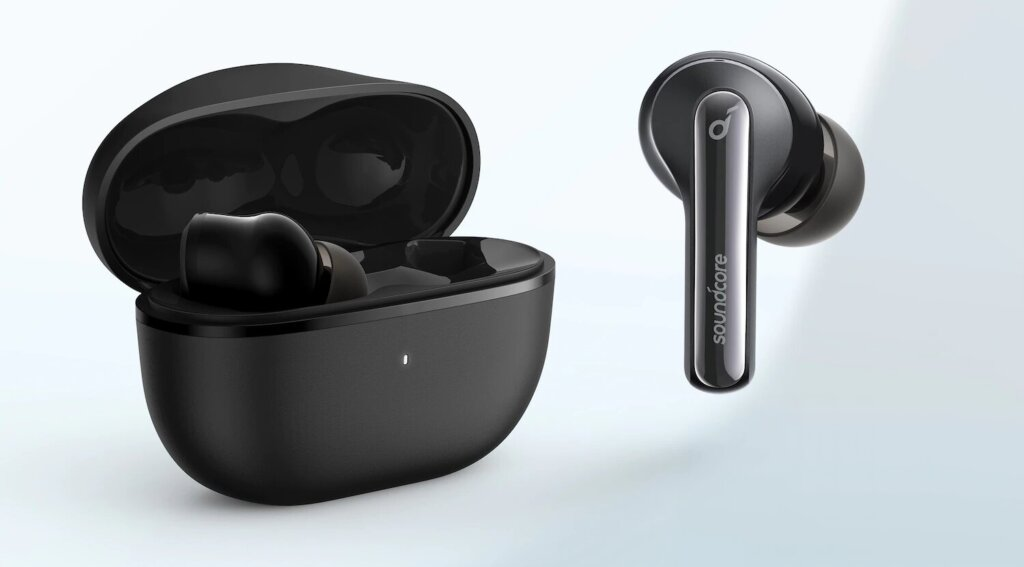
At $25, the Anker Soundcore Life P3i earbuds are almost absurdly cheap for what they deliver. If your budget is genuinely tight and you want noise-cancelling earbuds that actually work, these are the recommendation.
Sound quality is impressive for the price point. The companion app includes a nice equalizer for tuning the audio to your preferences. Comfort is solid for extended wear.
The noise cancellation is the weak point — it's okay but not amazing. Don't expect these to block noise like premium earbuds. But they do provide meaningful reduction in ambient sound, which is more than you'd expect at this price.
The main frustration is that switching between devices requires re-pairing, which is annoying if you use your earbuds with multiple gadgets. But at $25, I can forgive a lot.
For students, for backup earbuds, or for anyone who wants to try noise-cancelling earbuds without significant investment, the Life P3i are an easy recommendation.
Bowers & Wilkins Px8 S2: Best Splurge Headphones
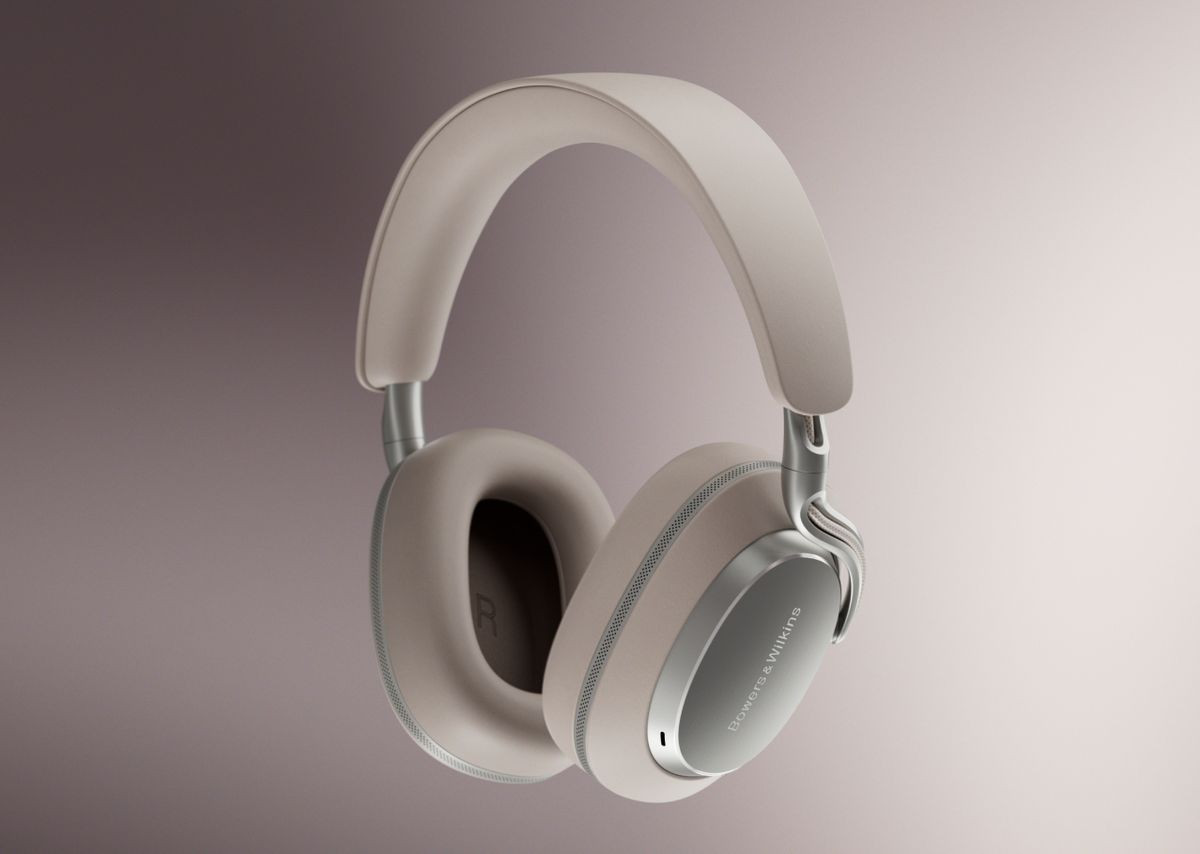
At $799, the Bowers & Wilkins Px8 S2 headphones cost nearly double what Bose and Sony charge for their flagships. That's a lot of money for headphones. But for audiophiles and anyone who wants the absolute best, these deliver an experience that justifies the price.
The audio quality is simply exceptional. These are headphones for people who care deeply about how their music sounds, who notice details and nuances that most listeners miss. High-fidelity recordings reveal layers of detail through the Px8 S2 that even excellent headphones like the Sony XM6 can't match. If you've invested in lossless audio streaming and want headphones that can actually reproduce that quality, these are it.
The design features premium leather and metal components that look and feel luxurious. These aren't just good headphones; they're beautiful objects that communicate quality immediately.
Comfort is excellent for extended listening sessions. The ANC is top-tier, easily matching the best noise cancellation available.
The price is the obvious barrier. $799 is a lot to spend on headphones, and for most people, the premium over less expensive options isn't justified. But for those who prioritize audio quality above all else and have the budget, the Px8 S2 headphones are genuinely worth considering.
Apple AirPods Pro 3: Best for Apple Users
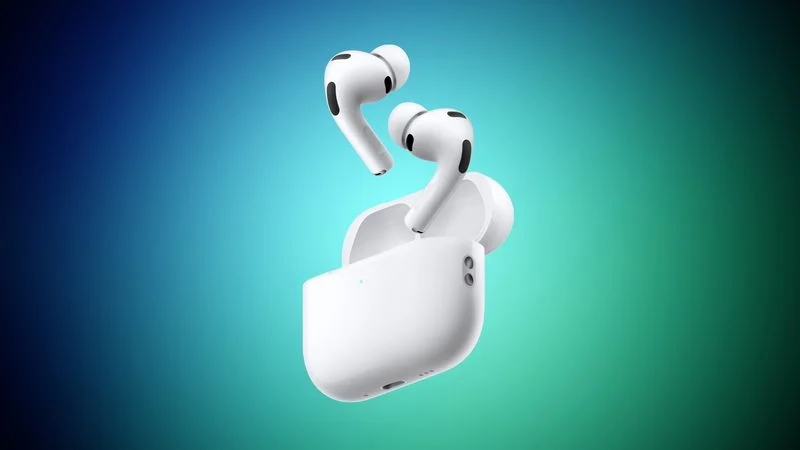
If you're deeply embedded in Apple's ecosystem — iPhone, Mac, iPad, Apple Watch — the AirPods Pro 3 offer an integration experience that no other earbuds can match. At $230, they're not cheap, but they provide genuine value for Apple users.
The seamless pairing with Apple devices is genuinely magical. Pop open the case near your iPhone, and they connect instantly. Switch between your phone, laptop, and tablet without manually re-pairing. The Spatial Audio feature with head tracking works beautifully with supported content.
Noise cancellation is excellent, ranking among the best earbuds I've tested. The ANC has improved meaningfully over previous AirPods generations.
The new features in the third generation include a built-in heart rate monitor that integrates with Apple Fitness, live translation capabilities, and improved battery life. These additions make the AirPods Pro 3 more than just headphones — they're genuinely useful health and productivity tools for Apple users.
Sound quality is very good with plug-and-play simplicity. The lack of a custom equalizer is frustrating if you like to tune your audio, but Apple clearly prioritizes simplicity over customization.
For Android users, the AirPods Pro 3 lose most of their advantages. You'll get the ANC and sound quality, but the seamless integration that justifies the price simply doesn't exist outside Apple's ecosystem.
Sony ULT Wear: Best for Bass Lovers
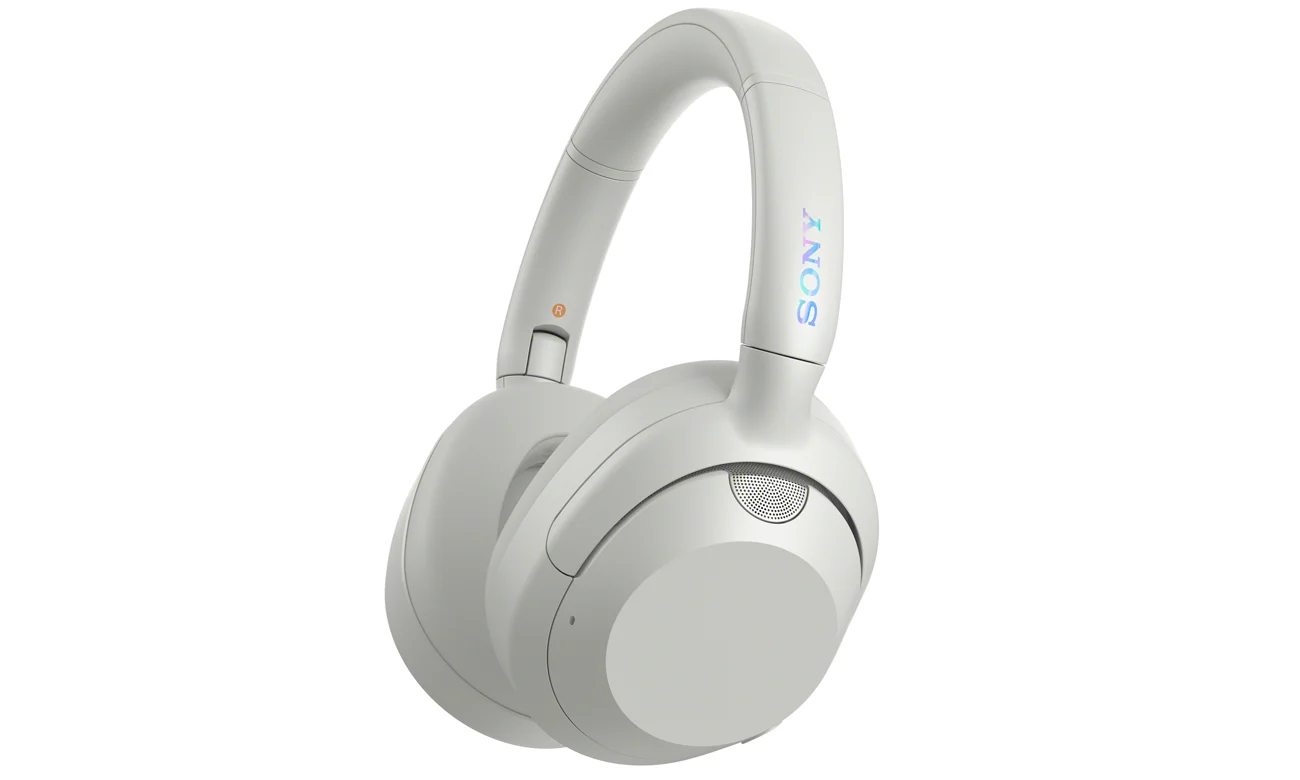
Some people know what they want from their headphones: bass. Lots of it. If you're one of those people, the Sony ULT Wear headphones deliver exactly that without sacrificing overall sound quality.
At around $250, these headphones offer a more affordable alternative to Sony's flagship XM6 while delivering comparable battery life and sound quality for most listeners. The difference is the emphasis on bass, which is powerful and punchy in a way that bass enthusiasts will love.
Importantly, these aren't all bass all the time. The sound is actually well-balanced, but with bass that hits harder when music calls for it. Hip-hop, electronic music, and anything with prominent low-end sounds fantastic on these.
The tradeoffs include microphone quality that could be better and a design that's bulkier than sleeker competitors. But for bass-focused listeners who want quality headphones without paying flagship prices, the ULT Wear are a compelling option.
Sony WF-1000XM5 Earbuds: Honorable Mention
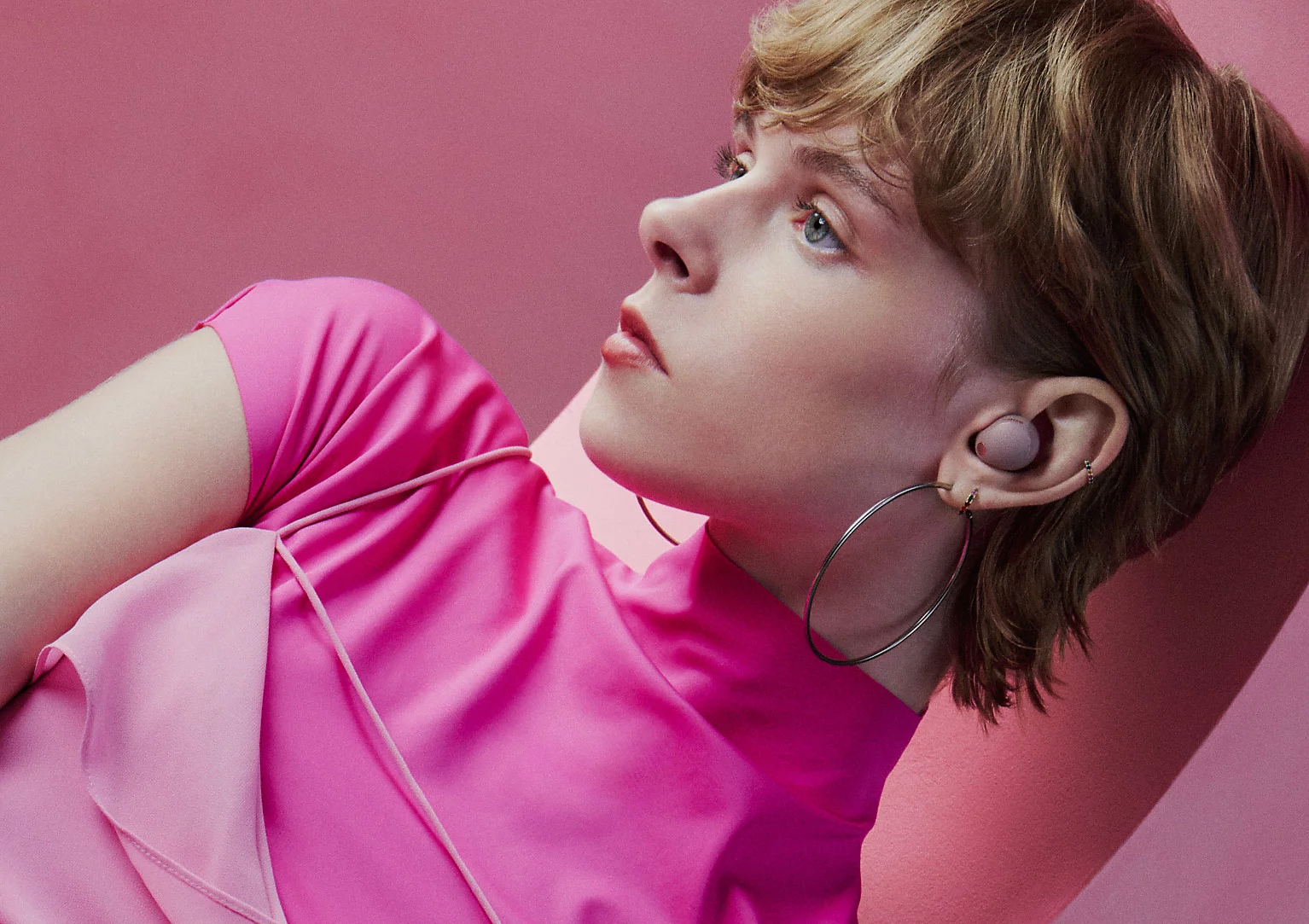
I'm including the Sony WF-1000XM5 earbuds as an honorable mention because they remain excellent even though they're now a couple of generations behind newer competitors from Bose, Apple, and Panasonic.
At around $290, these earbuds offer excellent sound quality that rivals much of what's available today. The multipoint pairing works well. The fit is comfortable for people who don't get along with AirPods-style designs.
They're not the newest or most feature-rich earbuds anymore, but they hold up surprisingly well. If you find them on sale, they're still worth considering as a proven, reliable option.
What to Consider When Choosing Noise-Cancelling Headphones
Beyond the specific recommendations above, there are some general factors worth thinking about as you make your decision.
Headphones versus earbuds is the first choice. Over-ear headphones generally provide better noise cancellation because they can fit more microphones and create a better seal around your ears. But they're bulky, can be warm, and some people simply don't like the feeling of headphones clamped to their head. Earbuds are more portable and often more comfortable for extended wear, but even the best earbuds can't quite match the ANC performance of premium headphones. Choose based on your lifestyle and comfort preferences.
Comfort matters more than you might think. The best-sounding headphones in the world are useless if you can't wear them for more than an hour. If possible, try headphones in person before buying, or purchase from retailers with good return policies. Head shapes and ear sizes vary, and what's comfortable for one person might be uncomfortable for another.
Battery life needs vary by use case. If you're using headphones for a daily commute, almost anything will have enough battery. If you're taking long international flights or working all-day sessions, longer battery life becomes more important. Most premium headphones now offer 20-30 hours of battery life with ANC enabled, which is sufficient for most users.
Multipoint pairing lets headphones connect to multiple devices simultaneously — typically your phone and computer. This sounds like a minor convenience feature, but it's genuinely useful if you switch between devices regularly. Not all headphones implement multipoint equally well, so pay attention to reviews if this matters to you.
Sound signature varies between brands and models. Some headphones emphasize bass, others prioritize accuracy, others aim for a "fun" sound that makes everything feel exciting. There's no objectively correct sound signature — it's about what you enjoy. If you have strong preferences, look for headphones that match them.
The Quick Verdict: What to Buy Based on Your Needs
Before I dive deep into each recommendation, let me give you the short version based on what you're actually looking for.
If you want the best overall experience for most people, get the Bose QuietComfort Ultra Headphones (2nd Gen) at $449. They nail the balance of comfort, sound quality, and noise cancellation better than anything else on the market.
If you want the absolute best active noise cancellation regardless of other factors, the Sony WH-1000XM6 at $450 edges out everything else in pure ANC performance.
If you want premium noise-cancelling earbuds instead of over-ear headphones, the Bose QuietComfort Ultra Earbuds (2nd Gen) at $250 block noise better than most over-ear headphones, which is genuinely impressive for earbuds.
If you're on a budget and need headphones under $100, the Sony WH-CH720N regularly goes on sale for under $100 and delivers shockingly good ANC for the price.
If you're on a tighter budget and need earbuds under $50, the Anker Soundcore Life P3i at $25 offers solid noise cancellation at a price that feels almost unfair to the competition.
If you're an audiophile who prioritizes sound quality above all else, either the Bowers & Wilkins Px8 S2 at $799 for headphones or the Panasonic Technics AZ100 at $300 for earbuds will make your ears very happy.
If you're deep in the Apple ecosystem, the AirPods Pro 3 at $230 integrate so seamlessly with Apple devices that nothing else comes close for iPhone and Mac users.
Now let me explain why each of these earned their spot.
Frequently Asked Questions
What are the best noise-cancelling headphones in 2026?
For most people, the Bose QuietComfort Ultra Headphones (2nd Gen) at $449 offer the best overall combination of comfort, sound quality, and noise cancellation. If you prioritize pure ANC performance above all else, the Sony WH-1000XM6 at $450 edges out the competition for noise-cancelling strength. Both are excellent choices that justify their premium pricing.
What are the best noise-cancelling earbuds in 2026?
The Bose QuietComfort Ultra Earbuds (2nd Gen) at $250 provide the best noise cancellation in earbud form, rivaling many over-ear headphones. For audiophiles who prioritize sound quality, the Panasonic Technics AZ100 at $300 offer unmatched audio performance. Apple users will find the AirPods Pro 3 at $230 integrate seamlessly with their devices.
What are the best noise-cancelling headphones under $100?
The Sony WH-CH720N headphones regularly go on sale for under $100 and deliver surprisingly good ANC along with 50 hours of battery life. For earbuds, the EarFun Air Pro 4 at around $50-60 and the Anker Soundcore Life P3i at $25 both offer impressive noise cancellation for their price points.
Are expensive noise-cancelling headphones worth it?
Premium noise-cancelling headphones ($400+) genuinely provide better ANC performance, superior sound quality, and more comfortable materials than budget options. Whether that's "worth it" depends on your usage and budget. If you use headphones daily for work or travel, the improved experience justifies the investment for most people. For occasional use, budget options may suffice.
How much should I spend on noise-cancelling headphones?
Budget $50-100 for decent noise cancellation that gets the job done. Budget $200-300 for very good ANC with solid sound quality. Budget $400-500 for the best combination of comfort, sound, and noise cancellation from mainstream brands. Budget $700+ only if you're an audiophile who prioritizes sound quality above all else.
Bose vs Sony: Which noise-cancelling headphones are better?
Both Bose and Sony make excellent noise-cancelling headphones. Bose QuietComfort Ultra Headphones (2nd Gen) offer superior comfort and very good ANC. Sony WH-1000XM6 headphones offer slightly better noise cancellation and arguably better sound quality. The choice often comes down to personal preference for comfort and sound signature. You can't go wrong with either.
Are AirPods Pro worth it for noise cancellation?
The AirPods Pro 3 offer excellent noise cancellation that ranks among the best earbuds available. For Apple users, the seamless integration with iPhone, Mac, and iPad adds significant value. For non-Apple users, other earbuds at similar prices offer comparable or better ANC without the Apple ecosystem benefits.
Do noise-cancelling headphones work on airplanes?
Yes, noise-cancelling headphones are particularly effective on airplanes because they excel at blocking the low-frequency drone of aircraft engines. Premium ANC headphones can reduce cabin noise dramatically, making flights much more comfortable. This is one of the most common and valuable use cases for noise-cancelling technology.
Can noise-cancelling headphones damage hearing?
Noise-cancelling headphones don't inherently damage hearing and may actually protect it by allowing you to listen at lower volumes in noisy environments. Without ANC, people often turn up volume to unsafe levels to overcome ambient noise. With effective noise cancellation, you can enjoy audio at safer volumes.
How long do noise-cancelling headphones last?
Quality noise-cancelling headphones typically last 3-5 years with regular use. Battery capacity gradually decreases over time, which is often the limiting factor. Replaceable ear cushions, like those on the Bose QuietComfort Ultra, can extend lifespan significantly. Premium build materials generally last longer than all-plastic construction.
Are wireless noise-cancelling headphones as good as wired?
Modern wireless noise-cancelling headphones have essentially closed the gap with wired options for most listeners. Bluetooth codecs like LDAC and aptX HD provide high-quality audio transmission. The convenience of wireless typically outweighs any remaining audio quality differences for all but the most demanding audiophiles.
What's the difference between active and passive noise cancellation?
Passive noise cancellation is physical blocking of sound through materials and seal — like how earplugs work. Active noise cancellation (ANC) uses microphones and speakers to electronically cancel ambient noise by generating inverse sound waves. Most quality headphones provide both: passive isolation from the physical design plus active cancellation from the electronics.
The noise-cancelling headphone market can feel overwhelming with all the options and technical jargon. But ultimately, the best headphones are the ones that fit your needs, your budget, and your head comfortably. I hope this guide helps you find exactly that.
If you take away one thing, it's this: the premium options from Bose and Sony genuinely deliver excellent experiences that justify their prices for daily use. But if budget is a concern, the cheaper options I've recommended are genuinely good — not just "good for the price" but actually good. Don't let anyone tell you that you need to spend $450 to get quality noise cancellation.
Related Articles
 Dani
Dani
 Dani
Dani
 Dani
Dani