Let me take you back for a moment. It's 1997. You're sitting on your bedroom floor, carefully recording songs from the radio onto a blank cassette tape, timing the pause button perfectly to avoid the DJ's voice. Your Walkman is clipped to your jeans. Your walls are covered in posters you carefully tore from magazines. Technology felt tangible, personal, and weirdly magical in a way that today's sleek glass rectangles never quite capture.
If you're a millennial like me, you probably have a complicated relationship with nostalgia. We grew up straddling two completely different worlds — an analog childhood filled with mixtapes, CD towers, and actual photo albums, followed by a digital adulthood where everything lives invisibly in the cloud. We remember when gadgets had personality, when your music collection said something about who you were, and when you could actually touch and see the technology you used.
Here's what I've been noticing lately: the 90s are coming back in a big way, and I'm not just talking about fashion trends or TV reboots. Product designers have figured out something important. They're taking the forms and feelings we loved from that era and combining them with the technology we expect in 2026. The result is a new category of products that feel familiar and exciting at the same time.
I've spent the past few months tracking down the best examples of this trend, and I want to share what I've found with you. These aren't dusty relics or cheap knockoffs. They're thoughtfully designed products that capture what made the 90s special while delivering genuine modern functionality. Whether you're building a retro-inspired space, looking for gifts that'll hit fellow millennials right in the feels, or just want technology that sparks joy instead of disappearing into the background, these seven products deserve your attention.
Why 90s Nostalgia Hits Different for Millennials
Before I dive into the products, I think it's worth understanding why this particular brand of nostalgia resonates so strongly with our generation.
Millennials experienced a unique transition that no other generation has gone through in quite the same way. We were the last generation to have a fully analog childhood. We did homework in libraries using actual books. We made plans with friends without cell phones and just showed up hoping everyone remembered. We experienced music through physical formats that required intention and commitment.
Then, during our formative teenage and young adult years, everything changed. The internet went mainstream. Cell phones became smartphones. Music went from CDs to MP3s to streaming. We watched physical objects dissolve into digital services in real-time.
This gives us a perspective that younger generations simply don't have. Gen Z grew up with smartphones in their hands. They don't remember a world before streaming, before social media, before everything was connected. For them, the 90s are ancient history, interesting in an abstract way but not emotionally resonant.
For millennials, the 90s represent the last time technology felt human-scaled and personal. Gadgets had character. They came in colors. They made sounds. You could see how they worked, sometimes literally through transparent plastic shells. There was a tactile relationship with technology that today's invisible, seamless experiences don't provide.
That's why products that bring back 90s aesthetics while incorporating modern capabilities hit us so hard. They're not just nostalgic — they're offering something we've been missing without realizing it. A return to technology that has presence and personality.
1. Samsung AI OLED Cassette and Turntable: The Future of Retro Audio
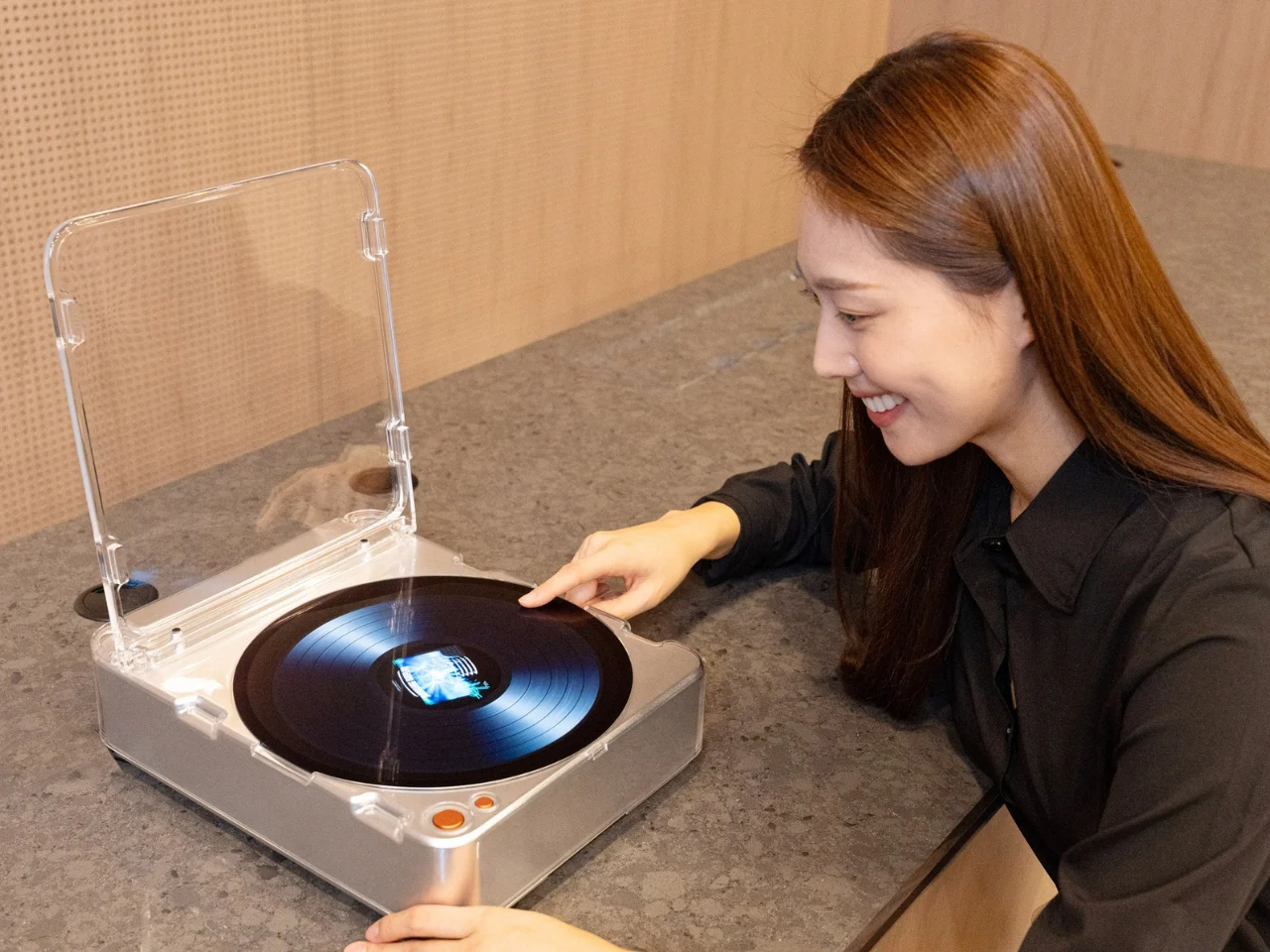
When Samsung unveiled these concept devices at CES 2026, I actually gasped. Not because they're the most technologically advanced products at the show — they weren't — but because they perfectly captured something I'd been craving without knowing how to articulate it.
The AI OLED Cassette takes the iconic silhouette of a tape deck and transforms it into a smart speaker. Where those mesmerizing spinning reels used to be, there are now two 1.5-inch circular OLED displays. The left screen handles playback controls. The right displays a digital waveform that dances and pulses with your music, recreating that hypnotic visual experience of watching tape reels spin. Both screens respond to touch, so you can control your music directly without reaching for your phone.
The Turntable concept goes even bigger with a 13.4-inch circular OLED touchscreen that mimics an actual vinyl record player. But this isn't just about displaying a static image of album art. The screen becomes a dynamic visual experience, showing ambient animations that respond to and complement whatever you're listening to. Jazz might trigger swirling organic shapes. Electronic music might generate geometric patterns that pulse with the beat. The AI learns your listening habits and suggests new music, all displayed on this gorgeous circular screen.
I want to be honest with you — these are concept devices, not products you can buy today. Samsung hasn't announced production plans or pricing. But they represent something important: a major tech company recognizing that people want technology with visual presence and nostalgic charm, not just another black rectangle.
If Samsung does bring these to market, expect premium pricing that puts them above typical smart speakers. The cassette's small displays might be challenging for detailed interactions. And purists might object to calling something without physical media playback a "turntable." But for millennials who miss the visual and tactile experience of physical music formats, these concepts point toward an exciting future.
2. Harmony Flame Fireplace: Real Fire, Modern Safety
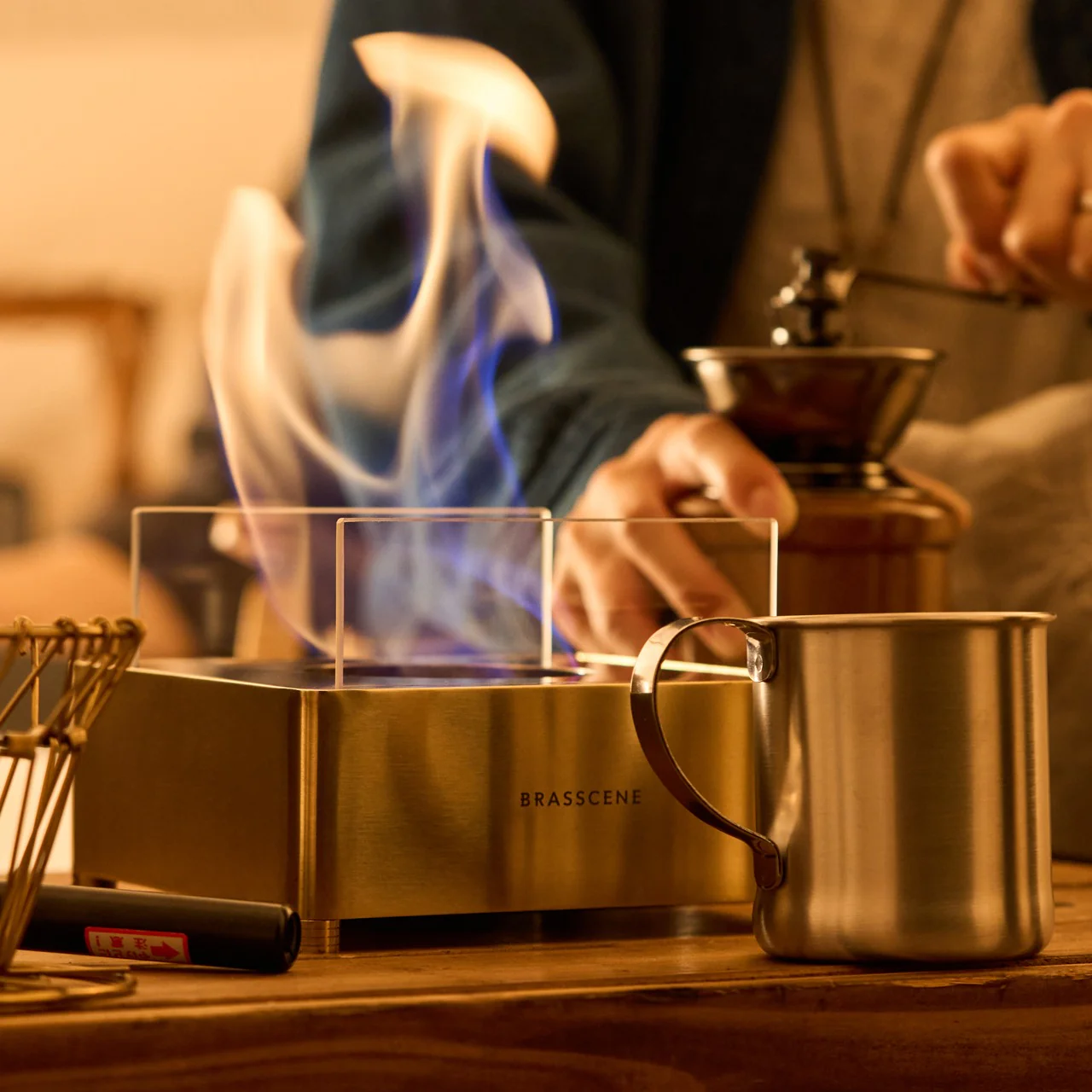
There's something about fire that screens can never replicate. The unpredictable flicker, the warmth on your face, the primal comfort of gathering around flames. In the 90s, fire pits and candles created natural gathering spots before everyone retreated to separate screens. This brass lamp brings that experience back in a form that works for modern living.
The Harmony Flame is a portable fireplace crafted by artisans who typically make musical instruments. That pedigree shows in the meticulous attention to detail. The brass box burns bioethanol, an eco-friendly fuel that produces real flames without smoke, odor, or the mess of traditional fireplaces. Light reflects off the polished brass surface, creating shifting patterns as the flames dance. Every moment is unique, organic, unrepeatable.
What strikes me most about this product is how it addresses a specific memory from the 90s that I didn't realize I was missing. Before smartphones, gathering around a fire — whether a backyard fire pit, a fireplace, or even just candles on a table — created natural focal points for conversation and connection. The fire gave you something to look at together, something to share, without demanding individual attention the way screens do.
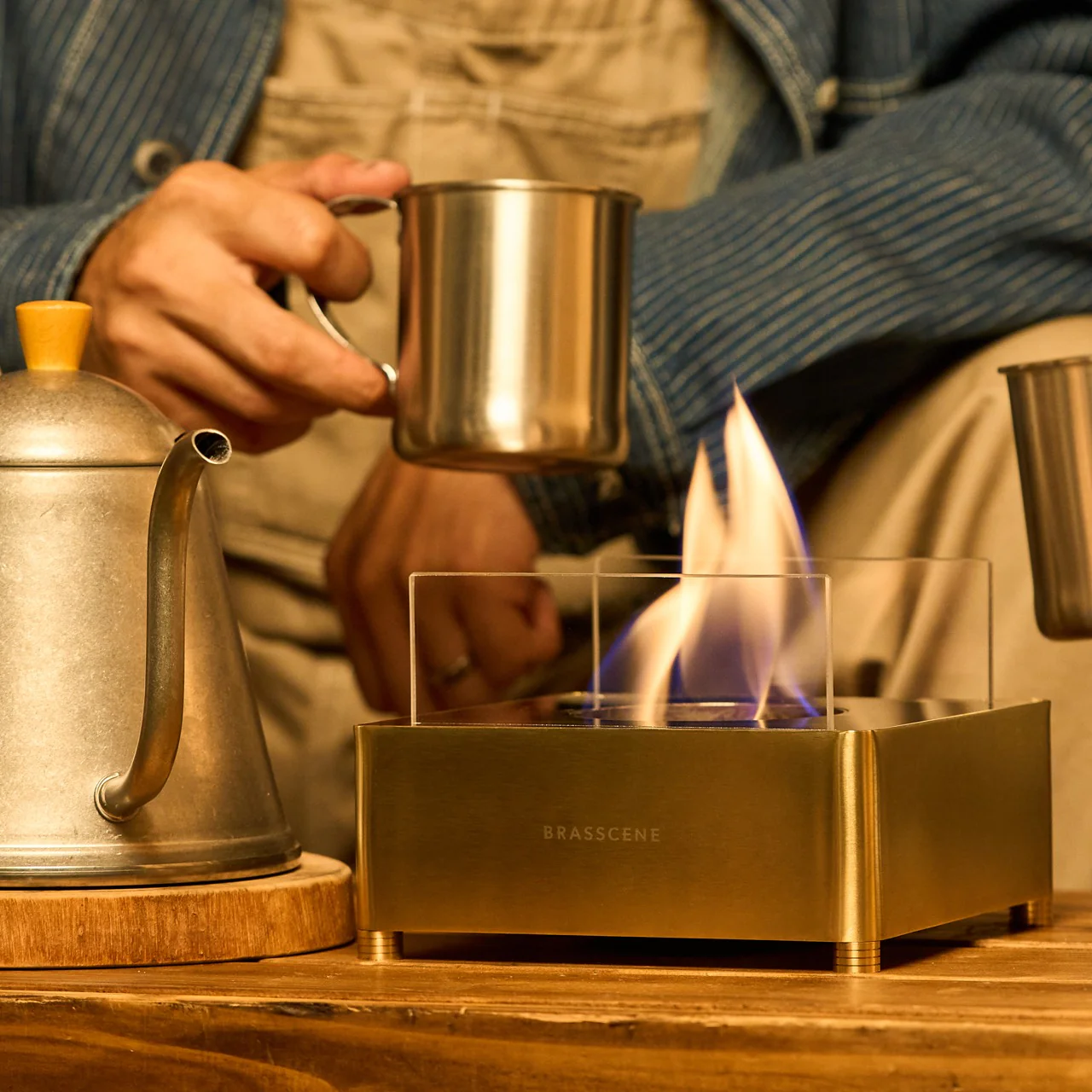
The bioethanol fuel burns clean enough for indoor use, which means you can place this on a dining table, a coffee table, a bathroom counter, or anywhere you want to create atmosphere. No installation required. No chimney needed. You just fill it, light it, and enjoy.
At $239, it's an investment compared to candles, and you'll have ongoing fuel costs. Open flames always require caution around children or pets. The brass needs occasional polishing to maintain its shine. But for creating genuine ambiance that brings people together the way 90s gatherings did, nothing else quite compares.
3. RetroWave 7-in-1 Radio: Prepared for Anything
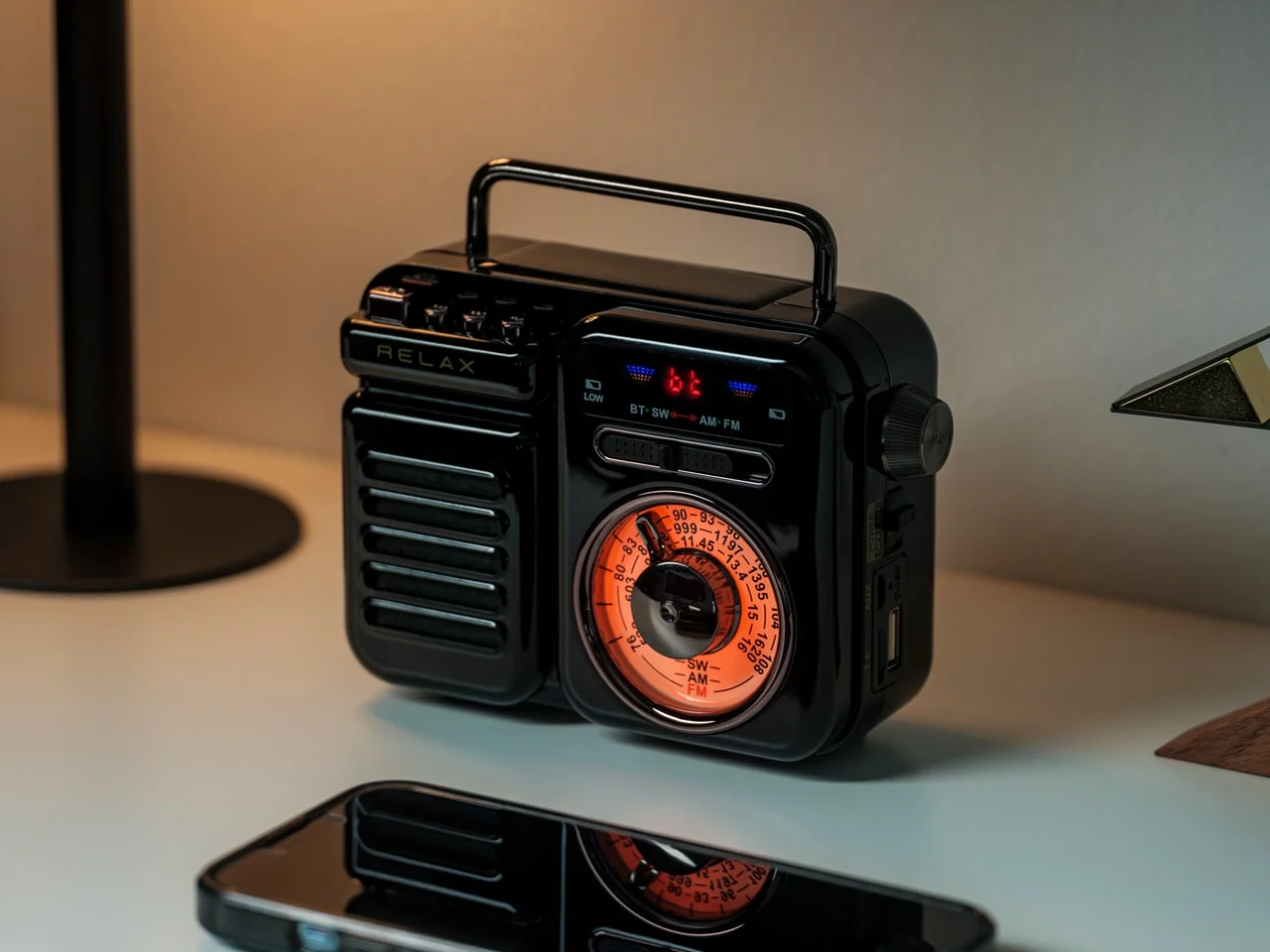
This radio looks like it came straight from a 90s camping catalog, with chunky buttons and an aesthetic that screams "adventure." But what's inside goes far beyond what any 90s radio could offer, packing seven distinct functions into one device that handles both daily entertainment and emergency preparedness.
You get a Bluetooth speaker for streaming from your phone, an MP3 player with USB and microSD slots for offline music, AM/FM radio for local stations, shortwave radio for international broadcasts, a flashlight, a clock, a power bank for charging other devices, and an SOS alarm. Hand-crank and solar charging options mean it works even when the power grid doesn't.
The shortwave radio capability particularly appeals to me. In the 90s, scanning shortwave frequencies offered a window into distant cultures and global perspectives without needing internet access. That sense of discovery — spinning a dial and suddenly hearing a broadcast from another continent — was magical in a way that algorithm-curated content can't replicate. This radio brings that experience back while adding all the modern conveniences you'd expect.
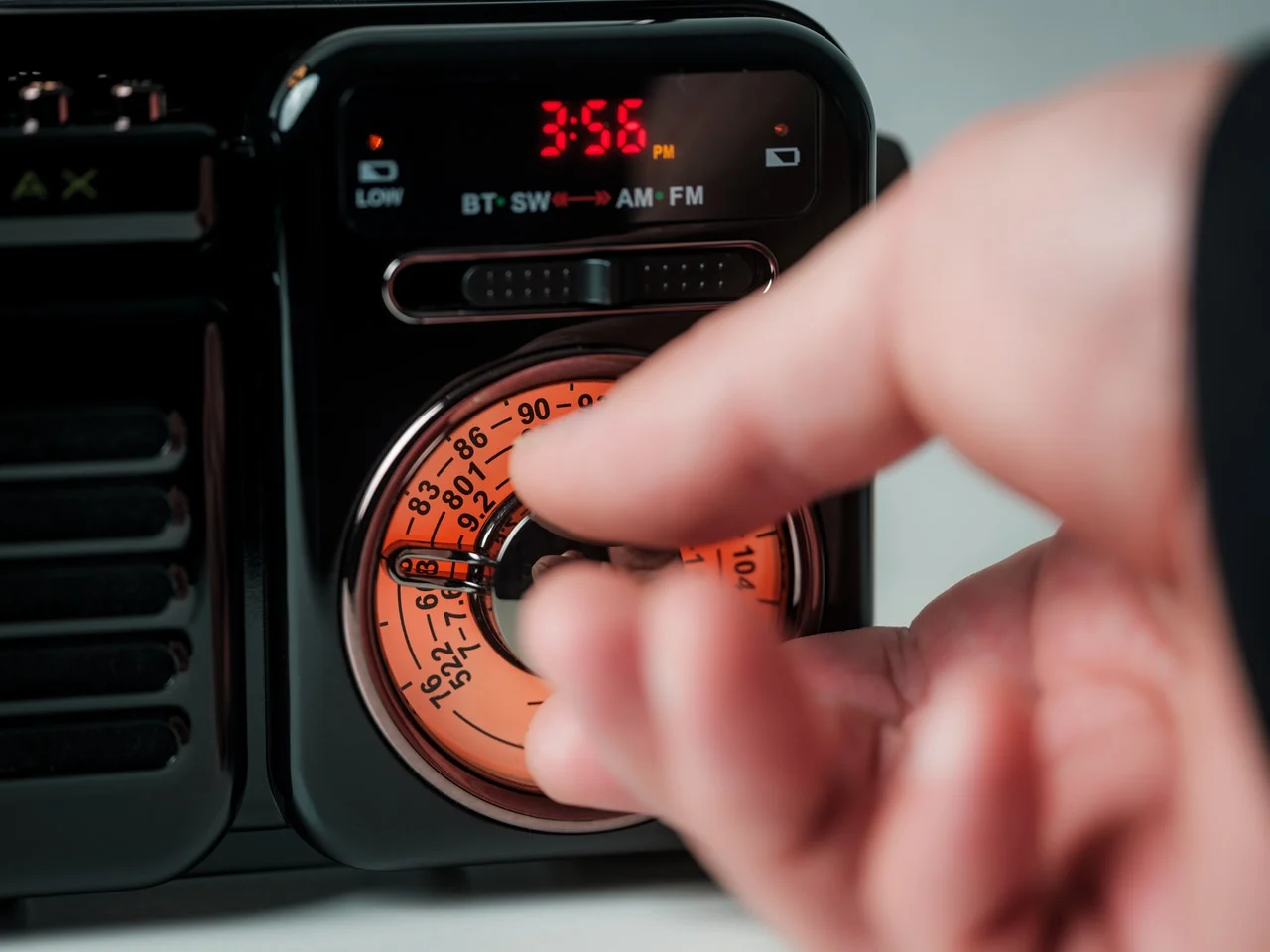
At $89, this represents genuine value for a device that replaces multiple separate gadgets. The emergency features aren't just theoretical — they're genuinely useful for power outages, camping trips, or natural disaster preparedness. The 90s-inspired design makes it attractive enough to keep visible rather than buried in an emergency kit.
The tradeoffs are what you'd expect from a multipurpose device. Each individual function might not match a specialized alternative. Hand-crank charging requires real effort for limited power return. Shortwave reception varies dramatically by location. But for versatility in a package that looks great and connects to 90s nostalgia, the RetroWave delivers.
4. Perpetual Orrery Kinetic Art: Science Made Beautiful
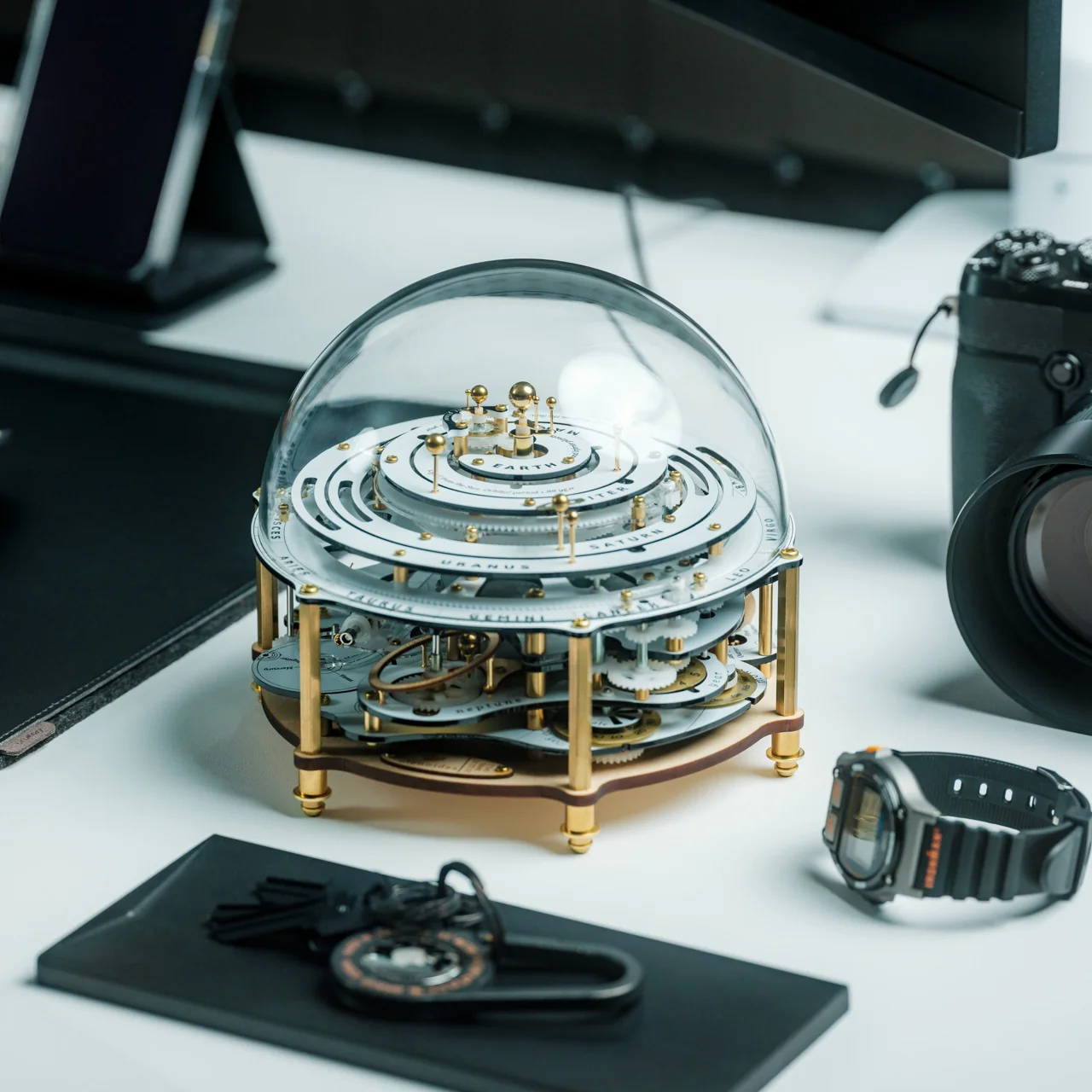
Remember those educational toys from the 90s that made learning tangible and physical? Before everything became apps and videos, we had objects you could touch and watch and learn from directly. This mechanical solar system model channels that philosophy into a stunning desktop sculpture.
The Perpetual Orrery recreates our solar system using intricate mechanisms similar to sophisticated wristwatches. Planets circle the sun at their relative orbital speeds. The moon cycles through visible phases. Even the Tempel-Tuttle comet makes its elliptical journey, appearing periodically like its celestial counterpart. The whole thing moves perpetually through purely mechanical means — no batteries or power required.
The design draws inspiration from 18th-century European orreries that once graced aristocratic libraries, but scaled down for desktop display. Every gear and orbit is precisely calibrated. Brass and metal construction gives it substantial weight and permanence, qualities often missing from modern gadgets designed for planned obsolescence.
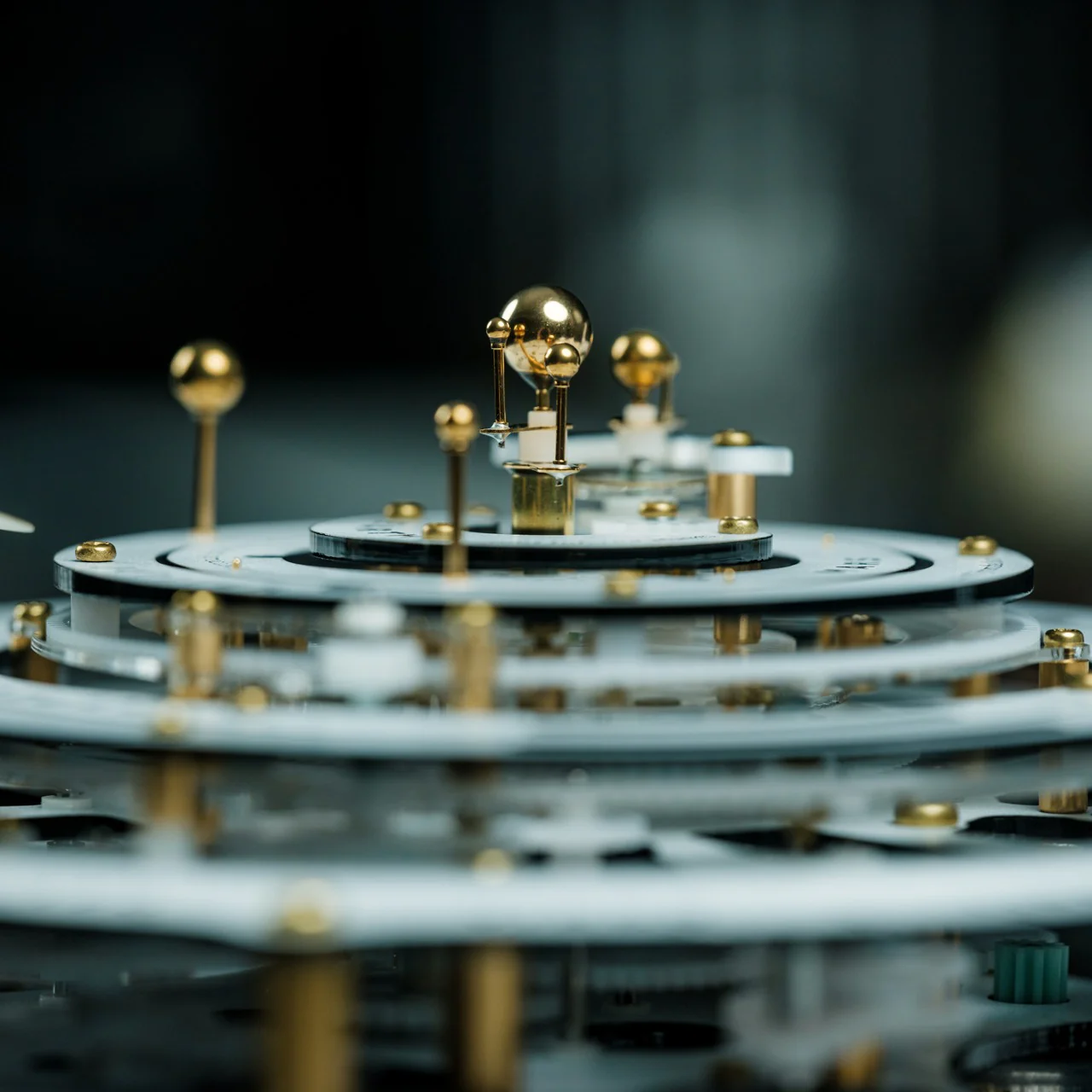
What draws me to this piece is the meditative quality of watching it operate. Like an aquarium but with educational value, the planetary movement provides constantly changing visual interest that rewards extended observation. It's the opposite of screen-based entertainment. Instead of demanding your attention with notifications and updates, it simply exists, moving through its celestial dance whether you're watching or not.
At $449, this is definitely an investment piece. The delicate mechanisms require careful handling and occasional dust removal. The footprint demands dedicated display space. But for anyone who remembers the joy of hands-on science education from the 90s, or who wants a conversation piece that combines art, science, and craftsmanship, the Perpetual Orrery is genuinely special.
5. Side A Cassette Speaker: The Mixtape Reborn
If there's one object that symbolizes 90s music culture more than any other, it's the mixtape. Hours spent selecting songs, arranging them in perfect order, designing covers, and giving them to friends or crushes. Mixtapes were acts of creative expression and emotional communication that Spotify playlists can't quite match.
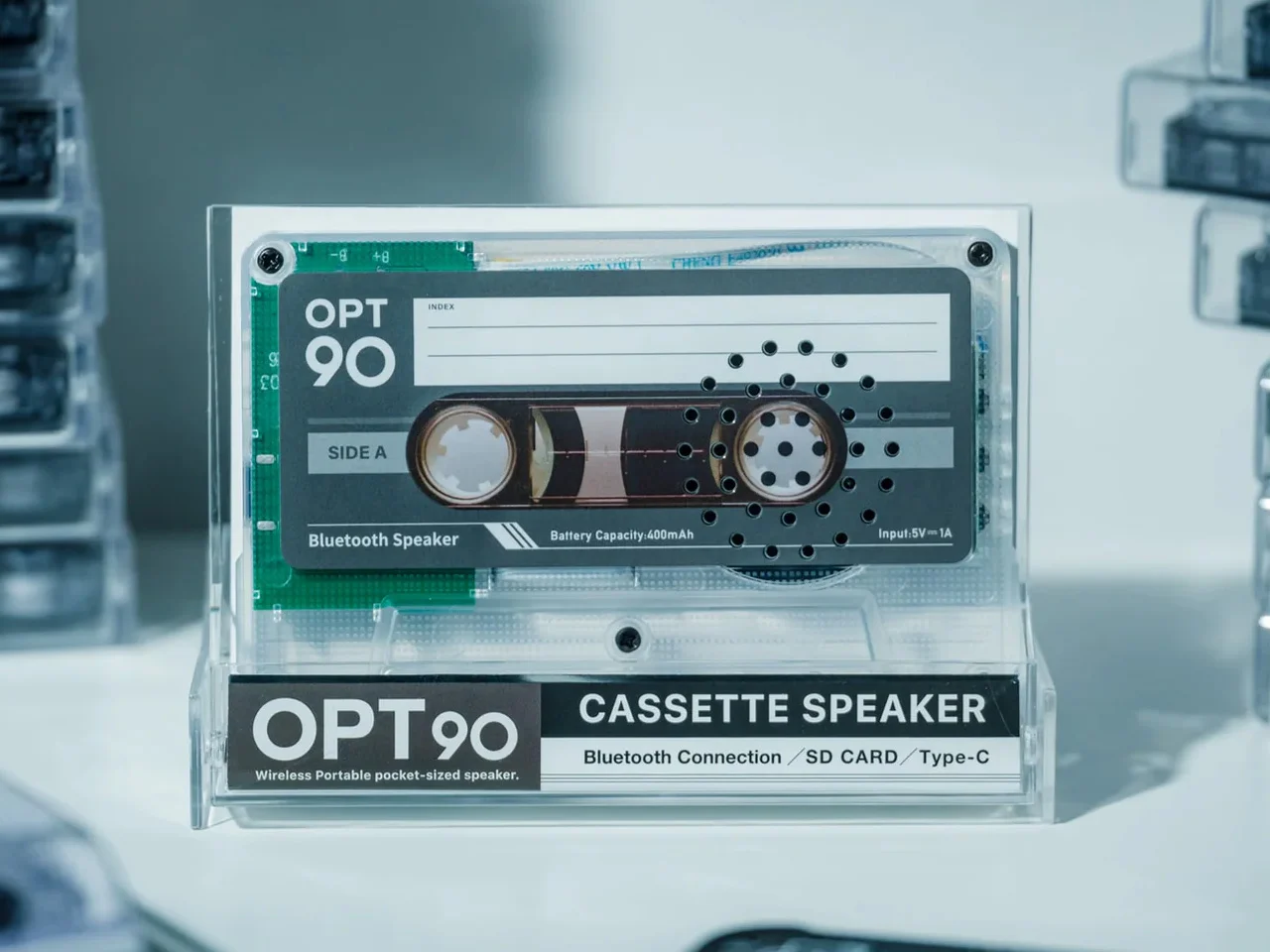
The Side A Cassette Speaker captures that spirit in a Bluetooth speaker that looks exactly like a transparent mixtape, complete with Side A labeling and visible "reels" inside the clear shell. The see-through design directly references the transparent electronics that defined 90s youth culture — see-through phones, see-through Game Boys, see-through everything.
The speaker connects via Bluetooth 5.3 for reliable wireless streaming, and a microSD slot allows offline MP3 playback without phone dependency. But here's the detail that really gets me: the sound is deliberately tuned to evoke the warm, slightly compressed character of actual cassette playback rather than clinical digital precision. It's not trying to be an audiophile device. It's trying to recreate the emotional experience of listening to tapes.
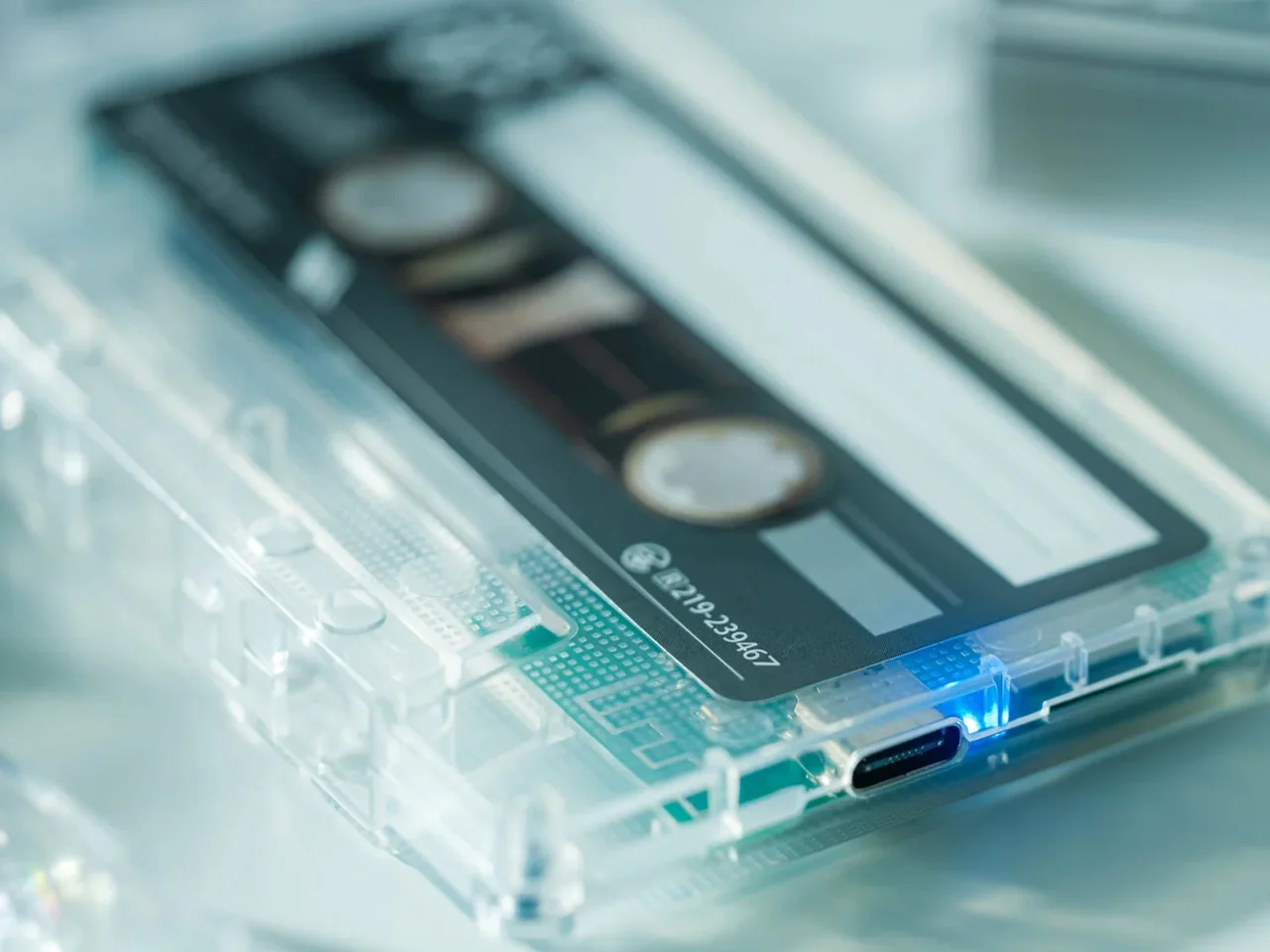
The clear case doubles as a display stand, letting you prop up the speaker like you once displayed your most treasured mixtapes. At under $50, it's affordable enough for an impulse purchase or an easy gift for any fellow millennial who'll immediately understand its appeal.
The compact size limits bass response and overall volume. The warm tuning might frustrate people wanting flat frequency response. Battery life probably won't match larger speakers. But this product succeeds because it doesn't try to compete on pure audio specifications. It competes on emotional resonance, and on that metric, it absolutely delivers.
6. Portable CD Cover Player: Album Art Returns
Here's a problem that streaming services created without solving: what do you look at while listening to music?
In the 90s, album artwork wasn't just decoration. It was integral to the music experience. You'd study the cover while listening to a new album for the first time. The imagery became permanently associated with the songs. Iconic album art turned into cultural touchstones. Streaming reduced all that visual richness to tiny thumbnails you glance at for half a second before hitting shuffle.
The Portable CD Cover Player addresses this directly. It plays audio CDs while displaying the album artwork in a dedicated pocket, physically reuniting the visual and auditory experience that made physical media special. The built-in speaker and rechargeable battery mean it goes anywhere, but the minimalist design also makes it worthy of permanent display. You can even wall-mount it, creating a rotating gallery of album art that changes with your listening mood.
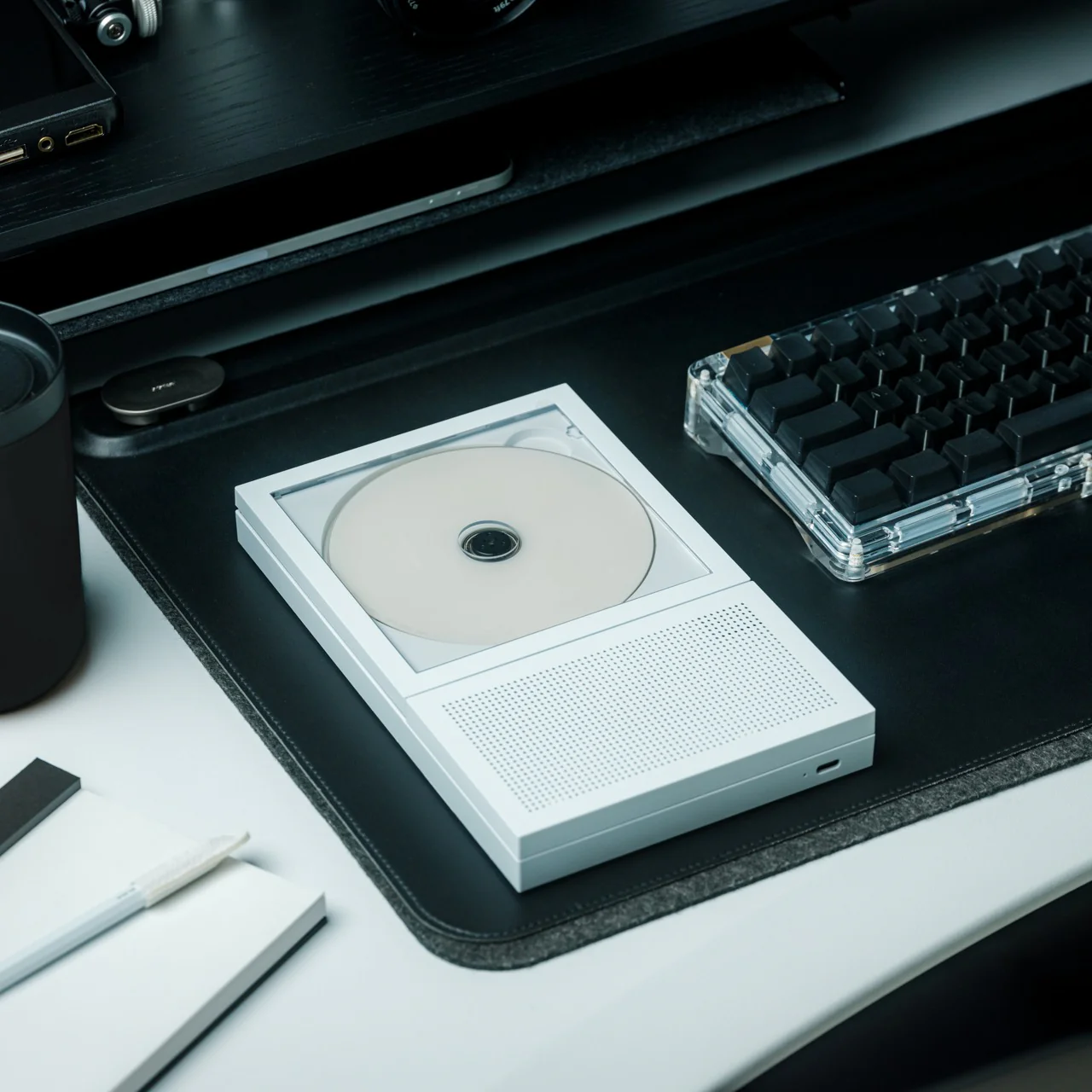
I love the philosophy behind this product. It forces intentional listening. You can't endlessly skip through an infinite catalog. You put in a CD, display its artwork, and actually listen to an album as a complete artistic statement. That ritual was fundamental to how millennials experienced music growing up, and this player brings it back.
At $199, it requires commitment. You need CDs to play, which means either maintaining a collection or starting one. The built-in speaker won't match dedicated audio systems. Physical media scratches and degrades. But for anyone who misses the visual and ritual aspects of physical music, this player offers something streaming never can.
7. Invisible Shoehorn: Function Made Beautiful
This final product might seem like an odd inclusion in a list of nostalgic tech, but bear with me. It represents something important about 90s design philosophy that I think we've lost.
The Invisible Shoehorn is a long stainless steel shoehorn with a transparent acrylic stand. When displayed, it looks sculptural, like a piece of modern art rather than a utilitarian object. The polished steel surface glides smoothly without snagging socks. The long handle eliminates back strain when putting on shoes — a small daily relief that compounds over years of use.
The transparent stand concept reflects the 90s fascination with revealing function through form. See-through electronics, skeleton watches, visible mechanisms — the 90s celebrated showing how things work rather than hiding everything behind smooth, seamless surfaces. This shoehorn embodies that philosophy for an everyday object.
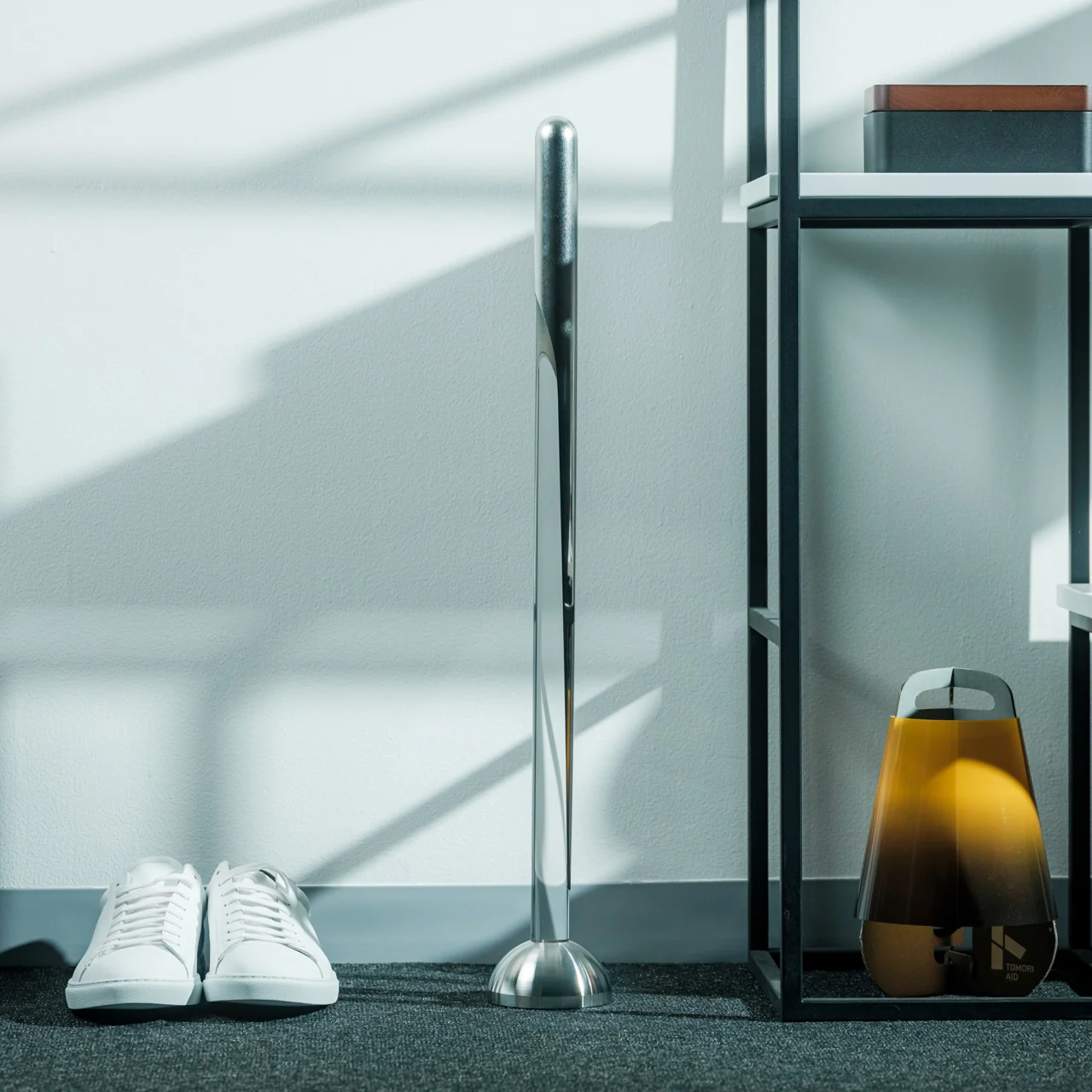
More importantly, it represents the opposite of disposable culture. This is something you buy once and use daily for decades. The stainless steel construction ensures durability measured in lifetimes rather than years. In an era of planned obsolescence and constant upgrades, there's something deeply satisfying about owning objects built to last.
At $299, this is admittedly expensive for a shoehorn. The minimalist aesthetic might be too subtle for some tastes. Stainless steel shows fingerprints and needs occasional cleaning. But for anyone who appreciates the 90s approach of making everyday objects beautiful and built to last, this piece makes a quiet statement about valuing quality over disposability.
What These Products Say About Our Moment
Looking at these seven products together, I see a pattern that goes beyond simple nostalgia. Each one prioritizes tactile interaction over invisible automation. Each one has visual presence and personality. Each one invites display rather than disappearing into the background.
This represents a meaningful rejection of the direction technology has taken over the past decade. We've been told that the ideal gadget is invisible, seamless, ambient — technology that serves you without demanding attention. And there's value in that. But we've lost something too. We've lost the joy of objects with character. We've lost the satisfaction of visible mechanisms and tangible controls. We've lost the conversation-starting presence of gadgets that look interesting rather than sleek.
These products offer an alternative. Technology that sparks joy and curiosity. Technology that invites interaction rather than just working in the background. Technology that creates gathering points and conversation starters.
For millennials specifically, these products resolve a tension we've been living with our whole adult lives. We appreciate modern convenience and capability. We've built our lives around digital services and always-connected devices. But we also remember when technology felt different — more personal, more present, more fun. These products prove we don't have to choose. We can have both.
How to Incorporate 90s Tech Nostalgia Into Your Life
If you're interested in bringing some of this 90s energy into your own space, here are some thoughts on how to approach it thoughtfully.
Start with one piece that genuinely resonates with you. The power of these products comes from their emotional connection, not from accumulating the whole collection. If mixtapes were your thing, the Side A Cassette Speaker will hit different than if you spent hours studying album art while listening to CDs.
Think about context and display. These products are designed to be seen, not hidden in drawers. The Harmony Flame creates a gathering point. The Perpetual Orrery rewards contemplation. The CD Player becomes wall art. Consider where you'll place them and how they'll function in your daily life.
Mix old and new thoughtfully. You don't need to transform your space into a 90s time capsule. One or two nostalgic pieces can create meaningful contrast with modern elements. The cassette speaker sitting next to contemporary furniture. The flame lamp on an otherwise minimalist table. The juxtaposition often makes both elements more interesting.
Focus on function as much as form. These products work best when they're genuinely useful, not just decorative. The radio that's ready for emergencies. The speaker you actually use for music. The shoehorn that saves your back daily. Nostalgia that serves practical purposes earns its place in your life.
Share the experience. Part of what made 90s tech culture special was the social element — making mixtapes for friends, showing off your CD collection, gathering around the fire. These products often work best when experienced with others who share the nostalgia.
Frequently Asked Questions
Why is 90s nostalgia so popular with millennials right now?
Millennials experienced a unique technological transition — analog childhood followed by digital adulthood. The 90s represent the last era when technology felt tactile, personal, and visible rather than invisible and seamless. Products that bring back 90s aesthetics while incorporating modern capabilities offer something millennials have been missing: technology with personality and presence.
Are these 90s-style products just for decoration or do they actually work?
The products featured here are fully functional modern devices wrapped in nostalgic design. The RetroWave Radio has seven practical functions including Bluetooth, emergency features, and shortwave reception. The Side A Cassette Speaker delivers genuine audio quality with Bluetooth 5.3. The CD Player produces real audio from actual CDs. These aren't decorative toys — they're working technology with retro aesthetics.
Where can I buy 90s nostalgia tech products?
Products like the Side A Cassette Speaker ($45), RetroWave Radio ($89), Harmony Flame ($239), Portable CD Player ($199), Perpetual Orrery ($449), and Invisible Shoehorn ($299) are available through specialty retailers and online marketplaces. The Samsung AI OLED Cassette and Turntable are currently concept devices shown at CES 2026 without confirmed production or availability.
Are cassette players and CD players making a comeback?
Physical media is experiencing a genuine revival among millennials and collectors. Cassette sales have grown consistently over the past several years, and CD sales have stabilized after years of decline. New products like the Side A Cassette Speaker and Portable CD Cover Player cater to this renewed interest by combining nostalgic formats with modern conveniences like Bluetooth connectivity.
What's the appeal of transparent or see-through electronics?
Transparent electronics were a defining aesthetic of 90s youth culture — see-through phones, Game Boys, and gadgets that revealed their inner workings. This design philosophy celebrated visible mechanisms rather than hiding technology behind smooth surfaces. Modern products like the Side A Cassette Speaker tap into this aesthetic because it represents a more honest, interesting relationship with technology than today's sealed black rectangles.
Is bioethanol fuel safe for indoor use?
Yes, bioethanol burns clean without producing smoke, soot, or harmful fumes when used properly in well-ventilated spaces. Products like the Harmony Flame Fireplace are specifically designed for safe indoor use. However, they still produce real flames and should be used with appropriate caution, kept away from flammable materials, and monitored when in use, especially around children or pets.
What is a perpetual orrery and how does it work?
An orrery is a mechanical model of the solar system showing planetary orbits around the sun. "Perpetual" refers to models that run continuously through purely mechanical means without batteries or external power. The Perpetual Orrery uses intricate gearing similar to sophisticated wristwatches to recreate celestial movements, with planets orbiting at their relative speeds and moons cycling through phases.
How do I listen to music on the Side A Cassette Speaker?
The Side A Cassette Speaker connects wirelessly via Bluetooth 5.3 to stream music from your phone, tablet, or computer. It also has a microSD card slot for offline MP3 playback without needing a connected device. Despite its cassette tape appearance, it doesn't actually play physical cassette tapes — it's a modern Bluetooth speaker in a nostalgic form factor.
Why would I buy a CD player in 2026 when I can stream everything?
The Portable CD Cover Player addresses something streaming lacks: the visual and ritual experience of physical music. It displays album artwork prominently while playing, recreating the experience of studying a cover while listening that was central to 90s music culture. For millennials who miss intentional album listening and the artistic importance of cover art, this offers something streaming can't replicate.
What makes the Invisible Shoehorn worth $299?
The Invisible Shoehorn is handcrafted from durable stainless steel with a transparent acrylic display stand, transforming a utilitarian object into sculptural art. The long handle eliminates back strain during daily use, providing ergonomic benefits that compound over years. The premium price reflects materials and craftsmanship built to last decades rather than years, representing the 90s philosophy of quality over disposability.
Are these products good gifts for millennials?
These products make excellent gifts for millennials because they combine practical functionality with emotional resonance. The Side A Cassette Speaker ($45) is an affordable option that immediately triggers nostalgia. The RetroWave Radio ($89) offers genuine utility plus emergency preparedness. Higher-end options like the Perpetual Orrery make impressive statement gifts. The key is matching the specific product to the recipient's personal 90s memories and current interests.
Will Samsung actually produce the OLED Cassette and Turntable?
Samsung has not announced production plans for the AI OLED Cassette or Turntable shown at CES 2026. These remain concept devices demonstrating possible applications of circular OLED display technology. However, the strong positive response to these concepts may influence Samsung's product development decisions. For now, they represent an exciting vision of where nostalgic tech design might go rather than products you can purchase.
The 90s gave us technology that felt magical, personal, and present. Today's sleek minimalism offers convenience and capability, but often at the cost of character and joy. These seven products prove we don't have to choose between past and future. We can have nostalgic forms with modern functionality, visible personality with genuine performance.
For millennials navigating a world that sometimes feels like it's lost its tangible texture, these products offer something meaningful. They're not just objects — they're bridges between who we were and who we've become, proof that the best parts of our analog childhood can coexist with our digital adulthood.
The 90s are back. And honestly? It feels like coming home.
Related Articles
 Dani
Dani
 Dani
Dani