Two years after opening its doors to the public, Bluesky is finally ready to admit something its most loyal users have known for months: the basics aren't quite there yet.
In a candid roadmap announcement published on January 27, 2026, Bluesky's head of product Alex Benzer outlined what's coming next for the decentralized social network and it reads less like a victory lap and more like a to-do list that should have been finished a year ago. Better video support. Draft posts. An improved Discover feed. Real-time features for live events. These aren't moonshot ideas. They're table stakes.
But here's the thing: Bluesky acknowledging its shortcomings might be exactly what the platform needs. With 42 million registered users and a passionate community that genuinely believes in the vision of a decentralized social web, the question isn't whether Bluesky can attract people.
The answer to that question depends entirely on whether the company can execute on what Benzer is promising. And based on the 2026 roadmap, execution is finally becoming the priority.
The State of Bluesky in Early 2026
Let's be honest about where Bluesky stands right now. The platform has grown from a niche, invite-only experiment into a legitimate social network with over 42 million users. That's impressive growth, especially for a company that doesn't have Meta's resources or X's existing user base to draw from.
According to data from Similarweb, Bluesky saw a 40% year-over-year drop in daily active users as of October 2025. The platform currently has around 3.5 million daily active users—a fraction of its total registered accounts. For comparison, Meta's Threads has roughly 115 million daily active mobile users, and X maintains around 132 million.
The pattern is familiar to anyone who's watched social media platforms rise and fall. Bluesky gets a surge of new users whenever there's controversy at X or political tension drives people to seek alternatives. But many of those users don't stick around. They sign up, poke around, maybe post a few times, and then drift back to their primary platforms.
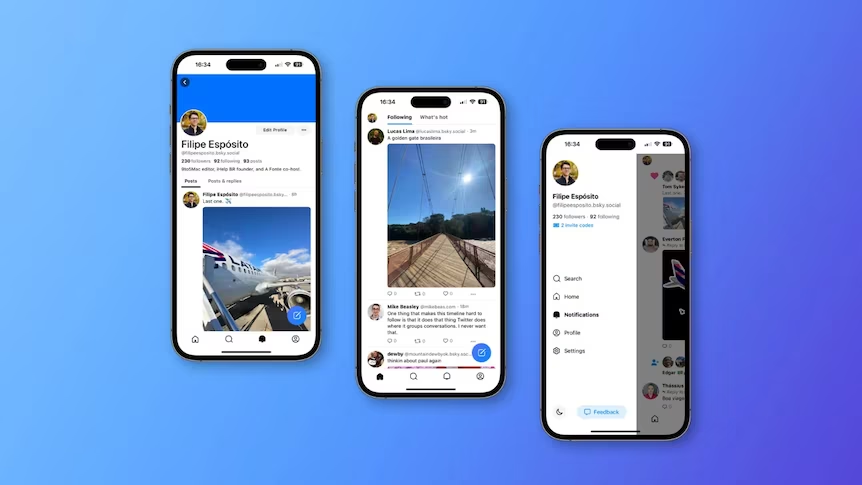
Why? The most common complaints are exactly what Benzer addressed in the roadmap: missing features that other platforms figured out years ago. No drafts, short video limits, clunky thread creation and perhaps most critically, no private accounts – something that matters deeply to users concerned about privacy or harassment.
What's Actually Coming in 2026
The roadmap breaks down into several key areas, each targeting a specific weakness in the current Bluesky experience.
Video and Media Improvements
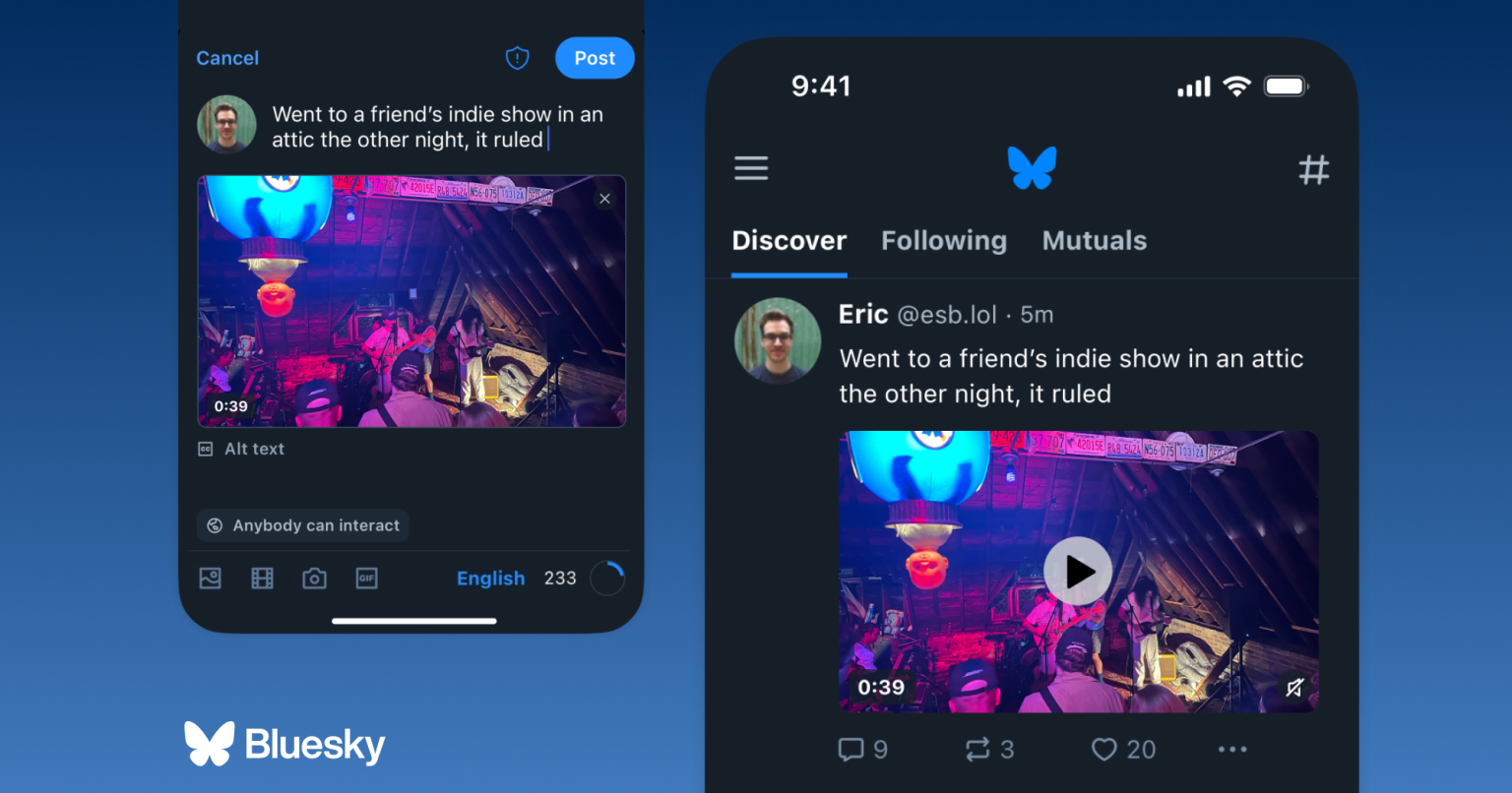
Benzer acknowledged that the current three-minute video limit isn't enough. The company plans to support longer videos and faster upload speeds. This might sound minor, but it matters enormously for creators who want to share content without having to compress or cut their work. When you're competing against platforms where users can upload longer-form content easily, every friction point costs you engagement.
The ability to post more than four photos at a time is also on the list. Again, this is a feature that other platforms have had for years, but Bluesky is playing catch-up.
Draft Support
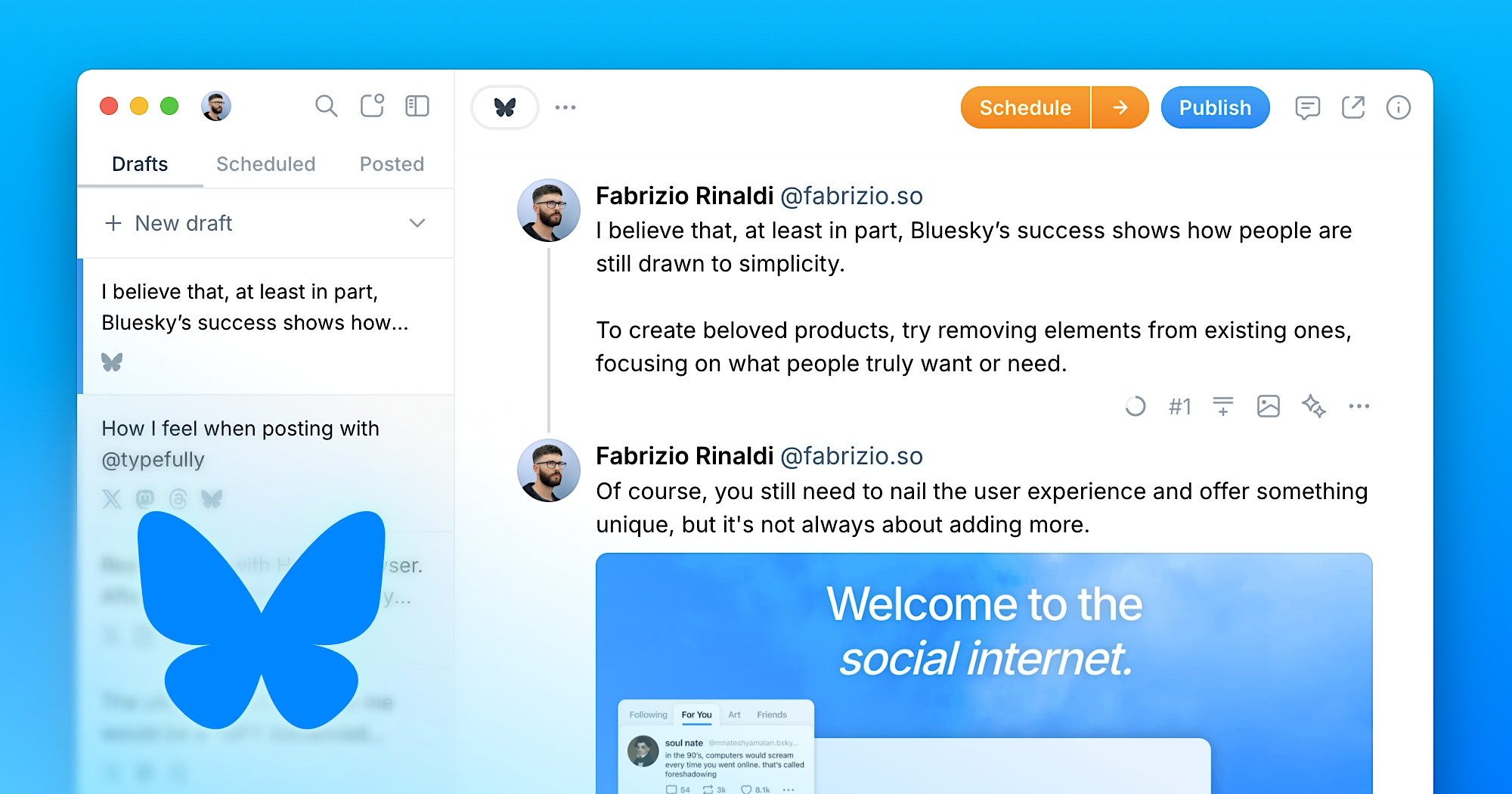
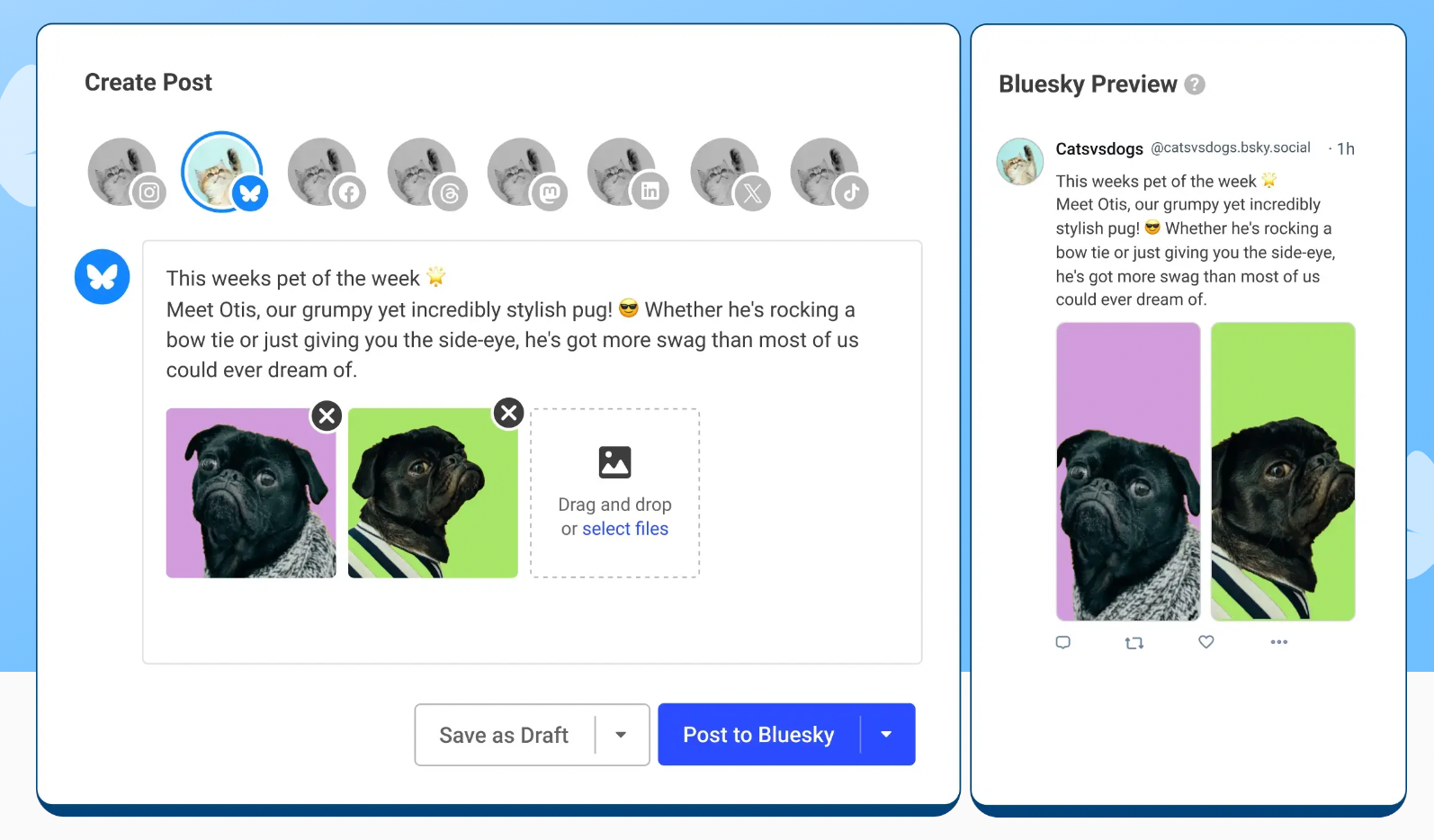
The ability to save drafts before posting has been one of the most requested features since Bluesky opened to the public. For power users, journalists, and anyone who crafts their posts carefully, this is essential functionality. The fact that it's taken this long to implement says something about Bluesky's priorities in its early years, building decentralized infrastructure over polishing the user experience.
Discover Feed Enhancements
The Discover feed is getting topic tags, which will help guide users toward posts related to their interests. This is Bluesky's attempt to solve a fundamental problem: how do you help people find good content on a platform where they might not know who to follow yet?
Custom feeds have always been one of Bluesky's strongest differentiators. Unlike X or Threads, where you're largely at the mercy of the platform's algorithm, Bluesky lets users choose from community-created feeds that filter and organize content in different ways. But finding the right feeds has always been clunky. Topic tags should make discovery more intuitive.
Better "Who to Follow" Recommendations
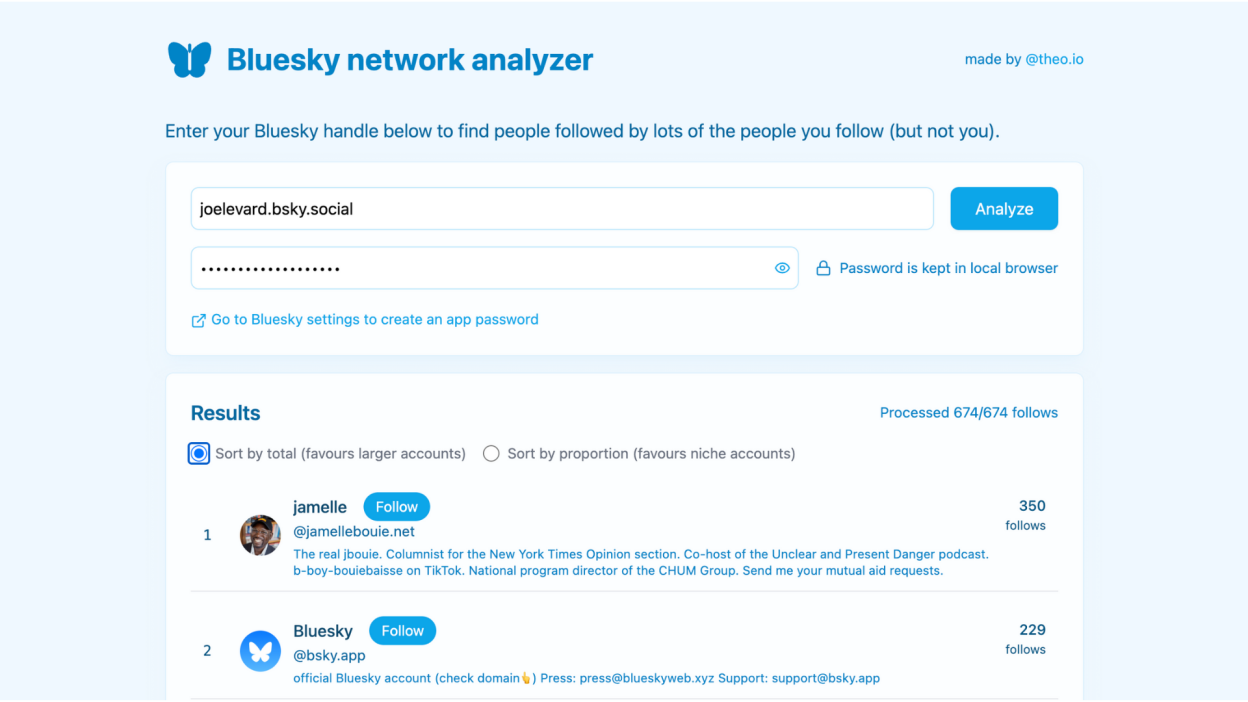
Benzer emphasized that finding high-quality connections improves the overall user experience. This is social media 101, but it's harder to execute than it sounds. The quality of your follow recommendations depends on having good data about user interests and behavior and building those recommendation systems takes time and iteration.
Real-Time Features
This is where things get interesting. Benzer said he wants Bluesky to have more of a "real-time" feel, whether around sports events, elections, or breaking news. The company is building curation tools so its team can create high-quality custom feeds during live events.
There's also a more cryptic promise about new features within feeds that would make them "feel less like just scrolling through posts and more like hanging out." What exactly that means remains unclear, but it suggests Bluesky is thinking about ways to create more community-oriented experiences beyond simple chronological or algorithmic timelines.
The Private Accounts Problem
One thing the roadmap didn't address directly: private accounts. This remains one of Bluesky's most significant limitations and one of the hardest to solve.
The issue is fundamental to Bluesky's architecture. The platform is built on the AT Protocol, a decentralized system where data is meant to be portable and transparent. Servers in the network need to be able to exchange posts freely for the decentralized system to function. That inherently conflicts with the concept of private profiles where only approved followers can see your content.
Bluesky's developers have acknowledged this limitation publicly. According to discussions on the protocol's GitHub, the team is working on ways to support shared and non-public content, but they haven't provided estimates for when private accounts might be available. The AT Protocol's Fall 2025 check-in noted that group-private data remains a priority, but the team believes they need to mature their existing public broadcast infrastructure before tackling this next major challenge.
For users who want to control who sees their posts, whether for safety reasons, professional boundaries, or simple preference. And it's one that Bluesky can't easily solve without significant protocol-level changes.
The Atmosphere Ecosystem
Beyond the core Bluesky app, the roadmap touched on something equally important: interoperability with other applications built on the AT Protocol.
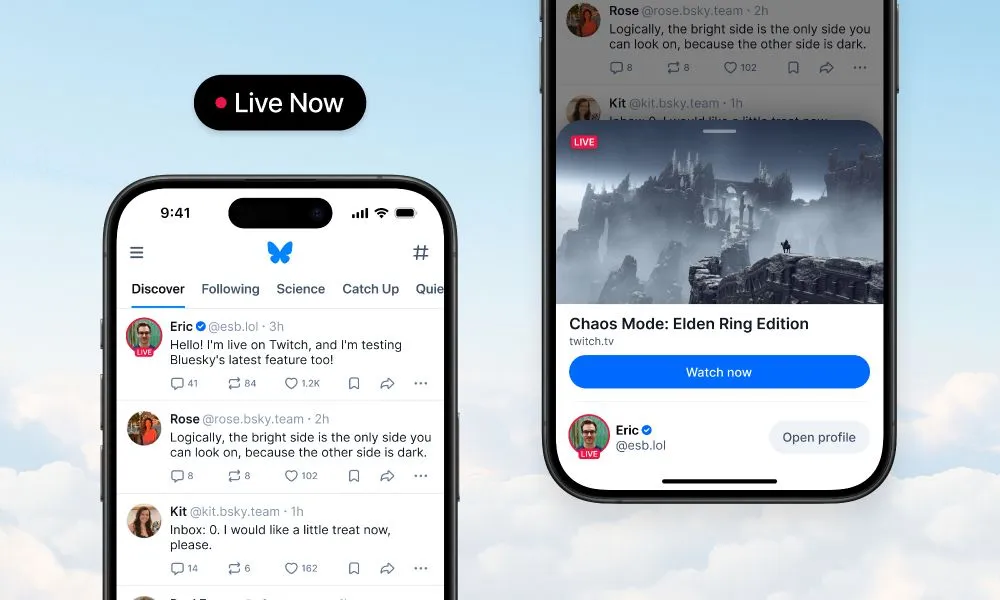
The community calls this broader ecosystem the "Atmosphere," and it's starting to become meaningful. Apps like Streamplace are building livestreaming services on AT Protocol. When you go live on Twitch or Streamplace, you can now display a LIVE badge on your Bluesky profile photo that links directly to your stream.
This is Bluesky's philosophical differentiator in action. Instead of trying to keep users trapped within the app, the platform is positioning itself as a discovery layer that connects to content across the open web. As Bluesky's COO Rose Wang put it in an earlier interview: "We aren't trapping you in Bluesky. We want you to use Bluesky to discover what's happening."
Benzer said another integration like the LIVE badge feature is coming "soon." If Bluesky can become the place where you discover what's happening across the decentralized social web—sports, streams, news, conversations – that's a compelling value proposition even if the platform itself is smaller than its competitors.
The Real-Time Strategy
One of the most intriguing aspects of the 2026 roadmap is the emphasis on real-time experiences. Benzer specifically mentioned sports and elections as areas where Bluesky wants to shine.
This makes strategic sense. Real-time events create natural gathering points for social media users. When something important is happening – a playoff game, election results, breaking news – people want to talk about it with others who are watching. These moments generate huge engagement spikes and can convert casual users into regular visitors.
Bluesky has already made inroads here. The NBA and WNBA were among the first major organizations to test the platform's LIVE badge feature, which displays when games are happening and links directly to watch. The company is building curation tools so its team can create specialized feeds for live events, making it easier for users to follow along with what's happening.
But competing in real-time is about more than features. It requires scale. When a major moment happens, users want to see thousands of reactions, not dozens. They want trending topics that actually reflect what people are talking about. They want the feeling of being part of something bigger.
Bluesky's 3.5 million daily active users can create that feeling within specific communities and around certain events. Whether they can do it at the scale necessary to compete with X and Threads for mainstream real-time conversation is a different question.
What the Roadmap Reveals About Bluesky's Priorities
Reading between the lines of Benzer's announcement, a few things become clear.
- Bluesky knows it has a retention problem. The emphasis on "getting the basics right" and making sure users "stick around" suggests the company has data showing that too many people try the platform and leave. The features on the roadmap—drafts, better video, improved discovery—are all aimed at reducing friction and giving users reasons to return.
- The company is betting on differentiation through philosophy rather than features alone. The integration with other AT Protocol apps, the emphasis on algorithmic choice, the focus on user control—these are the things that make Bluesky fundamentally different from X and Threads. But differentiation only matters if users actually care about it.
- Bluesky isn't trying to be everything to everyone. The roadmap doesn't mention advertising, monetization for creators, or aggressive growth tactics. Instead, it focuses on building a better product for the users who are already there. That's a reasonable strategy for a small team with limited resources, but it also means accepting that Bluesky will remain a niche platform for the foreseeable future.
Will Any of This Actually Work?
The honest answer is: maybe.
Bluesky has several things going for it. A loyal community that believes in the mission. A technically sophisticated protocol that enables genuine innovation. Leadership that understands what made Twitter work in its early days. And a competitive landscape where X's chaos and Threads' corporate blandness leave room for alternatives.
But the platform also faces serious headwinds. The lack of private accounts limits its appeal to users concerned about safety or privacy. The absence of a clear business model raises questions about long-term sustainability. And the sheer scale advantage of competitors makes it hard to compete for mainstream attention.
The 2026 roadmap won't solve all of these problems. What it might do is solve enough of them to keep Bluesky's existing users engaged while gradually attracting new ones. If the platform can execute on better video support, drafts, improved discovery, and real-time features, it will be a significantly better product than it is today.
Whether that's enough to transform Bluesky from a passionate niche community into a mainstream social network is another question entirely. The social media landscape is littered with platforms that did everything right and still failed because they couldn't achieve critical mass.
But there's something to be said for building something good and letting it grow organically. Bluesky may never have 350 million users like Threads. It may never be the default destination for breaking news like X still is for many people. But it might become something else—a home for users who value openness, customization, and community over scale and virality.
For now, that's what the 2026 roadmap is promising: not dominance, but quality. Not explosive growth, but sustainable improvement. Not everything at once, but the basics done well.
Given where Bluesky started, that might be exactly the right approach.
Related Articles
 Mark
Mark
 Dani
Dani
 Mark
Mark